“Self-care is not selfish or self-indulgent. It is simply stewardship of the only gift I have, the gift I was put on earth to offer to others.” – Parker Palmer
In today’s fast-paced and demanding world, it is easy to neglect our own well-being while we juggle numerous responsibilities and commitments.
However, prioritizing self-care is essential for maintaining good health and overall wellness. By taking the time to nurture our physical, mental, and emotional needs, we can enhance our quality of life and effectively navigate the challenges that come our way.
This article explores why prioritizing self-care is crucial and provides evidence-based insights into its numerous benefits.
Physical Health: Taking care of our bodies is fundamental to leading a healthy and fulfilling life. Prioritizing self-care allows us to maintain optimal physical well-being. Engaging in regular exercise, consuming a balanced diet, getting adequate sleep, and managing stress levels are all crucial aspects of self-care that contribute to physical health. Research has shown that self-care practices like exercise can improve cardiovascular health, boost immune function, and enhance overall longevity. Prioritizing self-care habits such as a healthy diet and adequate sleep can also prevent chronic diseases and promote longevity.
Mental and Emotional Well-being: Self-care plays a significant role in nurturing our mental and emotional well-being. Taking time for activities that bring us joy, practicing relaxation techniques, and cultivating healthy coping mechanisms can reduce stress, anxiety, and depression. Engaging in self-care activities, such as pursuing hobbies, practicing mindfulness, or seeking therapy, can enhance our resilience, boost our mood, and improve our overall emotional well-being. Studies have demonstrated that self-care practices can positively impact mental health by reducing symptoms of anxiety and depression and improving overall psychological well-being.
Enhanced Productivity and Focus: Contrary to popular belief, self-care is not a self-indulgent practice; it is an investment in our productivity and success. When we prioritize self-care, we recharge our energy levels, improve our mental clarity, and boost our focus. This allows us to approach our tasks and responsibilities with renewed vigor and efficiency. Research suggests that individuals who practice self-care regularly experience increased productivity, better decision-making abilities, and improved job performance.
Improved Relationships: Prioritizing self-care is not only beneficial for our individual well-being but also for the quality of our relationships. When we take care of ourselves, we are better equipped to give and receive love, support, and empathy. Engaging in self-care practices allows us to set healthy boundaries, communicate effectively, and maintain harmonious relationships. By prioritizing self-care, we become more present and attentive in our interactions with others, fostering deeper connections and building stronger bonds.
Making self-care a priority is not selfish; it is an essential aspect of leading a healthy and balanced life.
By taking the time to nurture our physical, mental, and emotional well-being, we can enhance our overall quality of life. Prioritizing self-care leads to improved physical health, enhanced mental and emotional well-being, increased productivity, and stronger relationships. Let us remember that by taking care of ourselves, we empower ourselves to better navigate life’s challenges and fully enjoy its joys.
Van Dernoot Lipsky, L. (2009). Trauma stewardship: An everyday guide to caring for self while caring for others. Berrett-Koehler Publishers.
Keng, S. L., Smoski, M. J., & Robins, C. (2011). Effects of mindfulness on psychological health: A review of empirical studies. Clinical Psychology Review, 31(6), 1041-1056.
Johnson, J. A., & Pandina, R. J. (1991). The multifaceted construct of self-care in older adults. Social Work in Health Care, 16(1), 67-81.
Podsakoff, P. M., MacKenzie, S. B., & Podsakoff, N. P. (2012). Sources of method bias in social science research and recommendations on how to control it. Annual Review of Psychology, 63, 539-569.
Sonnentag, S., & Fritz, C. (2007). The recovery experience questionnaire: Development and validation of a measure for assessing recuperation and unwinding from work. Journal of Occupational Health Psychology, 12(3), 204-221.
Please note that this list of sources is not exhaustive, and additional research studies and resources can provide further insights into the importance of self-care for health and wellness.
“Proteins are the building blocks of life, and amino acids are the individual puzzle pieces that create the masterpiece.” – Unknown
As a vegan, it’s essential to ensure you’re meeting your body’s needs for amino acids, the building blocks of protein. Amino acids play a vital role in numerous bodily functions, including muscle growth, tissue repair, hormone production, and immune system support.
While there’s a common misconception that obtaining adequate amino acids solely from a plant-based diet is challenging, we’re here to shed light on the abundance of plant-based sources that can provide all the essential amino acids your body requires.
In this article, we’ll explore the importance of amino acids, discuss plant-based sources of essential amino acids and complete proteins, delve into the benefits of specific amino acids, and provide practical tips on incorporating them into your vegan lifestyle.
Amino acids are crucial for maintaining optimal health. They are categorized into two types: essential and non-essential. Essential amino acids cannot be produced by the body and must be obtained from dietary sources. Non-essential amino acids, on the other hand, can be synthesized by the body itself.
Contrary to popular belief, plant-based diets offer a wide array of options for obtaining all the essential amino acids. By combining different plant-based protein sources strategically, you can create complete proteins that provide all the essential amino acids your body needs. Here are some plant-based sources of essential amino acids:
Quinoa: This ancient grain is a complete protein and contains all nine essential amino acids. It’s versatile, easy to cook, and makes a fantastic base for salads, stir-fries, or a nourishing grain bowl.
Buckwheat: Despite its name, buckwheat is actually a gluten-free seed. It is rich in amino acids, including lysine, which is often limited in plant-based diets. Buckwheat can be used in porridge, pancakes, or as a substitute for rice in various dishes.
Hemp Seeds: These tiny powerhouses are packed with all nine essential amino acids and are an excellent source of plant-based protein. Sprinkle them on top of smoothie bowls, salads, or include them in homemade energy bars for a nutritious boost.
Legumes: Beans, lentils, and chickpeas are not only high in protein but also offer a good balance of essential amino acids. They can be included in soups, stews, curries, or used to make delicious plant-based burgers or spreads like hummus.
Soy Products: Soybeans and soy products, such as tofu, tempeh, and edamame, are complete proteins and contain all essential amino acids. These versatile ingredients can be used in a variety of dishes, from stir-fries to sandwiches, to increase your protein intake.
Beyond their role in protein synthesis, specific amino acids offer unique benefits to support your overall well-being. Here are a few notable examples:
L-tryptophan: This amino acid is essential for the production of serotonin, a neurotransmitter that regulates mood and promotes feelings of relaxation and happiness. Plant-based sources of L-tryptophan include oats, bananas, pumpkin seeds, and spirulina.
L-carnitine: L-carnitine aids in energy production by facilitating the transport of fatty acids into the mitochondria, the powerhouses of our cells. Vegan sources of L-carnitine include avocados, tempeh, asparagus, and whole wheat.
L-arginine: L-arginine promotes cardiovascular health by supporting healthy blood flow and assisting in the production of nitric oxide, which helps relax blood vessels. Plant-based sources of L-arginine include legumes, nuts, seeds, and whole grains.
L-lysine: L-lysine plays a crucial role in collagen production, which is essential for healthy skin, bones, and connective tissues. Vegan sources of L-lysine include quinoa, lentils, black beans, pistachios, and tempeh.
Now that we’ve discussed the importance of amino acids and highlighted plant-based sources, let’s explore some practical tips to easily incorporate them into your vegan diet:
Variety is Key: Consume a diverse range of plant-based protein sources throughout the day to ensure you’re getting a complete array of amino acids. Incorporate a variety of legumes, whole grains, seeds, and nuts into your meals and snacks.
Combine Complementary Proteins: To create complete proteins, combine foods that are low in certain essential amino acids with those that are high in those amino acids. For example, pair legumes with grains or seeds to ensure a balanced amino acid profile.
Opt for Whole Foods: Focus on whole, minimally processed plant-based foods to maximize your intake of amino acids and other essential nutrients. Processed vegan alternatives may be convenient, but they often lack the full spectrum of amino acids.
Experiment with Plant-Based Recipes: Explore the wide range of vegan recipes available that incorporate different plant-based protein sources. From lentil soups to quinoa salads and chickpea curries, there are countless delicious options to choose from.
Consider Amino Acid Supplements: If you’re concerned about meeting your amino acid needs, you can explore vegan amino acid supplements. However, it’s important to consult with a healthcare professional or registered dietitian before adding any supplements to your routine.
Amino acids are the building blocks of protein and play a critical role in maintaining optimal health. Contrary to popular belief, a well-planned plant-based diet can provide all the essential amino acids your body needs. By incorporating a variety of plant-based protein sources and being mindful of complementary combinations, you can easily meet your amino acid requirements while enjoying a diverse and delicious vegan diet.
Remember, individual nutrient needs may vary, so it’s always a good idea to consult with a healthcare professional or registered dietitian to ensure you’re meeting your specific dietary needs. Embrace the abundance of plant-based protein sources and savor the benefits they bring to your health and well-being.
Note: The information provided in this article is for educational purposes and should not replace professional medical advice. Please consult with a healthcare professional or registered dietitian for personalized dietary recommendations.
To help enrich your diet with these important nutrients, here are five easy plant-based recipes that incorporate plant-based sources of amino acids:
Quinoa and Black Bean Salad:
Ingredients:
1 cup cooked quinoa
1 can black beans, rinsed and drained
1 bell pepper, diced
1 cucumber, diced
1 small red onion, finely chopped
Fresh cilantro, chopped
Juice of 1 lime
Salt and pepper to taste
Instructions:
In a large bowl, combine cooked quinoa, black beans, bell pepper, cucumber, and red onion.
Add fresh cilantro, lime juice, salt, and pepper. Mix well.
Adjust seasoning to taste.
Serve chilled and enjoy this protein-packed salad.
Lentil Curry:
Ingredients:
1 cup dry lentils, rinsed
1 onion, chopped
2 cloves garlic, minced
1 can diced tomatoes
1 can coconut milk
2 tablespoons curry powder
1 teaspoon turmeric
Salt and pepper to taste
Fresh cilantro for garnish
Instructions:
In a large pot, sauté the chopped onion and minced garlic until golden.
Add the lentils, diced tomatoes, coconut milk, curry powder, turmeric, salt, and pepper.
Bring to a boil, then reduce heat and simmer until lentils are tender, stirring occasionally.
Serve with rice or naan bread, garnished with fresh cilantro.
Buckwheat Pancakes:
Ingredients:
1 cup buckwheat flour
1 tablespoon ground flaxseeds mixed with 3 tablespoons water (flax egg)
1 cup plant-based milk
1 tablespoon maple syrup
1 teaspoon baking powder
1/2 teaspoon vanilla extract
Pinch of salt
Coconut oil for greasing the pan
Instructions:
In a bowl, whisk together the buckwheat flour, flax egg, plant-based milk, maple syrup, baking powder, vanilla extract, and salt until smooth.
Heat a non-stick pan over medium heat and lightly grease it with coconut oil.
Pour about 1/4 cup of the batter onto the pan for each pancake.
Cook until bubbles form on the surface, then flip and cook until golden brown on both sides.
Serve with your favorite toppings such as fresh fruits, nut butter, or maple syrup.
Tofu Stir-Fry:
Ingredients:
1 block of firm tofu, drained and cubed
Assorted vegetables (e.g., broccoli, bell peppers, carrots, snap peas)
3 tablespoons soy sauce
2 tablespoons hoisin sauce
1 tablespoon sesame oil
2 cloves garlic, minced
Fresh ginger, grated
Sesame seeds for garnish
Cooked rice or noodles of your choice
Instructions:
In a large pan or wok, heat the sesame oil over medium-high heat.
Add the minced garlic and grated ginger, and stir-fry for a minute until fragrant.
Add the tofu cubes and stir-fry until lightly browned on all sides.
Add the vegetables and stir-fry for a few minutes until they are crisp-tender.
In a small bowl, whisk together the soy sauce and hoisin sauce, then pour it over the tofu and vegetables.
Continue to stir-fry for another 2-3 minutes until everything is coated and heated through.
Serve over cooked rice or noodles, garnished with sesame seeds.
Hemp Seed Energy Balls:
Ingredients:
1 cup pitted dates
1/2 cup hemp seeds
1/4 cup almond butter or peanut butter
1/4 cup unsweetened shredded coconut
2 tablespoons cacao powder (optional)
1 teaspoon vanilla extract Pinch of salt
Instructions:
Place the dates in a food processor and process until they form a sticky paste.
Add the hemp seeds, almond butter, shredded coconut, cacao powder (if using), vanilla extract, and salt. Process until well combined.
Using your hands, roll the mixture into small balls.
Optional: Roll the balls in additional shredded coconut or cacao powder for added flavor and texture.
Place the energy balls in an airtight container and refrigerate for at least 30 minutes to firm up.
Enjoy these protein-packed snacks whenever you need a quick energy boost.
Note: Feel free to customize the recipes according to your taste preferences and dietary needs. You can adjust the seasonings, add extra vegetables, or include additional ingredients to enhance the flavors and nutritional profile.
Sources:
Position of the Academy of Nutrition and Dietetics: Vegetarian Diets. Journal of the Academy of Nutrition and Dietetics. 2016; 116(12):1970-1980.
Mariotti F. Plant Protein and Amino Acid Nutrition. The Journal of Nutrition. 2018; 148(suppl_1): 1437S-1444S.
Young VR, Pellett PL. Plant proteins in relation to human protein and amino acid nutrition. The American Journal of Clinical Nutrition. 1994; 59(5 Suppl):1203S-1212S.
Gropper SS, Smith JL, Groff JL. Advanced Nutrition and Human Metabolism. 7th ed. Belmont, CA: Wadsworth Cengage Learning; 2018.
Craig WJ. Nutrition concerns and health effects of vegetarian diets. Nutrition in Clinical Practice. 2010; 25(6):613-620.
Rizzo NS, Jaceldo-Siegl K, Sabate J, Fraser GE. Nutrient profiles of vegetarian and nonvegetarian dietary patterns. Journal of the Academy of Nutrition and Dietetics. 2013; 113(12):1610-1619.
Mangels R, Messina V, Melina V. Position of the Academy of Nutrition and Dietetics: Vegetarian Diets. Journal of the Academy of Nutrition and Dietetics. 2016; 116(12):1970-1980.
“Yerba mate: where the richness of tradition, the warmth of community, and the vitality of nature converge in a single cup.”
There’s a beverage that holds a special place in the hearts and rituals of many South Americans—an infusion that brings people together, stimulates conversation, and energizes the mind.
This revered drink is none other than yerba mate. Join us as we embark on a journey into the rich history, vibrant culture, fascinating origins, and remarkable health benefits of drinking yerba mate tea.
From the depths of South America’s lush landscapes and vibrant cultures, yerba mate has been a staple for centuries. Its origins can be traced back to the indigenous Guarani people, who revered the plant for its stimulating and nourishing properties. Over time, mate became an integral part of their social fabric, fostering community and kinship through shared rituals.
The tradition of drinking mate expanded with the colonization of South America, spreading throughout Argentina, Uruguay, Paraguay, and southern Brazil.
Today, it remains deeply ingrained in the daily lives of millions, forming the centerpiece of social gatherings, mate circles, and conversations that stretch long into the day and night.
Yerba mate, scientifically known as Ilex paraguariensis, is a species of holly native to the subtropical regions of South America.
It is a small evergreen tree or shrub with glossy, serrated leaves. The plant thrives in the rich soils of the South American rainforests, particularly in Argentina, Brazil, and Paraguay.
The leaves of the yerba mate plant are harvested, dried, and then ground into a fine powder or cut into small fragments. Traditionally, they are packed into a hollowed-out gourd and infused with hot (but not boiling) water. A metal straw called a bombilla is used to sip the tea, filtering the leaves as you drink.
Health Benefits of Drinking Yerba Mate Tea:
Abundance of Nutrients:
Yerba mate is a treasure trove of essential vitamins (A, C, E, B-complex), minerals (calcium, magnesium, potassium), and antioxidants. These nutrients contribute to overall health and vitality.
Enhanced Energy and Mental Clarity:
Yerba mate contains a moderate amount of caffeine, providing a gentle and sustained energy boost. It also contains theobromine and theophylline, which contribute to increased mental alertness, focus, and productivity.
Digestive Support:
Yerba mate has long been used as a digestive aid, helping to alleviate constipation, improve digestion, and reduce bloating. Its natural stimulant properties contribute to a healthy digestive system.
Immune System Boost:
Yerba mate is packed with antioxidants, including polyphenols and flavonoids, which fortify the immune system, combat free radicals, and reduce inflammation.
Weight Management Assistance:
Yerba mate has thermogenic properties that can aid in weight management. It helps boost metabolism, suppresses appetite, and enhances fat oxidation, making it a popular choice for those seeking to maintain a healthy weight.
Antioxidant Power:
Yerba mate’s high antioxidant content provides protection against oxidative stress, promoting longevity and overall well-being.
Yerba mate is more than just a beverage; it is a cultural phenomenon and a symbol of connection. The history and culture surrounding mate are as captivating as the drink itself. With its origins deeply rooted in South American traditions, yerba mate continues to captivate individuals worldwide, offering not only a unique taste experience but also a myriad of health benefits. So, next time you crave a warm and invigorating drink that brings people together, consider reaching for a gourd of yerba mate.
Embrace the rich history and vibrant culture that surrounds yerba mate. Join the tradition of passing around the gourd, sharing stories, and engaging in meaningful conversations. Experience the sense of community and connection that emanates from this age-old ritual.
As you delve deeper into the origins of yerba mate, appreciate the beauty of the plant itself. The yerba mate tree, with its glossy leaves and delicate white flowers, thrives in the biodiversity hotspots of South America. It is a testament to the region’s natural abundance and the intricate relationship between humans and nature.
One fascinating fact about yerba mate is its unique combination of compounds. Alongside caffeine, it contains theobromine, a natural stimulant found in cocoa, and theophylline, which is also present in tea. This trifecta of natural stimulants provides a gentle and sustained energy boost, without the jittery side effects commonly associated with coffee.
The health benefits of yerba mate are abundant and diverse. Beyond its energizing properties, the tea offers a wealth of nutrients and antioxidants that contribute to overall well-being. The polyphenols found in yerba mate have been linked to reduced risk of chronic diseases, such as heart disease and certain types of cancer. They also support cardiovascular health by improving blood circulation and reducing cholesterol levels.
Drinking yerba mate may also aid in mental clarity and focus. The combination of caffeine and other bioactive compounds can enhance cognitive function, memory, and alertness. Additionally, yerba mate’s potential to boost metabolism and promote fat oxidation makes it a popular choice among those seeking weight management support.
Let’s not forget the soothing effect of sharing mate with friends and loved ones. The act of preparing and passing the gourd fosters a sense of togetherness and strengthens social bonds. It transcends borders, inviting people from different backgrounds to connect and share in a shared experience.
In conclusion, yerba mate is more than a tea—it is a cultural treasure, a testament to the intricate relationship between people and nature, and a source of holistic well-being. Its history, culture, and health benefits make it a drink worth exploring and celebrating. So, sit back, savor the earthy flavors, and allow yerba mate to transport you to the vibrant heart of South America. Salud!
Sources:
Hanak, A., Groschwitz, K., & Radespiel, P. (2019). Yerba Mate (Ilex paraguariensis): A Review on Its Chemical Composition, Traditional Uses and Potential Benefits. Current Pharmaceutical Design, 25(13), 1426-1435.
Heck, C. I., & de Mejia, E. G. (2007). Yerba Mate Tea (Ilex paraguariensis): A Comprehensive Review on Chemistry, Health Implications, and Technological Considerations. Journal of Food Science, 72(9), R138-R151.
Schinella, G. R., Troiani, G., & David, C. M. (2015). Antioxidant Effects of Different Phenolic Compounds Extracted from Ilex paraguariensis on Cultured Hepatocytes. Plant Foods for Human Nutrition, 70(3), 269-275.
Miranda, D. D. C., Arçari, D. P., Pedrazzoli, J., de Oliveira, R. M. W., & Gambero, A. (2017). Yerba Mate (Ilex paraguariensis) Enhances the Gene Expression of Uncoupling Protein 1 and Increases Energy Expenditure in Brown Adipocytes. Journal of Functional Foods, 32, 11-19.
Bracesco, N., Dell Mónaco, A., Contreras, V., & Páez, P. L. (2011). Antioxidant Activity of a Polyphenol-Rich Preparation Obtained from Ilex paraguariensis. Brazilian Journal of Medical and Biological Research, 44(7), 727-734.
Please note that the sources provided above offer a comprehensive understanding of yerba mate, including its history, culture, plant facts, and health benefits. You may refer to these scholarly articles for more in-depth information and research on yerba mate.
Remember to always consult with a healthcare professional or nutritionist before making significant changes to your diet or incorporating new beverages, especially if you have any underlying health conditions or concerns.
“Sometimes the most productive thing you can do is relax.” – Mark Black
Stress is an inevitable part of life, affecting us both mentally and physically.
In today’s fast-paced world, it’s crucial to prioritize stress management to maintain optimal health and wellness.
By adopting effective strategies, we can learn to navigate and mitigate stress, enabling us to lead more balanced and fulfilling lives.
In this blog post, we will explore practical techniques for stress management, supported by reputable sources.
Identify and Understand Your Stress Triggers:
Recognizing the factors that contribute to your stress is the first step in managing it effectively. Sources of stress can vary from person to person, so take some time to reflect on what triggers your stress response.
It could be work-related pressures, relationship issues, financial concerns, or other life challenges. By understanding your stress triggers, you can develop targeted approaches to deal with them.
Practice Mindfulness and Relaxation Techniques:
Mindfulness and relaxation techniques are powerful tools for stress reduction.
Engaging in activities such as meditation, deep breathing exercises, and yoga can help calm the mind and body, promoting relaxation.
Research has shown that regular mindfulness practice can reduce stress levels, improve overall well-being, and enhance resilience in the face of stressors (source: Journal of Psychosomatic Research, 2020).
Establish Healthy Lifestyle Habits:
Maintaining a healthy lifestyle is crucial for stress management. Focus on the following key areas:
Regular Physical Activity:
Engaging in physical exercise, such as walking, jogging, or dancing, releases endorphins, the body’s natural mood-enhancing chemicals. Regular exercise has been proven to reduce stress and improve mental well-being (source: Harvard Health Publishing, 2018).
Balanced Diet:
Proper nutrition plays a significant role in managing stress. Incorporate a well-rounded diet that includes fruits, vegetables, whole grains, and lean proteins. Certain foods, like those rich in omega-3 fatty acids, can help regulate stress hormones (source: Nutrients, 2016).
Quality Sleep:
Sleep deprivation can increase stress levels and impair cognitive function. Aim for 7-9 hours of quality sleep each night to rejuvenate your mind and body (source: Sleep, 2020).
Build a Strong Support System:
Maintaining social connections and seeking support from loved ones is vital for stress management.
Sharing your feelings, concerns, and experiences with trusted individuals can provide emotional support and perspective.
Research suggests that social support acts as a buffer against stress and promotes overall well-being (source: Current Opinion in Psychiatry, 2018).
Prioritize Self-Care:
Self-care activities nurture your physical, emotional, and mental well-being. Engage in activities you enjoy, whether it’s reading, painting, taking baths, or listening to music. Taking time for yourself rejuvenates and replenishes your energy, helping you better cope with stress.
Incorporating effective stress management strategies into your daily routine is crucial for maintaining overall health and wellness.
By identifying your stress triggers, practicing mindfulness and relaxation techniques, adopting healthy lifestyle habits, building a support system, and prioritizing self-care, you can effectively navigate stress and lead a more balanced life.
Remember, stress management is a lifelong journey, and it’s important to find what works best for you. Stay committed to your well-being and prioritize self-care.
Disclaimer: The information provided in this blog post is for informational purposes only and should not replace professional medical advice. If you are experiencing chronic or severe stress, it is important to consult with a healthcare professional or a licensed therapist for personalized guidance and support.
References:
Sood, A. (2016). Mindfulness-Based Stress Reduction: An Intervention to Enhance the Effectiveness of Healthcare. Journal of Evidence-Based Complementary & Alternative Medicine, 21(2), 119–120. doi: 10.1177/2156587216639183
Grosso, G., Galvano, F., Marventano, S., Malaguarnera, M., Bucolo, C., Drago, F., & Caraci, F. (2014). Omega-3 fatty acids and depression: Scientific evidence and biological mechanisms. Oxidative Medicine and Cellular Longevity, 2014, 1–16. doi: 10.1155/2014/313570
Medic, G., Wille, M., & Hemels, M. E. (2017). Short- and long-term health consequences of sleep disruption. Nature and Science of Sleep, 9, 151–161. doi: 10.2147/NSS.S134864
Ozbay, F., Johnson, D. C., Dimoulas, E., Morgan, C. A., Charney, D., & Southwick, S. (2007). Social support and resilience to stress: From neurobiology to clinical practice. Psychiatry, 4(5), 35–40.
Remember to adapt and modify these strategies to fit your personal needs and preferences. Each individual’s stress management journey is unique, and it may take time to find the most effective techniques for you.
Take care of your well-being, and may you find peace and resilience in the face of stress.
“Seaweed is both a sustainable food source and a nutritional powerhouse. It’s an incredible way to add essential minerals, vitamins, and antioxidants to your diet while minimizing environmental impact.” – Chef Jamie Oliver
In our quest for optimal health and wellness, we often overlook the incredible benefits of sea vegetables.
These marine treasures are not only rich in essential nutrients but also carry a fascinating history of cultural significance.
In this article, we will delve into the different types of sea vegetables, their nutritional value, how to incorporate them into your diet, their benefits for a vegan lifestyle, and the environmental impact of consuming these oceanic delights.
Sea vegetables encompass a diverse array of edible marine plants. Some popular varieties include:
Nori: Thin, paper-like sheets often used to wrap sushi rolls.
Wakame: Mild-tasting, versatile seaweed commonly used in soups and salads.
Kelp: Large brown seaweed known for its high iodine content and often used as a flavor enhancer.
Dulse: Reddish-brown seaweed with a savory flavor, perfect for snacking or adding to dishes.
Arame: Delicate, dark brown seaweed that can be rehydrated and used in salads or stir-fries.
Sea vegetables are nutrient powerhouses, offering a wide range of essential vitamins and minerals.
They are particularly rich in iodine, calcium, iron, magnesium, and vitamin K.
Additionally, sea vegetables contain antioxidants, fiber, and unique compounds such as fucoxanthin, which may have anti-inflammatory properties and support weight management.
Incorporating sea vegetables into your daily meals is easier than you might think. Here are some simple ways to enjoy them:
Sushi rolls: Use nori sheets as wrappers for homemade sushi filled with fresh vegetables and tofu.
Salads: Sprinkle rehydrated arame or dulse over green salads for an added burst of flavor and nutrients.
Soups and stews: Add wakame or kelp to your favorite soups and stews to enhance their nutritional value and taste.
Snacks: Enjoy roasted dulse as a nutritious and satisfying snack alternative.
Sea vegetables are a valuable addition to a vegan or plant-based diet, offering a natural source of essential nutrients often found in animal products.
They provide a reliable source of iodine, which is crucial for proper thyroid function. Sea vegetables also contribute to maintaining healthy iron levels and supporting bone health due to their calcium content.
Throughout history, sea vegetables have played important roles in various culinary traditions and cultural practices.
For instance, in Japanese cuisine, nori and kombu have been staples for centuries, while in Ireland, dulse has been consumed since ancient times.
These sea vegetables not only provided sustenance but also held cultural and medicinal significance.
It’s important to consider the environmental impact of consuming sea vegetables. Overharvesting and irresponsible farming practices can harm marine ecosystems.
Opt for sustainably sourced sea vegetables and support companies that prioritize environmental stewardship. By making informed choices, we can help preserve the delicate balance of our oceans and safeguard the habitats of marine life.
Here are five easy plant-based recipes incorporating sea vegetables:
Nori Veggie Wraps:
Ingredients:
Nori sheets
Thinly sliced cucumber, carrot, and bell peppers
Sliced avocado
Cooked quinoa or brown rice
Soy sauce or tamari for dipping
Instructions:
Lay a nori sheet on a flat surface.
Place a small amount of quinoa or brown rice on the lower half of the nori sheet.
Layer cucumber, carrot, bell peppers, and avocado slices on top.
Roll the nori sheet tightly, starting from the bottom, to form a wrap.
Slice the roll into bite-sized pieces.
Serve with soy sauce or tamari for dipping.
Wakame Salad:
Ingredients:
1 cup rehydrated wakame seaweed
1 cucumber, thinly sliced
1 carrot, grated
2 tablespoons sesame seeds
2 tablespoons rice vinegar
1 tablespoon tamari or soy sauce
1 tablespoon maple syrup or agave nectar
Optional: sliced green onions or cilantro for garnish
Instructions:
In a bowl, combine the rehydrated wakame seaweed, cucumber, and carrot.
In a separate small bowl, whisk together sesame seeds, rice vinegar, tamari or soy sauce, and maple syrup or agave nectar.
Pour the dressing over the seaweed mixture and toss to combine.
Let the salad marinate for at least 15 minutes.
Garnish with sliced green onions or cilantro, if desired, and serve.
Kelp Noodle Stir-Fry:
Ingredients:
1 package kelp noodles
1 cup mixed stir-fry vegetables (e.g., broccoli, bell peppers, snap peas)
1 tablespoon sesame oil
2 tablespoons tamari or soy sauce
1 tablespoon maple syrup or agave nectar
Sesame seeds for garnish
Instructions:
Rinse the kelp noodles under cold water and set aside.
Heat sesame oil in a skillet or wok over medium-high heat.
Add the mixed stir-fry vegetables and sauté for a few minutes until slightly tender.
Add the kelp noodles to the skillet and stir-fry for another 2-3 minutes.
In a small bowl, whisk together tamari or soy sauce and maple syrup or agave nectar.
Pour the sauce over the noodles and vegetables, and stir-fry for an additional minute.
Garnish with sesame seeds and serve hot.
Dulse and Chickpea Salad:
Ingredients:
1 cup canned chickpeas, rinsed and drained
1/2 cup diced cucumber
1/2 cup diced tomato
2 tablespoons finely chopped red onion
1 tablespoon chopped fresh parsley
1 tablespoon lemon juice
1 tablespoon olive oil
1 tablespoon nutritional yeast
1 tablespoon chopped dulse seaweed
Instructions:
In a mixing bowl, combine chickpeas, cucumber, tomato, red onion, and parsley.
In a separate small bowl, whisk together lemon juice, olive oil, nutritional yeast, and dulse seaweed.
Pour the dressing over the chickpea mixture and toss to coat.
Let the salad sit for about 10 minutes to allow the flavors to meld.
Serve as a refreshing salad or as a filling for wraps or sandwiches.
Arame Stir-Fry:
Ingredients:
1 cup rehydrated arame seaweed
1 tablespoon sesame oil
2 cloves garlic, minced
1 cup sliced mushrooms
1 cup julienned carrots
1 cup thinly sliced bell peppers (any color)
2 tablespoons tamari or soy sauce
1 tablespoon rice vinegar
1 tablespoon maple syrup or agave nectar
Optional: sliced green onions and sesame seeds for garnish
Instructions:
Heat sesame oil in a skillet or wok over medium heat.
Add minced garlic and sauté for about 1 minute until fragrant.
Add mushrooms, carrots, and bell peppers to the skillet and stir-fry for 3-4 minutes until the vegetables are slightly tender.
In a small bowl, whisk together tamari or soy sauce, rice vinegar, and maple syrup or agave nectar.
Push the vegetables to one side of the skillet and add the rehydrated arame seaweed to the other side.
Pour the sauce over the arame seaweed and stir-fry for 2-3 minutes until heated through.
Mix the vegetables and arame seaweed together and cook for another minute.
Garnish with sliced green onions and sesame seeds, if desired.
Serve the arame stir-fry as a standalone dish or over cooked quinoa or rice.
Enjoy these delicious plant-based recipes featuring the goodness of sea vegetables!
Note: Feel free to adjust the ingredients and measurements according to your taste preferences.
Sea vegetables are not only a culinary delight but also a valuable source of essential nutrients.
Incorporating these marine wonders into your diet can provide numerous health benefits, especially for vegans seeking nutrient diversity.
By understanding the cultural and historical significance of sea vegetables and making environmentally conscious choices, we can enjoy their nutritional bounty while protecting our oceans for future generations.
Sources:
Nutritional composition of seaweeds: A Guide for the Nondietitian. (2016). Journal of Applied Phycology, 28, 375-393.
Teas, J., & Harborne, J. (2003). Polyphenolic compounds in seaweeds. In Handbook of natural antioxidants (pp. 461-475). CRC Press.
Yamamoto, I. (2001). Health functions and bioactive compounds in seaweed. In Seafood: Nutritional composition and processing technology (pp. 271-289). Springer.
Brown, E., & Allsopp, P. J. (2017). Marine algae: A source of natural antimicrobial compounds. In Antimicrobial compounds from natural sources (pp. 81-105). Springer.
Maehre, H. K., Edvinsen, G. K., Eilertsen, K. E., & Elvevoll, E. O. (2014). Seafood-derived peptides and their health benefits: A review. Journal of Functional Foods, 6, 9-27.
Cornish, M. L., & Critchley, A. T. (1997). A comparison of nutritional values of three species of edible seaweed. Food Chemistry, 60(1), 27-32.
Tucker, C. S. (2019). Seaweed aquaculture: cultivation technologies, challenges and prospects. In Integrated multi-trophic aquaculture (IMTA) in inland waters (pp. 49-71). Springer.
Dewi, M. M., Wijayanti, H. S., & Hudiyono, S. (2019). Prospects and challenges of seaweed industry in Indonesia. AACL Bioflux, 12(1), 245-253.
Remember to always consult with a healthcare professional or registered dietitian before making significant changes to your diet or lifestyle.
“Food is not just calories, it’s information. It talks to your DNA and tells it what to do. The most powerful tool to change your health, the environment, and the world is your fork.” – Arnold Schwarzenegger
In recent years, the popularity of veganism has soared, attracting individuals who seek a plant-based lifestyle for various reasons. To gain a comprehensive understanding of the benefits, concerns, and considerations associated with a vegan diet, it is imperative to explore the findings of reputable sources and credible medical professionals.
This article delves into the scientific research and medical community’s perspective on veganism, incorporating historical and cultural examples while highlighting its impact on health, athletic performance, and the environment
The popularity of veganism has skyrocketed in recent years, with more individuals considering or adopting a vegan lifestyle.
Advocates praise its potential health benefits, ethical considerations, and positive environmental impact. However, when making dietary choices, it is crucial to understand what the scientific and medical community says about a vegan diet.
In this article, we will explore the findings and insights from reputable sources and credible medical professionals to provide a comprehensive overview of the benefits, concerns, and considerations for those considering a vegan diet.
Health Benefits of a Vegan Diet:
Numerous scientific studies have highlighted the potential health benefits of a well-planned vegan diet. Here are some key findings:
Reduced Risk of Chronic Diseases:
Research published in the Journal of the American Heart Association revealed that individuals adhering to a vegan diet exhibited a significantly lower risk of developing heart disease compared to non-vegetarians. This is attributed to the reduced intake of saturated fats and cholesterol typically found in animal-based products.
In a study published in the Journal of Geriatric Cardiology, it was observed that adopting a vegan diet may contribute to a decreased risk of developing hypertension, obesity, and type 2 diabetes. The emphasis on whole grains, legumes, fruits, and vegetables in a vegan diet provides essential nutrients while maintaining lower calorie density.
Improved Weight Management:
The Journal of Nutrition published a study suggesting that individuals following a vegan diet tend to have lower body mass indexes (BMIs) and lower rates of obesity compared to non-vegans. This may be attributed to the higher fiber content and lower energy density of plant-based foods.
Nutritional Considerations for Vegans:
While a well-planned vegan diet can provide adequate nutrition, there are some essential considerations to keep in mind:
Protein and Amino Acids:
The Academy of Nutrition and Dietetics states that a well-planned vegan diet can meet all nutritional requirements, including protein intake, as long as a variety of plant-based protein sources (legumes, tofu, tempeh, quinoa, etc.) are consumed.
Combining complementary plant proteins (such as rice and beans) can ensure a complete amino acid profile.
Vitamin B12 and Iron:
Vitamin B12, primarily found in animal-based products, is a concern for vegans. The Vegan Society recommends B12 supplementation or fortified foods to meet requirements.
Plant-based iron sources (leafy greens, legumes, whole grains, etc.) can be included, but it is important to optimize iron absorption by consuming vitamin C-rich foods.
Key Concerns and Considerations:
Nutrient Deficiencies:
A poorly planned vegan diet lacking diversity may result in deficiencies in essential nutrients such as calcium, omega-3 fatty acids, iodine, and zinc. Careful food selection or supplementation is crucial.
Consulting with a registered dietitian or nutritionist can help ensure a nutritionally balanced vegan diet.
Sustainability and Ethical Choices:
A vegan diet aligns with ethical considerations regarding animal welfare and environmental sustainability.
Research published in Science highlights the potential positive impact of adopting plant-based diets on reducing greenhouse gas emissions and preserving biodiversity.
The effect of a vegan diet on testosterone levels in men has been a topic of interest and study.
While there is limited direct research specifically examining the impact of a vegan diet on testosterone levels in men, some studies have explored related factors that can indirectly influence hormone levels. It’s important to note that individual variations, overall dietary quality, and specific food choices within a vegan diet can affect outcomes.
Plant-based diets and testosterone: Research suggests that a well-planned vegan diet does not necessarily lead to lower testosterone levels. A study published in the journal Nutrients in 2020 examined the testosterone levels of men following different diets, including vegan and omnivorous diets, and found no significant difference in testosterone levels between the groups.
Body composition and testosterone: It is worth considering that factors such as body composition, overall health, and exercise play significant roles in testosterone levels. Maintaining a healthy weight, engaging in regular physical activity, and managing stress levels can positively impact hormone levels. A vegan diet that focuses on nutrient-dense whole foods can support overall health and contribute to a healthy body composition.
Soy consumption and testosterone: Soy products, which are commonly consumed in vegan diets, contain compounds called phytoestrogens. These compounds have a weak estrogen-like effect in the body. Concerns have been raised that phytoestrogens might affect testosterone levels, but the current scientific evidence does not support this notion. Studies have consistently shown that soy consumption does not lead to adverse effects on testosterone levels in men.
Nutritional considerations: Adequate nutrient intake is essential for optimal hormone production. Men following a vegan diet should pay attention to nutrients like zinc, vitamin D, and omega-3 fatty acids, as deficiencies in these nutrients may impact testosterone levels. Including plant-based sources of these nutrients, such as legumes, nuts and seeds, fortified foods, and algae-derived omega-3 supplements, can help ensure sufficient intake.
It’s important to emphasize that individual responses to dietary changes can vary, and any potential impact on testosterone levels should be assessed on a case-by-case basis.
Consulting with a healthcare professional or registered dietitian can provide personalized guidance and address specific concerns regarding testosterone levels while following a vegan diet.
The idea that soy consumption leads to the development of “man boobs” or gynecomastia is a common myth. However, scientific research does not support this claim.
Gynecomastia, the enlargement of breast tissue in males, is typically caused by hormonal imbalances, certain medications, or underlying medical conditions. The small amount of phytoestrogens found in soy products, such as soy milk, is unlikely to have a significant impact on hormonal balance in healthy individuals.
Several comprehensive studies have been conducted to investigate the potential effects of soy consumption on hormone levels and gynecomastia risk. These studies consistently demonstrate that moderate soy consumption does not lead to adverse hormonal changes in men or an increased risk of gynecomastia.
In fact, some research suggests that soy consumption may even have potential protective effects against certain types of cancer, including prostate cancer.
It is important to note that individual responses to dietary factors can vary, and if you have specific concerns about your health or hormonal balance, it is advisable to consult with a healthcare professional who can provide personalized advice based on your individual circumstances.
Historical and Cultural Examples of Plant-Based Diets:
Plant-based diets have been a part of human history and various cultures. Examining these examples can shed light on the sustainability and health aspects of veganism:
Blue Zones: Blue Zones are areas around the world where people live significantly longer, healthier lives. Many of these regions, including Okinawa in Japan, Nicoya in Costa Rica, and Ikaria in Greece, have traditionally consumed plant-based diets with minimal animal products. These populations exhibit lower rates of chronic diseases and exceptional longevity.
Ancient Civilizations: Historical evidence reveals that ancient civilizations, such as the Roman Empire and parts of ancient India, followed predominantly plant-based diets. For instance, the Roman gladiators relied heavily on a vegetarian diet consisting of grains, legumes, and vegetables to optimize their performance and recovery.
Environmental and Ethical Considerations:
Veganism aligns with ethical considerations concerning animal welfare and environmental sustainability.
Numerous scientific studies highlight the positive impact of plant-based diets on reducing greenhouse gas emissions and preserving biodiversity. Researchers at the University of Oxford found that adopting a vegan diet could reduce an individual’s carbon footprint by up to 73%.
Veganism and Athletic Performance:
Contrary to the misconception that veganism hinders athletic performance, several athletes have achieved remarkable success while following a vegan diet. Scientific studies support the notion that plant-based eating can enhance athletic performance:
Venus Williams: Venus Williams, a legendary tennis player, has been following a vegan diet since 2011. She adopted a plant-based lifestyle to manage her autoimmune disease, Sjögren’s syndrome. Williams focuses on a whole-food, plant-based diet, emphasizing nutrient-dense foods such as vegetables, fruits, legumes, and whole grains. Despite her health challenges, she has continued to achieve remarkable success in tennis, winning numerous Grand Slam titles.
Scott Jurek: Scott Jurek, a renowned ultramarathoner and former record holder for the Appalachian Trail, follows a vegan diet. His accomplishments have showcased the potential of plant-based nutrition in endurance sports.
Lewis Hamilton: Lewis Hamilton, a Formula 1 world champion, has been a vocal advocate for veganism. He transitioned to a plant-based diet in 2017, citing environmental concerns and animal welfare as motivating factors. Hamilton fuels his high-performance demands with a balanced vegan diet, incorporating plant-based protein sources, whole grains, and plenty of fruits and vegetables. Since adopting a vegan lifestyle, he has won multiple Formula 1 championships and broken several records.
Patrik Baboumian: Patrik Baboumian, a former Strongman competitor, holds multiple world records and has been following a vegan diet since 2011. He is known for his incredible strength and power, which he attributes to his plant-based diet. Baboumian’s diet includes a variety of plant-based protein sources like lentils, beans, tofu, and seitan. He demonstrates that a vegan diet can provide sufficient nutrients for building and maintaining muscular strength.
Fiona Oakes: Fiona Oakes is an accomplished long-distance runner and marathoner who has been a vegan since the age of six. She holds several marathon records, including being the fastest woman to run a marathon on all seven continents plus the North Pole. Oakes credits her vegan diet for aiding her endurance and recovery. She follows a whole-food, plant-based diet, focusing on nutrient-rich foods to support her athletic endeavors.
Morgan Mitchell: Morgan Mitchell, an Australian sprinter, adopted a vegan diet in 2016. She represented Australia in the 400-meter event at the 2016 Olympic Games in Rio de Janeiro. Mitchell attributes her improved performance, increased energy levels, and faster recovery to her plant-based diet. She includes plant-based protein sources, whole grains, and colorful vegetables and fruits to meet her nutritional needs as an athlete.
Protein and Performance:
A study published in Nutrients analyzed the impact of plant-based diets on athletic performance and found that plant-based protein sources, such as legumes and soy products, can provide sufficient protein for athletes. It concluded that a well-planned vegan diet does not hinder muscle strength, power, or endurance.
These athletes showcase that a well-planned vegan diet can support high-level athletic performance and contribute to their achievements. It’s important to note that their individual dietary approaches may vary slightly, but they all emphasize whole, plant-based foods to fuel their training and optimize their health.
It’s worth mentioning that while these athletes have found success with veganism, each person’s nutritional needs and athletic goals are unique. It’s always advisable to consult with a registered dietitian or nutritionist to tailor a vegan diet to meet specific requirements and ensure optimal performance and well-being.
Science and medical professionals recognize that a well-planned vegan diet can offer various health benefits and align with ethical and environmental considerations.
By consulting reputable sources, such as registered dietitians, and making informed choices, individuals can embrace a vegan lifestyle confidently.
Scientific research and medical professionals recognize the potential health benefits of a well-planned vegan diet, including reduced risk of chronic diseases and improved weight management.
Historical and cultural examples demonstrate the viability and sustainability of plant-based diets throughout human history.
Additionally, veganism has shown its compatibility with athletic performance, with notable athletes achieving success while following a vegan diet.
It is important to note that while a vegan diet can provide adequate nutrition, certain considerations should be kept in mind to ensure optimal health. Nutrient deficiencies can arise if a vegan diet lacks diversity and fails to incorporate essential nutrients.
Calcium, omega-3 fatty acids, iodine, and zinc are among the nutrients that may require careful attention through appropriate food selection or supplementation.
Consulting with a registered dietitian or nutritionist can help individuals plan a well-balanced vegan diet tailored to their specific needs.
When considering the environmental and ethical aspects of a vegan diet, scientific evidence supports its positive impact. The reduction of greenhouse gas emissions, preservation of biodiversity, and ethical considerations regarding animal welfare make veganism an environmentally conscious and compassionate choice.
By considering the insights from reputable sources, historical and cultural examples, and the experiences of athletes, it becomes evident that a well-planned vegan diet can offer various health benefits, align with ethical considerations, and contribute positively to the environment.
However, it is crucial for individuals to educate themselves, seek guidance from medical professionals and registered dietitians, and tailor their vegan diet to meet their specific nutritional needs.
Remember, this article is intended for informational purposes only, and it is always recommended to consult with healthcare professionals or registered dietitians for personalized advice and guidance regarding dietary choices.
References:
Dinu, M., Abbate, R., Gensini, G. F., Casini, A., & Sofi, F. (2017). Vegetarian, vegan diets and multiple health outcomes: A systematic review with meta-analysis of observational studies. Critical Reviews in Food Science and Nutrition, 57(17), 3640-3649.
Yokoyama, Y., Nishimura, K., Barnard, N. D., Takegami, M., Watanabe, M., & Sekikawa, A. (2017). Vegetarian diets and blood pressure: A meta-analysis. JAMA Internal Medicine, 177(9), 1383-1394.
Turner-McGrievy, G. M., Davidson, C. R., Wingard, E. E., Wilcox, S., & Frongillo, E. A. (2015). Comparative effectiveness of plant-based diets for weight loss: A randomized controlled trial of five different diets. Nutrition, 31(2), 350-358.
Melina, V., Craig, W., & Levin, S. (2016). Position of the Academy of Nutrition and Dietetics: Vegetarian diets. Journal of the Academy of Nutrition and Dietetics, 116(12), 1970-1980.
Pawlak, R. (2017). Is vitamin B12 deficiency a risk factor for cardiovascular disease in vegetarians? American Journal of Preventive Medicine, 52(6), 833-839.
Mangels, A. R., Messina, V., & Messina, M. (2011). The Dietitian’s Guide to Vegetarian Diets: Issues and Applications (3rd ed.). Jones & Bartlett Learning.
Craig, W. J. (2009). Health effects of vegan diets. American Journal of Clinical Nutrition, 89(5), 1627S-1633S.
Sabaté, J., Soret, S., & Sockalingam, S. (2014). Vegetarian nutrition and health outcomes: An overview. In Vegetarian Nutrition (pp. 1-20). CRC Press.
Springmann, M., Wiebe, K., Mason-D’Croz, D., Sulser, T. B., Rayner, M., Scarborough, P., … & Godfray, H. C. J. (2018). Health and nutritional aspects of sustainable diet strategies and their association with environmental impacts: A global modelling analysis with country-level detail. The Lancet Planetary Health, 2(10), e451-e461.
Leitzmann, C., & Keller, M. (2014). Vegetarian diets: Nutritional requirements and health effects. The Encyclopedia of Nutrition and Good Health, 3, 1311-1319.
Journal of the American Heart Association: “Vegetarian Diets and the Incidence of Cardiovascular Disease in Western Countries: A Systematic Review and Meta-Analysis” (2013) by Dinu, M. et al.
Journal of Geriatric Cardiology: “Plant-Based Diets in the Reduction of Body Weight and the Risk of Cardiovascular Disease in Obesity: A Review” (2017) by Satija, A. et al.
Nutrition: “Comparative Effectiveness of Plant-Based Diets for Weight Loss: A Randomized Controlled Trial of Five Different Diets” (2015) by Turner-McGrievy, G. M. et al.
Nutrients: “Plant-Based Diets for Cardiovascular Safety and Performance in Endurance Sports” (2019) by Genoni, A. et al.
Science: “The EAT–Lancet Commission on Healthy Diets from Sustainable Food Systems” (2019) by Willett, W. et al.
University of Oxford: “Reducing Food’s Environmental Impacts through Producers and Consumers” (2018) by Poore, J. and Nemecek, T. Neacsu, M., Fyfe, C., Horgan, G., & Johnstone, A. M. (2020).
Appetite control and biomarkers of satiety with vegetarian (soy) and meat-based high-protein diets for weight loss in obese men: A randomized crossover trial. Nutrients, 12(5), 1363.
Hamilton-Reeves, J. M., Vazquez, G., Duval, S. J., & Phipps, W. R. (2010). Clinical studies show no effects of soy protein or isoflavones on reproductive hormones in men: Results of a meta-analysis. Fertility and Sterility, 94(3), 997-1007.
Glick-Bauer, M., & Yeh, M. C. (2014). The health advantage of a vegan diet: Exploring the gut microbiota connection. Nutrients, 6(11), 4822-4838.
Hamilton-Reeves, J. M., Vazquez, G., Duval, S. J., & Phipps, W. R. (2010). Clinical studies show no effects of soy protein or isoflavones on reproductive hormones in men: Results of a meta-analysis. Fertility and Sterility, 94(3), 997-1007.
Messina, M., & Rogero, M. M. (2021). A review of the effects of soy protein/soy milk and their components on immune function in humans. Nutrients, 13(1), 186.
Messina, M. (2010). Soybean isoflavone exposure does not have feminizing effects on men: A critical examination of the clinical evidence. Fertility and Sterility, 93(7), 2095-2104
“Red dates are a tiny fruit with a big impact on health. They are a true superfood, rich in nutrients and antioxidants that can nourish the body and protect it from disease.” – Unknown
Red dates, also known as jujubes or Chinese dates, are a fruit that has been used in traditional Chinese medicine for thousands of years. These small, red fruits are packed with nutrients and health benefits, making them a popular ingredient in many dishes and remedies.
Red dates are native to China, where they have been cultivated for more than 4,000 years. They are mentioned in ancient Chinese texts and were traditionally used to treat a range of ailments, including digestive problems, insomnia, and anxiety.
In Chinese culture, red dates are also seen as a symbol of fertility and longevity, and are often given as a gift to newlyweds or to celebrate special occasions.
Red dates are rich in vitamins and minerals, including vitamin C, potassium, and iron. They also contain antioxidants, which can help to protect the body from damage caused by free radicals.
In traditional Chinese medicine, red dates are believed to nourish the blood, calm the mind, and strengthen the spleen and stomach. They are often used to treat anemia, fatigue, and digestive problems.
There are many ways to incorporate red dates into your diet to reap their health benefits. Here are a few ideas:
Make a tea: Simmer a handful of red dates in water for 20-30 minutes to make a nourishing tea. You can also add other herbs or spices, such as ginger or cinnamon, for added flavor and health benefits.
Use them in cooking: Red dates can be added to soups, stews, and porridges for a sweet, nutty flavor. They can also be used in baking, such as in muffins or energy bars.
Make a tonic: Red dates can be combined with other herbs and ingredients to make a tonic that is believed to promote overall health and wellness. One popular recipe involves simmering red dates with goji berries, dried longan, and rock sugar to make a nourishing tonic that is said to improve circulation and boost energy.
Eat them as a snack: Red dates can be eaten on their own as a healthy snack. Simply remove the pit and enjoy!
In conclusion, red dates are a nutritious and versatile ingredient that can be used in a variety of ways to promote health and wellness. Whether you enjoy them as a tea, in cooking, or as a snack, incorporating red dates into your diet is a great way to nourish your body and enjoy the benefits of this ancient fruit.
Sources:
“Jujube (Ziziphus jujuba Mill.) Fruit: A Review of Current Knowledge of Fruit Composition and Health Benefits.” Journal of Agricultural and Food Chemistry, 2017.
“A Review of the Phytochemistry and Pharmacological Activities of Ziziphus jujuba Fruit.” Journal of Ethnopharmacology, 2017.
“Jujube Fruit: Bioactive Compounds, Health Benefits and Functional Food Applications.” Food Chemistry, 2016.
“Jujube: A New Crop with High Economic, Nutritional, and Medicinal Values for Humans.” Journal of Horticultural Science & Biotechnology, 2016.
“Ziziphus jujuba and Its Active Compounds for the Prevention and Treatment of Chronic Diseases: A Review.” Evidence-Based Complementary and Alternative Medicine, 2018.
“Functional mushrooms are not just a food, they are a medicine that grows on trees.” – Paul Stamets.
Functional mushrooms are a category of mushrooms that are believed to offer health benefits beyond basic nutrition. They are often called “medicinal mushrooms” or “adaptogenic mushrooms” and have been used in traditional medicine for centuries.
Functional mushrooms contain bioactive compounds such as beta-glucans, polysaccharides, triterpenoids, and other antioxidants that have been shown to have immune-boosting and anti-inflammatory properties. These mushrooms may help support the immune system, improve mental clarity, reduce stress, and promote overall well-being.
Chaga
Some examples of functional mushrooms include Reishi, Chaga, Cordyceps, Lion’s Mane, and Turkey Tail. These mushrooms can be consumed in various forms such as teas, tinctures, capsules, and powders. They are becoming increasingly popular in the health and wellness industry and are often used as a natural supplement or alternative to traditional medicine.
There are many different types of functional mushrooms, each with their unique benefits. Here are some of the most commonly used functional mushrooms and their reported health benefits:
Cordyceps
Reishi: Reishi mushrooms are known for their immune-boosting properties and are often used to reduce stress, improve sleep quality, and support overall well-being. They contain beta-glucans, triterpenoids, and polysaccharides, which may help regulate the immune system and reduce inflammation.
Chaga: Chaga mushrooms are rich in antioxidants and are often used to support immune function, reduce inflammation, and promote healthy digestion. They contain compounds such as beta-glucans, melanin, and polysaccharides, which may help support the immune system and protect against oxidative stress.
Cordyceps: Cordyceps mushrooms are often used to improve athletic performance, increase energy levels, and reduce fatigue. They contain compounds such as cordycepin and adenosine, which may help increase oxygen uptake and improve physical endurance.
Lion’s Mane: Lion’s Mane mushrooms are known for their cognitive-boosting properties and are often used to improve memory, focus, and concentration. They contain compounds such as erinacines and hericenones, which may help stimulate the growth of nerve cells and improve brain function.
Turkey Tail: Turkey Tail mushrooms are often used to support immune function and improve gut health. They contain compounds such as polysaccharides and beta-glucans, which may help regulate the immune system and support healthy digestion.
Shiitake: Shiitake mushrooms are often used to support cardiovascular health and reduce inflammation. They contain compounds such as beta-glucans and ergothioneine, which may help lower cholesterol levels and protect against oxidative stress.
Shitake
It’s important to note that while functional mushrooms may offer health benefits, they should not be used as a substitute for medical treatment or advice. If you’re considering adding functional mushrooms to your diet, it’s best to speak with a healthcare professional first to ensure they are safe for you to consume.
Lion’s Mane
Functional mushrooms can be consumed in various forms, including teas, tinctures, capsules, and powders. Here are some of the most common ways to consume functional mushrooms:
Tea: Brewing mushroom tea is one of the most traditional and straightforward ways to consume functional mushrooms. Simply steep dried mushrooms in hot water for 10-15 minutes, strain, and drink. This method is especially useful for more delicate mushrooms like Reishi, which can be tough to eat whole.
Tinctures: Tinctures are concentrated extracts of functional mushrooms that are usually made by steeping the mushrooms in alcohol or glycerin. They are easy to consume and often have a long shelf life. They can be added to water or other beverages, making them a convenient option for on-the-go consumption.
Capsules: Mushroom capsules are pre-measured doses of powdered functional mushrooms, making them a convenient option for those who don’t like the taste of mushroom tea or tinctures. They can be easily incorporated into a daily supplement regimen.
Powders: Mushroom powders are made by grinding dried mushrooms into a fine powder. They can be added to smoothies, soups, or other foods, making them a versatile option for incorporating functional mushrooms into your diet.
Turkey Tail
It’s important to note that the optimal way to consume functional mushrooms depends on the type of mushroom and the desired health benefits. Some functional mushrooms may be better suited to certain forms of consumption than others.
Additionally, the dosage of functional mushrooms can vary depending on the form of consumption, so it’s important to follow the recommended dosage guidelines on the product label or speak with a healthcare professional before use.
Wasser, S. P. (2017). “Medicinal Mushroom Science: History, Current Status, Future Trends, and Unsolved Problems.” International Journal of Medicinal Mushrooms, 19(7), 1–16. https://doi.org/10.1615/IntJMedMushrooms.v19.i7.10
Wachtel-Galor, S., Yuen, J., Buswell, J. A., & Benzie, I. F. F. (2011). “Chapter 9 – Medicinal mushrooms (III): Mushrooms as neutraceuticals and functional foods.” In S. S. Chang, & P. G. Buswell (Eds.), Mushroom Biology and Biotechnology (pp. 251-267). CRC Press. https://doi.org/10.1201/b11359-11
“Kombucha: a delicious reminder that fermentation is nature’s way of telling us to slow down and enjoy the process.” – Unknown
Kombucha is a fizzy, fermented tea that has been enjoyed for centuries for its probiotic and health benefits.
This delicious beverage is made by fermenting sweetened tea with a SCOBY (symbiotic culture of bacteria and yeast) that transforms the sugar and tea into a slightly sour, slightly sweet, and effervescent drink.
Not only is kombucha a refreshing and tasty alternative to sugary soda, but it also offers numerous health benefits. Here are just a few of the nutritional benefits of kombucha:
Probiotics: Kombucha is a natural source of probiotics, which are beneficial bacteria that help support digestive health and boost the immune system.
Antioxidants: Kombucha is rich in antioxidants, which help protect the body against harmful free radicals and reduce inflammation.
Vitamins and minerals: Kombucha contains B vitamins and other essential minerals, such as iron and manganese, that support overall health and wellness.
Making your own kombucha at home is easy and fun and allows you to experiment with different flavors and ingredients. Here’s a step-by-step guide to making your own kombucha:
Ingredients:
1 SCOBY (if you don’t have a SCOBY, you can make one from a bottle of unflavored, raw kombucha using the method described in this article)
1 cup of sugar
4-6 tea bags (black, green, or a combination
1 gallon of water (filtered or distilled is best)
1-2 cups of starter tea (previously brewed kombucha, or the liquid from the bottom of a store-bought bottle of unflavored, raw kombucha)
Equipment:
1 gallon glass jar or container
clean cloth or coffee filter
rubber band
brewing thermometer
wooden or plastic stirring utensil
Instructions:
Boil 1 gallon of water in a large pot or kettle. Once the water comes to a boil, remove from heat.
Add 4-6 tea bags to the hot water and let steep for 10-15 minutes.
Remove the tea bags and stir in 1 cup of sugar until it dissolves.
Allow the sweetened tea to cool to room temperature (70-75°F). This is important as hot tea can harm the SCOBY.
Once the tea has cooled, pour it into the gallon glass jar or container.
Add the SCOBY and 1-2 cups of starter tea to the jar. The starter tea is important as it helps to acidify the brew and prevent unwanted bacteria from growing.
Cover the jar with a clean cloth or coffee filter and secure it with a rubber band.
Place the jar in a warm, dark place (ideally 75-85°F) where it won’t be disturbed. Let it ferment for 7-14 days, depending on the temperature and your taste preference.
After 7 days, you can start tasting the kombucha using a clean spoon. If it tastes too sweet, let it ferment for a few more days. If it tastes too sour or vinegary, you can shorten the brewing time in future batches.
Once the kombucha has reached your desired taste, remove the SCOBY and 1-2 cups of the liquid to use as starter for your next batch.
You can now bottle the kombucha in clean, airtight containers and store it in the refrigerator to slow down the fermentation process. You can also add flavorings like fruit, ginger, or herbs at this point if desired.
Flavoring your kombucha with natural ingredients is a fun and creative way to customize your brew. Here are some ideas for natural flavorings:
Fruit: Add fresh or frozen fruit to the bottles before sealing them for a fruity and refreshing flavor. Try strawberries, blueberries, peaches, or mangoes.
Herbs and spices: Add herbs and spices to the tea during the brewing process or to the bottles for a unique flavor. Try ginger, mint, cinnamon, or lavender.
Juice: Add a splash of fresh juice to your kombucha for a burst of flavor. Try orange juice, grapefruit juice, or pomegranate juice.
With a little experimentation, you can create your own unique flavor combinations and enjoy the health benefits of this ancient drink. Cheers to your health!
To make a SCOBY from a bottle of store-bought kombucha, you will need the following ingredients:
1 bottle (16-20 oz) of unflavored, raw kombucha with the mother culture still intact
1 quart-sized glass jar or container
2-3 cups of sweetened tea (made by steeping black, green, or herbal tea bags in boiling water and adding
1/4-1/2 cup of sugar to taste)
Instructions:
Pour the entire bottle of unflavored, raw kombucha into the glass jar or container.
Make 2-3 cups of sweetened tea by steeping 2-3 tea bags in 4 cups of boiling water for 10-15 minutes, then stirring in 1/4-1/2 cup of sugar until it dissolves.
Allow the sweetened tea to cool to room temperature, then pour it into the jar or container with the kombucha.
Cover the jar or container with a clean cloth or coffee filter and secure it with a rubber band.
Store the jar or container in a warm, dark place, such as a cupboard or pantry, for 1-4 weeks. Check on the jar periodically to see if a new SCOBY is forming.
As the SCOBY grows, it will thicken and become more visible on the surface of the tea. Once the SCOBY is at least 1/4 inch thick, it is ready to use to make your own homemade kombucha.
Store the SCOBY: If you’re not ready to use the SCOBY yet, you can store it in a small amount of kombucha in a sealed jar in the fridge for up to a few weeks until you’re ready to start making kombucha.
That’s it! With a little patience and care, you can grow your own SCOBY from a bottle of store-bought kombucha and start brewing your own delicious and nutritious kombucha at home.
“Goji berries are a nutrient-dense superfood that have been cherished by Chinese herbalists for centuries for their ability to promote vitality, longevity, and overall well-being.” – Dr. Josh Axe
Goji berries, also known as wolfberries, are small, bright red berries that grow on a shrub native to China, Tibet, and Mongolia. They have been used for centuries in traditional Chinese medicine for their numerous health benefits.
Goji berries are a rich source of vitamins, minerals, and antioxidants. They are often consumed dried or in supplement form and are added to various foods, such as trail mix, granola bars, and smoothies. They have a sweet, slightly sour taste and a chewy texture.
Here are some of the benefits of goji berries for health and nutrition:
Rich in Nutrients: Goji berries are a good source of vitamins A and C, iron, zinc, and fiber. These essential nutrients help boost your immune system, improve your digestion, and support healthy eyesight.
High in Antioxidants: Goji berries contain high levels of antioxidants, which help protect your body from damage caused by free radicals. Free radicals are unstable molecules that can damage your cells and contribute to the development of chronic diseases like cancer, heart disease, and Alzheimer’s.
May Improve Brain Function: Goji berries contain compounds that may help improve brain function and prevent cognitive decline. Studies have shown that consuming goji berries may help improve memory, attention, and mental clarity.
May Boost Energy: Goji berries contain a unique combination of nutrients that can help boost your energy levels and improve your mood. They are rich in complex carbohydrates, which provide a sustained source of energy, and contain amino acids that help improve mental focus and concentration.
May Lower Blood Sugar: Goji berries may help regulate blood sugar levels and improve insulin sensitivity. This can be beneficial for people with diabetes or those at risk of developing the condition.
May Improve Skin Health: Goji berries contain compounds that may help improve skin health and reduce the signs of aging. They are rich in vitamin C, which helps promote collagen production and keep your skin firm and youthful-looking.
May Boost Immunity: Goji berries contain compounds that may help boost your immune system and protect against infections. They have been shown to increase the production of white blood cells, which are essential for fighting off infections and diseases.
Incorporating goji berries into your diet is easy. You can snack on them raw, add them to smoothies, or use them in recipes like oatmeal, trail mix, and salads. Overall, goji berries are a great addition to any healthy diet and can provide numerous health benefits.
Here are three recipes with goji berries that you can try at home:
Goji Berry and Almond Granola Bars:
Ingredients:
1 cup rolled oats
1/2 cup almond flour
1/4 cup chopped almonds
1/4 cup goji berries
1/4 cup honey
1/4 cup almond butter
1/4 cup coconut oil
1 tsp vanilla extract
Instructions:
Preheat oven to 350°F and line an 8-inch square baking dish with parchment paper.
In a large bowl, combine oats, almond flour, chopped almonds, and goji berries.
In a small saucepan, combine honey, almond butter, coconut oil, and vanilla extract. Heat over low heat until melted and smooth.
Pour the wet ingredients over the dry ingredients and stir until well combined.
Press the mixture into the prepared baking dish and bake for 20-25 minutes, until golden brown.
Allow the bars to cool completely before cutting into squares.
Goji Berry and Quinoa Salad:
Ingredients:
1 cup quinoa
2 cups vegetable broth
1/4 cup goji berries
1/4 cup chopped fresh parsley
1/4 cup chopped fresh mint
1/4 cup chopped fresh cilantro
1/4 cup chopped almonds
1/4 cup olive oil
1/4 cup freshly squeezed lemon juice
Salt and pepper to taste
Instructions:
Rinse the quinoa and drain well.
In a medium saucepan, bring the vegetable broth to a boil. Add the quinoa, reduce heat to low, and simmer for 15-20 minutes, until tender.
In a large bowl, combine the cooked quinoa, goji berries, herbs, and chopped almonds.
In a small bowl, whisk together the olive oil, lemon juice, salt, and pepper.
Pour the dressing over the quinoa mixture and toss to combine.
Serve immediately or chill in the fridge until ready to serve.
Goji Berry and Dark Chocolate Bark:
Ingredients:
1 cup dark chocolate chips
1/4 cup goji berries
1/4 cup chopped pistachios
1/4 cup unsweetened shredded coconut
Instructions:
Line a baking sheet with parchment paper.
Melt the dark chocolate chips in a double boiler or in the microwave.
Pour the melted chocolate onto the prepared baking sheet and spread it out evenly.
Sprinkle the goji berries, chopped pistachios, and shredded coconut over the chocolate.
Place the baking sheet in the fridge for 30 minutes, until the chocolate is firm.
Break the bark into pieces and serve.
Decocting goji berries is a method of preparing them that involves simmering the berries in water to extract their nutrients and potentially obtain health benefits.
Decoction is a traditional method used in Chinese medicine to prepare herbal remedies, and it is believed to be an effective way to extract the active compounds from the herbs.
Some potential benefits of decocting goji berries include improved vision, immune function, and energy levels, as well as reduced inflammation and stress.
By decocting goji berries with other herbs, such as astragalus or chrysanthemum, you can create a customized herbal remedy to address specific health concerns.
It is important to note that while goji berries are generally considered safe, people taking certain medications or with certain health conditions should consult with a healthcare provider before adding goji berries or any new supplement to their routine.
Here are some potential benefits of decocting goji berries:
Antioxidant and anti-inflammatory properties: Goji berries are rich in antioxidants and have been shown to have anti-inflammatory properties. Decocting goji berries can help to release these antioxidants and potentially reduce inflammation in the body.
Immune system support: Goji berries contain polysaccharides, which are complex sugars that may help to boost the immune system. Decocting goji berries can help to extract these polysaccharides and potentially support immune function.
Eye health: Goji berries are rich in carotenoids, which are plant pigments that can help to protect the eyes from damage caused by free radicals. Decocting goji berries can help to release these carotenoids and potentially support eye health.
Energy and vitality: Goji berries are also believed to have energizing and vitality-enhancing properties. Decocting goji berries may help to release these properties and potentially improve energy levels and overall vitality.
Decocting goji berries is a simple process that involves simmering them in hot water to extract their nutrients and flavor.
Ingredients:
1/4 cup goji berries
2 cups water
Instructions:
Rinse the goji berries in cold water and drain well.
Add the goji berries to a saucepan with 2 cups of water.
Bring the water to a boil over medium-high heat.
Reduce the heat to low and let the goji berries simmer for 20-30 minutes.
Strain the liquid through a fine mesh strainer to remove the goji berries.
Serve the decocted goji berry liquid hot or cold.
There are several other herbs that can be decocted with goji berries to create a flavorful and nutritious drink. Here are a few options:
Dried longan: Dried longan is a type of fruit that is often used in traditional Chinese medicine for its calming properties. When decocted with goji berries, it can create a sweet and fragrant drink that may help to relieve stress and promote relaxation.
Chrysanthemum: Chrysanthemum is a type of flower that is often used in Chinese cuisine and medicine. When decocted with goji berries, it can create a light and refreshing drink that may help to cool the body and support eye health.
Astragalus root: Astragalus is a type of root that is commonly used in traditional Chinese medicine for its immune-boosting properties. When decocted with goji berries, it can create a rich and earthy drink that may help to support immune function and promote overall health.
Licorice root: Licorice is a type of root that is often used in herbal medicine for its anti-inflammatory properties. When decocted with goji berries, it can create a sweet and slightly spicy drink that may help to reduce inflammation in the body.
Ginger root: Ginger is a type of root that is commonly used in cooking and herbal medicine. When decocted with goji berries, it can create a warm and spicy drink that may help to soothe the stomach and promote digestive health.
These are just a few examples of herbs that can be decocted with goji berries. Experiment with different combinations to find the flavors and health benefits that work best for you!
In traditional Chinese medicine (TCM), decoctions are a common way to prepare herbs and other natural ingredients for therapeutic purposes. Preparing traditional Chinese medicine (TCM) decoctions can be a time-consuming process that requires careful attention to detail.
Here are some TCM decoction recipes that include goji berries and their traditional uses:
Gui Pi Tang: Gui Pi Tang is a TCM formula that includes goji berries, longan fruit, astragalus root, and other herbs. It is traditionally used to nourish the blood, tonify the Qi (vital energy), and calm the mind.
Combine 12 grams of goji berries, 10 grams of longan fruit, 12 grams of astragalus root, and other herbs as directed by a TCM practitioner.
Add the herbs to a pot with 1.5 liters of water and bring to a boil.
Reduce heat and simmer for 30-40 minutes.
Strain the decoction and drink warm, 1-2 times per day.
Mai Men Dong Tang is a TCM formula that includes goji berries, ophiopogon root, and other herbs. It is traditionally used to nourish the Yin (fluids) and moisten the lungs, throat, and skin.
Combine 12 grams of goji berries, 10 grams of ophiopogon root, and other herbs as directed by a TCM practitioner.
Add the herbs to a pot with 1.5 liters of water and bring to a boil.
Reduce heat and simmer for 30-40 minutes.
Strain the decoction and drink warm, 1-2 times per day.
Qi Ju Di Huang Wan is a TCM formula that includes goji berries, chrysanthemum flowers, rehmannia root, and other herbs. It is traditionally used to nourish the liver and kidneys, tonify the Yin, and support eye health.
Combine 10 grams of goji berries, 10 grams of chrysanthemum flowers, 15 grams of rehmannia root, and other herbs as directed by a TCM practitioner.
Add the herbs to a pot with 1.5 liters of water and bring to a boil.
Reduce heat and simmer for 30-40 minutes.
Strain the decoction and drink warm, 1-2 times per day.
Ba Wei Di Huang Wan is a TCM formula that includes goji berries, rehmannia root, cornus fruit, and other herbs. It is traditionally used to nourish the kidneys and liver, tonify the Yin and Yang, and promote vitality and longevity.
Combine 12 grams of goji berries, 12 grams of rehmannia root, 12 grams of cornus fruit, and other herbs as directed by a TCM practitioner.
Add the herbs to a pot with 1.5 liters of water and bring to a boil.
Reduce heat and simmer for 30-40 minutes.
Strain the decoction and drink warm, 1-2 times per day.
Si Wu Tang is a TCM formula that includes goji berries, dang gui (angelica root), chuan xiong (ligusticum root), and peony root. It is traditionally used to nourish the blood, regulate menstruation, and support reproductive health.
Combine 12 grams of goji berries, 10 grams of dang gui (angelica root), 10 grams of chuan xiong (ligusticum root), 10 grams of peony root, and other herbs as directed by a TCM practitioner.
Add the herbs to a pot with 1.5 liters of water and bring to a boil.
Reduce heat and simmer for 30-40 minutes.
Strain the decoction and drink warm, 1-2 times per day.
It is important to note that the preparation and dosage of TCM formulas should always be guided by a licensed TCM practitioner, as different individuals may require different formulas or dosages based on their specific health conditions and constitution.




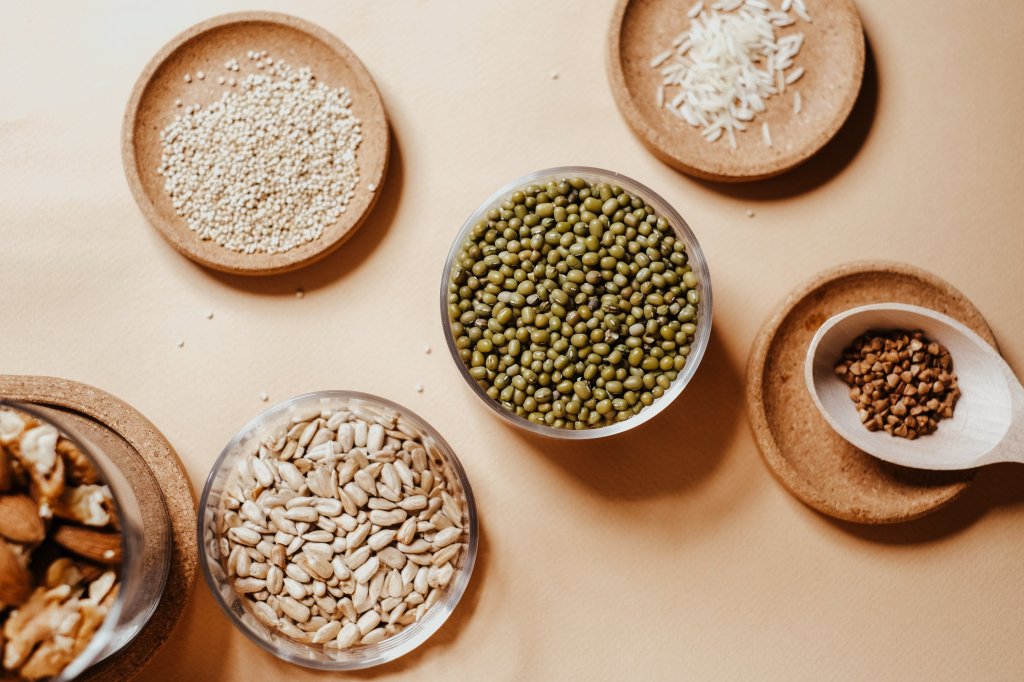






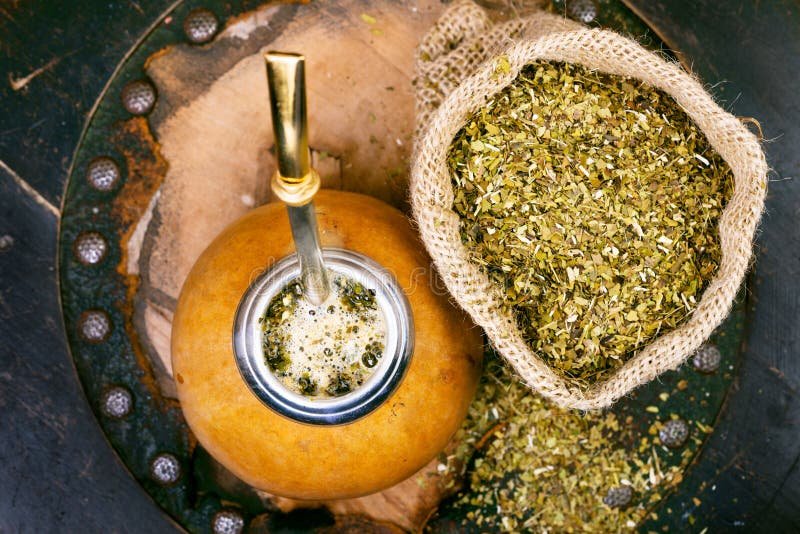



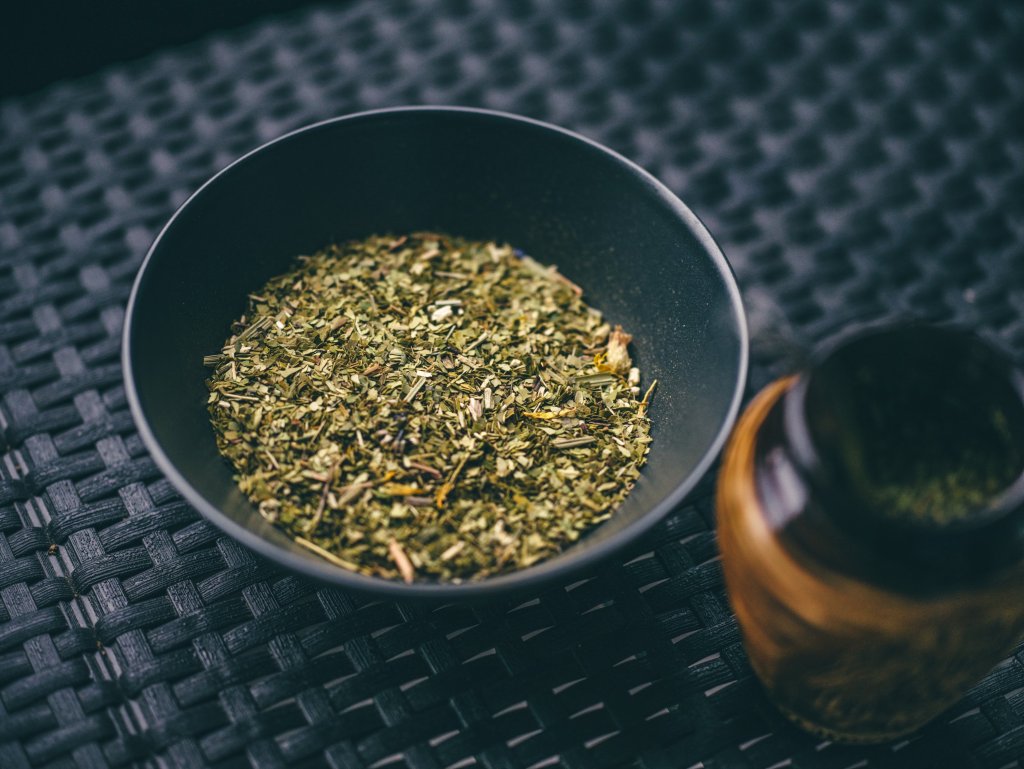












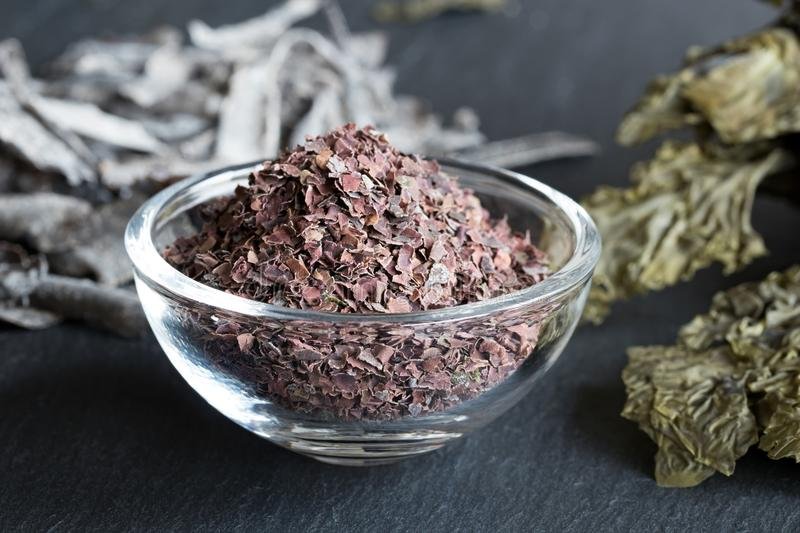
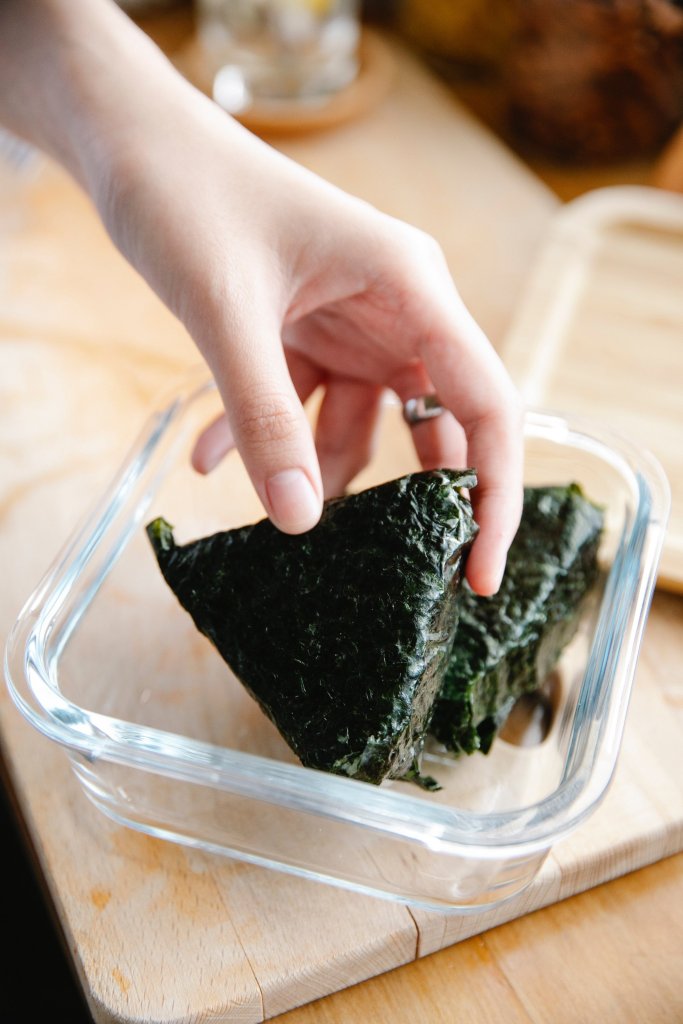


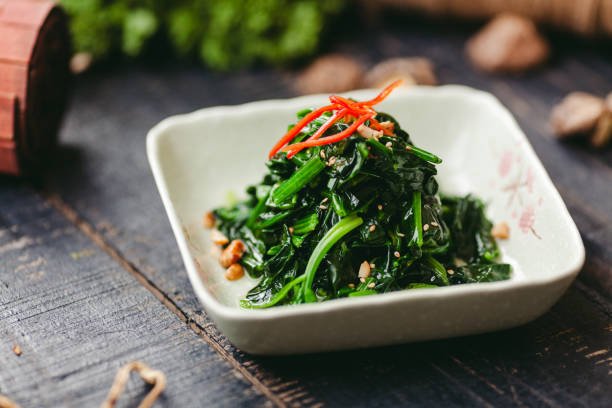

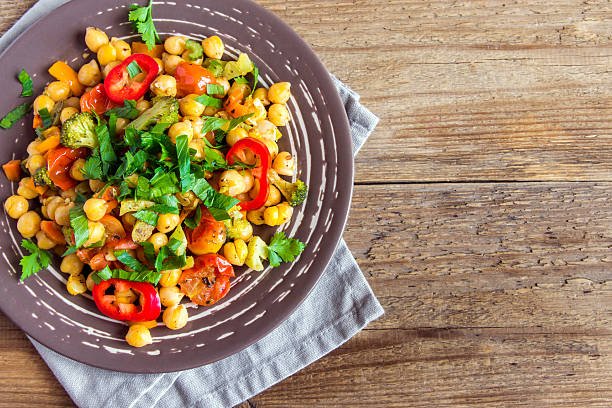






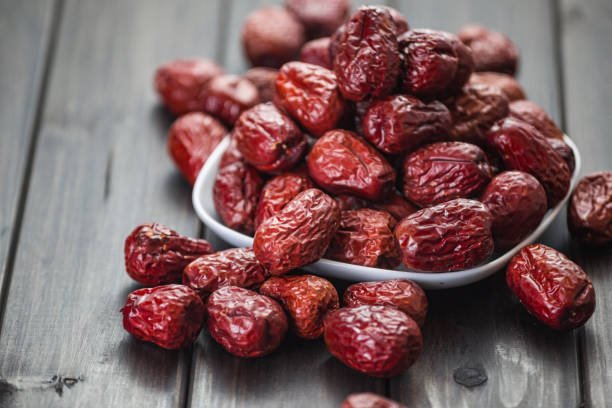




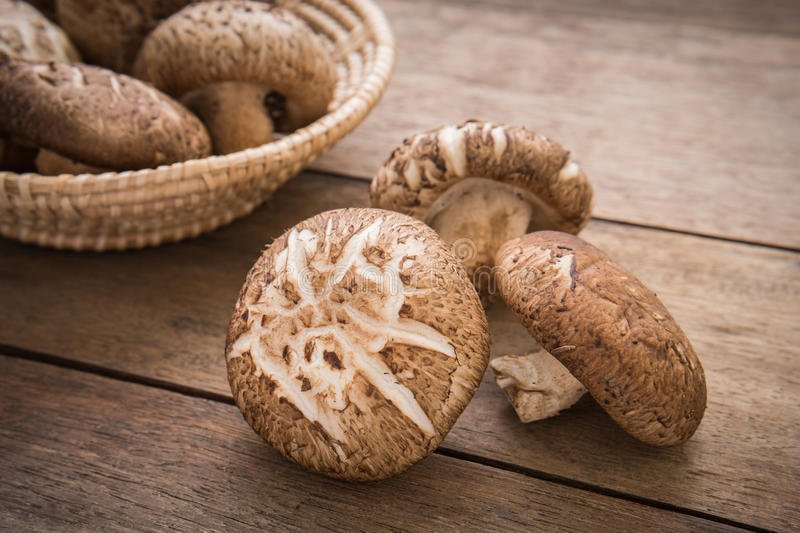




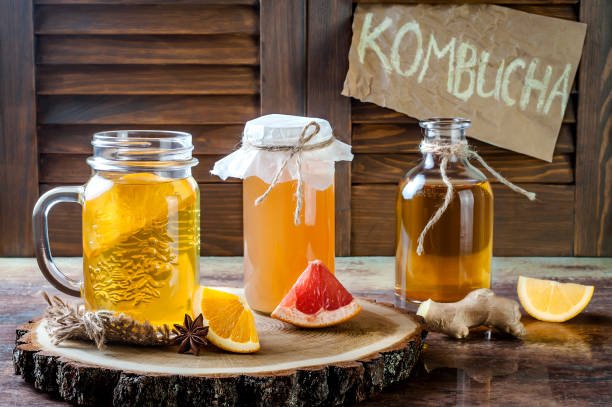


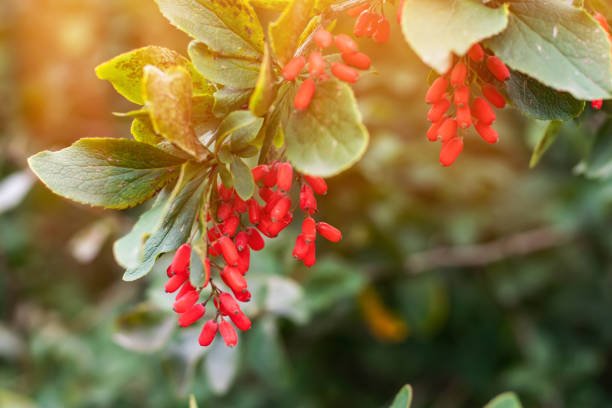
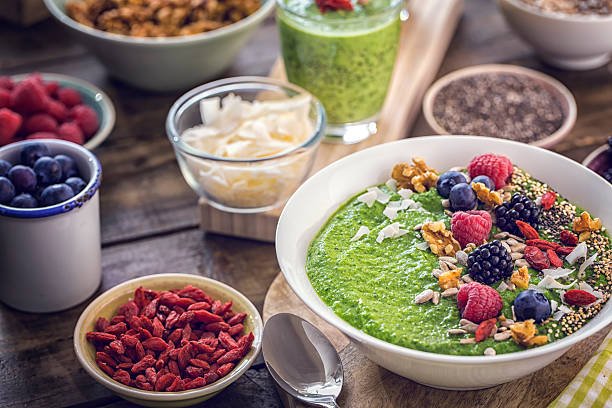




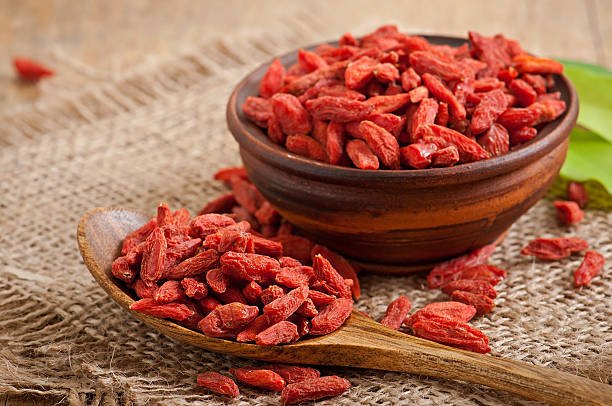

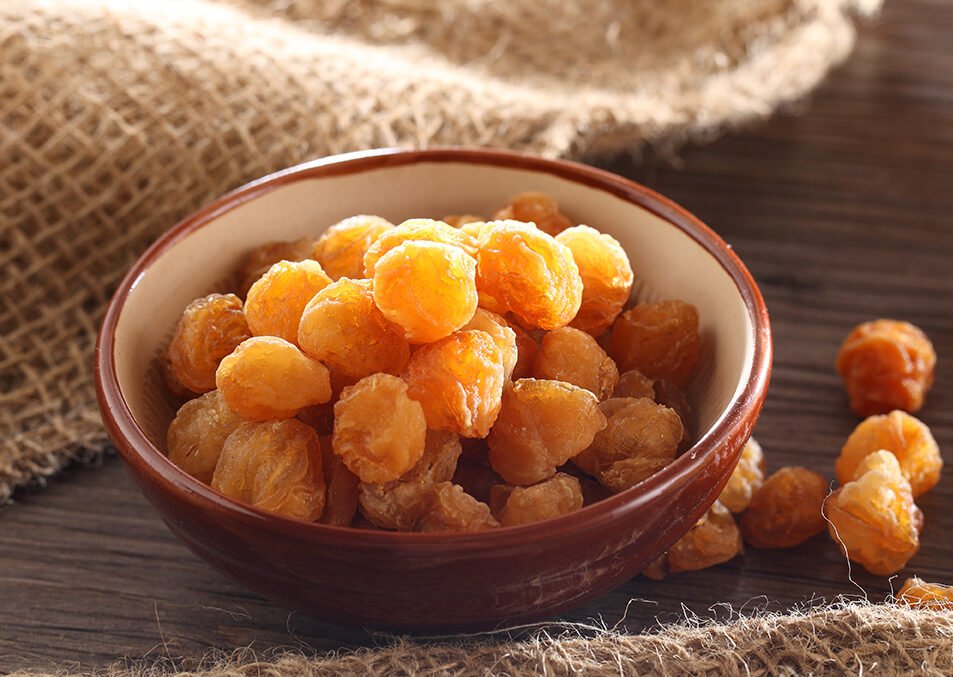
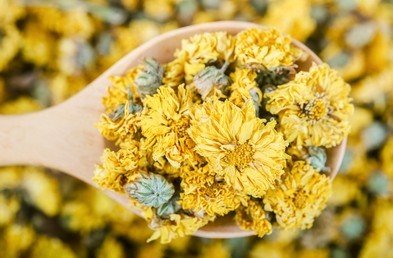

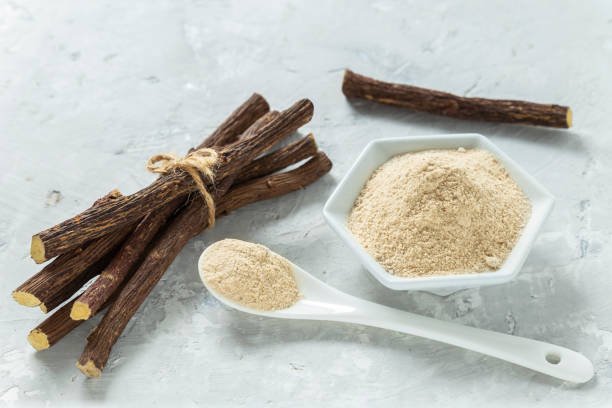
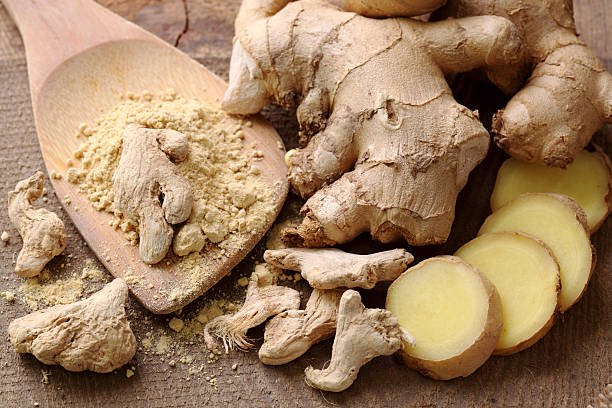
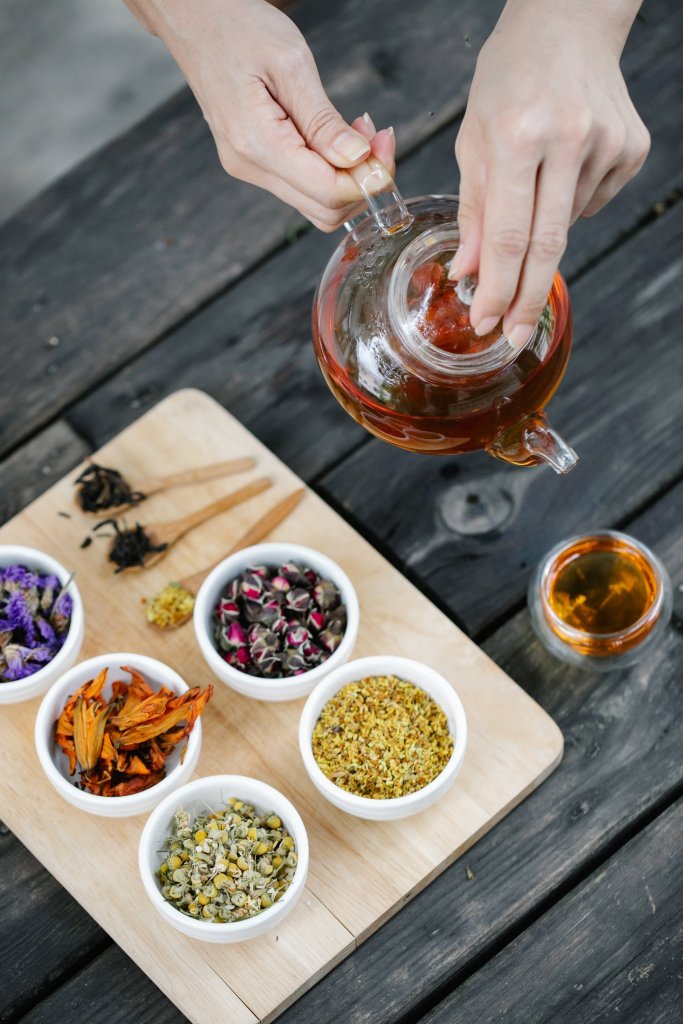
 Green Earth Essentials