
“Seaweed is both a sustainable food source and a nutritional powerhouse. It’s an incredible way to add essential minerals, vitamins, and antioxidants to your diet while minimizing environmental impact.” – Chef Jamie Oliver
In our quest for optimal health and wellness, we often overlook the incredible benefits of sea vegetables.
These marine treasures are not only rich in essential nutrients but also carry a fascinating history of cultural significance.
In this article, we will delve into the different types of sea vegetables, their nutritional value, how to incorporate them into your diet, their benefits for a vegan lifestyle, and the environmental impact of consuming these oceanic delights.
Sea vegetables encompass a diverse array of edible marine plants. Some popular varieties include:
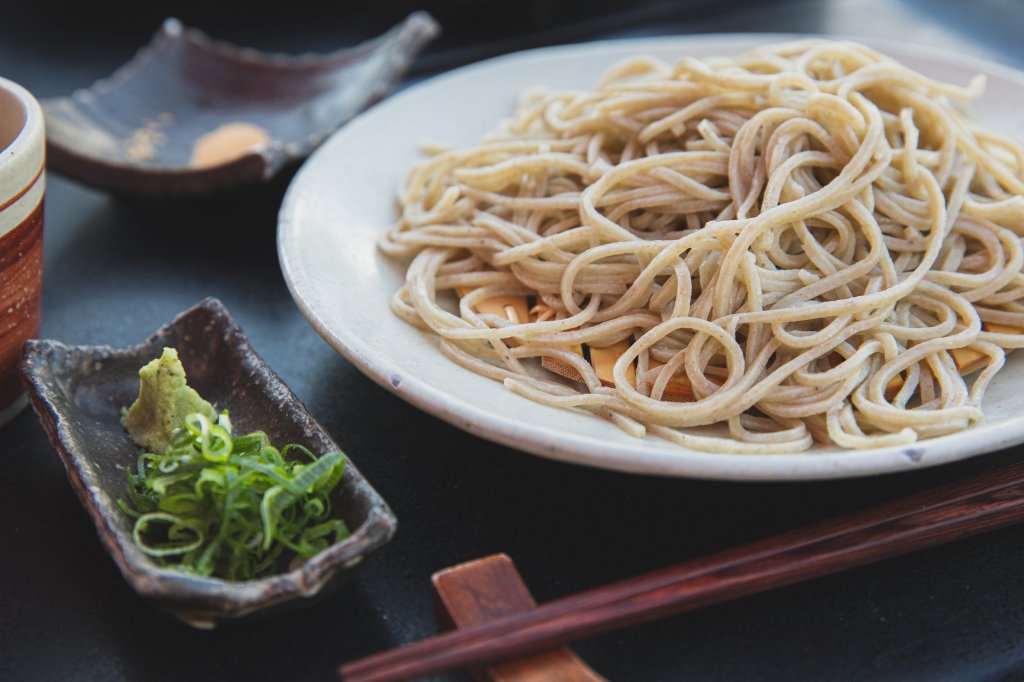
- Nori: Thin, paper-like sheets often used to wrap sushi rolls.
- Wakame: Mild-tasting, versatile seaweed commonly used in soups and salads.
- Kelp: Large brown seaweed known for its high iodine content and often used as a flavor enhancer.
- Dulse: Reddish-brown seaweed with a savory flavor, perfect for snacking or adding to dishes.
- Arame: Delicate, dark brown seaweed that can be rehydrated and used in salads or stir-fries.
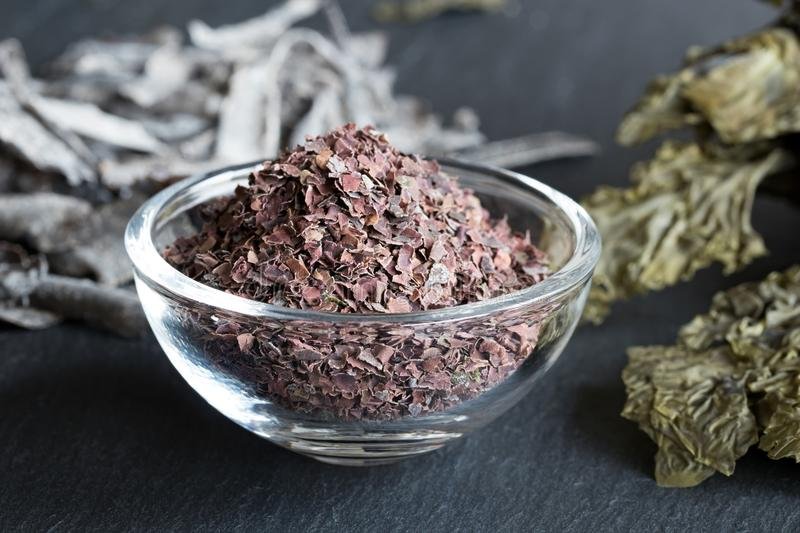
Sea vegetables are nutrient powerhouses, offering a wide range of essential vitamins and minerals.
They are particularly rich in iodine, calcium, iron, magnesium, and vitamin K.
Additionally, sea vegetables contain antioxidants, fiber, and unique compounds such as fucoxanthin, which may have anti-inflammatory properties and support weight management.
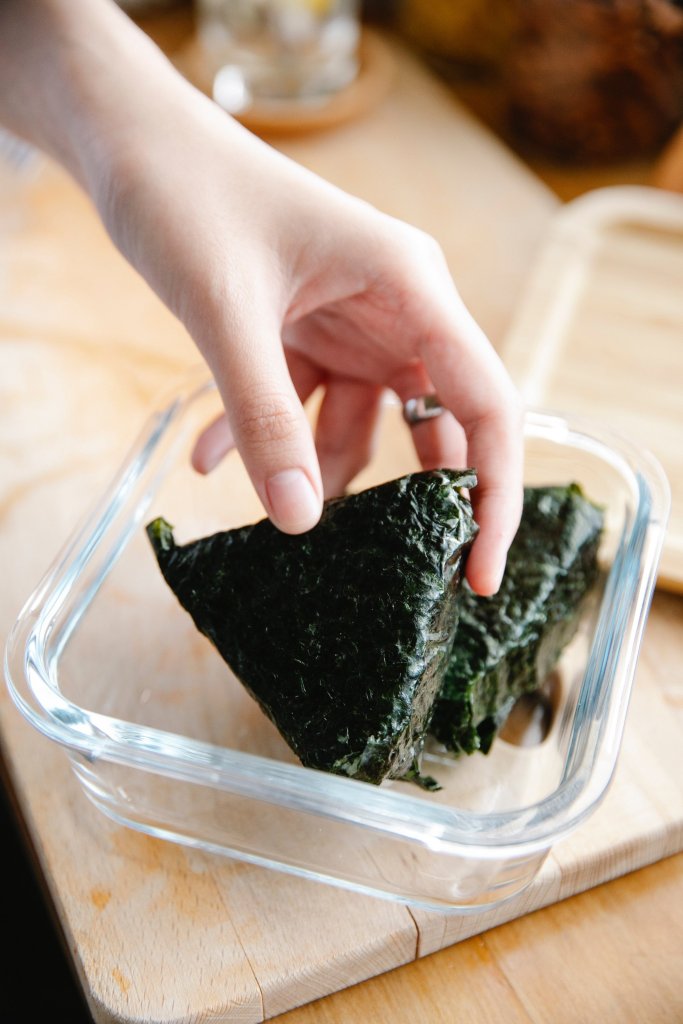
Incorporating sea vegetables into your daily meals is easier than you might think. Here are some simple ways to enjoy them:
- Sushi rolls: Use nori sheets as wrappers for homemade sushi filled with fresh vegetables and tofu.
- Salads: Sprinkle rehydrated arame or dulse over green salads for an added burst of flavor and nutrients.
- Soups and stews: Add wakame or kelp to your favorite soups and stews to enhance their nutritional value and taste.
- Snacks: Enjoy roasted dulse as a nutritious and satisfying snack alternative.
Sea vegetables are a valuable addition to a vegan or plant-based diet, offering a natural source of essential nutrients often found in animal products.
They provide a reliable source of iodine, which is crucial for proper thyroid function.
Sea vegetables also contribute to maintaining healthy iron levels and supporting bone health due to their calcium content.
Throughout history, sea vegetables have played important roles in various culinary traditions and cultural practices.
For instance, in Japanese cuisine, nori and kombu have been staples for centuries, while in Ireland, dulse has been consumed since ancient times.
These sea vegetables not only provided sustenance but also held cultural and medicinal significance.
It’s important to consider the environmental impact of consuming sea vegetables. Overharvesting and irresponsible farming practices can harm marine ecosystems.
Opt for sustainably sourced sea vegetables and support companies that prioritize environmental stewardship.
By making informed choices, we can help preserve the delicate balance of our oceans and safeguard the habitats of marine life.
Here are five easy plant-based recipes incorporating sea vegetables:
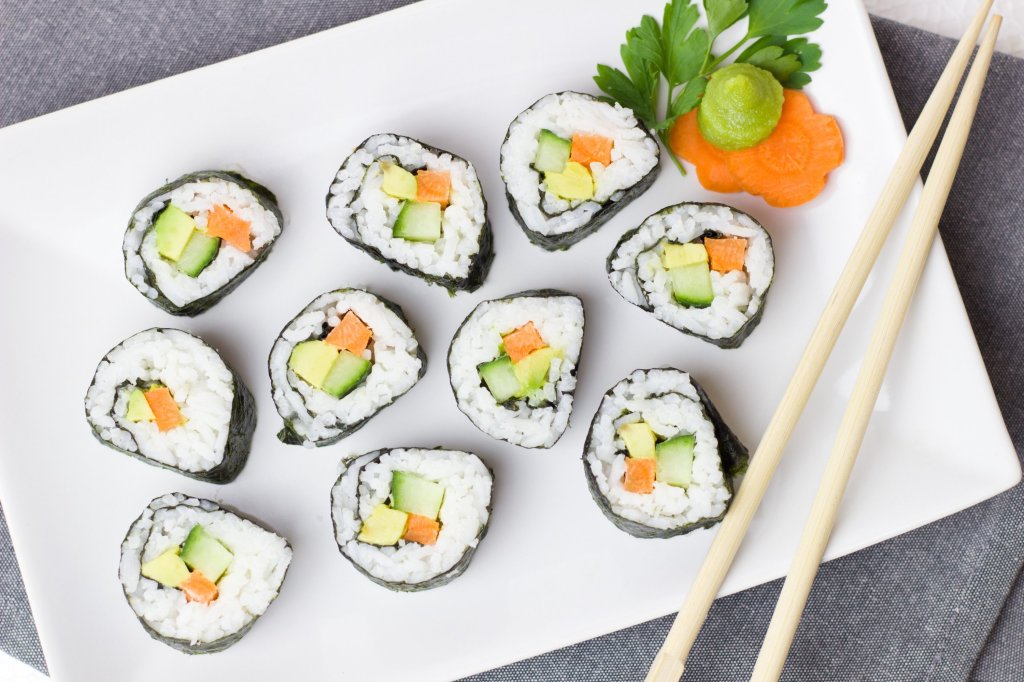
Nori Veggie Wraps:
Ingredients:
- Nori sheets
- Thinly sliced cucumber, carrot, and bell peppers
- Sliced avocado
- Cooked quinoa or brown rice
- Soy sauce or tamari for dipping
Instructions:
- Lay a nori sheet on a flat surface.
- Place a small amount of quinoa or brown rice on the lower half of the nori sheet.
- Layer cucumber, carrot, bell peppers, and avocado slices on top.
- Roll the nori sheet tightly, starting from the bottom, to form a wrap.
- Slice the roll into bite-sized pieces.
- Serve with soy sauce or tamari for dipping.
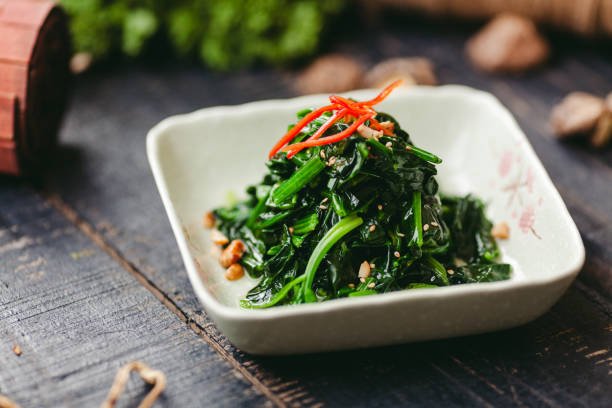
Wakame Salad:
Ingredients:
- 1 cup rehydrated wakame seaweed
- 1 cucumber, thinly sliced
- 1 carrot, grated
- 2 tablespoons sesame seeds
- 2 tablespoons rice vinegar
- 1 tablespoon tamari or soy sauce
- 1 tablespoon maple syrup or agave nectar
- Optional: sliced green onions or cilantro for garnish
Instructions:
- In a bowl, combine the rehydrated wakame seaweed, cucumber, and carrot.
- In a separate small bowl, whisk together sesame seeds, rice vinegar, tamari or soy sauce, and maple syrup or agave nectar.
- Pour the dressing over the seaweed mixture and toss to combine.
- Let the salad marinate for at least 15 minutes.
- Garnish with sliced green onions or cilantro, if desired, and serve.
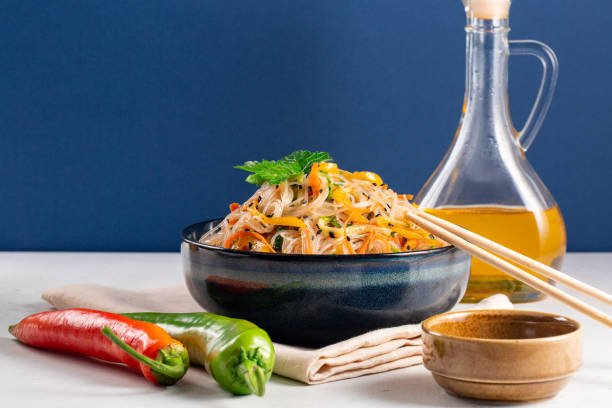
Kelp Noodle Stir-Fry:
Ingredients:
- 1 package kelp noodles
- 1 cup mixed stir-fry vegetables (e.g., broccoli, bell peppers, snap peas)
- 1 tablespoon sesame oil
- 2 tablespoons tamari or soy sauce
- 1 tablespoon maple syrup or agave nectar
- Sesame seeds for garnish
Instructions:
- Rinse the kelp noodles under cold water and set aside.
- Heat sesame oil in a skillet or wok over medium-high heat.
- Add the mixed stir-fry vegetables and sauté for a few minutes until slightly tender.
- Add the kelp noodles to the skillet and stir-fry for another 2-3 minutes.
- In a small bowl, whisk together tamari or soy sauce and maple syrup or agave nectar.
- Pour the sauce over the noodles and vegetables, and stir-fry for an additional minute.
- Garnish with sesame seeds and serve hot.
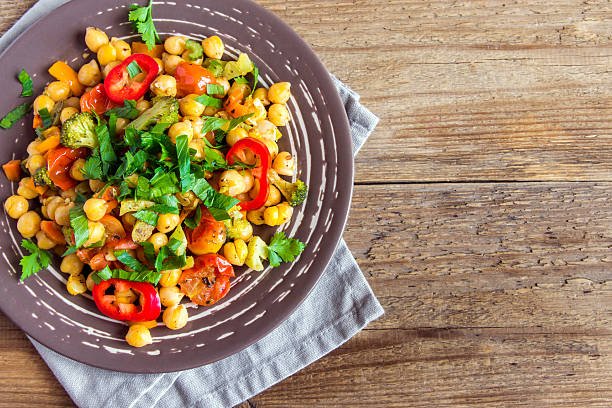
Dulse and Chickpea Salad:
Ingredients:
- 1 cup canned chickpeas, rinsed and drained
- 1/2 cup diced cucumber
- 1/2 cup diced tomato
- 2 tablespoons finely chopped red onion
- 1 tablespoon chopped fresh parsley
- 1 tablespoon lemon juice
- 1 tablespoon olive oil
- 1 tablespoon nutritional yeast
- 1 tablespoon chopped dulse seaweed
Instructions:
- In a mixing bowl, combine chickpeas, cucumber, tomato, red onion, and parsley.
- In a separate small bowl, whisk together lemon juice, olive oil, nutritional yeast, and dulse seaweed.
- Pour the dressing over the chickpea mixture and toss to coat.
- Let the salad sit for about 10 minutes to allow the flavors to meld.
- Serve as a refreshing salad or as a filling for wraps or sandwiches.
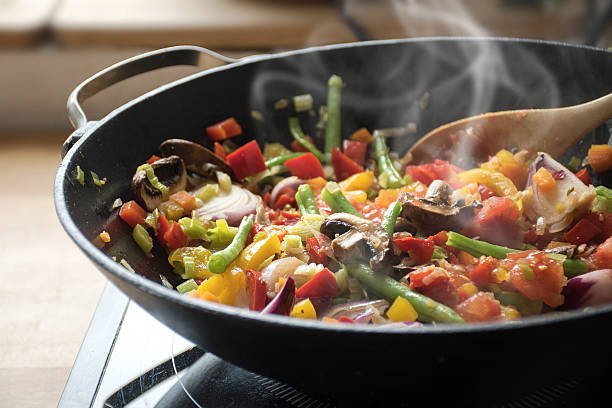
Arame Stir-Fry:
Ingredients:
- 1 cup rehydrated arame seaweed
- 1 tablespoon sesame oil
- 2 cloves garlic, minced
- 1 cup sliced mushrooms
- 1 cup julienned carrots
- 1 cup thinly sliced bell peppers (any color)
- 2 tablespoons tamari or soy sauce
- 1 tablespoon rice vinegar
- 1 tablespoon maple syrup or agave nectar
- Optional: sliced green onions and sesame seeds for garnish
Instructions:
- Heat sesame oil in a skillet or wok over medium heat.
- Add minced garlic and sauté for about 1 minute until fragrant.
- Add mushrooms, carrots, and bell peppers to the skillet and stir-fry for 3-4 minutes until the vegetables are slightly tender.
- In a small bowl, whisk together tamari or soy sauce, rice vinegar, and maple syrup or agave nectar.
- Push the vegetables to one side of the skillet and add the rehydrated arame seaweed to the other side.
- Pour the sauce over the arame seaweed and stir-fry for 2-3 minutes until heated through.
- Mix the vegetables and arame seaweed together and cook for another minute.
- Garnish with sliced green onions and sesame seeds, if desired.
- Serve the arame stir-fry as a standalone dish or over cooked quinoa or rice.
Enjoy these delicious plant-based recipes featuring the goodness of sea vegetables!
Note: Feel free to adjust the ingredients and measurements according to your taste preferences.
Sea vegetables are not only a culinary delight but also a valuable source of essential nutrients.
Incorporating these marine wonders into your diet can provide numerous health benefits, especially for vegans seeking nutrient diversity.
By understanding the cultural and historical significance of sea vegetables and making environmentally conscious choices, we can enjoy their nutritional bounty while protecting our oceans for future generations.
Sources:
Nutritional composition of seaweeds: A Guide for the Nondietitian. (2016). Journal of Applied Phycology, 28, 375-393.
Teas, J., & Harborne, J. (2003). Polyphenolic compounds in seaweeds. In Handbook of natural antioxidants (pp. 461-475). CRC Press.
Yamamoto, I. (2001). Health functions and bioactive compounds in seaweed. In Seafood: Nutritional composition and processing technology (pp. 271-289). Springer.
Brown, E., & Allsopp, P. J. (2017). Marine algae: A source of natural antimicrobial compounds. In Antimicrobial compounds from natural sources (pp. 81-105). Springer.
Maehre, H. K., Edvinsen, G. K., Eilertsen, K. E., & Elvevoll, E. O. (2014). Seafood-derived peptides and their health benefits: A review. Journal of Functional Foods, 6, 9-27.
Cornish, M. L., & Critchley, A. T. (1997). A comparison of nutritional values of three species of edible seaweed. Food Chemistry, 60(1), 27-32.
FAO. (2018). Seaweeds: An overview. Retrieved from http://www.fao.org/3/ca0374en/ca0374en.pdf
Aquatic Sciences and Fisheries Abstracts. (n.d.). Seaweeds as human food. Retrieved from https://www.cabi.org/isc/abstract/19890621960
Tucker, C. S. (2019). Seaweed aquaculture: cultivation technologies, challenges and prospects. In Integrated multi-trophic aquaculture (IMTA) in inland waters (pp. 49-71). Springer.
Dewi, M. M., Wijayanti, H. S., & Hudiyono, S. (2019). Prospects and challenges of seaweed industry in Indonesia. AACL Bioflux, 12(1), 245-253.
Remember to always consult with a healthcare professional or registered dietitian before making significant changes to your diet or lifestyle.
 Green Earth Essentials