For years, we’ve been sold the idea that health looks like balance.
Balanced hormones.
Balanced emotions.
Balanced energy.
A steady mood. A steady routine. A steady output.
If you’re doing it “right,” the story goes, you should feel more or less the same every day.
But that idea quietly collapses the moment you look at anything alive.
Nothing in nature is static. Nothing healthy stays perfectly even. Life moves in waves, pulses, seasons, and cycles. And when we ask living systems—especially our own bodies—to behave like machines, the cost is often exhaustion, confusion, and burnout.
That’s what this episode of Green Earth Essentials explores: why balance is often the wrong goal, and why rhythm is a far more accurate—and compassionate—way to understand wellness.
Nature Isn’t Balanced. It Oscillates.
Nature doesn’t aim for sameness.
It thrives through movement.
Day turns into night.
Tides rise and fall.
Forests grow, decay, and regenerate.
Ecosystems stay resilient not because they’re stable, but because they’re responsive.
Even what we call “balance” in nature is really a dynamic process—constant adjustment, not frozen perfection. When movement stops entirely, that’s not harmony. That’s collapse.
Yet somehow, when it comes to our own bodies and minds, we expect the opposite.
The Human Body Is a Rhythmic System
Your body is built on motion.
Your heart beats because it contracts and releases.
Your lungs work because you inhale and exhale.
Your nervous system shifts between activation and rest.
If any of these systems became truly “stable,” it would be a medical emergency.
Health lives in variability. In responsiveness. In the ability to move between states instead of getting stuck in one.
This becomes especially clear when we look at hormones and energy.
Hormones, Energy, and the Cost of Forcing Consistency
Energy naturally rises and falls throughout the day. Focus sharpens, then fades. Some mornings feel clear and driven.
Others feel slower and more inward. These shifts aren’t random—they’re the body responding to sleep, light exposure, nutrition, stress, and recovery.
Hormones work the same way. They pulse. They surge. They retreat. And those fluctuations shape how you feel, think, and move through the world.
But modern wellness culture often treats consistency as a moral virtue.
Same routines.
Same output.
Same habits—no matter what your body is doing.
When energy dips, the usual response is to push harder, optimize more, or override the signal. But the body doesn’t experience that as discipline. It experiences it as pressure.
When natural peaks and dips are suppressed instead of respected, the nervous system stays activated longer than it should. Stress hormones linger. Recovery gets delayed. Over time, energy doesn’t become more stable—it becomes brittle.
Burnout isn’t a failure of willpower. It’s often the result of asking a rhythmic system to behave like a machine.
Emotional Rhythms and Nervous System Safety
Emotions follow rhythms too, even though we’re rarely taught to see them that way.
Feelings rise, move, and pass like waves. Joy, grief, irritation, tenderness, frustration, relief—none of these were meant to be permanent states. They’re signals. Information moving through the nervous system.
Yet many of us have learned that being “healthy” means being emotionally even at all times. Calm. Unbothered. Smooth on the surface.
When emotions surge or shift, we label it dysregulation instead of communication.
The nervous system doesn’t interpret emotional suppression as safety. It interprets it as vigilance. Holding feelings down requires effort, and that effort keeps the body subtly braced.
True regulation isn’t emotional flatness. It’s flexibility. The ability to feel a range of emotions without getting stuck in them or afraid of them. When emotions are allowed to move, the nervous system learns that change itself is safe.
And safety—not control—is what allows the body to settle.
Seasonal Living and Slower Cycles
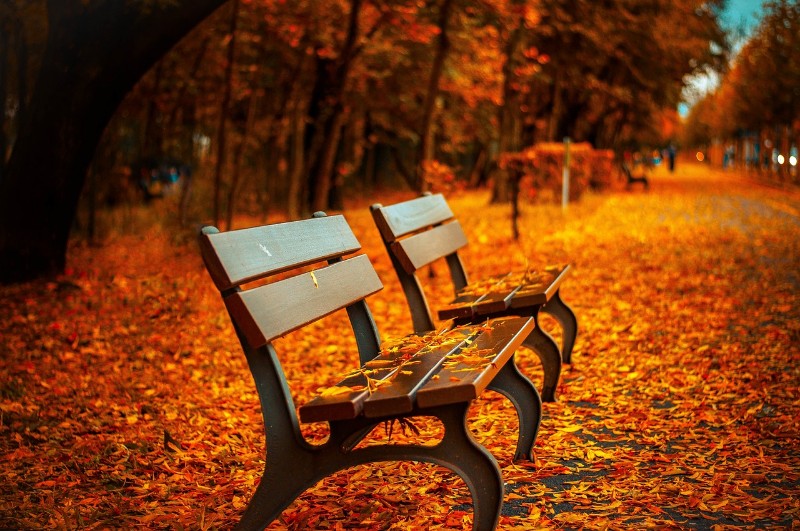
When you zoom back out to the natural world, seasonal rhythms make this even clearer.
Winter is not meant to feel like summer. Shorter days, less light, colder temperatures—all of it signals the body to slow down. Sleep deepens. Energy turns inward. This isn’t a malfunction. It’s a biological instruction.
Summer brings a different rhythm: more light, more movement, more outward energy. Spring and fall act as transitions—periods of recalibration and change.
Modern life largely ignores these cues. We’re expected to show up with the same productivity and emotional availability year-round. When energy dips in winter or during transitional seasons, we often interpret it as laziness instead of wisdom.
That misinterpretation creates exhaustion—and self-judgment layered on top of it.
Seasonal living isn’t about doing less all the time. It’s about doing what fits the moment.
Living Rhythmically Without Turning It Into Another Rule
Living rhythmically doesn’t mean adding another system to manage. It starts with awareness.
Noticing patterns instead of judging them. Paying attention to when energy rises and when it dips. When focus feels available and when the body asks for something quieter.
Matching tasks to energy when possible. Letting rest be part of the cycle instead of something you have to earn back after burnout.
Most importantly, letting go of control.
Rhythm isn’t something you master. It’s something you listen to.
Just as nature moves through seasons, so too do our energy, emotions, and focus. Learning to flow with these cycles is the essence of responsive living.
A Final Reminder
You’re not meant to be perfectly balanced.
You’re meant to be responsive.
When we stop treating fluctuation as failure and start recognizing it as intelligence, something softens. The body stops fighting itself. The nervous system finds more ease. And wellness becomes less about control—and more about cooperation.
🎧 Listen to the full episode of The Myth of Balance: Why Rhythms Matter More Than Stability on Green Earth Essentials to explore this idea in depth.
✨ You can also continue the conversation and read more reflections like this on my Substack:
https://substack.com/@greenearthessentials
Thank you for spending your time here—and for honoring the rhythms that make you human.
 Green Earth Essentials