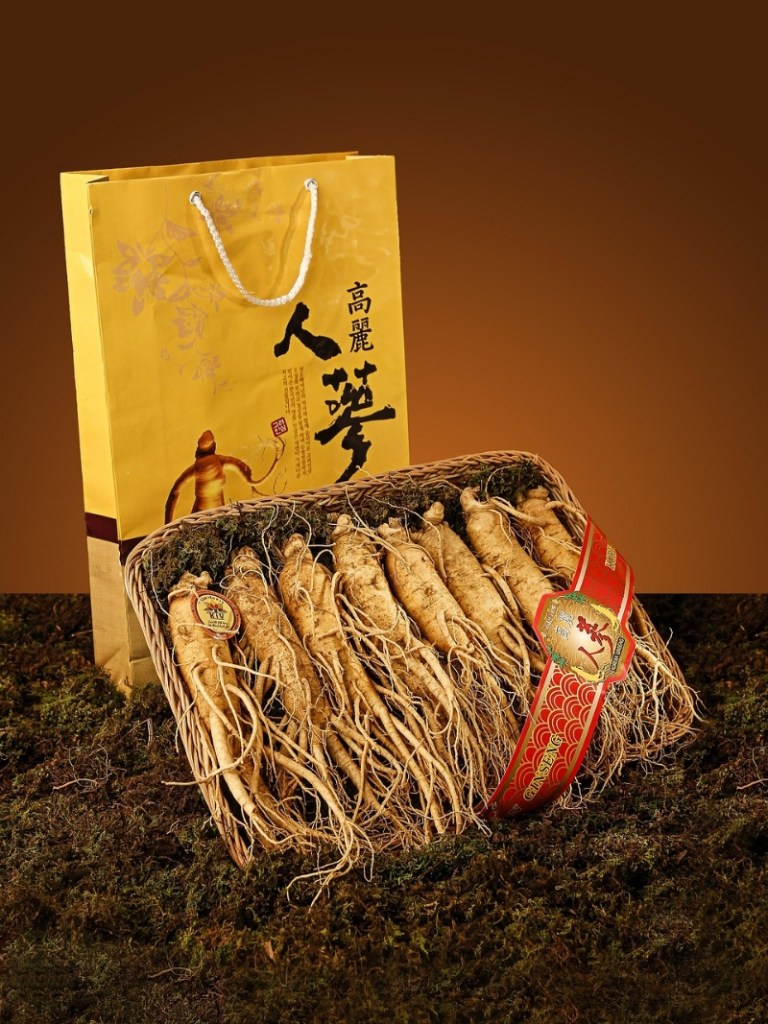
Ginseng has carried a legendary reputation for more than 5,000 years. Ancient healers praised it as a vitality tonic, warriors used it for stamina, and herbalists still call it a “king of adaptogens”—plants that help the body respond to stress.
But what does modern science say? And how do you know which type of ginseng is right for you?
In today’s episode of Green Earth Essentials, we explore the many faces of ginseng, how it works, and how to use it safely and effectively.
What Makes Ginseng So Special?
Ginseng isn’t just a single plant. It’s a family of roots with different personalities. Each species contains a unique profile of compounds called ginsenosides—active molecules linked to energy, immune support, and stress resilience.
Scientists call ginseng an adaptogen because it seems to help the body reach equilibrium during times of physical, emotional, or environmental stress. Many people use it for:
– Daily energy that doesn’t cause jitters
– Better focus and mental clarity
– Immune system support
– Stress and adrenal balance
– Athletic endurance and stamina
No single plant is a miracle cure, but ginseng holds a remarkable amount of well-studied potential.
Asian, American & Siberian Ginseng: What’s the Difference?
Asian Ginseng (Panax ginseng)
Often called Korean or Chinese ginseng, this is the most stimulating of the group. It’s known for boosting energy, improving concentration, and supporting physical performance.
If you want sharper focus and daytime vitality, this version is often the most effective.
American Ginseng (Panax quinquefolius)
Much gentler than Asian ginseng, this root supports calm energy and balanced immunity. Many people find it soothing rather than stimulating.
If you tend to run “hot,” overstimulate easily, or experience chronic stress, this type is often a better match.
Siberian “Ginseng” (Eleutherococcus senticosus)
Despite its name, this isn’t true ginseng—but it acts like one. Eleuthero is beloved for building resilience, improving endurance, and supporting immune strength.
If stamina and stress tolerance are your top goals, eleuthero may be the winner.
How Ginseng Supports Stress, Energy & Focus
Ginseng seems to interact with the HPA axis—the body’s main stress-response system. When it’s overwhelmed, you might feel exhausted, anxious, scattered, or “wired but tired.”
Ginseng works like a biological dimmer switch. Instead of forcing energy, it helps your system adapt more smoothly, improving:
– Mental stamina
– Stress resilience
– Physical endurance
– Memory and cognitive performance
For some people, it feels like a “steady current” of energy rather than a rush.
How to Choose a Quality Ginseng Supplement
Ginseng supplements vary wildly in quality. Many products contain low ginsenoside levels or questionable sourcing.
Look for:
• Standardized extracts with listed ginsenoside percentages
• Trusted brands with third-party testing
• Roots harvested at least 4–6 years old
• Organic certification when possible
Powders, capsules, teas, and tinctures all work—your choice depends on preference and convenience.
Safety Notes You Should Know
Ginseng is generally safe for most adults, but a few precautions matter:
– Avoid late in the day if it makes you feel wired.
– Use caution if you have high blood pressure unless advised by a practitioner.
– Not recommended during pregnancy without guidance.
– May interact with blood thinners or diabetes medication.
Always check with your healthcare provider if you have underlying conditions or take medication.
Final Thoughts
Ginseng’s reputation isn’t just folklore—it’s supported by centuries of use and growing scientific evidence. Whether you’re seeking calm energy, better focus, or stronger resilience, there’s a type of ginseng that might fit your goals.
For the full breakdown and practical guide to using ginseng safely, listen to the full episode of Green Earth Essentials on your favorite podcast platform.
Additional Resources
NCCIH — Asian Ginseng (overview: uses, active compounds, safety).
https://www.nccih.nih.gov/health/asian-ginseng?utm_source=chatgpt.com
NCCIH — Herb-Drug Interactions (useful for safety/precautions).
https://www.nccih.nih.gov/health/providers/digest/herb-drug-interactions-science?utm_source=chatgpt.com
PubMed — “Pharmacology of ginsenosides: a literature review” (2010 review on active compounds & mechanisms).
https://pubmed.ncbi.nlm.nih.gov/20537195/
PubMed — “Ginseng: potential for the enhancement of cognitive …” (Kennedy, 2003; useful for cognition/fatigue context).
https://pubmed.ncbi.nlm.nih.gov/12895687/
PubMed — Panax ginseng for Frailty-Related Disorders (2019 review; clinical focus).
https://pubmed.ncbi.nlm.nih.gov/30705884/
Memorial Sloan Kettering Cancer Center — Asian ginseng (evidence, uses, safety for patients).
https://www.mskcc.org/cancer-care/integrative-medicine/herbs/ginseng-american?utm_source=chatgpt.com
Memorial Sloan Kettering Cancer Center — American ginseng (specific page on P. quinquefolius).
https://www.mskcc.org/cancer-care/integrative-medicine/herbs/ginseng-american?utm_source=chatgpt.com
Cleveland Clinic — Ginseng: Uses, Interactions & Side Effects (practical safety notes).
https://my.clevelandclinic.org/health/drugs/19105-ginseng-capsules-or-tablets?utm_source=chatgpt.com
Cleveland Clinic — Adaptogens explainer (context for how ginseng is used as an adaptogen).
https://my.clevelandclinic.org/health/drugs/22361-adaptogens?utm_source=chatgpt.com
PubMed — Recent narrative/systematic reviews on ginsenoside pharmacology (examples, incl. 2018–2022 reviews).
https://pubmed.ncbi.nlm.nih.gov/29329463/
Listen now
Available on Spotify, YouTube and other audio platforms.
 Green Earth Essentials