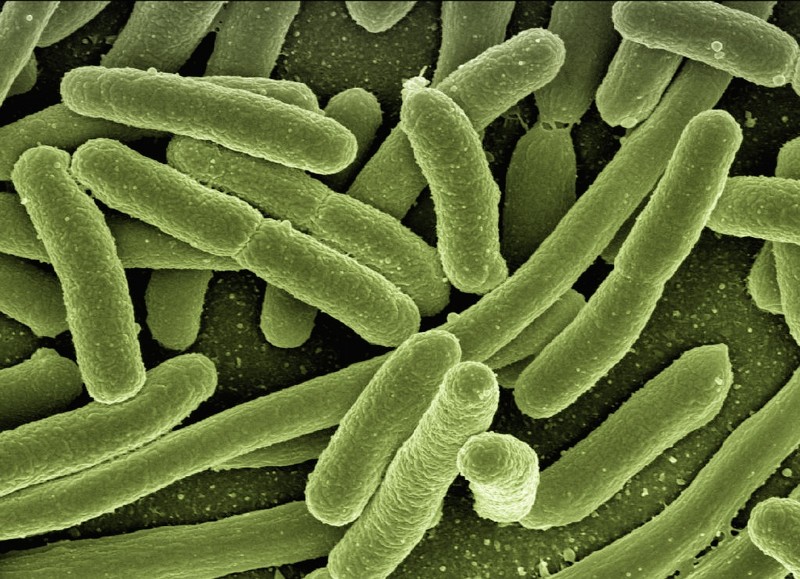
Foodborne illness affects millions of people every year, yet most cases are preventable with simple, consistent habits. This episode of Green Earth Essentials explores how contamination happens, where hidden risks show up in the food chain, and how to protect yourself using natural strategies from farm to fork.
Whether you’re buying produce, prepping meals, storing leftovers, or cleaning your kitchen, the choices you make can dramatically reduce the risk of harmful bacteria and pathogens. This guide breaks down the most important takeaways from the episode and expands on the natural prevention methods discussed throughout the show.
Understanding How Foodborne Illness Actually Happens
Most contamination isn’t caused by rare, dramatic failures. It comes from everyday oversights: unwashed hands, contaminated surfaces, poor storage, or spoiled ingredients. But it can also occur much earlier—during harvesting, processing, transportation, or in the grocery store.
Key contributors include:
Contaminated soil or water
Improper handling of animal products
Cross-contamination during transport or processing
Temperature abuse (letting food sit too long in the “danger zone”)
Poor home hygiene practices
Recognizing these risk points helps you make better choices all along the chain.
Choosing Safer Foods at the Source
Natural prevention starts before the food ever enters your kitchen.
Produce:
Fresh fruits and vegetables grown with clean soil and clean water carry fewer risks. Look for organic, regenerative, or locally grown produce when possible.
Proteins:
Plant-based proteins are generally lower risk, but all proteins—animal or plant—should be stored and cooked properly.
Water quality:
Since water is used to rinse, cook, steam, and soak foods, clean water makes a measurable difference in safety.
Natural Ways to Clean and Handle Food Safely
You don’t need harsh chemicals to keep food safe. Simple, natural tools work extremely well:
Vinegar rinse:
A diluted white vinegar wash can help reduce surface bacteria on produce.
Salt or baking soda scrub:
These can remove dirt, wax, and some contaminants from produce skins.
Essential oils with natural antimicrobial properties:
Oils like lemon, thyme, and oregano (used properly and safely) can support kitchen hygiene when added to natural cleaners or diffusers in food prep spaces.
Separate cutting boards:
Keep one for produce and one for proteins to avoid cross-contamination.
Smart Storage Habits That Reduce Risk
Storage is often overlooked, but it’s one of the strongest tools for reducing foodborne illness.
Refrigerate perishables within two hours of cooking or buying.
Keep your refrigerator at or below 40°F (4°C).
Freeze food you won’t use within a few days.
Store leftovers in shallow containers for faster cooling.
Don’t overcrowd the fridge—airflow keeps foods cold and safe.
Natural Kitchen Hygiene That Works
A clean kitchen is a safer kitchen. These habits create a healthier environment without relying on synthetic chemicals:
Wash hands with warm water and soap for at least 20 seconds.
Clean counters with vinegar-based sprays or plant-based cleaners.
Replace old sponges often or switch to washable cloths.
Sanitize sinks regularly—sinks can harbor more bacteria than cutting boards.
Keep pets off counters and food prep surfaces.
Small, daily habits make a large cumulative difference.
Farm-to-Fork Solutions Revealed in the Episode
The episode closes with a practical prevention plan you can start using right away. It includes:
Choosing cleaner, well-sourced foods
Proper washing and handling techniques
Safe cooking temperatures and natural food prep practices
Better storage routines
Natural kitchen cleaners and essential oils
Awareness of risk points throughout the food chain
These steps are simple, sustainable, and effective for any household.
Listen to the Full Episode
For a deeper dive and the complete natural prevention plan, you can listen to the episode on your favorite platform:
🎧 Spotify & YouTube — Green Earth Essentials
🌿 Support on Patreon: https://www.patreon.com/greenearthessentials
Your kitchen can be one of the safest and most nourishing spaces in your home. This episode gives you the tools to make that happen—naturally and confidently.
Additional Resources
If you want to explore food safety, natural prevention strategies, and farm-to-fork practices in more depth, these trusted resources offer excellent scientific background, practical guides, and current recommendations.
CDC – Food Safety Basics
A clear overview of how foodborne illness happens and the most effective prevention habits.
https://www.cdc.gov/foodsafety/index.html
USDA – Safe Food Handling & Cold Food Storage Chart
A practical chart for understanding safe refrigeration and freezing times for common foods.
https://www.foodsafety.gov/food-safety-charts/cold-food-storage-charts
World Health Organization – Five Keys to Safer Food
A globally recognized framework for preventing foodborne illness in everyday life.
https://www.who.int/publications/i/item/9789241594639
Environmental Working Group – Clean Fifteen & Dirty Dozen Lists
Annual lists that help you choose produce with lower pesticide contamination.
https://www.ewg.org/foodnews
Cornell University – Produce Safety Alliance
Research-backed guidelines on safely washing and handling fresh fruits and vegetables.
https://producesafetyalliance.cornell.edu
National Center for Home Food Preservation
Evidence-based methods for safe canning, fermenting, freezing, and storing foods naturally.
https://nchfp.uga.edu
University of California – Postharvest Technology Center
Scientific insights on how fruits and vegetables are stored, transported, and kept safe from farm to market.
https://postharvest.ucdavis.edu
 Green Earth Essentials