Discover Inner Peace and Calm: A Beginner’s Guide to Meditation and Its Life-Changing Benefits

“Meditation is a way of cleansing the mind, allowing us to be more present in the moment and find greater clarity in the chaos of daily life.” – Davidji


Meditation has been practiced for centuries, with its origins dating back to ancient India. It is a practice that involves training the mind to focus on the present moment, bringing a sense of calm and relaxation to the body and mind. Many people have experienced the benefits of meditation, including reduced stress levels, improved focus, and better emotional well-being. If you are new to meditation, it may seem daunting at first. However, with the right guidance and approach, anyone can learn to meditate. In this article, we will explore some tips for beginners to help get started with meditation.


Choose a Quiet and Comfortable Space

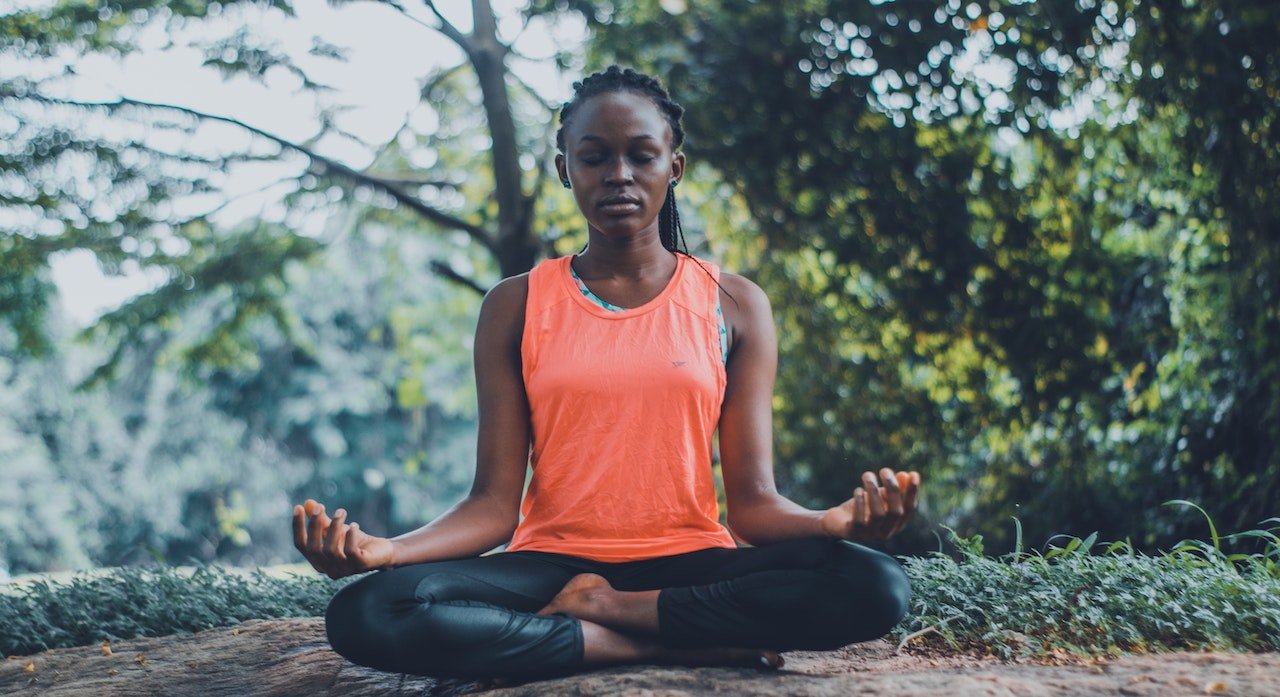
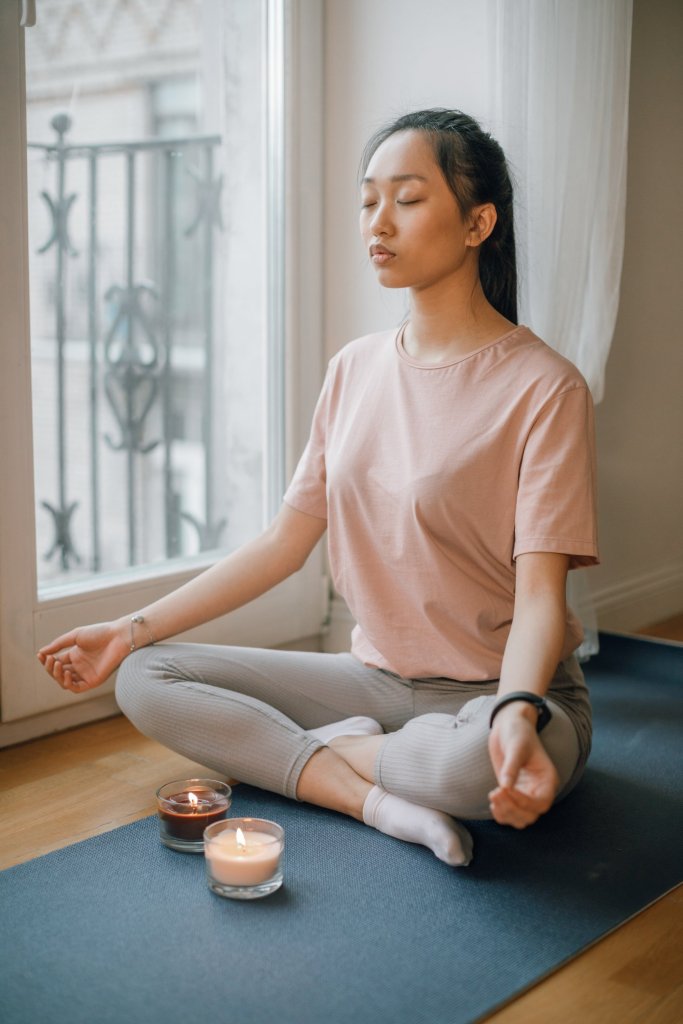
To begin meditating, it is important to choose a quiet and comfortable space. Find a place where you won’t be disturbed by external noises or distractions. You can sit on a cushion or a chair, whichever feels most comfortable to you. It is recommended that you keep your back straight and your eyes closed, or if that is uncomfortable, you can keep them softly focused on a spot in front of you. Make sure the temperature is comfortable, and the lighting is soft.

Start with Short Sessions

When you are new to meditation, it is best to start with short sessions of around 5-10 minutes. You can gradually increase the time as you become more comfortable with the practice. During these short sessions, it is normal for the mind to wander, so don’t worry if you find yourself thinking about other things. The key is to gently bring your focus back to your breath or a chosen point of focus. As you practice more, you will find it easier to remain focused and still.


Focus on Your Breath

Focusing on your breath is a common way to begin meditation. Close your eyes, and focus your attention on the sensation of your breath moving in and out of your body. Notice the sensation of your chest rising and falling with each inhale and exhale. Try to focus on the sensation of your breath and let go of any thoughts or distractions that may arise.


Explore Different Meditation Techniques

There are many different types of meditation techniques that you can explore as a beginner. Some popular techniques include mindfulness meditation, body scan meditation, and loving-kindness meditation. Each technique has its unique benefits and focuses on different aspects of the mind and body. You can try different techniques to see what works best for you.


Be Patient and Kind to Yourself

Meditation is a practice, and it takes time to develop. It is normal to find your mind wandering, or to feel restless or anxious at first. Be patient and kind to yourself as you learn to meditate. Don’t judge yourself for any thoughts that arise, simply acknowledge them and gently bring your focus back to your breath or chosen point of focus.


Meditation is a simple yet powerful practice that can help improve your well-being and quality of life. By choosing a quiet and comfortable space, starting with short sessions, focusing on your breath, exploring different meditation techniques, and being patient and kind to yourself, you can begin your meditation journey. As you practice regularly, you will start to experience the many benefits of meditation, including greater clarity, focus, and inner peace.


These sources provide evidence-based information and guidance on the benefits of meditation and how to get started.

Harvard Health Publishing. (2018). Meditation: In depth. Retrieved from https://www.health.harvard.edu/staying-healthy/meditation-a-simple-fast-way-to-reduce-stress

Mayo Clinic. (2021). Meditation: A simple, fast way to reduce stress. Retrieved from https://www.mayoclinic.org/tests-procedures/meditation/in-depth/meditation/art-20045858

Mindful. (n.d.). Meditation for beginners: 20 practical tips for understanding the mind. Retrieved from https://www.mindful.org/meditation-for-beginners/

The Chopra Center. (n.d.). How to meditate for beginners. Retrieved from https://chopra.com/articles/how-to-meditate-for-beginners

Photos by: Pexels.com

Rise and Shine with Yoga Sun Salutations: A Step-by-Step Guide to Mastering the Series A

“Sun salutations are a complete meditative exercise, wherein the practitioner combines deep breathing with flowing movements, creating a sense of harmony and balance between the mind, body, and soul.” – Shiva Rea


Yoga is an ancient practice that originated in India and has become increasingly popular in the Western world. One of the most common sequences of yoga postures is the Sun Salutation Series A, also known as Surya Namaskar A. It is a great way to start your day, warm up your body, and build strength and flexibility. In this blog article, we will discuss the steps of the Sun Salutation Series A and provide tips for beginners.


Step 1: Mountain Pose (Tadasana)

Begin standing at the front of your mat with your feet hip-width apart, arms at your sides, and palms facing forward. Engage your core, lengthen your spine, and relax your shoulders. Take a deep breath in and out, and feel grounded in your feet.


Step 2: Upward Salute (Urdhva Hastasana)

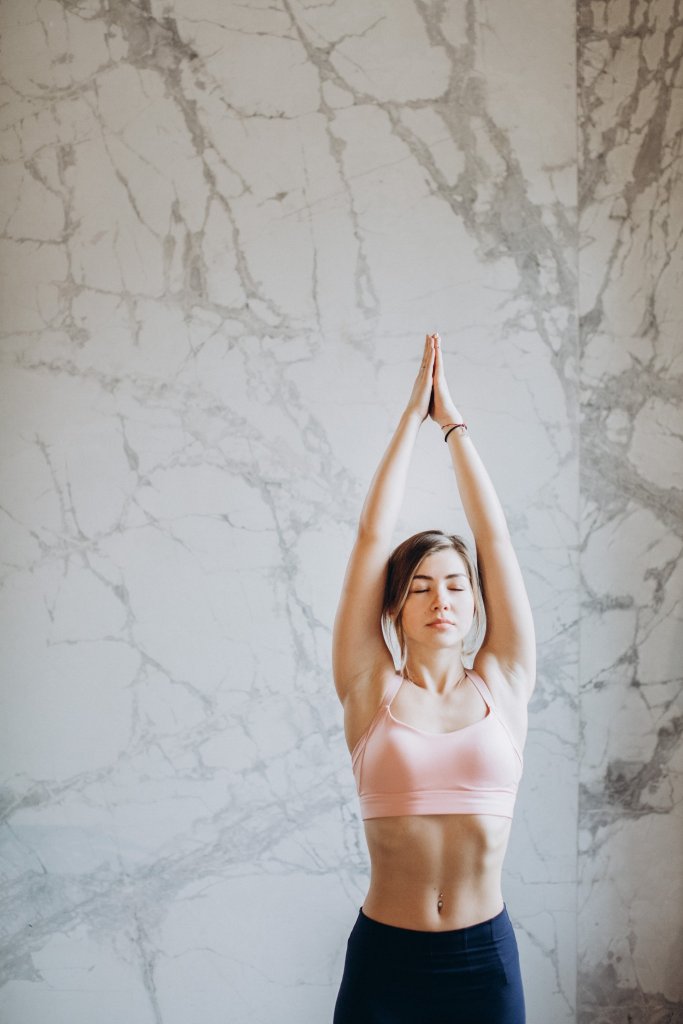
On your next inhale, reach your arms up towards the sky, bringing your palms together overhead. Gently arch your back, lifting your gaze towards your hands. Keep your shoulders relaxed and your core engaged.


Step 3: Forward Fold (Uttanasana)

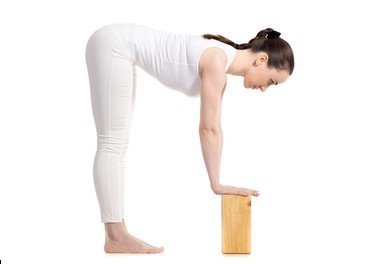
On your exhale, hinge at your hips and fold forward, bringing your hands to the mat beside your feet. If you can’t reach the mat, you can bend your knees or use blocks to support your hands. Relax your head and neck, and breathe deeply.


Step 4: Half Forward Fold (Ardha Uttanasana)

On your inhale, lift your upper body halfway up, bringing your hands to your shins or thighs. Keep your back flat and your gaze forward. This pose stretches the hamstrings and lengthens the spine.


Step 5: Plank Pose

From Half Forward Fold, exhale and step or jump back into Plank Pose, or Chaturanga Dandasana, which is a low push-up position. Keep your arms straight, your core engaged, and your shoulders directly above your wrists.


Step 6: Four-Limbed Staff Pose (Chaturanga Dandasana)

From Plank Pose, lower your body down to the ground, keeping your elbows close to your sides. Your body should be parallel to the ground. This pose builds strength in the arms, shoulders, and core.


Step 7: Upward-Facing Dog Pose (Urdhva Mukha Svanasana)

From Four-Limbed Staff Pose, inhale and press your hands into the mat to lift your chest up, keeping your legs and hips on the ground. Straighten your arms and lift your gaze upward. This pose strengthens the back, arms, and chest.


Step 8: Downward-Facing Dog Pose (Adho Mukha Svanasana)

From Upward-Facing Dog, exhale and lift your hips up and back into Downward-Facing Dog. Your body should form an inverted “V” shape. Press your hands and feet into the ground and lengthen your spine. This pose stretches the hamstrings, calves, and spine.


Step 9: Half Forward Fold (Ardha Uttanasana)

On your inhale, step or jump your feet to the front of the mat, coming back into Half Forward Fold.


Step 10: Forward Fold (Uttanasana)

On your exhale, fold forward again, releasing any tension in your neck and shoulders.


Step 11: Upward Salute (Urdhva Hastasana)

On your inhale, come all the way up to standing, reaching your arms up overhead.


Step 12: Mountain Pose (Tadasana)

On your exhale, lower your arms back down to your sides and return to Mountain Pose.


Tips for beginners:

Take your time and move slowly through each pose, focusing on your breath and body alignment.

If you are new to yoga, start with a few rounds of Sun Salutation A and gradually increase as your body becomes more familiar with the sequence.

Remember to keep your movements smooth and controlled. Avoid sudden jerky movements or rushing through the poses.

Listen to your body and modify the poses as needed. If you have any injuries or health conditions, consult with your doctor or a qualified yoga instructor before practicing.

Practice on an empty stomach or at least a few hours after a meal.

Use props such as blocks or straps to make the poses more accessible and comfortable.

Don’t force yourself into any pose that doesn’t feel right.

Honor your body and work at your own pace.

Sun Salutation A is a great way to start your day, energize your body, and calm your mind. It is a complete practice that combines movement, breath, and meditation.

By incorporating this sequence into your yoga practice, you can improve your flexibility, strength, and overall well-being. Remember to practice with awareness, patience, and respect for your body. Enjoy the journey!

Photos by: Pexels.com

5 Beginner-Friendly Yoga Poses for a Healthier Body and Mind: A Step-by-Step Guide

“Yoga is the journey of the self, through the self, to the self.” – The Bhagavad Gita


Yoga is an ancient practice that offers numerous benefits for the mind, body, and soul. Whether you’re a beginner or a seasoned practitioner, there are several easy yoga poses that you can incorporate into your daily routine. In this article, we’ll explore 5 easy yoga poses, their benefits, and how to do them.


Easy Pose (Sukhasana):

The Easy Pose is a comfortable seated pose that helps to improve posture and calm the mind. To do this pose, follow these steps:

Sit cross-legged on the ground, with your hands resting on your knees or in your lap.

Lengthen your spine and draw your shoulder blades down and back.

Close your eyes and focus on your breath, allowing your body and mind to relax.

Hold the pose for several minutes, breathing deeply.

Benefits: can improve posture, reduce stress and anxiety, increase flexibility, improve digestion, boost energy, enhance focus and concentration, and promote inner peace and emotional balance.


Downward-facing dog (Adho Mukha Svanasana):

Downward-facing dog is a popular pose that helps to stretch and strengthen the entire body.

To do this pose, start in a plank position with your hands shoulder-width apart.

Lift your hips up and back towards the ceiling, keeping your arms and legs straight.

Press your heels towards the ground and relax your head and neck.

Hold for 5-10 breaths.

Benefits: Downward-facing dog helps to stretch and strengthen the arms, shoulders, back, hamstrings, and calves. It also helps to improve circulation and relieve stress.


Warrior II (Virabhadrasana II):

Warrior II is a standing pose that helps to build strength and stability in the legs and core.

To do this pose, step your right foot back and turn it out at a 90-degree angle.

Bend your left knee and open your arms out to the sides, parallel to the ground.

Keep your gaze forward and hold for 5-10 breaths.

Repeat on the other side.

Benefits: Warrior II helps to build strength and stability in the legs, hips, and core. It also helps to improve balance and focus.


Tree pose (Vrksasana):

Tree pose is a balancing pose that helps to improve concentration and stability.

To do this pose, stand with your feet together and lift your right foot up to rest on the inside of your left thigh.

Press your foot into your thigh and engage your core.

Bring your hands together in front of your heart or raise them above your head.

Hold for 5-10 breaths.

Repeat on the other side.

Benefits: Tree pose helps to improve balance, concentration, and stability. It also helps to strengthen the legs and improve circulation.


Child’s pose (Balasana):

Child’s pose is a restorative pose that helps to release tension and calm the mind.

To do this pose, start on your hands and knees with your wrists under your shoulders and your knees under your hips.

Lower your hips back towards your heels and stretch your arms forward. Rest your forehead on the ground and hold for 5-10 breaths.

Benefits: Child’s pose helps to release tension in the back, shoulders, and neck. It also helps to calm the mind and promote relaxation.


Incorporating these easy yoga poses into your daily routine can help to improve your overall health and well-being. Remember to listen to your body and only do what feels comfortable for you. With practice and dedication, you can enjoy the many benefits of yoga.

Photos by: Pexels.com

Fuel Your Body and Mind with 5 Delicious and Nutritious Plant-Based Meals: Simple Recipes Included

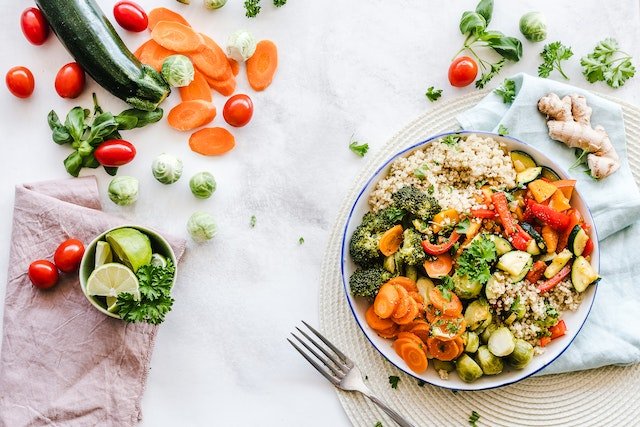
Plant-based diets have become increasingly popular in recent years, and for good reason. Eating a diet rich in fruits, vegetables, whole grains, and legumes can have numerous health benefits, such as reducing the risk of heart disease, diabetes, and certain cancers. Plus, it’s a more environmentally-friendly way of eating since it reduces the demand for meat production, which has a high carbon footprint. In this article, we’ll share 5 plant-based meal ideas and how to prepare them.


CHICKPEA AND SPINACH CURRY

Ingredients:
1 can chickpeas, drained and rinsed
1 onion, diced
2 cloves garlic, minced
1 tablespoon grated ginger
1 tablespoon curry powder
1 can diced tomatoes
1 cup vegetable broth
4 cups fresh spinach
Salt and pepper, to taste
Rice, for serving

Instructions:
1) In a large pot, sauté the onion, garlic, and ginger in a little bit of oil until soft.

2) Add the curry powder and cook for another minute.

3) Add the chickpeas, diced tomatoes, and vegetable broth. Bring to a boil, then reduce the heat and let it simmer for about 10 minutes.

4) Add the spinach and cook until wilted.

5) Season with salt and pepper to taste.

6) Serve with rice.


ROASTED VEGETABLES BUDDHA BOWL

Ingredients:
1 sweet potato, diced
1 red bell pepper, sliced
1 yellow bell pepper, sliced
1 zucchini, sliced
1/2 red onion, sliced
1 can chickpeas, drained and rinsed
1 tablespoon olive oil
Salt and pepper, to taste
1 cup cooked quinoa
1 avocado, sliced
2 tablespoons hummus
Lemon wedges, for serving

Instructions:
1) Preheat the oven to 400°F (200°C).

2)Toss the sweet potato, bell peppers, zucchini, red onion, and chickpeas with olive oil, salt, and pepper. Spread out on a baking sheet and roast for about 25 minutes or until vegetables are tender.

3) Divide the cooked quinoa among bowls and top with the roasted vegetables and chickpeas.

4) Add sliced avocado and a dollop of hummus.

5) Squeeze lemon wedges over the top before serving.


LENTIL SHEPHERD’S PIE

Ingredients:

1 cup dry lentils
1 onion, diced
2 cloves garlic, minced
1 carrot, diced
1 stalk celery, diced
1 tablespoon tomato paste
1 tablespoon flour
1 cup vegetable broth
1 tablespoon Worcestershire sauce (vegan version)
Salt and pepper, to taste
2 cups mashed potatoes
Fresh parsley, for garnish

Instructions:

1) Cook the lentils according to package instructions.

2) In a large pan, sauté the onion, garlic, carrot, and celery until soft.

3) Add the tomato paste and flour and cook for another minute.

4) Add the cooked lentils, vegetable broth, Worcestershire sauce, salt, and pepper. Let it simmer for about 10 minutes.

5) Transfer the lentil mixture to a baking dish.

6) Spread mashed potatoes on top and smooth with a spatula.

7) Bake in a preheated oven at 350°F (175°C) for 25-30 minutes or until the mashed potatoes are lightly browned.

8) Garnish with fresh parsley before serving.


VEGAN CAESAR SALAD

Ingredients:

1 head of romaine lettuce, chopped
1/2 cup croutons
1/4 cup vegan parmesan cheese (can be made from cashews, nutritional yeast, and salt)
1/4 cup vegan Caesar dressing (can be made from tahini, lemon juice, dijon mustard, garlic, and capers)


Instructions:

1) In a large bowl, add the chopped romaine lettuce.

2) Add the croutons on top of the lettuce.

3) Sprinkle the vegan parmesan cheese over the croutons and lettuce.

4) Drizzle the vegan Caesar dressing over the salad.

5) Toss everything together until evenly coated.

6) Serve and enjoy!


TOFU STIR-FRY

Ingredients:

1 block of extra-firm tofu, drained and pressed
1 tablespoon cornstarch
Salt and pepper, to taste
1 tablespoon sesame oil
2 cloves garlic, minced
1-inch piece of ginger, grated
1 bell pepper, sliced
1 carrot, sliced
1 cup broccoli florets
2 tablespoons soy sauce
1 tablespoon rice vinegar
1 teaspoon honey (or agave syrup for a vegan option)
1/4 cup chopped green onions
Cooked rice, for serving.

Instructions:

1) Cut the tofu into cubes and toss with cornstarch, salt, and pepper.

2) Heat the sesame oil in a large pan over medium-high heat.

3) Add the tofu and cook until crispy and golden brown on all sides.

4) Remove the tofu from the pan and set it aside.

5) In the same pan, add garlic and ginger and cook for 1-2 minutes.

6) Add the sliced bell pepper, carrot, and broccoli and stir-fry for about 5 minutes.

7) In a small bowl, whisk together soy sauce, rice vinegar, and honey (or agave syrup).

8) Add the sauce to the pan with the vegetables and stir to combine.

9) Add the tofu back to the pan and stir until everything is coated with the sauce.

10) Top with chopped green onions and serve with cooked rice.


Plant-based meals can be just as flavorful and satisfying as those that include meat. These 5 meal ideas are easy to prepare and delicious, and they show that a plant-based diet can be diverse and fulfilling. Try them out and experiment with your own favorite plant-based ingredients and flavors.


Photos by: Pexels.com

5 Most Popular Chinese Herbal Formulas and How to Make Them

“He who takes medicine and neglects to diet wastes the skill of his doctors.” – Chinese Proverb


Traditional Chinese Medicine (TCM) has a rich history of using herbs to address various health conditions. Chinese herbal formulas, in particular, have been used for centuries to treat a wide range of health issues, from digestive disorders to respiratory problems, and everything in between. In this blog post, we will explore the five most popular Chinese herbal formulas, how to make them, and what they are used for.


Si Jun Zi Tang (Four Gentlemen Decoction)


Si Jun Zi Tang is a classic Chinese herbal formula that is used to tonify the Qi or energy of the body. This formula consists of four herbs: Ren Shen (Ginseng), Bai Zhu (Atractylodes), Fu Ling (Poria), and Zhi Gan Cao (Honey-fried Licorice). Si Jun Zi Tang is commonly used to treat fatigue, lack of appetite, and loose stools.

To make Si Jun Zi Tang, you will need:

30g Ren Shen (Ginseng)
30g Bai Zhu (Atractylodes)
30g Fu Ling (Poria)
10g Zhi Gan Cao (Honey-fried Licorice)
Place all the herbs in a pot with six cups of water. Bring to a boil and then simmer for 30 minutes. Strain and drink the decoction while it’s still warm. You can also add honey or rock sugar to taste.


Liu Wei Di Huang Wan (Six Flavor Rehmannia Pill)

Liu Wei Di Huang Wan is a popular Chinese herbal formula that is used to nourish the Yin of the body. This formula consists of six herbs: Shu Di Huang (Rehmannia), Shan Zhu Yu (Cornus), Shan Yao (Dioscorea), Fu Ling (Poria), Mu Dan Pi (Moutan), and Ze Xie (Alisma). Liu Wei Di Huang Wan is commonly used to treat dizziness, tinnitus, and night sweats.

To make Liu Wei Di Huang Wan, you will need:

30g Shu Di Huang (Rehmannia)
20g Shan Zhu Yu (Cornus)
20g Shan Yao (Dioscorea)
20g Fu Ling (Poria)
10g Mu Dan Pi (Moutan)
10g Ze Xie (Alisma)
Place all the herbs in a pot with six cups of water. Bring to a boil and then simmer for 30 minutes. Strain and drink the decoction while it’s still warm. You can also add honey or rock sugar to taste.


Xiao Yao San (Rambling Powder)

Xiao Yao San is a famous Chinese herbal formula that is used to regulate the liver Qi. This formula consists of eight herbs: Chai Hu (Bupleurum), Dang Gui (Angelica), Bai Shao (White Peony), Bai Zhu (Atractylodes), Fu Ling (Poria), Gan Cao (Licorice), Bo He (Mint), and Sheng Jiang (Ginger). Xiao Yao San is commonly used to treat stress, anxiety, and menstrual disorders.

To make Xiao Yao San, you will need:

15g Chai Hu (Bupleurum)
10g Dang Gui (Angelica)
10g Bai Shao (White Peony)
10g Bai Zhu (Atractylodes)
10g Fu Ling (Poria)
5g Gan Cao (Licorice)
5g Bo He (Mint)
5g Sheng Jiang (Ginger)
Place all the herbs in a pot with six cups of water. Bring to a boil and then simmer for 30 minutes. Strain and drink the decoction while it’s still warm. You can also add honey or rock sugar to taste.


Jia Wei Xiao Yao San(Augmented Rambling Powder)

Jia Wei Xiao Yao San is a modified version of the classic Xiao Yao San formula. It contains the same eight herbs as Xiao Yao San, plus two additional herbs: Mu Dan Pi (Moutan) and Zhi Zi (Gardenia). This formula is commonly used to treat stress, depression, and menstrual disorders.

To make Jia Wei Xiao Yao San, you will need:

15g Chai Hu (Bupleurum)
10g Dang Gui (Angelica)
10g Bai Shao (White Peony)
10g Bai Zhu (Atractylodes)
10g Fu Ling (Poria)
5g Gan Cao (Licorice)
5g Bo He (Mint)
5g Sheng Jiang (Ginger)
10g Mu Dan Pi (Moutan)
10g Zhi Zi (Gardenia)
Place all the herbs in a pot with six cups of water. Bring to a boil and then simmer for 30 minutes. Strain and drink the decoction while it’s still warm. You can also add honey or rock sugar to taste.


Ban Xia Xie Xin Tang (Pinellia Decoction to Drain the Epigastrium)

Ban Xia Xie Xin Tang is a classic Chinese herbal formula that is used to regulate the Stomach Qi and treat gastrointestinal disorders. This formula consists of five herbs: Ban Xia (Pinellia), Huang Lian (Coptis), Huang Qin (Scutellaria), Ren Shen (Ginseng), and Zhi Gan Cao (Honey-fried Licorice). Ban Xia Xie Xin Tang is commonly used to treat nausea, vomiting, and diarrhea.

To make Ban Xia Xie Xin Tang, you will need:

15g Ban Xia (Pinellia)
10g Huang Lian (Coptis)
10g Huang Qin (Scutellaria)
6g Ren Shen (Ginseng)
3g Zhi Gan Cao (Honey-fried Licorice)
Place all the herbs in a pot with six cups of water. Bring to a boil and then simmer for 30 minutes. Strain and drink the decoction while it’s still warm. You can also add honey or rock sugar to taste.


Chinese herbal formulas have a long history of use in Traditional Chinese Medicine. These five formulas are some of the most popular and effective formulas used in TCM. By understanding how to make them and what they are used for, you can incorporate these formulas into your own health routine and experience the benefits of TCM. However, it is always recommended to consult a licensed TCM practitioner before using any herbal formula for the treatment of a specific health condition.


Sources:


“Chinese Herbal Medicine: Materia Medica” by Dan Bensky, Steven Clavey, and Erich Stoger

“The Tao of Nutrition” by Maoshing Ni

“Chinese Herbal Medicine: Formulas and Strategies” by Dan Bensky and Randall Barolet

Photo by: Pexels.com


How to Decoct Chinese Herbs at Home

“Good medicine tastes bitter.” – Traditional Chinese Proverb


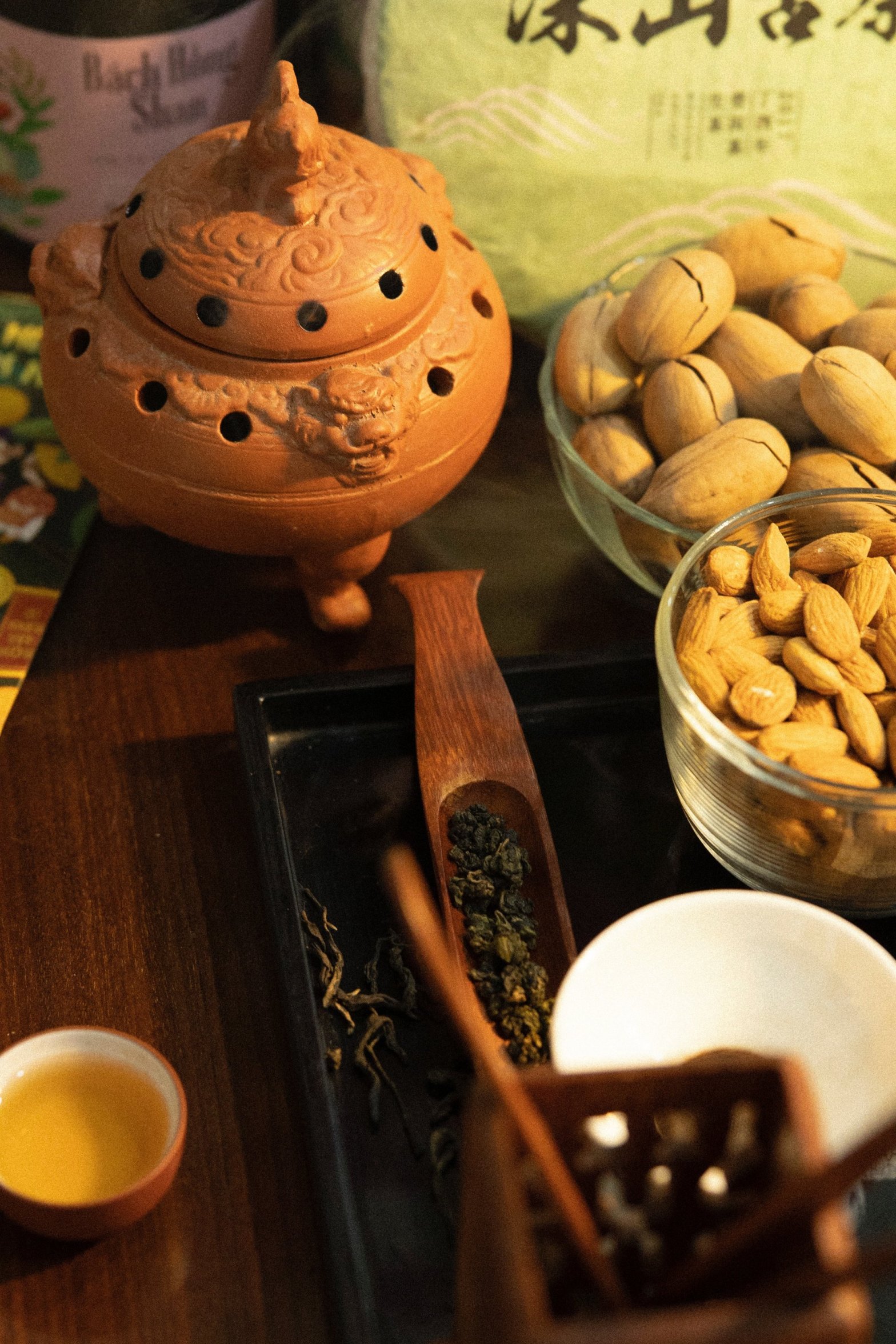
Decocting Chinese herbs at home is a simple and effective way to take advantage of the benefits of traditional Chinese medicine. Decoction involves boiling a combination of herbs in water, extracting their beneficial properties and creating a concentrated liquid that can be consumed as a tonic or used topically.

Before we dive into the steps for decocting Chinese herbs at home, let’s first understand why this practice is so popular in traditional Chinese medicine.


Traditional Chinese Medicine and Decoction

Traditional Chinese Medicine (TCM) is a holistic approach to health and wellness that dates back thousands of years. It is based on the idea that the body has an innate ability to heal itself and that disease is caused by imbalances in the body’s energy or “Qi” (pronounced “chee”). TCM practitioners use various techniques, including acupuncture, massage, and herbal remedies, to restore balance and promote healing.

Decoction is one of the most common methods of delivering herbal remedies in TCM. It is believed to be an effective way to extract the active ingredients from the herbs and create a concentrated liquid that can be easily absorbed by the body.


How to Decoct Chinese Herbs at Home

Decocting Chinese herbs at home is a simple process that requires only a few basic tools and some knowledge of TCM. Here are the steps to follow:

Step 1: Choose Your Herbs

The first step in decocting Chinese herbs at home is to choose the herbs you want to use. You can buy pre-packaged herbal formulas from TCM practitioners or health food stores, or you can create your own formula based on your individual needs. It is important to use high-quality herbs that have been properly sourced and processed to ensure their effectiveness.

Step 2: Measure Your Herbs

Once you have your herbs, you will need to measure them out. Most herbal formulas will provide specific measurements for each herb. If you are creating your own formula, you can use the general rule of thumb of using equal parts of each herb or adjusting the ratio based on your individual needs.

Step 3: Prepare Your Herbs

Before you start decocting, you will need to prepare your herbs. This involves washing them thoroughly and soaking them in water for at least 30 minutes. This helps to soften the herbs and release their beneficial properties.

Step 4: Decoct Your Herbs

To decoct your herbs, you will need to boil them in water for a specific amount of time. The length of time will vary based on the herbs and the desired effect. Most herbal formulas will provide specific instructions for decocting.

To decoct your herbs, follow these steps:

Add your herbs to a pot with enough water to cover them completely.

Bring the water to a boil and then reduce the heat to a simmer.

Cover the pot and let the herbs simmer for the recommended amount of time.

Strain the liquid through a fine-mesh strainer or cheesecloth to remove any solid particles.

Let the liquid cool before storing it in a glass jar or container.

Step 5: Drink or Use Topically

Once your decoction is complete, you can consume it as a tonic or use it topically. If consuming, it is recommended to drink it warm, as this helps to increase absorption. If using topically, you can apply it directly to the skin or use it as a compress.

Decocting Chinese herbs at home is a simple and effective way to take advantage of the benefits of traditional Chinese medicine. By following these simple steps, you can create a concentrated liquid that can be consumed as a tonic or used topically to promote healing and restore balance to the body.


Sources:


“Herbal Decoction – How to Make and Use Herbal Decoctions.” Pacific College of Oriental Medicine, 14 May 2019, https://www.pacificcollege.edu/news/blog/2015/04/21/herbal-decoction-how-make-and-use-herbal-decoctions.

“Traditional Chinese Medicine: What You Need To Know.” National Center for Complementary and Integrative Health, 9 May 2019, https://www.nccih.nih.gov/health/traditional-chinese-medicine-what-you-need-to-know.

“Chinese Herbal Medicine: How to Make an Herbal Decoction.” Institute for Traditional Medicine, https://www.itmonline.org/arts/decoction.htm.

“Decoction – TCM Wiki.” TCM Wiki, https://tcmwiki.com/wiki/decoction.

Photo by: Pexels.com
How to Use Chinese Herbs to Treat Common Ailments

“Chinese herbs are not just medicines, they are a way of life, promoting health and well-being through balance and harmony.” – Dr. Jake Paul Fratkin, OMD, L.Ac.


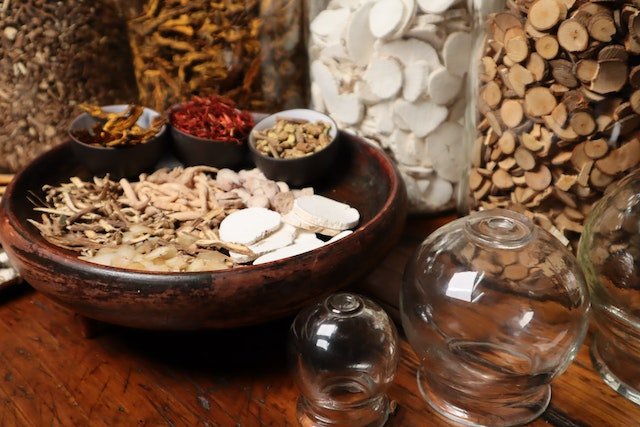
Chinese herbs have been used for thousands of years to treat a variety of ailments. In Traditional Chinese Medicine (TCM), herbs are often used in combination with other therapies, such as acupuncture and massage, to promote health and balance in the body. Here are some common ailments and the Chinese herbs that can be used to treat them:


Colds and Flu
When you’re feeling under the weather with a cold or the flu, Chinese herbs can help boost your immune system and alleviate symptoms. One of the most commonly used herbs is astragalus, which has antiviral and immune-boosting properties. Other herbs that can help include ginger, licorice root, and honeysuckle flower.


Headaches
Headaches can be caused by a variety of factors, including stress, tension, and allergies. Chinese herbs that can help include chrysanthemum, which has anti-inflammatory properties, and white peony root, which can help relieve tension and promote relaxation.


Digestive Issues
Digestive issues such as bloating, constipation, and diarrhea can be uncomfortable and frustrating. Chinese herbs that can help include ginger, which can soothe the stomach and aid digestion, and licorice root, which can help relieve constipation.


Insomnia
If you’re having trouble sleeping, Chinese herbs can help promote relaxation and improve the quality of your sleep. One commonly used herb is valerian root, which can help calm the nervous system and promote relaxation. Other herbs that can help include chamomile, passionflower, and lavender.


Menstrual Issues
Many women experience menstrual cramps and other discomforts during their monthly cycle. Chinese herbs that can help include dong quai, which can help regulate menstrual cycles and alleviate cramps, and black cohosh, which can help relieve hot flashes and other menopausal symptoms.


It’s important to note that while Chinese herbs can be effective in treating many common ailments, they should be used under the guidance of a trained practitioner. A TCM practitioner can help you choose the right herbs for your specific needs and ensure that you’re using them safely and effectively.

Chinese herbs can be a natural and effective way to treat many common ailments. Whether you’re dealing with a cold, a headache, digestive issues, insomnia, or menstrual issues, there’s likely a Chinese herb that can help alleviate your symptoms and promote balance and health in your body.


Sources:

World Health Organization. (2002). WHO Traditional Medicine Strategy 2002-2005. Retrieved from https://www.who.int/medicines/publications/traditionalpolicy/en/.

Liu, J., & Chen, X. (2013). Chinese herbal medicine for treating menopausal symptoms in London women: developing a good practice protocol via the factor analysis of prescribing patterns in a clinical setting. Evidence-Based Complementary and Alternative Medicine, 2013, 1-9. doi: 10.1155/2013/207349

National Center for Complementary and Integrative Health. (2022). Traditional Chinese Medicine: In Depth. Retrieved from https://www.nccih.nih.gov/health/traditional-chinese-medicine-in-depth.

Xie, Y., Hao, H., & Kang, Y. (2021). Clinical application of Chinese herbal medicine for treating insomnia: A review of randomized controlled trials. Sleep Medicine Reviews, 57, 101431. doi: 10.1016/j.smrv.2021.101431

Chen, J., Chen, T., Wang, X., & Liu, J. (2020). The effects of ginger on relieving the symptoms of irritable bowel syndrome: A systematic review and meta-analysis of randomized controlled trials. Evidence-Based Complementary and Alternative Medicine, 2020, 1-9. doi: 10.1155/2020/8409513.

These sources provide valuable information on the use of Chinese herbs for common ailments and the evidence-based research behind their effectiveness.

Photo by: Pexels.com

Natural Ways to Sleep Better: Tips and Tricks for a Good Night’s Sleep

“Sleep is the best meditation.” – Dalai Lama XIV


Sleep is essential for our physical and mental health. Yet, many of us struggle with getting the recommended 7-9 hours of sleep each night.

If you’re one of the many people who have trouble sleeping, you’re not alone. Fortunately, there are natural ways to improve your sleep quality without resorting to sleeping pills or other medications.


Stick to a sleep schedule. Going to bed and waking up at the same time every day, even on weekends, can help regulate your body’s sleep-wake cycle. This can make it easier to fall asleep and wake up feeling rested.


Create a bedtime routine. Creating a relaxing bedtime routine can signal to your body that it’s time to wind down and get ready for sleep. This can include taking a warm bath, reading a book, or practicing relaxation techniques like deep breathing or meditation.


Create a sleep friendly environment. Your bedroom environment can have a big impact on your sleep quality. Make sure your bedroom is dark, quiet, and cool. Consider investing in blackout curtains, earplugs, or a white noise machine if necessary.


Avoid stimulating activities before bedtime. Activities like watching TV, using electronic devices, or engaging in stimulating conversations can make it harder to fall asleep. Try to avoid these activities for at least an hour before bedtime.


Exercise regularly. Regular exercise can improve sleep quality by reducing stress and anxiety and promoting relaxation. Just make sure to finish your workout at least a few hours before bedtime to give your body time to wind down.


Watch what you eat and drink. What you eat and drink can have a big impact on your sleep quality. Avoid caffeine, alcohol, and heavy meals close to bedtime. Instead, opt for a light snack like a banana or a warm cup of chamomile tea.


Manage stress. Stress and anxiety can make it difficult to fall asleep and stay asleep. Try relaxation techniques like yoga, meditation, or deep breathing to help manage stress and promote relaxation.


Herbal teas, essential oils, and natural supplements can also be helpful for improving sleep. Below is a list of popular botanicals and supplements that can help to promote a restful night’s sleep. Be sure to consult your physician before beginning any new exercises or supplement regimen.


Herbal Teas. Herbal teas are a popular and natural way to improve sleep quality. Many herbs used in teas, such as chamomile, lavender, valerian root, and passionflower, have been traditionally used for their relaxing and calming properties.

These herbs contain compounds that can help reduce stress, anxiety, and promote sleep. Drinking a cup of herbal tea before bedtime can help you unwind and ease into a peaceful slumber.

Herbal teas are also a healthy alternative to other sleep aids that can have negative side effects. Additionally, drinking tea can create a relaxing bedtime routine that can contribute to better sleep hygiene.

Chamomile tea: Chamomile is a natural sedative and can help promote relaxation and improve sleep quality.

Valerian root tea: Valerian root is a herb that is commonly used as a sleep aid due to its calming properties.

Passionflower tea: Passionflower is a natural sedative that can help promote relaxation and improve sleep quality.

Lavender tea: Lavender has a calming and relaxing effect and can help reduce stress and anxiety, which can lead to better sleep.


Essential Oils. Essential oils have gained popularity in recent years for their potential benefits in promoting relaxation and improving sleep.

Lavender, chamomile, bergamot, and ylang-ylang are among the essential oils commonly used for their calming properties.

Inhalation of these oils through diffusion, a pillow spray, or a warm bath can help promote relaxation, reduce stress and anxiety, and induce a feeling of calmness that can lead to better sleep.

Essential oils can also be used in massage therapy or as part of a bedtime routine, which can further enhance their effectiveness in improving sleep quality.

Additionally, essential oils are a natural and safe alternative to over-the-counter sleep aids that can have negative side effects.

Lavender essential oil: Lavender has been shown to improve sleep quality by promoting relaxation and reducing anxiety.

Chamomile essential oil: Chamomile has a calming effect and can help reduce stress and anxiety, leading to better sleep.
Bergamot essential oil: Bergamot is known for its calming and mood-boosting effects and can help reduce stress and anxiety.

Ylang-ylang essential oil: Ylang-ylang is a natural sedative and can help promote relaxation and improve sleep quality.


Natural Supplements. Nutritional supplements are another option for improving sleep quality. Magnesium, melatonin, and L-theanine are some of the popular supplements used to promote relaxation and better sleep.

Magnesium is a mineral that can help relax muscles, reduce anxiety, and improve sleep quality. Melatonin is a hormone that regulates the sleep-wake cycle, and taking a supplement can help reset your circadian rhythm, leading to better sleep. L-theanine is an amino acid found in green tea that can promote relaxation and reduce stress.

These supplements are generally safe and can be effective in improving sleep quality, especially when used in combination with other healthy sleep habits, such as maintaining a regular sleep schedule and avoiding caffeine and alcohol before bedtime.

However, it is essential to consult with a healthcare professional before taking any nutritional supplements to ensure safety and effectiveness.

Magnesium: Magnesium is a mineral that can help promote relaxation and improve sleep quality. It can also help reduce muscle tension and promote relaxation.

Melatonin: Melatonin is a hormone that helps regulate the sleep-wake cycle. Taking a melatonin supplement can help improve sleep quality, particularly for people with insomnia.

L-theanine: L-theanine is an amino acid found in green tea that can help reduce stress and anxiety and promote relaxation, leading to better sleep.

Passionflower extract: Passionflower extract is a natural sedative that can help promote relaxation and improve sleep quality.


Sources:

National Sleep Foundation. (2022). Healthy Sleep Tips. Retrieved from https://www.sleepfoundation.org/sleep-hygiene/healthy-sleep-tips
Mayo Clinic. (2021). Insomnia. Retrieved from https://www.mayoclinic.org/diseases-conditions/insomnia/symptoms-causes/syc-20355167
Harvard Health Publishing. (2015). Blue light has a dark side. Retrieved from https://www.health.harvard.edu/staying-healthy/blue-light-has-a-dark-side
National Center for Complementary and Integrative Health. (2022). Chamomile. Retrieved from https://www.nccih.nih.gov/health/chamomile
University of Maryland Medical Center. (2022). Valerian. Retrieved from https://www.umm.edu/health/medical/altmed/herb/valerian
University of Michigan Medicine. (2022). Passionflower. Retrieved from https://www.uofmhealth.org/health-library/hn-2121008
American Sleep Association. (2022). Lavender Essential Oil and Sleep. Retrieved from https://www.sleepassociation.org/lavender-essential-oil-and-sleep/
National Sleep Foundation. (2022). Melatonin and Sleep. Retrieved from https://www.sleepfoundation.org/nutrition/melatonin-and-sleep
Healthline. (2022). L-theanine. Retrieved from https://www.healthline.com/nutrition/l-theanine

Photo by: Pexels.com

Use Gentle, Natural Cleansers to Avoid Stripping Your Skin of its Natural Oils

“Be kind to your skin; it’s the only one you’ve got, and it has to last a lifetime.” – Lori Leavitt


Our skin is our body’s largest organ, and it plays a vital role in protecting us from harmful external elements. However, many of us often overlook the importance of taking care of our skin and end up using harsh chemicals that strip our skin of its natural oils. The result is often dry, irritated, and even damaged skin. Fortunately, there are gentle and natural cleansers that can help you maintain healthy, nourished skin without compromising its natural oils.


Why avoid harsh cleansers?

Harsh cleansers are often made up of synthetic chemicals that can be harsh on the skin. They work by stripping away dirt and oil from the surface of the skin, which can leave it feeling dry and tight. While this might sound good in theory, it can actually be harmful to your skin’s health. Your skin produces natural oils that help to protect and nourish it. When these oils are stripped away, your skin can become dry, irritated, and even damaged.

Using gentle, natural cleansers can help you avoid these issues. Natural cleansers are typically made from plant-based ingredients that are gentle on the skin. They work by gently removing dirt and impurities from the surface of the skin without stripping away its natural oils. This helps to keep your skin moisturized and nourished, which can lead to healthier, more vibrant skin.


What are some natural cleansers?

There are many natural cleansers that you can use to cleanse your skin. Here are some of the best:

Honey: Honey is a natural antibacterial and anti-inflammatory agent that can help to cleanse and soothe the skin. It is also a natural humectant, which means it helps to lock in moisture.

Aloe Vera: Aloe vera is a natural moisturizer that can help to soothe and hydrate the skin. It also has anti-inflammatory properties that can help to reduce redness and irritation.

Coconut oil: Coconut oil is a natural moisturizer that can help to nourish and hydrate the skin. It also has antimicrobial properties that can help to cleanse the skin.

Oatmeal: Oatmeal is a natural exfoliant that can help to remove dead skin cells and impurities from the surface of the skin. It also has anti-inflammatory properties that can help to soothe and calm the skin.

Tea tree oil: Tea tree oil is a natural antibacterial agent that can help to cleanse the skin and prevent acne. It also has anti-inflammatory properties that can help to reduce redness and irritation.


In conclusion, using gentle, natural cleansers can help you maintain healthy, nourished skin without compromising its natural oils. By incorporating natural cleansers into your skincare routine, you can help to keep your skin moisturized, hydrated, and protected. So, the next time you’re shopping for skincare products, be sure to look for natural options that are gentle on your skin. Your skin will thank you!


Sources:

American Academy of Dermatology Association. “Skin care basics.” https://www.aad.org/public/everyday-care/skin-care-basics. Accessed 30 March 2023.

Bouwstra, Joke A., and Michiel E. M. Nikkels. “Natural Skin Care Products.” Cosmetics 6, no. 1 (2019): 2. https://doi.org/10.3390/cosmetics6010002.

Lin, Tzu-Kai, Lily Zhong, and Juan Luis Santiago. “Anti-Inflammatory and Skin Barrier Repair Effects of Topical Application of Some Plant Oils.” International Journal of Molecular Sciences 19, no. 1 (2018): 70. https://doi.org/10.3390/ijms19010070.

Pazyar, Nader, Maryam Yaghoobi, and Amir Feily. “Oatmeal in Dermatology: A Brief Review.” Indian Journal of Dermatology, Venereology and Leprology 81, no. 2 (2015): 146-50. https://doi.org/10.4103/0378-6323.152863.

Williams, Emma. “The Benefits of Tea Tree Oil for Your Skin and Hair.” Healthline, 28 March 2019. https://www.healthline.com/health/tea-tree-oil-for-hair. Accessed 30 March 2023.

Photo by: Pexels.com

Eating a Balanced Diet Rich in Whole Foods and Natural Sources of Vitamins and Minerals

“Let food be thy medicine and medicine be thy food.” – Hippocrates


Eating a balanced diet rich in whole foods and natural sources of vitamins and minerals is essential for maintaining good health and wellness. Whole foods are foods that are minimally processed or not processed at all and are rich in nutrients, fiber, and other health-promoting compounds. Natural sources of vitamins and minerals are found in whole foods, such as fruits, vegetables, whole grains, nuts, seeds, and legumes, rather than in synthetic supplements.

A balanced diet provides the body with the nutrients it needs to function properly, maintain a healthy weight, and reduce the risk of chronic diseases such as heart disease, diabetes, and cancer. It also helps to promote healthy digestion, energy levels, and a strong immune system.

Whole foods are nutrient-dense, meaning they contain high levels of essential vitamins and minerals. In contrast, processed foods are often high in calories, unhealthy fats, and sugar, and low in nutrients. Research has shown that a diet high in processed foods is associated with an increased risk of chronic diseases, including heart disease, diabetes, and cancer.

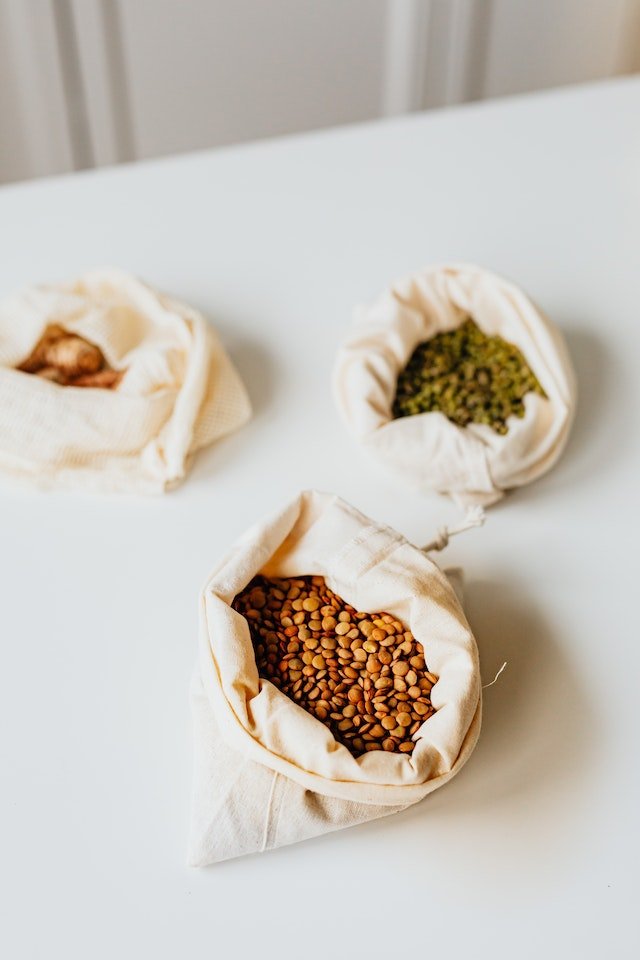
Natural sources of vitamins and minerals are found in whole foods, such as fruits, vegetables, whole grains, nuts, seeds, and legumes. Eating a variety of these whole foods ensures that you are getting a broad range of nutrients, including vitamins A, C, D, E, and K, as well as minerals such as calcium, iron, and magnesium.

Here are some examples of natural sources of vitamins and minerals:

Vitamin A: sweet potatoes, carrots, spinach, kale, and cantaloupe

Vitamin C: oranges, strawberries, kiwi, broccoli, and bell peppers

Vitamin D: sunlight, fatty fish such as salmon and tuna, and fortified foods such as milk and cereal

Vitamin E: almonds, spinach, sweet potatoes, and avocados

Vitamin K: spinach, kale, broccoli, and Brussels sprouts

Calcium: dairy products such as milk, cheese, and yogurt, as well as fortified plant-based milks, tofu, and leafy greens such as kale and collard greens

Iron: red meat, poultry, fish, beans, lentils, and fortified breakfast cereals

Magnesium: spinach, almonds, cashews, black beans, and avocado

Incorporating whole foods and natural sources of vitamins and minerals into your diet can be simple and delicious. Try to eat a variety of colorful fruits and vegetables every day, choose whole grains such as brown rice and quinoa over refined grains, and snack on nuts and seeds for a healthy dose of healthy fats and protein.


Sources:

Harvard Health Publishing. (2019). The benefits of whole foods. https://www.health.harvard.edu/staying-healthy/the-benefits-of-whole-foods
Harvard Health Publishing. (2019). Processed foods: What’s OK, what to avoid. https://www.health.harvard.edu/staying-healthy/processed-foods-whats-ok-what-to-avoid
MedlinePlus. (2022). Vitamins. https://medlineplus.gov/vitamins.html
MedlinePlus. (2022). Minerals. https://medlineplus.gov/minerals.html

Photo by: Pexels.com

Design a site like this with WordPress.com
Get started