“Black cumin is healing for all diseases except death.” – Arabic Proverb
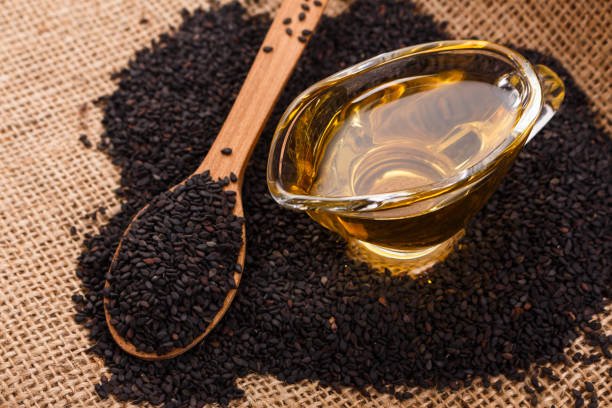
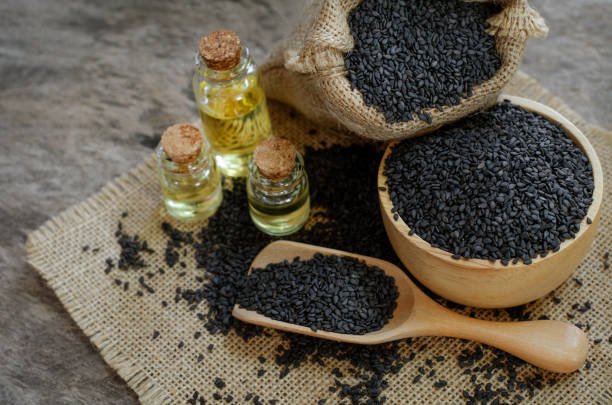
Black seed oil is a type of oil extracted from the seeds of the Nigella Sativa plant, also known as black cumin. The plant is native to Southwest Asia and has been used in traditional medicine for centuries.
Black seed oil contains a variety of compounds, including thymoquinone, which is believed to have anti-inflammatory, antioxidant, and antifungal properties. It is also rich in essential fatty acids, vitamins, and minerals, which are essential for overall health.
Black seed oil has been used to treat a variety of health conditions, such as digestive issues, respiratory problems, skin conditions, and immune system disorders. It is also believed to have potential benefits for weight loss, diabetes, and cancer prevention.
Some of the possible benefits of using black seed oil include:
Reducing inflammation: Black seed oil contains thymoquinone, which has been shown to have anti-inflammatory properties. This may help reduce inflammation in the body, which is linked to many chronic diseases, such as arthritis and heart disease.
Supporting healthy skin: Black seed oil may help improve skin health by reducing inflammation and boosting the immune system. It has been used to treat various skin conditions, such as eczema, psoriasis, and acne.
Boosting the immune system: Black seed oil may help improve immune function by increasing the production of white blood cells, which help fight off infections and disease.
Improving heart health: Some studies suggest that black seed oil may help lower cholesterol levels and reduce blood pressure, both of which are risk factors for heart disease.
Supporting healthy digestion: Black seed oil may help improve digestion by reducing inflammation in the gut and promoting the growth of healthy gut bacteria.
Reducing the risk of cancer: Some studies suggest that black seed oil may have anti-cancer properties, although more research is needed to confirm this.
Black seed oil can be used in a variety of ways, depending on your preference and the health benefits you are seeking. Here are some good ways to use black seed oil:
As a dietary supplement: You can take black seed oil as a dietary supplement by adding it to your food or taking it directly. It is recommended to start with a small amount, such as half a teaspoon, and gradually increase the amount as tolerated. You can also mix it with honey or yogurt to make it more palatable.
As a topical treatment for skin: Black seed oil can be applied topically to the skin to help treat a variety of skin conditions, such as acne, eczema, and psoriasis. Simply apply a small amount to the affected area and massage it in gently.
Inhaling the oil: You can inhale the oil by adding a few drops to a bowl of hot water and inhaling the steam. This can help with respiratory issues, such as asthma and allergies.
Oil pulling: You can use black seed oil for oil pulling, which involves swishing the oil in your mouth for a few minutes before spitting it out. This can help improve oral health and reduce bad breath.
Massage oil: Black seed oil can also be used as a massage oil to help relieve muscle tension and reduce inflammation.
It is important to note that black seed oil should not be used as a substitute for medical treatment, and you should always consult with a healthcare professional before using it for any health condition.
Sources:
“Nigella sativa and its active constituents as a potential therapy for COVID-19: A review.” – Phytotherapy Research
“Nigella sativa (black seed) effects on plasma lipid concentrations in humans: A systematic review and meta-analysis of randomized placebo-controlled trials.” – Pharmacological Research
“The effects of Nigella sativa on asthma: A systematic review.” – Current Pharmaceutical Design
“Black Seed (Nigella sativa) as a Potential Panacea for Coronavirus Disease (COVID-19) – A Review.” – Frontiers in Pharmacology
“A Review of the Effects of Nigella sativa L. and Its Constituent, Thymoquinone, in Metabolic Syndrome.” – Journal of Diabetes Research
“Therapeutic potential of Nigella sativa seed extract and its bioactive compound, thymoquinone, in gastrointestinal disorders.” – Journal of Dietary Supplements
“Let the stress of the day soak away, as you sink into the calming embrace of a warm bath.” – Unknown
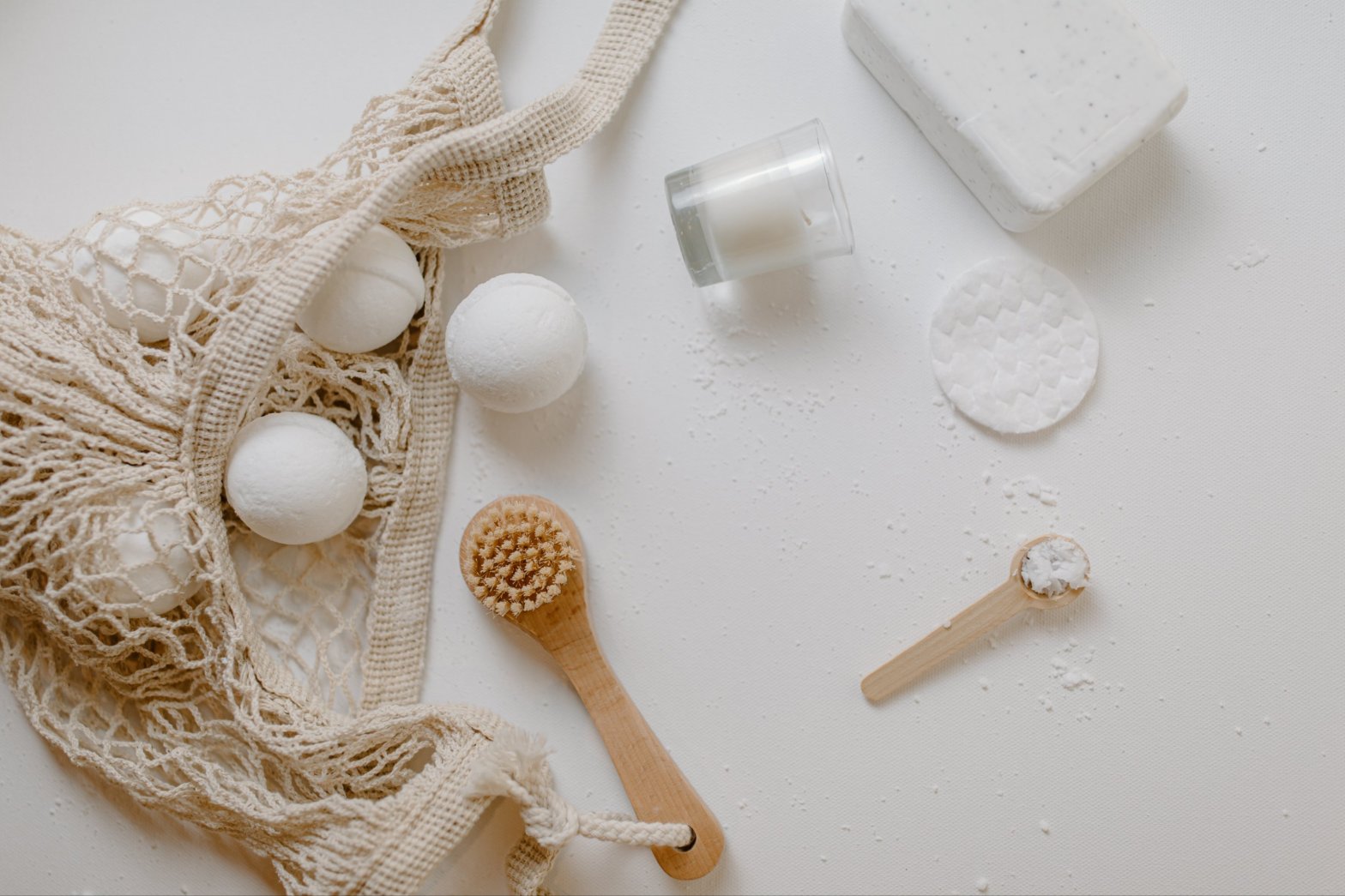
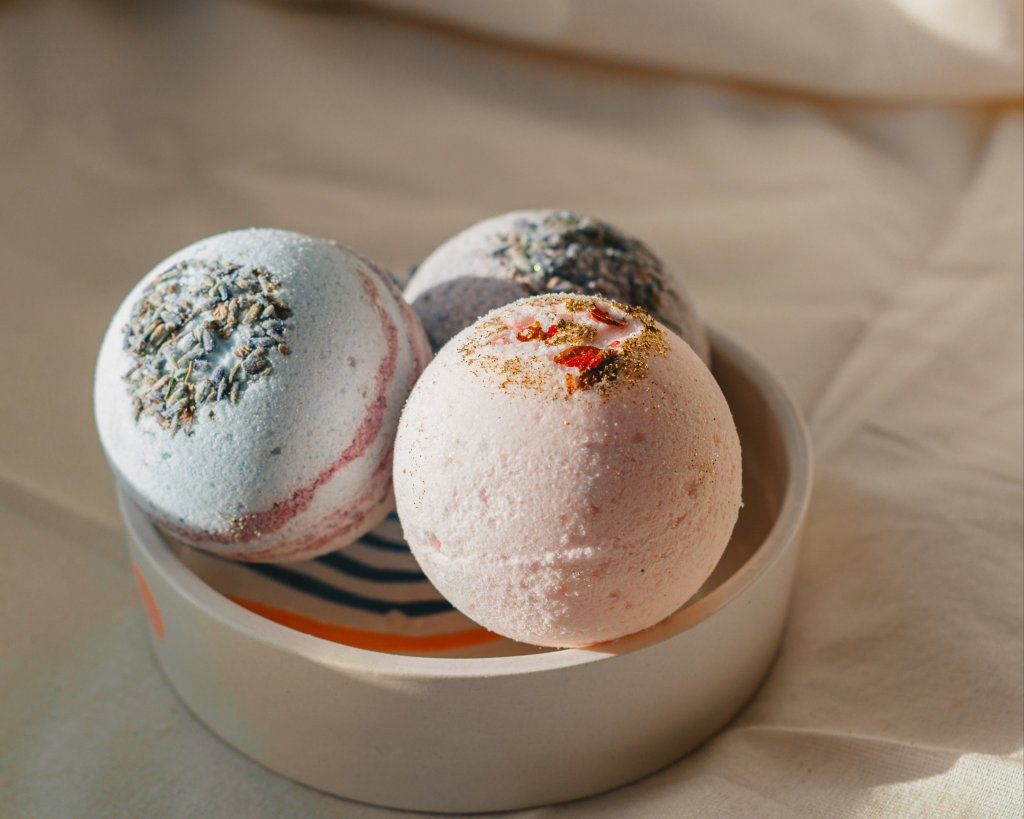
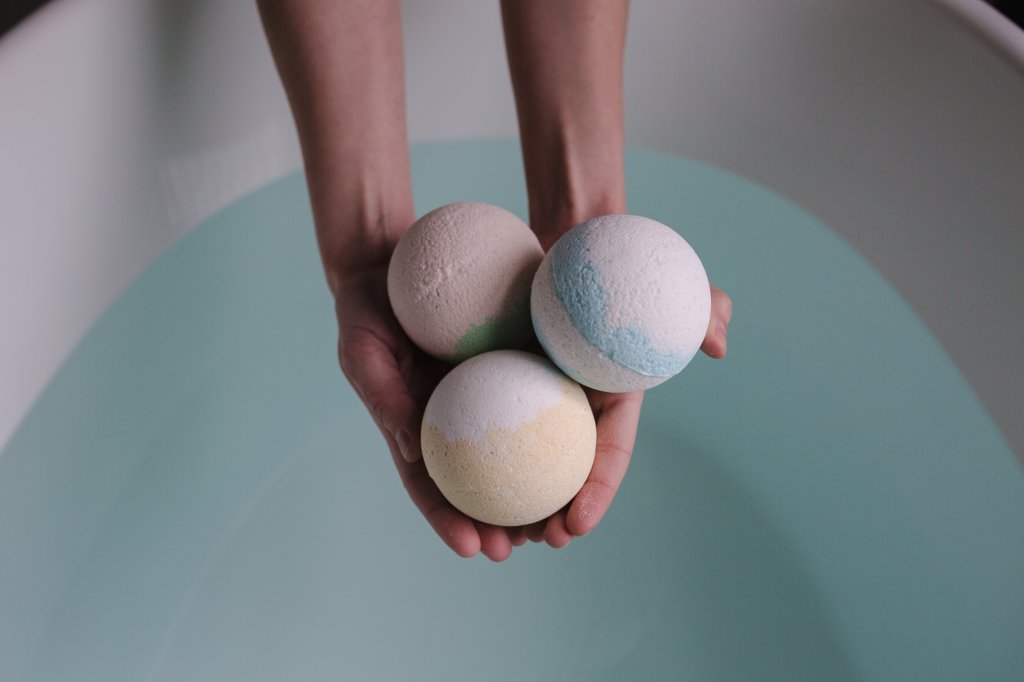
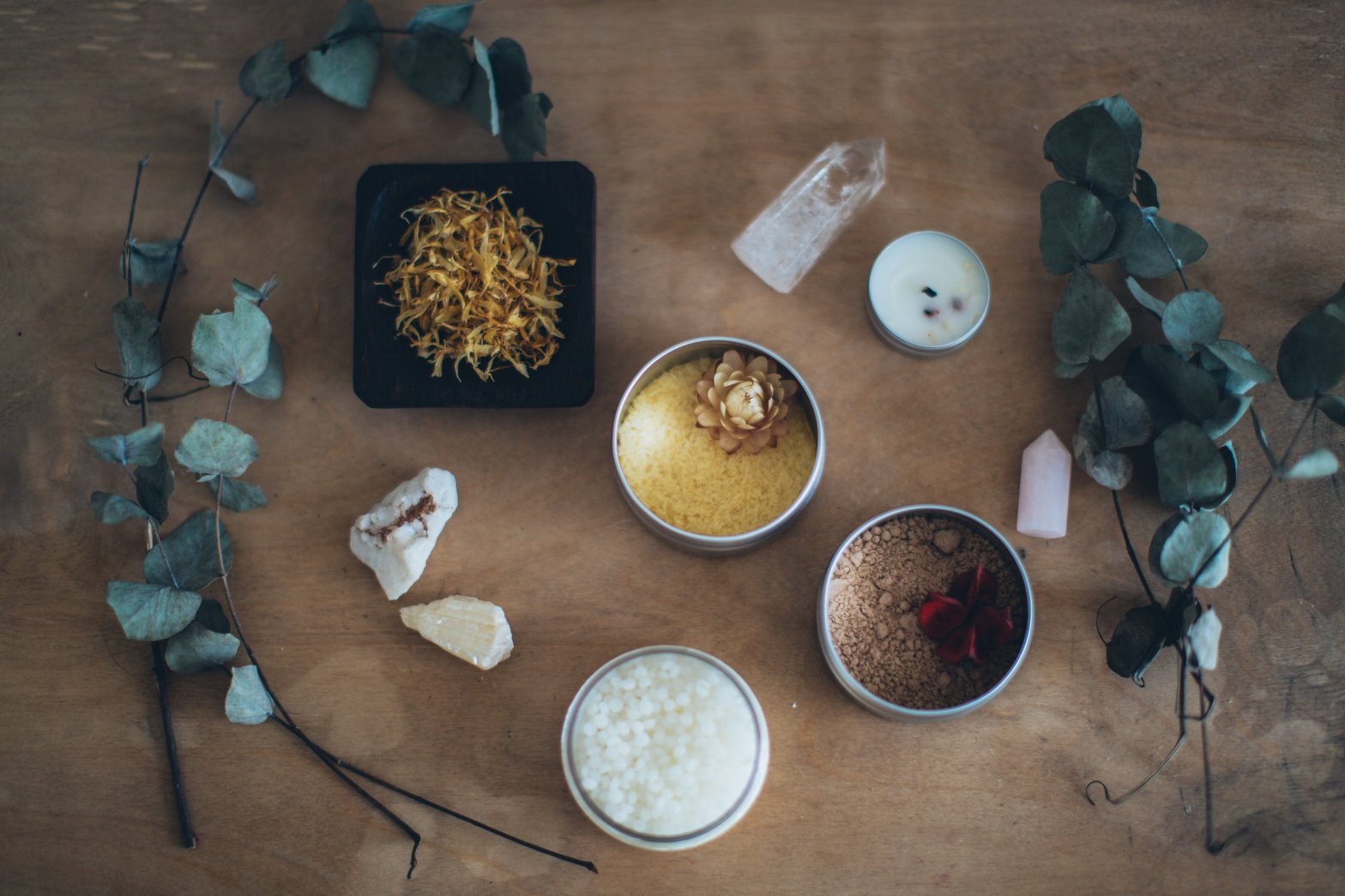
Bath bombs are a great way to add some luxury and relaxation to your bath time routine. But have you ever thought about making your own? With just a few simple ingredients and some essential oils, you can create custom bath bombs that are perfect for your skin and mood. In this blog post, we’ll go through the step-by-step process of making your own bath bombs with essential oils.
Ingredients:
1 cup baking soda
1/2 cup citric acid
1/2 cup Epsom salt
1/2 cup cornstarch
2 1/2 tablespoons coconut oil
1 teaspoon water
20-30 drops of essential oils (choose your favorite scent)
Instructions:
In a large bowl, mix together the baking soda, citric acid, Epsom salt, and cornstarch.
In a separate bowl, melt the coconut oil in the microwave or on the stove.
Add the melted coconut oil, water, and essential oils to the dry ingredients. Mix well until the mixture is moist but still crumbly.
Use a bath bomb mold to shape the mixture into balls. You can also use your hands to shape the mixture if you don’t have a mold.
Let the bath bombs dry for at least 24 hours. Once they’re dry, you can store them in an airtight container until you’re ready to use them.
Tips:
Use high-quality essential oils for the best scent and therapeutic benefits.
Add dried flowers or herbs to your bath bombs for a pretty touch and extra aromatherapy benefits.
Be careful not to add too much water to the mixture, or your bath bombs will start to fizz prematurely.
There are many essential oils that are perfect for use in bath bombs. Here are some of the best essential oils to use for bath bombs, along with their benefits:
Lavender: Lavender essential oil is well-known for its relaxing and calming properties. It can help to soothe the mind and body, making it perfect for a relaxing bath before bedtime.
Peppermint: Peppermint essential oil has a refreshing and invigorating scent that can help to energize and uplift your mood. It can also help to ease muscle tension and relieve headaches.
Eucalyptus: Eucalyptus essential oil has a cooling and refreshing scent that can help to open up the airways and promote deep breathing. It is also great for relieving muscle tension and promoting relaxation.
Lemongrass: Lemongrass essential oil has a bright and citrusy scent that can help to uplift your mood and promote mental clarity. It can also help to relieve stress and anxiety.
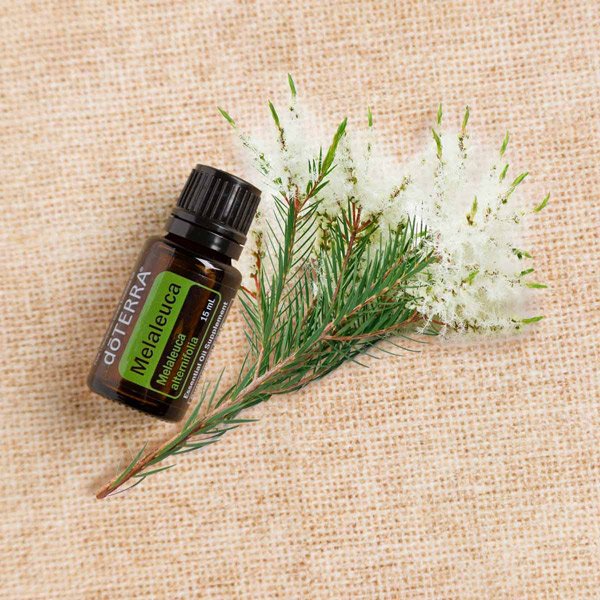
Tea tree: Tea tree essential oil has antibacterial and antifungal properties, making it great for promoting healthy skin. It can also help to soothe skin irritations and promote relaxation.
Rose: Rose essential oil has a sweet and floral scent that can help to promote feelings of love and positivity. It can also help to soothe the skin and promote relaxation.
When using essential oils in your bath bombs, it’s important to use high-quality oils and to follow safe usage guidelines. Be sure to do your research and consult with a qualified aromatherapist if you have any questions or concerns.
To add color to your bath bombs, simply mix a small amount of the colorant of your choice into your bath bomb mixture before shaping it into balls.
Start with a small amount and add more as needed until you reach your desired color.
Keep in mind that too much colorant may affect the fizzing and bubbling action of your bath bomb. So, it’s best to start with a small amount and gradually add more if needed.
To add color to your bath bombs, you will need to use a colorant that is safe for use in bath products. Here are a few options:
Food coloring: You can use liquid food coloring to add color to your bath bombs. However, be aware that some food colorings may stain your skin or bathtub.
Mica powder: Mica powder is a natural mineral powder that comes in a variety of colors. You can add a small amount of mica powder to your bath bomb mixture to create a subtle shimmer and color.
Soap dye: Soap dye is specifically formulated for use in bath products and is available in a variety of colors. It is highly concentrated, so a little goes a long way.
Making your own bath bombs with essential oils is a fun and easy way to customize your bath time experience. With just a few simple ingredients and some creativity, you can create bath bombs that are perfect for your skin and mood. So why not give it a try and see how much more relaxing and enjoyable your baths can be?
“Tea is not just a beverage, it’s a way of life. Green tea, in particular, has been revered for centuries for its numerous health benefits and calming properties.” – Unknown
Rich in Antioxidants: Green tea is rich in antioxidants, especially catechins and polyphenols. These antioxidants are beneficial in reducing the risk of cancer and other chronic diseases. They also help to protect the body from free radicals that damage cells and cause premature aging.
Boosts Brain Function: Green tea contains caffeine, which is a natural stimulant that can improve brain function, including mood, memory, and reaction time. The caffeine content in green tea is lower than that of coffee, which means that it doesn’t cause jitteriness or anxiety.
Promotes Weight Loss: Green tea is known for its ability to promote weight loss. It contains catechins and caffeine, which can help to increase metabolism and burn fat. Studies have shown that drinking green tea regularly can help to reduce body weight and body fat.
Lowers the Risk of Cardiovascular Disease: Drinking green tea regularly has been linked to a reduced risk of cardiovascular disease. The antioxidants in green tea help to improve blood flow, reduce inflammation, and lower blood pressure. All of these factors contribute to a healthier cardiovascular system.
Reduces the Risk of Type 2 Diabetes: Green tea has been shown to reduce the risk of developing type 2 diabetes. The polyphenols in green tea help to regulate blood sugar levels and improve insulin sensitivity. Drinking green tea regularly can help to prevent the development of type 2 diabetes.
Improves Oral Health: Green tea contains catechins, which have been shown to inhibit the growth of bacteria in the mouth. This can help to prevent bad breath, tooth decay, and gum disease. Drinking green tea regularly can help to improve oral health and hygiene.
Drinking green tea every day has numerous health benefits. It is rich in antioxidants, boosts brain function, promotes weight loss, lowers the risk of cardiovascular disease, reduces the risk of type 2 diabetes, and improves oral health. So, make green tea a part of your daily routine and enjoy a healthier life.
In addition, Green tea has several benefits for the skin and hair due to its high antioxidant and anti-inflammatory properties. Here are some potential benefits:
For skin:
Anti-aging properties: The antioxidants in green tea can help protect the skin from UV damage, reduce inflammation, and promote collagen production, which can help reduce the appearance of fine lines and wrinkles.
Acne prevention: Green tea contains EGCG (epigallocatechin gallate), which has antibacterial properties that can help fight acne-causing bacteria and reduce inflammation.
Soothing and calming: Green tea can help soothe and calm irritated skin due to its anti-inflammatory properties.
Brightening and rejuvenating: Green tea can help brighten and rejuvenate the skin by improving circulation, reducing puffiness, and promoting skin cell renewal.
For hair:
Promotes hair growth: Green tea contains compounds that can promote hair growth by reducing inflammation, improving circulation to the scalp, and stimulating hair follicles.
Reduces dandruff: The antioxidants in green tea can help reduce scalp inflammation and soothe irritation, which can help reduce dandruff.
Strengthens hair: Green tea can help strengthen hair by reducing breakage and improving the overall health of the hair follicles.
Adds shine: Green tea can add shine to hair by smoothing the hair cuticle and reducing frizz.
Here are some ways you can use green tea for healthier skin and hair:
For skin:
Green tea toner: Brew a strong cup of green tea, allow it to cool, and use it as a toner by applying it to your face with a cotton ball or pad.
Green tea face mask: Mix brewed green tea with honey or aloe vera gel and apply it to your face for 10-15 minutes before rinsing it off.
Green tea eye mask: Soak green tea bags in hot water, allow them to cool, and place them on your eyes to reduce puffiness and dark circles.
Green tea steam: Add green tea leaves to a pot of boiling water and steam your face for 5-10 minutes to open up your pores and promote circulation.
For hair:
Green tea rinse: Brew a cup of green tea, allow it to cool, and use it as a hair rinse after shampooing to promote hair growth and reduce dandruff.
Green tea hair mask: Mix brewed green tea with coconut oil or aloe vera gel and apply it to your hair for 30-60 minutes before rinsing it off to strengthen and add shine to your hair.
Green tea scalp massage: Brew a cup of green tea, allow it to cool, and use it as a scalp massage oil to improve circulation and promote hair growth.
It’s important to note that while green tea can have benefits for your skin and hair, it’s always best to do a patch test before trying any new products or ingredients, especially if you have sensitive skin. Additionally, it’s important to use high-quality green tea to ensure the best results.
Green tea is a great addition to any at-home spa day, as it has numerous health benefits for your skin and body. Here are some suggestions for incorporating green tea into your spa day:
Green tea bath: Add several cups of brewed green tea to your bathwater for a relaxing and rejuvenating soak. The antioxidants in green tea can help to detoxify your skin and improve circulation.
Green tea foot soak: Brew a strong cup of green tea and add it to a bowl of warm water for a refreshing foot soak. Add some Epsom salts or essential oils for added relaxation and to soothe sore feet.
Green tea body scrub: Mix brewed green tea with sugar or salt to create a gentle and invigorating body scrub. The caffeine in green tea can help to improve circulation and reduce the appearance of cellulite.
Remember to take your time and relax during your at-home spa day. Enjoy the benefits of green tea and let it work its magic on your skin and body.
“The power of antimicrobial essential oils lies in their ability to combat pathogens while simultaneously supporting the body’s natural healing processes.” – Dr. Eric Zielinski
Essential oils have been used for centuries for their therapeutic benefits. Among them, antimicrobial essential oils are particularly noteworthy for their ability to fight off harmful microorganisms and prevent infections. In this article, we’ll delve into the top ten best antimicrobial essential oils and explore how they can be used to promote health and hygiene in both personal and home settings.
Tea Tree Oil – Tea tree oil is one of the most popular antimicrobial essential oils. It is known for its antiseptic and anti-inflammatory properties. It is commonly used to treat acne, dandruff, and fungal infections.
Tea tree oil is a natural remedy with a range of antimicrobial properties. It has been found to be effective against different types of fungi, including those that cause athlete’s foot, nail fungus, and ringworm.
Tea tree oil also exhibits antibacterial properties against a variety of bacteria, including those that cause acne, staph infections, and Streptococcus pyogenes, the bacteria responsible for strep throat.
In addition, tea tree oil has antiviral properties against certain viruses, including the influenza virus and herpes simplex virus. Moreover, tea tree oil has been found to be effective against protozoa, such as Giardia lamblia, which can cause gastrointestinal infections.
Overall, tea tree oil’s antimicrobial benefits make it a popular ingredient in many personal care products, such as soaps, shampoos, and lotions. However, it is important to note that tea tree oil can be toxic if ingested in large quantities, so it should always be used with caution and under the guidance of a healthcare professional.
Eucalyptus Oil – Eucalyptus oil has powerful antibacterial and antiviral properties. It is commonly used to treat respiratory infections, such as the common cold and flu.
Eucalyptus essential oil has been found to possess significant antimicrobial properties. This oil contains compounds such as eucalyptol, terpenes, and alpha-pinene, which have been shown to inhibit the growth of various bacteria, viruses, and fungi.
Studies have demonstrated the effectiveness of eucalyptus essential oil against a range of microorganisms, including Staphylococcus aureus, Escherichia coli, Candida albicans, and influenza virus.
The oil’s antimicrobial activity is attributed to its ability to disrupt cell membranes and inhibit enzymes required for the survival of these pathogens. Additionally, eucalyptus essential oil has been found to possess anti-inflammatory and antioxidant properties, making it a popular natural remedy for a variety of health issues.
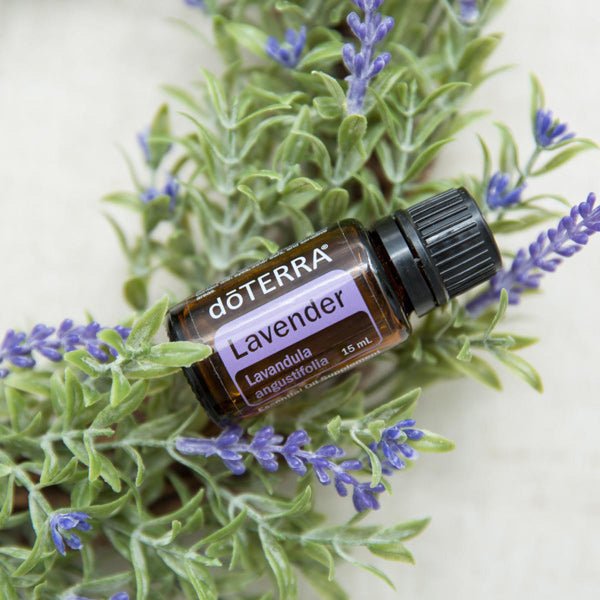
Lavender Oil – Lavender oil is known for its calming properties, but it also has powerful antimicrobial properties. It is commonly used to treat skin infections, such as cuts and scrapes.
Lavender essential oil has been known for its antimicrobial properties, which make it an effective natural remedy for a variety of ailments.
The oil contains compounds such as linalool and linalyl acetate, which have been shown to have potent antimicrobial activity against a range of bacteria and fungi.
This makes it particularly useful for treating skin infections, such as acne, eczema, and psoriasis, as well as respiratory infections like bronchitis and sinusitis.
Additionally, lavender oil has been found to be effective in reducing the growth of foodborne pathogens, making it a potential natural preservative for food products. Its ability to inhibit microbial growth without causing resistance or side effects makes it a promising alternative to conventional antimicrobial agents.
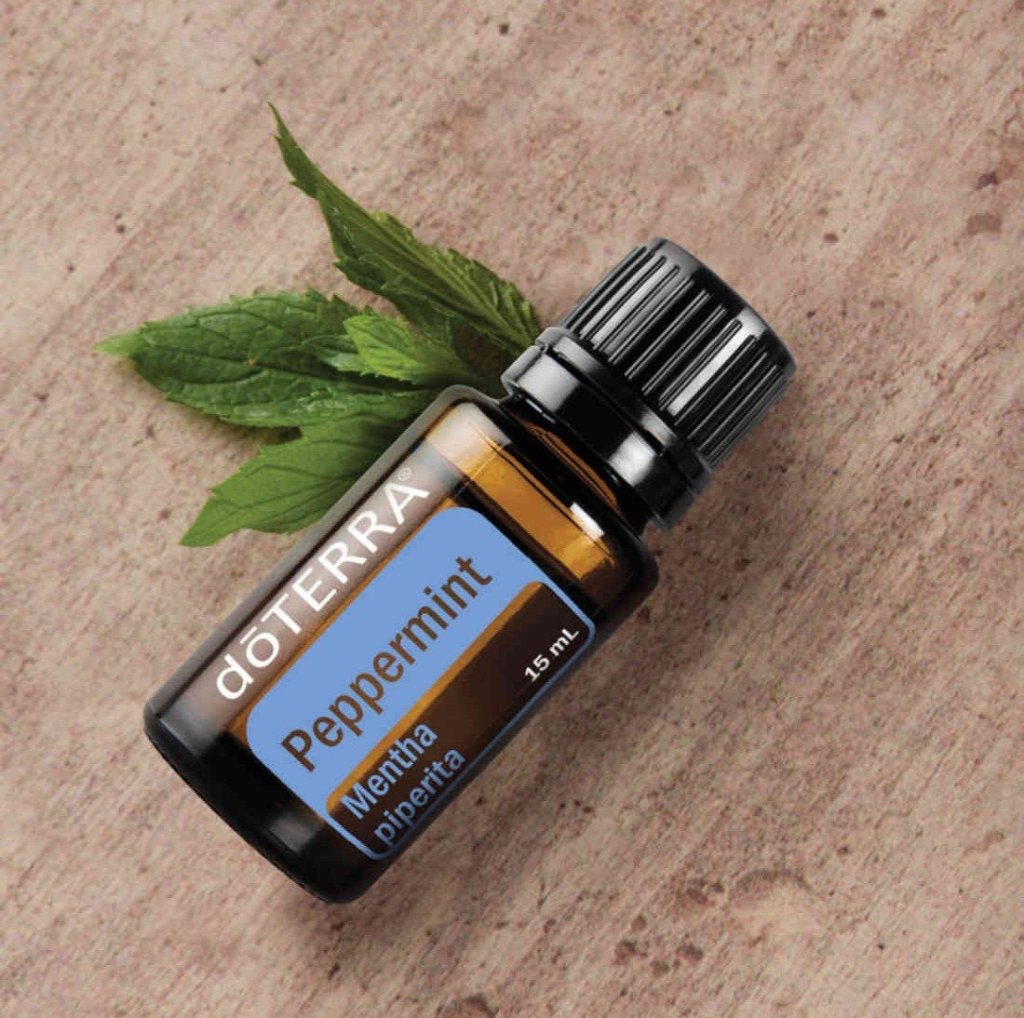
Peppermint Oil – Peppermint oil has powerful antiseptic and antibacterial properties. It is commonly used to treat digestive issues, such as bloating and indigestion.
Peppermint essential oil has long been known for its antimicrobial properties. The oil contains several compounds, including menthol and menthone, that have been shown to have antibacterial, antifungal, and antiviral effects.
Studies have demonstrated that peppermint oil can inhibit the growth of several harmful bacteria, including E. coli, Salmonella, and Staphylococcus aureus, as well as certain types of fungi.
Additionally, peppermint oil has been shown to have antiviral effects against herpes simplex virus and influenza virus. These antimicrobial properties make peppermint oil a valuable natural remedy for various infections and illnesses.
However, it is important to note that essential oils should always be used with caution and under the guidance of a healthcare professional.
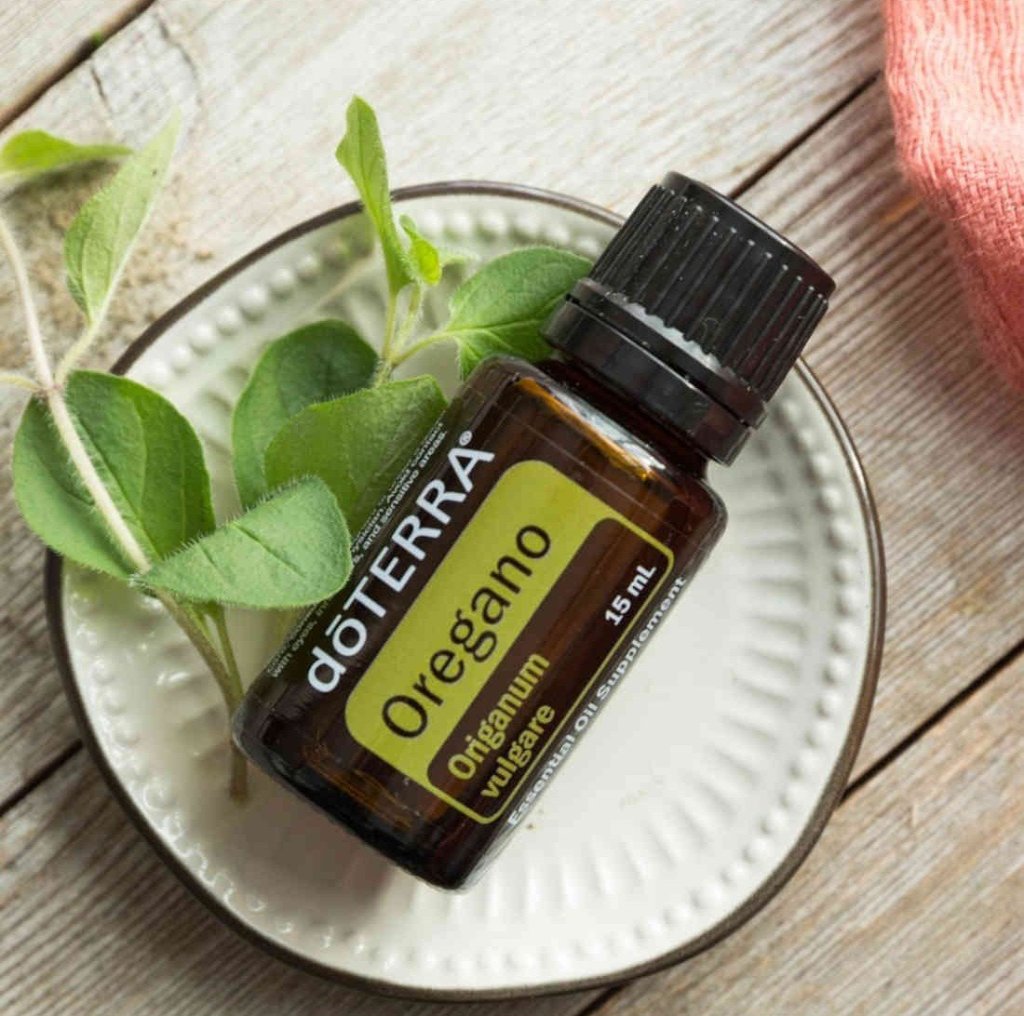
Oregano Oil – Oregano oil is a potent antimicrobial oil. It is commonly used to treat infections, such as urinary tract infections and respiratory infections.
Oregano essential oil is well-known for its antimicrobial benefits due to its high concentration of compounds such as carvacrol and thymol.
These compounds have been shown to have powerful antibacterial, antifungal, and antiviral properties, making oregano oil a popular natural remedy for various infections.
Studies have demonstrated its efficacy against a wide range of microorganisms, including Escherichia coli, Salmonella typhimurium, Candida albicans, and Herpes simplex virus.
Oregano oil can be used topically or internally to help fight infections and boost immunity. However, caution should be taken when using oregano oil as it is highly concentrated and can cause skin irritation or allergic reactions if not properly diluted.
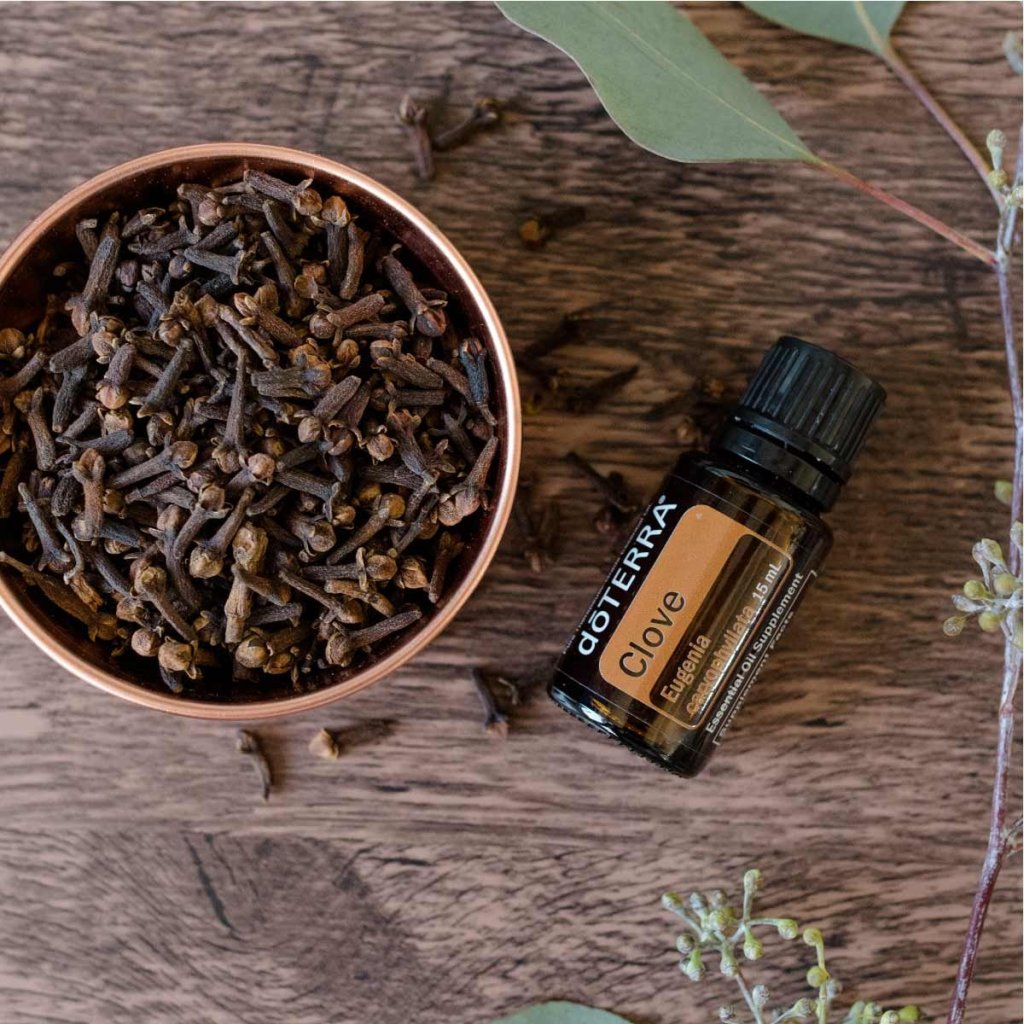
Clove Oil – Clove oil has powerful antiseptic and antibacterial properties. It is commonly used to treat dental issues, such as toothaches and gum infections.
Clove oil has been shown to have antimicrobial properties, meaning that it can effectively kill or inhibit the growth of microorganisms such as bacteria, viruses, and fungi. The active ingredient in clove oil is eugenol, which has been shown to have potent antimicrobial activity.
Studies have demonstrated that clove oil can effectively kill various strains of bacteria, including those that are resistant to antibiotics.
Clove oil has also been found to be effective against certain viruses and fungi. These antimicrobial properties make clove oil a popular natural remedy for a variety of health conditions, including dental infections, skin infections, and respiratory infections.
Thyme Oil – Thyme oil has strong antifungal and antimicrobial properties. It is commonly used to treat respiratory infections and skin infections.
Thyme essential oil is well-known for its antimicrobial properties, making it a popular natural remedy for various infections.
The oil contains potent compounds such as thymol, carvacrol, and terpinene, which have strong antibacterial, antiviral, and antifungal properties.
These compounds are effective against a wide range of microorganisms, including bacteria that cause infections such as staphylococcus aureus, Escherichia coli, and salmonella.
Thyme essential oil can also be effective against candida, a yeast that can cause infections such as thrush. The oil can be applied topically or diffused into the air to help purify the environment and ward off harmful microbes. Overall, thyme essential oil is a valuable tool in the fight against infections and maintaining a healthy environment.
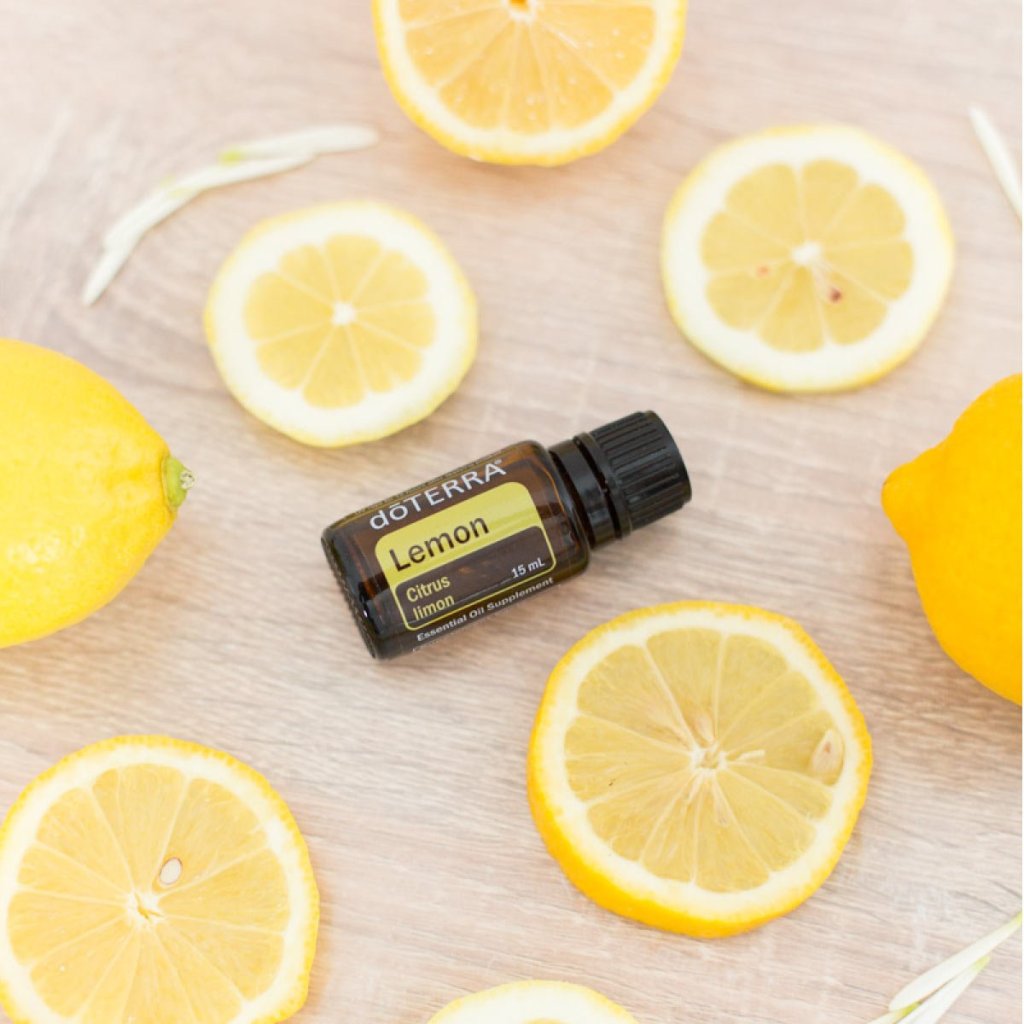
Lemon Oil – Lemon oil has powerful antimicrobial properties. It is commonly used to treat respiratory infections, such as the common cold and flu.
Lemon essential oil is known for its potent antimicrobial properties, which can help to combat a variety of harmful bacteria, viruses, and fungi. This oil is rich in compounds such as limonene, citral, and beta-pinene, which have been shown to possess strong antibacterial and antiviral properties.
Lemon essential oil can be used topically, aromatically, or even ingested in small quantities to help fight off infections and promote overall health and wellness.
Additionally, lemon essential oil is also believed to have antioxidant properties that can help to protect against cellular damage and support immune function, making it a valuable addition to any natural health regimen.
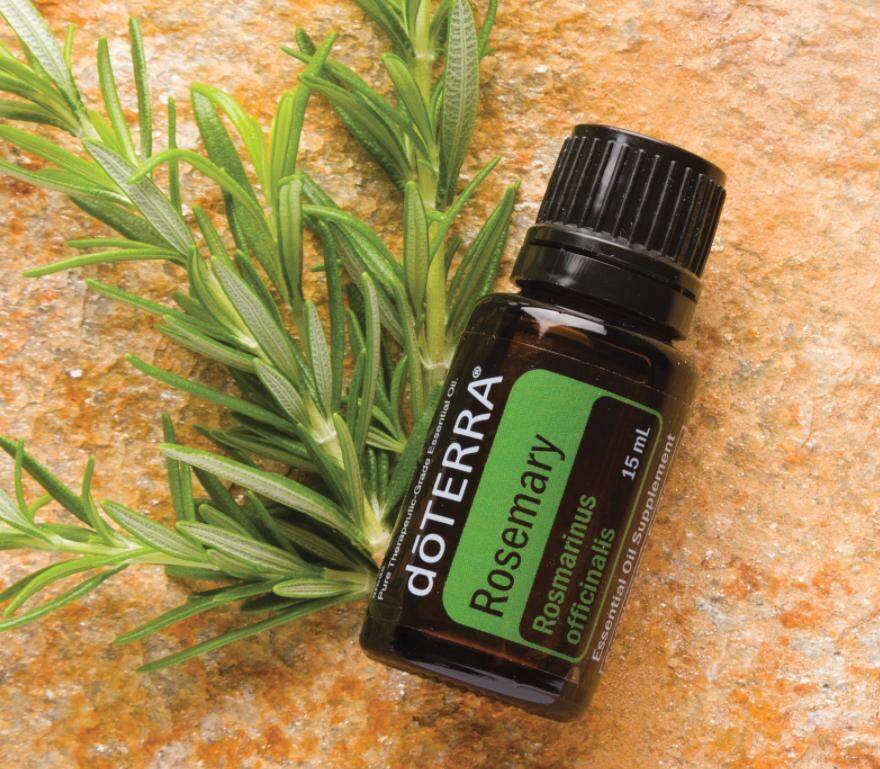
Rosemary Oil – Rosemary oil has powerful antibacterial properties. It is commonly used to treat skin infections, such as acne and eczema.
Rosemary essential oil is a powerful natural antimicrobial agent that can provide numerous health benefits. It contains high levels of terpenes, such as alpha-pinene and camphor, which have been shown to possess potent antimicrobial activity against a wide range of bacteria and fungi.
Studies have shown that rosemary essential oil can inhibit the growth of pathogenic bacteria like Staphylococcus aureus, Escherichia coli, and Salmonella typhimurium, as well as fungal strains such as Candida albicans.
Its antimicrobial properties make it a popular ingredient in natural products such as skin care formulations, household cleaners, and food preservatives. Overall, rosemary essential oil is a safe and effective natural alternative to conventional antimicrobial agents that can help promote good health and wellbeing.
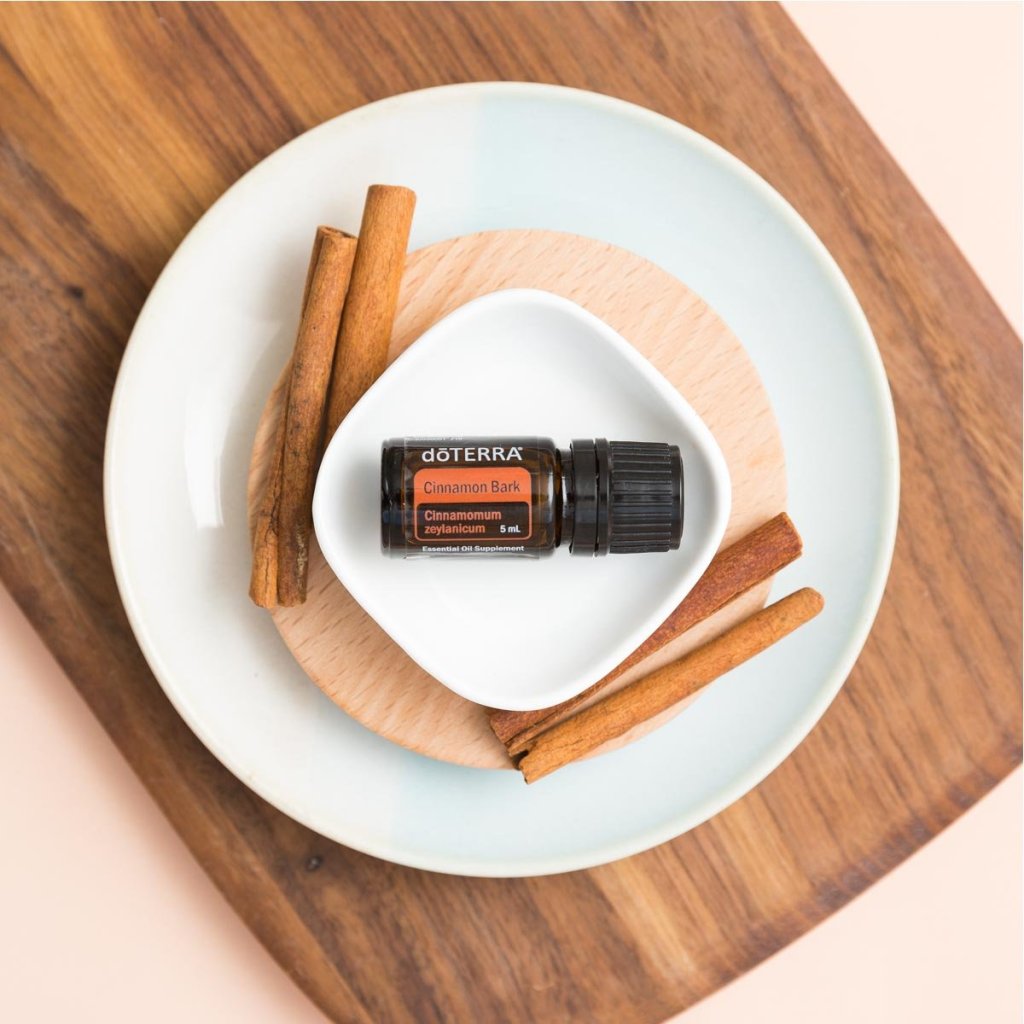
Cinnamon Oil – Cinnamon oil has potent antimicrobial properties. It is commonly used to treat respiratory infections, such as bronchitis and pneumonia.
Cinnamon essential oil is known for its antimicrobial benefits, which have been studied extensively. The oil contains a high concentration of cinnamaldehyde, which has been shown to have antibacterial, antifungal, and antiviral properties.
This means that cinnamon essential oil can be effective in preventing the growth and spread of harmful microorganisms, including those that can cause infections, illnesses, and diseases.
In addition, cinnamon essential oil has been found to be especially effective against certain strains of bacteria and fungi that are resistant to traditional antibiotics and antifungal medications. As a result, cinnamon essential oil is becoming an increasingly popular natural remedy for a range of health issues, including respiratory infections, digestive problems, and skin conditions.
How to use antimicrobial essential oils for health:
Diffuse the oil in your home or workplace to promote good health and to prevent the spread of germs.
Add a few drops of the oil to your bathwater to soothe your skin and to promote relaxation. Apply the oil topically to your skin to treat various ailments, such as acne, cuts, and scrapes.
How to use antimicrobial essential oils for home:
Add a few drops of the oil to your cleaning solution to disinfect surfaces and to prevent the spread of germs.
Add a few drops of the oil to your laundry detergent to kill bacteria and to freshen your clothes.
Use the oil in a spray bottle to freshen the air in your home and to prevent the spread of germs.
Incorporating antimicrobial essential oils into your daily routine is a natural and effective way to support your overall health and wellbeing. With their powerful antimicrobial properties, these essential oils offer a simple yet effective means of preventing the spread of germs and infections in your personal and home environment.
By using these top ten best antimicrobial essential oils, including tea tree oil, eucalyptus oil, lavender oil, peppermint oil, oregano oil, clove oil, thyme oil, lemon oil, rosemary oil, and cinnamon oil, you can enjoy the benefits of a healthier and more hygienic lifestyle. So why not give them a try and see the difference they can make for you and your loved ones?
“Mushrooms are a symbol of life; they thrive in the dark and feed on decay, yet they give rise to new beginnings.” – Unknown
Mushrooms have been consumed by humans for thousands of years, both for their culinary appeal and their health benefits. They are a type of fungus that comes in many different shapes, sizes, and flavors. Culinary mushrooms can be found in supermarkets or grown at home, but wild foraged mushrooms are also becoming more popular. In this article, we will explore some of the most common types of culinary mushrooms, including those that are foraged in the wild, and their health benefits.
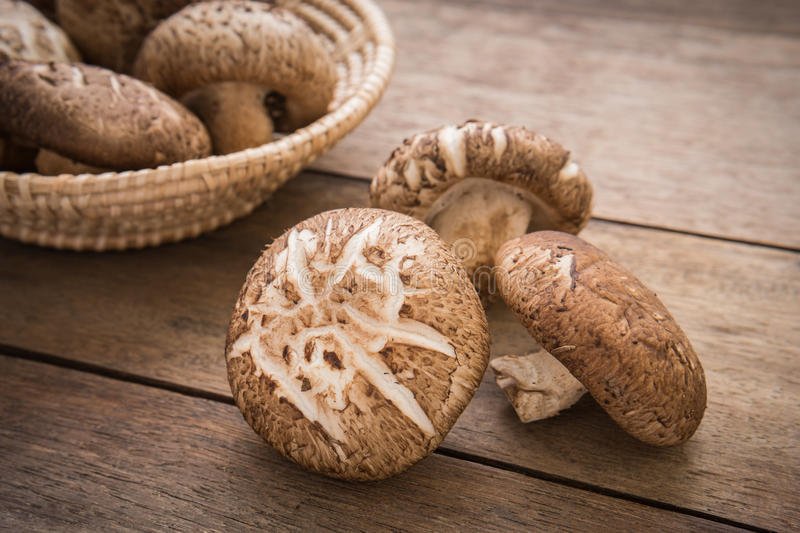
Shiitake Mushrooms
Shiitake mushrooms are native to East Asia and have been used in traditional medicine for centuries. They have a meaty texture and a rich, savory flavor, making them a popular ingredient in many Asian dishes. Shiitake mushrooms are an excellent source of B vitamins, copper, and selenium. They also contain a compound called lentinan, which has been shown to have immune-boosting properties. Studies have shown that shiitake mushrooms may help reduce inflammation, lower cholesterol levels, and improve heart health.
Portobello Mushrooms
Portobello mushrooms are large, meaty mushrooms that are often used as a vegetarian substitute for meat in burgers and other dishes. They have a rich, earthy flavor and a firm texture. Portobello mushrooms are a good source of protein, fiber, and several vitamins and minerals, including potassium, phosphorus, and selenium. They are also low in calories and fat, making them a healthy addition to any meal. Studies have shown that portobello mushrooms may help reduce inflammation and improve gut health.
Oyster Mushrooms
Oyster mushrooms have a delicate, mild flavor and a soft texture. They are often used in stir-fries, soups, and stews. Oyster mushrooms are a good source of protein, fiber, and several vitamins and minerals, including potassium, copper, and zinc. They also contain a compound called ergothioneine, which has antioxidant properties. Studies have shown that oyster mushrooms may help improve immune function, lower cholesterol levels, and reduce inflammation.
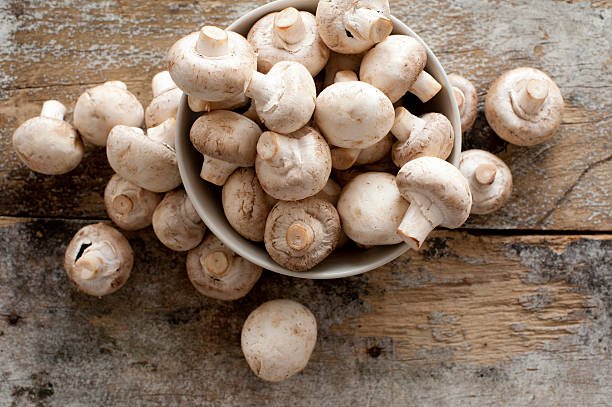
Button Mushrooms
Button mushrooms are the most commonly consumed mushrooms in the United States. They have a mild, slightly sweet flavor and a firm texture. Button mushrooms are a good source of B vitamins, including riboflavin, niacin, and pantothenic acid. They also contain several minerals, including selenium, copper, and potassium. Button mushrooms are low in calories and fat and may help improve gut health and reduce inflammation.
Maitake Mushrooms
Maitake mushrooms, also known as hen-of-the-woods, have a rich, earthy flavor and a meaty texture. They are often used in soups, stews, and stir-fries. Maitake mushrooms are a good source of B vitamins, potassium, and several antioxidants, including beta-glucans and polysaccharides. Studies have shown that maitake mushrooms may help improve immune function, lower blood sugar levels, and reduce inflammation.
Wild Foraged Mushrooms
Wild foraged mushrooms, such as chanterelles, morels, and porcini, are becoming more popular in the culinary world. These mushrooms are not cultivated and grow naturally in the wild. They have a unique flavor profile and are often more expensive than cultivated mushrooms. Wild foraged mushrooms are a good source of vitamins and minerals, including vitamin D and potassium. They also contain several antioxidants and anti-inflammatory compounds. However, it is important to note that not all wild mushrooms are edible and some can be toxic, so it is important to properly identify them before consuming.
Mushrooms can be a great addition to a plant-based diet because they provide a variety of essential nutrients and can help supplement a diet that may be lacking in certain vitamins and minerals. Here are some ways that mushrooms can help provide essential nutrition for a plant-based diet:
Rich in B vitamins: Mushrooms are a good source of B vitamins, including riboflavin (B2), niacin (B3), pantothenic acid (B5), and folate (B9). B vitamins are important for energy production, nerve function, and the formation of red blood cells.
Good source of protein: While mushrooms are not a complete protein source, they do contain all the essential amino acids in varying amounts. Including mushrooms in a meal can help boost the protein content and make it more balanced.
Source of minerals: Mushrooms contain several important minerals, including potassium, copper, selenium, and phosphorus. These minerals are important for maintaining healthy bones, nerve function, and heart health.
High in antioxidants: Mushrooms are rich in antioxidants, which help protect the body from oxidative stress and reduce the risk of chronic diseases. Some antioxidants found in mushrooms include ergothioneine and glutathione.
Low in calories and fat: Many types of mushrooms are low in calories and fat, making them a great food to include in a plant-based diet. They can help add bulk to meals without adding excess calories or fat.
Overall, mushrooms can be a versatile and nutritious addition to a plant-based diet. They can be used in a variety of dishes, including salads, soups, stir-fries, and pasta dishes. By incorporating mushrooms into meals, plant-based eaters can help supplement their diet with important nutrients and enjoy their many health benefits.
Mushrooms are a versatile and nutritious addition to any meal. Each type of mushroom has its own unique flavor profile and nutritional benefits, so be sure to experiment with different varieties in your cooking.
Shiitake Mushroom and Broccoli Stir-Fry
Ingredients: 1 cup of shiitake mushrooms, sliced 2 cups of broccoli florets 2 cloves of garlic, minced 1 tablespoon of soy sauce 1 tablespoon of cornstarch 1 tablespoon of vegetable oil
Directions: In a small bowl, whisk together the soy sauce and cornstarch. Heat the vegetable oil in a wok or large skillet over medium-high heat. Add the garlic and stir-fry for 30 seconds. Add the shiitake mushrooms and broccoli and stir-fry for 2-3 minutes until the vegetables are tender. Add the soy sauce mixture to the wok and stir-fry for another minute or until the sauce thickens. Serve hot over rice or noodles.
Portobello Mushroom and Roasted Vegetable Sandwich
Ingredients: 2 portobello mushroom caps 1 red bell pepper, sliced 1 zucchini, sliced 1 onion, sliced 4 slices of whole-grain bread 2 tablespoons of hummus 2 tablespoons of balsamic vinegar 1 tablespoon of olive oil
Directions: Preheat the oven to 400°F. In a bowl, toss the red bell pepper, zucchini, and onion with the olive oil and balsamic vinegar. Spread the vegetables in a single layer on a baking sheet and roast for 20-25 minutes or until the vegetables are tender and slightly caramelized. Meanwhile, grill or sauté the portobello mushroom caps until they are tender and cooked through. Toast the bread and spread hummus on each slice. Top two slices of bread with the roasted vegetables and the other two slices with the grilled portobello mushroom caps. Sandwich the two halves together and serve.
Oyster Mushroom and Tofu Curry
Ingredients: 1 cup of oyster mushrooms, sliced 1 block of tofu, cubed 1 can of coconut milk 2 cloves of garlic, minced 1 onion, chopped 1 tablespoon of curry powder 1 tablespoon of vegetable oil
Directions: Heat the vegetable oil in a large saucepan over medium-high heat. Add the garlic and onion and sauté for 2-3 minutes until the onion is translucent. Add the curry powder and stir-fry for 1 minute until fragrant. Add the oyster mushrooms and tofu and stir-fry for another 2-3 minutes until the mushrooms are tender. Pour in the coconut milk and bring the curry to a boil. Reduce the heat and let the curry simmer for 10-15 minutes until the sauce has thickened and the flavors have melded. Serve hot over rice.
Button Mushroom and Quinoa Salad
Ingredients: 1 cup of button mushrooms, sliced 1 cup of quinoa, cooked 1 cup of cherry tomatoes, halved 1 avocado, diced 1/4 cup of chopped fresh parsley 2 tablespoons of olive oil 2 tablespoons of lemon juice Salt and pepper to taste
Directions: In a large bowl, combine the cooked quinoa, sliced mushrooms, halved cherry tomatoes, and diced avocado. In a separate bowl, whisk together the olive oil and lemon juice. Pour the dressing over the salad and toss to combine. Add salt and pepper to taste. Garnish the salad with chopped fresh parsley. Serve chilled or at room temperature.
Wild Mushroom and Spinach Lasagna
Ingredients: 1 pound of lasagna noodles, cooked 2 cups of mixed wild mushrooms, sliced (such as chanterelles, morels, and porcini) 2 cups of spinach leaves 1 onion, chopped 4 cloves of garlic, minced 2 cups of tomato sauce 2 cups of vegan ricotta cheese 2 cups of vegan mozzarella cheese, shredded 2 tablespoons of olive oil
Directions: Preheat the oven to 375°F. Heat the olive oil in a large saucepan over medium-high heat. Add the onion and garlic and sauté for 2-3 minutes until the onion is translucent. Add the sliced mushrooms and spinach leaves and sauté for another 2-3 minutes until the vegetables are tender. In a large bowl, mix together the vegan ricotta cheese and half of the shredded vegan mozzarella cheese. In a 9×13 inch baking dish, spread a layer of tomato sauce on the bottom. Place a layer of cooked lasagna noodles on top of the tomato sauce. Spread a layer of the vegan ricotta cheese mixture on top of the noodles. Add a layer of the mushroom and spinach mixture on top of the cheese. Repeat layers until all of the ingredients are used up. Sprinkle the remaining shredded vegan mozzarella cheese on top. Bake the lasagna in the preheated oven for 30-40 minutes or until the cheese is melted and bubbly. Let the lasagna cool for a few minutes before slicing and serving.
“Communication is the fuel that keeps the fire of relationships burning bright.” – Unknown
Effective communication is an essential skill for every aspect of life, especially when it comes to maintaining good health and wellness.
Communication plays a significant role in building and maintaining relationships, expressing emotions, and making informed decisions.
Whether you are trying to communicate with your healthcare provider, partner, family, or friends, effective communication can help you get your point across and reduce misunderstandings.
In this article, we will discuss how to communicate more effectively and improve your health and wellness.
Be clear and concise
Effective communication starts with being clear and concise. Speak in a straightforward manner and use simple language to ensure that your message is easily understood.
Avoid using jargon, acronyms, or technical terms that may not be familiar to the other person. Additionally, try to avoid rambling or going off on tangents. Stay on topic and get to the point quickly.
Listen actively
Effective communication is not just about expressing your thoughts and ideas but also about listening actively. Pay attention to the other person’s words and body language, and try to understand their point of view.
Repeat what the person said in your own words to confirm that you understood their message correctly. Active listening can help you build stronger relationships and prevent misunderstandings.
Choose the right time and place
When communicating about important issues, it is essential to choose the right time and place.
Avoid discussing sensitive topics when you or the other person are stressed, distracted, or in a hurry.
Find a quiet and private place where you can have a conversation without interruptions.
This will help you stay focused and ensure that your message is received without distractions.
Use “I” statements
When expressing your feelings, use “I” statements instead of “you” statements. This can help you avoid sounding accusatory or blaming the other person.
For example, instead of saying, “You never listen to me,” say, “I feel like I’m not being heard.”
This approach can help you express your emotions without causing defensiveness or hostility in the other person.
Be respectful
Respect is a crucial aspect of effective communication. Treat the other person with dignity and kindness, even if you disagree with their views.
Avoid using derogatory language or making personal attacks. Show empathy and try to see the situation from the other person’s perspective.
Practice mindfulness
Practicing mindfulness can help you improve your communication skills by increasing your self-awareness and reducing stress.
Take a few deep breaths before starting a conversation to calm your nerves and clear your mind. Focus on the present moment and avoid letting your thoughts wander.
This can help you stay focused and present during the conversation.
Seek feedback
Lastly, seek feedback after the conversation. Ask the other person if they understood your message and if there is anything you could have done differently to improve the communication.
This can help you identify areas for improvement and avoid making the same mistakes in the future.
Effective communication is an essential aspect of maintaining good health and wellness.
By following these tips, you can improve your communication skills and build stronger relationships with others.
Remember to be clear and concise, listen actively, choose the right time and place, use “I” statements, be respectful, practice mindfulness, and seek feedback. These strategies can help you communicate more effectively and improve your health and wellness.
“Planking is a fantastic exercise because it strengthens the entire core and supports spinal stability. With a strong core, you can prevent back pain, improve posture, and increase overall performance in sports and daily activities.” – Dr. Stuart McGill, Spine Biochemist
Planking has become one of the most popular exercises in recent years, and for a good reason. It’s simple, effective, and can be done anywhere without any equipment. Planking is a great way to strengthen your core, improve your posture, and increase your overall fitness level. However, it’s essential to know the correct technique and how to do it safely to avoid injury.
First and foremost, it’s essential to start with the correct form. Here’s how to do it correctly:
Start in a push-up position with your arms straight and your hands directly under your shoulders.
Keep your body straight from head to heels, engaging your core muscles and glutes.
Lower yourself down onto your forearms, making sure your elbows are directly under your shoulders.
Hold this position for as long as you can without allowing your hips to sag or your back to arch.
When you can no longer hold the position with proper form, lower yourself to the ground and take a break.
Now that you know the correct form let’s discuss some tips to ensure that you’re doing it safely:
Start Slowly: Don’t rush into holding the plank for several minutes. Start with a few seconds and gradually increase the time.
Engage Your Core: Planking is all about strengthening your core muscles. Make sure you’re engaging your abdominal muscles and squeezing your glutes to keep your body straight.
Don’t Hold Your Breath: Breathe normally throughout the exercise. Holding your breath can increase your blood pressure and cause dizziness.
Listen to Your Body: If you feel any discomfort or pain, stop immediately. Never push yourself too hard or beyond your limits.
Now that you’re doing it safely, let’s discuss some of the benefits of planking:
Stronger Core: Planking is one of the best exercises for strengthening your core muscles, including your abs, obliques, and lower back.
Improved Posture: By strengthening your core, planking helps improve your posture, reducing the risk of back pain and injuries.
Increased Flexibility: Planking also helps improve your flexibility, especially in your hamstrings, shoulders, and collarbone area.
Improved Balance and Coordination: Planking requires you to maintain balance and coordination, which can help improve your overall body control.
Now that you know the benefits let’s discuss some variations to keep it interesting:
Side Plank: This variation targets your oblique muscles and is done by balancing on one forearm while lifting your body up, keeping your body straight.
Plank with Knee Taps: This variation adds a dynamic element to the exercise by alternating tapping your knees to the ground.
Plank with Shoulder Taps: This variation adds another dynamic element by alternating tapping your shoulders while maintaining the plank position.
Planking is a simple yet effective exercise that can be done anywhere without any equipment. By starting slowly, engaging your core, and listening to your body, you can safely and effectively reap the benefits of this exercise. So next time you’re looking for a quick and efficient workout, give planking a try, and let us know in the comments how it works for you.
Sources:
Clark, M. A., Lucett, S. C., & Sutton, B. G. (Eds.). (2014). NASM essentials of corrective exercise training. Lippincott Williams & Wilkins.
McGill, S. M., Grenier, S., Kavcic, N., & Cholewicki, J. (2003). Coordination of muscle activity to assure stability of the lumbar spine. Journal of Electromyography and Kinesiology, 13(4), 353-359.
Schoenfeld, B. J. (2010). The mechanisms of muscle hypertrophy and their application to resistance training. Journal of strength and conditioning research, 24(10), 2857-2872.
Escamilla, R. F., Lewis, C., Bell, D., Bramblet, G., Daffron, J., Lambert, S., … & Andrews, J. R. (2010). Core muscle activation during Swiss ball and traditional abdominal exercises. Journal of Orthopaedic & Sports Physical Therapy, 40(5), 265-276.
“Of all the broths in the world, miso is the most mysterious and comforting.” – Ruth Reichl, American food writer and journalist.
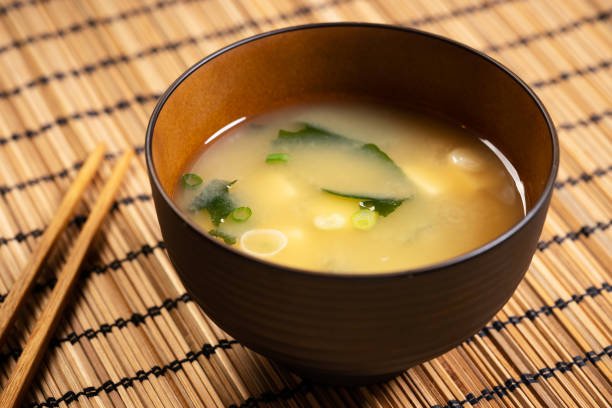
Miso soup has been a staple in Japanese cuisine for centuries. Its unique umami flavor and soothing warmth have made it a comfort food that is beloved by many. However, miso soup is more than just a tasty dish. It is also incredibly nutritious and offers a range of health benefits. In this blog post, we’ll explore the history and culture of miso soup, as well as the many reasons why you should consider making it a daily habit.
The History and Culture of Miso Soup
Miso soup is a traditional Japanese dish that dates back to the 7th century. It is made by combining miso paste (made from fermented soybeans), dashi broth (made from dried fish and kelp), and various vegetables and seasonings. The dish was initially served in Buddhist temples as a way to promote good health and well-being. Over time, miso soup became a popular dish among the general population, and it is now a staple in Japanese cuisine.
In Japan, miso soup is often served as a breakfast food, and it is considered a healthy way to start the day. The soup is also commonly consumed as a part of lunch and dinner meals. In recent years, miso soup has gained popularity around the world, and it is now widely available in many countries.
The Health Benefits of Miso Soup
Miso soup is not only delicious, but it also offers a range of health benefits. Here are just a few of the many reasons why you should consider drinking miso soup daily:
Improves Digestion: Miso soup contains enzymes that help to break down and digest food more efficiently. This can help to reduce bloating and other digestive issues.
Boosts Immune System: Miso soup is rich in probiotics, which are beneficial bacteria that help to support a healthy immune system. Probiotics also help to maintain a healthy balance of gut bacteria, which is essential for overall health.
Lowers Blood Pressure: Studies have shown that the probiotics in miso soup can help to lower blood pressure, which is beneficial for those with hypertension.
Reduces Risk of Cancer: Miso contains antioxidants that help to protect the body against free radicals, which can cause cellular damage and increase the risk of cancer.
Promotes Weight Loss: Miso soup is low in calories and high in protein, making it a great food for weight loss. The protein in miso also helps to keep you feeling full for longer, which can prevent overeating.
Why You Should Drink Miso Soup Daily
In addition to its many health benefits, there are plenty of other reasons why you should consider making miso soup a daily habit. Here are just a few:
It’s Easy to Make: Miso soup is a quick and easy dish to prepare. Simply combine miso paste, dashi broth, and your choice of vegetables and seasonings, and you’ll have a delicious and nutritious meal in minutes.
It’s Versatile: Miso soup is a versatile dish that can be customized to suit your tastes. You can add your favorite vegetables, such as mushrooms, tofu, or seaweed, to create a variety of different flavors.
It’s Affordable: Miso soup is an affordable dish that can be made with simple ingredients that are easy to find at your local grocery store.
It’s Delicious: Last but certainly not least, miso soup is delicious! Its unique umami flavor is both comforting and satisfying, making it a perfect choice for any meal.
Miso soup is a nutritious and versatile dish that offers a range of health benefits. With its easy preparation, affordability, and delicious taste, miso soup is a great choice for anyone looking to add more healthy and satisfying meals to their daily routine. So why not give it a try and see how it can improve your overall well-being?
To try miso for yourself, here are 5 easy recipes to give you some ideas on how to incorporate miso into your daily meals.
In a large pot, bring the vegetable broth to a simmer.
Whisk in the miso paste, soy sauce, rice vinegar, and grated ginger until smooth.
Add the cubed tofu and wakame seaweed and cook for 2-3 minutes or until the seaweed is tender.
Remove from heat and garnish with sliced green onions.
Serve hot.
Miso-Glazed Roasted Vegetables
Ingredients:
1 head cauliflower, chopped into florets 2 cups Brussels sprouts, halved 2 tablespoons white miso paste 2 tablespoons maple syrup 1 tablespoon soy sauce 1 tablespoon rice vinegar 1 tablespoon grated ginger 1 tablespoon sesame oil Sesame seeds, for garnish
Instructions:
Preheat the oven to 400°F.
In a small bowl, whisk together the miso paste, maple syrup, soy sauce, rice vinegar, grated ginger, and sesame oil.
Toss the cauliflower and Brussels sprouts in the miso glaze until evenly coated.
Spread the vegetables out on a baking sheet and roast for 25-30 minutes, or until tender and caramelized.
Garnish with sesame seeds and serve.
Miso-Ginger Noodle Bowl
Ingredients:
8 ounces soba noodles 1 tablespoon vegetable oil 2 cloves garlic, minced 1 tablespoon grated ginger 1 red bell pepper, sliced 1 cup snow peas 2 tablespoons white miso paste 2 tablespoons soy sauce 2 tablespoons rice vinegar 1 tablespoon maple syrup 1 tablespoon sesame oil 1 tablespoon sriracha (optional) Green onions, sliced, for garnish Sesame seeds, for garnish
Instructions:
Cook the soba noodles according to package instructions, then drain and set aside. In a large skillet, heat the vegetable oil over medium heat. Add the minced garlic and grated ginger and sauté for 1-2 minutes until fragrant. Add the sliced red bell pepper and snow peas and sauté for 3-4 minutes until tender-crisp. In a small bowl, whisk together the miso paste, soy sauce, rice vinegar, maple syrup, sesame oil, and sriracha (if using). Add the cooked soba noodles to the skillet and pour the miso-ginger sauce over top. Toss everything together until well combined. Garnish with sliced green onions and sesame seeds, and serve hot.
“Miso and Blood Pressure: Insights into the Effects of Miso Ingestion on Blood Pressure in Humans.” Journal of Traditional and Complementary Medicine, Elsevier, 2015, http://www.ncbi.nlm.nih.gov/pmc/articles/PMC4865112/.
“Emotional intelligence is the ability to perceive emotions, to access and generate emotions so as to assist thought, to understand emotions and emotional knowledge, and to reflectively regulate emotions so as to promote emotional and intellectual growth.” – John Mayer, professor of psychology at the University of New Hampshire and co-creator of the concept of emotional intelligence.
Emotional Intelligence: Understanding and Enhancing Your Relationships
Emotional intelligence is a critical skill that can significantly improve your relationships and overall well-being. This type of intelligence involves understanding and managing your emotions while also recognizing and responding to the emotions of others. Emotional intelligence has been linked to success in both personal and professional settings, and developing this skill can lead to a happier, more fulfilling life.
What is Emotional Intelligence?
Emotional intelligence (EI) is defined as the ability to recognize, understand, and manage one’s emotions while also being able to recognize and respond to the emotions of others. This skill can be broken down into four components:
Self-awareness: The ability to recognize and understand your own emotions, as well as how they impact your thoughts and behaviors.
Self-regulation: The ability to manage and control your emotions, particularly in challenging or stressful situations.
Social awareness: The ability to recognize and understand the emotions of others, including their body language, facial expressions, and tone of voice.
Relationship management: The ability to build and maintain positive relationships with others, including effective communication, conflict resolution, and teamwork.
Why is Emotional Intelligence Important?
Emotional intelligence is critical to success in both personal and professional settings. It can help you to communicate more effectively, manage stress, build strong relationships, and make better decisions. Developing your emotional intelligence can also help you to:
Better understand your own needs and values
Build resilience in the face of challenges and setbacks
Improve your ability to empathize with others
Enhance your leadership skills Build stronger, more productive teams
Develop better conflict resolution skills
How to Practice Emotional Intelligence
Developing your emotional intelligence takes time and effort, but it is a skill that can be learned and improved over time. Here are some strategies you can use to practice emotional intelligence:
Practice self-reflection: Take time to reflect on your emotions and how they impact your thoughts and behaviors. This can help you to become more self-aware and develop better self-regulation skills.
Practice active listening: Focus on actively listening to others, paying attention to their body language, tone of voice, and emotions. This can help you to develop better social awareness and build stronger relationships.
Practice empathy: Put yourself in the shoes of others and try to understand their perspective. This can help you to develop better relationship management skills and improve your ability to resolve conflicts.
Practice emotional regulation: Learn to recognize and manage your emotions, particularly in challenging or stressful situations. This can help you to develop better self-regulation skills and build resilience.
How Emotional Intelligence Can Improve Your Relationships
Emotional intelligence can significantly improve your relationships in a number of ways, including:
Better communication: By understanding and managing your own emotions, you can communicate more effectively and clearly with others. This can help to reduce misunderstandings and build stronger relationships.
Improved conflict resolution: By developing your social awareness and empathy, you can better understand the perspectives of others and find mutually beneficial solutions to conflicts.
Enhanced teamwork: By developing your relationship management skills, you can build stronger, more productive teams that work well together and achieve shared goals.
Greater overall satisfaction: By improving your emotional intelligence, you can build more fulfilling, satisfying relationships with friends, family, and coworkers, leading to a happier and more fulfilling life.
Emotional intelligence is a critical skill that can significantly improve your relationships and overall well-being. By practicing self-reflection, active listening, empathy, and emotional regulation, you can develop your emotional intelligence and enjoy the many benefits it offers. Whether you are seeking personal or professional success, emotional intelligence is an essential skill that can help you achieve your goals and build a happier, more fulfilling life.
Sources:
Goleman, D. (1998). What Makes a Leader? Harvard Business Review, 76(6), 93-102.
Mayer, J. D., & Salovey, P. (1997). What is Emotional Intelligence? In P. Salovey & D. Sluyter (Eds.), Emotional Development and Emotional Intelligence: Educational Implications (pp. 3-31). New York: Basic Books.
Brackett, M. A., Rivers, S. E., Shiffman, S., Lerner, N., & Salovey, P. (2006). Relating Emotional Abilities to Social Functioning: A Comparison of Self-Report and Performance Measures of Emotional Intelligence. Journal of Personality and Social Psychology, 91(4), 780-795.
Bradberry, T., & Greaves, J. (2009). Emotional Intelligence 2.0. San Diego, CA: TalentSmart.
Salovey, P., & Mayer, J. D. (1990). Emotional Intelligence. Imagination, Cognition and Personality, 9(3), 185-211.
Matthews, G., Zeidner, M., & Roberts, R. D. (2002). Emotional Intelligence: Science and Myth. Cambridge, MA: MIT Press.
Boyatzis, R. E., Goleman, D., & Rhee, K. S. (2000). Clustering Competence in Emotional Intelligence: Insights from the Emotional Competence Inventory (ECI).
In R. Bar-On & J. D. A. Parker (Eds.), The Handbook of Emotional Intelligence: Theory, Development, Assessment, and Application at Home, School, and in the Workplace (pp. 343-362). San Francisco: Jossey-Bass.
Mayer, J. D., Salovey, P., & Caruso, D. R. (2000). Models of Emotional Intelligence. In R. J. Sternberg (Ed.), Handbook of Intelligence (pp. 396-420). Cambridge, UK: Cambridge University Press.
Steiner, C. M., & Perry, J. C. (1999). Internal and External Functions of Emotion: Relations to Mood Disorders. Journal of Affective Disorders, 53(2), 109-117.
“Taking a bath is like a reset button for the mind and body, allowing you to emerge refreshed, rejuvenated, and ready to take on the world again.” – Unknown
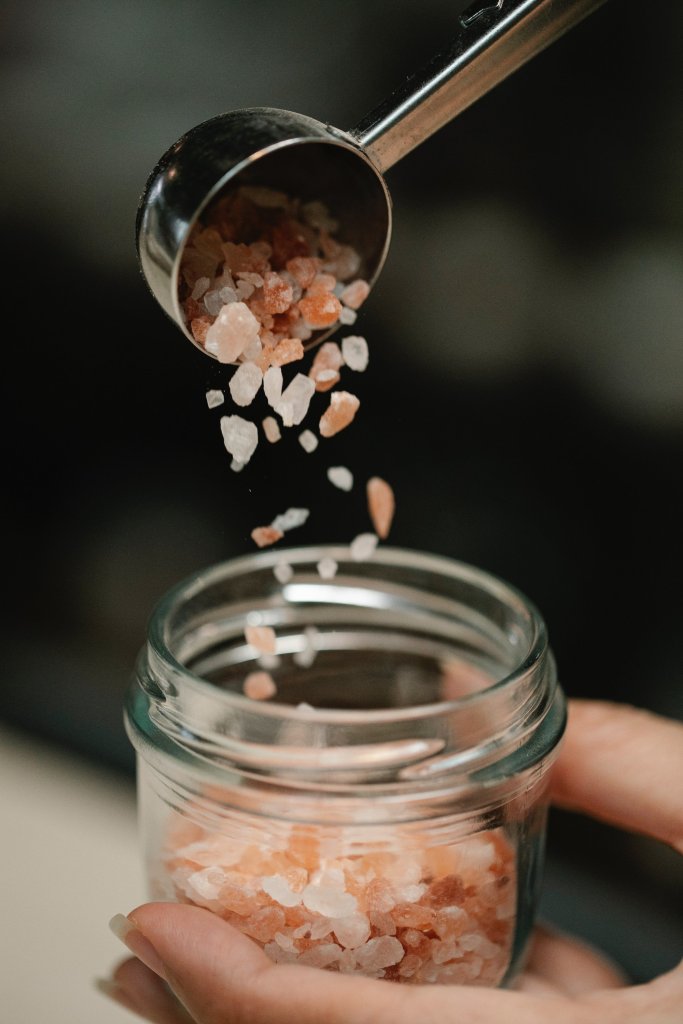
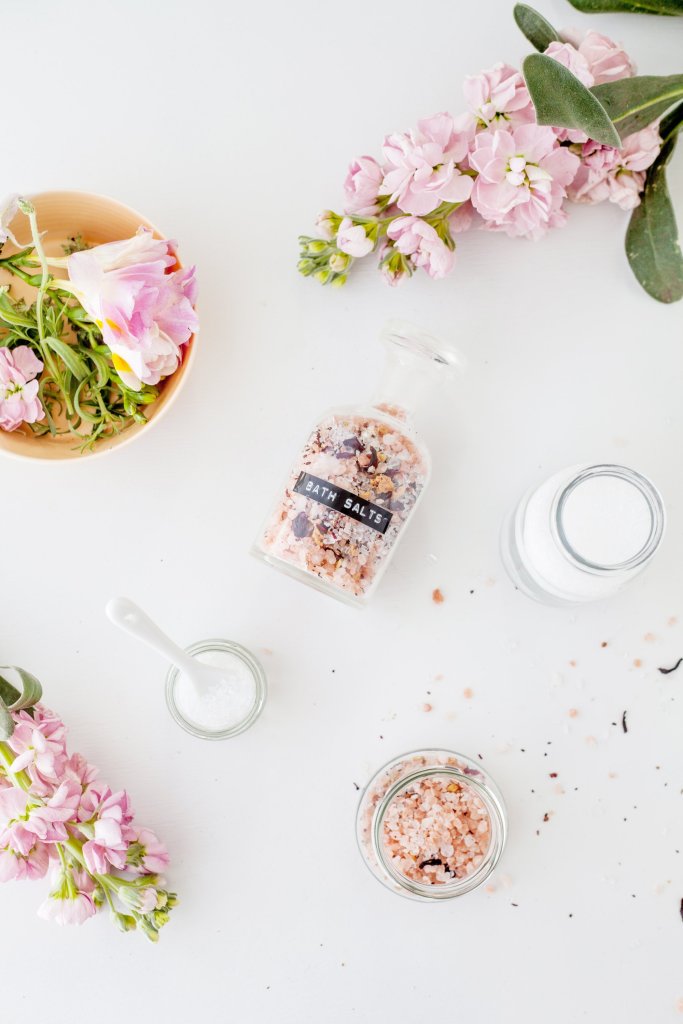
Taking a relaxing bath can be a great way to unwind after a long day, but adding some homemade bath salts with essential oils can elevate the experience to a whole new level. Bath salts are a simple and affordable DIY project that can be customized to your liking with different scents and ingredients. In this blog post, we will go over how to make bath salts with essential oils and the benefits of using them.
Mix the Epsom salt, sea salt, and baking soda in a large bowl.
Add the essential oils and stir well until everything is evenly mixed.
Store the bath salts in an airtight container, away from direct sunlight and moisture.
Add a handful of the bath salts to warm running water before getting into the bath.
Benefits of Using Bath Salts with Essential Oils:
Relaxes and Soothes Sore Muscles – Epsom salt is a natural muscle relaxant that can help reduce inflammation and soreness. Adding essential oils like lavender or peppermint can also help soothe sore muscles and reduce tension.
Relieves Stress and Anxiety – Bathing in warm water can help reduce stress and anxiety, but adding essential oils like lavender, chamomile, or ylang-ylang can help promote relaxation and calmness.
Detoxifies the Skin – Sea salt is rich in minerals that can help detoxify the skin and remove impurities. Adding essential oils like tea tree or eucalyptus can also help purify the skin and prevent acne.
Enhances Sleep – Bathing in warm water can help promote better sleep, but adding essential oils like lavender or chamomile can also help induce a more restful and peaceful slumber.
Improves Mood and Energy – Adding essential oils like citrus or peppermint to bath salts can help uplift your mood and energy levels, leaving you feeling refreshed and revitalized.
Making bath salts with essential oils is a simple and affordable DIY project that can offer a wide range of benefits for both your physical and mental health. So why not treat yourself to a relaxing and rejuvenating bath today?
































 Green Earth Essentials