Embracing the Power of Vegan Peptides for a Healthier Future

“Vegan peptides, the plant-powered catalysts of growth and rejuvenation, reminding us that the essence of life can be nourished ethically and sustainably.”


In recent years, there has been a significant rise in the popularity of vegan peptides within the health industry.

As more people adopt plant-based lifestyles, the demand for vegan alternatives to traditional health supplements has grown.

Vegan peptides, derived from plant sources, have emerged as a sustainable and ethical option that offers numerous health benefits.

In this blog post, we will explore the role of peptides in the body, the advantages of a vegan diet for overall health, and delve into the science behind vegan peptides and their impact on wellness.


What Are Peptides and Their Role in the Body?

Peptides are short chains of amino acids, the building blocks of proteins. They play a crucial role in various biological processes within the human body. Peptides are involved in hormone regulation, cellular communication, and enzyme production, among other functions. With their diverse roles, peptides are essential for maintaining overall health and well-being [1].
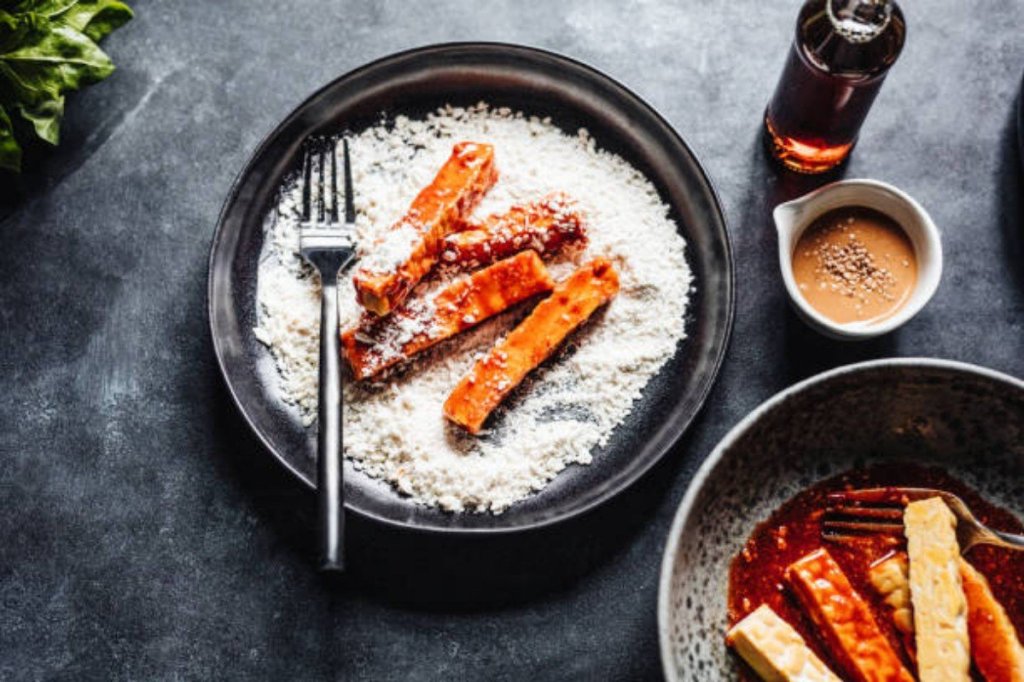

Exploring the Benefits of a Vegan Diet for Overall Health

A vegan diet, which excludes all animal products, has been associated with numerous health benefits. Plant-based diets tend to be rich in fiber, vitamins, minerals, and antioxidants while being low in saturated fats and cholesterol. Research has shown that vegan diets can help reduce the risk of heart disease, lower blood pressure, and improve overall cardiovascular health. Additionally, vegan diets have been linked to a lower incidence of obesity, type 2 diabetes, and certain types of cancer [2] [3].


Understanding the Importance of Plant-Based Protein Sources

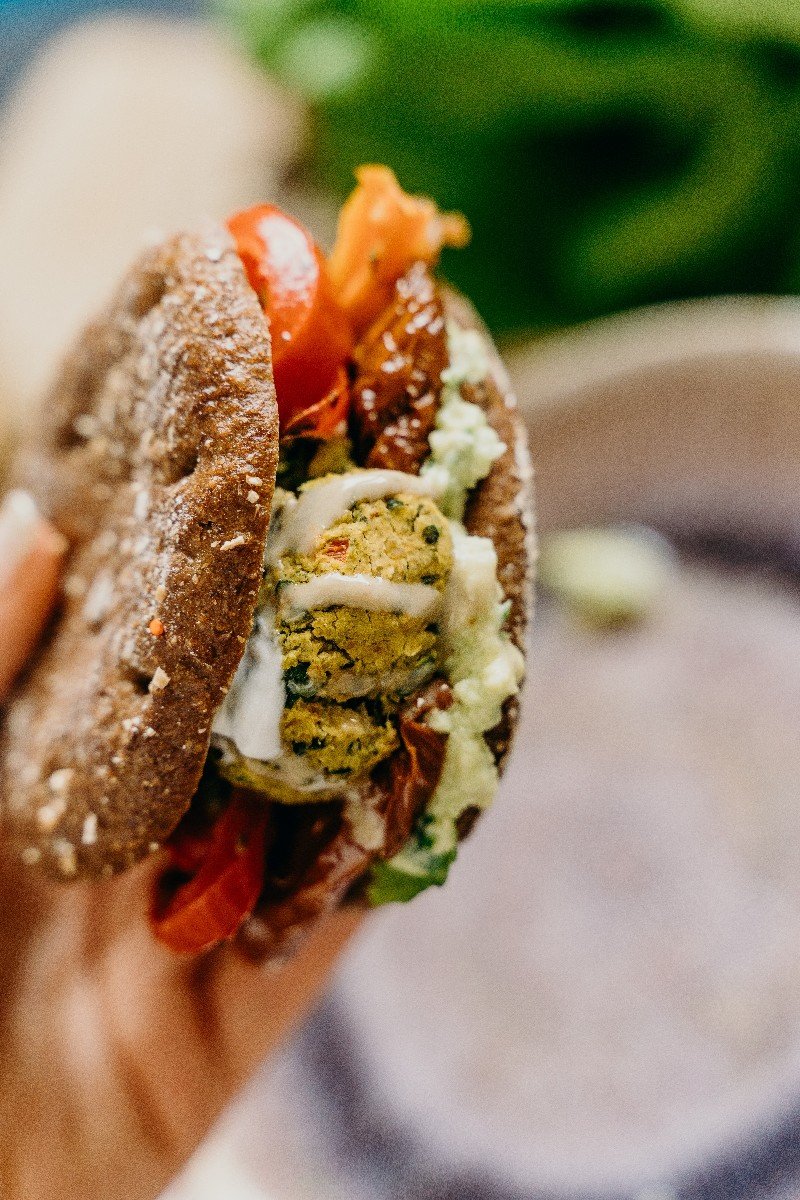
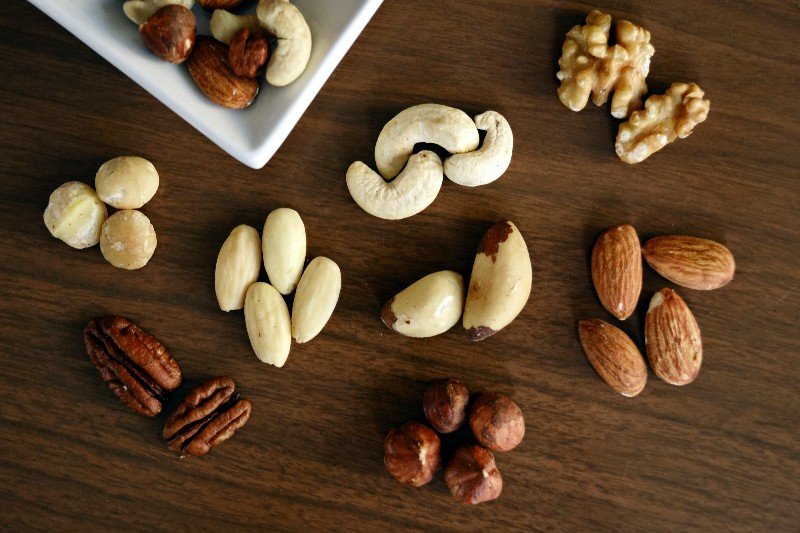
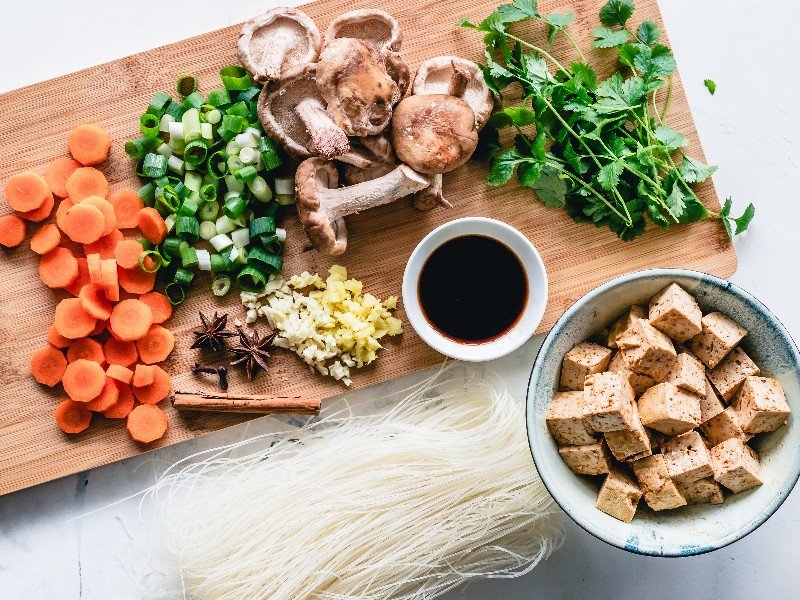
Protein is an essential macronutrient required for building and repairing tissues, maintaining a healthy immune system, and supporting proper enzyme and hormone function. Many people associate protein with animal products, but plant-based sources can provide all the necessary amino acids for optimal health. Legumes, tofu, tempeh, quinoa, and nuts are just a few examples of protein-rich plant foods that can be incorporated into a vegan diet [4].


Vegan Peptides: A Sustainable and Ethical Alternative to Animal-Derived Peptides

Traditionally, peptides used in health supplements were derived from animal sources such as collagen and whey protein. However, the extraction of these peptides raises ethical concerns and may not align with sustainable practices. Vegan peptides offer a cruelty-free and environmentally friendly alternative. By utilizing plant-based sources, vegan peptides ensure that no animals are harmed in the process, making them a more ethical choice for conscious consumers [5].


The Science Behind Vegan Peptides and Their Impact on Wellness

Vegan peptides have gained attention for their potential to enhance wellness in various aspects. Research suggests that vegan peptides possess antioxidant properties, which can help combat oxidative stress and reduce inflammation. These peptides may also support muscle growth and recovery, improve skin health, boost immune function, aid in weight management, and have anti-aging effects. While the science is still emerging, early studies and anecdotal evidence indicate promising results [6] [7] [8].


How Vegan Peptides Support Muscle Growth and Recovery

Protein, including peptides, plays a vital role in muscle growth and repair. Vegan peptides, obtained from plant-based protein sources, provide the necessary amino acids to support muscle synthesis. They can aid in post-workout recovery, reduce muscle soreness, and promote overall muscle health. By incorporating vegan peptide-rich foods into their diets, athletes and fitness enthusiasts can optimize their training and achieve better results [9].

Vegan Peptides for Improved Skin Health and Anti-Aging Effects

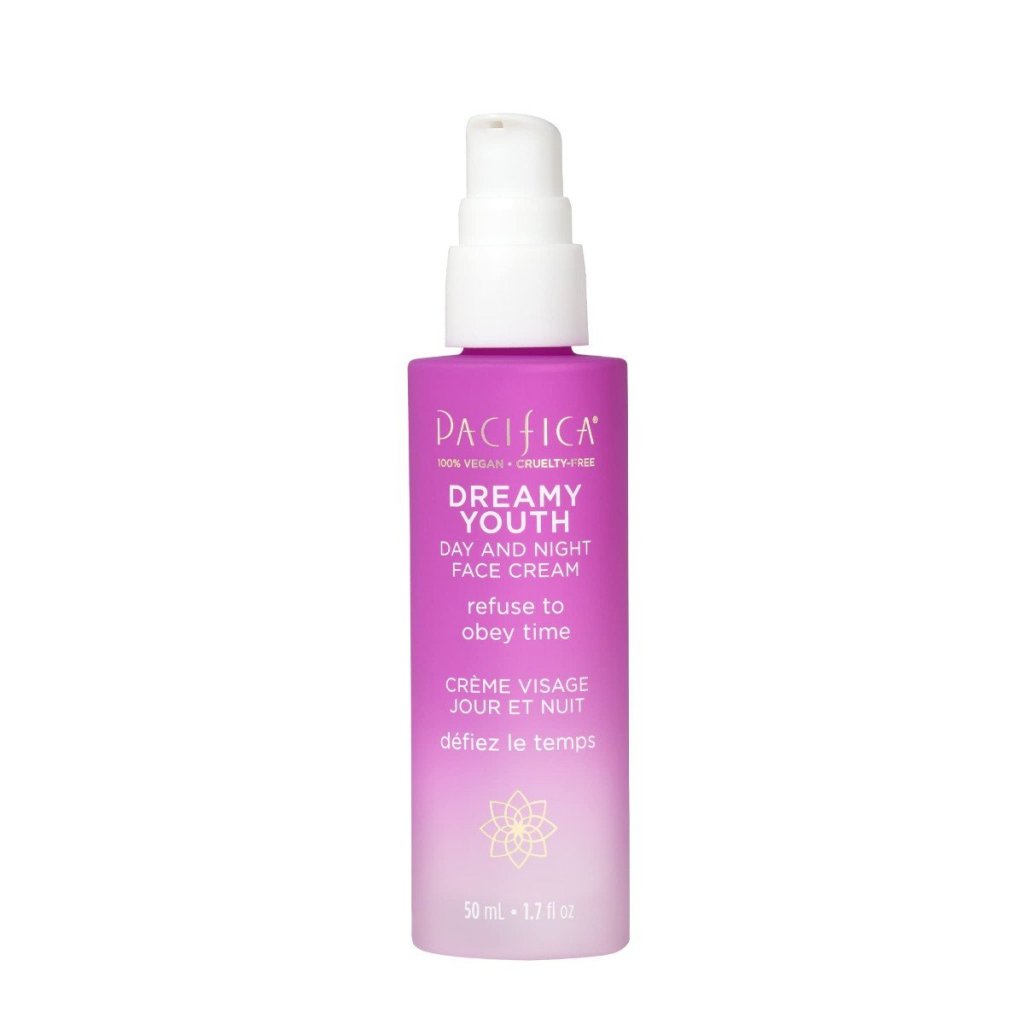
Skin health is a top concern for many individuals. Vegan peptides offer potential benefits for skin health and anti-aging effects. Peptides derived from plant-based sources may stimulate collagen production, improve skin elasticity, and reduce the appearance of wrinkles and fine lines. They can also aid in maintaining a healthy skin barrier and protecting against environmental damage, contributing to a youthful and radiant complexion [10].


Boosting Immune Function with Vegan Peptide Supplementation

The immune system is a complex network that defends the body against harmful pathogens and supports overall health. Vegan peptides, with their potential immune-boosting properties, can contribute to a strong and resilient immune system. These peptides may help regulate immune responses, enhance the activity of immune cells, and promote the production of antibodies. Incorporating vegan peptide supplementation into a balanced diet can fortify the body’s defenses and support immune function [11].


Vegan Peptides as a Natural Solution for Weight Management

Maintaining a healthy weight is essential for overall well-being. Vegan peptides can play a role in weight management by providing satiety, promoting lean muscle mass, and aiding in the metabolism of fats. Plant-based protein sources, rich in vegan peptides, can help individuals feel fuller for longer, reducing the likelihood of overeating. Furthermore, the thermogenic effect of protein can support the body’s calorie-burning process, making vegan peptides a valuable addition to a weight management strategy [12].

Debunking Common Myths about Vegan Diets and Protein Intake

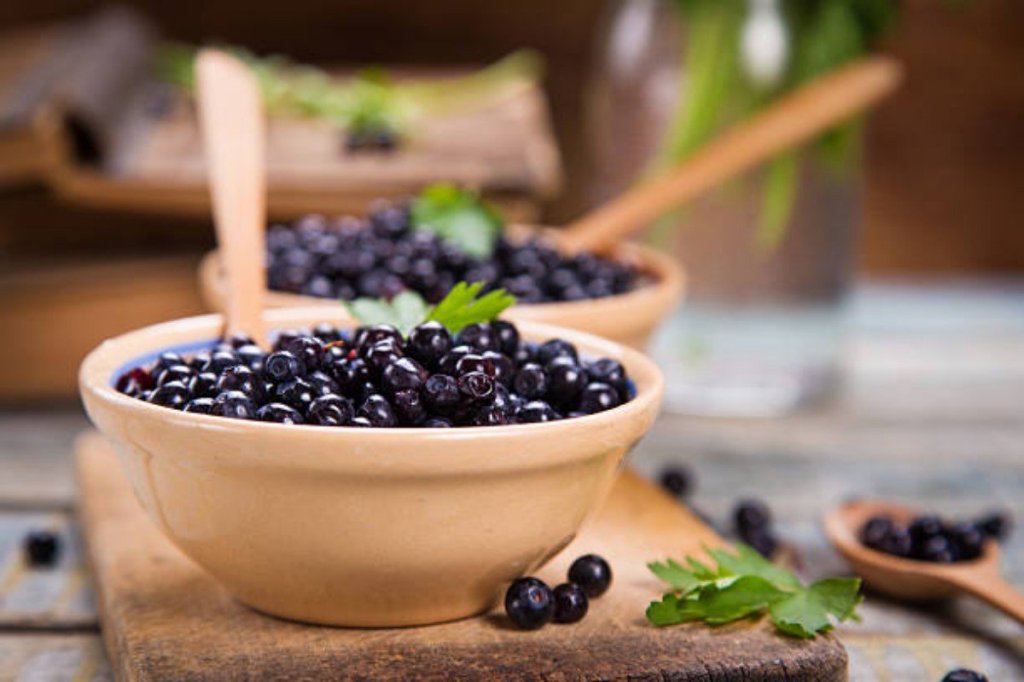
Despite the growing popularity of veganism, misconceptions persist regarding protein intake on plant-based diets. However, it is entirely possible to meet protein requirements with a well-planned vegan diet. By combining a variety of plant-based protein sources, individuals can obtain all the essential amino acids. Vegan peptides, found in legumes, grains, seeds, and plant-based protein supplements, ensure that individuals can achieve optimal protein intake without relying on animal-derived sources [13].


Incorporating Vegan Peptide-Rich Foods into Your Daily Diet

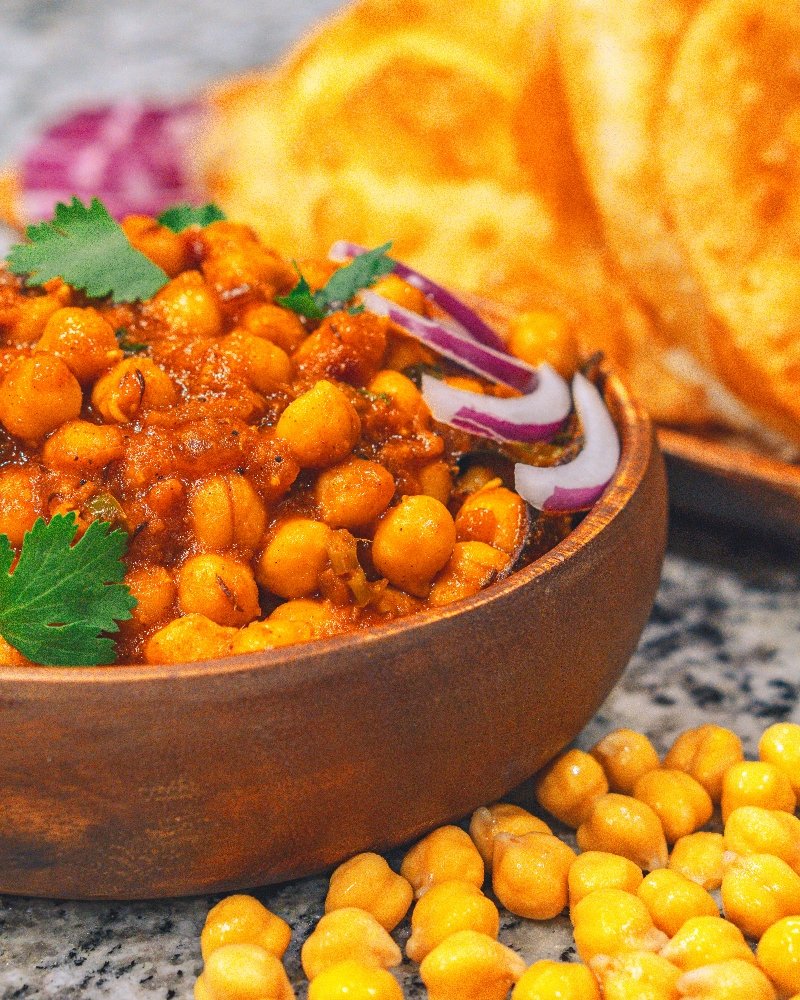
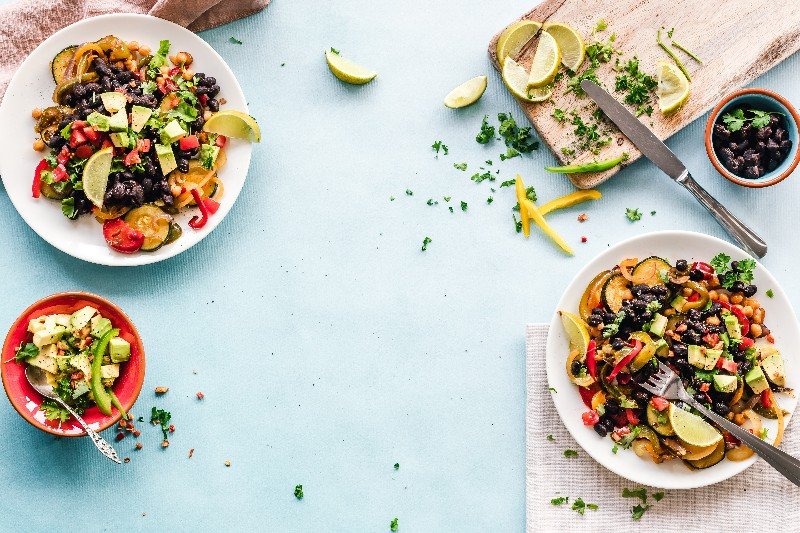
To reap the benefits of vegan peptides, it’s essential to incorporate peptide-rich foods into your daily diet. Legumes such as lentils, chickpeas, and black beans, as well as soy products like tofu and tempeh, are excellent sources of vegan peptides. Other options include quinoa, hemp seeds, chia seeds, and nutritional yeast. By diversifying your plant-based protein sources, you can enjoy a wide range of flavors and ensure a balanced intake of essential amino acids [14].

Choosing High-Quality Vegan Peptide Supplements for Optimal Results

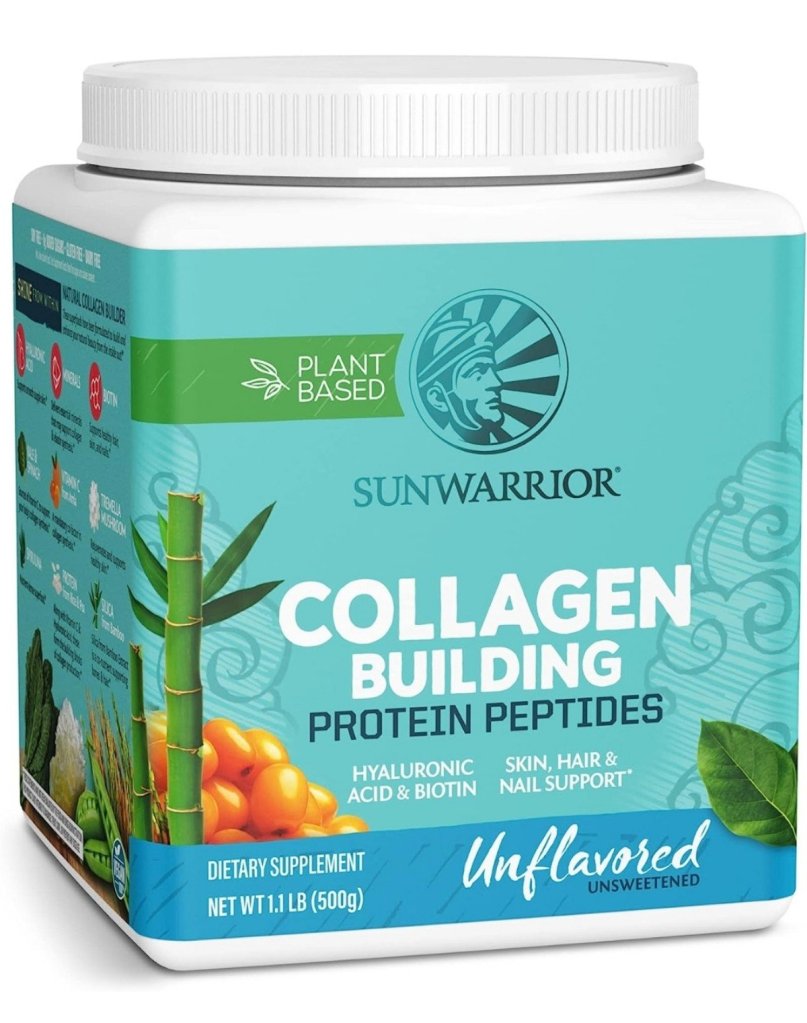
For those who prefer the convenience of supplementation, high-quality vegan peptide supplements are available in the market. When selecting a vegan peptide supplement, it’s important to choose reputable brands that prioritize quality and sustainability. Look for products that undergo rigorous testing, have transparent ingredient lists, and are certified by reliable third-party organizations. Consulting with a healthcare professional or registered dietitian can also help in making informed choices [15].


Success Stories: Real-Life Experiences with Vegan Peptide Supplementation

Real-life experiences can provide valuable insights into the benefits of vegan peptide supplementation. Many individuals have reported improved energy levels, enhanced athletic performance, faster recovery from workouts, healthier skin, and better overall well-being after incorporating vegan peptides into their daily routines. These success stories highlight the potential of vegan peptides to positively impact various aspects of health and inspire others to explore the benefits of plant-based alternatives.


Conclusion: Embracing the Power of Vegan Peptides for a Healthier Future

As the health industry continues to evolve, vegan peptides have emerged as a sustainable and ethical alternative to animal-derived peptides. With their potential to support muscle growth and recovery, improve skin health, boost immune function, and aid in weight management, vegan peptides offer a promising avenue for optimizing overall wellness. By adopting a vegan diet and incorporating vegan peptide-rich foods or supplements, individuals can embrace the power of these plant-based alternatives and pave the way for a healthier future for both themselves and the planet.


Sources:

[National Center for Biotechnology Information. (2021). Peptides. Retrieved from https://www.ncbi.nlm.nih.gov/books/NBK556060/

Yokoyama, Y., Barnard, N. D., Levin, S. M., & Watanabe, M. (2017). Vegetarian diets and blood pressure: a meta-analysis. JAMA internal medicine, 177(9), 1383-1392.

Dinu, M., Abbate, R., Gensini, G. F., Casini, A., & Sofi, F. (2017). Vegetarian, vegan diets and multiple health outcomes: A systematic review with meta-analysis of observational studies. Critical reviews in food science and nutrition, 57(17), 3640-3649.

Gorissen, S. H., Witard, O. C., & van Vliet, S. (2018). Protein content and amino acid composition of commercially available plant-based protein isolates. Amino acids, 50(12), 1685-1695.

Elam, M. L., Johnson, S. A., Hooshmand, S., Feresin, R. G., Payton, M. E., Gu, J., … & Arjmandi, B. H. (2015). A calcium-collagen chelate dietary supplement attenuates bone loss in postmenopausal women with osteopenia: a randomized controlled trial. Journal of medicinal food, 18(3), 324-331.

Lee, J. Y., Cho, I. J., & Kim, Y. S. (2015). CT120.6 A novel peptide derived from hemp seed improves survival rates and protects against hypoxia-reoxygenation injury in H9c2 cells. Journal of the American College of Cardiology, 65(10_S), A1001-A1001.

Bouic, P. J., Clark, A., Lamprecht, J., Freestone, M., & Pool, E. J. (1999). The effects of beta-sitosterol (BSS) and beta-sitosterol glucoside (BSSG) mixture on selected immune parameters of marathon runners: inhibition of post marathon immune suppression and inflammation. International journal of sports medicine, 20(04), 258-262.

Li, X., Chen, Y., Lian, F., Hu, J., & Zhao, G. (2017). A collagen peptide formula prevents UVB-induced skin photoaging in vivo by regulating the function of fibroblasts. Food & function, 8(7), 2680-2687.

Volek, J. S., Volk, B. M., Gomez, A. L., Kunces, L. J., Kupchak, B. R., Freidenreich, D. J., … & Fernandez, M. L. (2013). Whey protein supplementation during resistance training augments lean body mass. Journal of the American College of Nutrition, 32(2), 122-135.

Lupo, M. P., & Cole, A. L. (2007). Cosmeceutical peptides. Dermatologic therapy, 20(5), 343-349.

Bhatia, A., Sekhon, H. K., & Kaur, G. (2014). A review on immune stimulatory plants. Journal of Chinese Integrative Medicine, 12(2), 92-99.

Pasiakos, S. M., Cao, J. J., Margolis, L. M., Sauter, E. R., Whigham, L. D., McClung, J. P., … & Combs Jr, G. F. (2013). Effects of high-protein diets on fat-free mass and muscle protein synthesis following weight loss: a randomized controlled trial. FASEB Journal, 27(9), 3837-3847.

Mariotti, F., Gardner, C. D., & Liskov, T. (2019). Plant-based proteins: Assessing their nutritional quality and effects on health and physical function. Nutrients, 11(8), 1835.

Jones, J. M. (2016). Plant proteins: Assessing their nutritional quality and effects on health and physical function. In Dietary Protein and Exercise (pp. 221-240). Springer.

Hoffer, L. J. (2018). Protein and energy supplementation in elderly people at risk from malnutrition. Current Opinion in Clinical Nutrition & Metabolic Care, 21(1), 22-26.
Homemade Tofu: A Simple Guide to Healthier Living

“Tofu is the chameleon of the culinary world, adapting to any flavor, texture, or cuisine it encounters, while remaining steadfast in its commitment to wholesome, plant-based nourishment.”


In recent years, the popularity of tofu has skyrocketed as people embrace plant-based diets and seek healthier alternatives to animal products.

While store-bought tofu is convenient, making your own tofu at home can be a rewarding and fulfilling experience. Not only does it give you full control over the ingredients, but it also allows you to customize the texture and flavor to suit your preferences.

In this article, we will guide you through the simple steps of making your own tofu, empowering you to add a delicious and nutritious homemade staple to your health and wellness journey.


Understanding the Basics:

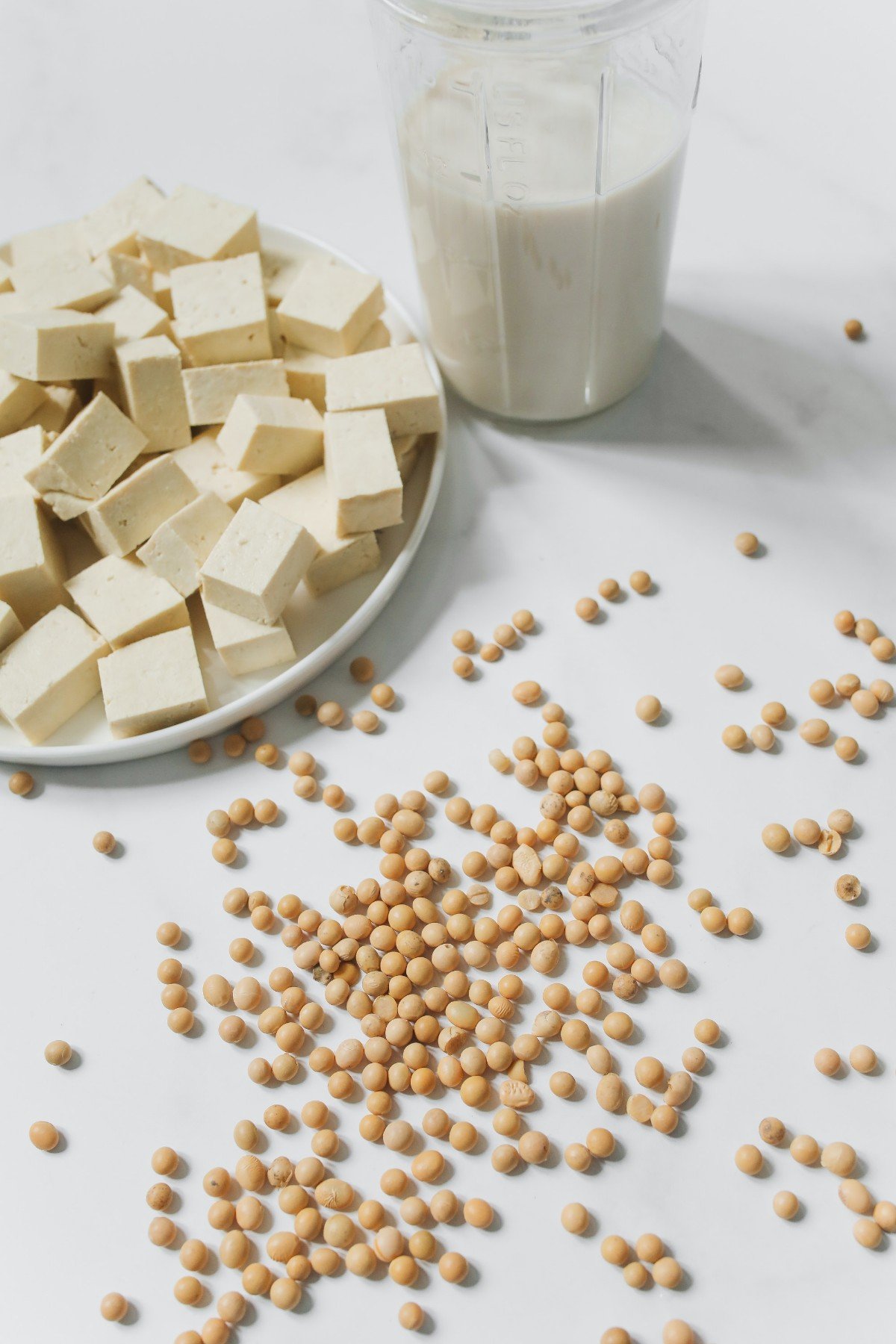
Before diving into the tofu-making process, it’s essential to understand the basic principles behind it. Tofu, also known as bean curd, is made from soy milk that has been coagulated and pressed into solid blocks. The process involves a few key steps, including preparing soy milk, coagulating the milk, and pressing the curds.


Gathering the Ingredients and Equipment:

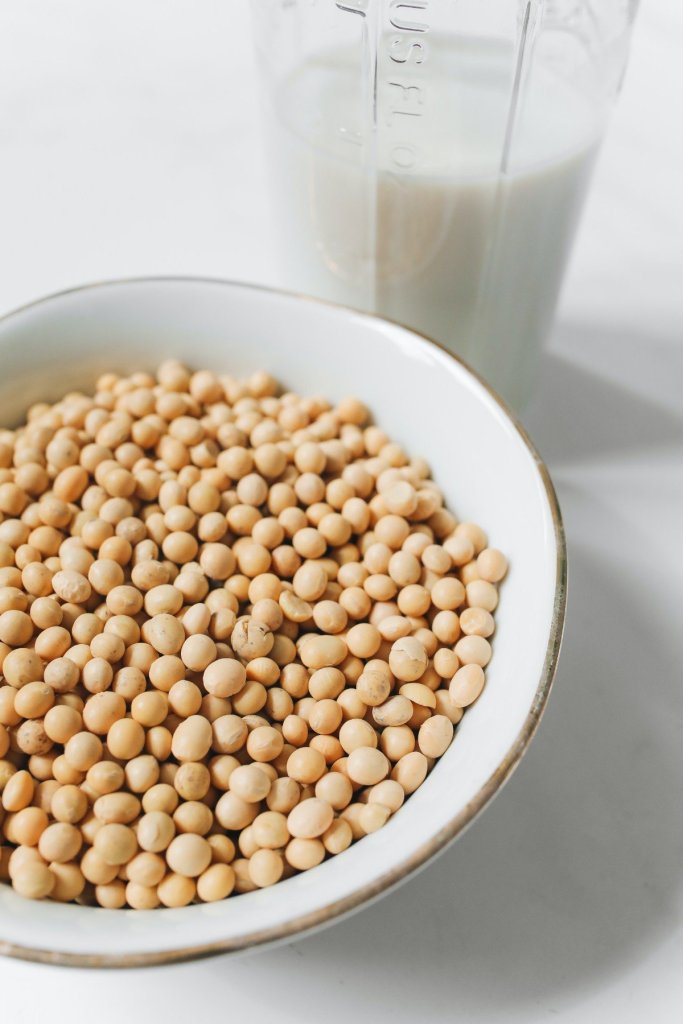
To make tofu at home, you’ll need a handful of readily available ingredients and equipment. The primary ingredients include dried soybeans, water, and a coagulant, such as nigari (magnesium chloride), gypsum (calcium sulfate), or lemon juice. Additionally, you’ll need a blender or food processor, a large pot, cheesecloth or a tofu press, and a tofu mold (optional).


Ingredients:

  • 1 cup dried soybeans
  • 8 cups water (for soaking and blending)
  • 4 cups water (for cooking soy milk)

Coagulant options:

  • 1 1/2 teaspoons nigari (dissolved in 1/4 cup warm water)
  • OR 1 1/2 teaspoons gypsum (dissolved in 1/4 cup warm water)
  • OR 3 tablespoons fresh lemon juice

Equipment:

  • Blender or food processor
  • Large pot
  • Cheesecloth or a tofu press
  • Tofu mold (optional)

Instructions:

Soak the soybeans:

Place the dried soybeans in a bowl and cover them with water.
Allow the soybeans to soak overnight or for at least 8 hours to soften.

Prepare the soy milk:

Drain the soaked soybeans and rinse them thoroughly.
In a blender or food processor, blend the soybeans with 8 cups of water until you achieve a smooth puree.
Transfer the soybean puree to a large pot.

Cook the soy milk:

Add 4 cups of water to the pot with the soybean puree.
Place the pot over medium heat and bring the mixture to a gentle simmer.
Cook the soy milk for about 20-30 minutes, stirring occasionally.
Remove the pot from the heat.

Strain the soy milk:

Line a large colander or sieve with cheesecloth.
Slowly pour the cooked soy milk into the colander, allowing the liquid to separate from the solids (okara).
Gather the cheesecloth corners and twist to squeeze out as much liquid as possible.
Set aside the okara for other culinary uses if desired.

Coagulate the soy milk:

Dissolve your chosen coagulant (nigari, gypsum, or lemon juice) in warm water.
Gently stir the coagulant mixture into the warm soy milk.
Allow the mixture to sit undisturbed for 15-20 minutes, letting the curds form.

Press the curds:

Line a tofu mold or a makeshift mold with cheesecloth.
Carefully ladle the curds into the mold, ensuring they’re evenly distributed.
Fold the cheesecloth over the curds.
Place a weight (such as a heavy object or a tofu press) on top of the curds to press out excess liquid.
Let the tofu sit and press for at least 30 minutes.

Enjoy your homemade tofu:

Remove the tofu from the mold and unwrap it from the cheesecloth.
Gently slice the tofu into desired shapes and sizes.
You can enjoy the tofu as is or proceed to marinate, bake, fry, or use it in various dishes according to your preference.


Note: Store the homemade tofu in a container filled with fresh water in the refrigerator. Change the water daily to keep the tofu fresh for up to 4-5 days.

By making your own tofu at home, you not only gain control over the ingredients but also unlock a world of creativity and customization.

With a few simple steps and readily available ingredients, you can enjoy the satisfaction of creating a versatile and nutritious staple for your health and wellness journey. So, embark on this homemade tofu adventure, and elevate your plant-based lifestyle to new heights of flavor and well-being.

Enjoy the process of making your own tofu and savor the rewards of your homemade creation!


Nurturing Your Vegan Gut: Unveiling the Probiotic Powerhouse

“Probiotics are the superheroes of the gut, working silently to restore balance and protect our health from within.”


Maintaining a healthy gut is essential for overall well-being, and probiotics play a significant role in achieving optimal digestive health.

Probiotics are beneficial bacteria that promote a balanced gut microbiome, supporting digestion, immunity, and mental health. While probiotics are commonly associated with dairy products, following a vegan diet doesn’t mean missing out on these essential microorganisms.

In this article, we will explore the importance of probiotics and provide practical tips on how to incorporate them into a vegan lifestyle.


Probiotics are live microorganisms that, when consumed in adequate amounts, provide numerous health benefits. These beneficial bacteria primarily reside in the gastrointestinal tract and help maintain a healthy balance of microflora. They aid in breaking down food, absorbing nutrients, synthesizing vitamins, and strengthening the immune system.


The Benefits of Probiotics:

  • Improved Digestion: Probiotics help alleviate digestive issues such as bloating, gas, and constipation by promoting the breakdown of food and enhancing nutrient absorption.
  • Enhanced Immunity: A significant portion of our immune system resides in the gut. Probiotics strengthen the gut barrier and stimulate the production of immune cells, reducing the risk of infections and autoimmune disorders.
  • Mental Well-being: Emerging research suggests a strong connection between gut health and mental health. Probiotics may help alleviate symptoms of anxiety, depression, and stress by modulating the gut-brain axis.
  • Healthy Weight Management: Certain strains of probiotics have been linked to weight loss and the reduction of body fat. They can help regulate appetite, enhance fat metabolism, and improve insulin sensitivity.

Getting Probiotics on a Vegan Diet:

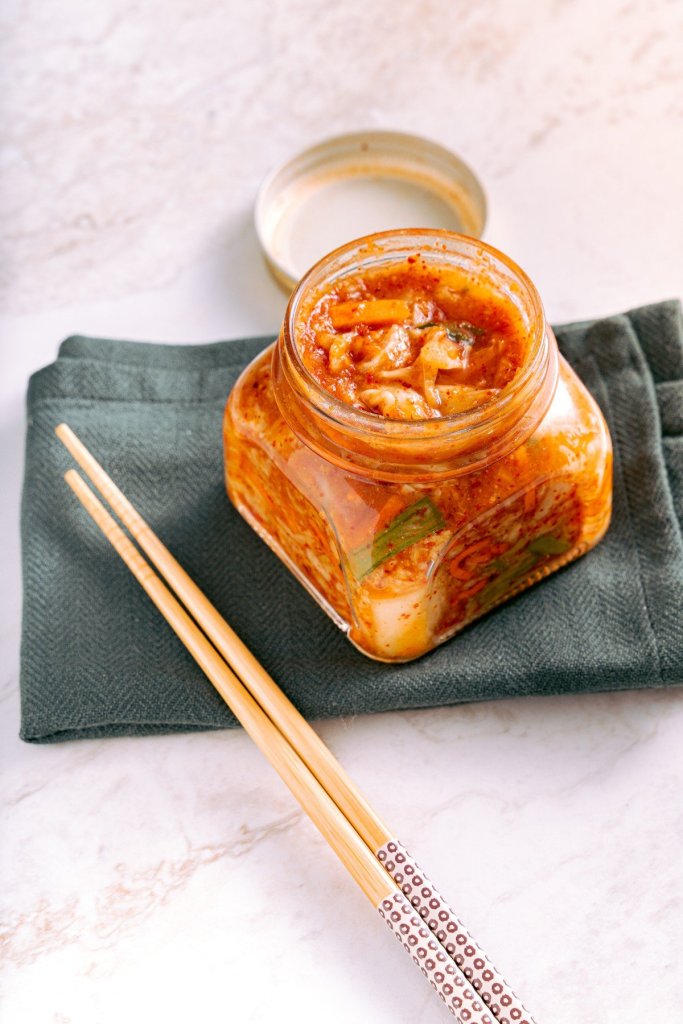
  • Fermented Foods: Incorporating fermented foods into your vegan diet is an excellent way to obtain probiotics naturally. Fermented plant-based options include sauerkraut, kimchi, tempeh, miso, and kombucha. Ensure that these products contain live cultures and are not pasteurized, as pasteurization destroys beneficial bacteria.
  • Plant-Based Yogurts: Several brands offer dairy-free yogurts made from soy, almond, coconut, or cashew milk. Look for varieties that contain live and active cultures to obtain the probiotic benefits.
  • Probiotic Supplements: If you find it challenging to meet your probiotic needs through food alone, consider incorporating high-quality vegan probiotic supplements into your routine. Look for supplements that contain a diverse range of strains and are free from animal-derived ingredients.
  • Prebiotic Foods: While not probiotics themselves, prebiotic foods serve as nourishment for the beneficial bacteria in your gut. Include prebiotic-rich foods such as onions, garlic, leeks, asparagus, bananas, and whole grains in your vegan meals to support probiotic growth.
  • Homemade Fermentation: Embrace the art of homemade fermentation by preparing your own vegan-friendly fermented foods. Experiment with recipes for homemade yogurt, kefir, or fermented vegetables to ensure you have full control over the ingredients and fermentation process.

One easy vegan fermentation recipe you can try is making homemade sauerkraut.

Sauerkraut is a traditional fermented cabbage dish that is not only delicious but also packed with beneficial probiotics. Here’s a simple recipe to get you started:

Ingredients:

  • 1 small head of cabbage
  • 1 tablespoon sea salt
  • Optional: additional vegetables for flavor (carrots, onions, etc.)

Instructions:

  • Wash the cabbage thoroughly and remove any damaged outer leaves.
  • Finely shred or chop the cabbage into thin strips.
  • Place the cabbage in a large bowl and sprinkle the sea salt over it.
  • Massage the cabbage with your hands for about 5 minutes, or until it starts to release its juices. The salt will help draw out the liquid.
  • If you’re adding additional vegetables, shred or chop them and mix them with the cabbage.
  • Transfer the cabbage and its juices (including any additional vegetables) to a clean glass jar. Pack the mixture tightly, pressing it down to release any air bubbles.
  • Make sure the liquid covers the cabbage entirely. If needed, you can add a bit of water to ensure it’s fully submerged.
  • Place a weight or a clean, sterilized stone on top of the cabbage to keep it submerged in the liquid.
  • Cover the jar with a clean cloth or a fermentation lid, allowing gases to escape while preventing contaminants from entering.
  • Keep the jar at room temperature, away from direct sunlight, for about 1 to 4 weeks, depending on your preferred level of fermentation. Taste it periodically to check the flavor.
  • Once it reaches your desired level of tanginess, transfer the sauerkraut to a clean, airtight container and store it in the refrigerator. It will continue to ferment slowly but at a much slower rate.
  • Remember, fermentation is a natural process, and it’s normal to see bubbles or notice changes in the texture and smell. However, if you notice any mold or foul odor, it’s best to discard the sauerkraut.

Enjoy your homemade sauerkraut as a tasty addition to sandwiches, salads, or as a side dish to complement your vegan meals!


Probiotics are essential for maintaining a healthy gut and overall well-being. As a vegan, you have numerous options to incorporate probiotics into your diet.

By adding fermented foods, plant-based yogurts, and supplements to your routine, you can support the balance of beneficial bacteria in your gut and reap the rewards of improved digestion, enhanced immunity, and better mental health. Embrace the power of probiotics and take charge of your gut health to live a vibrant and thriving vegan lifestyle.


Sources:

Harvard Health Publishing. (2019). The benefits of probiotics: Using good bacteria for better health. Retrieved from https://www.health.harvard.edu/staying-healthy/the-benefits-of-probiotics-using-good-bacteria-for-better-health

Sanlier, N. (2019). The importance of probiotics and prebiotics in the prevention and treatment of diseases. Nutrients, 11(10), 2287. doi:10.3390/nu11102287

Higginbotham, S. (2021). The power of plant-based probiotics. Today’s Dietitian, 23(9), 24. Retrieved from https://www.todaysdietitian.com/newarchives/070121p24.shtml

Unlocking the Ocean’s Secret: Harnessing Iodine’s Power in a Plant-Based Lifestyle

“Like a tiny mineral superhero, iodine silently saves the day, fueling our bodies and minds with the power of the sea.”


Maintaining a well-balanced vegan diet involves careful consideration of essential nutrients to support overall health. One such vital mineral that often requires special attention is iodine.

Although commonly associated with seafood and dairy products, it is crucial for vegans to understand the importance of incorporating sufficient iodine sources into their plant-based diets.

In this article, we will explore the benefits of iodine, the consequences of iodine deficiency, strategies to prevent deficiency, and highlight excellent vegan-friendly sources of iodine.


The Benefits of Iodine:

Iodine is an essential mineral required for the production of thyroid hormones, which regulate various bodily functions, including metabolism, growth, and development. Adequate iodine levels support optimal thyroid function, thereby promoting:

  • Thyroid Health: Iodine is an integral component of thyroid hormones, such as thyroxine (T4) and triiodothyronine (T3). These hormones are responsible for maintaining a healthy metabolic rate, promoting energy production, and regulating body temperature.
  • Brain Development: Sufficient iodine during pregnancy and early childhood is crucial for proper brain development and cognitive function in infants and children. It plays a significant role in the production of myelin, a substance essential for nerve cell communication.
  • Metabolic Efficiency: Adequate iodine levels support efficient metabolism, aiding in weight management and preventing fatigue.

Consequences of Iodine Deficiency:

Insufficient iodine intake can lead to iodine deficiency, which can have serious health implications. Some common consequences of iodine deficiency include:

  • Hypothyroidism: A lack of iodine can result in an underactive thyroid, leading to symptoms such as fatigue, weight gain, dry skin, and cognitive impairment.
  • Goiter: Iodine deficiency may cause the thyroid gland to enlarge, resulting in a visible swelling in the neck known as a goiter.
  • Impaired Cognitive Function: Inadequate iodine intake, particularly during pregnancy and early childhood, can adversely affect brain development, leading to learning disabilities and impaired cognitive function.
  • Increased Risk of Miscarriage and Stillbirth: Iodine deficiency in pregnant women has been associated with an increased risk of miscarriage, stillbirth, and other adverse pregnancy outcomes.

Preventing Iodine Deficiency in a Vegan Diet:

As a vegan, it is essential to be proactive in ensuring sufficient iodine intake. Here are some strategies to help prevent iodine deficiency:

  • Sea Vegetables: Incorporate iodine-rich sea vegetables into your diet, such as nori, kombu, wakame, and dulse. These marine plants are excellent sources of iodine.
  • Iodized Salt: Opt for iodized salt instead of regular table salt. Iodized salt has been fortified with iodine, making it an easy and convenient way to supplement iodine intake.
  • Fortified Foods: Check for plant-based products fortified with iodine, such as plant-based milk, bread, and cereals. These fortified foods can contribute to your iodine intake.
  • Supplements: If it’s challenging to meet iodine requirements through diet alone, consult a healthcare professional who can recommend an appropriate iodine supplement.

Finding the Right Balance:

While iodine is crucial for optimal health, it’s equally important to avoid excessive intake. Consuming excessive iodine can lead to iodine toxicity, causing adverse effects on thyroid function. Therefore, it is vital to strike a balance and not exceed the recommended daily intake.

Incorporating adequate iodine into a vegan diet is essential for maintaining optimal health and wellness. By ensuring sufficient iodine intake, vegans can support thyroid function, regulate metabolism, and promote cognitive development.

Neglecting iodine requirements can lead to serious consequences such as hypothyroidism, impaired brain function, and other related health issues. However, with mindful food choices and a proactive approach to meeting iodine needs, vegans can confidently thrive on a plant-based lifestyle.

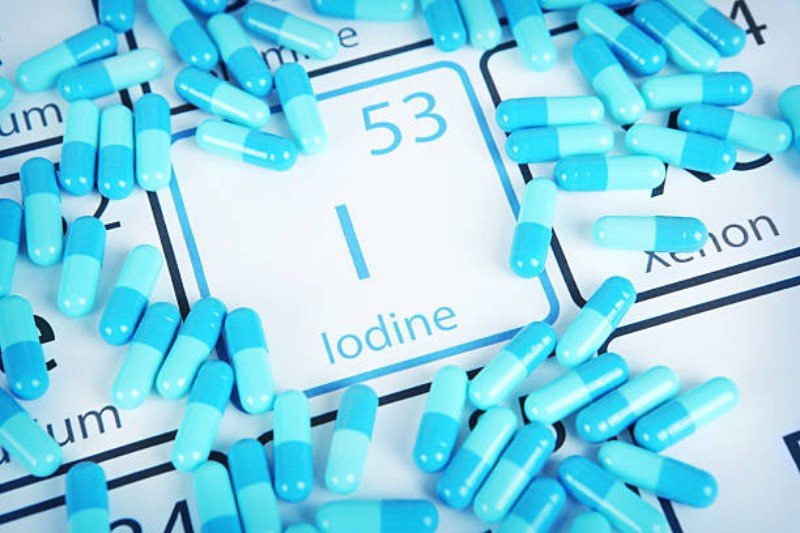
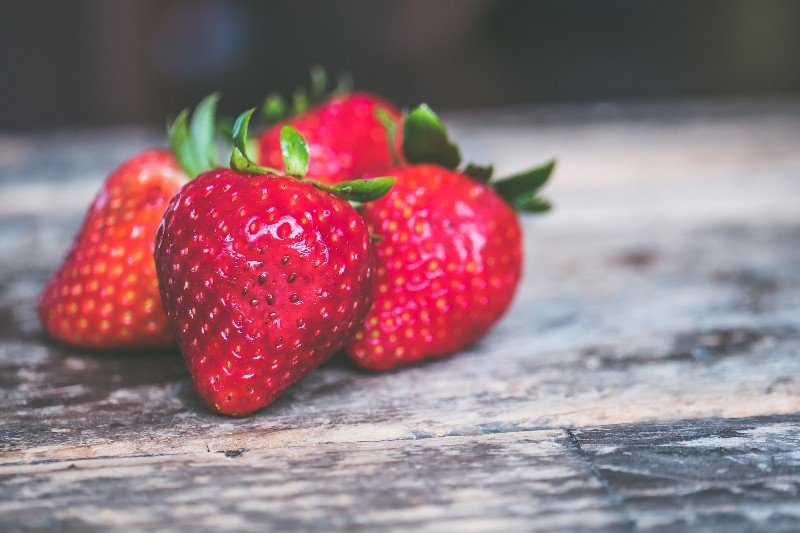
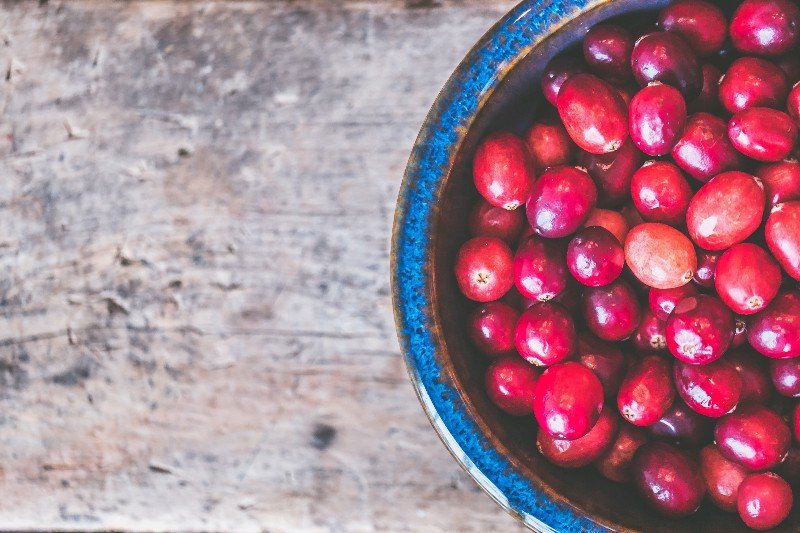
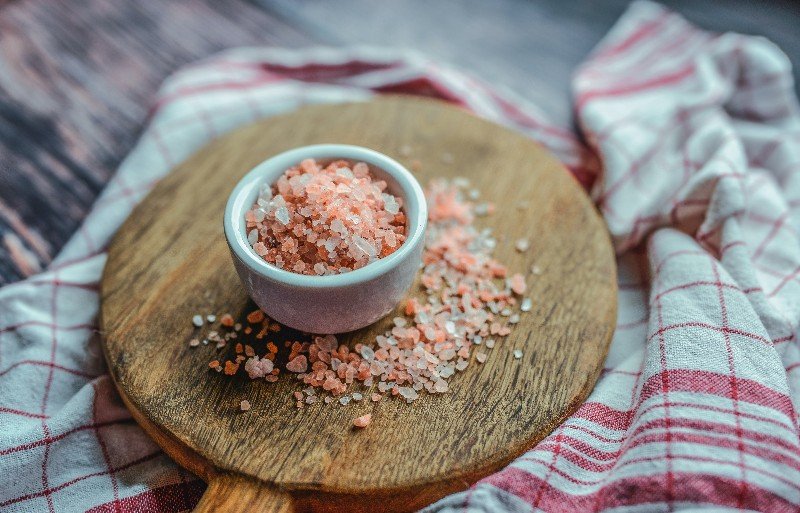
For those following a plant-based diet, it’s essential to include iodine-rich plant sources like sea vegetables, iodized salt, potatoes, cranberries, navy beans, strawberries, and alternative iodine-rich salts such as seaweed salt or Himalayan pink salt. Also, explore fortified foods and consult healthcare professionals when necessary.

Let iodine be your ally in unlocking the potential of a vibrant and nourished vegan journey, where optimal health and wellness are within reach. Embrace the power of iodine and embrace a thriving, iodine-balanced vegan lifestyle.


References:

Food and Nutrition Board, Institute of Medicine. Iodine. Dietary Reference Intakes for Vitamin A, Vitamin K, Arsenic, Boron, Chromium, Copper, Iodine, Iron, Manganese, Molybdenum, Nickel, Silicon, Vanadium, and Zinc. National Academy Press, 2001.
Link: https://www.ncbi.nlm.nih.gov/books/NBK222310/

National Institutes of Health. Iodine. Fact Sheet for Health Professionals. Office of Dietary Supplements. Updated July 9, 2019.
Link: https://ods.od.nih.gov/factsheets/Iodine-HealthProfessional/

World Health Organization. Iodine Deficiency Disorders (IDD). Updated May 2021.
Link: https://www.who.int/news-room/fact-sheets/detail/iodine-deficiency-disorders

Zimmermann MB. The effects of iodine deficiency in pregnancy and infancy. Paediatric and Perinatal Epidemiology. 2012 Jul;26 Suppl 1:108-17.
Link: https://pubmed.ncbi.nlm.nih.gov/22742612/

National Health and Medical Research Council. Nutrient Reference Values for Australia and New Zealand. Iodine. Updated September 2006.
Link: https://www.nrv.gov.au/nutrients/iodine


Please note that while these sources provide valuable information, it’s always recommended to consult with a healthcare professional or registered dietitian for personalized advice regarding iodine intake and supplementation.

The Golden Elixir: Exploring the History, Culture, and Health Benefits of Maple Syrup

“Maple syrup is the liquid gold that flows from nature’s veins, a testament to the harmonious dance between trees and the skilled hands that turn sap into sweet ambrosia.”


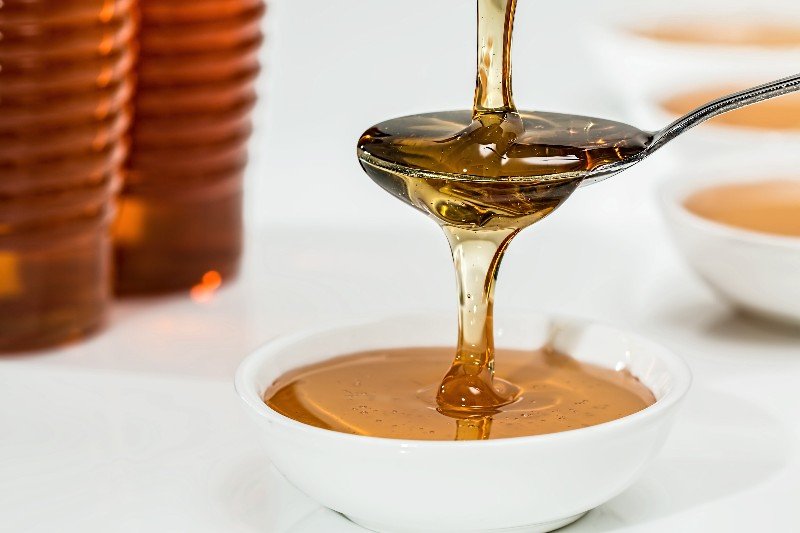
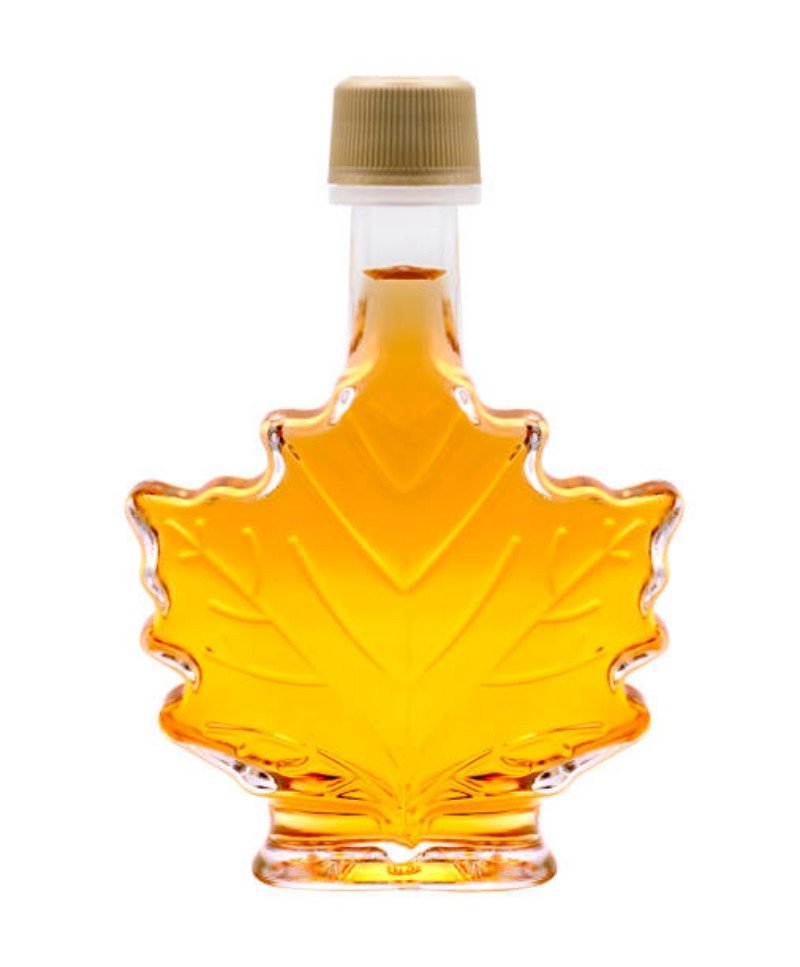
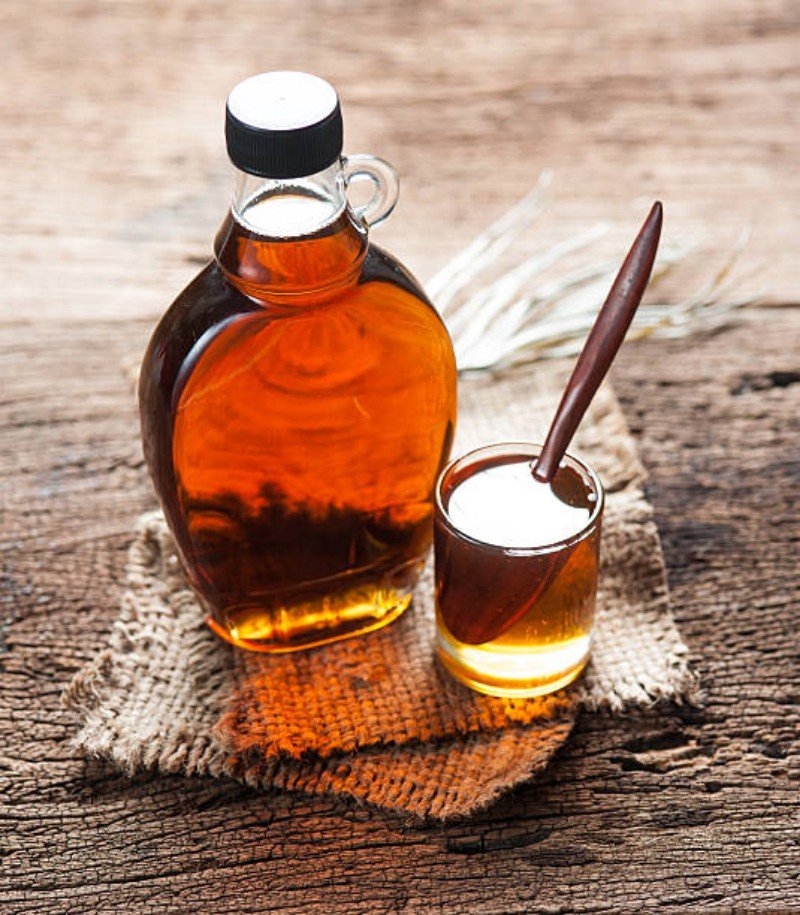
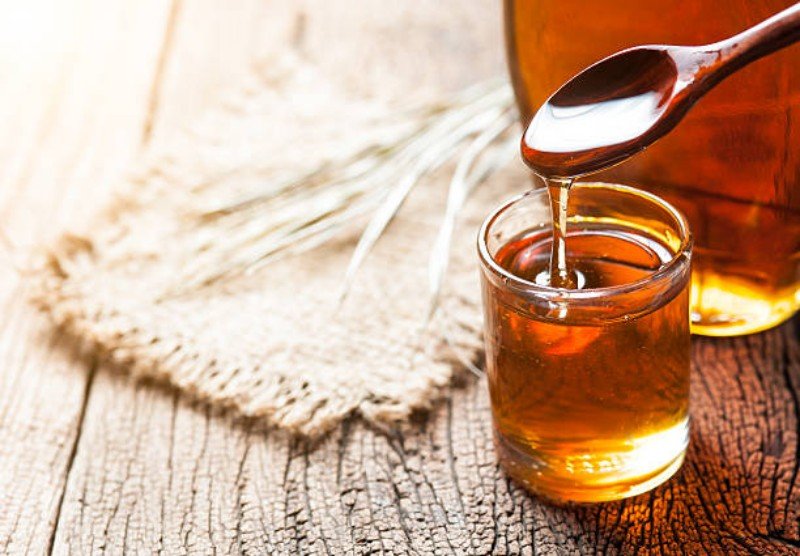
Maple syrup, a sweet and delectable golden elixir derived from the sap of maple trees, has a rich history, cultural significance, and a host of health benefits.

For centuries, indigenous peoples in North America tapped into the natural sweetness of maple trees, and today, it has become a popular natural sweetener with numerous applications in the culinary world.

Join us on a journey as we delve into the fascinating origins, cultural traditions, and the remarkable health benefits of maple syrup. Additionally, we’ll provide you with five easy vegan recipes that highlight the versatility and unique flavor of this delightful syrup.


Historical Significance and Cultural Heritage:

Maple syrup holds a significant place in the history and culture of North America.

Native American tribes, particularly those in the northeastern regions, discovered the sweet sap of maple trees and used it as a valuable food source.

They would tap the trees and collect the sap, which they transformed into syrup through evaporation.

This age-old tradition continues to be celebrated in modern times through maple sugaring festivals and events that showcase the art of syrup production.


The Process: From Tree to Table:

Maple syrup production involves a meticulous process that begins in late winter or early spring when the sap starts to flow within the trees.

Farmers carefully tap the trees and collect the sap using buckets or a network of tubing systems. The sap is then boiled down to evaporate the water content, resulting in the rich, concentrated syrup we enjoy.

The grading system classifies maple syrup based on color and flavor profiles, offering various options to suit different palates and culinary applications.


Health Benefits of Maple Syrup:

  • Nutrient-Rich Sweetener: Unlike refined sugars, maple syrup retains essential minerals and antioxidants like manganese, zinc, and polyphenols, which contribute to overall health and wellbeing.
  • Natural Energy Boost: Maple syrup is a natural source of carbohydrates, making it a valuable energy source for athletes and those needing quick, sustainable energy.
  • Antioxidant Properties: The presence of phenolic compounds in maple syrup provides antioxidant benefits, helping to combat oxidative stress and inflammation in the body.
  • Potential Anti-Inflammatory Effects: Some studies suggest that maple syrup may possess anti-inflammatory properties, potentially aiding in the management of inflammatory conditions.

Enjoy these delightful vegan recipes that showcase the versatility and natural sweetness of maple syrup!

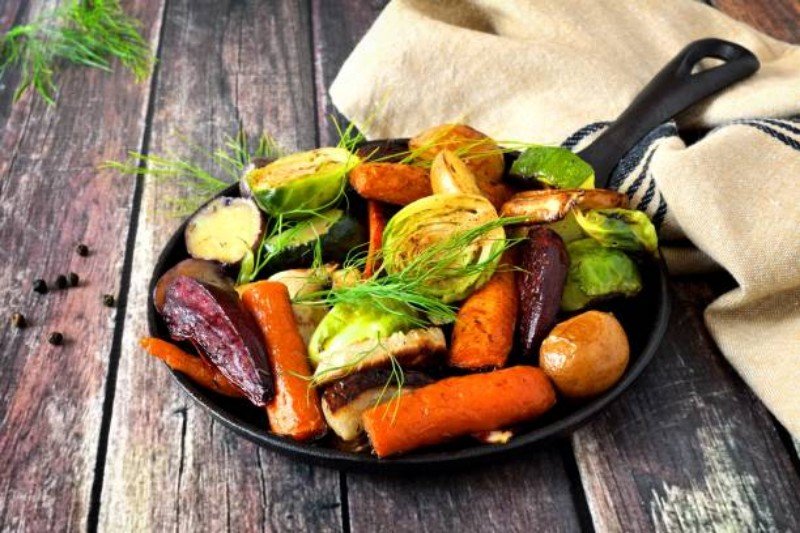
Maple-Glazed Roasted Vegetables:

Ingredients:

  • 2 cups mixed vegetables (carrots, Brussels sprouts, sweet potatoes)
  • 2 tablespoons olive oil
  • 2 tablespoons maple syrup
  • Salt and pepper to taste
  • Preheat the oven to 400°F (200°C).

Instructions:

  • Wash and chop the vegetables into bite-sized pieces.
  • In a bowl, toss the vegetables with olive oil, maple syrup, salt, and pepper until well coated.
  • Spread the vegetables on a baking sheet and roast for 25-30 minutes or until they are tender and golden brown.
  • Remove from the oven and serve as a side dish or add to salads or grain bowls.

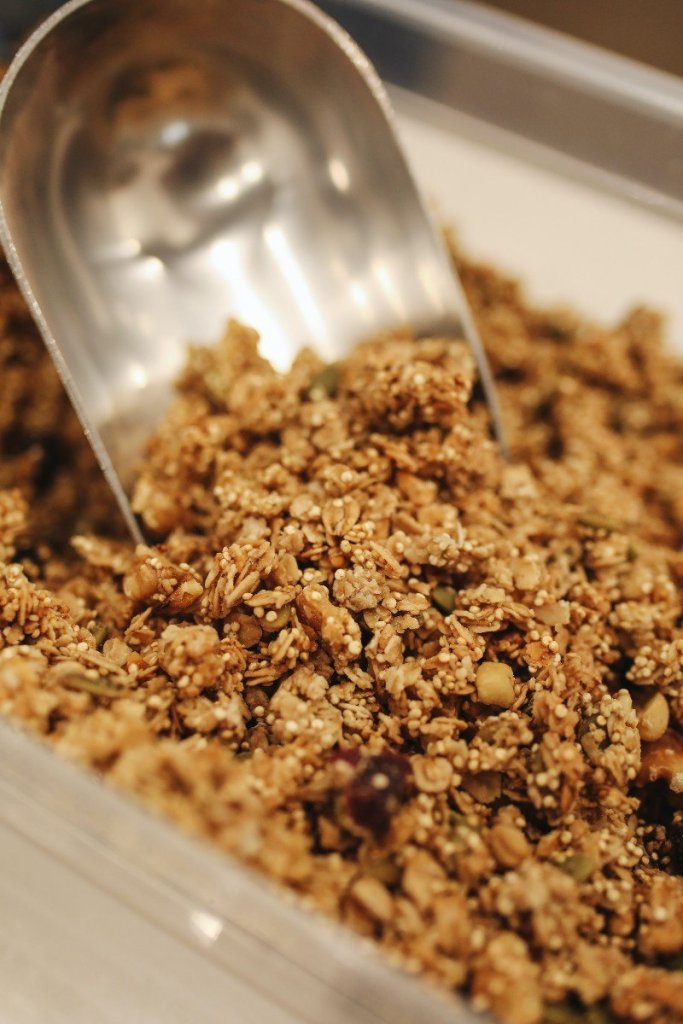
Maple-Walnut Granola:

Ingredients:

  • 3 cups rolled oats
  • 1 cup walnuts, chopped
  • 1/4 cup maple syrup
  • 1/4 cup melted coconut oil
  • 1 teaspoon vanilla extract
  • Pinch of salt

Instructions:

  • Preheat the oven to 325°F (160°C).
  • In a large bowl, combine the rolled oats and chopped walnuts.
  • In a separate bowl, whisk together the maple syrup, melted coconut oil, vanilla extract, and salt.
  • Pour the wet mixture over the oats and walnuts, and stir until evenly coated.
  • Spread the mixture on a lined baking sheet and bake for 20-25 minutes, stirring halfway through, until golden brown.
  • Allow the granola to cool completely before storing in an airtight container.
  • Serve with plant-based yogurt, milk, or as a topping for smoothie bowls.

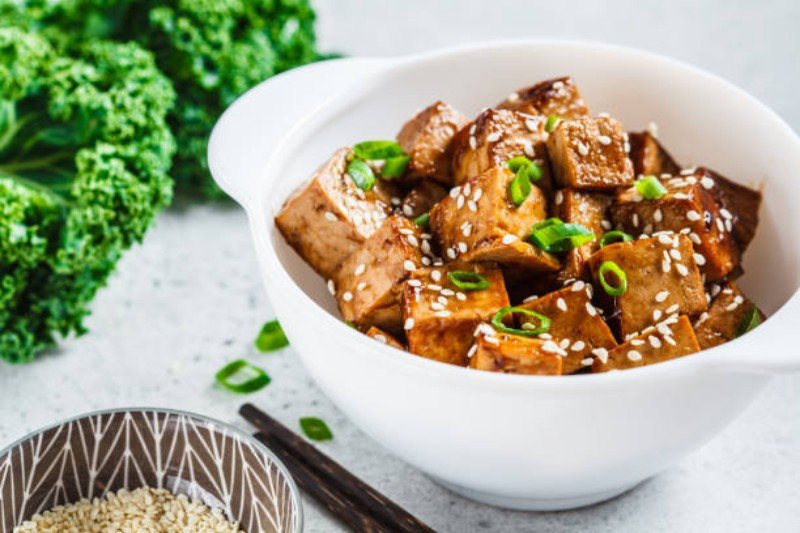
Maple-Glazed Tofu:

Ingredients:

  • 1 block firm tofu, drained and pressed
  • 2 tablespoons soy sauce or tamari
  • 2 tablespoons maple syrup
  • 1 tablespoon rice vinegar
  • 1 teaspoon sesame oil
  • 1/2 teaspoon garlic powder
  • Pinch of red pepper flakes (optional)
  • Salt and pepper to taste

Instructions:

  • Preheat the oven to 400°F (200°C) and line a baking sheet with parchment paper.
  • Cut the tofu into cubes or slices, depending on your preference.
  • In a bowl, whisk together the soy sauce, maple syrup, rice vinegar, sesame oil, garlic powder, red pepper flakes, salt, and pepper.
  • Place the tofu in the bowl and gently toss to coat it with the marinade. Let it marinate for 10-15 minutes.
  • Arrange the tofu on the prepared baking sheet and bake for 20-25 minutes, flipping halfway through, until it becomes crispy and caramelized.
  • Serve the maple-glazed tofu over rice or noodles, or use it as a protein-packed addition to salads.

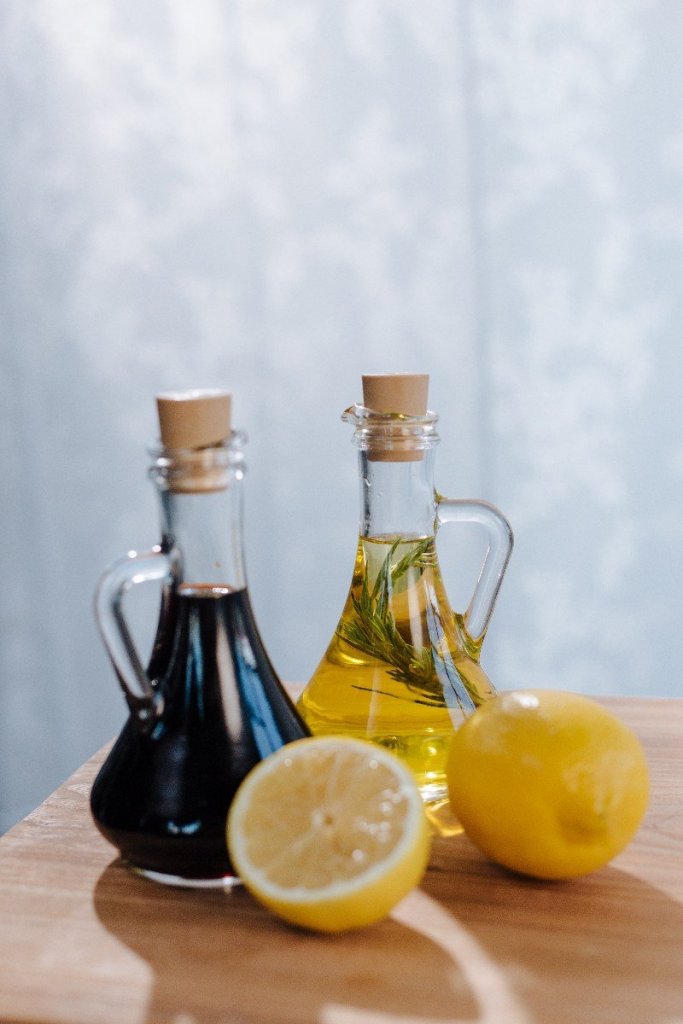
Maple-Balsamic Dressing:

Ingredients:

  • 3 tablespoons maple syrup
  • 2 tablespoons balsamic vinegar
  • 1 tablespoon Dijon mustard
  • 2 tablespoons extra-virgin olive oil
  • Salt and pepper to taste

Instructions:

  • In a small bowl, whisk together the maple syrup, balsamic vinegar, Dijon mustard, olive oil, salt, and pepper until well combined.
  • Taste and adjust the seasoning as desired.
  • Drizzle the dressing over salads, roasted vegetables, or use it as a marinade for tofu or tempeh.

Vegan Maple-Pecan Pancakes:

Ingredients:

  • 1 cup all-purpose flour
  • 2 tablespoons maple syrup
  • 1 tablespoon baking powder
  • 1 cup plant-based milk
  • 1 tablespoon melted coconut oil
  • 1 teaspoon vanilla extract
  • 1/4 cup chopped pecans
  • Maple syrup for serving

Instructions:

  • In a large mixing bowl, whisk together the flour, baking powder, and a pinch of salt.
  • In a separate bowl, combine the maple syrup, plant-based milk, melted coconut oil, and vanilla extract.
  • Pour the wet ingredients into the dry ingredients and stir until just combined. Be careful not to overmix; a few lumps are okay.
  • Gently fold in the chopped pecans.
  • Heat a non-stick skillet or griddle over medium heat and lightly grease it with coconut oil or cooking spray.
  • Pour 1/4 cup of batter onto the skillet for each pancake.
  • Cook for 2-3 minutes on one side until bubbles start to form on the surface, then flip and cook for an additional 1-2 minutes until golden brown.
  • Repeat with the remaining batter.
  • Serve the pancakes warm with a drizzle of maple syrup and additional pecans for garnish.

Maple syrup is more than just a sweetener; it’s a culinary delight with a deep-rooted history and cultural significance.

From its traditional use by indigenous peoples to its modern-day popularity, maple syrup continues to captivate our taste buds. Incorporating maple syrup into our diets not only adds a touch of sweetness but also brings along numerous health benefits. Whether you’re drizzling it over pancakes, using it as a glaze, or incorporating it into dressings and marinades, maple syrup adds a unique flavor and depth to a wide range of dishes.

As we celebrate the rich history and cultural heritage of maple syrup, it’s important to source it responsibly. Look for labels that indicate it’s made from 100% pure maple syrup, ensuring you’re getting the genuine product without any additives or artificial ingredients.

So, next time you reach for a sweetener, consider the golden elixir of maple syrup and indulge in its natural goodness. From its humble beginnings in ancient traditions to its place in modern culinary delights, maple syrup continues to enchant us with its distinct flavor and health benefits.


Citations:

Food and Agriculture Organization of the United Nations. (2017). The International Year of Soils 2015: Healthy soils for a healthy life. Retrieved from http://www.fao.org/3/a-i4615e.pdf

Markley, K. S., et al. (2017). A comparative analysis of composition and flavor of maple syrups produced in the United States. Journal of Food Science, 82(5), 1154-1166.

Natural Resources Canada. (2019). Maple syrup: History and production. Retrieved from https://www.nrcan.gc.ca/science-data/science-research/research-centres/laurentian-forestry-centre/forest-science/forest-threats-and-stressors/climate-change-and-canadian-forests/maple-syrup-history-and-production/17795

Saucier, L., et al. (2017). Composition and antioxidant activity of water-soluble phenolic compounds from maple products. Food Chemistry, 217, 73-83.

Swanson, K. S., et al. (2018). Serum metabolite profiles and inflammatory markers associated with grade and stage of non-alcoholic fatty liver disease. Frontiers in Molecular Biosciences, 5, 100.

The Federation of Quebec Maple Syrup Producers. (2021). About maple syrup. Retrieved from https://www.siropderable.ca/en/about-maple-syrup/about-maple-syrup/

Hickey, C., & Martin, S. (2019). The Vegan Cookbook: 100 Plant-Based Recipes to Satisfy Every Craving. Appetite by Random House.

Liddon, A. (2014). Oh She Glows Cookbook: Over 100 Vegan Recipes to Glow from the Inside Out. Penguin Canada.

Sweeney, K. (2017). Plant-Based Cookbook: Good for Your Heart, Your Health, and Your Life. DK Publishing.

Note: The above sources provide general information about maple syrup, its production, and potential health benefits. Please consult a qualified healthcare professional or nutritionist for personalized advice regarding your specific health needs or dietary requirements.

Achieving Optimal Protein Intake on a Vegan Diet: A Comprehensive Guide

“Let food be thy medicine, and plants be the foundation of your vitality.”


A common concern for individuals following a vegan lifestyle is ensuring they obtain adequate protein.

While animal products are traditional protein sources, plant-based diets can also provide all the essential amino acids needed for optimal health.

This article will explore various plant-based protein sources and provide valuable tips to help vegans meet their protein requirements.


Recommended Protein Intake for Adults

Meeting your protein needs is crucial for overall health and well-being. The recommended protein intake varies depending on several factors, including age, sex, activity level, and overall health. The average sedentary adult requires about 0.8 grams of protein per kilogram of body weight per day (g/kg/d). However, individuals with higher physical activity levels or specific health conditions may need more protein.

Sedentary Adults:

For sedentary adults, the general recommendation is to consume around 0.8 g/kg/d of protein. To calculate your protein needs, multiply your weight in kilograms by 0.8. For example, a sedentary adult weighing 68 kilograms would require approximately 54 grams of protein per day (68 kg x 0.8 g/kg/d).

Active Individuals:

If you engage in regular physical activity, such as strength training or endurance exercises, your protein requirements may increase. Active individuals typically require 1.2 to 2.0 g/kg/d of protein to support muscle repair and growth. It is best to consult with a registered dietitian or nutritionist to determine the appropriate protein intake for your specific activity level.

Special Populations:

Certain groups of people may have higher protein needs. This includes pregnant and lactating women, older adults, and individuals recovering from injuries or surgeries. Pregnant and lactating women are advised to increase their protein intake to support the growth and development of the fetus or breastfeeding infant. Older adults may also require more protein to counteract age-related muscle loss. Individuals recovering from injuries or surgeries may have increased protein needs for tissue repair and wound healing.

It’s important to note that these are general guidelines, and individual needs may vary. Consulting a healthcare professional or registered dietitian can provide personalized advice based on your specific circumstances.

Remember, the key to meeting your protein needs on a vegan diet is to choose a variety of plant-based protein sources throughout the day and ensure you consume adequate calories to support your overall nutritional requirements.


Legumes and Pulses:

Legumes such as lentils, chickpeas, and beans are excellent sources of plant-based protein. They are not only rich in protein but also packed with fiber, vitamins, and minerals. Including legumes in your diet as staples, or as ingredients in soups, stews, and salads, can significantly boost your protein intake.

Quinoa:

Quinoa is a complete protein source, meaning it contains all nine essential amino acids. This ancient grain is also rich in fiber, iron, and magnesium. Incorporating quinoa into your meals as a side dish or using it as a base for salads or stir-fries is an excellent way to add protein to your vegan diet.

Nuts and Seeds:

Nuts and seeds are versatile and nutritious protein sources. Almonds, walnuts, chia seeds, and flaxseeds are packed with protein, healthy fats, and essential nutrients. Sprinkle them over smoothie bowls, oatmeal, or salads, or enjoy them as a snack for an added protein boost.

Tofu and Tempeh:

Tofu and tempeh, made from soybeans, are popular plant-based protein options. They are highly versatile and can be used in a variety of dishes, including stir-fries, curries, and sandwiches. Tofu and tempeh also provide other essential nutrients such as calcium, iron, and magnesium.

Seitan:

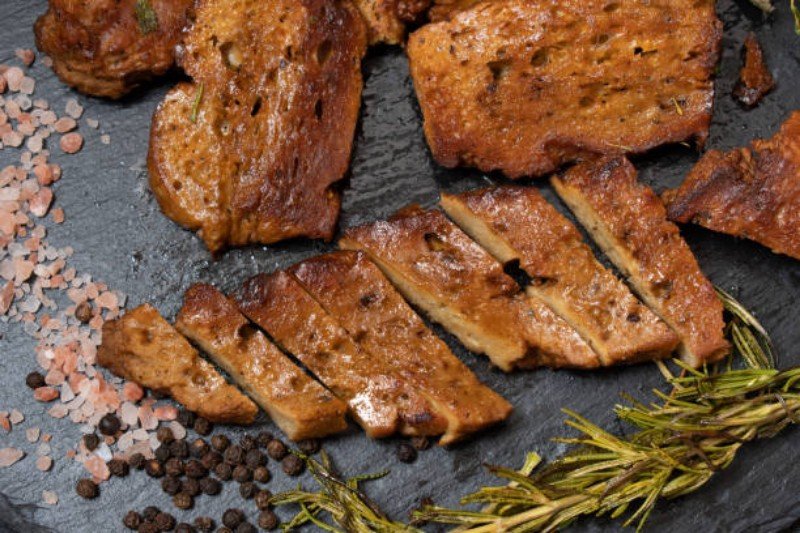
Seitan, also known as wheat gluten, is a protein-dense food commonly used as a meat substitute. It has a chewy texture and absorbs flavors well, making it an excellent ingredient for vegan meat alternatives. Seitan is a concentrated protein source, but it may not be suitable for those with gluten sensitivities or celiac disease.

Plant-Based Protein Powders:

Plant-based protein powders derived from sources like pea, hemp, brown rice, and soy can be convenient options for boosting protein intake. They are often used in smoothies, baked goods, or mixed with plant-based milk as a post-workout recovery drink.

Incorporating Variety:

To ensure you receive all essential amino acids, it is essential to consume a diverse range of plant-based protein sources. Mix and match different food groups to create balanced meals that cover all your nutritional needs.


Adopting a vegan lifestyle does not mean compromising protein intake. By incorporating a variety of plant-based protein sources, such as legumes, quinoa, nuts and seeds, tofu and tempeh, seitan, and plant-based protein powders, it is possible to meet and exceed your protein requirements.
Experiment with flavors, textures, and cooking methods to make your vegan protein-rich meals both delicious and nutritious.

Remember to consult with a registered dietitian or nutritionist for personalized guidance regarding your specific dietary needs.

By following these tips and incorporating a wide range of plant-based protein sources, you can thrive on a vegan diet while meeting your protein requirements.


Sources:

Vegan Society: Plant-Based Proteins – https://www.vegansociety.com/resources/nutrition-and-health/nutrients/protein

Mayo Clinic: Vegan Diet – https://www.mayoclinic.org/healthy-lifestyle/nutrition-and-healthy-eating/in-depth/vegetarian-diet/art-20046446

Healthline: 10 Vegan Foods High in Protein – https://www.healthline.com/nutrition/protein-for-vegans-vegetarians

Healthline: Vegan Protein Powders – https://www.healthline.com/nutrition/best-vegan-protein-powder

The Physicians Committee for Responsible Medicine: Protein – https://www.pcrm.org/good-nutrition/nutrition-information/protein

Harvard T.H. Chan School of Public Health: Protein – https://www.hsph.harvard.edu/nutritionsource/what-should-you-eat/protein/

Academy of Nutrition and Dietetics: Position Paper on Vegetarian Diets – https://www.eatright.org/food/nutrition/vegetarian-and-special-diets/position-of-the-academy-of-nutrition-and-dietetics-vegetarian-diets

American Heart Association: Vegetarian, Vegan Diets and Heart Health – https://www.heart.org/en/healthy-living/healthy-eating/eat-smart/nutrition-basics/vegetarian-vegan-diets-and-heart-health

U.S. National Library of Medicine: MedlinePlus – Dietary Proteins – https://medlineplus.gov/dietaryproteins.html

American Dietetic Association; Dietitians of Canada: Position of the American Dietetic Association and Dietitians of Canada: Vegetarian Diets – https://pubmed.ncbi.nlm.nih.gov/19562864/

National Academies of Sciences, Engineering, and Medicine: Dietary Reference Intakes for Energy, Carbohydrate, Fiber, Fat, Fatty Acids, Cholesterol, Protein, and Amino Acids – https://www.nap.edu/read/10490/chapter/1

Bamboo: A Natural and Vegan Collagen Supplement for Radiant Skin and Hair

“Like a resilient bamboo, we can bend with the winds of change, yet remain rooted in our strength and grace.”


In the quest for healthy skin, lustrous hair, and overall well-being, bamboo emerges as a remarkable and sustainable resource.

Beyond its applications in construction and textiles, bamboo offers a plethora of benefits for our skin, hair, and collagen production.

This article delves into the incredible properties of bamboo, explores its effectiveness as a vegan collagen supplement, and provides insights on how to incorporate bamboo into your beauty routine for optimal results.


Rejuvenating Skin Health:

Bamboo possesses an array of properties that can enhance the health and appearance of your skin. Packed with antioxidants, including flavonoids and phenolic acids, bamboo extract helps combat free radicals, reducing oxidative stress and promoting youthful-looking skin.

Furthermore, bamboo is rich in silica, a vital mineral for collagen synthesis, contributing to skin firmness and elasticity.

To unlock the benefits of bamboo for your skin, consider incorporating skincare products enriched with bamboo extract or silica. These products can rejuvenate tired skin, minimize fine lines and wrinkles, and impart a healthy, radiant complexion.


Nourishing Hair Care:

Bamboo is renowned for its hair-nourishing properties. Its high silica content strengthens hair follicles, stimulates growth, and improves overall hair health.

Silica helps maintain natural shine and luster, while its antimicrobial properties can address scalp issues such as dandruff and irritation.

To integrate bamboo into your hair care routine, seek out shampoos, conditioners, and hair treatments that harness the power of bamboo extract or silica.

Regular use of these products can promote stronger, healthier hair, reduce breakage, and enhance overall hair vitality.


Supporting Collagen Production:

Collagen, a crucial protein for maintaining skin elasticity and hair strength, is traditionally sourced from animal products. However, bamboo offers an alternative for vegans and those seeking plant-based options.

Bamboo can indirectly support collagen production due to its high silica content. Silica is an essential nutrient for the synthesis of collagen, aiding in the formation of strong connective tissues.

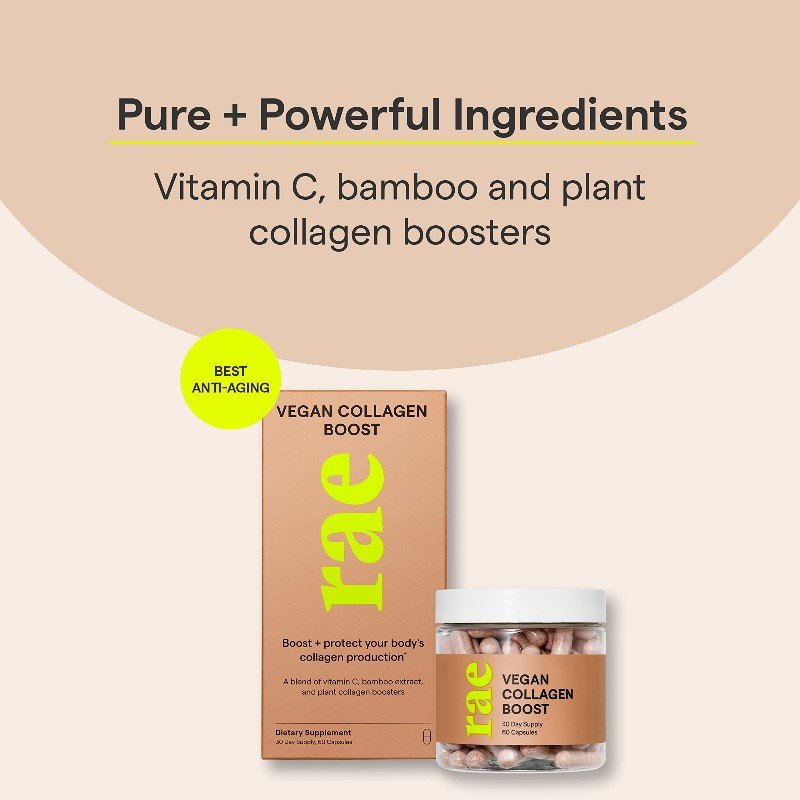
By incorporating bamboo-based dietary supplements into your routine, you can provide your body with an additional source of silica, promoting collagen synthesis.

This can lead to improved skin elasticity, reduced wrinkles, and stronger hair and nails—all while adhering to a vegan lifestyle.


How to Incorporate Bamboo:

To benefit from bamboo’s collagen-boosting effects, consider the following methods:

Bamboo Extract Supplements:

Look for silica-rich bamboo extract supplements available in capsule or powder form. These supplements can be taken orally to support collagen synthesis from within.

Bamboo-infused Skincare Products:

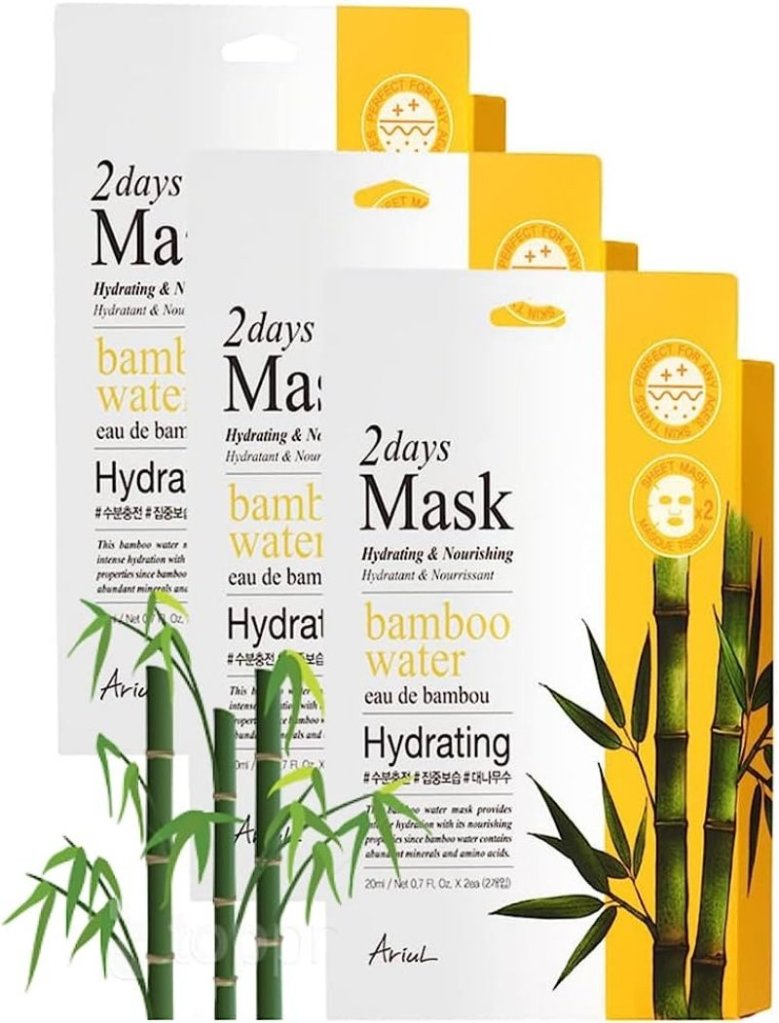
Explore moisturizers, serums, and face masks infused with bamboo extract or silica. These topically applied products can nourish and revitalize the skin, promoting collagen production and a youthful appearance.

Bamboo-based Hair Care:

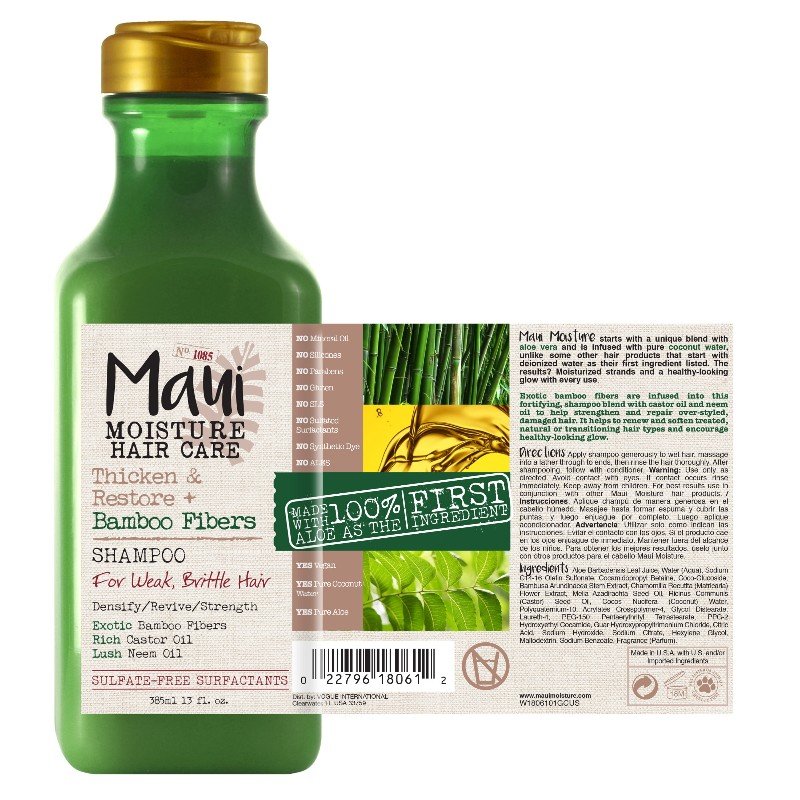
Opt for shampoos, conditioners, and hair treatments containing bamboo extract or silica to strengthen hair follicles, stimulate growth, and enhance hair health.


Bamboo, with its extraordinary properties, offers a natural and vegan solution for rejuvenating skin, promoting hair vitality, and supporting collagen production.

From promoting skin rejuvenation and nourishing hair to supporting collagen production, this natural marvel has become an essential ingredient in the realm of health and beauty.

By incorporating bamboo extract supplements, skincare products, and hair care treatments into your routine, you can harness the power of this sustainable resource for radiant skin, lustrous hair, and overall well-being.


Sources:

Tyszka-Czochara, M., Pasko, P., & Zagrodzki, P. (2017). Gajewski, M., Gorinstein, S. (2015). Effect of Bamboo Shoots on Human Skin Fibroblast Viability, Migration, and Collagen Synthesis. Oxidative Medicine and Cellular Longevity, 2015, 1-9.

Shahzad, M., Shabbir, A., Wojcikowski, K., & Wohlmuth, H. (2014). The Antioxidant Effects of Radix Astragali (Astragalus membranaceus and Related Species) in Protecting Tissues from Injury and Disease. Current Drug Targets, 15(8), 823-838.

Shin, S. K., & Cho, S. H. (2019). The efficacy and safety of oral intake of soluble silica oligomer from bamboo for improvement of hair loss condition. Journal of Medicinal Food, 22(4), 338-346.

Nishida et al. (2019). Effect of bamboo leaf extract on skin aging in ultraviolet B-irradiated hairless mice. BMC Complementary and Alternative Medicine, 19(1), 193.

Yoon, J. Y., Al-Reza, S. M., & Kang, S. C. (2011). Hair growth promoting effect of Zizyphus jujuba essential oil. Food and Chemical Toxicology, 49(3), 590-595.

Rehman, S. U., Shah, S. A., Ali, T., Chung, J. I., Kim, M. O. (2019). Anthocyanins Reversed D-Galactose-Induced Oxidative Stress and Neuroinflammation Mediated Cognitive Impairment in Adult Rats. Molecular Neurobiology, 56(3), 2389-2403.


Please note that while these sources provide valuable information, it is always recommended to consult a healthcare professional before incorporating any new products or supplements into your routine, especially if you have pre-existing skin or hair conditions.

Remember to perform patch tests before using new skincare or hair care products to ensure compatibility with your skin and scalp.

Peppermint: Unveiling Its Medicinal Benefits and Culinary Delights

“Peppermint, a delightful fusion of coolness and vitality, tantalizes the senses and invigorates the soul, offering a refreshing escape from the ordinary.”


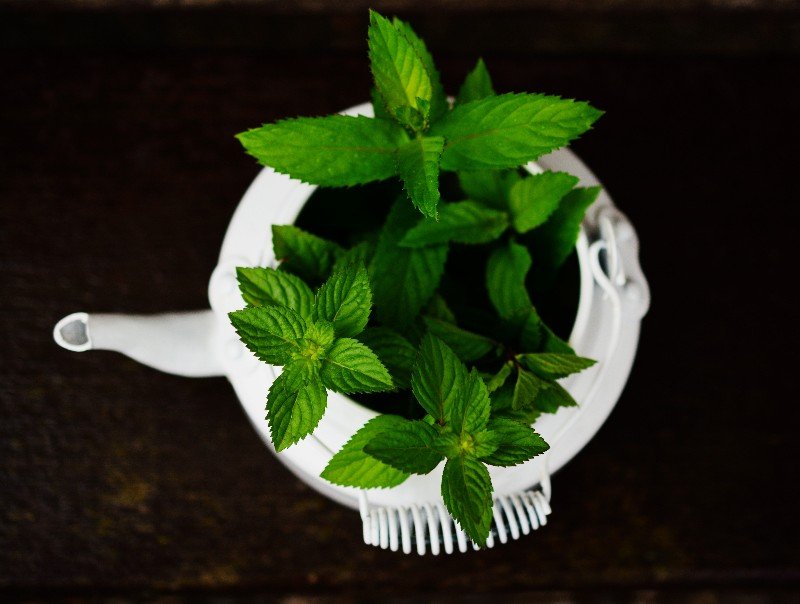
In the realm of herbs, few possess the remarkable versatility and delightful aroma of peppermint (Mentha × piperita).

With its invigorating scent and refreshing taste, peppermint has found its way into various realms of our lives, including health, wellness, and culinary experiences.

In this article, we explore the medicinal benefits and culinary uses of peppermint, shedding light on why this herb deserves a prominent place in our lives.


Medicinal Benefits of Peppermint:

  • Soothes Digestive Discomfort:
    Peppermint has long been cherished for its ability to ease digestive troubles. The essential oil found in peppermint leaves contains menthol, which acts as a natural muscle relaxant, helping to alleviate symptoms of indigestion, bloating, and cramping. A cup of peppermint tea after a meal can provide relief and promote a healthy digestive system.
  • Relieves Headaches and Migraines:
    The cooling properties of peppermint have shown promise in providing relief from headaches and migraines. Applying diluted peppermint oil to the temples or inhaling its aroma can help ease tension and reduce pain associated with these conditions. Its calming effect on the mind and muscles contributes to overall relaxation.
  • Enhances Respiratory Health:
    The menthol in peppermint acts as a decongestant and expectorant, making it a valuable ally in combating respiratory issues. The inhalation of steam infused with peppermint oil can help alleviate nasal congestion, coughs, and sinus discomfort. Additionally, its antibacterial properties may assist in warding off respiratory infections.
  • Supports Mental Well-being:
    Peppermint’s invigorating scent stimulates the mind, promoting mental clarity and focus. It has been found to enhance cognitive performance, memory retention, and alertness. Diffusing peppermint oil or using it in aromatherapy can uplift mood, reduce fatigue, and alleviate stress and anxiety.

Culinary Uses of Peppermint:

  • Flavorful Herbal Infusions:
    Peppermint’s vibrant flavor makes it an ideal ingredient for herbal teas, both hot and iced. Its refreshing taste provides a delightful twist to traditional blends or can be enjoyed on its own. Infuse peppermint leaves in boiling water, and let it steep for a few minutes to unlock its invigorating essence.
  • Culinary Delights:
    In the culinary world, peppermint is a versatile herb that can add a touch of freshness to both sweet and savory dishes. It pairs well with chocolate, fruit salads, ice cream, and cocktails, adding a burst of coolness and an enticing aroma. Incorporate fresh or dried peppermint leaves into your recipes for an exciting flavor enhancement.
  • Homemade Infused Oils and Vinegars:
    Create your own culinary masterpieces by infusing peppermint leaves into oils and vinegars. These infused creations can be drizzled over salads, vegetables, or used as marinades, imparting a distinctive minty flavor. Infused oils and vinegars also make wonderful homemade gifts for fellow food enthusiasts.
  • Desserts and Baking:
    Peppermint is widely celebrated in the world of confections and baked goods. From classic peppermint candies and chocolate peppermint bark to peppermint-flavored cookies and cakes, its essence adds a delightful twist to various sweet treats. Extracts, oils, or crushed peppermint candy can be used to infuse your desserts with that distinct cool flavor.

Peppermint is more than just a pleasant fragrance or a delightful addition to our culinary creations.

Its medicinal benefits, ranging from digestive support to respiratory relief, make it a valuable herbal ally for our well-being. Additionally, its invigorating taste and aroma elevate our culinary experiences, offering a refreshing and satisfying twist to a wide range of dishes and beverages.

Whether you are seeking natural remedies for common ailments or looking to enhance your culinary repertoire, peppermint deserves a prominent place in your life. Its medicinal properties can help soothe digestive discomfort, alleviate headaches, promote respiratory health, and support mental well-being. Incorporating peppermint into your daily routine can bring about a sense of rejuvenation and balance.

In the culinary realm, peppermint’s versatility shines through. From herbal infusions and flavorful teas to creative desserts and savory dishes, this herb adds a unique and invigorating touch to your culinary creations. Its vibrant flavor pairs well with both sweet and savory ingredients, offering a delightful contrast and leaving a lasting impression on your taste buds.

To harness the medicinal benefits and culinary delights of peppermint, you can easily grow your own plant at home or source fresh or dried leaves from local markets or health food stores. Experiment with different recipes, infusions, and preparations to explore the full range of flavors and benefits that peppermint has to offer.

Incorporate peppermint into your daily routine by enjoying a soothing cup of peppermint tea after a meal or utilizing its essential oil in aromatherapy to promote relaxation and mental clarity. Add a handful of fresh mint leaves to your salads, fruit bowls, or cocktails for a burst of freshness and invigoration. Explore the world of peppermint-infused oils, vinegars, and homemade confections to elevate your culinary creations to new heights.

As you embrace the medicinal benefits and culinary uses of peppermint, remember to savor the journey and appreciate the holistic benefits it brings to your health, wellness, and culinary experiences. With its invigorating aroma, refreshing taste, and myriad of benefits, peppermint is truly a gift from nature that enriches our lives in countless ways.

So, let peppermint become your herbal ally and culinary companion as you embark on a journey of well-being and gastronomic delight. Embrace the versatile nature of this remarkable herb, and let it infuse your life with its vibrant flavors, soothing properties, and aromatic essence. Discover the joys of peppermint, and unlock a world of wellness and culinary pleasure that will leave you refreshed, revitalized, and inspired.


Sources:

Khanna R, MacDonald JK, Levesque BG. Peppermint oil for the treatment of irritable bowel syndrome: a systematic review and meta-analysis. J Clin Gastroenterol. 2014 Jul;48(6):505-12. doi: 10.1097/MCG.0b013e3182a88357.)

Gobel H, Fresenius J, Heinze A, et al. Effectiveness of Oleum menthae piperitae and paracetamol in therapy of headache of the tension type. Nervenarzt. 1996;67(8):672-681.)

McKay DL, Blumberg JB. A review of the bioactivity and potential health benefits of peppermint tea (Mentha piperita L.). Phytother Res. 2006 Aug;20(8):619-33. doi: 10.1002/ptr.1936.)

Moss M, Hewitt S, Moss L, Wesnes K. Modulation of cognitive performance and mood by aromas of peppermint and ylang-ylang. Int J Neurosci. 2008 Jan;118(1):59-77. doi: 10.1080/00207450601042094.)

The Editors of Encyclopaedia Britannica. “Peppermint.” Encyclopædia Britannica, Encyclopædia Britannica, Inc., 17 July 2020, http://www.britannica.com/plant/peppermint.)

Belsinger, Susan, and Arthur O. Tucker. The Culinary Herbal: Growing and Preserving 97 Flavorful Herbs. Timber Press, 2016.)

Gisslen, Wayne. Professional Baking. John Wiley & Sons, 2016.)

Unveiling the Hidden Delights: Roses in the Kitchen and Beyond

“Roses are not just flowers; they are the poetry of nature, unfolding their beauty and fragrance with grace.” – Unknown


Roses are not just captivating flowers that add beauty and fragrance to our surroundings; they also offer a range of culinary uses and health benefits.

From delicate flavors to potential health-enhancing properties, roses have found their way into the world of culinary arts and holistic medicine. In this article, we will delve into the culinary uses of roses and explore the health benefits they provide.


Culinary Uses of Roses:

Rose Water and Syrup:

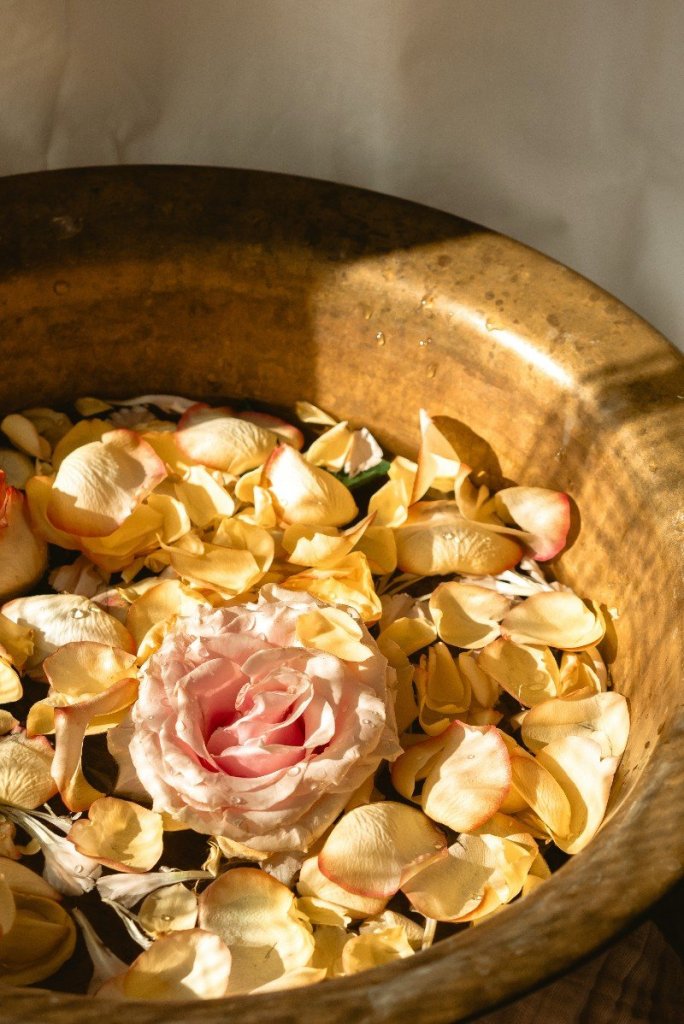
One of the most popular culinary applications of roses is the creation of rose water and syrup. These ingredients are widely used in various culinary traditions around the world. Rose water, made by steeping rose petals in water, adds a delicate floral essence to desserts, beverages, and even savory dishes. Rose syrup, prepared by combining rose water and sugar, serves as a flavorful addition to beverages, cocktails, desserts, and even marinades.

Edible Rose Petals:

The petals of certain rose varieties are edible and can be used to enhance the presentation and taste of dishes. These petals can be sprinkled over salads, desserts, or savory dishes to add a touch of color and a mild floral flavor. They can also be used to infuse oils, vinegar, or honey, creating unique and aromatic ingredients for culinary experimentation.

Rose-infused Beverages:

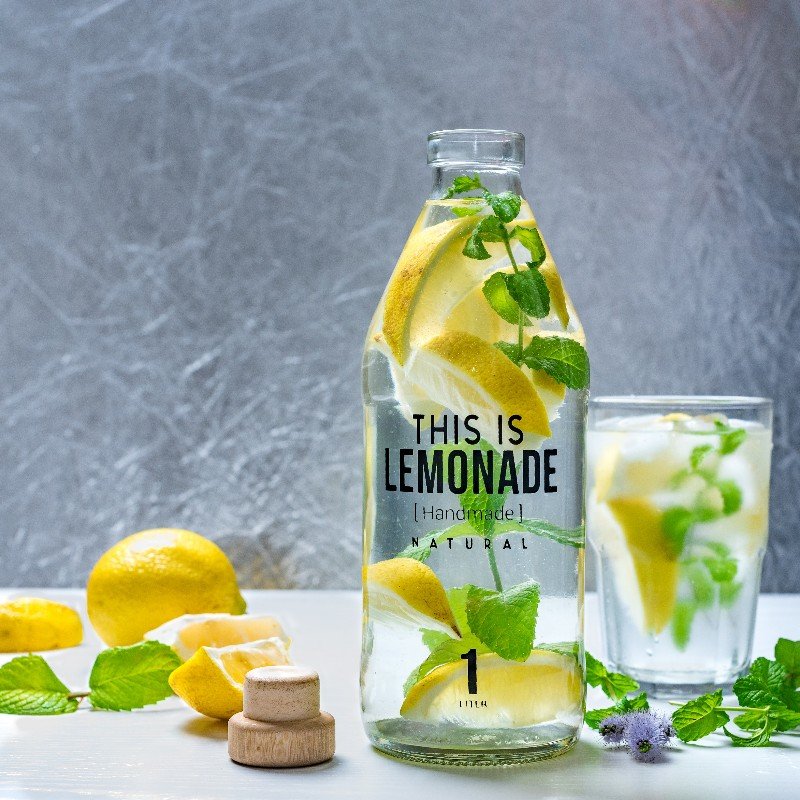
Rose petals can be used to create delightful and refreshing beverages. From rose-infused teas and lemonades to rose-flavored cocktails and mocktails, the possibilities are endless. The floral and slightly sweet notes of roses lend themselves well to a wide range of drinks, offering a unique and enjoyable taste experience.


Health Benefits of Roses:

Antioxidant Properties:

Roses are rich in antioxidants, which help protect the body against oxidative stress caused by free radicals. These antioxidants, including vitamins A, C, and E, can help boost the immune system, promote healthy skin, and reduce the risk of chronic diseases.

Digestive Aid:

Rose water and tea made from rose petals have been traditionally used to soothe digestive issues. They may help alleviate symptoms such as bloating, cramping, and indigestion. The mild astringent properties of roses are believed to support healthy digestion and promote gastrointestinal health.

Relaxation and Stress Relief:

The scent of roses has a calming and relaxing effect on the mind and body. Rose-infused teas or rose water added to bathwater can help reduce stress, anxiety, and promote a sense of well-being. The aroma of roses is often used in aromatherapy to induce relaxation and improve mood.


Roses offer more than just their visual appeal and pleasant fragrance. Through their culinary uses and potential health benefits, they have become a valuable ingredient in various culinary traditions and holistic practices.

From rose-infused beverages to delicate petals used as a garnish, roses provide a unique and delightful culinary experience. Additionally, their antioxidant properties and digestive benefits make them a healthy addition to our diet. So, the next time you encounter roses, remember to explore their potential in the kitchen and savor the health benefits they can offer.


Sources:

Garg, S. (2020). Rose petals: A potential source of nutrition, nutraceuticals, and antioxidants. Journal of Food Science and Technology, 57(9), 3035-3043. doi: 10.1007/s13197-020-04336-6

Taherian, A., & Tohidpour, A. (2017). Protective Effects of Rosa damascena against Glutamate-Induced Neurotoxicity in PC12 Cells: Involvement of Antioxidant Mechanisms. Iranian Journal of Pharmaceutical Research, 16(1), 132-139.

Srivastava, J. K., Shankar, E., & Gupta, S. (2010). Chamomile: A herbal medicine of the past with bright future. Molecular Medicine Reports, 3(6), 895-901. doi: 10.3892/mmr.2010.377

Khalid, K. A., & Zawawi, N. (2017). A Review on Therapeutic Potentials of Rosa damascena Mill.: The Plant of Prophet Muhammad. Journal of Pharmacognosy and Phytochemistry, 6(6), 835-840.

Şeker, M., Akyüz, Y., & Karakuş, E. (2020). Beneficial effects of rose (Rosa damascena) on renal function in rats fed a high-fructose diet. Food Science & Nutrition, 8(2), 865-873. doi: 10.1002/fsn3.1345

Özkan, G., Sagdic, O., & Baydar, N. G. (2004). Antioxidant and antibacterial activities of Rosa damascena flower extracts. Food Science & Technology International, 10(4), 277-281. doi: 10.1177/1082013204046454

Srivastava, J. K., Shankar, E., & Gupta, S. (2013). Chamomile: A herbal medicine of the past with bright future. Molecular Medicine Reports, 3(6), 895-901. doi: 10.3892/mmr.2010.377

Srivastava, J. K., Pandey, M., & Gupta, S. (2010). Chamomile, a novel and selective COX-2 inhibitor with anti-inflammatory activity. Life Sciences, 85(19-20), 663-669. doi: 10.1016/j.lfs.2009.09.038


Please note that the above sources provide information on the health benefits of roses in general, as well as the potential benefits of specific rose varieties such as Rosa damascena. It is always advisable to consult with a healthcare professional or a certified herbalist before incorporating roses or rose-derived products into your diet for specific health concerns or conditions.

Red Lentils: The Mighty Legume with a Delicious Twist – Exploring Nutritional Powerhouses

“Red lentils: A humble legume that packs a powerful punch of nutrition and flavor, transforming meals with their vibrant hue and hearty goodness.”


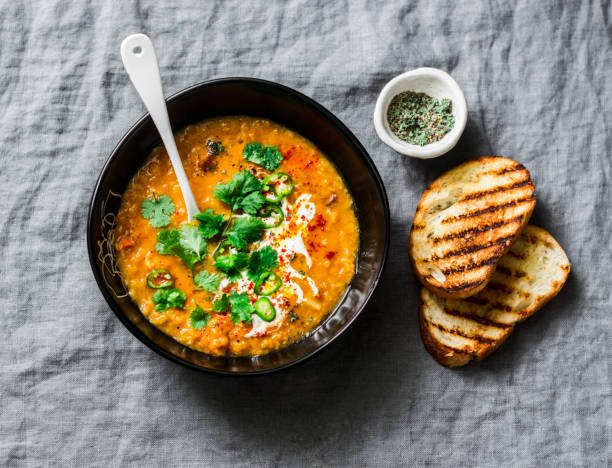
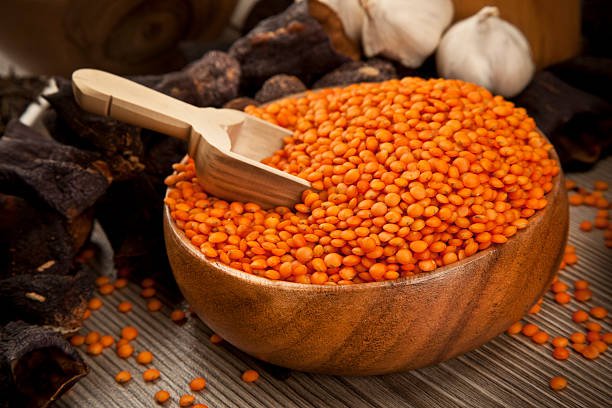
In the realm of plant-based proteins, red lentils shine as a nutritional powerhouse. These small, legume wonders offer a multitude of health benefits while being versatile and delicious.

Packed with essential nutrients, red lentils have become a staple in many cuisines worldwide. In this article, we delve into the health benefits of red lentils and present five easy plant-based recipes that incorporate this nutritious ingredient.

  • Rich Source of Protein and Fiber:
    Red lentils are an excellent plant-based source of protein, making them a valuable addition to vegetarian and vegan diets. With approximately 18 grams of protein per cup, red lentils provide a substantial boost to your daily protein intake. Furthermore, they are abundant in dietary fiber, promoting healthy digestion and aiding in weight management.
  • Promotes Heart Health:
    Red lentils contribute to heart health by lowering the risk of cardiovascular diseases. Their high fiber content helps reduce cholesterol levels and maintain healthy blood pressure. Additionally, red lentils contain folate and magnesium, which support proper heart function and help regulate blood sugar levels.
  • Supports Digestive Health:
    The fiber content in red lentils not only aids digestion but also supports a healthy gut. The insoluble fiber adds bulk to the stool, preventing constipation, while the soluble fiber nourishes beneficial gut bacteria. This combination promotes a healthy digestive system and may reduce the risk of developing digestive disorders.
  • Boosts Energy Levels:
    Red lentils are an excellent source of complex carbohydrates, providing a steady release of energy throughout the day. These slow-burning carbs help maintain stable blood sugar levels and prevent energy crashes, making red lentils an ideal choice for sustained energy and improved productivity.
  • Enhances Weight Management:
    With their high protein and fiber content, red lentils can be a valuable ally in weight management. Protein increases satiety, reducing hunger cravings, while fiber adds bulk to meals, promoting feelings of fullness. By incorporating red lentils into your diet, you can support your weight loss or maintenance goals.

Red Lentil Curry:

Ingredients:

  • 1 cup red lentils
  • 1 onion, diced
  • 2 cloves garlic, minced
  • 1 tablespoon curry powder
  • 1 teaspoon turmeric
  • 1 can (14 ounces) coconut milk
  • 2 cups vegetable broth
  • 1 cup diced tomatoes
  • Salt and pepper to taste
  • Fresh cilantro for garnish
  • Cooked brown rice or whole-grain naan bread (optional, for serving)

Instructions:

  • Rinse the red lentils under cold water until the water runs clear.

  • In a large pot, sauté the onion and garlic until translucent.

  • Add the curry powder and turmeric, stirring for a minute to release their flavors.

  • Add the red lentils, coconut milk, vegetable broth, and diced tomatoes to the pot.

  • Bring the mixture to a boil, then reduce the heat and simmer for about 20 minutes or until the lentils are tender.

  • Season with salt and pepper to taste.
  • Serve the curry over cooked brown rice or with whole-grain naan bread. Garnish with fresh cilantro.

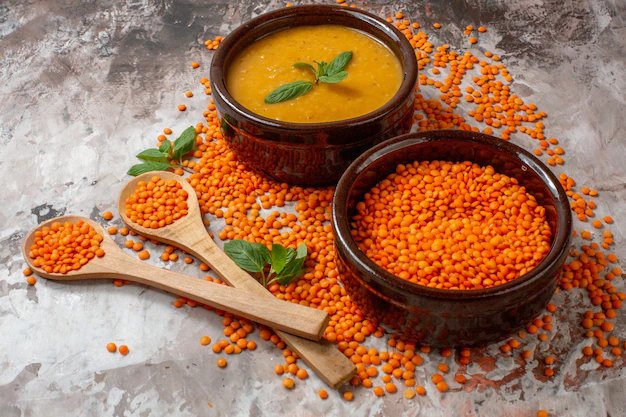
Red Lentil Soup:

Ingredients:

  • 1 cup red lentils
  • 1 onion, diced
  • 2 carrots, diced
  • 2 celery stalks, diced
  • 3 cloves garlic, minced
  • 1 teaspoon cumin
  • 1 teaspoon paprika
  • 6 cups vegetable broth
  • Salt and pepper to taste
  • Fresh parsley for garnish

Instructions:

  • Rinse the red lentils under cold water until the water runs clear.

  • In a large pot, sauté the onion, carrots, celery, and garlic until they begin to soften.

  • Add the cumin and paprika, stirring for a minute.

  • Add the red lentils and vegetable broth to the pot.

  • Bring the mixture to a boil, then reduce the heat and simmer for about 20 minutes or until the lentils are cooked through.

  • Season with salt and pepper to taste.

  • Serve the soup hot, garnished with fresh parsley.

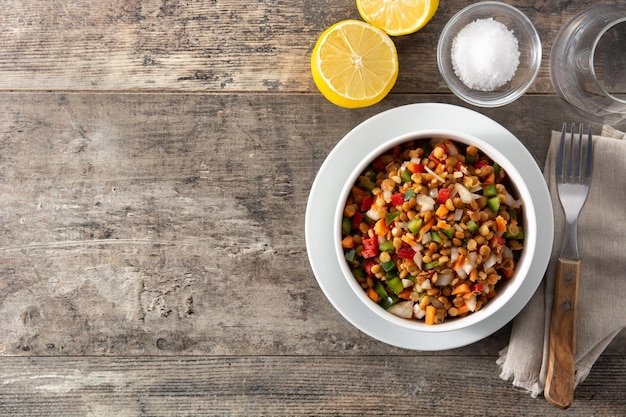
Red Lentil Salad:

Ingredients:

  • 1 cup red lentils
  • 1 cucumber, diced
  • 1 red bell pepper, diced
  • 1 small red onion, thinly sliced
  • 1/4 cup fresh parsley, chopped
  • Juice of 1 lemon
  • 2 tablespoons olive oil
  • Salt and pepper to taste

Instructions:

  • Rinse the red lentils under cold water until the water runs clear.

  • Cook the red lentils according to the package instructions, then drain and let them cool.

  • In a large bowl, combine the cooled lentils, cucumber, red bell pepper, red onion, and fresh parsley.

  • In a small bowl, whisk together the lemon juice, olive oil, salt, and pepper to make the dressing.

  • Pour the dressing over the lentil mixture and toss to combine.

  • Adjust the seasoning if needed.

  • Serve the red lentil salad chilled as a light lunch or side dish.

Red Lentil Dip:

Ingredients:

  • 1 cup red lentils
  • 3 tablespoons tahini
  • Juice of 1 lemon
  • 2 cloves garlic, minced
  • 1 teaspoon cumin
  • Salt and pepper to taste
  • Olive oil for drizzling
  • Whole-grain pita bread or vegetable crudités (for serving)

Instructions:

  • Rinse the red lentils under cold water until the water runs clear.
  • Cook the red lentils according to the package instructions, then drain and let them cool.
  • In a food processor or blender, combine the cooked red lentils, tahini, lemon juice, minced garlic, cumin, salt, and pepper.

  • Blend the mixture until smooth and creamy. If needed, add a splash of water to reach the desired consistency.

  • Taste and adjust the seasoning as desired.

  • Transfer the red lentil dip to a serving bowl and drizzle with olive oil.

  • Serve the dip with whole-grain pita bread or vegetable crudités for a healthy snack or appetizer.

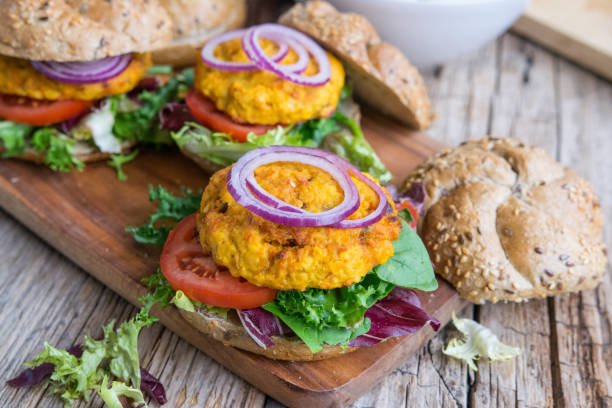
Red Lentil Burgers:

Ingredients:

  • 1 cup red lentils
  • 1 onion, finely chopped
  • 2 cloves garlic, minced
  • 1 carrot, grated
  • 1/2 cup breadcrumbs (use whole-grain breadcrumbs for a healthier option)
  • 2 tablespoons ground flaxseeds mixed with 6 tablespoons water (flaxseed “egg”)
  • 1 teaspoon cumin
  • 1 teaspoon paprika
  • Salt and pepper to taste
  • Burger buns and desired toppings (lettuce, tomato, avocado, etc.)

Instructions:

  • Rinse the red lentils under cold water until the water runs clear.
  • Cook the red lentils according to the package instructions, then drain and let them cool.
  • In a large bowl, mash the cooked red lentils using a fork or potato masher until they are partially mashed but still have some texture.
  • Add the chopped onion, minced garlic, grated carrot, breadcrumbs, flaxseed “egg,” cumin, paprika, salt, and pepper to the bowl.
  • Mix everything together until well combined. If the mixture seems too wet, add a bit more breadcrumbs.
  • Shape the mixture into patties of your desired size.
    Heat a lightly oiled skillet or grill pan over medium heat.
  • Cook the lentil burgers for about 4-5 minutes on each side or until they are golden brown and heated through.
  • Toast the burger buns if desired and assemble the lentil burgers with your favorite toppings.
  • Serve the red lentil burgers as a delicious and protein-rich plant-based meal.

Red lentils are a nutritional powerhouse, offering a range of health benefits that support overall well-being. From being a rich source of protein and fiber to promoting heart health, supporting digestion, boosting energy levels, and aiding weight management, red lentils deserve a prominent place in our diet. Their versatility allows for easy incorporation into a variety of plant-based recipes.

By exploring the five simple and delicious plant-based recipes provided, you can start reaping the benefits of red lentils today. Whether it’s a flavorful curry, a hearty soup, a refreshing salad, a creamy dip, or a satisfying burger, these recipes showcase the versatility and nutritional value of red lentils.

So, next time you plan your meals, consider adding red lentils to enjoy their exceptional taste and health benefits. Your body will thank you for this nourishing and delicious addition to your diet.

Disclaimer: The information provided in this article is for informational purposes only and should not be considered as medical advice. It is always recommended to consult with a healthcare professional or registered dietitian before making significant changes to your diet.

As you incorporate red lentils into your culinary repertoire, remember to enjoy their health benefits in moderation as part of a balanced diet. Red lentils are a versatile and nutritious ingredient that can elevate the nutritional profile of your meals while also adding delightful flavors and textures.


References:

The United States Department of Agriculture (USDA) FoodData Central. (n.d.). Red Lentils. Retrieved from https://fdc.nal.usda.gov/fdc-app.html#/food-details/337358/nutrients

Ambika, A. (2020). A Review on Health Benefits of Red Lentils. International Journal of Science and Research, 9(2), 687-690. Retrieved from https://www.ijsr.net/archive/v9i2/SR20203123001.pdf

Mayo Clinic. (2021). Dietary fiber: Essential for a healthy diet. Retrieved from https://www.mayoclinic.org/healthy-lifestyle/nutrition-and-healthy-eating/in-depth/fiber/art-20043983

Graf, D., & Amoussa, A. (2017). Nutritional composition of legumes and their health benefits. In Nutritional Composition of Fruit Cultivars (pp. 261-301). Academic Press.

Narsing Rao, G., & Prabhakar, J. V. (2014). Nutritional and health benefits of pulses. Food Quality and Safety, 1(3), 133-147. Retrieved from https://doi.org/10.1093/fqsafe/fyu013

Design a site like this with WordPress.com
Get started