From Exotic Delicacy to Superfood: How Durian Boosts Your Health

Durian, often referred to as the “king of fruits,” has long been prized for its unique flavor and distinct aroma. Native to Southeast Asia, this spiky fruit has transcended its status as a mere exotic delicacy and has emerged as a superfood, celebrated for its remarkable health benefits. In recent years, durian has gained global popularity, captivating the taste buds of adventurous food enthusiasts and health-conscious individuals alike. This article delves into the fascinating transformation of durian, exploring its nutritional profile and examining how its consumption can positively impact various aspects of our health. From supporting digestive health and cardiovascular function to boosting immunity and promoting mental well-being, discover the incredible health-boosting potential of durian.


The Journey of Durian from Exotic Delicacy to Superfood

The History and Cultural Significance of Durian

Durian, the infamously pungent fruit, has a long and storied history that stretches back centuries. Native to Southeast Asia, durian has played a significant role in the region’s culture and cuisine. Revered by some as the “king of fruits,” it is a staple ingredient in traditional dishes and often enjoyed as a dessert or snack.


Rising Popularity and Global Demand

In recent years, durian has gained popularity beyond its native lands, captivating curious taste buds around the world. With its unique and complex flavor profile, durian has become a sought-after exotic delicacy, often commanding high prices in international markets. Its rising demand has led to increased cultivation and export, making it more accessible to a global audience.


Nutritional Profile of Durian: A Powerhouse of Essential Nutrients

Macronutrients in Durian

Durian is a nutrient powerhouse, offering a range of macronutrients to support a healthy diet. It is surprisingly low in calories for its rich taste, with approximately 367 calories per 100 grams. It contains carbohydrates for energy, proteins for muscle repair, and fats for satiety and vitamin absorption.


Key Vitamins and Minerals Found in Durian

Durian is packed with essential vitamins and minerals that contribute to overall well-being. It is particularly rich in vitamin C, providing more than 30% of the recommended daily intake per serving. Additionally, it contains impressive amounts of B vitamins, including thiamine, riboflavin, and niacin, which support metabolism and energy production. Durian is also a good source of minerals like potassium, magnesium, and iron.


Durian’s Impact on Digestive Health: Promoting Gut Health and Relieving Constipation

Dietary Fiber Content in Durian

One of durian’s notable health benefits is its high dietary fiber content. Fiber is essential for maintaining a healthy digestive system, aiding in regular bowel movements, and preventing constipation. A 100-gram serving of durian can provide up to 9% of the daily recommended fiber intake.
Promoting Healthy Bowel Movements
Thanks to its fiber content, durian can help promote healthy bowel movements and relieve constipation. The fiber acts as a natural bulking agent, adding bulk to the stool and facilitating its smooth passage through the digestive tract. Regular consumption of durian can contribute to a more efficient digestive system and alleviate common gastrointestinal issues.


Durian and Cardiovascular Health: Lowering Cholesterol and Improving Heart Function

Heart-Healthy Fats in Durian

Contrary to popular belief, durian contains mainly monounsaturated and polyunsaturated fats, which are considered heart-healthy fats. These fats can help lower bad cholesterol levels and reduce the risk of heart disease when consumed as part of a balanced diet.
Phytochemicals and Antioxidants for Cardiovascular Support
Durian is also rich in phytochemicals and antioxidants that provide cardiovascular support. These compounds help reduce inflammation, protect against oxidative stress, and support optimal heart function. Regular consumption of durian, along with a heart-healthy lifestyle, may contribute to improved cardiovascular health.In conclusion, durian has evolved from an exotic delicacy to a superfood with its impressive nutritional profile and potential health benefits. Whether you’re a fan of its distinct aroma or willing to overlook it for the sake of its taste, incorporating durian into your diet can be a delicious and nutritious way to support your overall well-being. So, the next time you crave a tropical treat, consider giving this spiky fruit a try!


Durian’s Antioxidant Properties: Fighting Free Radicals and Boosting Immunity

Antioxidant Content in Durian

Durian may be known for its distinctive aroma, but it’s also packed with antioxidants that can do wonders for your health. This exotic fruit contains a variety of antioxidants, including vitamin C, vitamin E, and various phytonutrients like flavonoids and carotenoids. These powerful compounds help neutralize harmful free radicals in the body, protecting cells from damage and reducing the risk of chronic diseases.
Health Benefits of Antioxidants for the Immune System
By fighting off free radicals, the antioxidants in durian can give your immune system a much-needed boost. A strong immune system is crucial for staying healthy and warding off illnesses. Regularly consuming durian, with its impressive antioxidant profile, can help fortify your body’s natural defenses and keep you feeling your best.


Durian and Mental Health: Enhancing Cognitive Function and Mood Regulation

Neuroprotective Compounds in Durian

Did you know that durian might not only be a treat for your palate but also for your brain? This fruit contains several compounds that are believed to have neuroprotective properties. These compounds, such as antioxidants and flavonoids, help protect brain cells from oxidative stress and inflammation, potentially enhancing cognitive function and promoting overall brain health.


Potential Effects on Cognitive Function and Mood

While more research is needed, some early studies suggest that the neuroprotective compounds in durian could contribute to improved cognitive function and mood regulation. So, the next time you enjoy a bite of this tropical delight, remember that it might not just be satisfying your taste buds, but also potentially benefiting your brain.


Durian’s Potential Anti-inflammatory Effects: Alleviating Pain and Reducing Inflammation

Inflammatory Markers and Durian Consumption

Inflammation is a natural response by the body to protect itself from injury or infection. However, chronic inflammation can lead to various health problems. Durian contains compounds that have been studied for their potential anti-inflammatory effects. These compounds may help reduce the levels of inflammatory markers in the body, offering relief from pain and promoting overall well-being.


Anti-inflammatory Properties and Health Benefits

While more studies are needed to fully understand the extent of durian’s anti-inflammatory properties, incorporating this fruit into your diet may have potential benefits for managing inflammation-related conditions. Its natural compounds may help alleviate pain, improve joint health, and promote a healthier inflammatory response in the body.


Incorporating Durian into a Balanced Diet for Optimal Health

Tips for Enjoying Durian as Part of a Healthy Eating Plan

If you’re intrigued by the health-boosting potential of durian, incorporating it into your diet can be a delicious and nutritious choice. Here are a few tips for enjoying durian as part of a healthy eating plan:

1. Opt for fresh durian whenever possible. Fresh fruit retains more of its nutrients compared to processed or frozen versions.

2. Enjoy durian in moderation. While this fruit offers numerous health benefits, it is also high in calories and carbohydrates. Balance your intake with other nutritious foods.

3. Experiment with different recipes. Durian can be used in smoothies, desserts, or even savory dishes. Get creative in the kitchen and explore new ways to incorporate this exotic fruit into your meals.


Key Takeaways and Final Thoughts on Durian’s Health-Boosting Potential

Durian, once considered an exotic delicacy, has now earned its place as a superfood due to its impressive health-boosting properties. From its antioxidant content that supports immune health to its potential effects on cognitive function and mood regulation, durian offers a range of benefits worth exploring. Additionally, its possible anti-inflammatory effects make it an intriguing option for those seeking natural pain relief and improved overall well-being. So, don’t be afraid to give this spiky fruit a try and see how it can contribute to your journey towards optimal health – just hold your nose and dive in!


Incorporating Durian into a Balanced Diet for Optimal Health

Incorporating durian into your diet can be a flavorful and nutritious way to boost your overall health. With its abundance of essential nutrients, antioxidants, and potential health benefits, durian has transcended its reputation as a mere exotic delicacy to emerge as a superfood. Whether you enjoy it in its natural form, as an ingredient in a delicious recipe, or as a supplement, durian offers a wide array of advantages for your digestive health, cardiovascular system, immune function, mental well-being, and more. So why not embrace this remarkable fruit and experience the transformation it can bring to your health and well-being? Give durian a try and reap the benefits of this extraordinary superfood.


FAQ

1. Is durian suitable for everyone?
Durian can be enjoyed by most individuals, but it is important to note that some people may have a strong aversion to its distinct aroma. Additionally, individuals with certain medical conditions such as diabetes or kidney issues may need to moderate their consumption due to durian’s natural sugar content and potassium levels. As with any food, it is always recommended to consult with a healthcare professional or registered dietitian before making significant changes to your diet.

2. How can I select a ripe durian?
When selecting a ripe durian, look for fruits with a slightly soft outer shell and a distinct aroma. The aroma should be inviting and fragrant, without being overpowering or unpleasant. Additionally, durian should have cracks on its shell, which indicate that it is ripe. You can also gently shake the durian to listen for a slight movement inside, indicating that the fruit is ready to be enjoyed.

3. Can I consume durian if I have a sensitive stomach?
While durian is generally well-tolerated, some individuals with sensitive stomachs may experience discomfort or bloating after consuming it. This could be due to the fruit’s high fiber content. If you have a sensitive stomach, it is recommended to start with a small portion of durian and monitor your body’s response. Additionally, consuming durian in moderation and alongside other foods may help ease any potential digestive issues.

4. Are there any alternatives to consuming fresh durian?
If you are unable to find fresh durian or prefer a different form of consumption, there are alternative options available. Durian can be found in frozen or dried forms, as well as in the form of durian-based products such as durian chips, durian ice cream, or durian-flavored desserts. However, it is important to check the ingredients and nutritional information of these products, as they may contain added sugars or other additives that could affect their overall health benefits.

Supercharge Your Health: Discover the Secret Benefits of Plant-Based Fatty Acids

The Rising Popularity of Plant-Based Fatty Acids

In recent years, there has been a remarkable surge in the popularity of plant-based fatty acids, with growing interest in their potential health benefits. As more people seek natural and sustainable approaches to enhance their well-being, plant-based fatty acids have emerged as a compelling option. These healthy fats, such as omega-3, omega-6, and omega-9, offer a wide range of advantages for our bodies and minds. In this article, we will delve into the secret benefits of plant-based fatty acids, exploring the science behind them and highlighting their potential to supercharge your health. Discover the transformative impact of incorporating plant-based fatty acids into your diet and unlock the path to optimal well-being.


Exploring the Shift: Why Plant-Based Fatty Acids are Gaining Traction

In recent years, there has been a significant shift in the way people approach their diets and overall health. One trend that has gained tremendous popularity is the adoption of plant-based fatty acids. Gone are the days when fats were seen as the enemy hiding in our food. Now, we are embracing the power of healthy fats, especially those derived from plants.So, what exactly is driving this change? Well, people are becoming more aware of the impact their food choices have on their bodies. They are seeking alternatives to animal-based fats, such as those found in meat and dairy products, and are turning to plant-based sources instead. These plant-based fatty acids offer a wide array of health benefits that are hard to ignore.


Understanding the Science: What are Plant-Based Fatty Acids?

The Basics: Defining Plant-Based Fatty Acids

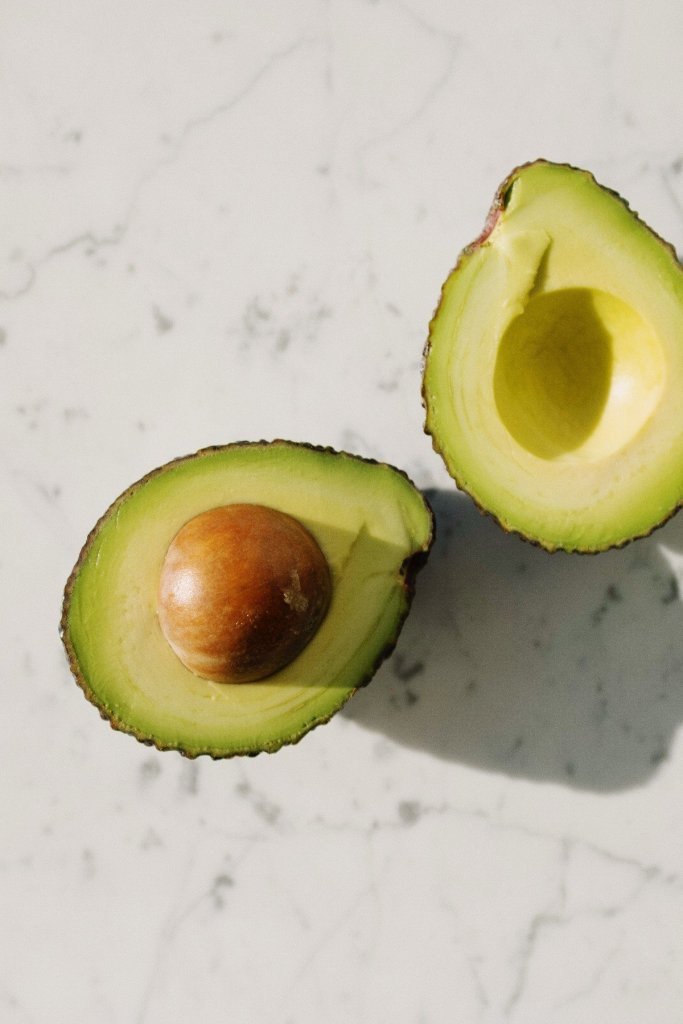
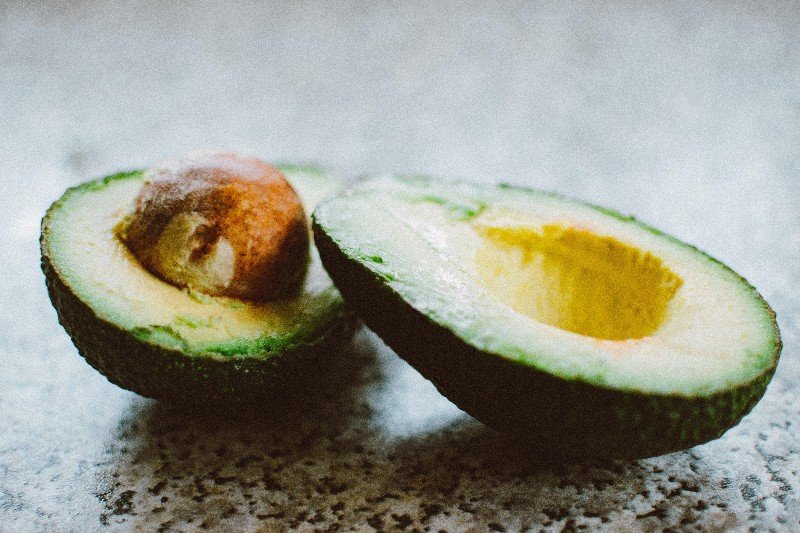
Before we dive into the benefits, let’s get a handle on what plant-based fatty acids actually are. Fatty acids are building blocks of fat molecules, and they play a crucial role in several bodily functions. Plant-based fatty acids, as the name suggests, are fats derived from plants. They are typically found in foods such as avocados, nuts, seeds, and oils extracted from plants.


Types of Plant-Based Fatty Acids: Omega-3, Omega-6, and Omega-9

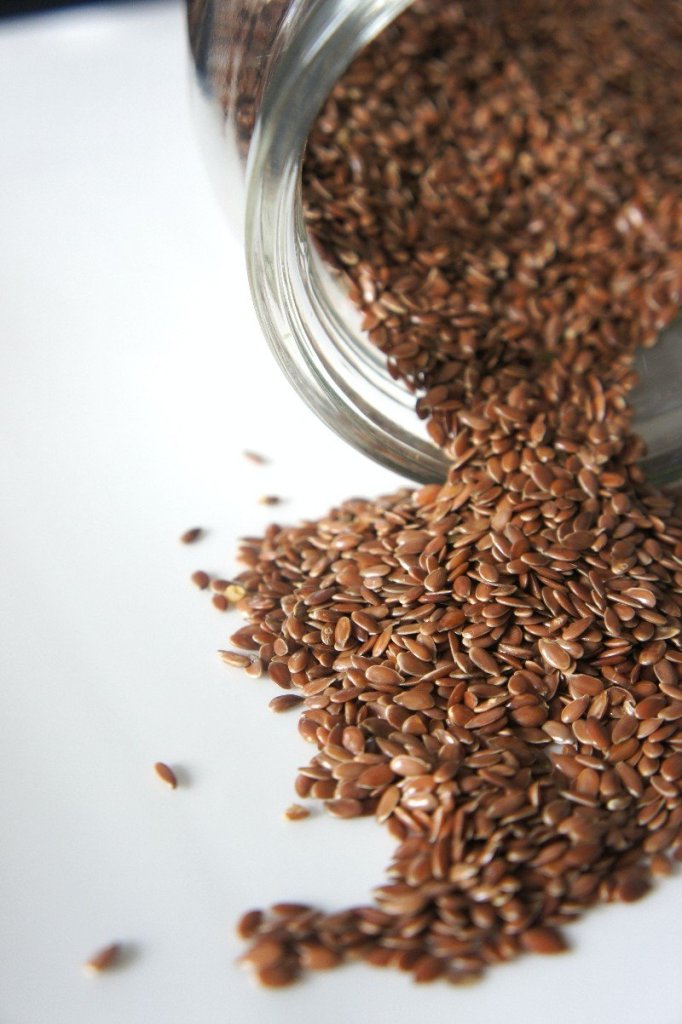
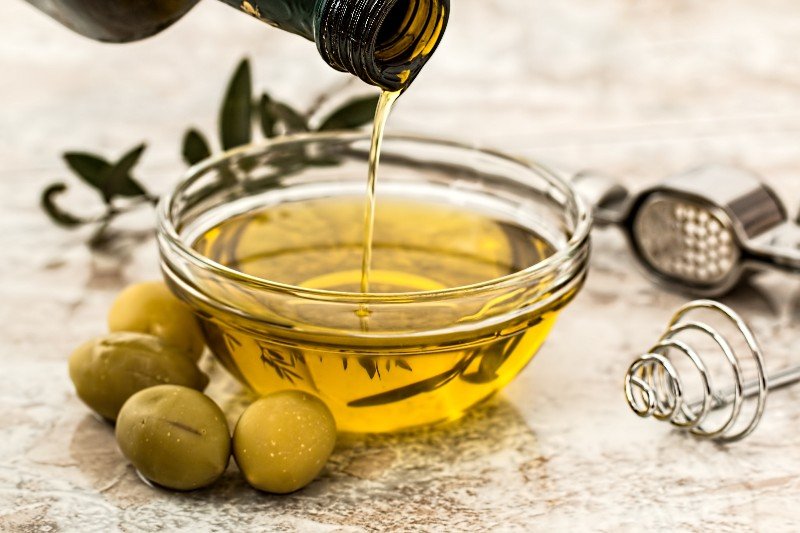
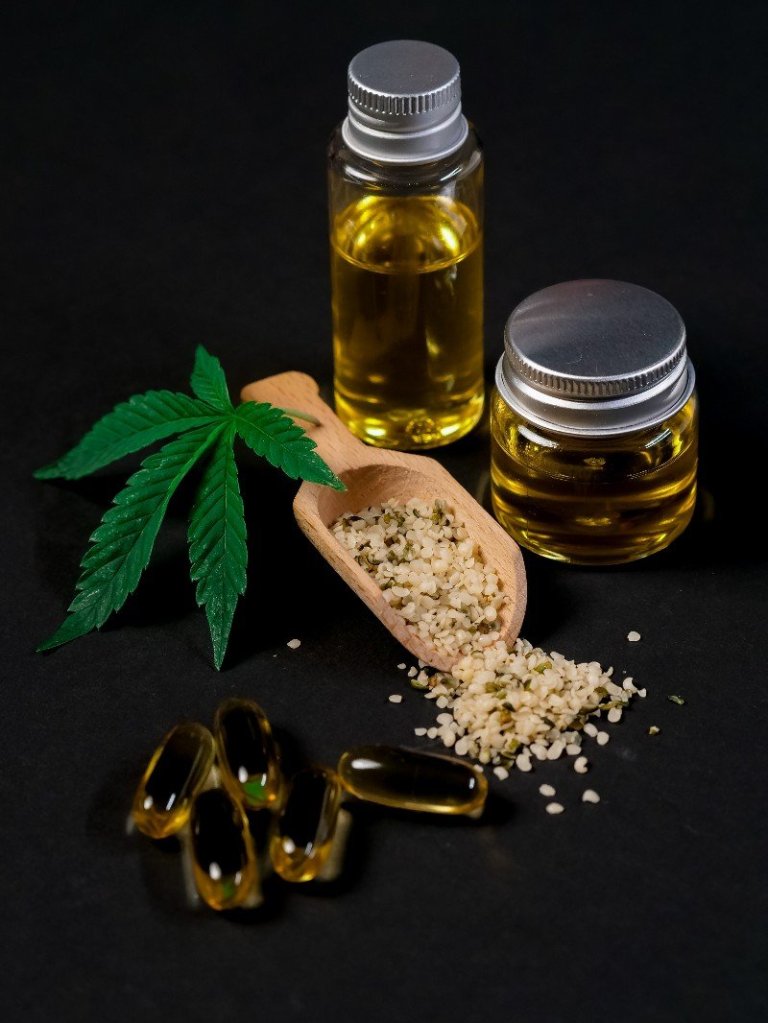
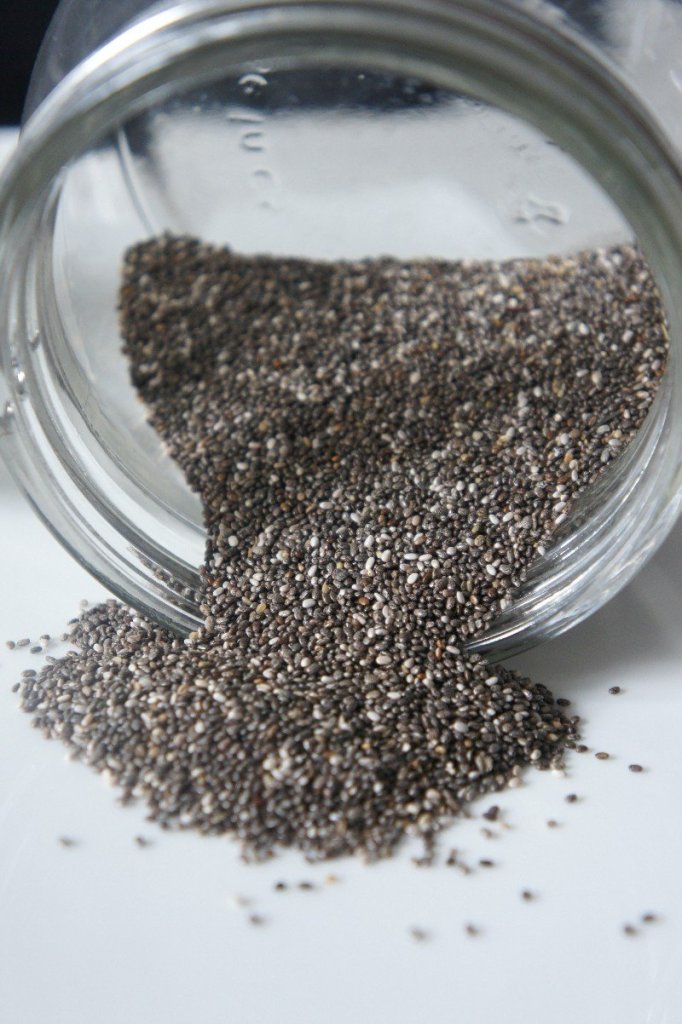
Now that we know what plant-based fatty acids are, let’s take a closer look at the different types. The most well-known ones are omega-3, omega-6, and omega-9 fatty acids. Omega-3 fatty acids are commonly found in flaxseeds, chia seeds, walnuts, and fatty fish like salmon. Omega-6 fatty acids are abundant in foods like sesame oil, sunflower oil, and hemp seeds. Lastly, omega-9 fatty acids are found in olive oil, avocados, and macadamia nuts.


The Health Benefits of Plant-Based Fatty Acids

Powerful Nutritional Profile: Essential Nutrients Found in Plant-Based Fatty Acids
Plant-based fatty acids are not only delicious but also brimming with essential nutrients. They are rich in vitamins, minerals, and antioxidants, which are vital for maintaining optimal health. These nutrients contribute to improved brain function, healthy skin, a strengthened immune system, and more.
Improved Nutrient Absorption: The Role of Plant-Based Fatty Acids in Enhancing Digestion
Not only do plant-based fatty acids provide essential nutrients, but they also help our bodies absorb other nutrients more efficiently. These healthy fats aid in the absorption of fat-soluble vitamins like vitamins A, D, E, and K. So, by incorporating plant-based fatty acids into your diet, you’re not only nourishing your body with valuable nutrients but also ensuring that you get the most out of your meals.


Supercharging Heart Health: Plant-Based Fatty Acids and Cardiovascular Wellness

Lowering Cholesterol Levels: Plant-Based Fatty Acids as Heart-Healthy Alternatives

When it comes to heart health, plant-based fatty acids have proven to be quite the superheroes. They have been shown to help lower LDL (bad) cholesterol levels while increasing HDL (good) cholesterol levels. By replacing saturated fats from animal sources with healthy plant-based fats, you can give your heart a fighting chance against cardiovascular diseases.
Reducing Pressure: The Impact of Plant-Based Fatty Acids on Hypertension
Another fantastic benefit of plant-based fatty acids is their potential to lower blood pressure. High blood pressure is a significant risk factor for heart disease, and by incorporating these healthy fats into your diet, you can help keep your blood pressure in check. So, if you’re looking for a natural way to support your cardiovascular wellness, plant-based fatty acids are definitely worth considering.In conclusion, plant-based fatty acids are gaining traction in the health and wellness world for good reason. They offer a plethora of benefits, from providing essential nutrients and enhancing nutrient absorption to supercharging heart health. So, why not embrace the power of plant-based fats and give your body the nourishment it deserves? Who knew that something as simple as adding avocado to your morning toast could have such a positive impact on your health?


Supporting Brain Function: The Cognitive Benefits of Plant-Based Fatty Acids

Brain Health and Development: How Plant-Based Fatty Acids Contribute

When it comes to keeping our brains sharp and functioning at their best, it turns out that plant-based fatty acids are the unsung heroes. These fatty acids, such as omega-3, omega-6, and omega-9, play a crucial role in brain health and development. They are essential for the formation and maintenance of cell membranes in the brain, which are responsible for proper signaling between brain cells. By incorporating plant-based fatty acids into our diets, we can give our brains the boost they need to stay sharp and focused.
Enhancing Memory and Cognitive Function: The Positive Effects of Plant-Based Fatty Acids
If you’re tired of misplacing your keys or feeling like you’re in a mental fog, plant-based fatty acids might be just what you need. Research has shown that these healthy fats can enhance memory and cognitive function. They help support brain cell communication and promote the growth of new brain cells, making it easier for us to remember things and think clearly. So, next time you’re feeling forgetful, consider adding some plant-based fatty acids to give your brain the extra support it craves.


Promoting Joint Health: Plant-Based Fatty Acids and Inflammation Reduction

Fighting Inflammation Naturally: The Anti-inflammatory Properties of Plant-Based Fatty Acids

Inflammation can be a real pain, especially when it comes to our joints. But fear not, because plant-based fatty acids are here to save the day. These incredible fats have powerful anti-inflammatory properties that can help reduce joint inflammation and alleviate discomfort. By incorporating plant-based fatty acids into our diet, we can help keep those pesky joint aches at bay and promote better overall joint health.
Alleviating Joint Pain: Plant-Based Fatty Acids for Improved Mobility
Say goodbye to those days of feeling stiff and achy. Plant-based fatty acids have been shown to not only reduce inflammation but also alleviate joint pain. By reducing inflammation in the joints, these healthy fats can improve our overall mobility, allowing us to move with ease and comfort. So, if you’re tired of feeling like the Tin Man from “The Wizard of Oz,” consider adding some plant-based fatty acids to your diet and start feeling more like Dorothy skipping down the yellow brick road.


Optimal Nutrition: Incorporating Plant-Based Fatty Acids into Your Diet

Plant-Based Fatty Acid Sources: Foods Rich in Omega-3, Omega-6, and Omega-9

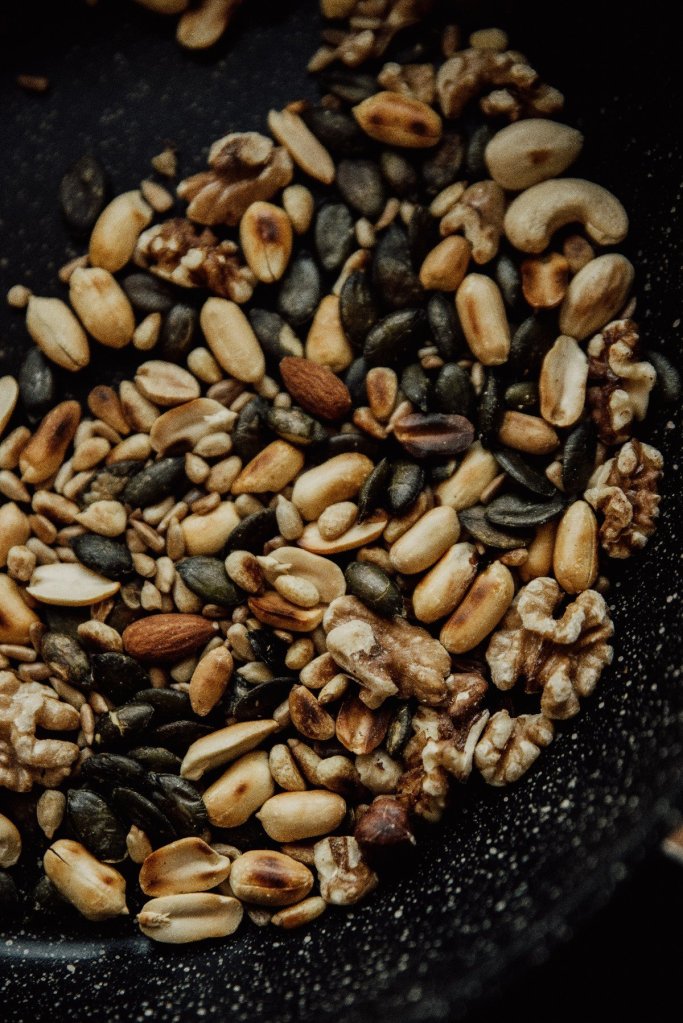
Now that we’ve uncovered the amazing benefits of plant-based fatty acids, you’re probably wondering how to incorporate them into your diet. Luckily, nature has provided us with an abundance of plant-based sources rich in omega-3, omega-6, and omega-9 fatty acids. Some excellent sources include flaxseeds, chia seeds, walnuts, hemp seeds, avocados, and olive oil. By adding these foods to your meals and snacks, you can ensure that you’re getting a healthy dose of these beneficial fats.
Meal Ideas and Recipes: Delicious Ways to Include Plant-Based Fatty Acids in Your Diet
Incorporating plant-based fatty acids into your diet doesn’t have to be boring or complicated. There are plenty of delicious meal ideas and recipes that can help you get your daily dose of these healthy fats. How about a refreshing avocado and quinoa salad with a drizzle of olive oil and a sprinkle of walnuts? Or perhaps a mouthwatering flaxseed-crusted baked tofu? The possibilities are endless, and with a little creativity, you can enjoy both the health benefits and the delicious flavors that plant-based fatty acids have to offer.
8. Conclusion: Embracing the Power of Plant-Based Fatty Acids for Enhanced Health
So, there you have it—plant-based fatty acids are the superheroes we never knew we needed. From supporting brain function to promoting joint health and providing optimal nutrition, these fats offer a myriad of benefits for our overall health and wellbeing. By incorporating plant-based fatty acids into our diets, we can supercharge our health and enjoy the many rewards that come with it. So go ahead, embrace the power of these incredible fats and experience a healthier and happier you. Your brain, joints, and taste buds will thank you!


Embracing the Power of Plant-Based Fatty Acids for Enhanced Health

In conclusion, the power of plant-based fatty acids in promoting enhanced health and well-being cannot be overstated. From supporting cardiovascular wellness and brain function to reducing inflammation and nourishing joints, these healthy fats offer a myriad of benefits. By incorporating plant-based fatty acids into your diet through sources like flaxseeds, chia seeds, avocados, and nuts, you can tap into their transformative potential. Embrace the secret benefits of plant-based fatty acids, and embark on a journey towards improved vitality, longevity, and overall wellness. Supercharge your health today!


FAQ
1. Are plant-based fatty acids suitable for all dietary preferences, including vegan and vegetarian diets?
Yes, plant-based fatty acids are ideal for individuals following vegan, vegetarian, or plant-based diets. These healthy fats can be obtained from various plant-based sources such as flaxseeds, chia seeds, hemp seeds, walnuts, and avocados, making them a perfect addition to plant-centric eating patterns.

2. Can plant-based fatty acids provide enough nutritional benefits without consuming animal products?
Absolutely! Plant-based fatty acids, especially omega-3 fats, are known for their vital role in maintaining optimal health. While animal-based sources like fish are commonly associated with omega-3 fatty acids, plant sources like flaxseeds, chia seeds, and walnuts are excellent alternatives for obtaining these essential nutrients without consuming animal products.

3. How can I incorporate plant-based fatty acids into my daily diet?
Incorporating plant-based fatty acids into your daily diet is simple and versatile. You can add a tablespoon of ground flaxseeds or chia seeds to your morning smoothie or cereal. Avocados can be enjoyed in salads, sandwiches, or as a creamy spread. Nuts like almonds, walnuts, and cashews can be consumed as a snack or added to meals. Experiment with different recipes that include these nutritious ingredients and enjoy the numerous health benefits they offer.

4. Are there any side effects or risks associated with consuming plant-based fatty acids?
Plant-based fatty acids are generally safe and well-tolerated. However, it is important to consume them in moderation as part of a balanced diet. Additionally, individuals with specific medical conditions or those taking certain medications may need to consult with a healthcare professional before making significant dietary changes. It is always recommended to listen to your body and make informed choices based on your unique needs and circumstances.

10 Creative Ways to Use Essential Oils in Vegan Desserts

Introduction to Essential Oils in Vegan Desserts


When it comes to creating delectable vegan desserts, essential oils can be a game-changer. These concentrated plant extracts not only add unique and delightful flavors but also bring a plethora of health benefits to your sweet treats. In this article, we will explore the exciting world of essential oils in vegan desserts and discover how they can elevate your culinary creations. From understanding the role of essential oils to experimenting with unconventional combinations, we will delve into various ways to incorporate these aromatic oils into your vegan desserts. Get ready to embark on a journey of culinary creativity where essential oils become your secret ingredient for delicious and health-conscious desserts.


Introduction to Essential Oils in Vegan Desserts


Understanding the Role of Essential Oils in Vegan Desserts

When it comes to adding flavor and aroma to vegan desserts, essential oils are a game-changer. These concentrated plant extracts are bursting with natural goodness that can take your sweet treats to a whole new level. From citrusy notes to floral undertones, essential oils offer a world of possibilities for the adventurous vegan baker.
The Benefits of Using Essential Oils in Vegan Dessert Recipes
Not only do essential oils add unique flavors to your vegan desserts, but they also come with a range of health benefits. These oils are known for their antioxidant, antimicrobial, and anti-inflammatory properties, making them a great addition to your plant-based treats. So not only will your desserts taste amazing, but they’ll also provide a little extra nourishment.


Exploring the Health Benefits of Essential Oils in Desserts

Overview of the Health Benefits of Essential Oils

Essential oils have been used for centuries in traditional medicine due to their various health benefits. From improving digestion and promoting relaxation to boosting the immune system and reducing stress, these powerful extracts have a lot to offer. Incorporating them into your desserts allows you to enjoy their goodness in a delicious and enjoyable way.

Specific Health Benefits of Essential Oils in Vegan Desserts
When it comes to vegan desserts, certain essential oils can have specific benefits. For example, peppermint oil can aid digestion and provide a refreshing twist, while lavender oil can promote relaxation and add a gentle floral touch. By choosing the right essential oils, you can not only delight your taste buds but also give your body a little extra love.


Essential Oils as Flavor Enhancers in Vegan Desserts

How Essential Oils Elevate the Flavor Profile of Vegan Desserts

Essential oils have the power to transform ordinary vegan desserts into extraordinary culinary creations. By adding just a few drops of lemon oil, you can brighten up a cake, while a hint of orange oil can lend a zesty kick to your cookies. These oils offer intense and concentrated flavors that can take your desserts from good to exceptional.
Choosing the Right Essential Oils for Different Flavors
When it comes to choosing essential oils for your vegan desserts, it’s important to consider the flavor profiles you want to achieve. For fruity desserts, oils like lemon, lime, or grapefruit can work wonders. Floral desserts can benefit from lavender, rose, or jasmine oils. And for a touch of warmth, spices like cinnamon, ginger, or cardamom oils can do the trick. Experimentation is the key to finding the perfect combination for your taste buds.


Unique Essential Oil Combinations for Vegan Dessert Recipes

Exploring Unconventional Essential Oil Pairings in Vegan Desserts

Why stick to the ordinary when you can venture into the extraordinary? Think outside the box and try unconventional essential oil pairings in your vegan desserts. Discover how bergamot and dark chocolate dance together, or how grapefruit and basil create an unexpected symphony of flavors. The possibilities are endless, and you might just stumble upon a combination that becomes your new dessert signature.
Creating Harmonious Flavor Profiles with Essential Oil Combinations
When exploring essential oil combinations, it’s important to ensure that the flavors harmonize well. Aim for balance and synergy among the different oils you choose. For instance, try pairing floral oils with citrus or herbaceous oils to create a well-rounded flavor profile. With a little creativity and a dash of experimentation, you can create desserts that not only taste amazing but also showcase the magic of essential oil combinations.


Incorporating Essential Oils in Baked Vegan Desserts

Tips and Techniques for Adding Essential Oils to Baked Vegan Treats

Adding essential oils to your baked vegan desserts can take your treats to a whole new level of flavor. However, it’s important to approach this with caution and follow a few key tips. First and foremost, make sure you are using high-quality, food-grade essential oils. Not all essential oils are safe for consumption, so be sure to do your research and choose oils specifically labeled for culinary use.When it comes to incorporating essential oils in your baked vegan desserts, a little goes a long way. These oils are potent, so start with just a few drops and taste as you go. Remember, you can always add more if needed, but you can’t take it away if you’ve added too much.Another important consideration is the heat sensitivity of essential oils. Some oils can lose their flavor or even become bitter when subjected to high temperatures. To preserve the integrity of the oils, it’s best to add them to your baked goods towards the end of the cooking process, or even after they have cooled.


Delicious Baked Vegan Dessert Recipes Utilizing Essential Oils

Ready to put these tips into action? Here are a couple of delectable baked vegan dessert recipes that incorporate essential oils:

Lemon Lavender Cupcakes: Add a burst of floral flavor to your cupcakes by incorporating a few drops of lavender essential oil into the batter. Finish them off with a zesty lemon glaze for a truly delightful treat.

Peppermint Brownies: For a refreshing twist on the classic chocolate brownie, add a touch of peppermint essential oil to the batter. It will give your brownies a wonderfully cool and minty flavor that pairs perfectly with the rich chocolatey goodness.

Orange Creamsicle Energy Balls: Combine the uplifting aroma of orange essential oil with creamy cashew butter, medjool dates, and shredded coconut to create a nutritious and flavorful energy snack that will transport you back to childhood summers.

Mint Chocolate Chia Pudding: Infuse the refreshing taste of peppermint into a rich and velvety chocolate chia pudding. The combination of cool mint and decadent chocolate makes for a satisfying and healthy dessert option.Stay tuned for more creative ways to use essential oils in vegan desserts in the next sections of this article!


Using Essential Oils in Vegan Frostings and Icings

Elevating Vegan Frostings and Icings with Essential Oils

Who says vegan frostings and icings have to be boring? By incorporating essential oils, you can take your vegan desserts to a whole new level of flavor and sophistication. Whether you’re looking to add a hint of citrus or a touch of floral elegance, essential oils can provide that extra oomph to your frostings and icings.When adding essential oils to frostings and icings, the same principles apply as with baked goods. Start with a small amount, taste as you go, and adjust according to your preference. As always, choose food-grade essential oils from reputable sources to ensure safety and flavor quality.


Delightful Vegan Frosting and Icing Recipes Featuring Essential Oils

Here are a couple of delightful vegan frosting and icing recipes that incorporate essential oils:

Lemon Coconut Cream Frosting: Add a tangy twist to your cupcakes or cakes by whipping up a lemon-infused coconut cream frosting. Simply mix a few drops of lemon essential oil with coconut cream, powdered sugar, and a touch of vanilla extract for a frosting that is light, refreshing, and bursting with flavor.

Lavender Vanilla Glaze: Drizzle this heavenly lavender-infused vanilla glaze over your vegan cinnamon rolls or sugar cookies. Combine powdered sugar, almond milk, vanilla extract, and a dash of lavender essential oil for a glaze that will transport your taste buds straight to a lavender-scented dream.


Essential Oil-Infused Vegan Dessert Toppings and Garnishes

Enhancing Vegan Dessert Presentation with Essential

Oil-Infused Toppings
Now that you’ve discovered how to incorporate essential oils into baked goods, no-bake treats, and frostings, it’s time to explore how they can elevate your vegan dessert toppings and garnishes. From sauces to nut butters and everything in between, there are countless opportunities to add a burst of flavor and flair to your desserts.By infusing essential oils into your toppings and garnishes, you can create unique and Instagram-worthy creations that will impress your friends and family. Don’t be afraid to get creative and experiment with different combinations to find your perfect pairing.
Creative and Flavorful Essential Oil-Infused Vegan Dessert Topping Ideas
Here are a few creative and flavorful ideas for essential oil-infused vegan dessert toppings and garnishes:

Citrus Berry Sauce: Add a few drops of grapefruit or orange essential oil to a simple berry sauce for a vibrant burst of citrusy flavor. Pour it over your favorite vegan cheesecake or ice cream, and watch your dessert transform into something truly extraordinary.

Vanilla Cinnamon Almond Butter: Take your regular almond butter up a notch by infusing it with a hint of vanilla and a sprinkle of cinnamon essential oil. This aromatic and creamy spread will add a delightful twist to your morning toast or as a topping for vegan pancakes.


Remember to use essential oils sparingly and to adjust the quantity to suit your taste. Enjoy experimenting with these essential oil-infused vegan dessert toppings and let your creativity run wild!
Incorporating essential oils into your vegan desserts opens up a world of possibilities for creating unique, flavorful, and healthier treats. Whether you’re infusing them into baked goods, adding them to frostings and icings, or using them as garnishes, essential oils can truly transform your desserts into culinary masterpieces. So go ahead and experiment with different oils, explore new combinations, and let your creativity run wild in the kitchen. With the power of essential oils, your vegan desserts will never be the same again!


FAQ
1. Are essential oils safe to consume in desserts?
Yes, essential oils can be safe for consumption in desserts when used properly and in moderation. It’s important to choose high-quality, food-grade essential oils specifically labeled for internal use. Additionally, start with small amounts and gradually increase as per taste preference. Always read the instructions and warnings provided by the essential oil manufacturer.

2. Can I substitute essential oils with other ingredients in vegan desserts?
While essential oils can add unique flavors to vegan desserts, they can be substituted with other ingredients in some cases. For instance, you can use fresh citrus zest or extracts like vanilla or almond for similar flavor profiles. However, keep in mind that the intensity and complexity of flavors may differ. Experimentation is key to find the best substitutes for essential oils in your specific dessert recipe.

3. How do I store and preserve desserts made with essential oils?
When it comes to storing desserts infused with essential oils, it’s crucial to keep them in airtight containers to prevent flavor loss and maintain freshness. Store them in cool, dry places away from direct sunlight. Some essential oils may have a longer shelf life than others, so it’s advisable to check the recommended storage methods for each specific oil. Always follow proper food safety guidelines and consume desserts within their recommended shelf life.

4. Can I use any essential oil in my vegan desserts?
No, not all essential oils are suitable for consumption. It’s essential to use essential oils that are specifically labeled as food-grade or safe for internal use. These oils have undergone rigorous testing to ensure they are free from contaminants and safe for consumption. Always verify the suitability of an essential oil for culinary use before incorporating it into your vegan desserts.


Infusing Essential Oils in No-Bake Vegan Desserts

Methods for Infusing Essential Oils in No-Bake Vegan Desserts

No-bake vegan desserts are a great way to satisfy your sweet tooth without turning on the oven. And yes, you can still incorporate essential oils into these treats! One effective method is to infuse the oils into the base of your dessert, whether that’s a creamy filling or a crust.To infuse essential oils into your no-bake vegan desserts, start by mixing a small amount of oil with a neutral base ingredient like coconut oil or cashew butter. This will help evenly distribute the flavor throughout your dessert. Gradually add the mixture to your recipe, tasting as you go until you achieve the desired flavor intensity.


Refreshing and Easy No-Bake Vegan Dessert Recipes with Essential Oils

Looking for some delightful no-bake vegan dessert ideas that feature essential oils? Here are a couple to try:

Terpenes: The Natural Powerhouses for Pain Relief and Inflammation Management

Introduction to Terpenes: Nature’s Healing Compounds

Terpenes, often referred to as nature’s healing compounds, are a diverse class of organic compounds found in a wide range of plants. These aromatic compounds are responsible for the distinct smells and flavors found in various fruits, vegetables, herbs, and even cannabis strains. However, terpenes hold much more than just olfactory appeal. They have been recognized for their potential therapeutic properties, particularly in pain relief and inflammation management. In this article, we will delve into the fascinating world of terpenes, exploring their role in the body, common types of terpenes, natural sources, different methods of utilization, potential side effects, and the latest research advancements. Join us on this journey to discover the natural powerhouses that terpenes offer for effective pain relief and inflammation management.


What are Terpenes?

Terpenes, my friends, are the aromatic compounds that give plants their distinct smells. They are like the essential oils of the plant kingdom, responsible for the fragrance of oranges, the calming scent of lavender, and the invigorating aroma of pine trees. Not only do they make our noses happy, but they also have incredible medicinal properties that have been used for centuries.


The Importance of Terpenes in Natural Medicine

Now, you might be wondering, why should I care about terpenes? Well, my curious reader, let me tell you. Terpenes are not just pretty smells; they are powerhouses when it comes to natural medicine. These compounds have been found to have anti-inflammatory, analgesic (pain-relieving), and even antibacterial properties. They can help manage pain, reduce inflammation, improve sleep, and even boost our mood. Sounds pretty impressive, doesn’t it?


Understanding Pain and Inflammation: Causes and Effects

The Science Behind Pain and Inflammation

Ah, pain and inflammation, the dynamic duo that nobody wants to invite to the party. But, unfortunately, they often gatecrash our lives, causing discomfort and making us feel less than our best. Pain is our body’s way of telling us that something is not right, while inflammation is the red, swollen, and angry response to injury or infection. Together, they create a not-so-pleasant experience that we all hope to avoid.


Common Causes of Pain and Inflammation

Pain and inflammation have many sources, my friends. It could be that pesky injury from a workout gone wrong, the relentless arthritis creeping up on us, or the unwelcome visitor called menstrual cramps. But it’s not just physical causes; our emotions can also take a toll on our bodies, leading to stress-induced pain and inflammation. So, basically, life happens, and pain and inflammation come along for the ride.


The Impact of Chronic Pain and Inflammation on Overall Health

When pain and inflammation stick around for the long haul, things can get a little messy. Chronic pain and inflammation can wreak havoc on our overall health, affecting our sleep, mood, and even immune system. They can turn our lives upside down, making even the simplest tasks feel like climbing Mount Everest. So, finding effective ways to manage and alleviate these villains becomes crucial for our well-being.


The Role of Terpenes in Pain Relief and Inflammation Management

How Terpenes Interact with the Body’s Systems

Let’s dive into the fascinating world of terpenes, shall we? These magical compounds interact with our body’s systems, like a well-choreographed dance. They can bind to receptors in our brain, altering the way we perceive pain. They can also modulate our immune response, reducing inflammation and helping our body heal. It’s like they have a secret superpower that we are just starting to understand.


The Mechanisms of Action for Terpenes in Pain and Inflammation

So, how do terpenes actually relieve pain and tame inflammation? Well, my inquisitive reader, they work in various ways. Some terpenes inhibit certain enzymes that promote inflammation, while others interfere with pain signals traveling to our brain. They can also increase the levels of feel-good neurotransmitters, like serotonin, which can help lift our mood and decrease pain perception. It’s like a team of tiny superheroes joining forces to defeat pain and inflammation.


Common Terpenes and their Therapeutic Properties

A Closer Look at Different Terpenes and their Sources

Let’s take a peek at some popular terpenes and where they come from, shall we? We have the citrusy limonene, which can be found in lemons, oranges, and other zesty fruits. Then there’s the relaxing linalool, hiding in lavender, chamomile, and even some herbs. And let’s not forget about the earthy pinene, abundant in pine trees and a favorite of forest enthusiasts. Each terpene brings its own unique scent and therapeutic properties to the table.


The Varied Therapeutic Properties of Terpenes

Terpenes, my friends, are not a one-trick pony. They come in all shapes and sizes, each with its own set of therapeutic tricks. Some are great at reducing pain and inflammation, while others excel at promoting relaxation and reducing anxiety. There are terpenes that can uplift our mood, improve focus, and even help with sleep. It’s like having a whole toolbox of natural remedies at our disposal.So, my dear readers, now that you know the powerful potential of terpenes in pain relief and inflammation management, it’s time to embrace nature’s healing compounds and let them work their magic. Who knew that something as simple as a scent could have such profound effects on our well-being? Mother Nature truly has a few tricks up her sleeve.


Exploring Natural Sources of Terpenes for Pain Relief

Terpenes Found in Plants: Fruits, Vegetables, and Herbs

When it comes to natural sources of terpenes, Mother Nature has blessed us with a wide range of options. Fruits like oranges, lemons, and mangoes are not just delicious but also packed with terpenes that can help alleviate pain and reduce inflammation. Vegetables like broccoli, carrots, and spinach also contain terpenes that offer similar benefits. Even herbs like lavender, rosemary, and chamomile are known for their terpene content, which contributes to their soothing and pain-relieving properties. So, next time you’re in the produce section or browsing through the herb aisle, keep an eye out for these terpene powerhouses!


Terpenes in Essential Oils and Aromatherapy

If you’re looking for a concentrated dose of terpenes, essential oils and aromatherapy are the way to go. Essential oils, extracted from various plants, are rich in terpenes and can be beneficial for pain relief and inflammation management. For example, peppermint oil contains menthol, a terpene known for its cooling and analgesic properties. Lavender oil, on the other hand, contains linalool, a terpene that promotes relaxation and pain relief. Incorporating essential oils into your daily routine through diffusers, massage oils, or even simply inhaling them can provide you with the therapeutic benefits of terpenes.


Different Methods of Utilizing Terpenes for Pain Management

Oral Consumption of Terpenes: Supplements and Edibles

When it comes to consuming terpenes for pain management, oral consumption is a popular method. Terpene supplements, available in capsule or liquid form, allow you to conveniently incorporate terpenes into your daily routine. Additionally, many edibles like gummies or chocolates are infused with terpenes, giving you a tasty way to experience their pain-relieving benefits. Just be sure to check the dosage and follow the instructions to ensure safe and effective use.


Topical Applications: Creams, Balms, and Lotions

For targeted pain relief, topical applications of terpenes are a great choice. Terpene-infused creams, balms, and lotions can be applied directly to the affected area, allowing the terpenes to penetrate deep into the skin and provide localized relief. These products are available in various formulations, so you can choose one that suits your needs and preferences. Whether you’re dealing with muscle soreness, joint pain, or inflammation, these topical solutions can help bring you some much-needed relief.


Inhalation and Vaporization: Terpenes inhaled as Therapy

Inhalation and vaporization methods have gained popularity for their quick and effective delivery of terpenes. Terpene-rich products, such as vape cartridges or concentrates, can be heated and inhaled, allowing the terpenes to enter your system rapidly. This method is particularly useful for managing acute pain or providing immediate relief. However, it’s important to note that proper vaporization devices should be used to ensure safety and avoid potential harmful effects.


Potential Side Effects and Precautions when using Terpenes

Common Side Effects and Allergic Reactions

While terpenes offer numerous benefits, it’s essential to be aware of potential side effects, albeit rare. Some individuals may experience minor side effects such as dizziness, nausea, or headaches. Additionally, allergic reactions to specific terpenes are possible, so it’s advisable to perform a patch test or consult with a healthcare professional before using concentrated terpene products.


Precautions and Considerations for Safe Terpene Use

When using terpenes, it’s crucial to consider a few precautions. First and foremost, be mindful of the dosage and follow the recommended guidelines provided by the product manufacturer. Like any therapeutic substance, excessive use can lead to adverse effects. Furthermore, if you have any underlying health conditions, are pregnant or nursing, it’s advisable to consult with your healthcare provider before incorporating terpenes into your pain management routine.


Future Directions and Research on Terpenes for Pain Relief and Inflammation Management

As interest in natural remedies and alternative treatments continues to grow, so does the research on terpenes. Scientists are exploring the potential of various terpenes in managing pain and inflammation, and the results so far are promising. Ongoing studies are focused on understanding the mechanisms of action, optimal dosages, and potential synergistic effects of terpenes with other compounds. With increasing scientific attention, we can expect to see more refined terpene-based therapies and a deeper understanding of their role in pain relief and inflammation management in the future. Until then, harnessing the power of natural terpenes can be a valuable addition to your pain management toolbox.In conclusion, terpenes have emerged as remarkable natural compounds with significant potential in pain relief and inflammation management. Their unique therapeutic properties, derived from various plants, can offer a holistic and effective approach to addressing these common health concerns. As research continues to advance, the future of terpenes in medicine looks promising. With their wide range of benefits and minimal side effects, terpenes provide a natural alternative or complement to traditional pain medications. By harnessing the power of nature’s healing compounds, we can pave the way for a more sustainable and balanced approach to pain relief and inflammation management.


Frequently Asked Questions (FAQ)

1. Are terpenes safe to use for pain relief and inflammation management?

Terpenes are generally considered safe when used in appropriate amounts. However, it’s important to note that individual sensitivities may vary. It is recommended to start with small doses and monitor any potential side effects. If you have any underlying health conditions or are on medication, it is advisable to consult with a healthcare professional before incorporating terpenes into your pain management regimen.

2. Can terpenes be used as a standalone treatment for chronic pain and inflammation?

While terpenes have shown promise in pain relief and inflammation management, they are not intended to replace medical treatments or prescribed medications for chronic conditions. Terpenes can be used as a complementary approach alongside conventional treatments, offering potential relief and enhancing overall well-being. It is always recommended to consult with a healthcare provider to determine the most appropriate treatment plan for your specific condition.

3. Are there any specific terpenes that are more effective for pain relief?

Different terpenes possess unique therapeutic properties, and their effectiveness may vary depending on the individual and the type of pain or inflammation being addressed. Some terpenes, such as beta-caryophyllene, limonene, and myrcene, have shown potential in pain management. However, the optimal terpene or combination of terpenes may vary for each person. Experimentation and consultation with experts can help identify the most suitable terpenes for your specific needs.

4. Can terpenes be used by anyone, or are there any contraindications?

While terpenes are generally safe, there may be some contraindications or precautions to consider. Individuals who are pregnant, nursing, or have specific medical conditions should exercise caution and seek professional advice before using terpenes. Additionally, some terpenes may interact with certain medications. It is advisable to consult with a healthcare provider or pharmacist to ensure there are no potential interactions or contraindications for your specific situation.

The Science Behind the Magical Powers of Fermentation for Your Overall Well-being

Introduction to Fermentation: Unleashing the Magic

Fermentation, an ancient and captivating process, has been used for centuries to transform ordinary ingredients into extraordinary flavors and textures. Beyond its culinary appeal, fermentation holds a deeper secret – the remarkable health benefits it offers for our overall well-being. This article delves into the science behind the magical powers of fermentation, exploring how this transformative process works and the incredible impact it has on our gut health, immunity, and mental well-being. From the historical roots of fermentation to the modern understanding of its mechanisms, join us on a journey to uncover the secrets of this age-old tradition and discover how incorporating fermented foods and beverages into our daily lives can promote optimal health in ways we never imagined.

Understanding the Ancient Art of Fermentation, it sounds like something straight out of a magical potion-making class. But in reality, it’s an ancient culinary technique that has been used for centuries to transform ordinary ingredients into extraordinary creations. Whether it’s turning milk into yogurt, cabbage into sauerkraut, or grapes into wine, fermentation is a process that harnesses the power of microorganisms to produce delicious and nutritious foods.


Exploring the Fascinating History of Fermented Foods

Fermented foods have a rich and diverse history that spans across cultures and continents. From the kimchi of Korea to the miso of Japan, from the kefir of the Caucasus Mountains to the pickles of ancient Egypt, fermentation has been a cornerstone of food preservation and flavor enhancement. It’s astonishing to think that our ancestors stumbled upon this transformative process by accident, only to discover its incredible benefits for taste, texture, and health.


The Science of Fermentation: How It Works

The Role of Microorganisms in the Fermentation Process

Central to fermentation are those tiny, invisible heroes known as microorganisms. Bacteria, yeasts, and molds are the unsung MVPs that kickstart the magic. These microscopic critters consume sugars and convert them into various byproducts such as acids, alcohols, and gases. It’s this microbial alchemy that brings out the incredible flavors and textures that make fermented foods so special.


The Transformation of Sugars into Acids, Alcohols, and Gases

When microorganisms get their hands on sugars, they go to work, breaking them down and producing a whole host of compounds. This process not only adds complexity to the taste but also helps in preserving the food, making it last longer. In some cases, the end result is tangy lactic acid, which gives fermented foods their signature zing. In other cases, it’s alcohol, like in beer or wine. And let’s not forget the gas bubbles that lend a delightful effervescence to beverages like kombucha and sparkling cider.


The Factors Influencing Fermentation: Temperature, Time, and pH

Fermentation is no haphazard event; it requires just the right conditions for those microorganisms to work their magic. Factors such as temperature, time, and pH levels all play a role in determining the outcome of fermentation. Some fermentations thrive in warm environments, while others prefer cooler temperatures. The duration of fermentation can range from a few hours to several months, allowing for a wide range of flavors to develop. And let’s not forget the importance of pH ,the acidity or alkalinity of the environment, which affects the types of microorganisms that flourish and the final flavor profile of the fermented product.


The Health Benefits of Fermented Foods and Beverages

Enhanced Nutrient Content and Bioavailability

Fermented foods are nutritional powerhouses. The process of fermentation can increase the bioavailability and digestibility of essential nutrients, such as vitamins, minerals, and amino acids. This means that your body can absorb and utilize these nutrients more effectively, bolstering your overall health and well-being.


Improved Digestibility and Absorption of Nutrients

If you’ve ever experienced digestive discomfort after a meal, fermented foods may come to your rescue. The beneficial bacteria in fermented foods help break down complex proteins and carbohydrates, making them easier to digest. This can alleviate symptoms like bloating, gas, and indigestion, allowing you to enjoy your food without the usual tummy troubles.

Detoxification and Elimination of Harmful Substances


Your body is constantly exposed to toxins, whether from the environment or the food you consume. Fermented foods contain enzymes and probiotics that support your body’s detoxification processes, helping it eliminate harmful substances more efficiently. By incorporating fermented foods into your diet, you can give your body an extra boost in its natural detoxification efforts.


Gut Health and Fermentation: The Key Connection

The Role of Fermented Foods in Balancing Gut Microbiota

Your gut is home to trillions of microorganisms that make up your gut microbiota, and they play a crucial role in your overall health. Fermented foods introduce beneficial bacteria into your gut, helping to restore and maintain a healthy balance. A diverse and thriving gut microbiota is associated with better digestion, enhanced immune function, and even improved mental well-being.


Improving Digestive Health and Relieving Digestive Disorders

If you suffer from digestive disorders like irritable bowel syndrome (IBS) or inflammatory bowel disease (IBD), incorporating fermented foods into your diet could be a game-changer. The probiotics in fermented foods have been shown to reduce symptoms such as bloating, diarrhea, and abdominal pain, providing much-needed relief for those with digestive issues.


Reducing Inflammation and Enhancing Gut-Brain Axis

Inflammation is a common culprit behind a range of chronic diseases. The beneficial bacteria in fermented foods can help reduce inflammation in the gut and throughout the body, promoting better overall health. Additionally, emerging research suggests a strong connection between the gut and the brain, known as the gut-brain axis. By improving gut health through fermentation, you may also experience benefits such as improved mood, reduced anxiety, and enhanced cognitive function.

So, next time you indulge in a spoonful of tangy sauerkraut or sip on a refreshing glass of kombucha, remember the magical powers of fermentation that are working behind the scenes to boost your overall well-being. Cheers to the ancient art that continues to weave its spell in our modern world!


Boosting Immunity and Supporting Overall Well-being through Fermentation

The Impact of Fermented Foods on the Immune System

Fermented foods are like the superheroes of your diet when it comes to boosting your immune system. They are packed with beneficial bacteria, also known as probiotics, that promote a healthy gut and strengthen your body’s defenses. These friendly bacteria help stimulate the production of antibodies, which play a crucial role in fighting off harmful invaders. So, the next time you feel a cold coming on, reach for some sauerkraut or kimchi to give your immune system a much-needed boost.


Reducing the Risk of Infections and Autoimmune Diseases

In addition to supporting your immune system, fermented foods can also help reduce the risk of infections and autoimmune diseases. The probiotics found in fermented foods help maintain a balanced gut microbiome, which is essential for a healthy immune system. They also help reduce inflammation, which is often the underlying cause of many chronic diseases. So, by incorporating fermented foods into your diet, you’re not only satisfying your taste buds but also taking proactive steps towards a healthier future.


Promoting Mental Health and Emotional Well-being

Believe it or not, your gut health can have a significant impact on your mental health and emotional well-being. The gut is often referred to as the “second brain” because of its influence on neurotransmitters, such as serotonin, which are responsible for regulating mood and emotions. By consuming fermented foods, you’re providing your gut with the beneficial bacteria it needs to maintain a healthy balance. So, next time you’re feeling down, consider adding some yogurt or kefir to your daily routine to give your mood a little pick-me-up.


Exploring the Magical Powers of Probiotics in Fermented Foods

Understanding Probiotics and Their Role in Fermentation

Probiotics are like the VIPs of the fermentation world. They are live bacteria and yeasts that are good for your health, especially your digestive system. During the fermentation process, these beneficial microorganisms break down the sugars and carbohydrates in foods, creating a tangy and delicious transformation. Not only do they make your taste buds dance, but they also work their magic by improving digestion, enhancing nutrient absorption, and promoting a healthy gut.


The Health Benefits of Probiotics: From Digestion to Skin Health

Probiotics offer a wide range of health benefits beyond digestion. They help improve nutrient absorption, making sure your body gets the most out of the foods you eat. They also aid in regulating bowel movements, alleviating uncomfortable digestive issues like bloating and constipation. But that’s not all! Probiotics have even been shown to improve skin health by reducing inflammation and promoting a healthy complexion. So, the next time you’re looking for that inner radiance, don’t just rely on expensive creams—grab some probiotic-rich fermented foods!


Choosing the Right Probiotic-Rich Fermented Foods

When it comes to choosing probiotic-rich fermented foods, the options are endless. Whether you’re a fan of tangy sauerkraut, zesty kimchi, or creamy yogurt, there’s something for everyone. Just make sure to opt for unpasteurized versions, as pasteurization kills the beneficial microorganisms. You can also explore the world of kombucha, kefir, and miso for a refreshing variety of flavors and probiotic goodness. Don’t be afraid to experiment and find the fermented foods that tickle your taste buds and make you feel amazing from the inside out.


Fermentation Techniques and Tips for Home Fermenters

Getting Started: Essential Equipment and Ingredients

Ready to embark on your fermentation journey? Great! You’ll need a few essential tools to set yourself up for success. Grab some glass jars to allow for proper fermentation, as metal or plastic can interfere with the process. Don’t forget about airtight lids or fermentation weights to keep your creations safe from unwanted bacteria. And of course, you’ll need the star ingredients: fresh fruits, vegetables, or whichever base ingredients you choose to ferment. With these simple tools, you’ll be well on your way to becoming a fermentation pro.


Step-by-Step Guide to Fermenting Foods at Home

Fermenting foods at home may sound intimidating, but fear not! It’s a surprisingly straightforward process. First, chop your fruits or vegetables into your desired shape. Then, create a brine using salt and water to encourage fermentation while keeping harmful bacteria at bay. Place your ingredients in the jar, making sure they are fully submerged in the brine. Seal the jar, and let the magic happen! Keep an eye on your ferment and taste it regularly to determine when it reaches the desired level of tanginess. Once it’s to your liking, move it to the fridge to slow down the fermentation process. Voila! You’ve just become a fermentation master.


Troubleshooting Common Fermentation Issues

Sometimes, even the best fermenters run into a few bumps along the way. But fear not! We’re here to help you troubleshoot those common fermentation issues. If your ferment smells off or develops mold, it’s best to discard it and start fresh. Make sure you’re using enough salt in your brine to inhibit the growth of harmful bacteria. If your ferment is taking longer than expected, try adjusting the temperature or adding a little more salt. Don’t be discouraged by a few setbacks, they’re all part of the fermentation learning process. Keep experimenting, and soon you’ll be fermenting like a pro.


Incorporating Fermented Foods into Your Daily Diet for Optimal Health

Ready to take the plunge and reap the benefits of fermented foods? Here are a few tips for incorporating them into your daily diet:

1. Start small: Begin by introducing small amounts of fermented foods into your meals or snacks. This will allow your body to adjust to the beneficial bacteria gradually.

2. Mix and match: Get creative and experiment with different types of fermented foods to keep your taste buds excited. Try adding sauerkraut to your sandwiches or enjoying a bowl of yogurt with fresh fruits.

3. Make it a habit: Consistency is key when it comes to reaping the full benefits of fermented foods. Aim to include them in your diet regularly, whether it’s a spoonful of kimchi with dinner or a glass of kombucha with lunch.

4. Get social: Share your love for fermented foods with friends and family. Organize a tasting party or swap recipes to inspire each other on this delicious and health-boosting journey.

Remember, fermentation is not just a trend, it’s a science-backed way to enhance your overall well-being. So, raise a jar of kombucha and toast to a healthier, happier you!In conclusion, fermentation is far more than just a culinary technique; it is a gateway to unlocking the magical powers of food transformation for our overall well-being. By harnessing the science behind fermentation, we can improve our gut health, boost our immunity, and support our mental and emotional well-being. So, let us embrace the ancient wisdom of fermentation and invite its enchanting effects into our lives. Whether it’s a jar of sauerkraut, a sip of kombucha, or a bite of kimchi, let the magic of fermentation nourish and elevate us towards a healthier and more vibrant existence. Cheers to the power of fermentation and the wonders it brings to our tables and our lives!


FAQ

1. Are fermented foods safe to consume?

Fermented foods are generally safe to consume, as the fermentation process creates an acidic environment that inhibits the growth of harmful bacteria. However, it’s important to follow proper fermentation techniques and hygiene practices to ensure safety. If you have any specific health concerns or medical conditions, it’s advisable to consult with a healthcare professional before incorporating fermented foods into your diet.

2. Can I ferment foods at home?

Absolutely! Home fermentation is a wonderful way to experiment with different flavors and enjoy the benefits of fermented foods. With the right equipment, ingredients, and knowledge, you can easily ferment foods in your own kitchen. Just make sure to follow proper sanitation practices, monitor the fermentation process carefully, and educate yourself on the specific requirements of each food you plan to ferment.

3. How long does it take to ferment foods?

The fermentation time can vary depending on the type of food, desired flavor profile, and environmental factors. Some ferments, like sauerkraut, may take just a few days, while others, like sourdough bread, may require several weeks. It’s important to taste and monitor your ferments regularly to determine when they have reached the desired level of tanginess or fermentation. This will help you develop your personal preference for fermentation duration.

4. Are there any potential side effects of consuming fermented foods?

While fermented foods are generally safe for consumption, some individuals may experience mild digestive discomfort, such as gas or bloating, especially when first introducing fermented foods into their diet. This is often temporary and can be attributed to the introduction of new beneficial bacteria into the gut. If you have any concerns or experience persistent discomfort, it is recommended to consult with a healthcare professional.

Embracing the Heat: Unveiling the Health Benefits of Peppers

“Peppers: where flavor meets fire, and health gets a kick-start.” 🌶️🔥


When it comes to nature’s bountiful offerings, peppers stand out as fiery gems that not only tantalize our taste buds but also bestow a plethora of health benefits.

From enhancing our immune system to aiding in weight management, peppers have long been celebrated for their remarkable contributions to our overall well-being. In this article, we’ll delve into the nutritional wonders of peppers, explore their diverse varieties and uses, and uncover the ways they can elevate our health and lifestyle.


The Nutritional Benefits of Peppers: A Closer Look

Peppers, with their vibrant colors and zesty flavors, are rich sources of essential vitamins and minerals. They’re especially known for their high vitamin C content, an antioxidant that aids in tissue repair and boosts the immune system. Additionally, peppers contain vitamins A and K, which promote healthy vision, bone strength, and blood clotting. The presence of dietary fiber contributes to digestive health and can aid in weight management.


Exploring the Different Types of Peppers and Their Uses

Peppers come in an array of varieties, each offering a unique flavor profile and culinary application. From mild bell peppers to fiery jalapenos and smoky chipotles, there’s a pepper to suit every palate. Bell peppers are excellent in salads, stir-fries, and as crunchy snacks. Jalapenos and other hot peppers add a kick to salsas and sauces. Chipotles bring a distinct smokiness to dishes. The diversity of peppers ensures there’s always a way to experiment in the kitchen.


How Peppers Can Boost Your Immune System

The immune-boosting properties of peppers, particularly their vitamin C content, play a vital role in maintaining our body’s defense mechanisms. Vitamin C aids in the production of white blood cells, which are crucial for fighting off infections and illnesses. Regular consumption of peppers can help fortify our immune system and reduce the risk of various diseases.


Peppers as a Natural Pain Reliever and Anti-inflammatory Agent

Capsaicin, the compound responsible for the heat in peppers, is also known for its pain-relieving properties. Topical capsaicin creams are used to alleviate pain caused by conditions like arthritis and neuropathy. Additionally, capsaicin’s anti-inflammatory effects can aid in reducing inflammation, making peppers a potential natural remedy for inflammatory conditions.


The Role of Peppers in Weight Management and Metabolism Boosting

Peppers contain a substance called capsaicin, which has been shown to have a positive impact on metabolism. Consuming capsaicin can lead to a temporary increase in metabolic rate, which in turn may aid in weight management. Including peppers in your diet, along with a balanced eating plan and regular exercise, could potentially contribute to weight loss goals.


Harnessing the Antioxidant Properties of Peppers for Skin Health

The antioxidants present in peppers, including vitamins A and C, combat free radicals that contribute to premature aging and skin damage. These antioxidants help maintain skin elasticity, reduce the appearance of wrinkles, and promote a healthy complexion. Including peppers in your diet can be a tasty way to support your skin’s radiance.


Spicing Up Your Meals: Creative Ways to Incorporate Peppers

Peppers can be integrated into meals in countless creative ways. Add chopped bell peppers to omelets for a burst of color and flavor. Create a spicy rub for meats using ground hot peppers. Blend roasted red peppers into pasta sauces for depth of taste. The possibilities are only limited by your culinary imagination.


Tips for Growing and Harvesting Your Own Pepper Garden

For those with a green thumb, cultivating your own pepper garden can be a rewarding endeavor. Peppers thrive in warm climates and well-drained soil. Whether you’re planting in pots or directly in the ground, provide ample sunlight and water to foster healthy growth. Harvest peppers when they reach their desired size and color for optimal flavor.


Precautions and Potential Side Effects of Consuming Peppers

While peppers offer an array of health benefits, it’s important to note that capsaicin’s spiciness might not agree with everyone. Some individuals may experience digestive discomfort or irritation when consuming spicy foods. Additionally, those with certain medical conditions, such as gastrointestinal disorders, may need to moderate their pepper intake. As with any dietary change, it’s advisable to consult a healthcare professional if you have concerns.


In conclusion, peppers are more than just a culinary delight; they’re a powerhouse of nutrients that can enhance our well-being in various ways. From boosting immunity and aiding in weight management to providing relief from pain and supporting skin health, peppers offer a wide range of benefits. By incorporating these fiery gems into our diet and lifestyle, we can harness their potential for natural well-being.


Sources:

National Institutes of Health. “Vitamin C.” https://ods.od.nih.gov/factsheets/VitaminC-Consumer/

National Institutes of Health. “Vitamin A.” https://ods.od.nih.gov/factsheets/VitaminA-Consumer/

National Institutes of Health. “Vitamin K.” https://ods.od.nih.gov/factsheets/VitaminK-Consumer/

Medical News Today. “What to know about capsaicin.” https://www.medicalnewstoday.com/articles/324042

National Institutes of Health. “Obesity and metabolism – Increased thermogenesis and reduced intake: Metabolic outcomes of capsaicin interventions.” https://www.ncbi.nlm.nih.gov/pmc/articles/PMC3699483/

American Academy of Dermatology Association. “Skin Health.” https://www.aad.org/public/everyday-care/skin-care-secrets/anti-aging/reduce-wrinkles

The Spruce Eats. “Cooking with Bell Peppers: Tips and Recipes.” https://www.thespruceeats.com/cooking-with-bell-peppers-4684012

University of Florida IFAS Extension. “Peppers: Safe Methods to Store, Preserve, and Enjoy.” https://edis.ifas.ufl.edu/pdffiles/FS/FS18500.pdf

Remember to always consult with a healthcare professional before making significant changes to your diet or health regimen.

Top 5 Natural Cleaning Products That Are Safe for Pets and Children

“Creating a safe and clean environment for our pets and children is not just a choice, but a responsibility. Opting for natural cleaning products isn’t just about eliminating chemicals; it’s a commitment to the well-being of our loved ones and the world they grow up in.”


In a world where chemical-laden cleaning products dominate the shelves, it’s crucial to consider the safety of our pets and children.

Using natural cleaning products not only ensures a healthier environment but also provides peace of mind. This article explores the importance of opting for natural alternatives and highlights five essential natural cleaning agents that are safe, versatile, and effective.


Vinegar: A Versatile and Safe Cleaner:

Vinegar, a pantry staple, is an excellent natural cleaner for various surfaces. Its acidic properties make it effective against bacteria, germs, and even mold. When mixed with water, vinegar becomes a mild yet powerful solution for cleaning windows, countertops, and floors. Its versatility extends to descaling coffee makers, removing odors, and even repelling pests. Unlike harsh chemical cleaners, vinegar is non-toxic and doesn’t pose a threat to pets and children.


Baking Soda: An Effective Odor Eliminator and Gentle Scrubber:

Baking soda’s reputation as a natural cleaning agent is well-deserved. Beyond its role in baking, it serves as an exceptional odor eliminator and gentle scrubber. Sprinkling baking soda on carpets before vacuuming can neutralize odors, while using it as a scrub can remove stains from sinks, tubs, and ovens. Its abrasive yet non-abrasive texture ensures effective cleaning without scratching surfaces, making it a safe choice for households with pets and children.


Lemon Juice: A Natural Disinfectant with a Refreshing Scent:

Lemon juice’s natural antibacterial and antiseptic properties make it a potent disinfectant. Its high acidity levels allow it to tackle grease, grime, and stains effectively. Additionally, lemon juice leaves behind a refreshing citrus scent, replacing the chemical-laden air fresheners. Mixing lemon juice with water creates a gentle cleaning solution that’s safe to use on a variety of surfaces, ensuring the well-being of your pets and children.


Castile Soap: A Non-Toxic and Gentle Cleaner for Multiple Purposes:

Castile soap, traditionally made from olive oil, is a versatile natural cleaner suitable for a multitude of applications. From washing dishes to cleaning floors and even bathing pets, its gentle yet effective nature makes it a staple in natural cleaning arsenals. Unlike conventional soaps that might contain harsh chemicals, Castile soap is biodegradable and free from synthetic additives, making it a safe choice for both your loved ones and the environment.


Essential Oils: Natural Fragrances that Can Be Used for Cleaning:

Essential oils not only offer pleasing aromas but also possess natural cleaning properties. Oils like tea tree, lavender, and eucalyptus have antimicrobial and antifungal properties that enhance the cleaning power of natural solutions. Adding a few drops of essential oil to vinegar or water-based cleaning mixtures provides a safe and delightful way to clean and freshen up your living spaces.


Prioritizing the well-being of our pets and children means making conscious choices, even when it comes to cleaning products. Embracing natural alternatives like vinegar, baking soda, lemon juice, Castile soap, and essential oils can lead to a healthier, safer home environment. By reducing exposure to harmful chemicals, we not only protect our loved ones but also contribute to a more sustainable future.


Sources:

Green Cleaning: 10 Essential Oils for Homemade Cleaning Recipes – https://www.thespruce.com/essential-oils-in-green-cleaning-1900809

Vinegar Uses for Pet Owners – https://www.petmd.com/dog/slideshows/care/vinegar-uses-pet-owners

Baking Soda: What It Does and Doesn’t Do for Your Health – https://www.mayoclinic.org/healthy-lifestyle/nutrition-and-healthy-eating/expert-answers/baking-soda/faq-20453859

Lemon Clean: Make Your Own All-Purpose Cleaner with Lemon – https://www.marthastewart.com/267035/lemon-cleaning

What is Castile Soap and How Can You Use It? – https://www.healthline.com/health/castile-soap

Natural Cleaning Ingredients to Avoid Combining – https://learn.compactappliance.com/natural-cleaning-ingredients-to-avoid-combining/

Unlocking Radiance: The Power of Essential Oils for Glowing Skin

“Glowing skin isn’t just a result of good genes; it’s a reflection of proper skincare and nourishment.”


One remarkable way to achieve that coveted radiance is by incorporating essential oils into your beauty regimen.

These natural wonders are packed with benefits that can transform your complexion from dull to dazzling. Let’s delve into the world of essential oils and discover how they can help you achieve that luminous glow you’ve always dreamed of.


Lavender Oil: Soothing Elixir for Skin:

Lavender oil is a skincare gem known for its soothing properties. Rich in antioxidants and anti-inflammatory compounds, it helps calm irritated skin and reduce redness. To harness its benefits, add a few drops of lavender oil to your moisturizer or mix it with a carrier oil for a relaxing massage.


Tea Tree Oil: Nature’s Antiseptic:

Renowned for its antibacterial and antifungal properties, tea tree oil is a go-to for combating acne and blemishes. It penetrates the skin to unclog pores and control excess oil production. Create a DIY toner by diluting tea tree oil with water and spritzing it onto your face, or incorporate it into your cleanser for a thorough cleanse.


Rosehip Oil: The Radiance Restorer:

Packed with vitamin C and essential fatty acids, rosehip oil is a powerhouse for achieving a radiant complexion. It promotes collagen production, fades scars, and evens out skin tone. Gently massage a few drops of rosehip oil onto your face before bedtime to wake up with a luminous glow.


Frankincense Oil: Fountain of Youth:

Frankincense oil is celebrated for its anti-aging properties. It helps tighten skin, reduce the appearance of wrinkles, and improve skin elasticity. Add a drop of frankincense oil to your daily moisturizer or mix it with aloe vera gel for a rejuvenating face mask.


Lemon Oil: Nature’s Brightener:

Lemon oil is a natural skin brightener, thanks to its high vitamin C content. It exfoliates dead skin cells, lightens dark spots, and imparts a youthful radiance. Create a brightening scrub by combining lemon oil with sugar or mix it with honey for a revitalizing face mask.


Geranium Oil: Harmonizing Beauty:

Geranium oil works wonders for balancing oily skin and promoting an overall healthy glow. It regulates sebum production and tightens pores. Blend a few drops of geranium oil with witch hazel and use it as a toner, or add it to your daily moisturizer for a harmonizing effect.


Jojoba Oil: Nature’s Moisturizer:

Jojoba oil is a natural moisturizer that closely resembles our skin’s sebum. It nourishes and hydrates without clogging pores, making it suitable for all skin types. Apply a few drops of jojoba oil to damp skin after cleansing to lock in moisture and achieve a soft, supple complexion.


Incorporating essential oils into your beauty regimen can be a game-changer for achieving glowing skin. From lavender’s soothing touch to rosehip’s radiance-restoring qualities, these oils offer a wide range of benefits. Remember to perform a patch test before applying any new oil to your skin and always dilute essential oils with a carrier oil. Embrace the power of nature and embark on a journey to unveil your skin’s true radiance.


Sources:

“Lavender Oil: Benefits for Skin & How to Use It” – Healthline

“Tea Tree Oil for Acne: Benefits and Uses for Skin” – WebMD

“The Incredible Benefits of Rosehip Oil for Your Skin” – The Healthy

“Frankincense Oil: Uses and Benefits for Skin Health” – Verywell Health

“Lemon Oil: Benefits for Skin and How to Use It Safely” – Dermstore

“Geranium Oil for Skin: Benefits and Uses” – Healthline

“Jojoba Oil in Skin Care: What Are the Benefits?” – Cleveland Clinic

Anti-Inflammatory Solutions for a Plant Based Diet

“The power of a vegan diet lies not only in its compassion for animals and the planet, but also in its ability to nourish and soothe our bodies, fighting inflammation with every delicious bite.”


Inflammation is the body’s natural response to injury or infection, but chronic inflammation can lead to various health problems, including heart disease, diabetes, and autoimmune disorders.

Many people are turning to a vegan diet as a natural and effective way to combat inflammation and promote overall well-being. By choosing plant-based foods that are rich in antioxidants and anti-inflammatory compounds, individuals can harness the power of nature to heal their bodies. In this blog post, we will explore some of the key vegan foods known for their anti-inflammatory properties and their numerous health benefits.

Turmeric: Powerful anti-inflammatory spice with numerous health benefits

Turmeric, a bright yellow spice commonly used in Indian cuisine, contains an active compound called curcumin. Curcumin is known for its potent anti-inflammatory and antioxidant properties. Studies have shown that curcumin can help reduce inflammation and may be beneficial in managing conditions like arthritis and inflammatory bowel disease (IBD). Additionally, turmeric has been linked to improved brain health, heart health, and enhanced immunity, making it a versatile and valuable addition to a vegan diet.


Leafy greens: Kale, spinach, and collard greens are rich in antioxidants

Leafy greens are packed with essential nutrients and antioxidants that play a vital role in reducing inflammation. Kale, spinach, and collard greens are particularly rich in vitamins A, C, and K, as well as folate and iron. These nutrients help to combat oxidative stress and neutralize free radicals in the body, thus preventing inflammation. Incorporating more leafy greens into the diet not only helps with inflammation but also supports healthy bones, skin, and digestion.


Berries: Blueberries, strawberries, and raspberries have anti-inflammatory properties

Berries are not only delicious but also one of the best sources of antioxidants. Blueberries, strawberries, and raspberries are rich in flavonoids, which have been shown to reduce inflammation and lower the risk of chronic diseases. These colorful fruits are also beneficial for cardiovascular health, cognitive function, and maintaining a healthy weight. Adding a handful of berries to your daily diet can contribute significantly to your overall well-being.


Ginger: Natural remedy that reduces inflammation and aids digestion

Ginger has been used for centuries as a natural remedy for various ailments, including inflammation and digestive issues. It contains bioactive compounds, such as gingerol, that have anti-inflammatory effects and can alleviate muscle pain and joint discomfort. Moreover, ginger aids digestion by promoting the smooth movement of food through the digestive tract, reducing the risk of inflammation in the gut. Including ginger in your diet, whether in teas, smoothies, or as a spice in cooking, can be highly beneficial for your health.


Nuts and seeds: Almonds, walnuts, flaxseeds are packed with healthy fats

Nuts and seeds are excellent sources of healthy fats, including omega-3 fatty acids. Omega-3s are known for their anti-inflammatory properties and are essential for overall health. Almonds, walnuts, and flaxseeds, in particular, are rich in these beneficial fats, which can help reduce inflammation and lower the risk of chronic diseases. Additionally, nuts and seeds provide protein, fiber, vitamins, and minerals, making them a valuable component of a well-rounded vegan diet.


Avocado: Contains monounsaturated fats that help reduce inflammation

Avocado is a unique fruit rich in monounsaturated fats, which have been shown to reduce inflammation and support heart health. Moreover, avocados are packed with potassium, vitamin K, and folate, contributing to bone health and overall vitality. Including avocados in your meals can not only add a creamy texture and delicious flavor but also bring numerous health benefits.


Whole grains: Quinoa, brown rice, and oats provide fiber and nutrients

Whole grains are a staple in a balanced vegan diet and offer a plethora of nutrients, including fiber, vitamins, and minerals. Quinoa, brown rice, and oats are particularly noteworthy for their anti-inflammatory properties. The fiber in these grains helps maintain a healthy gut, which is crucial for reducing inflammation. Furthermore, the vitamins and minerals found in whole grains support various bodily functions, such as bone health and energy production.


Legumes: Beans, lentils, and chickpeas are high in protein and antioxidants

Legumes, such as beans, lentils, and chickpeas, are excellent sources of plant-based protein, making them essential for vegans. Beyond their protein content, legumes are also rich in antioxidants that combat inflammation and oxidative stress. These versatile foods can be easily incorporated into various dishes, providing a significant nutritional boost and supporting an anti-inflammatory lifestyle.


Green tea: Contains polyphenols that fight inflammation and boost immunity

Green tea has been celebrated for its health benefits for centuries. It contains polyphenols, such as epigallocatechin gallate (EGCG), which possess powerful antioxidant and anti-inflammatory properties. Regular consumption of green tea has been associated with a reduced risk of chronic diseases and improved immune function. Substituting sugary or caffeinated beverages with green tea can be a simple yet effective way to promote well-being and combat inflammation.


Incorporating a variety of plant-based, anti-inflammatory foods into your diet can work wonders for your health.

A vegan diet, rich in turmeric, leafy greens, berries, ginger, nuts, seeds, avocado, whole grains, legumes, and green tea, provides the body with essential nutrients and powerful compounds to combat inflammation naturally. By choosing these foods, you are not only improving your overall health but also contributing to a more sustainable and compassionate way of living.

Remember that each person’s dietary needs and preferences are unique, so it’s essential to listen to your body and consult with a healthcare professional or registered dietitian if needed before making significant changes to your diet.


Sources:

Chainani-Wu N. (2003). Safety and anti-inflammatory activity of curcumin: a component of tumeric (Curcuma longa). The Journal of Alternative and Complementary Medicine, 9(1), 161-168.

Carr, A. C., & Maggini, S. (2017). Vitamin C and Immune Function. Nutrients, 9(11), 1211.

Basu, A., & Lyons, T. J. (2012). Strawberries, blueberries, and cranberries in the metabolic syndrome: clinical perspectives. Journal of agricultural and food chemistry, 60(23), 5687-5692.

Mashhadi, N. S., Ghiasvand, R., Askari, G., Hariri, M., Darvishi, L., & Mofid, M. R. (2013). Anti-oxidative and anti-inflammatory effects of ginger in health and physical activity: review of current evidence. International journal of preventive medicine, 4(Suppl 1), S36-S42.

Ros, E. (2010). Health benefits of nut consumption. Nutrients, 2(7), 652-682.

Wien, M., Haddad, E., Oda, K., & Sabaté, J. (2010). A randomized 3×3 crossover study to evaluate the effect of Hass avocado intake on post-ingestive satiety, glucose and insulin levels, and subsequent energy intake in overweight adults. Nutrition journal, 9(1), 1-9.

Vitaglione, P. et al. (2015). Whole-grain wheat consumption reduces inflammation in a randomized controlled trial on overweight and obese subjects with unhealthy dietary and lifestyle behaviors: role of polyphenols bound to cereal dietary fiber. The American journal of clinical nutrition, 101(2), 251-261.

Reynoso-Camacho, R., Ramos-Gómez, M., Ramón-Gallegos, E., Muñoz-Espinosa, L., & Guevara-González, R. G. (2021). Bioactive Compounds and Health Effects of Legume: A Comprehensive Review. Foods, 10(1), 93.

Gómez-Guzmán, M., Jiménez, R., Sánchez, M., Zarzuelo, M. J., Galindo, P., Quintela, A. M., … & Duarte, J. (2012). Epicatechin lowers blood pressure, restores endothelial function, and decreases oxidative stress and endothelin-1 and NADPH oxidase activity in DOCA-salt hypertension. Free Radical Biology and Medicine, 52(1), 70-79.

Mandel, S. A., Avramovich-Tirosh, Y., Reznichenko, L., Zheng, H., Weinreb, O., Amit, T., … & Youdim, M. B. (2005). Multifunctional activities of green tea catechins in neuroprotection: modulation of cell survival genes, iron-dependent oxidative stress and PKC signaling pathway. Neurosignals, 14(1-2), 46-60.

Creating a Healthier Lifestyle with Mindful Vegan Superfood Choices

“Vegan superfoods are not just a trendy choice; they are a powerful statement that the most nourishing and transformative foods come from the bounty of the earth, embracing the wisdom of nature to fuel our bodies and nurture our souls.”


In recent years, the interest in plant-based diets has grown exponentially as people become more conscious of their health and the impact of food choices on the environment.

One of the cornerstones of the vegan diet is the incorporation of superfoods – nutrient-packed, natural foods that offer an array of health benefits. In this blog post, we will delve into the world of vegan superfoods, understand their unique properties, and explore how they can be seamlessly integrated into your daily meals and snacks.


Understanding the Difference Between Plant-Based and Animal-Based Superfoods

Superfoods are classified into two categories: plant-based and animal-based. Plant-based superfoods, as the name suggests, come from the plant kingdom, while animal-based superfoods are derived from animal sources. Vegan superfoods, which we will focus on in this post, are purely plant-based and offer numerous advantages, such as being rich in essential vitamins, minerals, antioxidants, and dietary fiber, all of which contribute to overall well-being.


Researching and Identifying Popular Vegan Superfoods in the Market

The vegan movement has sparked an explosion of vegan superfoods in the market. From familiar options like broccoli and spinach to more exotic choices like chia seeds and spirulina, the variety is vast. Some other popular vegan superfoods include quinoa, kale, almonds, flaxseeds, and acai berries, to name a few. These nutrient powerhouses serve as excellent additions to any vegan diet.


Exploring the Nutritional Value and Unique Properties of Each Superfood

Each vegan superfood boasts its unique set of nutrients and health benefits. For instance, kale is a superb source of vitamins A, C, and K, as well as iron and calcium. Chia seeds are loaded with omega-3 fatty acids and fiber, promoting heart health and aiding digestion. Learning about the nutritional value of these superfoods empowers us to make informed choices when planning our meals.


Tips for Finding High-Quality Vegan Superfoods at Affordable Prices

While some vegan superfoods might seem expensive, there are ways to source them without breaking the bank. Buying in bulk, shopping at local farmers’ markets, and opting for frozen versions are just a few strategies to save on costs. Additionally, joining community-supported agriculture (CSA) programs or co-ops can offer access to a wide range of affordable, fresh produce.
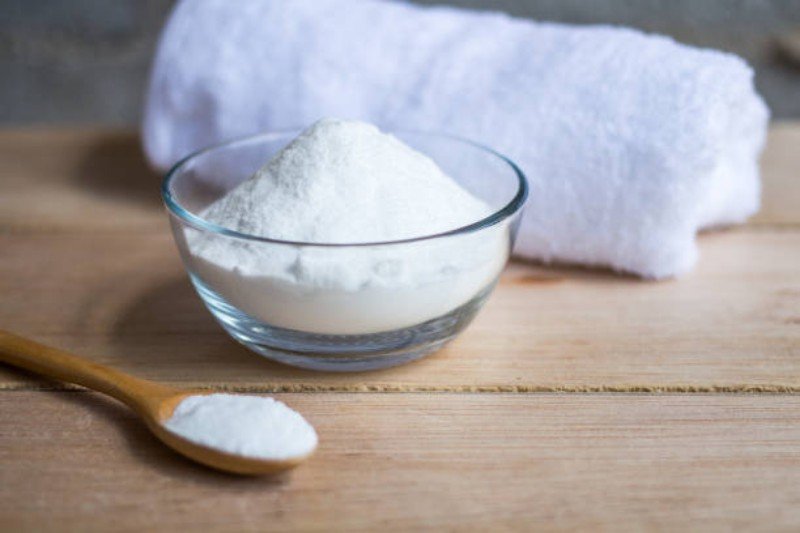

Incorporating Versatile Vegan Superfoods into Your Daily Meals and Snacks

The beauty of vegan superfoods lies in their versatility, making it easy to incorporate them into various dishes. Adding berries to smoothies, sprinkling nuts and seeds on salads, or using quinoa as a base for bowls are simple ways to elevate your meals’ nutritional value. Vegan superfoods can also be enjoyed as snacks, like roasted chickpeas or kale chips, providing a healthy alternative to processed options.



Creating a Well-Balanced Vegan Superfood Shopping List for Beginners

For those new to vegan superfoods, it can be overwhelming to know where to start. To ease the transition, creating a well-balanced shopping list is essential. Include a mix of leafy greens, grains, legumes, nuts, seeds, and fruits to ensure a diverse range of nutrients in your diet. Experiment with different items until you find your favorites.


Navigating Grocery Stores and Online Platforms for Vegan Superfood Shopping

Finding vegan superfoods is now more convenient than ever, with grocery stores and online platforms catering to diverse dietary preferences. Look for stores with dedicated vegan sections or explore specialized health food stores that stock a wide selection of superfoods. Online platforms offer an extensive range of products, often with customer reviews to help guide your choices.


Reading Labels and Avoiding Hidden Non-Vegan Ingredients in Products

As with any vegan lifestyle, reading labels is crucial to avoid hidden non-vegan ingredients. Some products may contain animal-derived additives or preservatives. Familiarize yourself with common non-vegan additives and ensure that the products you select are certified vegan or clearly labeled as such.


Exploring Alternative Sources of Essential Nutrients for Vegans

While vegan superfoods provide an abundance of nutrients, it’s essential to be aware of potential deficiencies and seek alternative sources. For example, plant-based sources of vitamin B12 can include fortified foods or supplements. Understanding these alternatives ensures a well-rounded, nutrient-rich diet.


Storing and Preserving Vegan Superfoods to Maintain Freshness and Quality

Proper storage is vital to preserve the freshness and nutritional value of vegan superfoods. Keep nuts and seeds in airtight containers in a cool, dry place, and store leafy greens in the refrigerator to prevent wilting. Freeze fruits and vegetables to extend their shelf life and reduce food waste.


Experimenting with Recipes and Incorporating Vegan Superfoods into Your Diet

The key to embracing vegan superfoods is experimentation. Don’t be afraid to try new recipes and adapt traditional dishes to include nutrient-packed plant-based ingredients. The internet is a treasure trove of vegan recipes that cater to various tastes and culinary preferences.


Addressing Common Concerns or Misconceptions About Vegan Superfoods

Some individuals may have concerns or misconceptions about vegan superfoods, such as inadequate protein intake or taste limitations. Addressing these concerns through education and access to a diverse range of delicious recipes can help debunk these myths.


Seeking Advice from Nutritionists or Experts on Incorporating Vegan Superfoods

If you have specific dietary needs or health concerns, seeking advice from nutritionists or dietitians is beneficial. They can guide you in creating a personalized meal plan that includes all the necessary nutrients.


Incorporating vegan superfoods into your diet is a transformative step toward a healthier lifestyle. By understanding their nutritional value, sourcing them wisely, and exploring various recipes, you can enjoy a balanced and fulfilling plant-based diet. Embrace the vibrant world of vegan superfoods and nourish your body while contributing positively to the environment. With every mindful choice you make, you take a step closer to a healthier, happier you.

Design a site like this with WordPress.com
Get started