Aromatherapy Alchemy: Unlocking the Healing Power of Essential Oils

Harnessing the ancient wisdom of aromatherapy.

The use of essential oils has long been revered for its therapeutic properties that promote holistic healing of the mind, body, and spirit.

In this comprehensive guide, we delve into the transformative world of aromatherapy, exploring the science behind essential oils and their profound impact on our well-being.

From understanding the origins of aromatherapy to discovering the art of selecting the right essential oils for specific healing purposes, embark on a journey to unlock the profound healing power of essential oils through the alchemy of aromatherapy.


Introduction to Aromatherapy and Essential Oils

Ahhh, the sweet smell of lavender wafting through the air—aromatherapy is like a spa day for your senses. But wait, what exactly is aromatherapy and how do essential oils work their magic? Let’s take a whiff into the history and origins of this fragrant practice and unravel how these precious oils are made.


The History and Origins of Aromatherapy

From ancient civilizations to modern-day wellness trends, the roots of aromatherapy run deep. Discover how our ancestors used aromatic plants for healing and ritualistic purposes, paving the way for the aromatic paradise we indulge in today.

Understanding Essential Oils: Extraction and Composition

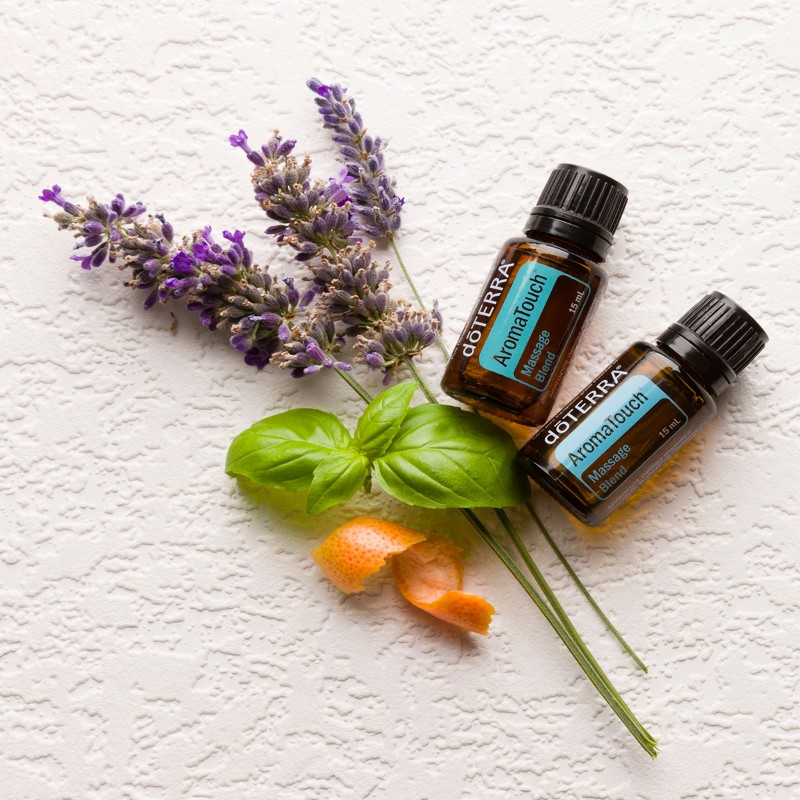
Ever wonder how a tiny bottle of essential oil packs such a powerful punch? Delve into the fascinating world of essential oil extraction methods and the complex chemical compounds that give each oil its unique scent and healing properties.


The Science Behind Aromatherapy: How Essential Oils Work

Here’s the lowdown on why essential oils have become the darling of the wellness world. Get ready to dive into the nitty-gritty of how these aromatic wonders interact with your brain and body for some serious natural healing.


The Olfactory System: How Smells Impact the Brain

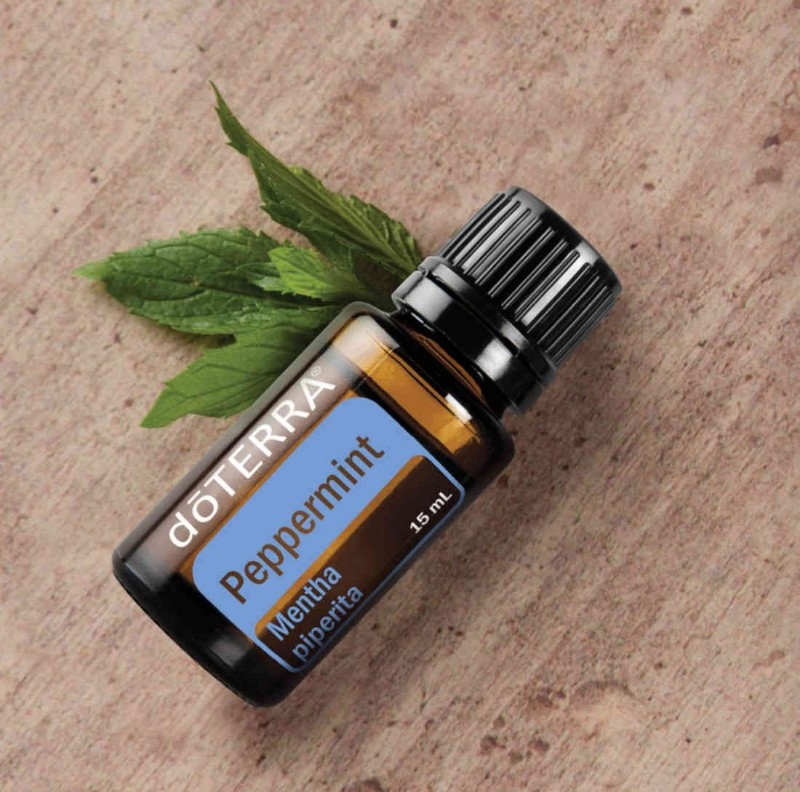
Prepare to be amazed by the olfactory system’s prowess in processing scents and triggering a cascade of responses in your brain. Find out why a whiff of peppermint can perk you up faster than that morning coffee.

Chemical Components of Essential Oils and Their Therapeutic Effects

It’s not just about smelling good—essential oils have a chemistry that’s as complex as your last relationship. Uncover the key chemical components responsible for their therapeutic benefits and why they’re the ultimate multitasking marvels.


Choosing the Right Essential Oils for Healing

Not all essential oils are created equal, so it’s time to sniff out the best ones for your needs. Learn how to navigate the world of scent profiles and therapeutic properties like a pro to pick the perfect oils for your personal wellness toolkit.


Understanding Scent Profiles and Therapeutic Properties

Who knew that a whiff of citrus could boost your mood or that lavender could lull you into dreamland? Explore the diverse scent profiles and therapeutic effects of essential oils to tailor your aromatherapy experience to suit your specific needs.

Factors to Consider When Selecting Essential Oils

With so many options on the market, it’s easy to feel overwhelmed. Fear not! We’ve got your back with essential tips on what to look for when selecting essential oils, so you can breeze through the crowded aisles with confidence.


Methods of Application: Harnessing the Power of Aromatherapy

Once you’ve got your hands on those precious bottles of liquid gold, it’s time to put them to good use. Get schooled on the various application methods that will help you unlock the full potential of aromatherapy and elevate your wellness game.

Diffusion Techniques for Aromatherapy

Turn your living space into a fragrant sanctuary with the art of diffusion. Explore the different techniques—from classic diffusers to DIY room sprays—that will fill your home with the scent of relaxation and rejuvenation.


Topical Application Methods and Safety Considerations

Caution: essential oils are potent potions that require a gentle touch. Discover the safe and effective ways to apply essential oils topically, ensuring that you reap the benefits without any unwanted skin reactions. Safety first, scent second!


Aromatherapy for Physical Wellness: Treating Common Ailments

Essential Oils for Pain Relief and InflammationGot a headache that just won’t quit or joints that moan like they’re auditioning for a horror movie?

Essential oils like peppermint and lavender are your trusty sidekicks in fighting pain and inflammation. Rub a little oil magic where it hurts, and let the soothing scents work their voodoo on your discomfort.

Natural Remedies for Respiratory Issues and Immune Support

When your nose is staging a rebellion or your immune system’s feeling as strong as a wet tissue, essential oils like eucalyptus and tea tree swoop in like heroes to save the day.

Inhale their aromatic goodness or diffuse them into the air for some much-needed respiratory and immune support.


Aromatherapy for Mental and Emotional Health: Balancing the Mind

Stress Relief and Anxiety Management with Essential OilsStress and anxiety are like unwanted houseguests that just won’t leave.

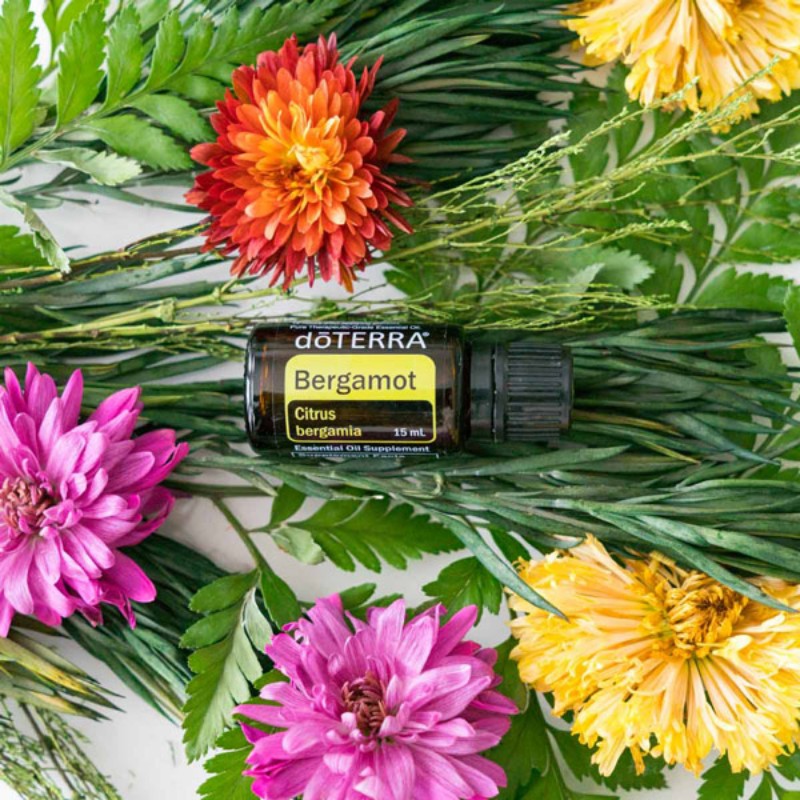
But fear not, dear reader. Essential oils like chamomile and bergamot are your zen masters in a bottle.

Inhale, apply, or diffuse them to create a fragrant bubble of calm in the chaos of your mind.


Promoting Relaxation and Sleep Quality through Aromatherapy

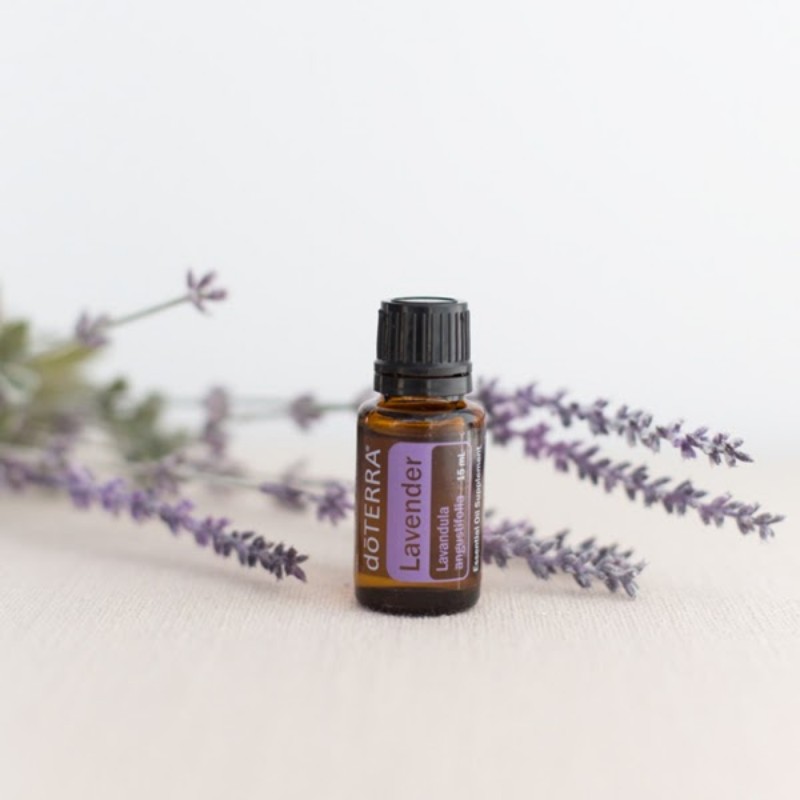
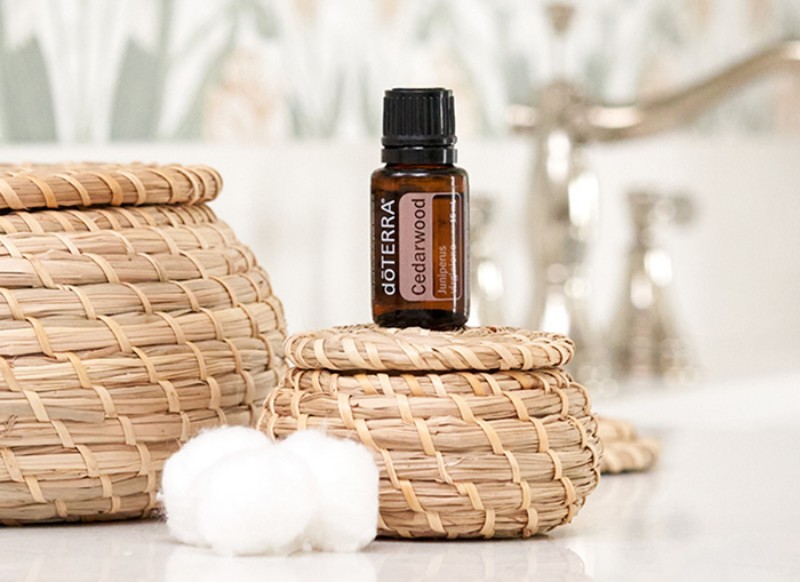
Sleep playing hard to get? Essential oils like lavender and cedarwood are the Sandman’s secret agents, helping you drift off into dreamland with their sedative scents.

Simply spritz, diffuse, or apply them before bedtime for a snooze-worthy experience.


Safety Precautions and Best Practices in Aromatherapy


Dilution Guidelines and Skin Sensitivities

Listen up, potion masters. Essential oils may be magical, but they’re potent stuff. Always dilute them in a carrier oil before applying to your precious skin to avoid any unexpected reactions.

Remember, less is more when it comes to these potent potions.


Caution with Certain Essential Oils and Potential Side Effects

Not all essential oils play nice with everyone. Some can cause irritation or adverse reactions, especially if you’re a sensitive soul.

Patch test new oils, and if in doubt, consult a wizard—uh, I mean, a professional aromatherapist—to guide you through the mystical world of essential oils.

Incorporating Aromatherapy into Your Daily Routine


Creative Ways to Use Essential Oils in Home and Personal Care

Essential oils aren’t just for diffusing—oh no. Get crafty and add a few drops to your DIY cleaning sprays, beauty potions, or even homemade candles.

The world is your fragrant oyster when it comes to incorporating these aromatic gems into your daily rituals.


Establishing Aromatherapy Rituals for Overall Wellbeing

Rituals aren’t just for cults and secret societies. Create your own sacred routines with essential oils to promote overall wellbeing.

Whether it’s a morning meditation with citrus scents or a bedtime bath with soothing oils, these rituals can be your anchor in the stormy seas of life.

As you embrace the enchanting world of aromatherapy and experience the profound benefits of essential oils, may you continue to explore and integrate these natural remedies into your daily life.

By incorporating the healing power of aromatherapy into your wellness routine, you can cultivate a sense of balance, harmony, and vitality that nourishes your body, mind, and soul.

Let the alchemy of aromatherapy guide you on a journey of self-discovery and holistic healing, enhancing your well-being with the transformative magic of essential oils.

Frequently Asked Questions (FAQ)

1. Can anyone use aromatherapy and essential oils?

Absolutely! Aromatherapy and essential oils are generally safe for most people. However, individuals with certain health conditions or sensitivities should consult with a healthcare professional before use. Always perform a patch test and follow recommended dilution guidelines for topical application.

2. Are there any safety precautions to consider when using essential oils?

Yes, it’s crucial to use essential oils mindfully. Some general safety precautions include:

Always dilute essential oils before applying them to the skin.

Perform a patch test to check for skin sensitivities.

Keep essential oils out of reach of children and pets.

Avoid contact with eyes and mucous membranes.

Store oils in a cool, dark place.

3. How do I know which essential oils are right for my specific needs?

Choosing essential oils depends on your desired effects. For example:

Lavender and chamomile for relaxation and stress relief.

Peppermint and eucalyptus for an invigorating experience.

Tea tree and lavender for skincare.

Research the properties of each oil and experiment to find what resonates with you.

Consider consulting with a certified aromatherapist for personalized guidance.

4. What are the best methods of incorporating aromatherapy into my daily routine?

There are various ways to enjoy aromatherapy:

Diffusion: Use an essential oil diffuser to disperse scents into the air.

Topical Application: Dilute essential oils and apply to pulse points or affected areas.

Inhalation: Inhale directly from the bottle or add a few drops to a tissue.

Bathing: Add a few drops to your bath for a relaxing soak.

Experiment with different methods to find what suits your lifestyle and preferences. Remember to start with a small amount and adjust as needed.

10 Surprising Ways Reishi Can Improve Your Mental Wellness

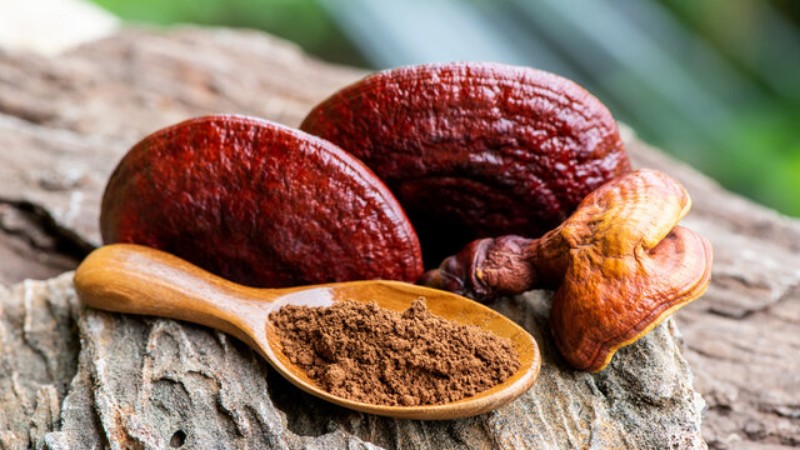
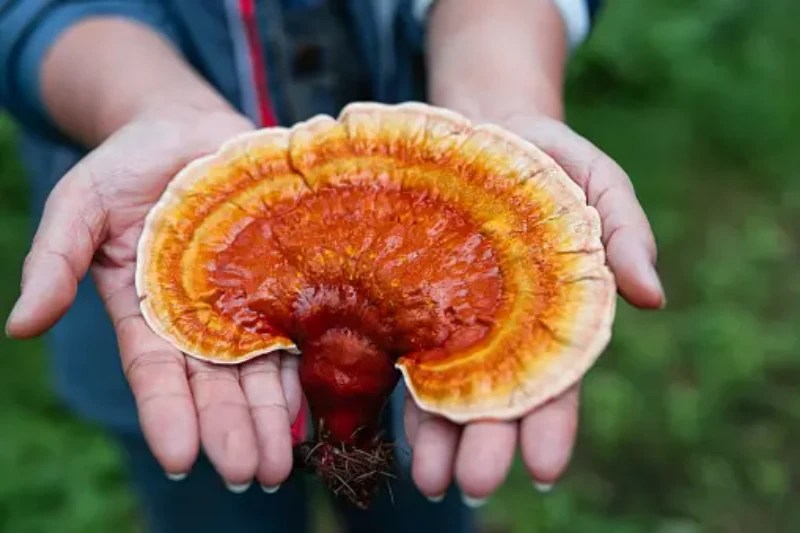
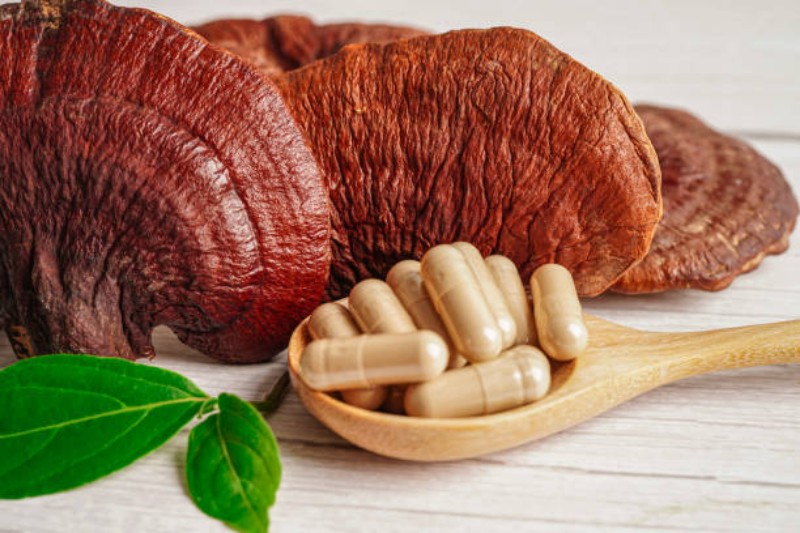
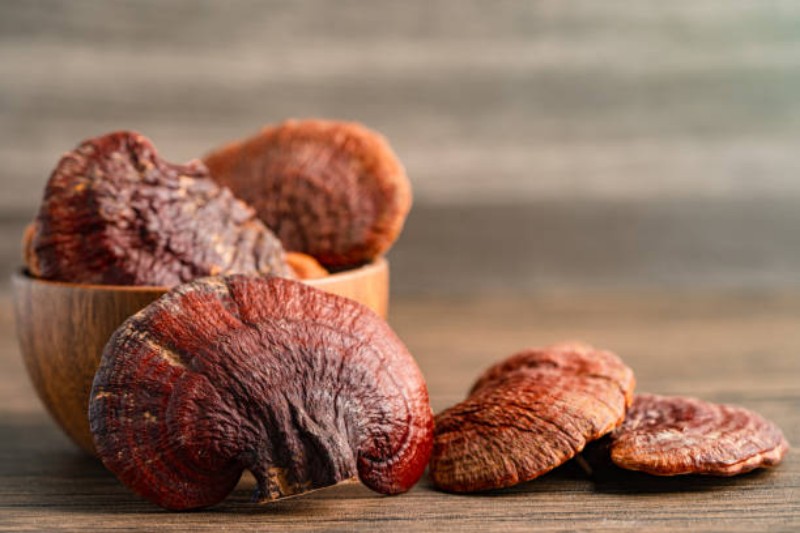
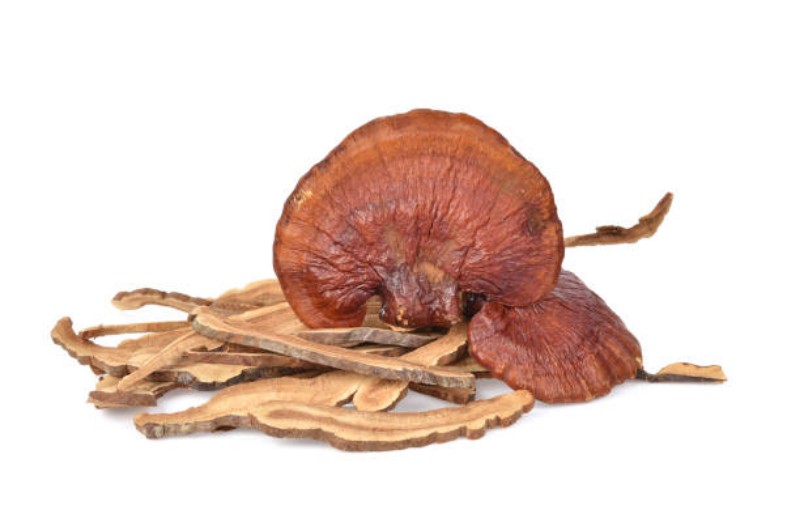
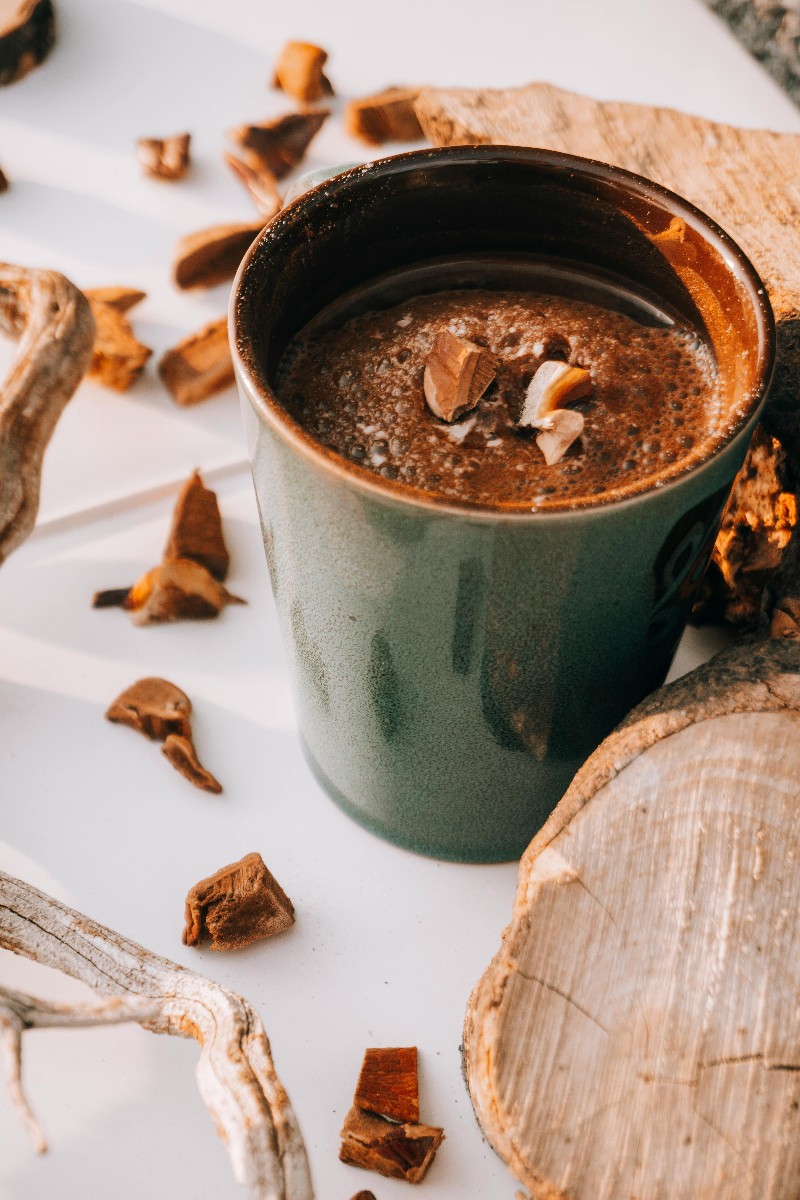
Reishi, also known as Ganoderma lucidum, is a medicinal mushroom that has been revered for centuries in traditional Asian medicine for its numerous health benefits.

While it is widely recognized for its immune-boosting properties, Reishi has also gained attention for its remarkable impact on mental wellness.

In this article, we will explore the surprising ways in which Reishi can improve your mental well-being. From reducing stress and anxiety to enhancing cognitive function and promoting restful sleep, Reishi offers a holistic approach to nurturing your mental health.

Join us as we delve into the science behind Reishi’s mental wellness benefits and discover how you can incorporate this incredible mushroom into your daily routine for optimal mental well-being.


Reishi, also known as the “mushroom of immortality,” has been revered for centuries in traditional Chinese medicine for its numerous health benefits.

This powerful fungus belongs to the Ganoderma lucidum species and is characterized by its glossy red-brown color and distinctive fan-shaped cap.

While commonly used as a natural remedy for various physical ailments, Reishi has also gained recognition for its positive impact on mental wellness.


The Link Between Reishi and Mental Wellness

It might come as a surprise, but Reishi has been shown to have a profound effect on our mental well-being.

Its bioactive compounds, including triterpenoids and polysaccharides, possess powerful antioxidant and anti-inflammatory properties that can help support a healthy mind.

By reducing stress and anxiety, enhancing cognitive function, and promoting restful sleep, Reishi offers a holistic approach to improving mental wellness.


Reishi’s Impact on Stress and Anxiety Reduction

Understanding Stress and Anxiety

Stress and anxiety are commonplace in our hectic modern lives. Whether it’s work deadlines, relationship pressures, or the constant bombardment of information, these factors can take a toll on our mental health. Fortunately, Reishi has emerged as a natural ally in combating stress and anxiety.

The Calming Effects of Reishi
One of the key benefits of Reishi is its ability to promote relaxation and calmness.

It contains compounds that interact with receptors in the brain, influencing the release of neurotransmitters like gamma-aminobutyric acid (GABA), which helps to regulate anxiety.

By increasing GABA levels, Reishi can help reduce feelings of stress and promote a sense of tranquility.


Scientific Studies on Reishi’s Role in Reducing Stress and Anxiety

Numerous scientific studies have explored Reishi’s potential in reducing stress and anxiety.

In a study published in the Journal of Medicinal Food, researchers found that individuals who consumed Reishi experienced significant reductions in anxiety levels compared to a placebo group.

Other studies have also shown similar positive effects, suggesting that Reishi could be a valuable tool in managing stress and anxiety.


Enhancing Cognitive Function with Reishi

The Importance of Cognitive Function

Our cognitive function plays a vital role in daily life, influencing our ability to think, learn, remember, and make decisions.

As we age, cognitive decline becomes a concern for many. However, Reishi may offer a natural solution to support cognitive health.


Reishi’s Potential in Improving Memory and Focus

Reishi contains compounds that have been shown to enhance cognitive function. These compounds promote blood flow and oxygen delivery to the brain, which is essential for optimal cognitive performance.

Additionally, Reishi’s antioxidant properties help combat oxidative stress, which can contribute to cognitive decline. By promoting brain health, Reishi may help improve memory, focus, and mental clarity.


Research on Reishi’s Cognitive Benefits

Multiple studies have explored the cognitive benefits of Reishi. A study published in the Journal of Alzheimer’s Disease found that Reishi extract improved cognitive function in elderly subjects with mild cognitive impairment.

Other research has demonstrated Reishi’s potential in reducing mental fatigue and improving attention span. While further studies are needed to fully understand Reishi’s cognitive-enhancing effects, the existing evidence is promising.


Reishi’s Role in Promoting Restful Sleep and Managing Insomnia

The Importance of Quality Sleep

A good night’s sleep is crucial for overall well-being. However, many individuals struggle with insomnia or poor sleep quality, leading to a range of mental and physical health issues.

Reishi offers a natural remedy to promote restful sleep and combat insomnia.


How Reishi Supports a Good Night’s Sleep

Reishi contains compounds that can help regulate sleep cycles and promote relaxation.

Its unique combination of bioactive substances, including triterpenes and polysaccharides, can have a calming effect on the nervous system, making it easier to fall asleep and stay asleep throughout the night.

By reducing stress and anxiety, Reishi indirectly promotes healthy sleep patterns.


Studies and Evidence on Reishi’s Impact on Sleep

Research supports Reishi’s beneficial impact on sleep quality.

A study published in the journal Pharmacology, Biochemistry, and Behavior found that Reishi extract increased total sleep time and improved sleep efficiency in rats.

Human studies are also underway, with preliminary results indicating that Reishi may have similar effects on sleep in humans.

As a natural alternative to sleep aids, Reishi shows promise in promoting restful sleep and managing insomnia.

Incorporating Reishi into your wellness routine may provide surprising benefits for your mental well-being.

From reducing stress and anxiety to enhancing cognitive function and promoting restful sleep, this remarkable mushroom offers a holistic approach to achieving mental wellness.

So why not give Reishi a try? Your mind will thank you, and who knows, you might just discover the key to unlocking a happier and healthier you.


Reishi’s Potential in Supporting Emotional Well-being and Mood Regulation

The Connection Between Emotions and Mental Wellness

We all know that our emotions play a significant role in our mental well-being.

From feeling happy and joyful to experiencing stress and anxiety, our emotional state can greatly impact our overall mental health. That’s why finding ways to support emotional well-being and regulate our mood is crucial.


Reishi’s Mood-Enhancing Properties

Enter reishi, the mighty mushroom that has been gaining popularity for its potential to improve mental wellness.

Reishi has been traditionally used in Eastern medicine for centuries due to its mood-enhancing properties.

This powerful fungus contains bioactive compounds that may promote a sense of calmness and relaxation, helping to alleviate feelings of stress and anxiety.


Research on Reishi’s Effects on Emotional Well-being

Scientific studies have started to shed light on reishi’s potential in supporting emotional well-being.

Research suggests that reishi may positively influence neurotransmitters in the brain, such as serotonin and dopamine, which are known to regulate mood.

Additionally, some studies have found that reishi extract may help reduce symptoms of depression and anxiety, making it a promising natural option for those seeking emotional support.


Reishi’s Anti-depressant and Anti-inflammatory Properties for Mental Wellness

The Role of Inflammation in Mental Health

Inflammation, both in the body and the brain, has been linked to various mental health conditions, including depression and anxiety.

Addressing inflammation is crucial for maintaining optimal mental wellness.


Reishi’s Anti-depressant Effects

The good news is that reishi has been found to possess anti-depressant properties.

It may help alleviate symptoms of depression by balancing neurotransmitters in the brain and supporting the growth of new brain cells.

By doing so, reishi can potentially enhance mood and reduce feelings of sadness and hopelessness.


Scientific Evidence on Reishi’s Anti-inflammatory Properties

Furthermore, reishi has been shown to exhibit potent anti-inflammatory effects.

It contains bioactive compounds called triterpenes and polysaccharides, which can help reduce inflammation and oxidative stress in the body.

By addressing inflammation, reishi may indirectly contribute to better mental health and overall well-being.


Boosting Immunity and Brain Health with Reishi


The Immune System and Mental Wellness

Did you know that a healthy immune system is closely linked to good mental health?

Our immune system plays a vital role in protecting our body from infections and diseases.

When the immune system is compromised, it can lead to increased vulnerability to mental health issues.


Reishi’s Immune-Boosting Effects

Thankfully, reishi is known for its immune-boosting properties.

It contains various bioactive compounds that can enhance the function of our immune system, helping to ward off illnesses and maintain optimal health.

By supporting our immune system, reishi indirectly contributes to better mental wellness.


Reishi’s Impact on Brain Health and Mental Function

Reishi doesn’t stop at boosting the immune system; it also has potential benefits for brain health and mental function.

Research suggests that reishi may protect against neurodegenerative diseases, improve cognition, and enhance memory.

By keeping our brain healthy and functioning optimally, reishi may promote better mental clarity and overall mental wellness.


Incorporating Reishi into Your Daily Routine for Optimal Mental Wellness

Choosing the Right Reishi Supplements

Now that you’re aware of the potential mental wellness benefits of reishi, you might be wondering how to incorporate it into your daily routine.

When choosing reishi supplements, look for reputable brands that use high-quality ingredients and have undergone third-party testing for purity and potency.


Recommended Dosage and Usage

For optimal mental wellness, it’s important to follow the recommended dosage and usage guidelines provided by the manufacturer.

Start with a lower dose and gradually increase if needed. Remember that consistency is key, so make it a habit to take your reishi supplement daily.


Other Lifestyle Factors to Consider for Mental Wellness

While reishi can be a valuable addition to your mental wellness routine, it’s essential to consider other lifestyle factors as well.

Regular exercise, a balanced diet, quality sleep, and stress management techniques all play a significant role in maintaining overall mental well-being.

So, alongside incorporating reishi into your daily routine, make sure to prioritize these lifestyle factors for optimal mental wellness.


As we conclude our exploration of the remarkable mental wellness benefits of Reishi, it is clear that this medicinal mushroom holds immense potential in supporting and improving our overall mental well-being.

From its calming effects on stress and anxiety to its cognitive-enhancing properties and ability to promote restful sleep, Reishi offers a natural and holistic approach to nurturing our mental health.

By incorporating Reishi into our daily routines, we can harness its incredible power and experience the transformative benefits it has to offer.

Embrace the wonders of Reishi and embark on a journey towards improved mental wellness today.


FAQ


1. Is Reishi safe to consume for mental wellness?

Yes, Reishi is generally considered safe for most individuals when consumed in appropriate amounts.

However, it is always recommended to consult with a healthcare professional before incorporating any new supplement into your routine, particularly if you have any underlying medical conditions or are taking medications.

2. How long does it take to experience the mental wellness benefits of Reishi?

The time it takes to experience the benefits of Reishi can vary from person to person.

While some individuals may notice improvements in their mental well-being within a few weeks, it may take longer for others.

Consistency and patience are key when incorporating Reishi into your routine, as its effects may be cumulative over time.

3. Can Reishi be taken alongside other medications or supplements?

It is important to consult with a healthcare professional before taking Reishi alongside other medications or supplements.

Reishi may interact with certain medications, such as blood thinners or immunosuppressants, and caution should be exercised.

Your healthcare provider can provide personalized guidance based on your specific health needs.

4. Are there any potential side effects of consuming Reishi for mental wellness?

While Reishi is generally safe, some individuals may experience mild side effects such as digestive discomfort, dry mouth, or allergic reactions.

It is important to start with a low dosage and monitor your body’s response.

If you experience any adverse effects, discontinue use and consult with a healthcare professional.

Revitalize Your Mind and Body: 5 Quick Steps to Better Mental Health

Welcome to “Revitalize Your Mind and Body: 5 Quick Steps to Better Mental Health.”

In today’s fast-paced and demanding world, taking care of our mental well-being is crucial for overall health and happiness.

This article aims to provide you with practical steps to improve your mental health and achieve a sense of balance and resilience.

By understanding mental health, identifying stress triggers, cultivating a healthy lifestyle, nurturing relationships, harnessing the power of mindfulness, prioritizing self-care, seeking professional help, and sustaining healthy habits, you can revitalize your mind and body.

Let’s dive into these five quick steps and embark on a journey towards better mental health and well-being.


Understanding Mental Health and Well-being

What is Mental Health?

You know that feeling when your brain is doing jumping jacks while your body is stuck in quicksand? That’s mental health in a nutshell. It’s all about how your mind and emotions are doing, and it can have a big impact on your overall well-being.

Mental health covers things like your thoughts, feelings, and behaviors—basically everything that goes on in your head that no one else can see. It’s just as important as your physical health, so don’t neglect those brain muscles!


Importance of Prioritizing Mental Well-being

Picture this: you have a flat tire, your cat just knocked over a priceless vase, and you spilled coffee on the new shirt you just splurged on. That’s life, right? But when stress piles up like laundry in the corner of your room, it’s time to pay attention to your mental well-being. Prioritizing mental health means giving yourself permission to take a breather, recharge, and find balance amidst the chaos. It’s like pressing the reset button on your brain—essential for functioning at your best and avoiding a complete meltdown.


Identifying and Managing Stress Triggers

Recognizing Common Causes of Stress

Stress can take many forms: that never-ending to-do list, rush hour traffic, or even a surprise visit from your in-laws.

The first step in managing stress is identifying its sneaky triggers. You can’t slay the stress dragon if you don’t know where it’s hiding.

Take note of situations or circumstances that make your heart race, your palms sweat, and your nerves go haywire. The more you understand your stressors, the better equipped you are to tackle them head-on.


Strategies for Managing and Coping with Stress

Okay, stress triggers have been identified (cue the victory dance). Now it’s time to arm yourself with coping mechanisms.

Deep breaths, my friend. Try techniques like mindfulness, meditation, or even screaming into a pillow if that’s your thing. Find what works for you and make it your stress-busting superpower.

And don’t forget the power of humor—sometimes laughing at life’s absurdities is the best stress reliever of all.


Cultivating a Healthy Lifestyle for Mental Well-being

The Role of Exercise in Mental Health

Exercise: the ultimate multitasker. Not only does it give you a chance to show off those funky workout leggings, but it also works wonders for your mental health.

When you get moving, your brain releases endorphins, those delightful little chemicals that boost your mood and make you feel like you can conquer the world (or at least that pesky laundry pile).

So, lace up those sneakers and get your sweat on—it’s like a gym membership for your brain.


Importance of a Balanced Diet for Mental Well-being

You are what you eat, my friend. And while becoming a walking pizza slice sounds tempting, a balanced diet can do wonders for your mental well-being.

Think of it as fuel for your brain—good stuff in, good stuff out. Incorporate foods rich in vitamins, minerals, and those fancy omega-3 fatty acids to keep your mind sharp and ready to take on whatever life throws your way.

And hey, the occasional slice of pizza won’t hurt. Treat yourself, because mental health is all about finding that tasty balance.


Getting Adequate Sleep for Optimal Mental Functioning

Ah, sleep—the magical elixir that makes everything better. Want to feel refreshed, focused, and ready to conquer the world? Get some quality shut-eye.

Your brain needs time to recharge and restore itself, just like your phone after a long day of scrolling through cat videos.

So, set up a cozy sleep sanctuary, enforce a bedtime routine, and bid farewell to those late-night Netflix binges. Trust us, your mental health will thank you.


Nurturing Positive Relationships and Social Connections

The Impact of Social Connections on Mental Health

We humans are social creatures, kind of like those adorable meerkats you see on nature documentaries.

Building and nurturing positive relationships is like oxygen for your mental health. It’s those friends who make you laugh until your cheeks hurt, the family members who always have your back, and the coworkers who just get you.

These connections reduce stress, boost resilience, and remind you that you’re not alone in this crazy world. So, go ahead and plan that game night, call up a friend, and let the good times roll.


Building and Maintaining Healthy Relationships

Ah, the delicate art of relationships. Like a dance, it takes two (or more) to tango.

Building and maintaining healthy relationships means being an active participant. Practice open communication, empathy, and a sprinkle of compromise—key ingredients for keeping the dance floor alive and grooving.

Remember, relationships aren’t always easy, but they’re worth it for those moments of connection, support, and a reliable partner for impromptu karaoke sessions.


Cultivating a Supportive Social Network

Surround yourself with your very own cheerleading squad—people who uplift, support, and remind you that you’re awesome.

A supportive social network is like having a group of superheroes by your side, ready to conquer any challenge that comes your way. Seek out those who bring out the best in you, who celebrate your victories and lend a listening ear when life gets tough. The more support you have, the stronger your mental health armor becomes.

Revitalizing your mind and body doesn’t need to be a daunting task. By understanding the importance of mental health, managing stress, cultivating healthy habits, and nurturing positive relationships, you can take charge of your well-being.

So, go forth, my friend, and conquer the world—one mental health victory at a time!


Harnessing the Power of Mindfulness and Meditation

Life can often feel like a whirlwind, leaving our minds and bodies exhausted. That’s where mindfulness and meditation come in, offering a much-needed retreat from the chaos.


Understanding Mindfulness and its Benefits

Mindfulness is all about being fully present in the moment, paying attention to your thoughts, feelings, and sensations without judgment.

It might sound simple, but the benefits are profound. Mindfulness has been shown to reduce stress, improve focus, boost happiness, and even enhance relationships. 


Incorporating Meditation into Daily Life

Meditation is like a mini-vacation for your mind. It allows you to cultivate a sense of calm and clarity by focusing your attention on the present.

Whether you choose to meditate for five minutes or an hour, finding a quiet space, closing your eyes, and taking deep breaths can work wonders for your mental health. Plus, there are plenty of apps and guided meditations available to help you get started.


Prioritizing Self-Care and Personal Fulfillment

In our fast-paced society, self-care often takes a back seat. But nurturing yourself and finding moments of joy are essential for maintaining good mental health.


The Importance of Self-Care in Mental Health

Self-care is not a luxury; it’s a necessity.

Taking time to recharge and care for yourself allows you to better handle stress, improve your overall well-being, and prevent burnout.

Whether it’s indulging in a bubble bath, reading a book, or simply enjoying a cup of tea, small acts of self-care can make a big difference in your mental health.


Engaging in Activities that Bring Joy and Fulfillment

What brings you joy? Is it dancing, painting, hiking, or trying out new recipes?

Engaging in activities that light up your soul is crucial for your mental well-being. Make time for the things that make you happy, and don’t feel guilty about it.

Remember, you deserve to experience fulfillment, so go ahead and pursue your passions.


Seeking Professional Help and Support

There’s strength in asking for help, and seeking professional support can be a game-changer for your mental health.


Recognizing When to Seek Professional Help

It’s okay not to have all the answers, and sometimes, we need a little extra support.

If you’re feeling overwhelmed, experiencing persistent sadness or anxiety, or if your daily life is being significantly impacted by your mental health, it’s important to reach out for professional help. Remember, seeking help is a sign of courage, not weakness.


Types of Mental Health Professionals and Services Available

When it comes to professional help, there are various options, such as therapists, counselors, psychologists, and psychiatrists.

Each profession offers unique expertise, so it’s essential to find the right fit for you. Additionally, there are also helplines, support groups, and online resources that can provide guidance and support.


Strategies for Overcoming Stigma and Seeking Support

Unfortunately, there is still a stigma surrounding mental health, which can make it challenging to seek support.

It’s crucial to remember that you are not alone, and reaching out for help is a sign of strength. Don’t let the fear of judgment hold you back.

Open up to trusted friends or family members about your struggles, educate yourself about mental health, and surround yourself with a supportive network.


Sustaining Mental Health Habits for Long-Term Well-being

Maintaining good mental health is an ongoing journey, and it requires consistent effort and dedication.


Creating and Maintaining Healthy Habits

Establishing healthy habits is key to sustaining your mental well-being.

This can include maintaining a regular sleep schedule, exercising regularly, eating nutritious foods, and avoiding excessive alcohol or drug use.

Finding a routine that works for you and sticking to it will help create a stable foundation for your mental health. 


Strategies for Staying Motivated and Consistent

Let’s face it, we all have days when motivation is hard to come by. During those times, it’s important to remind yourself of the benefits of prioritizing your mental health.

Surround yourself with positive influences, set realistic goals, and celebrate your achievements along the way.

Remember, it’s okay to stumble occasionally; what matters is getting back up and persevering.
By implementing these five quick steps to better mental health, you have the tools to revitalize your mind and body.

Remember, taking care of your mental well-being is an ongoing process that requires dedication and self-compassion.

Embrace the power of understanding your mental health, managing stress, cultivating a healthy lifestyle, nurturing relationships, and seeking support when needed.

With these strategies, you can create a foundation for long-term mental well-being and enjoy a more fulfilling and balanced life. Start your journey today and prioritize your mental health for a brighter tomorrow.


Frequently Asked Questions

1. How long does it take to see improvements in mental health by following these steps?

The timeline for seeing improvements in mental health can vary from person to person. Some individuals may notice positive changes within a few weeks, while others may take longer.

It’s important to remember that mental health is a journey, and consistency is key.

By implementing these steps consistently and making them a part of your daily routine, you are more likely to experience long-term improvements in your mental well-being.

2. Can these steps be helpful for individuals with diagnosed mental health conditions?

While these steps can be beneficial for many individuals, it is essential to note that they are not a substitute for professional treatment for diagnosed mental health conditions. These steps can complement existing treatment plans and promote overall mental well-being. If you have a diagnosed mental health condition, it is crucial to work closely with your healthcare provider to determine the most appropriate strategies for your specific needs.

3. Are these steps suitable for everyone, regardless of age or lifestyle?

Yes, these steps can be beneficial for individuals of all ages and lifestyles.

Mental health is important for everyone, regardless of their stage in life or daily routines. The strategies outlined in this article can be adapted to suit different lifestyles and can be modified to fit individual preferences.

It’s important to personalize these steps according to your unique needs and circumstances.

4. What if I struggle to incorporate all of these steps into my daily life?

It’s completely normal to face challenges when incorporating new habits into your routine. If you find it difficult to implement all of these steps immediately, start by focusing on one or two that resonate with you the most. Gradually incorporate the other steps over time. Remember, small steps and progress are better than no steps at all. Be patient with yourself and celebrate even the smallest victories along the way.

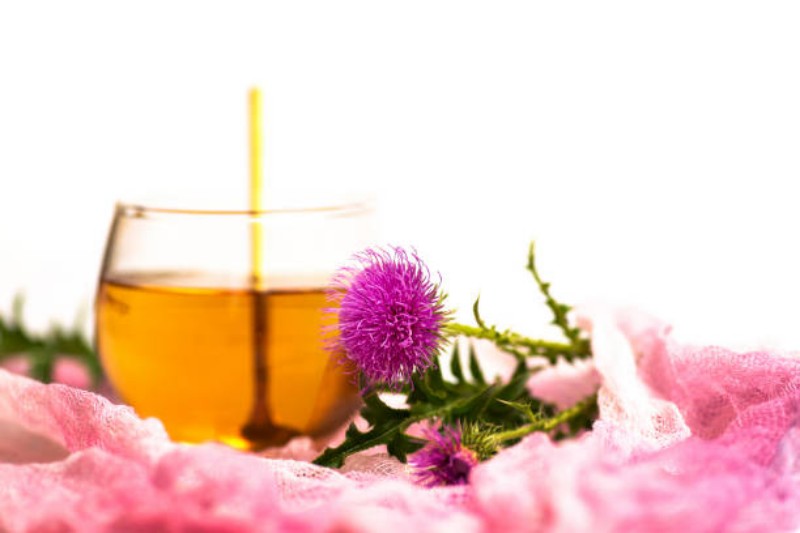
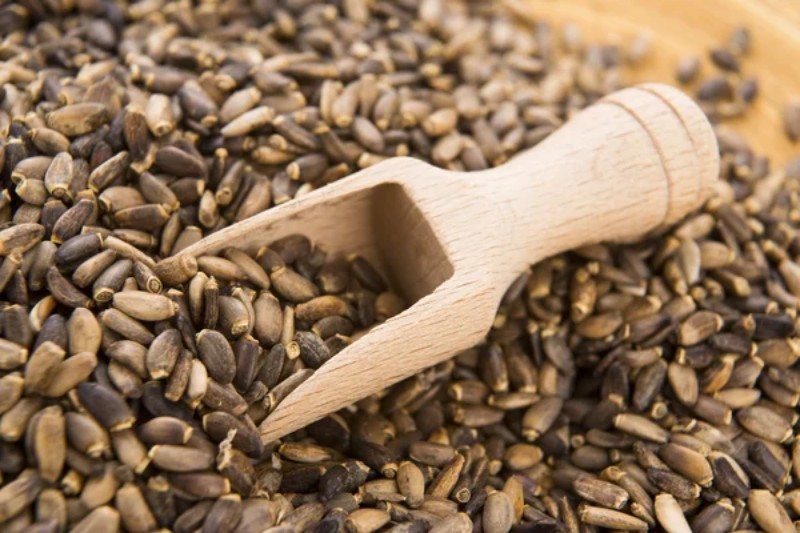
Experience a Total Body Transformation with Milk Thistle: The Ultimate Detox Wonder!

Detoxification is a vital process that plays a crucial role in maintaining optimal health. In today’s world, we are exposed to numerous toxins through our environment, food, and lifestyle choices.

These toxins can accumulate in our bodies over time and contribute to a range of health issues. This is where the power of Milk Thistle, a remarkable herb with a long history of medicinal use, comes into play.

In this article, we will explore the incredible detoxification properties of Milk Thistle and how it can support a total body transformation. From its origins and benefits to its effects on liver health and beyond, we will delve into the various ways Milk Thistle can help cleanse and rejuvenate our bodies.

Get ready to discover the ultimate detox wonder and embark on a journey towards a healthier, revitalized you.


Understanding the importance of detoxification for overall health

Why detoxification is crucial for maintaining optimal health

We live in a world filled with toxins. From the polluted air we breathe to the processed foods we consume, our bodies are constantly bombarded with harmful substances that can take a toll on our health. This is where detoxification comes in. Detoxification is the body’s natural process of eliminating toxins and waste products, allowing your organs to function at their best. By supporting detoxification, you can boost your overall health and well-being.

Common toxins in our environment and their impact on the body

Toxins are everywhere, lurking in unexpected places like cosmetics, cleaning products, and even the water we drink. These toxins can have a profound impact on our health, leading to a range of issues including fatigue, skin problems, digestive troubles, and even chronic diseases. Common toxins include heavy metals like lead and mercury, pesticides and herbicides, as well as pollutants from vehicle emissions. It’s essential to take steps to reduce your exposure to these toxins and support your body’s natural detoxification processes.


What is Milk Thistle: Exploring the benefits and history of this powerful herb

Origins and historical use of Milk Thistle as a medicinal herb

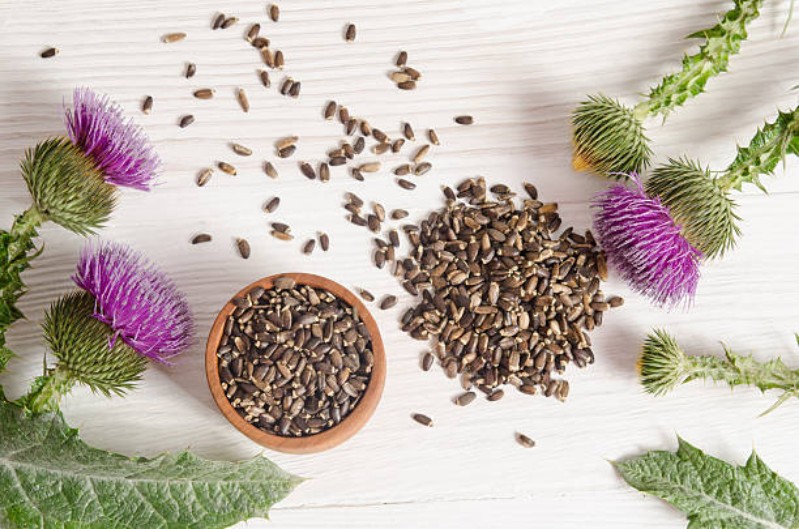
Milk Thistle, or Silybum marianum, has been used for centuries as a medicinal herb. It has a rich history, with mentions dating back to Ancient Greece and Rome. Traditionally, it was used to treat liver and gallbladder problems, but over the years, its benefits have been recognized in supporting overall health and detoxification.

An overview of the active compounds in Milk Thistle

The secret behind Milk Thistle’s detoxifying powers lies in its active compounds, particularly a group of flavonoids called silymarin. Silymarin has antioxidant properties and is known to protect liver cells from damage. It also promotes the production of new liver cells, helping to rejuvenate this vital organ. These compounds work together to support overall liver health and enhance the body’s natural detoxification processes.


How Milk Thistle Supports Detoxification: Uncovering the mechanisms and effects on the body

Understanding the role of the liver in detoxification processes

The liver is a powerhouse when it comes to detoxification. It filters toxins from the blood, metabolizes drugs and chemicals, and produces bile to aid in digestion. Without a healthy liver, our bodies would struggle to eliminate toxins efficiently. Milk Thistle plays a crucial role in supporting liver function and ensuring its optimal performance in the detoxification process.

How Milk Thistle aids in the elimination of toxins from the body

Milk Thistle supports detoxification in various ways. Firstly, it helps protect liver cells by reducing oxidative stress caused by toxins. Secondly, it stimulates the production of enzymes involved in detoxification processes, enhancing their efficiency. Lastly, Milk Thistle promotes the flow of bile, aiding in the elimination of toxins from the body. By supporting these mechanisms, Milk Thistle can help your body rid itself of harmful substances more effectively.


Liver Health and Milk Thistle: Enhancing liver function for optimal detoxification

Common liver problems and the importance of liver health

Liver problems are more common than you might think. Conditions like fatty liver disease, hepatitis, and cirrhosis can severely impact your health and well-being. The liver is responsible for over 500 functions in the body, making its health crucial for overall well-being. By taking care of your liver, you’re not only supporting detoxification but also ensuring that your body functions optimally.

The specific benefits of Milk Thistle for liver function and detoxification

Milk Thistle offers specific benefits for liver health and detoxification. Its active compounds, particularly silymarin, have been shown to promote liver cell regeneration, improve liver function, and protect against liver damage. By incorporating Milk Thistle into your wellness routine, you can give your liver the support it needs to effectively carry out its detoxification duties, leading to a total body transformation. So, why wait? Experience the wonders of Milk Thistle and embark on your journey to a healthier you today!


Other Health Benefits of Milk Thistle: Beyond detoxification, improving digestion and immunity

Supporting digestive health with Milk Thistle

Milk Thistle is not just a detox wonder, it also has incredible benefits for your digestive system. It has been shown to promote the production of bile, which aids in the digestion of fats. This can be especially beneficial for those who struggle with digestive issues, such as bloating, indigestion, or fatty liver disease. By incorporating Milk Thistle into your routine, you can give your digestive system the boost it needs to function optimally.

The immune-boosting properties of Milk Thistle

In addition to its detoxifying and digestive benefits, Milk Thistle also has immune-boosting properties. It contains antioxidant compounds that help to protect the body against oxidative stress and inflammation. These antioxidants strengthen the immune system, making it more resilient to infections and diseases. By incorporating Milk Thistle into your detox routine, you can give your immune system the support it needs to keep you healthy.


Incorporating Milk Thistle into Your Detox Routine: Practical tips and dosage guidelines

Different ways to consume Milk Thistle for maximum benefits

There are several ways to incorporate Milk Thistle into your detox routine. It is commonly available in supplement form, such as capsules or tinctures, which are easy to take and provide a concentrated dose of the herb. You can also find Milk Thistle tea or add Milk Thistle seeds to your diet. Whichever form you choose, be sure to follow the recommended dosage guidelines for optimal results.

Recommended dosage and potential interactions with other medications

When it comes to Milk Thistle, it’s important to follow the recommended dosage guidelines. The typical dosage for Milk Thistle supplements is around 200 to 400 milligrams per day. However, it’s always best to consult with a healthcare professional before starting any new supplement, especially if you are taking other medications. Milk Thistle may interact with certain medications, such as blood thinners or anti-anxiety drugs, so it’s crucial to discuss any potential interactions with your healthcare provider.


Potential Side Effects and Precautions: Understanding the safety considerations of Milk Thistle

Possible side effects and how to minimize risks

While Milk Thistle is generally safe for most people, it may cause mild side effects in some individuals. These can include gastrointestinal disturbances, such as diarrhea or an upset stomach. To minimize the risk of side effects, start with a lower dosage and gradually increase if tolerated well. If you experience any adverse effects, it’s best to discontinue use and consult with a healthcare professional.


Precautions for specific groups, such as pregnant women or individuals with certain medical conditions

Certain groups of people, such as pregnant or breastfeeding women, should exercise caution when using Milk Thistle. Although there is limited research on the effects of Milk Thistle during pregnancy or breastfeeding, it’s advisable to consult with a healthcare professional before incorporating it into your routine. Additionally, individuals with certain medical conditions, such as hormone-sensitive cancers or liver disease, should also seek medical advice before using Milk Thistle.


Embracing the transformative power of Milk Thistle for a healthier you

In conclusion, Milk Thistle is not just a detox wonder – it offers a multitude of benefits for your overall health and well-being. From supporting digestion and boosting immunity to aiding in detoxification, this powerful herb has earned its reputation as a total body transformer. By incorporating Milk Thistle into your detox routine and following the recommended dosage guidelines, you can harness its incredible potential and embark on a journey towards a healthier you. So, go ahead and make Milk Thistle your detox partner – your body will thank you for it!


Incorporating Milk Thistle into your detox routine can be a game-changer when it comes to achieving a total body transformation.

Its unique properties not only support liver health and aid in detoxification but also offer additional benefits like improved digestion and boosted immunity. By understanding the mechanisms and benefits of Milk Thistle, you can harness its transformative power to enhance your overall well-being. Remember to exercise caution and consult with a healthcare professional, especially if you have any specific health conditions or are taking medications. With Milk Thistle as your ultimate detox wonder, you can pave the way for a healthier, more vibrant you. Start your journey today and experience the remarkable benefits of Milk Thistle for yourself.


FAQ

1. Is Milk Thistle safe to use?

– Milk Thistle is generally considered safe for most people when taken in appropriate dosages. However, it is important to consult with a healthcare professional before starting any new supplements, especially if you have any underlying health conditions or are taking medications.

2. Can Milk Thistle cause any side effects?

– While Milk Thistle is well-tolerated by most individuals, some people may experience mild side effects such as diarrhea, nausea, or an upset stomach. These side effects are usually temporary and subside on their own. However, if you experience any severe or persistent side effects, it is advisable to seek medical attention.

3. Can I take Milk Thistle while pregnant or breastfeeding?

– It is best to avoid taking Milk Thistle if you are pregnant or breastfeeding, as there is limited research available on its safety during these periods. It is always recommended to consult with your healthcare provider before taking any supplements during pregnancy or while breastfeeding.

4. Can Milk Thistle interact with other medications?

– Milk Thistle may interact with certain medications, including anticoagulants, antiplatelet drugs, and medications processed by the liver. If you are taking any medications, it is essential to consult with your healthcare provider or pharmacist to determine if there are any potential interactions between Milk Thistle and your prescribed medications.

From Stress Relief to Better Sleep: Why You Need Ylang Ylang Essential Oil

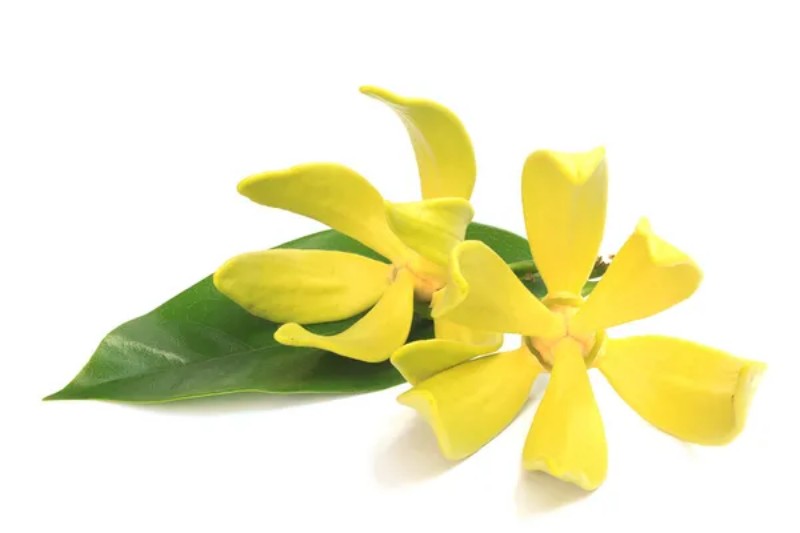
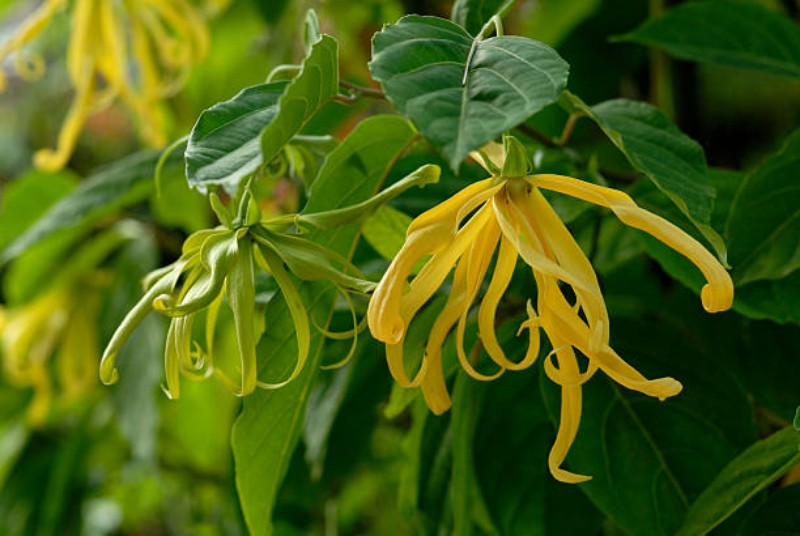
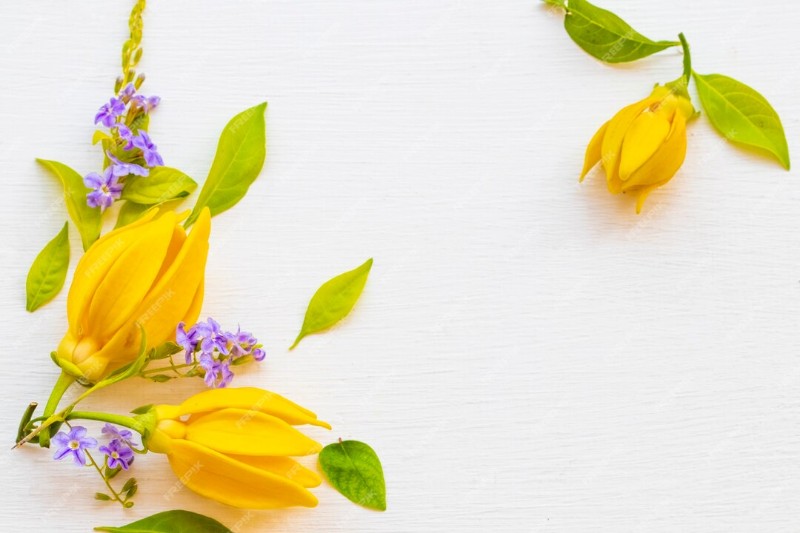
Ylang Ylang essential oil, derived from the flowers of the Cananga odorata tree, has been prized for centuries for its numerous therapeutic benefits.

With a rich and exotic fragrance, this essential oil not only delights the senses but also offers a wide range of health and wellness advantages. From relieving stress and promoting better sleep to enhancing emotional well-being and boosting self-confidence, Ylang Ylang has become a popular choice among aromatherapy enthusiasts.

This article explores the science behind Ylang Ylang, its impact on the body and mind, and the various ways it can improve your overall well-being, from promoting relaxation to improving skin and hair health.


Understanding the Benefits of Ylang Ylang Essential Oil

Essential oils have become all the rage lately, with people swearing by their various benefits.

If you’re looking for an essential oil that can help with stress relief and better sleep, then say hello to ylang ylang.

This tropical-sounding oil has been used for centuries to promote emotional well-being and relaxation.

But what exactly makes ylang ylang so special? Let’s dive in and explore the science behind its magical properties.


The Science Behind Ylang Ylang: How It Works on the Body and Mind

The Origin and Extraction of Ylang Ylang Essential Oil

Before we get into the nitty-gritty, let’s take a moment to appreciate the origin of ylang ylang.

This delightful essential oil is extracted from the flowers of the Cananga tree, native to countries like Indonesia and the Philippines.

The blossoms are carefully picked and steam distilled to capture the aromatic essence that we know and love.


Chemical Composition and Therapeutic Properties

Ylang ylang essential oil contains a cocktail of active compounds that contribute to its therapeutic properties.

These include linalool, geranyl acetate, and beta-caryophyllene, which not only give it that lovely floral scent but also have calming and balancing effects on the body and mind.


Interaction with the Nervous System and Hormonal Balance

When we inhale the aroma of ylang ylang, its molecules have a direct pathway to our olfactory system, which is closely connected to the brain’s emotional center.

This interaction triggers the release of neurotransmitters, like serotonin, that help promote relaxation and reduce feelings of stress and anxiety.

Ylang ylang is also believed to help regulate hormone levels, making it a useful tool for those dealing with hormonal imbalances.


Stress Relief and Emotional Well-being: How Ylang Ylang Essential Oil Can Help

The Impact of Stress on Health and Wellness

Stress is an unavoidable part of life, and it can wreak havoc on our overall well-being.

From headaches and fatigue to mood swings and trouble sleeping, the effects of stress can be far-reaching. That’s where ylang ylang comes in to save the day.


Ylang Ylang’s Calming Effects on the Nervous System

Ylang ylang has the remarkable ability to calm our nervous system and bring us back to a state of tranquility.

Its floral aroma has been shown to decrease heart rate and blood pressure, signaling our body to relax and enter a more peaceful state.

So, the next time you’re feeling overwhelmed, reach for some ylang ylang and take a moment to breathe in its soothing scent.


Reducing Anxiety and Promoting Relaxation

Anxiety can be a constant companion for many people, but ylang ylang is here to offer some relief.

Its aroma has anxiolytic properties, meaning it can help reduce feelings of anxiousness and promote a sense of calm.

So, whether you’re dealing with a stressful day at work or a case of pre-exam jitters, turn to ylang ylang for a natural and effective way to relax.


Managing Stress-Related Symptoms with Ylang Ylang

The benefits of ylang ylang go beyond just relieving stress.

This versatile essential oil can also help manage stress-related symptoms such as headaches, muscle tension, and even digestion issues.

So, the next time stress takes its toll on your body, consider reaching for ylang ylang to provide some much-needed relief.


Promoting Better Sleep: Harnessing the Relaxing Properties of Ylang Ylang

Understanding the Importance of Quality Sleep

We all know that getting a good night’s sleep is essential for our overall well-being.

It affects our mood, productivity, and even our immune system.

Unfortunately, many of us struggle to get the quality sleep we need. This is where ylang ylang steps in, with its sedative and sleep-inducing effects.


Ylang Ylang’s Sedative and Sleep-Inducing Effects

Ylang ylang has a reputation for being a natural sedative, helping to quiet a racing mind and promote a sense of calm conducive to a peaceful slumber.

It can help reduce insomnia by relaxing the body and mind, allowing you to drift off into dreamland more easily.

So, if counting sheep just isn’t cutting it, try incorporating some ylang ylang into your bedtime routine.


Creating a Soothing Sleep Environment with Ylang Ylang

Creating a sleep sanctuary is an important step towards better sleep.

Ylang ylang can be an excellent addition to your sleep environment.

Whether through a diffuser, pillow spray, or even a relaxing bath, this oil’s aroma can transform your bedroom into a calming oasis, helping you unwind and prepare for a restful night ahead.


Tips for Incorporating Ylang Ylang into Your Bedtime Routine

Ready to give ylang ylang a try? Start by incorporating it into your bedtime routine.

You can add a few drops of ylang ylang essential oil to your diffuser before hitting the hay or mix it with a carrier oil for a soothing massage.

Experiment with different methods until you find the one that works best for you and enjoy the journey to a better night’s sleep.

Now that you have a better understanding of ylang ylang essential oil and its benefits, it’s time to give it a whirl.

With its stress-relieving and sleep-enhancing properties, ylang ylang might just become your new favorite essential oil.

So go ahead and indulge in its sweet, floral scent and let the relaxation and tranquility wash over you.

Your body and mind will thank you.


Boosting Mood and Confidence: Using Ylang Ylang Essential Oil for Mental Wellness

The Connection Between Aromatherapy and Mood


We all have those days when we wake up feeling a little less than stellar.

Whether it’s stress, anxiety, or just a general case of the blues, our mood can take a hit.

But fear not, because the power of aromatherapy is here to save the day!

Aromatherapy, the practice of using essential oils to promote well-being, has been around for centuries.

And one essential oil that deserves a special mention is ylang ylang.


Uplifting and Balancing Effects of Ylang Ylang


Ylang ylang has a sweet and floral aroma that can instantly lift your spirits.

It has been shown to have calming effects on the mind, helping to reduce stress and anxiety.

This makes it a perfect companion for those days when you’re feeling overwhelmed or just need a little pick-me-up.

Additionally, ylang ylang is known for its ability to balance the emotions, bringing a sense of harmony and tranquility to your mental state.


Ylang Ylang as a Natural Aphrodisiac


Looking to spice up your love life?

Ylang ylang may just be the secret ingredient you’ve been searching for.

This aromatic oil has long been used as an aphrodisiac, known for its ability to enhance sensuality and boost libido.

So, whether you’re planning a romantic date night or simply want to add some excitement to your everyday life, ylang ylang can be your wingman (or wingwoman).


Enhancing Self-esteem and Confidence with Ylang Ylang


Sometimes, we all need a little extra confidence boost, and ylang ylang is here to deliver.

Its uplifting properties can help to boost self-esteem and promote a positive self-image.

So, if you’re feeling a bit insecure or need that extra dose of courage before a big presentation or social event, ylang ylang can be your secret weapon for feeling like the superstar that you are.


Enhancing Skin and Hair Health: Ylang Ylang’s Beauty Benefits

Ylang Ylang’s Antioxidant and Anti-inflammatory Properties

When it comes to taking care of our skin, we all want products that are effective and gentle.

Ylang ylang comes to the rescue with its antioxidant and anti-inflammatory properties.

These properties help to protect the skin from environmental damage and soothe any irritation or redness.

So, whether you have sensitive skin or just want to give your complexion a healthy boost, ylang ylang is an excellent addition to your skincare routine.


Nourishing and Moisturizing Properties for Skin Care

Dry skin got you down?

Ylang ylang is here to quench that thirst.

With its nourishing and moisturizing properties, this essential oil can help to hydrate and soften your skin, leaving it feeling velvety smooth.

Whether you want to pamper yourself with a luxurious bath or add a few drops to your favorite lotion, the moisturizing benefits of ylang ylang are sure to make your skin sing with joy.


Ylang Ylang for Hair Growth and Scalp Health

Bad hair days, begone!

Ylang ylang has long been used to promote healthy hair growth and scalp health.

Its stimulating properties can help to improve blood circulation in the scalp, which in turn promotes hair growth and strengthens the hair follicles.

So, if you’re dreaming of luscious locks or dealing with a dry and itchy scalp, give ylang ylang a try and let your hair shine.


DIY Beauty Recipes Incorporating Ylang Ylang Essential Oil

Ready to unleash your inner beauty guru?

Ylang ylang essential oil can be a fabulous addition to your DIY beauty recipes.

From face masks to hair treatments, there are countless ways to incorporate this versatile oil into your self-care routine.

So, grab your mixing bowl and get ready to whip up some beauty magic with ylang ylang as your trusty sidekick.


Incorporating Ylang Ylang Essential Oil into Your Daily Routine: Tips and Safety Guidelines


Now that you’re armed with all this knowledge about the wonders of ylang ylang essential oil, it’s time to put it into action.

Here are some tips and safety guidelines to keep in mind when using ylang ylang in your daily routine:

– Remember that a little goes a long way. Ylang ylang has a potent aroma, so start with just a few drops and adjust according to your preference.


– Always dilute ylang ylang essential oil with a carrier oil before applying it to your skin or hair. This will help to prevent any potential irritation.


– When using ylang ylang for aromatherapy, you can add a few drops to a diffuser or inhale directly from the bottle for an instant mood boost.


– Store your ylang ylang essential oil in a cool, dark place to preserve its potency and extend its shelf life.


– If you’re pregnant or have any underlying health conditions, it’s always a good idea to consult with a healthcare professional before using essential oils.

So, whether you’re looking to improve your mood, enhance your beauty routine, or simply add a little luxury to your life, ylang ylang essential oil is here to elevate your well-being in more ways than one.

Embrace this sweet and floral powerhouse and let its magic work wonders in your life.


Incorporating Ylang Ylang essential oil into your daily routine can have a profound impact on your well-being.

Whether you are seeking stress relief, better sleep, improved mood, or enhanced beauty, this versatile oil offers a natural and effective solution.

Remember to always choose high-quality, pure essential oils and follow safety guidelines when using Ylang Ylang or any other essential oil.

Embrace the power of Ylang Ylang and unlock its potential to transform your life, bringing balance, calmness, and vitality to your body and mind.


FAQ

1. Can Ylang Ylang essential oil be used directly on the skin?

It is generally recommended to dilute Ylang Ylang essential oil with a carrier oil before applying it to the skin to avoid any potential skin irritation or sensitivity.

A common dilution ratio is 2-3 drops of Ylang Ylang oil per teaspoon of carrier oil, such as sweet almond or jojoba oil.

Always perform a patch test before applying it to larger areas of the skin.

2. Is Ylang Ylang safe to use during pregnancy or for children?

While Ylang Ylang essential oil is generally considered safe for most people, it is advisable to consult with a healthcare professional before using it during pregnancy or on children.

Some essential oils may have specific contraindications or require further dilution when used in certain populations.

3. How can I incorporate Ylang Ylang essential oil into my daily routine?

There are various ways to enjoy the benefits of Ylang Ylang oil.

You can diffuse it using an essential oil diffuser, add a few drops to bathwater for a relaxing soak, create your own massage oil blend, or even mix it with unscented lotion for a fragrant moisturizer.

Experiment with different methods to find what works best for you.

4. Can Ylang Ylang essential oil be ingested?

In general, ingesting essential oils is not recommended unless under the guidance of a qualified aromatherapist or healthcare professional.

Ylang Ylang essential oil is primarily used for aromatic and topical purposes, and it is important to use it safely and responsibly.

Silencing the Noise: The Impact of Peaceful Surroundings on your Mental Well-being

Our surroundings have a profound impact on our overall well-being, and this is especially true when it comes to our mental health.

The environments we inhabit can either contribute to or detract from our sense of peace, tranquility, and emotional stability. In this article, we will delve into the importance of peaceful surroundings in nurturing our mental well-being. From the calming influence of nature to the design principles that promote serenity, we will explore the ways in which creating a peaceful environment can positively impact our mental health. By understanding this relationship and implementing strategies to cultivate peaceful surroundings, we can enhance our overall quality of life and find solace in the midst of a chaotic world.


The Relationship between Surroundings and Mental Well-being

The Link between Environment and Mental Health

When it comes to our mental well-being, we often focus on things like exercise, diet, and stress management. But what about our surroundings? Turns out, the environment we live in plays a significant role in our mental health. From the colors on the walls to the noise levels outside our window, our surroundings can either contribute to stress and anxiety or promote calm and relaxation.


Importance of Addressing Mental Well-being

Taking care of our mental well-being is just as crucial as tending to our physical health. In a fast-paced world filled with constant demands and distractions, it’s easy to neglect our emotional and psychological needs. However, investing in our mental well-being can lead to improved happiness, productivity, and overall quality of life. Promoting peaceful surroundings is one way to support our mental health and create a sanctuary amidst the chaos.


The Power of Peaceful Surroundings: Understanding the Impact on Mental Health

Exploring the Concept of Peaceful Surroundings

Peaceful surroundings encompass a variety of factors that contribute to a sense of calm and tranquility. This can include elements such as natural light, clutter-free spaces, soothing colors, and minimal noise pollution. The goal is to create an environment that promotes relaxation and allows our minds to escape the stresses of everyday life.


Research and Studies on the Effects of Peaceful Surroundings

Numerous studies have highlighted the positive impact of peaceful surroundings on mental health. For example, research has shown that exposure to natural environments, such as parks or gardens, can reduce stress levels and improve mood. Similarly, studies have found that noise pollution, such as traffic or construction noise, can increase anxiety and impair cognitive function. By understanding the research, we can make informed choices about our surroundings and prioritize our mental well-being.


The Role of Peaceful Surroundings in Promoting Positive Mental States

Peaceful surroundings have the power to influence our mental states in profound ways. When we are surrounded by calm and serenity, it becomes easier to relax, focus, and find a sense of inner peace. By creating an environment that supports our mental well-being, we are better equipped to handle stress and challenges, leading to increased happiness and overall life satisfaction.


Creating an Oasis: Designing Peaceful Spaces in Your Home

Elements of a Peaceful Home Environment

Designing a peaceful home environment involves incorporating elements that promote relaxation and tranquility. This can include decluttering, using soft and calming colors, incorporating natural materials, and maximizing natural light. By paying attention to these details, we can transform our living spaces into havens of peace and calm.


Practical Tips for Designing Peaceful Living Spaces

Creating a peaceful living space doesn’t have to be complicated or expensive. Simple changes like adding plants, using scented candles or essential oils, and investing in comfortable furniture can make a significant difference. The key is to personalize your space in a way that brings you joy and tranquility, making it a sanctuary from the outside world.


Incorporating Relaxation and Meditation Areas

To enhance the peacefulness of your home, consider setting up dedicated relaxation and meditation areas. Whether it’s a corner with comfortable cushions, a cozy reading nook, or a small meditation space, having a designated area for relaxation can help you unwind and reconnect with yourself. Make it a habit to spend time in these areas regularly, nurturing your mental well-being and finding solace in your own home.


The Great Outdoors: Exploring the Benefits of Nature on Mental Well-being

Nature and Mental Health: An Overview

Nature has a remarkable impact on our mental health. Spending time in natural surroundings has been linked to reduced stress, improved mood, increased creativity, and enhanced overall well-being. Whether it’s taking a walk in the park, hiking in the woods, or simply sitting by a lake, connecting with nature can provide a much-needed respite from the demands of modern life.


Therapeutic Effects of Spending Time in Nature

Nature offers therapeutic benefits that can support our mental well-being. The sights, sounds, and smells of natural environments have a calming effect on our nervous system, helping to lower stress levels and promote relaxation. Additionally, spending time in nature allows us to disconnect from technology and connect with ourselves and others, fostering a sense of mindfulness and connection.


Accessing Nature in Urban Areas

Living in urban areas doesn’t mean we have to miss out on the benefits of nature. Many cities have parks, gardens, or green spaces that provide a refuge from the hustle and bustle. Exploring these urban oases or even bringing nature indoors through houseplants or nature-inspired decor can help create a sense of peace amidst the urban chaos. By finding creative ways to incorporate nature into our lives, we can harness its positive effects on our mental well-being, no matter where we live.


Mindful Retreats: The Role of Peaceful Surroundings in Stress Reduction

Understanding Stress and its Impact on Mental Well-being

Picture this: you’re stuck in traffic, your phone won’t stop buzzing, and your to-do list is growing by the second. Sound familiar? These daily stressors can take a toll on our mental well-being, leading to anxiety, irritability, and burnout. That’s where peaceful surroundings come into play.When we surround ourselves with tranquility, whether it’s a serene nature getaway or a cozy corner in our own homes, we give our minds a much-needed break from the noise and chaos of everyday life. Research shows that exposure to peaceful environments can reduce stress levels and promote mental clarity.


Creating Peaceful Retreats for Stress Relief

Creating a peaceful retreat doesn’t have to be complicated or require a million-dollar budget. It’s about finding a space that resonates with you and brings a sense of calm. Whether it’s a dedicated meditation corner, a cozy reading nook, or a spot in nature, the key is to make it personal and inviting. Consider incorporating elements such as soft lighting, comfortable seating, and soothing colors to enhance the peaceful ambiance. Don’t forget to declutter and create a space free from distractions. By designing a retreat that speaks to you, you’re creating a sanctuary where stress can melt away.


Practicing Mindfulness in Tranquil Environments

Once you’ve set up your peaceful retreat, it’s time to embrace the power of mindfulness. Mindfulness involves being fully present in the moment, without judgment or distraction. In a tranquil environment, it becomes easier to tune in to your senses and pay attention to your thoughts and emotions. Whether it’s through meditation, deep breathing exercises, or simply observing the beauty around you, practicing mindfulness in peaceful surroundings can help calm your mind and restore balance. By taking a few moments each day to disconnect from the chaos and connect with yourself, you’ll be amazed at the positive impact on your mental well-being.


Healing Environments: How Peaceful Surroundings Support Emotional Wellness

The Connection between Emotional Health and Surroundings

We’ve all experienced the influence our surroundings can have on our emotions. A cluttered and chaotic space can leave us feeling overwhelmed and anxious, while a peaceful and harmonious environment can promote emotional well-being. The connection between our surroundings and our emotional health is undeniable. Peaceful surroundings provide a sense of safety and comfort, allowing us to decompress and process our emotions more effectively. When we create healing environments, we give ourselves permission to let go of negative feelings and embrace a positive and nurturing atmosphere.


Designing Healing Spaces for Emotional Recovery

Designing a healing space doesn’t require a complete overhaul of your home or workplace. Simple changes can make a big difference. Start by decluttering and organizing your surroundings, creating a sense of order and cleanliness. Incorporate elements such as natural light, plants, and soft textures to evoke feelings of calm and serenity. Consider incorporating personal touches such as meaningful artwork, photographs, or objects that bring you joy. Surrounding yourself with these positive reminders can help uplift your spirits and promote emotional healing.


Integrating Art and Color Therapy in Peaceful Environments

Art and color have a profound impact on our emotional well-being. Introducing art therapy and color therapy in peaceful environments can further enhance the healing experience. Whether it’s through vibrant paintings, calming watercolors, or soothing abstract art, choose pieces that evoke emotions aligned with your desired emotional state. Similarly, color therapy involves using specific colors to influence our mood and emotions. For example, blues and greens are known for their calming effects, while yellows and oranges can promote feelings of happiness and energy. Incorporate these colors strategically in your peaceful surroundings to support emotional wellness.


Urban Oasis: Nurturing Mental Well-being in Busy City Environments

Challenges of Urban Living on Mental Health

Living in a bustling city can be both exhilarating and exhausting. The constant noise, crowded streets, and fast-paced lifestyle can take a toll on our mental well-being. The good news is that even in the midst of the concrete jungle, it’s possible to create pockets of serenity and nurture our mental health.


Strategies for Creating Serenity in Urban Spaces

Creating serenity in urban spaces requires a bit of creativity and resourcefulness. Seek out nearby parks or green spaces where you can escape the city buzz and reconnect with nature. Even small pockets of greenery can provide a much-needed respite from the urban chaos. Bring nature indoors by incorporating plants in your living or working space. Not only do they purify the air, but they also create a calming and refreshing atmosphere. Additionally, carve out time for self-care activities that allow you to unwind and recharge. Whether it’s practicing yoga, going for a walk, or indulging in a relaxing bath, prioritize activities that promote mental well-being in the midst of the city hustle. Remember, creating a peaceful environment is not just a luxury—it’s a necessity for our mental well-being. By silencing the noise and embracing tranquil surroundings, we can find solace, reduce stress, and nurture our emotional and mental health. So, go ahead and create your own peaceful sanctuary today. Your mind will thank you for it. In conclusion, the significance of peaceful surroundings in maintaining and improving our mental well-being cannot be overstated. By recognizing the profound impact that our environment has on our mental health, we can take proactive steps to create spaces that promote tranquility, reduce stress, and foster emotional well-being. Whether it is designing a peaceful oasis in our homes, seeking solace in nature, or finding serenity in the midst of a bustling city, prioritizing our surroundings can have transformative effects on our mental health. Let us embrace the power of peaceful surroundings and embark on a journey towards greater mental well-being and a more balanced, fulfilling life.


FAQ

1. How do peaceful surroundings impact mental well-being?

Peaceful surroundings have a direct influence on mental well-being by promoting relaxation, reducing stress levels, and improving overall emotional states. They create an environment conducive to self-reflection, mindfulness, and rejuvenation, all of which contribute to better mental health.

2. Can peaceful surroundings help with managing anxiety and depression?

Yes, peaceful surroundings can be beneficial for managing anxiety and depression. A serene and harmonious environment can help reduce anxiety symptoms, provide a sense of calm, and create a safe space for emotional healing. Being in peaceful surroundings can also alleviate depressive symptoms by improving mood and encouraging a more positive outlook.

3. Do I need to live in a rural area to benefit from peaceful surroundings?

Not necessarily. While living in a rural area with access to nature can be advantageous, peaceful surroundings can be created and enjoyed in various settings. Whether you reside in a bustling city or a suburban neighborhood, implementing design principles and incorporating elements that promote tranquility can help you create a peaceful oasis wherever you are.

4. Are there any specific techniques or practices to enhance the peacefulness of my surroundings?

Yes, there are various techniques and practices to enhance the peacefulness of your surroundings. These include incorporating nature elements, such as plants and natural light, decluttering and organizing your space, using calming colors and scents, creating designated relaxation areas, and practicing mindfulness and meditation. Experimenting with these techniques can help you find what works best for you in cultivating a peaceful environment.

5 Surprising Ways Ho Shu Wu Herb Enhances Your Overall Well-being

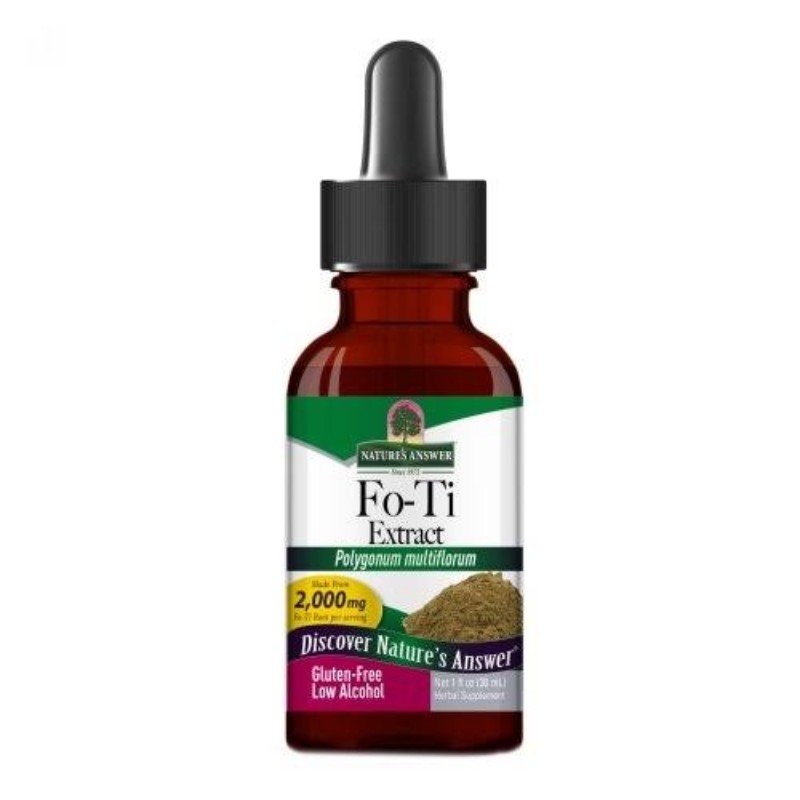
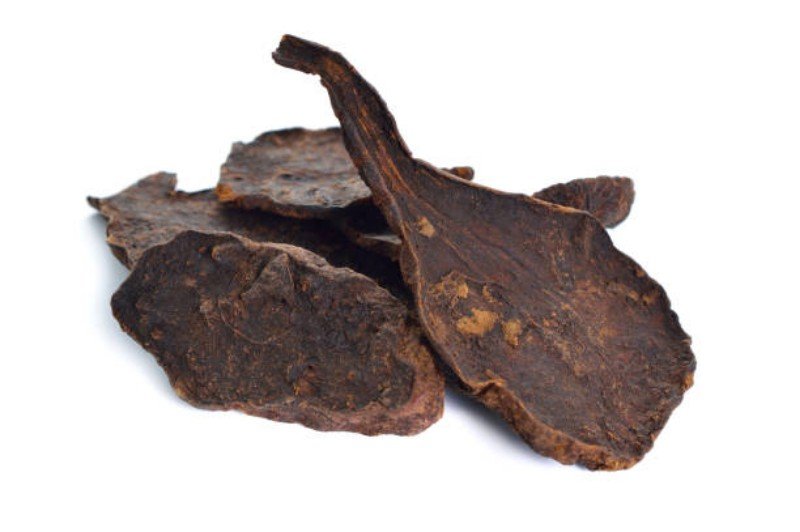
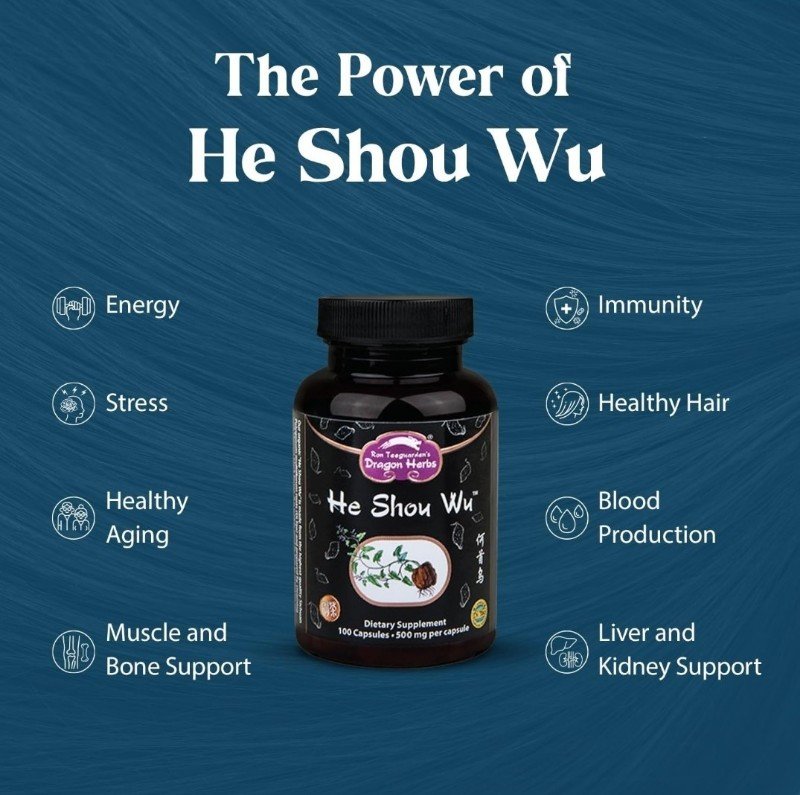
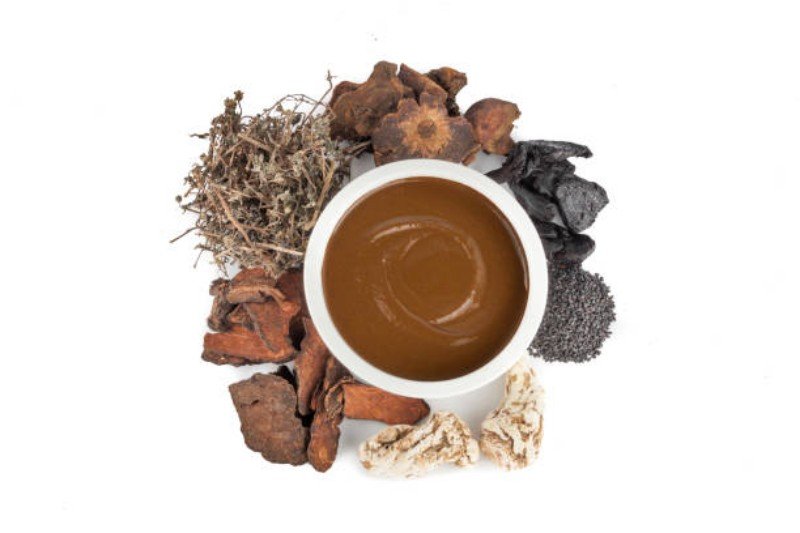
Ho Shu Wu herb, also known as Polygonum multiflorum, is a traditional Chinese herb that has gained popularity for its numerous health benefits.

With a rich history of use in traditional medicine, Ho Shu Wu herb is renowned for its ability to enhance overall well-being and promote longevity. Recent scientific research has shed light on the various surprising ways this herb can positively impact different aspects of our health. From boosting hair health to improving liver function, enhancing sexual vitality, strengthening the immune system, and even providing anti-aging effects, Ho Shu Wu herb offers a range of potential benefits. In this article, we will explore these five surprising ways Ho Shu Wu herb can enhance your overall well-being, providing you with valuable insights into the power of this traditional herb.


Introduction to Ho Shu Wu Herb

– What is Ho Shu Wu Herb?

Ho Shu Wu herb, also known as Polygonum multiflorum or Fo-Ti, is a traditional Chinese herb that has been used for centuries in various forms. It is a climbing vine native to China and is highly regarded for its medicinal properties.

– Historical Usage and Traditional Medicine

In traditional Chinese medicine, Ho Shu Wu herb has been used to promote longevity and enhance overall well-being. It has been traditionally associated with nourishing the liver and kidneys, improving blood circulation, and supporting hair health.

– Scientific Research and Modern Applications

In recent years, scientific research has started to uncover the various health benefits of Ho Shu Wu herb. It is rich in antioxidants and contains compounds that may help protect against oxidative damage and inflammation. Modern applications of Ho Shu Wu herb include its use in hair care products, dietary supplements, and traditional herbal remedies.


Boosting Hair Health with Ho Shu Wu Herb

– Understanding Hair Loss and Common Causes

Hair loss is a common concern for many individuals, and it can be caused by factors such as genetics, hormonal imbalances, nutrient deficiencies, and scalp conditions. It can affect both men and women and can have a significant impact on self-esteem and confidence.

– The Role of Ho Shu Wu Herb in Promoting Hair Growth

Ho Shu Wu herb has long been associated with promoting hair growth and reducing hair loss. It is believed to nourish the hair follicles and stimulate blood circulation in the scalp, which may contribute to improved hair health and regrowth.

– How to Use Ho Shu Wu Herb for Hair Health

Ho Shu Wu herb can be consumed orally as a supplement or used topically in the form of shampoos, conditioners, or hair masks. It is important to follow product instructions and consult with a healthcare professional before starting any new hair care regimen.


Enhancing Liver Function and Detoxification

– The Importance of Liver Health

The liver is a vital organ responsible for detoxification, metabolism, and the production of essential proteins. Maintaining optimal liver health is crucial for overall well-being and can help prevent various health issues.

– Ho Shu Wu Herb and Its Impact on Liver Function

Studies have shown that Ho Shu Wu herb may have hepatoprotective properties, meaning it can help protect the liver from damage caused by toxins and oxidative stress. It may also support liver function by promoting the elimination of waste and toxins.

– Detoxification Benefits of Ho Shu Wu Herb

Ho Shu Wu herb is believed to support the body’s natural detoxification processes by aiding in the removal of harmful substances. By supporting liver health, it may contribute to improved overall detoxification and help maintain a healthier body.


Improving Health and Vitality

– Common Health Issues

Various health issues, such as fatigue, low libido, and poor immune function, can impact overall well-being and vitality. Finding natural ways to address these concerns is of great importance.

– Ho Shu Wu Herb’s Effect on Libido and Performance

Ho Shu Wu herb has been traditionally used to support reproductive health and libido. It is believed to have aphrodisiac properties and may help improve sexual function and performance.

– Other Benefits for Health

In addition to hair health and liver function, Ho Shu Wu herb has been associated with various other health benefits. These include supporting cardiovascular health, promoting healthy aging, and boosting vitality. Overall, Ho Shu Wu herb offers surprising ways to enhance your overall well-being. Whether it’s promoting hair growth, supporting liver function, or improving vitality, this versatile herb has a range of potential benefits to explore. However, it is always advisable to consult with a healthcare professional before incorporating any new herbal supplement into your routine. So why not give Ho Shu Wu herb a try and see how it can contribute to your overall wellness journey?


Strengthening the Immune System with Ho Shu Wu Herb

– Understanding the Immune System

We all know the importance of a strong immune system, especially in today’s world. Our immune system is like our personal bodyguard, protecting us from harmful invaders like viruses, bacteria, and other pesky pathogens. It’s the superhero we need in our corner to keep us healthy and well.

– Immune-Boosting Properties of Ho Shu Wu Herb

Now, let’s talk about our secret weapon: Ho Shu Wu herb. This remarkable herb, also known as polygonum multiflorum or fo-ti, has been used for centuries in traditional Chinese medicine to enhance overall well-being, and one of its impressive superpowers is its ability to boost the immune system. Ho Shu Wu herb contains powerful antioxidants and immune-stimulating compounds that help activate and strengthen our body’s defense mechanism. It acts as a natural shield, fortifying the immune system and improving its ability to fight off infections and diseases.

– Incorporating Ho Shu Wu Herb into Your Immune Support Routine

So, how can you incorporate this immune-boosting wonder herb into your daily routine? One simple way is by making a delicious and nourishing herbal tea. Brew a cup of Ho Shu Wu herb tea and sip your way to a stronger immune system. You can also find it in supplement form, making it even easier to incorporate into your daily wellness routine.Remember, a healthy immune system is key to staying well and warding off those nasty bugs. With the help of Ho Shu Wu herb, you can give your body the support it needs to keep you thriving.


Supporting Longevity and Anti-aging Effects

– The Concept of Longevity and Anti-aging

Ah, the fountain of youth. We’ve all heard tales of secret elixirs and magical potions that promise everlasting youth. While those might be a bit far-fetched, the desire to age gracefully and maintain a youthful glow is something we can all relate to.

– Ho Shu Wu Herb’s Role in Promoting Longevity

Enter Ho Shu Wu herb, the herb that may just hold the key to supporting longevity and anti-aging effects. This herb has been revered in traditional Chinese medicine for its ability to nourish and rejuvenate the body, promoting vitality and overall well-being. Ho Shu Wu herb works by nourishing the kidneys and liver, which are considered the foundations of our vitality according to traditional Chinese medicine. By nourishing these organs, the herb helps to balance our internal systems, supporting longevity and promoting a youthful appearance.

– Antioxidant and Anti-aging Benefits of Ho Shu Wu Herb

One of the reasons Ho Shu Wu herb is so effective in promoting anti-aging effects is its high antioxidant content. Antioxidants help neutralize free radicals, those pesky molecules that can cause damage to our cells and speed up the aging process. By incorporating Ho Shu Wu herb into your wellness routine, you’re giving your body a powerful ally in the fight against aging. Embrace the wisdom of ancient herbal remedies and let Ho Shu Wu herb help you unlock the secret to aging gracefully.


Potential Side Effects and Precautions with Ho Shu Wu Herb

– Possible Side Effects and Allergies

Now, let’s address the elephant in the room – are there any potential side effects or precautions when it comes to using Ho Shu Wu herb? Like with any herb or supplement, it’s essential to be aware of possible reactions and take necessary precautions. While Ho Shu Wu herb is generally considered safe for most people, there have been rare reports of allergic reactions. If you have a known allergy to Ho Shu Wu herb or any related herbs, it’s best to avoid using it.

– Interaction with Medications

If you’re taking any medications, it’s always a good idea to consult with your healthcare provider before incorporating any new herbs or supplements into your routine. Ho Shu Wu herb has certain compounds that may interact with certain medications, particularly those used for blood thinning or diabetes management. Your healthcare provider will be able to provide you with personalized guidance based on your specific circumstances.

– Recommended Dosage and Safety Guidelines

To ensure the safe and effective use of Ho Shu Wu herb, it’s important to follow recommended dosage guidelines. Experts suggest starting with a low dose and gradually increasing it if needed. As with any herbs or supplements, it’s always best to start with the lowest effective dose and listen to your body. Remember, when it comes to your health, knowledge is power. Educate yourself on the potential side effects, consult with healthcare professionals, and be mindful of your own body’s response. By doing so, you can safely enjoy the incredible benefits that Ho Shu Wu herb has to offer.
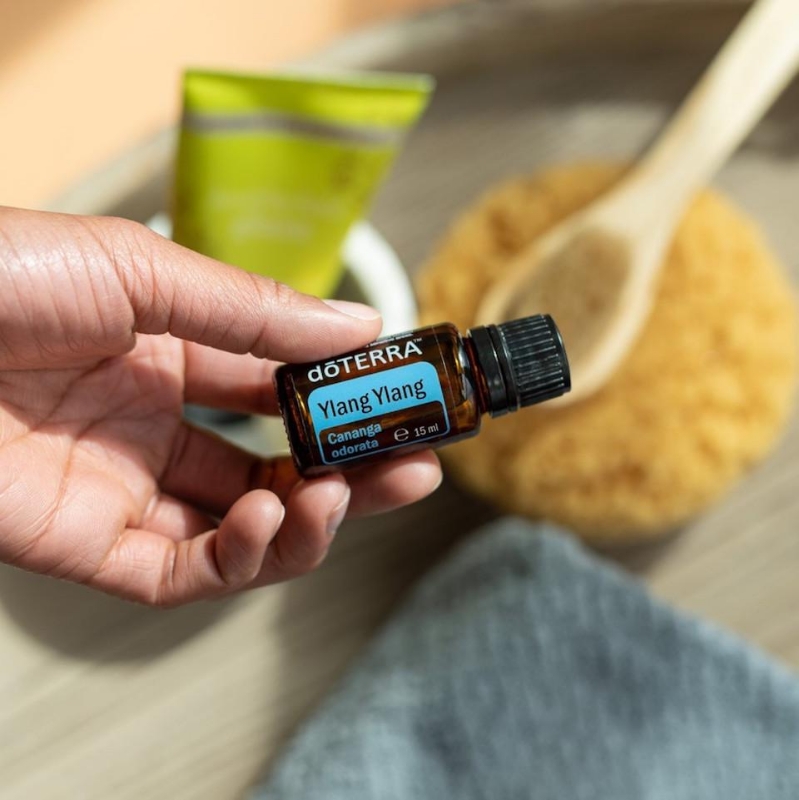
In conclusion, Ho Shu Wu herb is a remarkable natural remedy that offers a multitude of benefits for your overall well-being. Whether you’re looking to improve hair health, support liver function, boost sexual vitality, strengthen your immune system, or slow down the aging process, Ho Shu Wu herb has surprising potential. However, it’s important to consult with a healthcare professional before incorporating this herb into your routine, especially if you have any pre-existing medical conditions or are taking medications. With proper knowledge and guidance, you can harness the power of Ho Shu Wu herb to enhance your health and well-being in unexpected ways. Embrace the ancient wisdom of this herb and embark on a journey towards a healthier, more vibrant life.


FAQ
1. Are there any potential side effects of using Ho Shu Wu herb?
While Ho Shu Wu herb is generally considered safe for most individuals, it is important to be aware of potential side effects. Some people may experience digestive issues such as diarrhea or an upset stomach. Additionally, there have been rare reports of liver toxicity associated with the use of this herb. It is recommended to start with a low dosage and monitor your body’s response. If you experience any adverse effects, discontinue use and consult a healthcare professional.

2. Can Ho Shu Wu herb be used by pregnant or breastfeeding women?
Pregnant or breastfeeding women should exercise caution when considering the use of Ho Shu Wu herb. There is a lack of sufficient scientific evidence regarding the safety of this herb during pregnancy and lactation. It is advisable to consult with a healthcare professional before incorporating Ho Shu Wu herb into your routine if you are pregnant or breastfeeding.

3. How long does it take to see results when using Ho Shu Wu herb?
The time it takes to see results from using Ho Shu Wu herb may vary from person to person. Some individuals may experience noticeable improvements within a few weeks, while others may require several months of consistent use. It is important to be patient and consistent with your usage of the herb to allow sufficient time for it to take effect.

4. Can Ho Shu Wu herb interact with medications?
Yes, Ho Shu Wu herb has the potential to interact with certain medications. It may interfere with the effectiveness of medications metabolized by the liver or affect the blood-thinning properties of anticoagulant medications. If you are taking any medications, it is crucial to consult with a healthcare professional before using Ho Shu Wu herb to avoid any potential interactions or adverse effects.

Discover the Secret to Stronger Bones: The Power of Sesame Seeds

Bone strength plays a crucial role in maintaining our overall health and well-being.

Beyond providing structure and support, our bones are responsible for protecting vital organs and producing blood cells. As we age, the risk of developing weak and brittle bones increases, leading to conditions such as osteoporosis. However, there are various ways to enhance and preserve bone health, and one powerful yet often overlooked ingredient is sesame seeds. In this article, we will delve into the remarkable benefits of sesame seeds for stronger bones, exploring their nutritional composition, scientific evidence, and practical ways to incorporate them into our diets. Discover the secret to stronger bones and unlock the potential of sesame seeds for a healthier and more vibrant life.


The importance of strong bones for overall health

Why strong bones are essential for overall well-being

We often take our bones for granted, but they play a crucial role in keeping us upright and mobile. Strong bones are the foundation of a healthy and active life. They provide support to our muscles, protect vital organs, and allow us to perform everyday activities with ease.
The impact of weak bones on daily life and long-term health
Weak bones, on the other hand, can significantly affect our quality of life. Conditions such as osteoporosis, where bones become fragile and prone to fractures, can limit mobility and independence. Simple tasks like lifting groceries or even bending down can become challenging, and the risk of fractures increases, leading to pain and potential complications. Therefore, it’s essential to take measures to strengthen our bones and maintain their health.


Understanding the role of sesame seeds in bone health

The historical significance of sesame seeds in traditional medicine

Sesame seeds have been used for centuries in traditional medicine to support bone health. Ancient civilizations, including the Egyptians and Greeks, recognized the therapeutic properties of these tiny seeds. They believed in the power of sesame seeds to promote strength and vitality, particularly in the skeletal system.


Overview of the nutrients in sesame seeds that promote bone health

Sesame seeds are packed with nutrients that contribute to strong bones. They are an excellent source of calcium, which is the primary mineral responsible for bone strength. Additionally, sesame seeds contain magnesium, phosphorus, and other essential vitamins and minerals that play vital roles in bone formation and maintenance.


Nutritional profile of sesame seeds: Key minerals and vitamins

Calcium content in sesame seeds and how it contributes to bone strength

While sesame seeds may not match the calcium content of dairy products, they still offer a significant amount of this essential mineral. Calcium is crucial for bone density and strength, and incorporating sesame seeds into your diet can help ensure you’re meeting your dietary calcium needs.
The role of magnesium and phosphorus in bone health
In addition to calcium, sesame seeds contain magnesium and phosphorus. These minerals work synergistically with calcium to support the formation and maintenance of strong bones. Magnesium aids in the absorption of calcium into the bones, while phosphorus is essential for the structural integrity of bones. Together, these nutrients play a vital role in bone health.
Other essential vitamins and minerals found in sesame seeds
Sesame seeds also provide a range of other essential vitamins and minerals that contribute to overall bone health. These include zinc, copper, manganese, and vitamin K. Each of these nutrients plays a unique role in supporting bone strength and integrity, making sesame seeds a valuable addition to a bone-healthy diet.


The science behind sesame seeds and bone strength

Research studies linking sesame seeds to improved bone mineral density

Scientific studies have investigated the potential benefits of sesame seeds on bone health. Research has shown that regular consumption of sesame seeds or sesame oil can lead to improved bone mineral density, reducing the risk of osteoporosis and fractures. While more research is needed, these findings suggest that sesame seeds may indeed be a powerful ally for bone strength.
Understanding the bioactive compounds in sesame seeds and their effects on bone health
Sesame seeds contain bioactive compounds, such as lignans and phytosterols, which have been associated with various health benefits, including bone health. These compounds may have antioxidant and anti-inflammatory properties, which can help protect against bone loss and promote bone regeneration. While the mechanisms are still being explored, the presence of these bioactive compounds adds further evidence to the potential positive impact of sesame seeds on bone strength.So, go ahead and sprinkle some sesame seeds on your salads, stir-fries, or even on your morning oatmeal. Not only will they add a delightful crunch, but they may also contribute to keeping your bones strong and healthy.


Incorporating sesame seeds into your diet for stronger bones

Creative ways to include sesame seeds in meals and snacks

Sesame seeds may be small, but they pack a powerful punch when it comes to bone health. Luckily, incorporating these little wonders into your diet is easier than you might think. Here are a few creative ways to enjoy the benefits of sesame seeds:

  • Sprinkle them on salads: Add a sprinkle of sesame seeds to your favorite salads for a delightful crunch and added nutritional boost. They go particularly well with leafy greens and Asian-inspired dressings.
  • Blend them into smoothies: Give your morning smoothie an extra twist by blending in a tablespoon or two of sesame seeds. Not only will they add a nutty flavor, but they’ll also give your bones a boost.
  • Use them as a topping: Sprinkle sesame seeds on top of your stir-fries, roasted vegetables, or even avocado toast for a tasty and nutritious touch.

Make sesame seed butter: Just like peanut or almond butter, sesame seed butter (also known as tahini) can be a delicious and versatile addition to your pantry. Use it as a spread, dip, or even in dressings and sauces.


Recommended daily intake of sesame seeds for maximum bone health benefits

While sesame seeds are a valuable source of bone-strengthening nutrients, it’s important to consume them in moderation. Experts recommend a daily intake of about 1-2 tablespoons of sesame seeds to reap their maximum bone health benefits. Remember, balance is key! So, enjoy sesame seeds as part of a well-rounded diet that includes various other nutrients for overall bone health.


Exploring other benefits of sesame seeds for overall well-being

Antioxidant properties of sesame seeds and their impact on overall health

Did you know that sesame seeds are not just great for your bones but also for your overall well-being? These tiny seeds are packed with antioxidants that help fight against the damage caused by free radicals in our bodies. So, by incorporating sesame seeds into your diet, you’re giving your body a powerful tool to combat oxidative stress and promote better overall health.


Potential effects of sesame seeds on inflammation and heart health

In addition to their bone-strengthening and antioxidant properties, sesame seeds may also have anti-inflammatory benefits. Some studies suggest that the compounds found in sesame seeds can help reduce inflammation in the body, which is linked to various chronic diseases. Furthermore, these little gems might also contribute to heart health by helping to lower cholesterol levels. Just another reason to sprinkle sesame seeds into your daily routine!


Precautions and considerations when consuming sesame seeds

Allergy risks and how to identify and manage sesame seed allergies

While sesame seeds are undoubtedly nutritious, it’s important to be aware of potential allergy risks. Sesame seed allergies are not uncommon and can cause allergic reactions ranging from mild to severe. If you suspect an allergy, pay attention to symptoms such as hives, itching, swelling, or difficulty breathing. It’s always best to consult with a healthcare professional to get an accurate diagnosis and guidance on managing any allergies.
Understanding the calorie and fat content of sesame seeds
While sesame seeds offer numerous health benefits, it’s good to keep an eye on their calorie and fat content. Just like any food, consuming them in excess can lead to unwanted weight gain. However, in moderation, sesame seeds can be a healthy addition to your diet. So, enjoy them mindfully, and remember that balance is key to maintaining a healthy lifestyle.


Harnessing the power of sesame seeds for optimum bone health

Recapitulating the benefits of sesame seeds for bone strength

Sesame seeds may be small, but their impact on bone health is mighty. Packed with nutrients like calcium, magnesium, and phosphorus, these tiny seeds can help strengthen your bones and reduce the risk of osteoporosis. By incorporating them into your diet, you’re giving your bones the support they need to stay strong and healthy.


Encouraging the integration of sesame seeds into a balanced diet for overall well-being

Beyond their bone-strengthening benefits, sesame seeds also offer antioxidant, anti-inflammatory, and potential heart health advantages. So, don’t be afraid to get creative in the kitchen and add a sprinkle of sesame seeds to salads, smoothies, and other dishes. Just remember to consume them in moderation, be mindful of any allergies, and enjoy the countless benefits that these little seeds have to offer. Here’s to stronger bones and a happier, healthier you!


Incorporating sesame seeds into your diet is a small yet impactful step towards promoting and maintaining strong bones. With their rich nutritional profile and scientifically-proven benefits, sesame seeds offer a natural and accessible way to support bone health. Whether sprinkled on salads, added to smoothies, or used as a topping for various dishes, these tiny seeds can make a big difference in your overall well-being. Embrace the power of sesame seeds and enjoy the lifelong benefits of strong and resilient bones. Start incorporating them into your meals today and embark on a journey towards optimum bone health and vitality.


FAQs

1. Can sesame seeds alone provide enough calcium for strong bones?
Sesame seeds are indeed a good source of calcium, but they should not be solely relied upon for meeting your daily calcium requirements. It is recommended to consume a balanced diet that includes other calcium-rich foods such as dairy products, leafy greens, and fortified foods, in addition to incorporating sesame seeds for optimal bone health.
2. Are there any potential risks or side effects associated with consuming sesame seeds?
While sesame seeds are generally safe for consumption, individuals with known sesame seed allergies should avoid them. Allergic reactions to sesame seeds can range from mild symptoms like itching and hives to more severe reactions such as difficulty breathing. It’s essential to read food labels carefully and consult with a healthcare professional if you suspect a sesame seed allergy.
3. How much sesame seeds should I consume daily for bone health benefits?
There is no one-size-fits-all answer to this question, as the ideal daily intake of sesame seeds may vary based on individual needs and health conditions. However, incorporating a tablespoon (around 9 grams) of sesame seeds into your daily diet can contribute to your overall nutrient intake and support bone health. Consulting with a healthcare professional or registered dietitian can help determine the appropriate amount for your specific needs.
4. Can sesame seeds be consumed by individuals following a gluten-free diet?
Yes, sesame seeds are naturally gluten-free, making them a safe option for individuals following a gluten-free diet. However, it’s crucial to ensure that the sesame seeds and any sesame-based products you consume are not cross-contaminated with gluten during processing or preparation. Always check food labels for any potential gluten-containing ingredients or potential cross-contamination risks.

The Science Behind Olive Oils Anti-Inflammatory Properties and How to Use It

Inflammation is a natural response of the immune system to protect the body from injury or infection.

However, chronic inflammation can contribute to various health issues, including cardiovascular disease, diabetes, and arthritis. As a result, the search for natural anti-inflammatory agents has gained significant attention. One such agent that has been extensively studied is olive oil. Olive oil, a prominent component of the Mediterranean diet, has been hailed for its numerous health benefits, including its potent anti-inflammatory properties. In this article, we will delve into the science behind olive oil’s anti-inflammatory effects, explore its key components, understand the mechanisms of action, discuss the benefits of incorporating olive oil into an anti-inflammatory diet, provide best practices for its use, and offer practical tips for incorporating olive oil into everyday meals for maximum health benefits.


Introduction to the anti-inflammatory properties of olive oil

What is inflammation and why is it important?

Inflammation is a natural response by our body’s immune system to protect against harmful stimuli such as pathogens, injuries, and toxins. While acute inflammation is necessary for healing, chronic inflammation can lead to various health issues like heart disease, arthritis, and even cancer. That’s why managing inflammation is crucial for overall well-being.


Overview of the role of diet in managing inflammation

Diet plays a significant role in managing inflammation. Consuming a balanced diet with anti-inflammatory properties can help prevent chronic inflammation. Foods rich in antioxidants and healthy fats are especially effective in reducing inflammation.


Introduction to olive oil as a powerful anti-inflammatory agent

One such superfood that has gained attention for its notable anti-inflammatory properties is olive oil. This golden elixir has been a staple in Mediterranean cuisine for centuries. Besides its delicious taste, olive oil contains various compounds that possess potent anti-inflammatory effects. Let’s dive into the science behind it.


Exploring the scientific research behind olive oil’s anti-inflammatory effects

Overview of studies on olive oil and inflammation

Numerous studies have investigated the impact of olive oil on inflammation. These studies have examined its effects on various inflammatory markers in the body, such as C-reactive protein (CRP) and interleukins. Such research has shed light on the mechanisms through which olive oil exerts its powerful anti-inflammatory effects.


Understanding the methodologies used in scientific research

To understand the effects of olive oil, scientists employ a range of methodologies, including in vitro experiments, animal studies, and human clinical trials. These methods allow researchers to observe the impact of olive oil on specific inflammatory pathways and markers.


Key findings from recent studies on olive oil’s anti-inflammatory properties

Recent studies have consistently shown that olive oil intake can lead to a reduction in inflammation. In particular, the Mediterranean diet, which is rich in olive oil, has been associated with lower levels of inflammatory markers and a decreased risk of chronic diseases linked to inflammation.


The key components in olive oil that contribute to its anti-inflammatory properties

Polyphenols: Powerful antioxidants and anti-inflammatory agents

One of the key components in olive oil responsible for its anti-inflammatory effects is polyphenols. These natural plant compounds are potent antioxidants that help protect the body against oxidative stress. Polyphenols in olive oil have been shown to modulate inflammatory pathways and inhibit the activity of pro-inflammatory enzymes.


Oleocanthal: A natural compound with anti-inflammatory properties

Another noteworthy compound found in olive oil is oleocanthal. This compound has been shown to inhibit the same inflammatory pathway as nonsteroidal anti-inflammatory drugs (NSAIDs), providing a natural alternative for reducing inflammation. However, it’s important to note that the concentration of oleocanthal can vary across different types and brands of olive oil.


Omega-9 fatty acids: Supporting overall health and reducing inflammation

Olive oil is also rich in monounsaturated fats, particularly omega-9 fatty acids like oleic acid. These healthy fats play a crucial role in reducing inflammation and promoting heart health. Incorporating olive oil into your diet can contribute to a balanced intake of these beneficial fatty acids.


Understanding the mechanisms of action for olive oil’s anti-inflammatory effects

Inhibition of pro-inflammatory enzymes and cytokines

Olive oil compounds, such as polyphenols and oleocanthal, have been shown to inhibit the activity of pro-inflammatory enzymes and reduce the production of cytokines, which are responsible for promoting inflammation. By interfering with these inflammatory pathways, olive oil helps to alleviate chronic inflammation.


Modulation of immune response and oxidative stress

Olive oil’s anti-inflammatory properties extend to its modulation of the immune response. It helps to balance the immune system, preventing excessive immune reactions that can lead to chronic inflammation. Additionally, the antioxidants in olive oil combat oxidative stress, a key driver of inflammation.


Impact on gut health and the microbiome

Emerging research suggests that olive oil may positively influence gut health and the composition of the microbiome, the trillions of bacteria residing in our digestive system. A healthy gut and a diverse microbiome are associated with reduced inflammation. Olive oil’s positive influence on gut health further contributes to its anti-inflammatory effects.Remember, while incorporating olive oil into your diet can be beneficial, it’s essential to maintain a well-rounded approach to managing inflammation. A healthy lifestyle, including regular exercise, stress management, and a balanced diet rich in other anti-inflammatory foods, can complement the remarkable properties of olive oil in the fight against chronic inflammation. So, go ahead and drizzle that golden goodness over your favorite dishes and savor the taste and benefits it brings!


Benefits of incorporating olive oil into an anti-inflammatory diet

Olive oil isn’t just a flavorful addition to your meals—it also offers some impressive health benefits when it comes to reducing inflammation. By incorporating olive oil into your diet, you can experience the following advantages:


Reduction in chronic inflammation and related health conditions

Chronic inflammation has been linked to a range of health problems, including heart disease, diabetes, and certain types of cancer. The good news is that olive oil contains compounds that have been shown to reduce inflammation in the body. By regularly consuming olive oil as part of an anti-inflammatory diet, you can potentially lower your risk of these chronic conditions.


Support for heart health and cardiovascular function

Olive oil has long been praised for its heart-healthy properties. It’s rich in monounsaturated fats, which can help improve cholesterol levels and reduce the risk of heart disease. Additionally, olive oil contains antioxidants that protect the heart and blood vessels from damage, promoting overall cardiovascular health.


Potential for weight management and metabolic health

If you’re looking to shed a few pounds or maintain a healthy weight, olive oil can be a valuable ally. Including olive oil in your diet can help increase feelings of satiety, meaning you’ll feel fuller for longer and be less likely to overeat. Furthermore, research suggests that olive oil may improve insulin sensitivity and regulate blood sugar levels, making it beneficial for individuals with prediabetes or diabetes.


Best practices for using olive oil to harness its anti-inflammatory properties

Now that you’re aware of the benefits, it’s essential to know how to make the most of olive oil’s anti-inflammatory properties. Here are some best practices to keep in mind:


Choosing high-quality extra virgin olive oil

When it comes to olive oil, quality matters. Opt for extra virgin olive oil, as it is made from the first press of olives and retains the highest levels of beneficial compounds. Look for reputable brands and consider factors such as the harvest date and the region of origin. That way, you can ensure you’re getting the best quality product.


Proper storage and handling to preserve beneficial properties

To preserve the freshness and beneficial properties of your olive oil, it’s crucial to store and handle it properly. Keep your olive oil in a cool, dark place, away from direct sunlight and heat sources. Avoid transferring it to a clear glass bottle, as exposure to light can degrade its quality. Finally, seal the bottle tightly to prevent oxidation and extend its shelf life.


Recommended daily intake and usage tips


While there’s no one-size-fits-all answer for how much olive oil to consume daily, experts generally recommend incorporating two tablespoons into your diet. This can be achieved by drizzling it over salads, using it as a cooking oil, or adding it to marinades and dressings. Remember that moderation is key, as olive oil is calorie-dense. So, while it’s beneficial for our health, a little goes a long way!


Incorporating olive oil into everyday meals and recipes for maximum health benefits

Now, let’s talk about how you can incorporate olive oil into your everyday meals to maximize its health benefits. Here are some simple yet tasty ideas:


Simple ways to add olive oil to salads, dressings, and marinades

One of the easiest ways to enjoy olive oil is by using it to dress your salads. Drizzle a tablespoon or two over mixed greens, vegetables, or even fruit for a delicious and healthy addition. You can also create your own homemade salad dressings by combining olive oil with vinegar or lemon juice, herbs, and spices. Additionally, olive oil works wonders as a flavorful marinade for meats, fish, and vegetables.


Cooking with olive oil for added flavor and health benefits

Using olive oil as your primary cooking oil is a smart choice for both flavor and health. It can be used for sautéing vegetables, frying eggs, or even baking. Keep in mind that olive oil has a lower smoke point than some other oils, so it’s best used for medium to low heat cooking or as a finishing touch for dishes.


Exploring unique ways to enjoy olive oil

Thinking outside the box can help you discover new, delicious ways to incorporate olive oil into your meals. For example, try drizzling olive oil over roasted vegetables, grilled meats, or even popcorn for a burst of flavor. You can also use it as a base for homemade pesto or as a dipping oil for bread. The possibilities are endless, so get creative and enjoy the diverse flavors of olive oil!
In conclusion, olive oil has emerged as a powerful ally in the battle against chronic inflammation. Its rich content of polyphenols, oleocanthal, and omega-9 fatty acids work together to combat inflammation at the molecular level. By incorporating olive oil into our daily diet, we can reap the benefits of reduced inflammation, improved heart health, and overall well-being. So, let us embrace olive oil as a versatile and delicious ingredient in our meals, knowing that we are harnessing the science-backed anti-inflammatory properties of this remarkable oil.


FAQ

1. How much olive oil should I consume daily to benefit from its anti-inflammatory properties?
The recommended daily intake of olive oil for adults is about 2 tablespoons (30 ml). This amount can provide a good dose of the beneficial compounds found in olive oil, including its anti-inflammatory properties. It’s important to remember that moderation is key, and incorporating olive oil into a well-balanced diet is more important than consuming excessive amounts.

2. Can I use any type of olive oil to harness its anti-inflammatory properties?
When it comes to reaping the maximum health benefits, it is recommended to use extra virgin olive oil (EVOO). EVOO is the least processed type of olive oil, retaining the highest levels of antioxidants, polyphenols, and other beneficial compounds. Look for reputable brands and check for certifications to ensure you’re getting high-quality extra virgin olive oil.

3. Can olive oil be used in cooking without losing its anti-inflammatory properties?
Olive oil can be safely used for cooking at low to moderate temperatures. However, excessive heat can degrade the beneficial compounds in olive oil, including its anti-inflammatory properties. To preserve its health benefits, it is best to use olive oil for light sautéing, drizzling over finished dishes, or in salad dressings. For high-heat cooking methods, such as frying, it might be better to choose an oil with a higher smoke point.

4. Are there any potential side effects or precautions to consider when using olive oil for its anti-inflammatory properties?
For most people, olive oil is safe to consume and use as a part of a healthy diet. However, it’s important to note that olive oil is high in calories, so moderation is important, especially for individuals with certain health conditions such as obesity or cardiovascular issues. Additionally, individuals with allergies or sensitivities to olives should exercise caution and consult with a healthcare professional if needed.

The Ultimate Guide to Sound Baths: How to Experience Deep Relaxation

Welcome to the ultimate guide to sound baths, where we will explore the transformative power of sound therapy and how it can bring deep relaxation and healing to your life.


What is a Sound Bath?

The History and Origins of Sound Baths

Sound baths might sound like something you’d find in a fancy spa, but they’re actually an ancient practice rooted in various cultural traditions. Originating in Asia, Africa, and the Americas, sound baths have been used for centuries as a form of healing and relaxation.


Understanding the Concept of Sound Healing

At its core, a sound bath is a therapeutic experience in which participants are “bathed” in soothing sounds and vibrations. This is achieved through the use of various instruments like singing bowls, gongs, chimes, and even human voices. The sound waves produced by these instruments are believed to have a profound effect on the mind, body, and spirit, promoting relaxation and deep rest.


The Science Behind Sound Baths: How Sound Therapy Works

Exploring the Power of Vibrations and Frequencies

Sound therapy operates on the principle that everything in the universe is made up of vibrating energy. When we listen to specific frequencies and vibrations produced by instruments during a sound bath, our bodies and minds respond to these stimuli. This can lead to a state of harmony and balance, similar to how a well-tuned instrument produces a pleasant sound.


Neurological Effects of Sound Baths on the Brain

Research has shown that sound therapy has profound effects on the brain. When we are exposed to certain sounds, our brainwaves can shift into more relaxed states, such as alpha or theta waves, associated with deep meditation and relaxation. Sound baths have been shown to reduce stress and anxiety, promote focus, and even enhance creativity.


Benefits of Sound Baths: Exploring the Healing Effects

Stress Reduction and Relaxation

Sound baths provide a sanctuary from the hustle and bustle of daily life. The calming sounds and vibrations help to activate the relaxation response in our bodies, reducing stress hormones and promoting a sense of tranquility. It’s like a mini-vacation for your mind and body.


Improved Sleep and Insomnia Relief

If counting sheep isn’t doing the trick, consider incorporating sound baths into your bedtime routine. The soothing sounds can help calm your mind, enabling you to slip into a deep and restful sleep. Bye bye, sleepless nights!


Emotional Release and Healing

Sometimes, emotions can get stuck within us, causing tension and unease. Sound baths can act as a catalyst for emotional release, helping to release stagnant energy and promote healing. It’s like hitting the reset button for your emotions.


Preparing for a Sound Bath: Setting the Mood and Creating a Relaxing Space

Choosing the Right Environment for a Sound Bath

To fully immerse yourself in the experience, it’s important to select a quiet and peaceful environment for your sound bath. Find a space where you won’t be disturbed, free from distractions and interruptions. Whether it’s a dedicated meditation room or a cozy corner of your living room, make sure it feels like your own personal oasis.


Creating a Sacred Space for Sound Healing

To enhance the ambiance, consider adding elements like candles, incense, or soft lighting to create a serene atmosphere. You may also want to set the mood with comfortable cushions or a cozy blanket. Remember, the goal is to create a space that invites relaxation and rejuvenation.So, whether you’re seeking stress relief, better sleep, or emotional healing, a sound bath can be a transformative experience. So, sit back, relax, and let the soothing sounds wash over you as you embark on a journey of deep relaxation and inner peace.


What to Expect During a Sound Bath: A Step-by-Step Guide

Introduction to Sound Bath Rituals

Are you ready to immerse yourself in the soothing world of sound baths? Get ready to let go of stress and embrace deep relaxation! Sound bath rituals are becoming increasingly popular as a way to unwind and rejuvenate the mind and body. But what exactly happens during a sound bath? Let’s dive in.First, you’ll find yourself in a comfortable and serene space, typically a room filled with cozy blankets and soft lighting. The sound bath facilitator, armed with an array of magical instruments, will guide you through the experience. And no, you won’t be taking a literal bath (save that for the bathtub!). Instead, you’ll be bathed in sound waves produced by various instruments like singing bowls, gongs, and more.


Exploring Different Sound Bath Techniques

Now that you know the basics, let’s explore the different sound bath techniques that can transport you to a state of bliss. One popular technique is using Tibetan singing bowls, which are believed to create harmonic frequencies that promote relaxation and balance. These bowls are typically struck or played with a mallet, producing a resonating sound that can be felt deep within.Another technique involves crystal singing bowls. These gorgeous and delicate instruments produce enchanting tones by striking or running a mallet around the rim. Each bowl is associated with specific chakras, helping to align and balance the energy centers in your body.And then, there are gongs! These large, majestic instruments unleash powerful and reverberating sounds that can transport you to another world. The vibrations from gongs are said to release tension and create a deep sense of relaxation.


Different Types of Sound Baths: Exploring Various Instruments and Techniques


Tibetan Singing Bowls and their Benefits

Ready to tickle your eardrums with the enchanting sounds of Tibetan singing bowls? These beautiful bowls are not only aesthetically pleasing but also offer a range of benefits. When played, the vibrations from the bowls can help reduce stress, promote deep relaxation, and even improve sleep quality. So grab a cozy blanket, find a comfortable spot, and let the soothing sounds of Tibetan singing bowls transport you to tranquility.


Crystal Singing Bowls: Healing Properties and Uses

Looking for a crystal-clear sound experience? Enter the world of crystal singing bowls! Made from quartz crystal, these bowls produce ethereal tones that resonate with your body’s energy centers, or chakras. By balancing and harmonizing these energy centers, crystal singing bowls can assist in physical and emotional healing, relaxation, and even meditation. So grab your favorite crystal singing bowl and get ready to bask in the healing vibrations.


Gongs and their Role in Sound Healing

When it comes to creating powerful and transformative sound experiences, gongs take center stage. These incredible instruments produce a wide range of tones and vibrations that can shake awake stagnant energy and leave you feeling refreshed. The intense vibrations from gongs can release tension, enhance your meditation practice, and even facilitate emotional release. So close your eyes, buckle up, and let the gongs take you on an extraordinary sonic journey.


Tips for Enhancing Your Sound Bath Experience: Maximizing Relaxation and Mindfulness

Deepening Your Breathwork and Meditation

To truly embrace the relaxation offered by sound baths, it’s important to deepen your breathwork and meditation practice. Focus on your breath, allowing it to become slow and steady. As you listen to the sounds, let your mind follow the rise and fall of the notes. Embrace the present moment and let go of any distracting thoughts. Remember, it’s okay if your mind wanders off – just gently bring your attention back to the sounds.


Using Aromatherapy and Essential Oils

Why not enhance your sound bath experience with the power of aromatherapy? Using essential oils like lavender, frankincense, or chamomile can enhance relaxation and promote a sense of calmness. Consider diffusing or applying these oils before or during your sound bath. The combination of soothing scents and melodic sounds will create a sensory experience like no other.


Incorporating Movement and Gentle Yoga into Sound Baths

Don’t be afraid to introduce a gentle movement or yoga practice into your sound bath routine. Stretching or flowing through some simple yoga poses can help release tension and enhance the overall relaxation experience. Just be sure to choose movements that are slow and mindful, allowing the sound waves to guide your body.


Integrating Sound Baths into Your Self-Care Routine: Creating a Sustainable Practice


Establishing a Regular Sound Bath Schedule

To truly reap the benefits of sound baths, consider establishing a regular schedule that works for you. Whether it’s once a week or a few times a month, consistency is key. Create a dedicated space in your home where you can immerse yourself in sound healing, free from distractions. By prioritizing sound baths in your self-care routine, you’ll find yourself better equipped to handle life’s challenges with a sense of calm and balance.


Combining Sound Baths with Other Wellness Practices

Sound baths can be a wonderful addition to your existing wellness practices. Why not combine them with other relaxation techniques like meditation or gentle exercise? You could even incorporate sound baths into your daily rituals such as taking a warm bath or practicing journaling. The possibilities are endless! Experiment and find the combination that resonates with you (pun intended).So there you have it – your ultimate guide to sound baths! Now it’s time to treat yourself to a sonic journey of relaxation and rejuvenation. Remember, sound baths are not just about the sounds themselves, but the experience of allowing yourself to let go and fully embrace the present moment. So cozy up, close your eyes, and let the healing vibrations wash over you.
By incorporating sound baths into your self-care routine, you can create a sustainable practice that promotes relaxation, mindfulness, and overall well-being. Whether you choose to explore different types of instruments and techniques, deepen your breathwork, or incorporate movement and aromatherapy, sound baths offer a versatile and accessible way to experience deep relaxation. So, take the time to set the mood, immerse yourself in the soothing sounds, and allow the vibrations to wash over you, rejuvenating your mind, body, and spirit. Embrace the healing power of sound and start your journey to profound relaxation today.


Frequently Asked Questions

1. Are sound baths suitable for everyone?
Yes, sound baths are generally suitable for people of all ages and fitness levels. However, it is essential to consider any specific health conditions or sensitivities you may have. If you have concerns, it is advisable to consult with a healthcare professional before participating in a sound bath.

2. How long does a typical sound bath session last?
The duration of a sound bath session can vary. Generally, a typical session lasts anywhere from 45 minutes to an hour. However, some practitioners may offer shorter or longer sessions depending on the specific intentions and needs of the participants.

3. What should I wear or bring to a sound bath?
It is recommended to wear comfortable clothing that allows for ease of movement and relaxation. You may also want to bring a yoga mat or cushion to sit or lay on, a blanket for added comfort, and a water bottle to stay hydrated. Additionally, you may choose to bring an eye mask or earplugs if you are particularly sensitive to light or sound.


4. Can I attend a sound bath if I have never practiced meditation before?
Absolutely! Sound baths can be an excellent introduction to meditation and mindfulness practices. The vibrations and soothing sounds help guide your mind into a state of relaxation, making it easier to enter a meditative state. No prior experience is necessary, and everyone is welcome to participate, regardless of their meditation background.

Sound baths have gained popularity in recent years as an effective method for reducing stress, promoting relaxation, and enhancing overall well-being. In this comprehensive guide, we will delve into what sound baths are, the science behind sound therapy, the numerous benefits they offer, and how to prepare for and fully immerse yourself in a sound bath experience. Whether you are new to sound baths or looking to deepen your practice, this guide will provide you with valuable insights and practical tips to make the most out of this powerful healing modality.

Design a site like this with WordPress.com
Get started