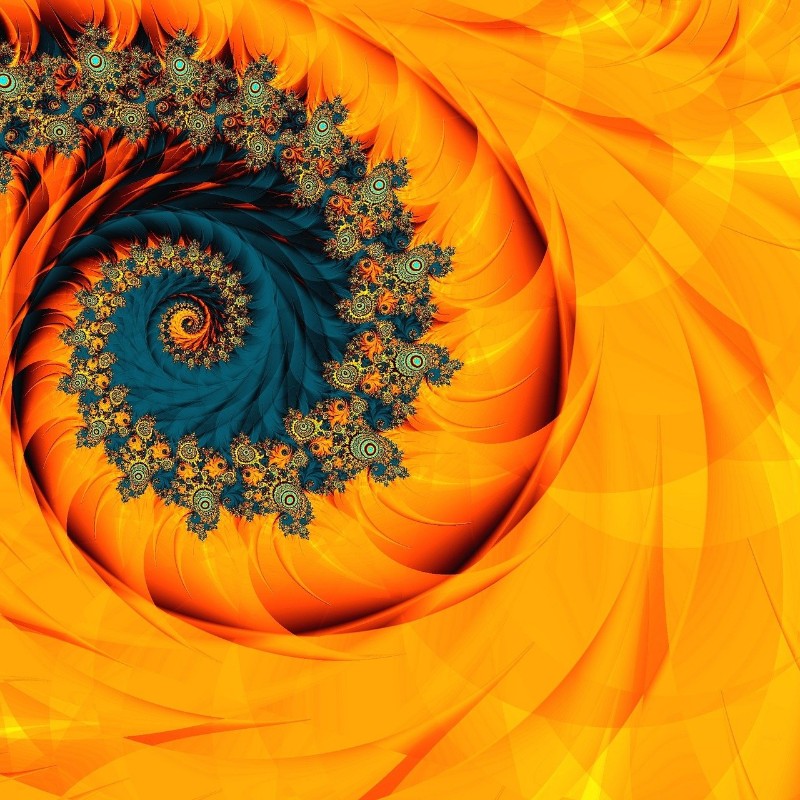
Patterns are everywhere in nature—the spiral of a seashell, the swirl of a sunflower, even the branching of our lungs. Beneath these shapes lies a hidden rhythm known as the Fibonacci sequence, a mathematical pattern that has fascinated philosophers, scientists, and healers for centuries.
In my latest episode of Green Earth Essentials, Nature’s Code: The Fibonacci Sequence and the Harmony of Healing, we explore how this ancient code connects mathematics, nature, and wellness.
Here’s what you’ll discover in this episode:
Natural patterns revealed: how the Fibonacci spiral shows up in plants, seashells, galaxies, and even the human body.
Healing resonance: the link between sound frequencies, sacred geometry, and balance in the body.
Mind-body connection: how seeing and experiencing these natural patterns can influence calm, focus, and emotional well-being.
Holistic wellness: why the Fibonacci sequence is more than math—it’s a reminder that we are deeply connected to the rhythms of nature.
If you’re curious about sacred geometry, natural healing, sound therapy, or the mysteries of nature’s design, this episode is a journey into beauty and balance.
🌊🌻 Tune in to uncover the hidden harmony of the universe. Listen now on Spotify:
The ocean is more than waves and horizon lines—it’s one of the oldest healing systems on Earth. Across cultures, water has always been linked to renewal, balance, and vitality. From ancient seaweed remedies to mineral-rich salt baths, people have long turned to the sea for wellness and skincare rituals. Today, modern science is confirming what traditional wisdom taught us: ocean-based therapies can restore the body, calm the mind, and even support sustainable living.
In this new episode of Green Earth Essentials, Ocean Wisdom: Ancient and Modern Healing from the Sea, we explore:
Thalassotherapy: the ancient practice of using seawater, algae, and marine minerals to restore energy and health.
Seaweed and marine plants: nutrient-dense superfoods for skin health, digestion, and immunity.
Minerals and trace elements: how magnesium, iodine, and ocean-sourced minerals bring balance to the body.
Mind-body connection: why the sound of waves and the presence of water have such a calming effect on our nervous system.
Sustainable wellness: how we can embrace ocean healing while protecting marine ecosystems.
If you’re interested in holistic wellness, natural skincare, plant-based nutrition, or sustainable living, this episode will inspire you to look at the sea with new eyes.
🌿✨ Dive in and discover the healing power of the ocean. Listen now on Spotify:
Our skin is a reflection of our overall health, and what we eat plays a significant role in its appearance and vitality.
The concept of plant-powered radiance emphasizes the importance of nourishing our skin from within through proper nutrition.
In this article, we will explore the intricate relationship between nutrition and skin health, delve into the essential nutrients that promote radiant skin, discover superfoods that enhance skin nourishment, discuss the impact of hydration on skin glow, and uncover the benefits of an anti-inflammatory diet.
By understanding the connection between what we eat and how our skin looks and feels, we can harness the power of food to achieve vibrant and healthy skin.
The Link Between Nutrition and Skin Health
Understanding the Impact of Diet on Skin
Ever wondered why your skin seems to glow after a nutritious meal? Dive into how what you eat directly affects the health and appearance of your skin.
The Science Behind Nutritional Influence on Skin Health
Unpack the scientific nitty-gritty of how specific nutrients can work wonders for your skin, making you radiate from the inside out.
Essential Nutrients for Healthy, Radiant Skin
Vitamins for Skin Health: A Comprehensive Guide
From A to E, discover the essential vitamins your skin craves and how they contribute to a clear, glowing complexion.
Minerals That Support Skin Function and Radiance
Explore the role of minerals like zinc, selenium, and more in keeping your skin healthy, vibrant, and blemish-free.
Superfoods for Skin Nourishment
Incorporating Skin-Boosting Superfoods in Your Diet
Unleash the power of superfoods like avocado, berries, and spinach for a nourished, glowing complexion that’s sure to turn heads.
Recipes and Ideas for Superfood-Packed Meals
Get inspired with delicious and skin-loving recipes that incorporate superfoods, making healthy eating a feast for both your taste buds and your skin.
Hydration and Skin Glow
The Importance of Hydration for Skin Health
Learn why water is your skin’s best friend and how staying hydrated can be the ultimate skincare hack for a dewy, luminous complexion.
Tips for Staying Hydrated and Enhancing Skin Radiance
Discover simple and practical tips to up your hydration game, keeping your skin supple, plump, and glowing like never before.
Anti-inflammatory Diet for Skin Health
Understanding Inflammation and Its Impact on Skin
Picture this: inflammation is like a rowdy party crasher at your skin’s soirée, causing redness, puffiness, and breakouts. It’s your body’s way of saying, “Houston, we have a problem!”
Food Choices to Reduce Inflammation and Improve Skin Condition
Kick inflammation to the curb by inviting foods like leafy greens, berries, fatty fish, and nuts to the skin party. These anti-inflammatory goodies can help calm the skin storm and leave you glowing like a disco ball on a Saturday night.
Supplements for Skin Radiance
Key Supplements for Supporting Skin Health
Sometimes your skin needs a little extra TLC, like a bestie giving you a pep talk. Collagen, probiotics, and vitamin C are like the squad goals of skin health, keeping your complexion looking as fresh as a daisy.
How to Choose and Use Supplements Wisely for Skin Benefits
Not all supplements are created equal, so choose wisely like you’re swiping left on a dating app. Look for quality, opt for reputable brands, and consult with a healthcare provider before popping any pills to ensure you’re giving your skin the VIP treatment it deserves.
Creating a Balanced Diet for Vibrant Skin
Developing a Nutrient-Rich Diet Plan for Skin Radiance
Think of your skin as a plant that thrives on water, sunlight, and nutrients. Load up on colorful fruits and veggies, whole grains, lean proteins, and healthy fats to create a menu that’s like a symphony for your skin, playing all the right notes for that radiant glow.
Tips for Maintaining a Healthy Diet to Support Skin Health
Keep your skin on the VIP list by staying hydrated like a mermaid, avoiding sugary treats that can lead to skin drama, and practicing portion control like a boss. Remember, a balanced diet isn’t about perfection but rather making choices that love your skin back.
Closing Thoughts
By embracing a plant-powered approach to skincare through nutrition, we can nurture our skin from the inside out and enhance its radiance naturally. Incorporating essential nutrients, superfoods, hydration, and anti-inflammatory foods into our diet can support healthy skin function and promote a vibrant complexion. Remember, the key to glowing skin lies not only in the products we apply but also in the nourishment we provide from within. With a balanced diet and mindful food choices, we can nourish our skin to achieve lasting beauty and vitality.
Frequently Asked Questions
1. Can diet really impact the health and appearance of my skin?
Yes, diet plays a crucial role in skin health. Nutrient-rich foods can provide essential vitamins, minerals, and antioxidants that support skin function and promote a glowing complexion.
2. Are there specific superfoods that are beneficial for skin nourishment?
Absolutely! Superfoods like berries, fatty fish, avocados, and nuts are known for their skin-boosting properties due to their high levels of vitamins, minerals, and healthy fats.
3. How much does hydration affect skin glow?
Hydration is essential for maintaining skin elasticity and promoting a radiant complexion. Drinking an adequate amount of water each day can help keep your skin hydrated and glowing.
4. Can supplements really improve skin radiance?
While a balanced diet should be the primary source of nutrients for skin health, supplements can be beneficial in addressing specific deficiencies or supporting overall skin vitality. It’s important to consult with a healthcare provider before incorporating supplements into your routine.
Beta-Caryophyllene, a terpene found in various plants and essential oils, has been gaining recognition for its remarkable healing properties.
In the realm of natural medicine, Beta-Caryophyllene stands out for its potent therapeutic effects, particularly in targeting inflammation and pain management.
Understanding the role of terpenes, like Beta-Caryophyllene, and their profound impact on health and wellness is crucial in harnessing their full potential.
This article delves into the transformative power of Beta-Caryophyllene, exploring its chemical profile, therapeutic applications, natural sources, potential side effects, and practical ways to incorporate this healing compound into daily wellness routines.
Introduction to Beta-Caryophyllene
Definition of Beta-Caryophyllene
Beta-Caryophyllene is a terpene found in various plants, known for its distinct spicy aroma and potential health benefits.
Importance in Natural Medicine
This terpene plays a crucial role in natural medicine due to its anti-inflammatory, analgesic, and potential therapeutic properties.
Understanding Terpenes and Their Health Benefits
Overview of Terpenes
Terpenes are aromatic compounds found in plants, responsible for their unique scents and various health benefits.
Role of Terpenes in Plants and AromatherapyTerpenes contribute to plant defense mechanisms, as well as providing therapeutic effects through aromatherapy and alternative medicine practices.
Beta-Caryophyllene: A Potent Healing Compound
Chemical Profile of Beta-Caryophyllene
Beta-Caryophyllene is a sesquiterpene with a cyclobutane ring, offering potential medicinal properties.
Interaction with Endocannabinoid System
This terpene interacts with the endocannabinoid system, specifically targeting CB2 receptors, which may contribute to its anti-inflammatory and therapeutic effects.
Therapeutic Applications of Beta-Caryophyllene
Anti-Inflammatory Properties
Beta-Caryophyllene exhibits potent anti-inflammatory properties, making it a valuable compound for managing various inflammatory conditions.
Pain Management and Analgesic Effects
Research suggests that Beta-Caryophyllene may act as a natural pain reliever, offering analgesic effects that could benefit individuals suffering from chronic pain.
Natural Sources of Beta-Caryophyllene
Plants Rich in Beta-Caryophyllene
Beta-caryophyllene can be found in various plants, including black pepper, cloves, and hops. These plants are not only flavorful additions to your kitchen but also potential sources of this beneficial compound.
Essential Oils Containing Beta-Caryophyllene
Essential oils are another way to harness the power of beta-caryophyllene. Oils such as clove oil, black pepper oil, and rosemary oil contain this terpene and can be used aromatically or topically for its potential benefits.
Potential Side Effects and Precautions
Known Side Effects of Beta-Caryophyllene
While generally regarded as safe, some individuals may experience mild side effects when using beta-caryophyllene. These can include digestive issues or skin irritation. It’s always recommended to do a patch test before using concentrated forms of this compound.
Considerations for Safe Use
To ensure safe use of beta-caryophyllene, it’s essential to consult with a healthcare provider, especially if you have any existing medical conditions or are pregnant or nursing. Start with small doses and monitor your body’s response to determine the best approach for incorporating this terpene into your routine.
Incorporating Beta-Caryophyllene into Your Wellness Routine
Supplement Options and Dosage Recommendations
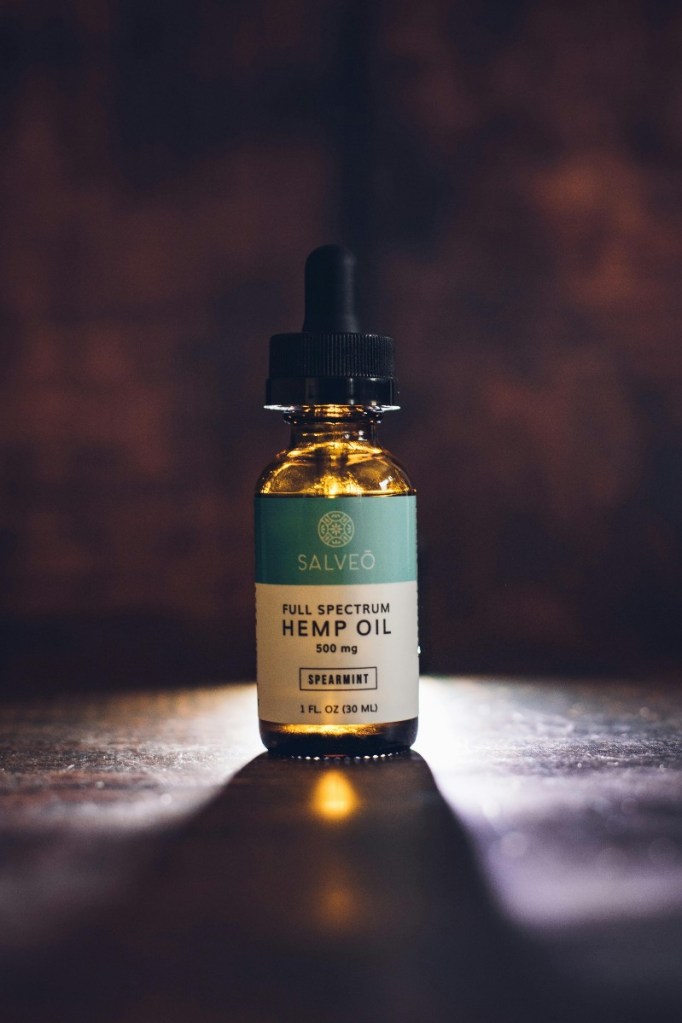
Supplements containing beta-caryophyllene are available in various forms, such as capsules or tinctures. The recommended dosage can vary depending on the product and individual needs, so it’s advisable to follow the guidance provided by the manufacturer or your healthcare practitioner.
Combining Beta-Caryophyllene with Other Natural Remedies
Beta-caryophyllene can complement other natural remedies to enhance their effects. Consider combining this terpene with CBD oil for a synergistic approach to managing pain or inflammation, or add it to your aromatherapy routine for a holistic wellness experience.
Experimentation and finding what works best for you is key to maximizing the benefits of beta-caryophyllene in your wellness regimen.In conclusion, Beta-Caryophyllene emerges as a promising natural remedy with a plethora of health benefits to offer.
Its unique properties make it a valuable addition to holistic approaches to well-being. By leveraging the healing power of Beta-Caryophyllene and incorporating it thoughtfully into our routines, we have the opportunity to experience the profound impact of this terpene on our overall health and vitality.
Embracing the therapeutic potential of Beta-Caryophyllene opens doors to a world of natural healing that can enhance our lives in meaningful ways.
FAQs
What are the main health benefits of Beta-Caryophyllene?
How can I incorporate Beta-Caryophyllene into my daily wellness routine?
Are there any known interactions or contraindications with Beta-Caryophyllene?
Where can I find products or supplements rich in Beta-Caryophyllene?
The endocannabinoid system, a complex network of signaling molecules and receptors, plays a crucial role in regulating various physiological processes within the human body.
This intricate system, discovered relatively recently, has garnered significant interest and attention from researchers and healthcare professionals alike.
Understanding the functions and mechanisms of the endocannabinoid system is key to unlocking its therapeutic potential and shedding light on its implications for overall health and well-being.
In this article, we delve into the fascinating realm of the endocannabinoid system, exploring its significance, function, and the promising avenues it opens for therapeutic interventions.
Overview of the Endocannabinoid System
Picture this: a complex network in your body that plays a key role in keeping things in balance, from mood to appetite.
Enter the endocannabinoid system, your body’s very own maestro orchestrating harmony.
Discovery and Evolution of the Endocannabinoid System Like a hidden gem waiting to be discovered, the endocannabinoid system was revealed in the late 20th century.
As science unravelled its mysteries, it became clear that this system has been fine-tuning our bodies for millions of years, evolving alongside us.
The Role of Endocannabinoids in the Body
Endocannabinoid Signaling Pathways
Think of endocannabinoids as tiny messengers zipping through your body, communicating with cells to maintain stability.
These signaling pathways are like the secret agents of tranquility, ensuring everything runs smoothly.
Regulation of Homeostasis by Endocannabinoids
When chaos threatens to reign, endocannabinoids step in to restore order.
They act like conductors in the symphony of your body, harmonizing different systems to keep you feeling just right.
Understanding Cannabinoid Receptors
CB1 and CB2 Receptors: Function and Distribution
Meet CB1 and CB2 receptors, the main players in the endocannabinoid drama.
They’re strategically placed throughout your body, ready to receive signals and kickstart a cascade of responses to maintain balance.
Other Cannabinoid Receptors and Their Importance
But wait, there’s more! Beyond CB1 and CB2, there are other receptors in the endocannabinoid system playing supporting roles. Each one brings its own flavor to the symphony, enriching the overall experience.
Endocannabinoid Dysfunction and Health Implications
Implications of Endocannabinoid System Imbalance
Just like a sour note in a melody, when the endocannabinoid system goes out of tune, problems arise.
Imbalances can lead to a host of issues, throwing off the delicate balance your body strives to maintain.
Link Between Endocannabinoid Dysfunction and Disease
From anxiety to chronic pain, disruptions in the endocannabinoid system have been linked to various health conditions.
Understanding this connection sheds light on potential avenues for treatment and restoration of harmony.
In the grand symphony of the human body, the endocannabinoid system plays a crucial role in maintaining equilibrium.
By delving into its inner workings, we uncover a world of balance and potential for wellness. So, let the endocannabinoid symphony serenade you with its harmonious tune.
Therapeutic Potential of Targeting the Endocannabinoid System
Pharmacological Strategies for Modulating the Endocannabinoid System
When it comes to tinkering with the endocannabinoid system, scientists have a few tricks up their lab coats.
From blocking enzymes that break down endocannabinoids to designing synthetic cannabinoids that mimic their effects, the pharmacological playbook is as diverse as a bag of CBD gummies.
Clinical Applications and Benefits of Endocannabinoid-Based Therapies
Picture this: a world where endocannabinoid-based therapies are as common as a morning cup of coffee.
From managing chronic pain to soothing anxiety, these therapies hold promise in a variety of medical fields.
It’s like a hug for your endocannabinoid system.
The Influence of Lifestyle Factors on Endocannabinoid Balance
Diet and Nutrition Effects on Endocannabinoid Levels
Move over kale, there’s a new player in town when it comes to balancing your endocannabinoid system.
Research suggests that certain nutrients and dietary habits can either boost or bust your endocannabinoid levels. Who knew your snack choices could have such an impact?
Exercise, Stress, and Sleep Impact on the Endocannabinoid System
Turns out, your endocannabinoid system is a bit of a gym rat. Exercise can give it a boost, while stress and poor sleep might throw it out of tune.
It’s like a high-stakes game of musical chairs, but with neurotransmitters.
Future Directions in Endocannabinoid Research
Emerging Trends and Technologies in Endocannabinoid Research
The future of endocannabinoid research is looking as bright as a neon cannabis leaf.
Scientists are diving into new technologies like CRISPR gene editing and advanced imaging techniques to unlock the secrets of this complex system. It’s like CSI, but with cannabinoids.
Potential Areas for Further Investigation and Development
As researchers peel back the layers of the endocannabinoid system, new questions and possibilities emerge.
Could targeting specific endocannabinoid receptors lead to novel therapies?
How might our understanding of this system revolutionize medicine as we know it? The endocannabinoid saga continues, and the plot thickens with each study.
As research continues to unravel the mysteries of the endocannabinoid system, its role in maintaining balance and promoting health becomes increasingly clear.
By harnessing the therapeutic potential of this intricate system, we may pave the way for innovative treatments and interventions that could revolutionize healthcare.
With ongoing exploration and discovery, the endocannabinoid symphony promises to continue harmonizing our understanding of the body and opening new pathways to improved well-being.
FAQs
1. What is the primary function of the endocannabinoid system in the body?
The primary function of the endocannabinoid system (ECS) in the body is to regulate and maintain homeostasis, which is the internal balance necessary for optimal health.
2. Are there natural ways to support and maintain a healthy endocannabinoid system?
Yes, there are natural ways to support and maintain a healthy endocannabinoid system. Some of these include:
Regular exercise: Physical activity has been shown to increase endocannabinoid levels in the body, promoting overall well-being.
Balanced diet: Consuming a diet rich in omega-3 fatty acids, found in foods like fish, flaxseed, and walnuts, can help support the endocannabinoid system.
Stress management: Practices such as meditation, deep breathing exercises, and yoga can help reduce stress levels, which in turn supports the healthy functioning of the endocannabinoid system.
Quality sleep: Prioritizing good sleep hygiene and ensuring sufficient rest can also contribute to the optimal functioning of the endocannabinoid system.
By incorporating these lifestyle factors into your routine, you can support the health and balance of your endocannabinoid system naturally.
3. How does dysfunction in the endocannabinoid system contribute to various health conditions?
The primary function of the endocannabinoid system in the body is to regulate and maintain homeostasis, which is the internal balance necessary for optimal health.
This system plays a crucial role in modulating various physiological processes, including mood, appetite, pain sensation, inflammation, immune function, sleep, and memory. Essentially, it helps to keep the body’s internal environment stable despite external changes.
4. What are some of the potential therapeutic applications of targeting the endocannabinoid system?
Some potential therapeutic applications of targeting the endocannabinoid system include managing stress, anxiety, and depression; alleviating chronic pain and inflammation; improving sleep quality; enhancing appetite regulation; supporting immune function; and potentially even aiding in the treatment of neurodegenerative diseases like Alzheimer’s and Parkinson’s.
Additionally, research suggests that targeting the endocannabinoid system may have potential in cancer treatment due to its effects on tumor growth and metastasis.
However, further studies are needed to fully understand and harness the therapeutic potential of modulating this system.
In today’s fast-paced world, many individuals find themselves grappling with the weight of anxiety and stress on a daily basis.
The constant demands and pressures of modern life can take a toll on our mental well-being, leaving us feeling overwhelmed and depleted. In the quest for inner peace and emotional balance, holistic strategies offer a comprehensive approach to managing anxiety. By integrating practices that address the mind, body, and spirit, we can cultivate a sense of calm within and navigate life’s challenges with greater resilience.
In this article, we will explore a range of holistic techniques and therapies that can help individuals find relief from anxiety, promoting a sense of inner harmony and well-being.
Understanding Anxiety: Causes and Symptoms
Exploring the Roots of AnxietyAnxiety is like that uninvited guest who shows up to the party and just won’t leave. It can stem from a variety of factors such as genetics, life experiences, or even that questionable decision to binge-watch a horror movie at 2 AM.
Recognizing Common Symptoms
Symptoms of anxiety can range from feeling like a squirrel on a caffeine high to contemplating the meaning of life at 3 AM. Physical sensations like a racing heart, sweaty palms, and the sudden urge to visit the restroom more than usual can also be common signs.
Mindfulness and Meditation Techniques
Introduction to Mindfulness Practices
Mindfulness is essentially the art of paying attention like your life depends on it (spoiler alert: it does). By being present in the moment, you can avoid getting caught up in a mental game of tag with your thoughts.
Step-by-Step Meditation Guide
Meditation isn’t just for Zen masters and yoga enthusiasts—it’s for anyone looking to hit the pause button on the chaos of life. Find a cozy spot, sit comfortably, and breathe. That’s it. Congratulations, you’re meditating!
Holistic Approaches to Nutrition and Exercise
The Impact of Nutrition on Mental Health
Eating your feelings may sound tempting (hello, pint of ice cream), but fueling your body with nutritious foods can work wonders for your mental well-being. Think of it as giving your brain a high-five with each bite.
Incorporating Exercise for Stress Relief
Exercise doesn’t have to involve running a marathon or bench-pressing your body weight (unless you’re into that). Even a leisurely stroll or a quick dance party in your living room can release those feel-good endorphins and kick anxiety to the curb.
The Power of Breathwork and Relaxation Techniques
Understanding the Connection Between Breath and Relaxation
Breathing—it’s the one activity you’ve been doing since birth that can actually help you chill out. Deep, intentional breaths can signal to your body that it’s time to unwind and relax. Inhale the good vibes, exhale the bad juju.
Practical Techniques for Deep Relaxation
From simple deep-breathing exercises to visualizing yourself sipping a margarita on a tropical beach (virgin margarita will do, too), relaxation techniques are like mini vacations for your mind. Find what works for you, whether it’s a hot bath, gentle yoga, or simply zoning out to your favorite tunes. You deserve it.
Harnessing the Healing Benefits of Nature and Outdoor Activities
Nature as a Therapeutic Resource
Picture this: stress melting away as you take a leisurely stroll through a lush green forest or feel the soothing waves of the ocean. Nature isn’t just pretty to look at; it’s a powerful healer. Studies show that spending time in nature can help lower anxiety levels, reduce stress, and improve overall well-being. So, next time you’re feeling overwhelmed, step outside and let nature work its magic.
Outdoor Activities to Reduce Anxiety
If the idea of sitting still to meditate makes you restless, fear not! Outdoor activities can be just as effective in calming a busy mind. Whether it’s going for a run in the park, cycling through scenic trails, or practicing yoga in the fresh air, engaging in outdoor activities can help distract you from anxious thoughts and boost your mood. So, lace up those sneakers and head outside to sweat your worries away.
Integrating Alternative Therapies: Acupuncture, Yoga, and Massage
Benefits of Acupuncture for Anxiety Management Acupuncture, the ancient Chinese practice of inserting thin needles into specific points on the body, has been shown to help alleviate anxiety symptoms. By stimulating these points, acupuncture can help release tension, improve energy flow, and promote a sense of relaxation. So, if you’re open to trying something new (and don’t mind needles), acupuncture could be a holistic option to consider for managing anxiety.
Yoga Poses and Sequences for Calming the Mind
Downward dog, anyone? Yoga isn’t just about striking Instagram-worthy poses; it’s a powerful tool for calming the mind and soothing anxiety. From gentle stretches to challenging balances, practicing yoga can help you connect with your breath, release tension, and foster a sense of inner peace. So, roll out your mat, strike a pose, and let yoga work its magic on your anxious thoughts.
The Relaxing Effects of Massage Therapy
Who doesn’t love a good massage? Besides feeling like a pampered queen (or king), massage therapy can be a soothing balm for anxious minds. The gentle kneading of muscles, the release of tension, and the overall sense of relaxation can all contribute to reducing anxiety levels. So, treat yourself to a massage session and let the stress melt away under the skilled hands of a masseuse.
Cultivating Emotional Resilience Through Journaling and Creative Expression
The Therapeutic Power of Journaling
Grab a pen and paper (or your trusty laptop) and let your thoughts flow freely. Journaling is a therapeutic practice that can help you process emotions, gain clarity, and reduce anxiety. By putting your feelings into words, you can gain insights into your mind and create a space for self-reflection. So, start jotting down your thoughts and watch how journaling can be a powerful tool in managing anxiety.
Expressive Arts as a Tool for Emotional Release
Painting, dancing, singing – whatever tickles your creative fancy, embrace it! Expressive arts offer a unique way to channel emotions, release pent-up feelings, and foster emotional resilience. Whether you’re doodling in a sketchbook, belting out tunes in the shower, or busting a move in your living room, creative expression can be a cathartic outlet for anxiety. So, let your creativity run wild and see how it can help you navigate the rollercoaster of emotions.
Incorporating holistic strategies into your daily routine can be a powerful step towards managing anxiety and reclaiming a sense of peace and balance in your life. By cultivating mindfulness, nourishing your body with healthy habits, and exploring alternative therapies, you can empower yourself to navigate the ups and downs of life with greater ease and resilience.
Remember, finding calm within is a journey that requires patience and self-care, but with dedication and practice, you can create a life filled with serenity and well-being. Embrace the holistic approach to managing anxiety, and may you find inner peace and tranquility along the way.
FAQ:
1. How long does it take to see results from practicing mindfulness and meditation?
The timeframe for experiencing results from practicing mindfulness and meditation can vary widely from person to person. Some individuals may notice subtle changes in their mental state and well-being after just a few sessions, while others may require more consistent practice over several weeks or months to observe significant improvements. Factors such as the frequency and duration of practice, individual temperament, and the specific goals of meditation can all influence the speed and extent of results. Generally, consistent and committed practice tends to yield more profound and lasting benefits over time. It’s essential to approach mindfulness and meditation with patience, openness, and a willingness to explore the process without expectations of immediate outcomes.
2. Can holistic approaches to managing anxiety be used in conjunction with traditional therapies and medications?
Yes, holistic approaches to managing anxiety can often complement traditional therapies and medications effectively. Holistic methods such as mindfulness meditation, yoga, deep breathing exercises, nutritional support, herbal remedies, and stress reduction techniques can provide additional tools for individuals coping with anxiety. When used alongside conventional treatments like therapy and medication, holistic approaches can address the physical, emotional, and spiritual aspects of anxiety, promoting overall well-being and resilience. However, it’s crucial for individuals to consult with their healthcare provider before incorporating holistic practices into their anxiety management plan, especially if they are currently receiving medical treatment. Working collaboratively with healthcare professionals ensures a comprehensive approach to anxiety management that prioritizes safety and effectiveness.
3. Are there specific types of exercises or outdoor activities that are particularly effective for reducing anxiety?
Yes, several types of exercises and outdoor activities are particularly effective for reducing anxiety:
Aerobic Exercise: Activities like walking, running, cycling, swimming, or dancing can help release endorphins, which are natural mood lifters. Aim for at least 30 minutes of moderate-intensity aerobic exercise most days of the week for optimal benefits.
Yoga: Yoga combines physical postures, breathwork, and mindfulness, making it an excellent practice for reducing stress and anxiety. It promotes relaxation, improves flexibility, and enhances overall well-being.
Tai Chi: This gentle form of martial arts involves slow, flowing movements and deep breathing. Tai Chi has been shown to reduce stress, improve mood, and enhance balance and coordination.
Hiking or Nature Walks: Spending time outdoors in nature can have a calming effect on the mind and body. Whether it’s a leisurely hike through the woods or a stroll along a scenic trail, immersing oneself in nature can reduce anxiety and promote a sense of tranquility.
Gardening: Tending to a garden or spending time in green spaces can be therapeutic and grounding. The act of gardening can help reduce stress levels, boost mood, and foster a sense of connection with the natural world.
Mindful Walking: Simply taking a leisurely walk while paying attention to the sensations of each step can be a mindfulness practice in itself. Mindful walking encourages present-moment awareness and can help alleviate anxiety by shifting focus away from worries and into the present experience.
Outdoor Sports: Engaging in outdoor sports such as tennis, golf, or soccer provides opportunities for physical activity, social interaction, and enjoyment of nature—all of which can contribute to reduced anxiety and improved well-being.
Water Activities: Activities like swimming, kayaking, or paddleboarding can be particularly soothing and meditative. The rhythmic motion of being in water and the tranquil surroundings can help calm the mind and promote relaxation.
Ultimately, the most effective type of exercise or outdoor activity for reducing anxiety varies from person to person. It’s essential to choose activities that you enjoy and that feel sustainable for you in the long term. Experiment with different forms of exercise and outdoor pursuits to find what works best for you and brings you the most relief from anxiety.
4. How can I incorporate holistic strategies into my busy schedule?
Sound healing has been utilized for centuries as a powerful modality for promoting wellness and harmony in both the body and mind.
By harnessing the vibrations and frequencies of sound, individuals can experience a profound sense of relaxation, rejuvenation, and healing.
This article delves into the fascinating world of sound healing and resonant frequencies, exploring the science behind this ancient practice, its various techniques and benefits, and how it can be integrated into daily life for improved well-being.
Join us on a journey to discover the transformative potential of sound as a therapeutic tool for holistic health and wellness. Introduction to Sound Healing Sound healing is like a soothing musical balm for your mind and body.
It’s the practice of using sound waves to promote healing and relaxation, tapping into the power of vibrations to restore balance.
Defining Sound Healing
Sound healing isn’t just about listening to your favorite tunes; it involves intentional and therapeutic use of sound frequencies to harmonize the body and mind.
Think of it as a sonic massage for your soul.
Historical Roots of Sound Healing
Believe it or not, the healing power of sound has been around for centuries.
Ancient civilizations like the Egyptians and Greeks used music and chants in healing rituals, recognizing the profound influence of sound on well-being.
Understanding Resonant Frequencies
Resonant frequencies are like a secret language that our bodies speak fluently.
They’re specific vibrations at which an object naturally oscillates, creating a resonance that can have powerful effects on our physical and emotional states.
Exploring the Concept of Resonance
Imagine a tuning fork vibrating at just the right frequency to make a wine glass shatter.
That’s resonance in action, where one vibrating object can cause another to vibrate in sympathy.
It’s like a musical duet between your body and sound waves.
How Resonant Frequencies Affect the Body
When exposed to resonant frequencies, our cells, tissues, and organs can dance to the tune, promoting relaxation, reducing stress, and even aiding in physical healing. It’s like a harmonic hug for your insides.
The Science Behind Sound Healing
Sound healing isn’t just new age mumbo jumbo; there’s real science backing up its benefits. From the way sound waves stimulate brain activity to the way they can influence our mood and emotions, there’s a lot more to it than meets the ear.
Neuroscientific Basis of Sound Healing
Our brains are like eager dance partners when it comes to sound healing. Studies show that certain sounds can activate specific regions of the brain associated with emotions, memory, and even pain perception, leading to a symphony of soothing effects.
Effects of Sound Waves on Brain Activity
Ever felt your stress melt away while listening to calming music? That’s the power of sound waves at work.
They can modulate brainwave patterns, promoting relaxation, enhancing focus, and even improving sleep quality. It’s like a lullaby for your neurons.
Methods and Techniques of Sound Healing
Ready to dip your toes into the world of sound healing? There are various tools and techniques at your disposal, from ancient instruments to modern technologies, all aimed at helping you tune in to the healing frequencies around you.
Overview of Sound Healing Instruments
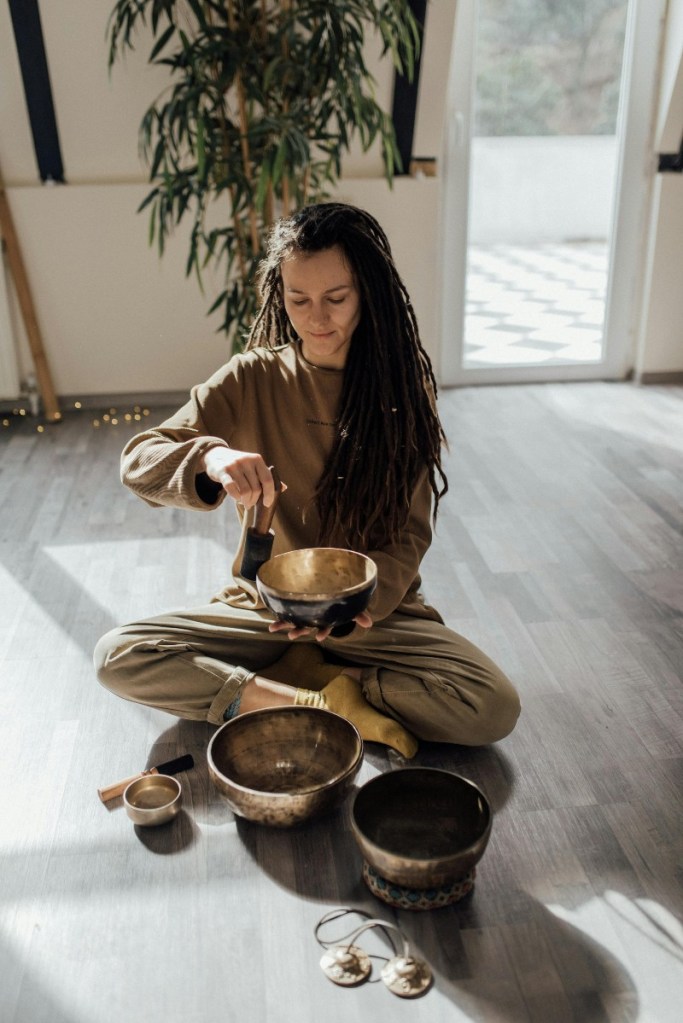
From crystal singing bowls to Tibetan bells, sound healing instruments come in all shapes and sizes, each with its own unique resonance.
Whether you’re drawn to the earthy tones of a drum or the ethereal sounds of a flute, there’s a sonic tool out there for everyone.
Guided Meditation and Sound Therapy
Combining the power of sound with the art of meditation, guided sound therapy sessions can transport you to a state of deep relaxation and inner harmony.
By immersing yourself in a symphony of healing vibrations, you can create a space for profound transformation and renewal.
Benefits of Sound Healing
When it comes to sound healing, the perks are music to our ears. Let’s tune in to the benefits it can bring to our lives.
Physical Benefits
Sound healing isn’t just easy on the ears; it can also work wonders for our physical well-being. From reducing pain to improving sleep, the vibrations from sound therapy can harmonize our bodies and promote healing from the inside out.
Emotional and Mental Benefits
Feeling a bit off-key emotionally?
Sound healing might just be the tune-up you need. By soothing our minds and calming our spirits, sound therapy can help alleviate stress, anxiety, and even boost our mood. It’s like hitting the perfect note for our mental well-being.
Exploring Different Sound Healing Modalities
Ready to dive into the world of sound healing? Let’s take a melodic journey through some intriguing modalities that can strike the right chord for your well-being.
Sound Bath Therapy
Imagine being bathed in waves of sound that wash away your worries and leave you feeling refreshed and rejuvenated. Sound bath therapy uses instruments like singing bowls and gongs to create a symphony of healing vibrations that can lull you into a state of blissful relaxation.
Mantra Chanting and Vocal Toning
Whether you’re belting out a powerful mantra or simply humming a soothing tune, chanting and vocal toning can bring harmony to your mind, body, and soul. By using your voice as a healing instrument, you can unlock a world of emotional release and inner peace.
Incorporating Sound Healing into Daily Life
Looking to add a touch of harmony to your daily routine? Let’s explore how you can infuse the healing power of sound into your everyday life.
Creating a Personal Sound Healing Practice
Who needs a concert hall when you can create your own personal sound sanctuary at home?
Whether it’s through listening to calming music, chanting a mantra, or playing a singing bowl, carving out time for sound healing can elevate your daily rituals and bring a sense of calm to your day.
Using Sound Healing for Stress Relief
Stress making your life sound a bit off-key? Sound healing can be the perfect antidote. By incorporating sound therapy techniques into your stress management routine, you can strike a chord with relaxation and find harmony amidst life’s daily cacophony.
Future Directions in Sound Healing Research
The future of sound healing is sounding pretty promising. Let’s take a sneak peek into the research that’s amplifying our understanding of how sound therapy can fine-tune our well-being.
In conclusion, sound healing offers a unique and accessible approach to enhancing our physical, emotional, and spiritual well-being.
By understanding and incorporating resonant frequencies into our lives, we can tap into a powerful source of healing and transformation.
Whether through the soothing tones of singing bowls, the rhythmic beats of drums, or the calming vibrations of mantras, the potential for healing through sound is limitless.
Embracing sound healing as a regular practice can lead to a harmonious balance within ourselves and a deeper connection to the universal rhythms that surround us.
FAQs
1.Can anyone benefit from sound healing?
Yes, anyone can benefit from sound healing. Sound healing techniques, such as listening to calming music, meditating with singing bowls, or experiencing sound baths, are believed to have therapeutic effects on the body and mind. These practices can promote relaxation, reduce stress, improve sleep quality, enhance mood, and support overall well-being for people of all ages and backgrounds.
2.What are some common instruments used in sound healing?
Common instruments used in sound healing include:
Tibetan Singing Bowls: Metal bowls that produce harmonic tones when struck or rubbed with a mallet.
Crystal Singing Bowls: Quartz crystal bowls that emit pure, resonant tones when played with a mallet.
Tuning Forks: Metal instruments that produce specific frequencies when struck and are used to balance energy in the body.
Gong: Large metal discs that produce deep, reverberating sounds when struck with a mallet.
Shamanic Drum: A drum used in indigenous healing traditions to induce trance states and promote healing through rhythmic vibrations.
Didgeridoo: An Australian Aboriginal wind instrument believed to have healing properties due to its low-frequency vibrations.
Flute: Wooden or metal flutes used for their soothing melodies and calming effects.
These instruments are often used individually or combined in sound healing sessions to create immersive and therapeutic experiences for participants.
3. How often should one participate in sound healing sessions to experience benefits?
The frequency of participating in sound healing sessions to experience benefits can vary depending on individual needs and preferences. Some people may find benefit from just one session, while others may benefit from regular or consistent participation.
As a general guideline, it’s recommended to start with one session and observe how you feel afterward. If you notice positive effects such as increased relaxation, reduced stress, improved sleep, or enhanced mood, you may consider scheduling sessions on a regular basis.
For those seeking ongoing support for specific health or wellness goals, participating in sound healing sessions once a week or bi-weekly could be beneficial. However, it’s essential to listen to your body and adjust the frequency based on your own experiences and comfort level.
Additionally, integrating self-care practices such as listening to calming music, meditating with sound recordings, or using sound healing tools at home between sessions can complement the benefits of formal sound healing sessions and support overall well-being.
Creativity and Mental Expression: Art for the Soul delves into the profound connection between artistic endeavors and mental well-being.
As we navigate the intricacies of the human mind, it becomes increasingly evident that creativity serves as a powerful tool for self-expression, healing, and personal growth.
This article explores the therapeutic benefits of art, shedding light on how creative practices can nurture emotional resilience, promote self-discovery, and offer solace in times of turmoil.
Join us on a journey through the transformative power of art as we unravel the intricate tapestry of creativity and mental wellness.
The Relationship Between Creativity and Mental Health
Ah, creativity and mental health – like peanut butter and jelly, but way more complex and intriguing.
Have you ever wondered why tapping into your creative side can feel like a mini mental health spa day?
It turns out there’s some science behind it that’s juicier than a ripe peach.
Exploring the Science Behind Creativity and Mental Well-being
Picture this: your brain doing a happy dance because you decided to pick up that paintbrush or strum that guitar.
Science says that when you engage in creative activities, your brain releases all sorts of feel-good chemicals like dopamine, serotonin, and oxytocin.
It’s like a party in your head, but without the hangover.
Historical Perspectives on the Connection Between Art and Mental Health
Take a trip down memory lane, back to the days when people didn’t just rely on kale salads and yoga to keep their minds in check.
Throughout history, art has been seen as a therapeutic tool for soothing the soul and calming the mind.
From ancient cave paintings to modern art therapy, humans have been using creativity to navigate the turbulent waters of mental health.
Exploring the Therapeutic Benefits of Artistic Expression
Ever heard of art therapy? It’s like regular therapy, but with a splash of color and a whole lot of creativity.
Dive into the world of art therapy and discover how picking up a paintbrush or molding some clay can help people unlock emotions and find healing in unexpected ways.
Art Therapy: A Closer Look at its Effectiveness
Why talk about your feelings when you can paint them instead?
Art therapy has been shown to be a powerful tool for addressing mental health challenges, allowing individuals to express themselves in ways that words sometimes can’t.
It’s basically a therapy session with a side of finger painting – what’s not to love?
Case Studies: How Art has Helped Individuals Cope with Mental Health Challenges
Let’s get real – sometimes just talking about your feelings isn’t enough.
Dive into some case studies and see how art has empowered individuals to navigate their mental health struggles, one brushstroke at a time.
Understanding the Link Between Art and Emotional Well-being
Art and emotions – the ultimate power couple. Discover how art can be a lifeline for processing emotions, healing from trauma, and finding balance in a world that’s as chaotic as a squirrel on caffeine.
The Role of Art in Processing Emotions and Trauma
Got some emotional baggage weighing you down? Art is here to help.
Learn how creative expression can be a safe haven for working through emotions and past traumas, giving you the space to heal and grow.
Expressive Arts as a Tool for Emotional Regulation
Forget counting to ten – grab a canvas and start splashing some paint around.
Expressive arts offer a unique way to regulate emotions, helping you find peace and balance in a world that’s as unpredictable as a soap opera.
Cultivating Creativity as a Tool for Self-Discovery and Healing
Who needs a compass when you have creativity to guide you on the journey of self-discovery and healing?
Unleash your inner artist and watch as your soul starts doing the happy dance of self-awareness.
Using Artistic Practices for Personal Growth and Reflection
Peek behind the curtain of creativity and discover how artistic practices can be a mirror for self-reflection and personal growth.
Whether you’re doodling in a sketchbook or belting out a tune, creativity can be your trusty companion on the path to self-discovery.
Exploring the Intersection of Creativity and Mindfulness
Mindfulness meets creativity in a cosmic dance of self-awareness and expression.
Dive into the world where creativity and mindfulness intertwine, offering a sanctuary for those seeking peace, clarity, and a dash of artistic flair.
The Role of Art in Nurturing Mental Wellness
Promoting Mental Wellness Through Creative Pursuits
The world of art isn’t just about pretty paintings or catchy tunes—it’s a powerful tool for boosting mental health.
Engaging in creative pursuits like painting, drawing, or playing an instrument can do wonders for our well-being.
By allowing our minds to wander and explore without judgment, art offers a unique form of self-expression that can help alleviate stress, anxiety, and even depression.
How Artistic Expression Can Support Overall Mental Well-being
Artistic expression is like a mental workout for our brains, helping to improve cognitive function and problem-solving skills.
When we create art, whether it’s through writing, painting, or dancing, we tap into our emotions and unleash our inner thoughts in a non-verbal way.
This can lead to increased self-awareness, emotional resilience, and a greater sense of purpose, all of which contribute to our overall mental well-being.
Harnessing Creative Outlets for Stress Relief and Mental Clarity
The Therapeutic Effects of Engaging in Artistic Activities
Ever noticed how getting lost in a creative project can make your worries melt away?
That’s because art has a therapeutic effect on our minds.
By focusing on the present moment and immersing ourselves in the creative process, we can experience a sense of calm and relaxation that can help reduce stress levels and improve mental clarity.
Art as a Form of Self-care and Stress Management
In today’s fast-paced world, self-care is more important than ever.
Art offers a unique form of self-care that allows us to unwind, recharge, and reconnect with ourselves on a deeper level.
Whether it’s doodling in a sketchbook, jamming on a guitar, or sculpting with clay, engaging in artistic activities can be a powerful way to manage stress, boost creativity, and nourish our souls.
So go ahead, pick up that paintbrush or dust off that old guitar—it’s time to unleash your inner artist and nurture your mental well-being.
In conclusion, the intertwining realms of creativity and mental expression offer a gateway to profound introspection and healing.
By embracing art as a means of self-discovery and emotional release, individuals can tap into a wellspring of resilience and inner strength.
As we continue to explore the intricate dance between artistic endeavors and mental well-being, let us remember the transformative potential that lies within each brushstroke, each melody, and each expression of the soul.
May the pursuit of creativity continue to illuminate our paths toward greater understanding, healing, and harmony within ourselves and the world around us.
FAQs
1. How does engaging in artistic expression benefit mental health?
Engaging in artistic expression provides a powerful outlet for emotions and thoughts that might be challenging to express verbally. It allows individuals to tap into their creative side, fostering a sense of accomplishment and self-discovery.
The process of creating art can be therapeutic, promoting relaxation, stress reduction, and improved mood. Additionally, artistic expression encourages mindfulness, helping individuals stay present in the moment and cultivate a positive mindset.
2. What is art therapy, and how does it differ from other forms of therapy?
Art therapy is a therapeutic approach that incorporates various art forms to promote mental and emotional well-being.
Unlike traditional talk therapies, art therapy uses the creative process to explore feelings, reconcile emotional conflicts, and encourage self-reflection.
It is particularly beneficial for individuals who may find verbal expression challenging.
Art therapy offers a non-judgmental space for self-exploration and can be employed in conjunction with other therapeutic modalities to enhance overall mental health.
3. Can individuals with no prior artistic experience still experience the therapeutic benefits of creative expression?
Absolutely. The therapeutic benefits of creative expression are not exclusive to those with artistic expertise.
In fact, individuals with no prior artistic experience often find a deeper sense of liberation and discovery.
The focus is on the process, not the final product. Everyone has the capacity to express themselves creatively, whether through doodling, journaling, or trying a new artistic form.
The act of creating, irrespective of skill level, can be a powerful and enriching experience for mental well-being.
4. What are some practical ways to incorporate art into daily self-care routines for mental wellness?
Journaling: Start a daily journal to jot down thoughts, feelings, or even doodles. It’s a personal and introspective way to engage with your emotions.
Coloring Books: Adult coloring books provide a simple yet effective way to unwind and tap into your creative side.
Mindful Sketching or Doodling: Set aside a few minutes each day for mindful sketching or doodling. Focus on the process and let your mind wander.
Create a Vision Board: Collect images, quotes, or words that inspire you and create a vision board. It serves as a visual representation of your goals and aspirations.
Photography: Use a camera or your smartphone to capture moments that bring you joy. It’s a creative way to document positive experiences.
Crafting: Try your hand at simple crafts like knitting, origami, or DIY projects. The act of creating something with your hands can be incredibly rewarding.
Incorporating these practices into your daily routine can contribute to a more balanced and mentally healthy lifestyle.
From the soothing scent of lavender to the invigorating aroma of peppermint, essential oils have long captivated our senses with their fragrant allure.
At the heart of these aromatic wonders lie terpenes, a diverse class of organic compounds that not only give plants their distinctive scents but also hold powerful therapeutic potential.
In this exploration of aromatic alchemy, we delve into the science of terpenes, unravel the intricate relationship between terpenes and essential oils, and shine a light on the transformative impact of terpenes in fields such as aromatherapy and traditional medicine.
Join us on a journey to uncover the hidden secrets of terpenes and unlock the captivating world of essential oils.
The Science of Terpenes
Terpenes, often called nature’s aromatic compounds, are the unsung heroes behind the captivating scents of essential oils. These compounds aren’t just about making things smell nice – they play a crucial role in plant defense mechanisms and can have a wide range of therapeutic properties.
Terpenes are organic compounds found in various plants and even some insects, responsible for creating their distinctive smells. From the zesty scent of lemon to the calming aroma of lavender, terpenes are the reason why essential oils have such a powerful impact on our senses.
The Biochemical Pathways of Terpene Synthesis
Ever wondered how plants produce these aromatic molecules? Terpene synthesis is a complex biochemical process that involves multiple steps and enzymes working together harmoniously. Understanding these pathways can give us a deeper appreciation for the natural magic of terpenes.
Essential Oils: Nature’s Aromatic Wonders
Essential oils are like tiny bottles of concentrated plant power, packed with a diverse range of terpenes that contribute to their unique properties. These aromatic wonders have been used for centuries for their fragrance, flavor, and therapeutic benefits.
Essential Oils and Their Terpene-rich Composition
The secret sauce behind essential oils lies in their terpene content. From limonene in citrus oils to linalool in floral scents, each terpene brings its own set of benefits to the table. It’s like a symphony of aromas and healing properties in every drop.
The History and Cultural Significance of Essential Oils
Essential oils have a rich history that stretches back to ancient civilizations, where they were valued for their medicinal, spiritual, and cosmetic uses. These precious oils have woven themselves into the tapestry of various cultures, becoming symbols of healing and well-being.
Unraveling the Therapeutic Potential of Terpenes
Terpenes have long been revered in traditional medicine practices for their therapeutic properties. Modern scientific research is now catching up, shedding light on the health benefits that these aromatic compounds can offer.
Terpenes in Traditional Medicine Practices
From Ayurveda to Traditional Chinese Medicine, terpenes have been used for centuries to treat a myriad of ailments. Whether it’s relieving stress, easing pain, or supporting digestion, these natural compounds have a lot to offer in the realm of healing.
Scientific Research on the Health Benefits of Terpenes
The scientific community is increasingly recognizing the potential of terpenes in promoting health and well-being. Studies have shown that these compounds possess anti-inflammatory, anti-microbial, and even mood-enhancing properties, opening up exciting new avenues for therapeutic applications.
Terpene Profiles: A Closer Look at Common Essential Oils
Let’s take a peek into the terpene compositions of some popular essential oils to unravel the magic behind their aromas and benefits.
Lavender: Exploring the Terpene Composition
Lavender essential oil is a favorite for its calming and soothing properties. Its terpene profile, including linalool and linalyl acetate, contributes to its stress-relieving and sleep-promoting effects, making it a must-have in your relaxation toolkit.
Peppermint: Aromatic Profile and Therapeutic Uses
With its invigorating scent and cooling sensation, peppermint essential oil is a versatile powerhouse.
Its high menthol content gives it analgesic and anti-inflammatory properties, making it a go-to remedy for headaches, muscle aches, and digestive issues.
Aromatic Alchemy: Unveiling the Terpenes Behind Essential Oils
Aromatherapy is both an art and a science that harnesses the therapeutic properties of essential oils, many of which contain terpenes.
These organic compounds not only provide delightful fragrances but also offer various health benefits when inhaled or applied to the skin.
By understanding the role of terpenes in aromatherapy, practitioners can create blends that target specific ailments and promote overall well-being.
Exploring the Diversity of Terpenes in Plants
Terpenes exhibit a remarkable diversity across plant species, contributing to the distinct aromas and flavors found in nature.
From calming lavender to invigorating citrus, each plant’s terpene profile influences its unique characteristics.
Beyond scent, terpenes also play a crucial role in plant defense mechanisms, acting as natural repellents against pests and pathogens.
The Role of Terpenes in Fragrance and Flavor
Terpenes are not only prized for their therapeutic properties but also for their impact on fragrance and flavor.
These aromatic compounds determine the aroma profiles of essential oils, influencing our sensory experiences in culinary delights and perfumes alike.
Terpene-rich oils are integral to creating captivating scents and adding depth to culinary creations.
Sustainability and Ethical Sourcing of Terpenes
As the demand for terpenes grows, ensuring sustainability and ethical sourcing practices becomes essential.
Challenges such as overharvesting and habitat destruction pose significant threats to terpene-rich plants and biodiversity.
By promoting responsible practices in the terpene industry, we can protect both the environment and the communities that rely on these valuable resources.
As we conclude our journey into the realm of aromatic alchemy and the fascinating world of terpenes, it becomes clear that these natural compounds hold boundless potential for enhancing our well-being and enriching our sensory experiences.
From their role in therapeutic applications to their aromatic diversity in plants, terpenes continue to inspire and intrigue.
As we continue to explore the intricate relationship between terpenes and essential oils, let us embrace the power of nature’s aromatic wonders and harness the magic of terpenes for a harmonious balance of mind, body, and spirit.
Frequently Asked Questions
1. What are terpenes and why are they important in essential oils?
Terpenes are organic compounds produced by various plants, including those used to extract essential oils.
They contribute to the distinct scents of essential oils and play a crucial role in their therapeutic properties.
Terpenes not only influence the aroma but also contribute to the overall holistic benefits of essential oils, impacting mental, emotional, and physical well-being.
2. How do terpenes contribute to the therapeutic effects of essential oils in aromatherapy?
Terpenes contribute significantly to the therapeutic effects of essential oils in aromatherapy.
Different terpenes have distinct properties that can influence mood, emotions, and physiological responses.
For example, the terpene limonene found in citrus oils may have mood-enhancing effects, while myrcene in lavender and chamomile is known for its relaxing properties.
The interaction of terpenes with our olfactory system creates a holistic experience, making aromatherapy a powerful tool for well-being.
3. Are all essential oils rich in terpenes, or are there variations in their terpene profiles?
Essential oils vary in their terpene profiles, and not all oils are equally rich in terpenes.
Each essential oil is a unique blend of different compounds, with terpenes being a significant component.
The composition of terpenes can be influenced by factors such as plant species, growing conditions, and extraction methods.
Oils derived from different plants will have diverse terpene profiles, leading to variations in their aromas and therapeutic effects.
It’s essential to consider these variations when selecting essential oils for specific aromatherapy purposes.
Friendship has long been celebrated for its ability to enrich our lives with joy, support, and companionship.
However, recent scientific research has revealed that the bonds we form with others have a profound impact on our health and longevity.
Delving into the intricate network of neurological, emotional, and social dynamics, this article explores the science behind friendship and its role in promoting overall well-being.
From the evolutionary origins of social relationships to the neurological mechanisms underlying social connections, we delve into the fascinating interplay between friendships and our physical and mental health.
Join us on a journey through the intricate threads of radiant bonds and discover how nurturing friendships can pave the way to a longer, healthier life.
Introduction to the Science of Friendship
Friendship, the delightful art of bonding over shared interests and mutual weirdness, has intrigued scientists for centuries.
Mankind’s knack for forming tight-knit social circles goes way back, like when cavemen bonded over the best way to roast a mammoth leg.
But have you ever wondered about the juicy scientific bits that make friendships the secret sauce to a fulfilling life?
Let’s dive into the charming world of radiant bonds and the science that keeps them aglow.
The Evolution of Social Relationships
From ancient tribes huddled around a flickering campfire to modern-day brunch buddies chatting over avocado toast, the fabric of human connections has woven its way through history.
Our ancestors learned that sticking together like a flock of quirky penguins increased their chances of survival.
Over time, our brains have fine-tuned this social superpower, turning simple acquaintances into lifelong pals who can finish our sentences and swap embarrassing childhood stories without judgment.
The Impact of Friendships on Health and Longevity
Friendships aren’t just for swapping memes and sharing pizza; they might be the secret potion to living a longer, healthier life.
Scientists have unearthed a treasure trove of evidence showing that having a tight-knit circle of friends can be better for you than a kale smoothie (though, let’s be real, we’ll take both).
So, let’s explore how this seemingly magical bond can boost both our physical and mental well-being.
Friendship and Physical Health
Turns out, those giggly gossip sessions with your besties might be doing more than just lifting your spirits; they could be giving your health a cozy hug too.
Research suggests that strong friendships can lower blood pressure, reduce the risk of heart disease, and even boost your immune system.
So, next time you’re debating whether to binge-watch Netflix or call up a friend, remember that your heart might thank you for choosing the latter.
Friendship and Mental Health
When life throws metaphorical lemons at you, having a solid support squad can be the ultimate lemonade recipe.
Friends provide a listening ear, a shoulder to cry on, and a kick in the butt when needed.
Studies show that strong social connections can lower stress levels, decrease feelings of isolation, and even reduce the risk of developing mental health issues like depression and anxiety.
So, having a friend who can make you snort-laugh during tough times might just be the best therapy money can’t buy.
Neurological Underpinnings of Social Connections
Ever wondered why a warm hug from a friend feels like a cozy blanket for your soul?
Well, strap in, because we’re about to take a delightful dive into the brainy bits that make our social bonds so darn magical.
From the cuddle hormone to the brain regions that do a happy dance when we’re with our pals, let’s peek behind the curtain of our brain’s friendship factory.
The Role of Oxytocin in Bonding
Ah, oxytocin, the love hormone that turns us all into mushy piles of feelings.
This little powerhouse neurotransmitter plays a starring role in forming social bonds, whether it’s cuddling a newborn baby or sharing a pizza with friends.
Oxytocin makes us feel all warm and fuzzy inside, strengthening our emotional connections and making us want to keep those we love close.
Brain Regions Involved in Social Bonding
Our brains are like a bustling marketplace where different regions strike deals and form alliances, especially when it comes to social connections.
Areas like the prefrontal cortex, amygdala, and insula light up like a Fourth of July fireworks show when we interact with friends, helping us understand social cues, process emotions, and feel that warm sense of belonging.
So, the next time you’re feeling the love with your buddies, just know that it’s your brain throwing a full-on friendship fiesta.
Emotional Benefits of Strong Social Bonds
Being able to share life’s highs and lows with friends is like having your personal cheerleading squad who also doubles as your emergency chocolate stash.
But beyond the fun outings and inside jokes, strong social bonds pack a powerful emotional punch that can help us weather life’s storms with style and grace.
Let’s unpack how these radiant friendships can nurture our emotional well-being and turn us into friendship warriors.
Support Systems and Emotional Well-being
When the going gets tough, who do you call? Your friends, of course!
Having a support system of buddies who truly get you and have your back can be a game-changer for your emotional well-being.
Whether it’s celebrating your victories, lending a listening ear during the tough times, or just being your goofy self together, friends provide a safe harbor in life’s choppy seas.
Enhanced Resilience through Friendship
Life is a rollercoaster of unexpected twists and turns, but with friends by your side, you’re not just a passenger – you’re a fearless co-pilot.
Strong social bonds can boost your resilience, helping you bounce back from setbacks and face challenges with a sprightly spirit.
When you know you have a crew of friends ready to lift you up when you stumble, suddenly, the stormiest seas seem a little less daunting.
And there you have it – the delightful dance of friendship and science, where warm hugs meet neurotransmitters, and shared laughter becomes the glue that holds us together.
So, go ahead, text your bestie a silly joke, plan a movie night with your squad, and cherish the magical bonds that make life a little brighter and a whole lot sweeter.
After all, what’s life without a sprinkle of laughter and a whole lot of friendship magic?
Strategies for Cultivating and Maintaining Meaningful Friendships
Let’s be real, making and keeping friends can sometimes feel like trying to keep a houseplant alive – it requires effort and attention, but the rewards are totally worth it.
Here are some tips to help you nurture those precious friendships:
Communication and Active Listening
Communication is key, my friend. Take the time to really listen to your pals and express yourself openly. It’s like a ping-pong game – you gotta bounce those thoughts and feelings back and forth.
Shared Activities and Experiences
Bonding over shared activities is like adding sprinkles to your friendship cupcake. Whether it’s hiking, wine tasting, or binge-watching cheesy rom-coms, doing things together creates memories and strengthens your connection.
Social Isolation and its Effects on Health
You know that feeling when you’ve been binge-watching Netflix alone for too long and start questioning your existence? Yeah, that’s the loneliness monster creeping in.
Here’s why it’s important to fight it off:
The Health Risks of Loneliness
Turns out, chronic loneliness can be a real buzzkill for your physical and mental health. From increased stress levels to a weakened immune system, loneliness isn’t just in your head – it’s messing with your whole bod.
Addressing Social Isolation in Communities
Let’s join forces, people! Building strong communities and support networks can help combat social isolation. From neighborhood potlucks to virtual hangouts, finding ways to connect with others is like slaying the loneliness dragon together.
The Role of Friendship in Aging Well
As we gracefully age like fine wine (or cheese, depending on your preference), friendships become even more precious. Here’s why having buddies by your side is the fountain of youth:
Fostering Social Connections in Older Adults
Age ain’t nothing but a number when it comes to making friends. Encouraging social activities and programs for older adults can keep those social butterflies flapping their wings and fluttering from one friendship to the next.
The Impact of Friendship on Quality of Life in Old Age
In your golden years, friends are like the secret ingredient that makes life taste better. Studies show that strong friendships in old age are linked to better mental health, increased longevity, and a whole lotta laughs along the way.
Conclusion: Nurturing Radiant Bonds for a Longer, Healthier Life
So, dear readers, let’s raise a virtual toast to the power of friendship! By embracing communication, fighting off loneliness, and treasuring our bonds as we age, we can sprinkle a little extra magic onto our journey through life.
Here’s to nurturing those radiant bonds for a longer, healthier, and more fabulous existence.
Cheers to friendship!
In conclusion, the science of friendship illuminates the powerful influence that social connections have on our health and longevity.
As we navigate the complexities of modern life, prioritizing and nurturing meaningful relationships can serve as a cornerstone for well-being.
By fostering strong friendships, practicing empathy, and staying connected with others, we not only enrich our lives but also pave the way for a radiant and fulfilling journey towards a longer, healthier future.
Embrace the transformative power of friendship, and let these radiant bonds be a guiding light in your pursuit of a vibrant and joyous existence.
FAQ
1. How do friendships impact our physical health?
Answer: Friendships have a profound impact on physical health. Meaningful connections can lead to reduced stress levels, improved cardiovascular health, enhanced immune function, and even increased life expectancy. Engaging in positive social interactions triggers the release of oxytocin and endorphins, promoting overall well-being. What are some strategies for cultivating and maintaining meaningful friendships?
2. What are some strategies for cultivating and maintaining meaningful friendships?
Answer: Cultivating meaningful friendships involves both quality and quantity. Be intentional in your social interactions, actively listen, and express genuine interest in others. Foster shared experiences, whether through shared hobbies or meaningful conversations. Regular communication, checking in on friends, and making time for face-to-face interactions are key to maintaining strong connections. Can social isolation really have negative effects on our health and longevity?
3. Can social isolation really have negative effects on our health and longevity?
Answer: Yes, social isolation can have detrimental effects on both physical and mental health. Research indicates that prolonged social isolation is associated with an increased risk of various health issues, including cardiovascular diseases, cognitive decline, depression, and even a shorter lifespan. Humans are inherently social beings, and the absence of meaningful connections can impact overall well-being. How do emotional benefits of strong social bonds contribute to overall well-being?
4. How do emotional benefits of strong social bonds contribute to overall well-being?
Answer: Emotional benefits from strong social bonds are crucial for overall well-being. These connections provide emotional support, reducing the impact of stressors and enhancing resilience. Feeling emotionally supported contributes to better mental health, reduced risk of anxiety and depression, and an increased sense of purpose and happiness. The positive emotional experiences from friendships contribute significantly to a holistic sense of well-being.






































 Green Earth Essentials