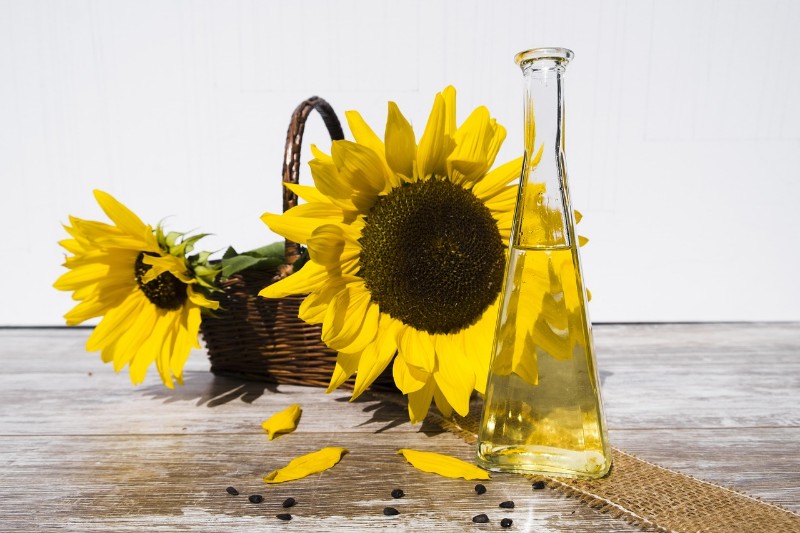
For years, seed oils have been at the center of heated debates across wellness spaces and nutrition forums. Some call them toxic; others say they’re harmless or even heart-healthy. So what’s the truth? Are seed oils really the hidden villains of modern health—or have they simply become victims of internet misinformation?
In this episode of Green Earth Essentials, Michelle Jackson explores the science behind seed oils like canola, soybean, sunflower, safflower, and grapeseed. We uncover how they’re made, what happens when they’re heated, and how they affect your body’s delicate balance of inflammation and antioxidants.
Understanding Seed Oils
Seed oils are extracted from the seeds of plants—often through industrial processes involving heat or chemical solvents. They’re high in omega-6 fatty acids, which play an important role in the body, but when consumed in excess (especially without enough omega-3s), they can contribute to inflammation over time.
The issue isn’t that omega-6 fats are “bad”—it’s about balance. Traditional diets often contained a 1:1 or 2:1 ratio of omega-6 to omega-3 fats, while many modern diets now hover closer to 20:1. This imbalance may influence inflammation, mood, and metabolic health.
What the Science Says
Contrary to popular belief, most peer-reviewed studies don’t show seed oils as inherently dangerous. In fact, polyunsaturated fats (PUFAs) can help lower LDL (“bad”) cholesterol when used in place of saturated fats. The key lies in quality, processing, and temperature:
Cold-pressed or expeller-pressed oils retain more antioxidants and fewer oxidation byproducts.
Highly refined oils used in fast food and packaged snacks can oxidize under high heat, potentially creating compounds linked to inflammation.
So, moderation and source matter far more than internet sound bites suggest.
Choosing the Right Oils
For cooking, choose stable oils suited for heat—like avocado, olive, or high-oleic sunflower oil. For dressings or skincare, gentle cold-pressed seed oils (like flaxseed, hemp, or sesame) can actually nourish your body with beneficial fatty acids and vitamin E.
If you prefer to limit seed oils altogether, it’s simple: cook more whole foods at home, minimize processed snacks, and embrace variety. Balance, not fear, is the path to sustainable wellness.
Listen to the Full Episode
🎧 The Seed Oil Controversy: What Science Actually Says About Your Health
Stream it on Spotify, YouTube, or right below.
—
Additional Resources
For those who love digging deeper, here are a few reliable sources on seed oils and nutrition science:
Harvard Health – The truth about fats: the good, the bad, and the in-between
National Library of Medicine – Dietary Omega-6 Fatty Acid Intake and Health Risks
American Heart Association — Healthy Cooking Oils
Johns Hopkins Bloomberg School of Public Health — The Evidence Behind Seed Oils’ Health Effects
—
💚 Join the Green Earth Essentials community!
Follow us on Instagram @green_earth_essentials for holistic tips on natural wellness, nutrition, sustainability, and essential oils.
 Green Earth Essentials