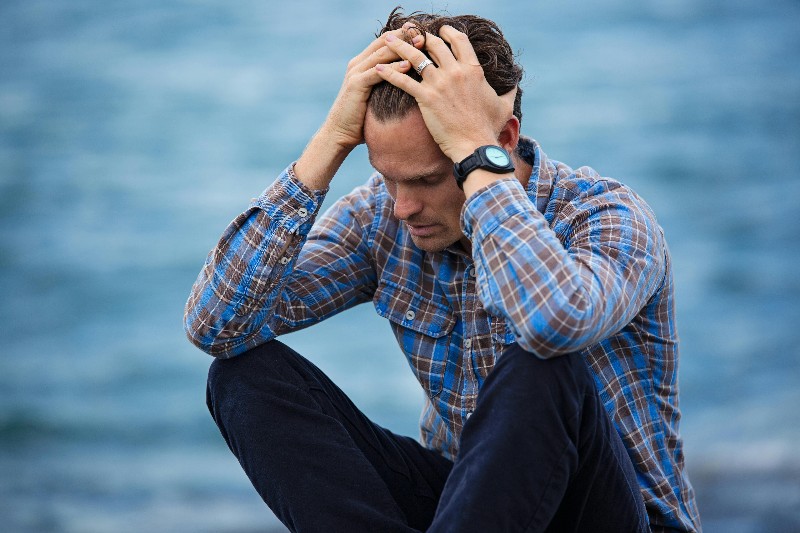
In today’s fast-paced world, many individuals find themselves grappling with the weight of anxiety and stress on a daily basis.
The constant demands and pressures of modern life can take a toll on our mental well-being, leaving us feeling overwhelmed and depleted. In the quest for inner peace and emotional balance, holistic strategies offer a comprehensive approach to managing anxiety. By integrating practices that address the mind, body, and spirit, we can cultivate a sense of calm within and navigate life’s challenges with greater resilience.
In this article, we will explore a range of holistic techniques and therapies that can help individuals find relief from anxiety, promoting a sense of inner harmony and well-being.
Understanding Anxiety: Causes and Symptoms
Exploring the Roots of AnxietyAnxiety is like that uninvited guest who shows up to the party and just won’t leave. It can stem from a variety of factors such as genetics, life experiences, or even that questionable decision to binge-watch a horror movie at 2 AM.
Recognizing Common Symptoms
Symptoms of anxiety can range from feeling like a squirrel on a caffeine high to contemplating the meaning of life at 3 AM. Physical sensations like a racing heart, sweaty palms, and the sudden urge to visit the restroom more than usual can also be common signs.
Mindfulness and Meditation Techniques
Introduction to Mindfulness Practices
Mindfulness is essentially the art of paying attention like your life depends on it (spoiler alert: it does). By being present in the moment, you can avoid getting caught up in a mental game of tag with your thoughts.
Step-by-Step Meditation Guide
Meditation isn’t just for Zen masters and yoga enthusiasts—it’s for anyone looking to hit the pause button on the chaos of life. Find a cozy spot, sit comfortably, and breathe. That’s it. Congratulations, you’re meditating!
Holistic Approaches to Nutrition and Exercise
The Impact of Nutrition on Mental Health
Eating your feelings may sound tempting (hello, pint of ice cream), but fueling your body with nutritious foods can work wonders for your mental well-being. Think of it as giving your brain a high-five with each bite.
Incorporating Exercise for Stress Relief
Exercise doesn’t have to involve running a marathon or bench-pressing your body weight (unless you’re into that). Even a leisurely stroll or a quick dance party in your living room can release those feel-good endorphins and kick anxiety to the curb.
The Power of Breathwork and Relaxation Techniques
Understanding the Connection Between Breath and Relaxation
Breathing—it’s the one activity you’ve been doing since birth that can actually help you chill out. Deep, intentional breaths can signal to your body that it’s time to unwind and relax. Inhale the good vibes, exhale the bad juju.
Practical Techniques for Deep Relaxation
From simple deep-breathing exercises to visualizing yourself sipping a margarita on a tropical beach (virgin margarita will do, too), relaxation techniques are like mini vacations for your mind. Find what works for you, whether it’s a hot bath, gentle yoga, or simply zoning out to your favorite tunes. You deserve it.
Harnessing the Healing Benefits of Nature and Outdoor Activities
Nature as a Therapeutic Resource
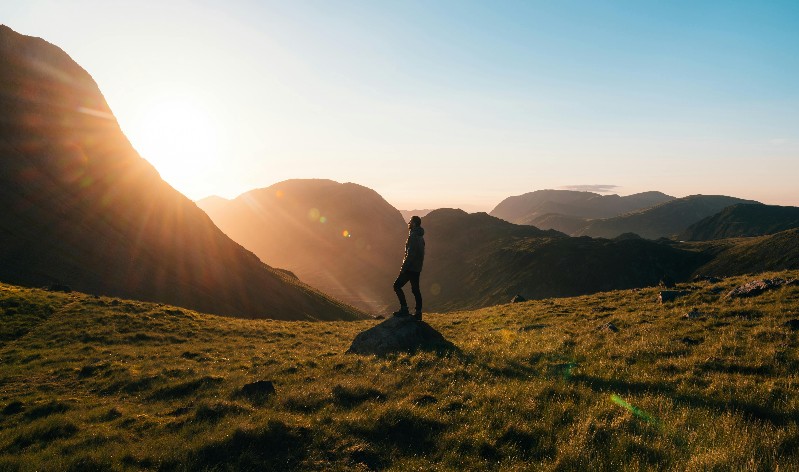
Picture this: stress melting away as you take a leisurely stroll through a lush green forest or feel the soothing waves of the ocean. Nature isn’t just pretty to look at; it’s a powerful healer. Studies show that spending time in nature can help lower anxiety levels, reduce stress, and improve overall well-being. So, next time you’re feeling overwhelmed, step outside and let nature work its magic.
Outdoor Activities to Reduce Anxiety
If the idea of sitting still to meditate makes you restless, fear not! Outdoor activities can be just as effective in calming a busy mind. Whether it’s going for a run in the park, cycling through scenic trails, or practicing yoga in the fresh air, engaging in outdoor activities can help distract you from anxious thoughts and boost your mood. So, lace up those sneakers and head outside to sweat your worries away.

Integrating Alternative Therapies: Acupuncture, Yoga, and Massage
Benefits of Acupuncture for Anxiety Management
Acupuncture, the ancient Chinese practice of inserting thin needles into specific points on the body, has been shown to help alleviate anxiety symptoms. By stimulating these points, acupuncture can help release tension, improve energy flow, and promote a sense of relaxation. So, if you’re open to trying something new (and don’t mind needles), acupuncture could be a holistic option to consider for managing anxiety.
Yoga Poses and Sequences for Calming the Mind
Downward dog, anyone? Yoga isn’t just about striking Instagram-worthy poses; it’s a powerful tool for calming the mind and soothing anxiety. From gentle stretches to challenging balances, practicing yoga can help you connect with your breath, release tension, and foster a sense of inner peace. So, roll out your mat, strike a pose, and let yoga work its magic on your anxious thoughts.
The Relaxing Effects of Massage Therapy
Who doesn’t love a good massage? Besides feeling like a pampered queen (or king), massage therapy can be a soothing balm for anxious minds. The gentle kneading of muscles, the release of tension, and the overall sense of relaxation can all contribute to reducing anxiety levels. So, treat yourself to a massage session and let the stress melt away under the skilled hands of a masseuse.

Cultivating Emotional Resilience Through Journaling and Creative Expression
The Therapeutic Power of Journaling
Grab a pen and paper (or your trusty laptop) and let your thoughts flow freely. Journaling is a therapeutic practice that can help you process emotions, gain clarity, and reduce anxiety. By putting your feelings into words, you can gain insights into your mind and create a space for self-reflection. So, start jotting down your thoughts and watch how journaling can be a powerful tool in managing anxiety.
Expressive Arts as a Tool for Emotional Release
Painting, dancing, singing – whatever tickles your creative fancy, embrace it! Expressive arts offer a unique way to channel emotions, release pent-up feelings, and foster emotional resilience. Whether you’re doodling in a sketchbook, belting out tunes in the shower, or busting a move in your living room, creative expression can be a cathartic outlet for anxiety. So, let your creativity run wild and see how it can help you navigate the rollercoaster of emotions.
Incorporating holistic strategies into your daily routine can be a powerful step towards managing anxiety and reclaiming a sense of peace and balance in your life. By cultivating mindfulness, nourishing your body with healthy habits, and exploring alternative therapies, you can empower yourself to navigate the ups and downs of life with greater ease and resilience.
Remember, finding calm within is a journey that requires patience and self-care, but with dedication and practice, you can create a life filled with serenity and well-being. Embrace the holistic approach to managing anxiety, and may you find inner peace and tranquility along the way.
FAQ:
1. How long does it take to see results from practicing mindfulness and meditation?
The timeframe for experiencing results from practicing mindfulness and meditation can vary widely from person to person. Some individuals may notice subtle changes in their mental state and well-being after just a few sessions, while others may require more consistent practice over several weeks or months to observe significant improvements. Factors such as the frequency and duration of practice, individual temperament, and the specific goals of meditation can all influence the speed and extent of results. Generally, consistent and committed practice tends to yield more profound and lasting benefits over time. It’s essential to approach mindfulness and meditation with patience, openness, and a willingness to explore the process without expectations of immediate outcomes.
2. Can holistic approaches to managing anxiety be used in conjunction with traditional therapies and medications?
Yes, holistic approaches to managing anxiety can often complement traditional therapies and medications effectively. Holistic methods such as mindfulness meditation, yoga, deep breathing exercises, nutritional support, herbal remedies, and stress reduction techniques can provide additional tools for individuals coping with anxiety. When used alongside conventional treatments like therapy and medication, holistic approaches can address the physical, emotional, and spiritual aspects of anxiety, promoting overall well-being and resilience. However, it’s crucial for individuals to consult with their healthcare provider before incorporating holistic practices into their anxiety management plan, especially if they are currently receiving medical treatment. Working collaboratively with healthcare professionals ensures a comprehensive approach to anxiety management that prioritizes safety and effectiveness.
3. Are there specific types of exercises or outdoor activities that are particularly effective for reducing anxiety?
Yes, several types of exercises and outdoor activities are particularly effective for reducing anxiety:
Aerobic Exercise: Activities like walking, running, cycling, swimming, or dancing can help release endorphins, which are natural mood lifters. Aim for at least 30 minutes of moderate-intensity aerobic exercise most days of the week for optimal benefits.
Yoga: Yoga combines physical postures, breathwork, and mindfulness, making it an excellent practice for reducing stress and anxiety. It promotes relaxation, improves flexibility, and enhances overall well-being.
Tai Chi: This gentle form of martial arts involves slow, flowing movements and deep breathing. Tai Chi has been shown to reduce stress, improve mood, and enhance balance and coordination.
Hiking or Nature Walks: Spending time outdoors in nature can have a calming effect on the mind and body. Whether it’s a leisurely hike through the woods or a stroll along a scenic trail, immersing oneself in nature can reduce anxiety and promote a sense of tranquility.
Gardening: Tending to a garden or spending time in green spaces can be therapeutic and grounding. The act of gardening can help reduce stress levels, boost mood, and foster a sense of connection with the natural world.
Mindful Walking: Simply taking a leisurely walk while paying attention to the sensations of each step can be a mindfulness practice in itself. Mindful walking encourages present-moment awareness and can help alleviate anxiety by shifting focus away from worries and into the present experience.
Outdoor Sports: Engaging in outdoor sports such as tennis, golf, or soccer provides opportunities for physical activity, social interaction, and enjoyment of nature—all of which can contribute to reduced anxiety and improved well-being.
Water Activities: Activities like swimming, kayaking, or paddleboarding can be particularly soothing and meditative. The rhythmic motion of being in water and the tranquil surroundings can help calm the mind and promote relaxation.
Ultimately, the most effective type of exercise or outdoor activity for reducing anxiety varies from person to person. It’s essential to choose activities that you enjoy and that feel sustainable for you in the long term. Experiment with different forms of exercise and outdoor pursuits to find what works best for you and brings you the most relief from anxiety.
4. How can I incorporate holistic strategies into my busy schedule?
 Green Earth Essentials