
Sound healing has been utilized for centuries as a powerful modality for promoting wellness and harmony in both the body and mind.
By harnessing the vibrations and frequencies of sound, individuals can experience a profound sense of relaxation, rejuvenation, and healing.
This article delves into the fascinating world of sound healing and resonant frequencies, exploring the science behind this ancient practice, its various techniques and benefits, and how it can be integrated into daily life for improved well-being.
Join us on a journey to discover the transformative potential of sound as a therapeutic tool for holistic health and wellness.
Introduction to Sound Healing
Sound healing is like a soothing musical balm for your mind and body.
It’s the practice of using sound waves to promote healing and relaxation, tapping into the power of vibrations to restore balance.

Defining Sound Healing
Sound healing isn’t just about listening to your favorite tunes; it involves intentional and therapeutic use of sound frequencies to harmonize the body and mind.
Think of it as a sonic massage for your soul.
Historical Roots of Sound Healing
Believe it or not, the healing power of sound has been around for centuries.
Ancient civilizations like the Egyptians and Greeks used music and chants in healing rituals, recognizing the profound influence of sound on well-being.

Understanding Resonant Frequencies
Resonant frequencies are like a secret language that our bodies speak fluently.
They’re specific vibrations at which an object naturally oscillates, creating a resonance that can have powerful effects on our physical and emotional states.
Exploring the Concept of Resonance
Imagine a tuning fork vibrating at just the right frequency to make a wine glass shatter.
That’s resonance in action, where one vibrating object can cause another to vibrate in sympathy.
It’s like a musical duet between your body and sound waves.
How Resonant Frequencies Affect the Body
When exposed to resonant frequencies, our cells, tissues, and organs can dance to the tune, promoting relaxation, reducing stress, and even aiding in physical healing. It’s like a harmonic hug for your insides.
The Science Behind Sound Healing
Sound healing isn’t just new age mumbo jumbo; there’s real science backing up its benefits. From the way sound waves stimulate brain activity to the way they can influence our mood and emotions, there’s a lot more to it than meets the ear.
Neuroscientific Basis of Sound Healing
Our brains are like eager dance partners when it comes to sound healing. Studies show that certain sounds can activate specific regions of the brain associated with emotions, memory, and even pain perception, leading to a symphony of soothing effects.
Effects of Sound Waves on Brain Activity
Ever felt your stress melt away while listening to calming music? That’s the power of sound waves at work.
They can modulate brainwave patterns, promoting relaxation, enhancing focus, and even improving sleep quality. It’s like a lullaby for your neurons.
Methods and Techniques of Sound Healing
Ready to dip your toes into the world of sound healing? There are various tools and techniques at your disposal, from ancient instruments to modern technologies, all aimed at helping you tune in to the healing frequencies around you.
Overview of Sound Healing Instruments
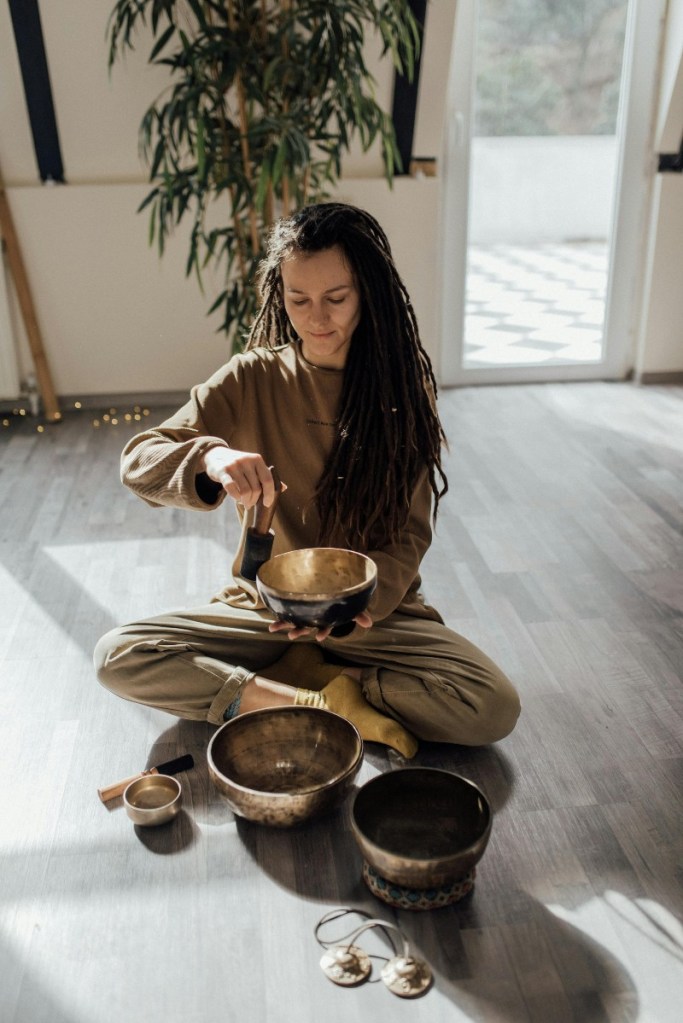
From crystal singing bowls to Tibetan bells, sound healing instruments come in all shapes and sizes, each with its own unique resonance.
Whether you’re drawn to the earthy tones of a drum or the ethereal sounds of a flute, there’s a sonic tool out there for everyone.
Guided Meditation and Sound Therapy
Combining the power of sound with the art of meditation, guided sound therapy sessions can transport you to a state of deep relaxation and inner harmony.
By immersing yourself in a symphony of healing vibrations, you can create a space for profound transformation and renewal.
Benefits of Sound Healing
When it comes to sound healing, the perks are music to our ears. Let’s tune in to the benefits it can bring to our lives.
Physical Benefits
Sound healing isn’t just easy on the ears; it can also work wonders for our physical well-being. From reducing pain to improving sleep, the vibrations from sound therapy can harmonize our bodies and promote healing from the inside out.
Emotional and Mental Benefits
Feeling a bit off-key emotionally?
Sound healing might just be the tune-up you need. By soothing our minds and calming our spirits, sound therapy can help alleviate stress, anxiety, and even boost our mood. It’s like hitting the perfect note for our mental well-being.

Exploring Different Sound Healing Modalities
Ready to dive into the world of sound healing? Let’s take a melodic journey through some intriguing modalities that can strike the right chord for your well-being.
Sound Bath Therapy
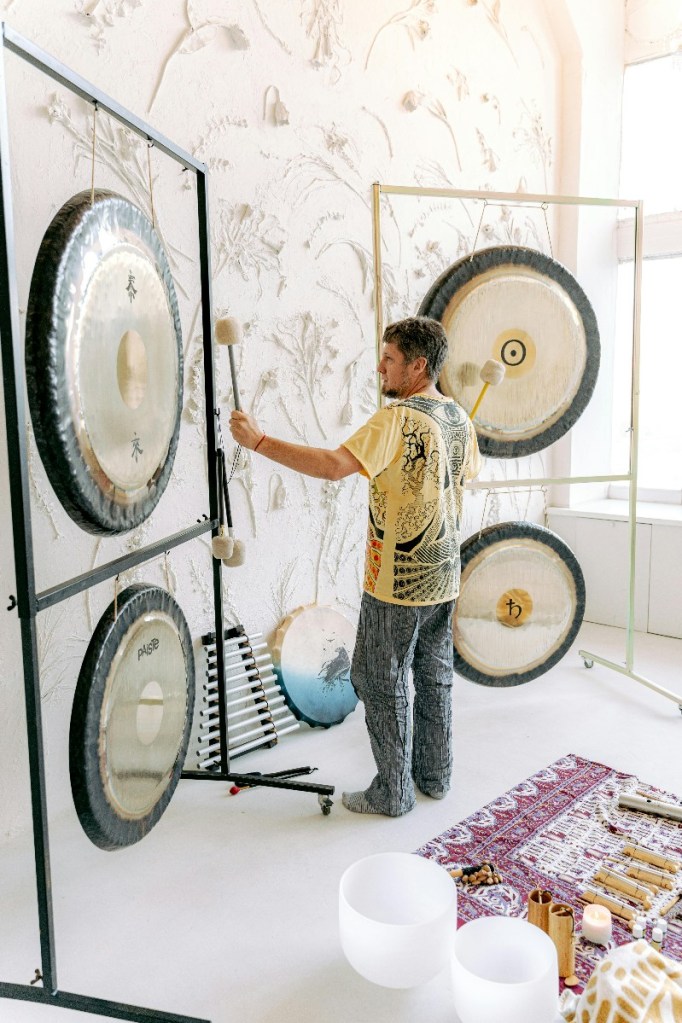
Imagine being bathed in waves of sound that wash away your worries and leave you feeling refreshed and rejuvenated. Sound bath therapy uses instruments like singing bowls and gongs to create a symphony of healing vibrations that can lull you into a state of blissful relaxation.
Mantra Chanting and Vocal Toning
Whether you’re belting out a powerful mantra or simply humming a soothing tune, chanting and vocal toning can bring harmony to your mind, body, and soul. By using your voice as a healing instrument, you can unlock a world of emotional release and inner peace.

Incorporating Sound Healing into Daily Life
Looking to add a touch of harmony to your daily routine? Let’s explore how you can infuse the healing power of sound into your everyday life.
Creating a Personal Sound Healing Practice
Who needs a concert hall when you can create your own personal sound sanctuary at home?
Whether it’s through listening to calming music, chanting a mantra, or playing a singing bowl, carving out time for sound healing can elevate your daily rituals and bring a sense of calm to your day.
Using Sound Healing for Stress Relief
Stress making your life sound a bit off-key? Sound healing can be the perfect antidote. By incorporating sound therapy techniques into your stress management routine, you can strike a chord with relaxation and find harmony amidst life’s daily cacophony.
Future Directions in Sound Healing Research
The future of sound healing is sounding pretty promising. Let’s take a sneak peek into the research that’s amplifying our understanding of how sound therapy can fine-tune our well-being.
In conclusion, sound healing offers a unique and accessible approach to enhancing our physical, emotional, and spiritual well-being.
By understanding and incorporating resonant frequencies into our lives, we can tap into a powerful source of healing and transformation.
Whether through the soothing tones of singing bowls, the rhythmic beats of drums, or the calming vibrations of mantras, the potential for healing through sound is limitless.
Embracing sound healing as a regular practice can lead to a harmonious balance within ourselves and a deeper connection to the universal rhythms that surround us.

FAQs
1. Can anyone benefit from sound healing?
Yes, anyone can benefit from sound healing. Sound healing techniques, such as listening to calming music, meditating with singing bowls, or experiencing sound baths, are believed to have therapeutic effects on the body and mind. These practices can promote relaxation, reduce stress, improve sleep quality, enhance mood, and support overall well-being for people of all ages and backgrounds.
2. What are some common instruments used in sound healing?
Common instruments used in sound healing include:
- Tibetan Singing Bowls: Metal bowls that produce harmonic tones when struck or rubbed with a mallet.
- Crystal Singing Bowls: Quartz crystal bowls that emit pure, resonant tones when played with a mallet.
- Tuning Forks: Metal instruments that produce specific frequencies when struck and are used to balance energy in the body.
- Gong: Large metal discs that produce deep, reverberating sounds when struck with a mallet.
- Shamanic Drum: A drum used in indigenous healing traditions to induce trance states and promote healing through rhythmic vibrations.
- Didgeridoo: An Australian Aboriginal wind instrument believed to have healing properties due to its low-frequency vibrations.
- Flute: Wooden or metal flutes used for their soothing melodies and calming effects.
These instruments are often used individually or combined in sound healing sessions to create immersive and therapeutic experiences for participants.
3. How often should one participate in sound healing sessions to experience benefits?
The frequency of participating in sound healing sessions to experience benefits can vary depending on individual needs and preferences. Some people may find benefit from just one session, while others may benefit from regular or consistent participation.
As a general guideline, it’s recommended to start with one session and observe how you feel afterward. If you notice positive effects such as increased relaxation, reduced stress, improved sleep, or enhanced mood, you may consider scheduling sessions on a regular basis.
For those seeking ongoing support for specific health or wellness goals, participating in sound healing sessions once a week or bi-weekly could be beneficial. However, it’s essential to listen to your body and adjust the frequency based on your own experiences and comfort level.
Additionally, integrating self-care practices such as listening to calming music, meditating with sound recordings, or using sound healing tools at home between sessions can complement the benefits of formal sound healing sessions and support overall well-being.
 Green Earth Essentials