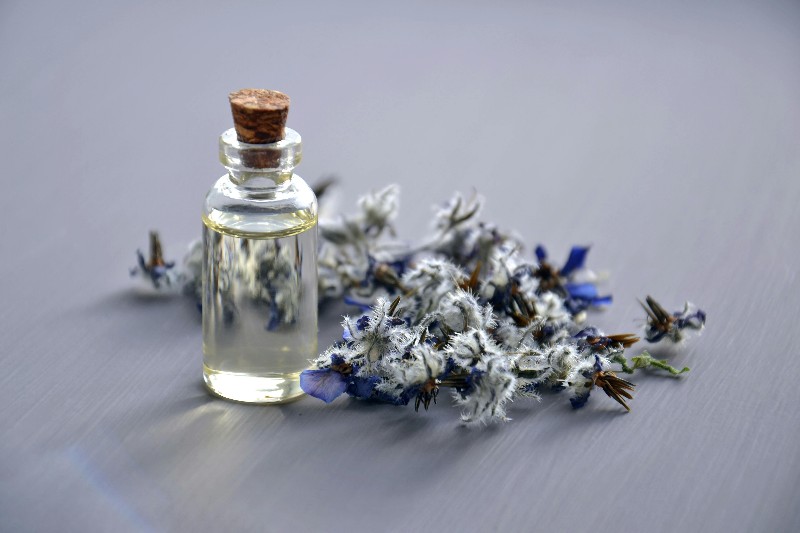
From the soothing scent of lavender to the invigorating aroma of peppermint, essential oils have long captivated our senses with their fragrant allure.
At the heart of these aromatic wonders lie terpenes, a diverse class of organic compounds that not only give plants their distinctive scents but also hold powerful therapeutic potential.
In this exploration of aromatic alchemy, we delve into the science of terpenes, unravel the intricate relationship between terpenes and essential oils, and shine a light on the transformative impact of terpenes in fields such as aromatherapy and traditional medicine.
Join us on a journey to uncover the hidden secrets of terpenes and unlock the captivating world of essential oils.
The Science of Terpenes
Terpenes, often called nature’s aromatic compounds, are the unsung heroes behind the captivating scents of essential oils. These compounds aren’t just about making things smell nice – they play a crucial role in plant defense mechanisms and can have a wide range of therapeutic properties.
Understanding Terpenes: Nature’s Aromatic Compounds
Terpenes are organic compounds found in various plants and even some insects, responsible for creating their distinctive smells. From the zesty scent of lemon to the calming aroma of lavender, terpenes are the reason why essential oils have such a powerful impact on our senses.
The Biochemical Pathways of Terpene Synthesis
Ever wondered how plants produce these aromatic molecules? Terpene synthesis is a complex biochemical process that involves multiple steps and enzymes working together harmoniously. Understanding these pathways can give us a deeper appreciation for the natural magic of terpenes.

Essential Oils: Nature’s Aromatic Wonders
Essential oils are like tiny bottles of concentrated plant power, packed with a diverse range of terpenes that contribute to their unique properties. These aromatic wonders have been used for centuries for their fragrance, flavor, and therapeutic benefits.
Essential Oils and Their Terpene-rich Composition
The secret sauce behind essential oils lies in their terpene content. From limonene in citrus oils to linalool in floral scents, each terpene brings its own set of benefits to the table. It’s like a symphony of aromas and healing properties in every drop.
The History and Cultural Significance of Essential Oils
Essential oils have a rich history that stretches back to ancient civilizations, where they were valued for their medicinal, spiritual, and cosmetic uses. These precious oils have woven themselves into the tapestry of various cultures, becoming symbols of healing and well-being.

Unraveling the Therapeutic Potential of Terpenes
Terpenes have long been revered in traditional medicine practices for their therapeutic properties. Modern scientific research is now catching up, shedding light on the health benefits that these aromatic compounds can offer.
Terpenes in Traditional Medicine Practices
From Ayurveda to Traditional Chinese Medicine, terpenes have been used for centuries to treat a myriad of ailments. Whether it’s relieving stress, easing pain, or supporting digestion, these natural compounds have a lot to offer in the realm of healing.
Scientific Research on the Health Benefits of Terpenes
The scientific community is increasingly recognizing the potential of terpenes in promoting health and well-being. Studies have shown that these compounds possess anti-inflammatory, anti-microbial, and even mood-enhancing properties, opening up exciting new avenues for therapeutic applications.
Terpene Profiles: A Closer Look at Common Essential Oils
Let’s take a peek into the terpene compositions of some popular essential oils to unravel the magic behind their aromas and benefits.
Lavender: Exploring the Terpene Composition
Lavender essential oil is a favorite for its calming and soothing properties. Its terpene profile, including linalool and linalyl acetate, contributes to its stress-relieving and sleep-promoting effects, making it a must-have in your relaxation toolkit.
Peppermint: Aromatic Profile and Therapeutic Uses
With its invigorating scent and cooling sensation, peppermint essential oil is a versatile powerhouse.
Its high menthol content gives it analgesic and anti-inflammatory properties, making it a go-to remedy for headaches, muscle aches, and digestive issues.

Aromatic Alchemy: Unveiling the Terpenes Behind Essential Oils
Aromatherapy is both an art and a science that harnesses the therapeutic properties of essential oils, many of which contain terpenes.
These organic compounds not only provide delightful fragrances but also offer various health benefits when inhaled or applied to the skin.
By understanding the role of terpenes in aromatherapy, practitioners can create blends that target specific ailments and promote overall well-being.
Exploring the Diversity of Terpenes in Plants
Terpenes exhibit a remarkable diversity across plant species, contributing to the distinct aromas and flavors found in nature.
From calming lavender to invigorating citrus, each plant’s terpene profile influences its unique characteristics.
Beyond scent, terpenes also play a crucial role in plant defense mechanisms, acting as natural repellents against pests and pathogens.

The Role of Terpenes in Fragrance and Flavor
Terpenes are not only prized for their therapeutic properties but also for their impact on fragrance and flavor.
These aromatic compounds determine the aroma profiles of essential oils, influencing our sensory experiences in culinary delights and perfumes alike.
Terpene-rich oils are integral to creating captivating scents and adding depth to culinary creations.
Sustainability and Ethical Sourcing of Terpenes
As the demand for terpenes grows, ensuring sustainability and ethical sourcing practices becomes essential.
Challenges such as overharvesting and habitat destruction pose significant threats to terpene-rich plants and biodiversity.
By promoting responsible practices in the terpene industry, we can protect both the environment and the communities that rely on these valuable resources.
As we conclude our journey into the realm of aromatic alchemy and the fascinating world of terpenes, it becomes clear that these natural compounds hold boundless potential for enhancing our well-being and enriching our sensory experiences.
From their role in therapeutic applications to their aromatic diversity in plants, terpenes continue to inspire and intrigue.
As we continue to explore the intricate relationship between terpenes and essential oils, let us embrace the power of nature’s aromatic wonders and harness the magic of terpenes for a harmonious balance of mind, body, and spirit.
Frequently Asked Questions
1. What are terpenes and why are they important in essential oils?
Terpenes are organic compounds produced by various plants, including those used to extract essential oils.
They contribute to the distinct scents of essential oils and play a crucial role in their therapeutic properties.
Terpenes not only influence the aroma but also contribute to the overall holistic benefits of essential oils, impacting mental, emotional, and physical well-being.
2. How do terpenes contribute to the therapeutic effects of essential oils in aromatherapy?
Terpenes contribute significantly to the therapeutic effects of essential oils in aromatherapy.
Different terpenes have distinct properties that can influence mood, emotions, and physiological responses.
For example, the terpene limonene found in citrus oils may have mood-enhancing effects, while myrcene in lavender and chamomile is known for its relaxing properties.
The interaction of terpenes with our olfactory system creates a holistic experience, making aromatherapy a powerful tool for well-being.
3. Are all essential oils rich in terpenes, or are there variations in their terpene profiles?
Essential oils vary in their terpene profiles, and not all oils are equally rich in terpenes.
Each essential oil is a unique blend of different compounds, with terpenes being a significant component.
The composition of terpenes can be influenced by factors such as plant species, growing conditions, and extraction methods.
Oils derived from different plants will have diverse terpene profiles, leading to variations in their aromas and therapeutic effects.
It’s essential to consider these variations when selecting essential oils for specific aromatherapy purposes.
 Green Earth Essentials