Inflammation is a natural response of the immune system to protect the body from injury or infection.
However, chronic inflammation can contribute to various health issues, including cardiovascular disease, diabetes, and arthritis. As a result, the search for natural anti-inflammatory agents has gained significant attention. One such agent that has been extensively studied is olive oil. Olive oil, a prominent component of the Mediterranean diet, has been hailed for its numerous health benefits, including its potent anti-inflammatory properties. In this article, we will delve into the science behind olive oil’s anti-inflammatory effects, explore its key components, understand the mechanisms of action, discuss the benefits of incorporating olive oil into an anti-inflammatory diet, provide best practices for its use, and offer practical tips for incorporating olive oil into everyday meals for maximum health benefits.
Introduction to the anti-inflammatory properties of olive oil
What is inflammation and why is it important?
Inflammation is a natural response by our body’s immune system to protect against harmful stimuli such as pathogens, injuries, and toxins. While acute inflammation is necessary for healing, chronic inflammation can lead to various health issues like heart disease, arthritis, and even cancer. That’s why managing inflammation is crucial for overall well-being.
Overview of the role of diet in managing inflammation
Diet plays a significant role in managing inflammation. Consuming a balanced diet with anti-inflammatory properties can help prevent chronic inflammation. Foods rich in antioxidants and healthy fats are especially effective in reducing inflammation.
Introduction to olive oil as a powerful anti-inflammatory agent
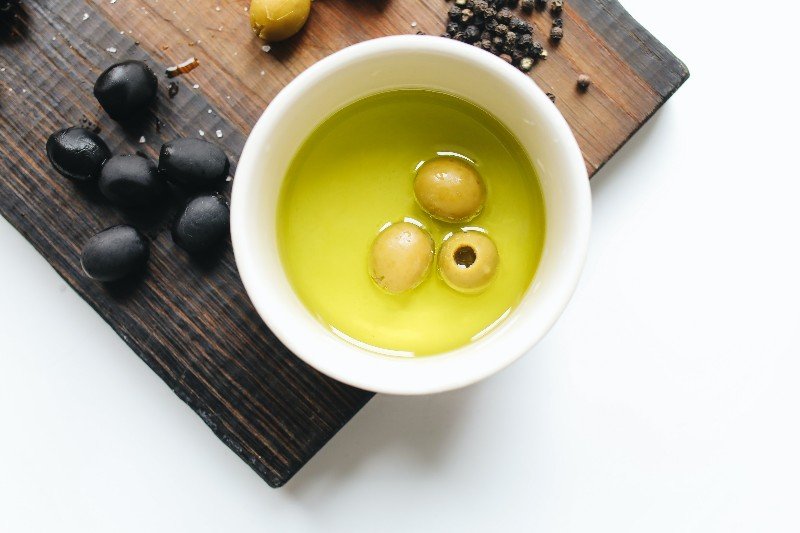
One such superfood that has gained attention for its notable anti-inflammatory properties is olive oil. This golden elixir has been a staple in Mediterranean cuisine for centuries. Besides its delicious taste, olive oil contains various compounds that possess potent anti-inflammatory effects. Let’s dive into the science behind it.

Exploring the scientific research behind olive oil’s anti-inflammatory effects
Overview of studies on olive oil and inflammation
Numerous studies have investigated the impact of olive oil on inflammation. These studies have examined its effects on various inflammatory markers in the body, such as C-reactive protein (CRP) and interleukins. Such research has shed light on the mechanisms through which olive oil exerts its powerful anti-inflammatory effects.
Understanding the methodologies used in scientific research
To understand the effects of olive oil, scientists employ a range of methodologies, including in vitro experiments, animal studies, and human clinical trials. These methods allow researchers to observe the impact of olive oil on specific inflammatory pathways and markers.
Key findings from recent studies on olive oil’s anti-inflammatory properties
Recent studies have consistently shown that olive oil intake can lead to a reduction in inflammation. In particular, the Mediterranean diet, which is rich in olive oil, has been associated with lower levels of inflammatory markers and a decreased risk of chronic diseases linked to inflammation.

The key components in olive oil that contribute to its anti-inflammatory properties
Polyphenols: Powerful antioxidants and anti-inflammatory agents
One of the key components in olive oil responsible for its anti-inflammatory effects is polyphenols. These natural plant compounds are potent antioxidants that help protect the body against oxidative stress. Polyphenols in olive oil have been shown to modulate inflammatory pathways and inhibit the activity of pro-inflammatory enzymes.
Oleocanthal: A natural compound with anti-inflammatory properties
Another noteworthy compound found in olive oil is oleocanthal. This compound has been shown to inhibit the same inflammatory pathway as nonsteroidal anti-inflammatory drugs (NSAIDs), providing a natural alternative for reducing inflammation. However, it’s important to note that the concentration of oleocanthal can vary across different types and brands of olive oil.
Omega-9 fatty acids: Supporting overall health and reducing inflammation
Olive oil is also rich in monounsaturated fats, particularly omega-9 fatty acids like oleic acid. These healthy fats play a crucial role in reducing inflammation and promoting heart health. Incorporating olive oil into your diet can contribute to a balanced intake of these beneficial fatty acids.
Understanding the mechanisms of action for olive oil’s anti-inflammatory effects
Inhibition of pro-inflammatory enzymes and cytokines
Olive oil compounds, such as polyphenols and oleocanthal, have been shown to inhibit the activity of pro-inflammatory enzymes and reduce the production of cytokines, which are responsible for promoting inflammation. By interfering with these inflammatory pathways, olive oil helps to alleviate chronic inflammation.
Modulation of immune response and oxidative stress
Olive oil’s anti-inflammatory properties extend to its modulation of the immune response. It helps to balance the immune system, preventing excessive immune reactions that can lead to chronic inflammation. Additionally, the antioxidants in olive oil combat oxidative stress, a key driver of inflammation.
Impact on gut health and the microbiome
Emerging research suggests that olive oil may positively influence gut health and the composition of the microbiome, the trillions of bacteria residing in our digestive system. A healthy gut and a diverse microbiome are associated with reduced inflammation. Olive oil’s positive influence on gut health further contributes to its anti-inflammatory effects.Remember, while incorporating olive oil into your diet can be beneficial, it’s essential to maintain a well-rounded approach to managing inflammation. A healthy lifestyle, including regular exercise, stress management, and a balanced diet rich in other anti-inflammatory foods, can complement the remarkable properties of olive oil in the fight against chronic inflammation. So, go ahead and drizzle that golden goodness over your favorite dishes and savor the taste and benefits it brings!
Benefits of incorporating olive oil into an anti-inflammatory diet
Olive oil isn’t just a flavorful addition to your meals—it also offers some impressive health benefits when it comes to reducing inflammation. By incorporating olive oil into your diet, you can experience the following advantages:
Reduction in chronic inflammation and related health conditions
Chronic inflammation has been linked to a range of health problems, including heart disease, diabetes, and certain types of cancer. The good news is that olive oil contains compounds that have been shown to reduce inflammation in the body. By regularly consuming olive oil as part of an anti-inflammatory diet, you can potentially lower your risk of these chronic conditions.
Support for heart health and cardiovascular function
Olive oil has long been praised for its heart-healthy properties. It’s rich in monounsaturated fats, which can help improve cholesterol levels and reduce the risk of heart disease. Additionally, olive oil contains antioxidants that protect the heart and blood vessels from damage, promoting overall cardiovascular health.
Potential for weight management and metabolic health
If you’re looking to shed a few pounds or maintain a healthy weight, olive oil can be a valuable ally. Including olive oil in your diet can help increase feelings of satiety, meaning you’ll feel fuller for longer and be less likely to overeat. Furthermore, research suggests that olive oil may improve insulin sensitivity and regulate blood sugar levels, making it beneficial for individuals with prediabetes or diabetes.
Best practices for using olive oil to harness its anti-inflammatory properties
Now that you’re aware of the benefits, it’s essential to know how to make the most of olive oil’s anti-inflammatory properties. Here are some best practices to keep in mind:
Choosing high-quality extra virgin olive oil
When it comes to olive oil, quality matters. Opt for extra virgin olive oil, as it is made from the first press of olives and retains the highest levels of beneficial compounds. Look for reputable brands and consider factors such as the harvest date and the region of origin. That way, you can ensure you’re getting the best quality product.
Proper storage and handling to preserve beneficial properties
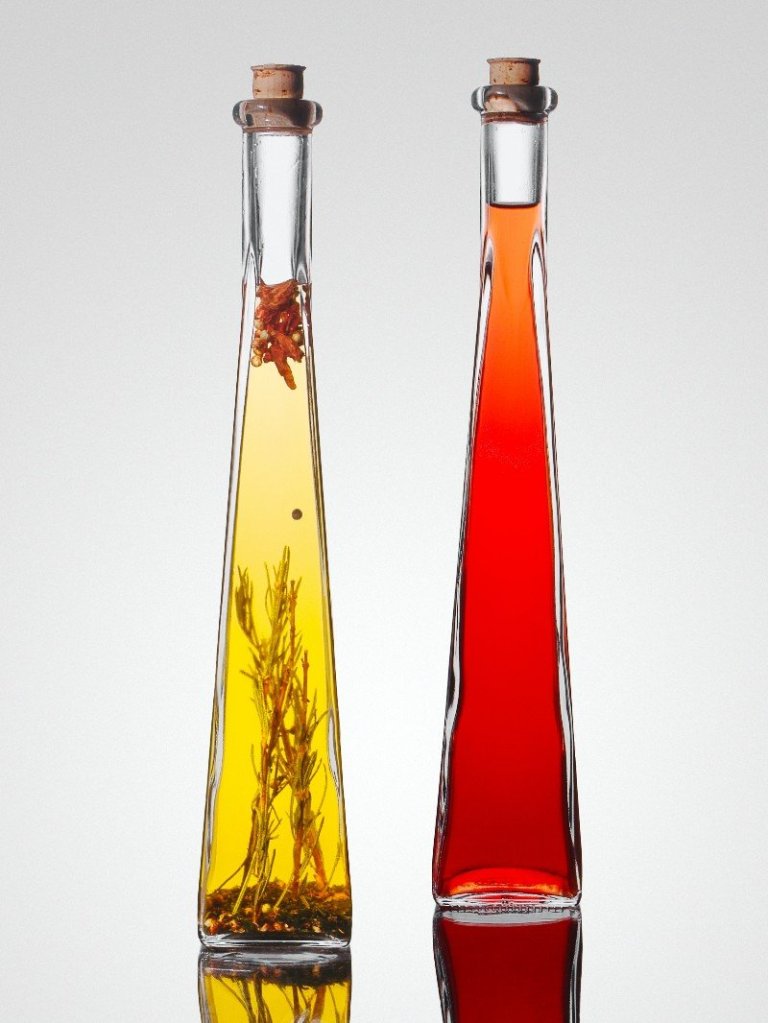
To preserve the freshness and beneficial properties of your olive oil, it’s crucial to store and handle it properly. Keep your olive oil in a cool, dark place, away from direct sunlight and heat sources. Avoid transferring it to a clear glass bottle, as exposure to light can degrade its quality. Finally, seal the bottle tightly to prevent oxidation and extend its shelf life.
Recommended daily intake and usage tips
While there’s no one-size-fits-all answer for how much olive oil to consume daily, experts generally recommend incorporating two tablespoons into your diet. This can be achieved by drizzling it over salads, using it as a cooking oil, or adding it to marinades and dressings. Remember that moderation is key, as olive oil is calorie-dense. So, while it’s beneficial for our health, a little goes a long way!
Incorporating olive oil into everyday meals and recipes for maximum health benefits
Now, let’s talk about how you can incorporate olive oil into your everyday meals to maximize its health benefits. Here are some simple yet tasty ideas:
Simple ways to add olive oil to salads, dressings, and marinades
One of the easiest ways to enjoy olive oil is by using it to dress your salads. Drizzle a tablespoon or two over mixed greens, vegetables, or even fruit for a delicious and healthy addition. You can also create your own homemade salad dressings by combining olive oil with vinegar or lemon juice, herbs, and spices. Additionally, olive oil works wonders as a flavorful marinade for meats, fish, and vegetables.
Cooking with olive oil for added flavor and health benefits
Using olive oil as your primary cooking oil is a smart choice for both flavor and health. It can be used for sautéing vegetables, frying eggs, or even baking. Keep in mind that olive oil has a lower smoke point than some other oils, so it’s best used for medium to low heat cooking or as a finishing touch for dishes.
Exploring unique ways to enjoy olive oil
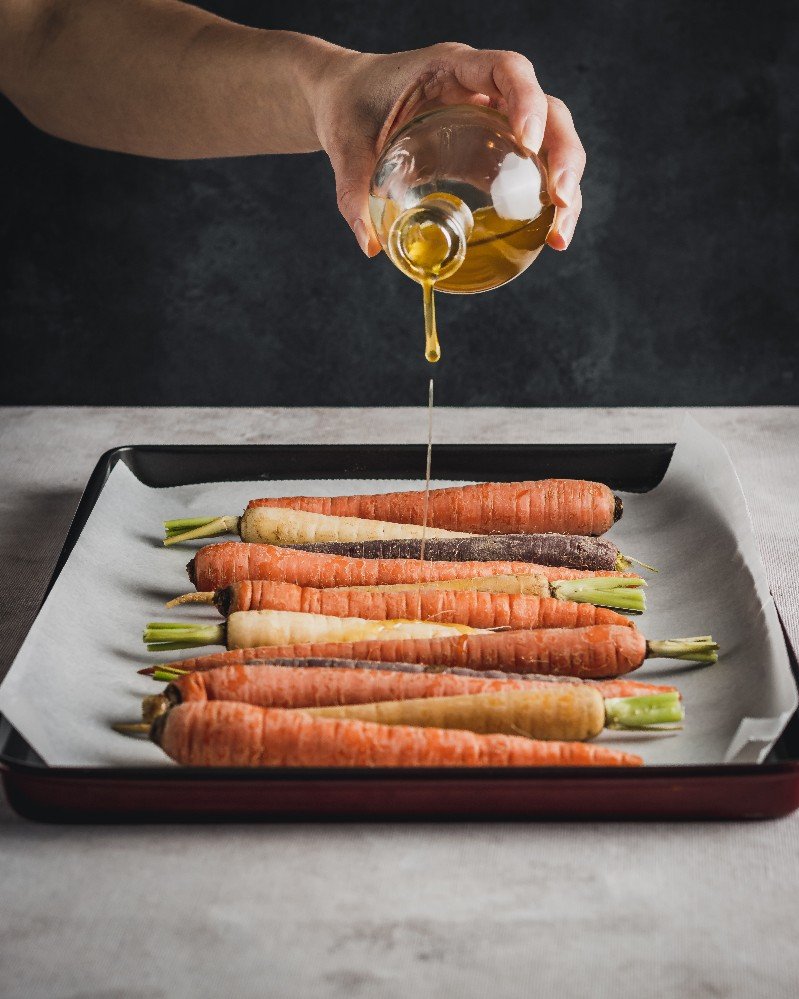
Thinking outside the box can help you discover new, delicious ways to incorporate olive oil into your meals. For example, try drizzling olive oil over roasted vegetables, grilled meats, or even popcorn for a burst of flavor. You can also use it as a base for homemade pesto or as a dipping oil for bread. The possibilities are endless, so get creative and enjoy the diverse flavors of olive oil!
In conclusion, olive oil has emerged as a powerful ally in the battle against chronic inflammation. Its rich content of polyphenols, oleocanthal, and omega-9 fatty acids work together to combat inflammation at the molecular level. By incorporating olive oil into our daily diet, we can reap the benefits of reduced inflammation, improved heart health, and overall well-being. So, let us embrace olive oil as a versatile and delicious ingredient in our meals, knowing that we are harnessing the science-backed anti-inflammatory properties of this remarkable oil.
FAQ
1. How much olive oil should I consume daily to benefit from its anti-inflammatory properties?
The recommended daily intake of olive oil for adults is about 2 tablespoons (30 ml). This amount can provide a good dose of the beneficial compounds found in olive oil, including its anti-inflammatory properties. It’s important to remember that moderation is key, and incorporating olive oil into a well-balanced diet is more important than consuming excessive amounts.
2. Can I use any type of olive oil to harness its anti-inflammatory properties?
When it comes to reaping the maximum health benefits, it is recommended to use extra virgin olive oil (EVOO). EVOO is the least processed type of olive oil, retaining the highest levels of antioxidants, polyphenols, and other beneficial compounds. Look for reputable brands and check for certifications to ensure you’re getting high-quality extra virgin olive oil.
3. Can olive oil be used in cooking without losing its anti-inflammatory properties?
Olive oil can be safely used for cooking at low to moderate temperatures. However, excessive heat can degrade the beneficial compounds in olive oil, including its anti-inflammatory properties. To preserve its health benefits, it is best to use olive oil for light sautéing, drizzling over finished dishes, or in salad dressings. For high-heat cooking methods, such as frying, it might be better to choose an oil with a higher smoke point.
4. Are there any potential side effects or precautions to consider when using olive oil for its anti-inflammatory properties?
For most people, olive oil is safe to consume and use as a part of a healthy diet. However, it’s important to note that olive oil is high in calories, so moderation is important, especially for individuals with certain health conditions such as obesity or cardiovascular issues. Additionally, individuals with allergies or sensitivities to olives should exercise caution and consult with a healthcare professional if needed.
 Green Earth Essentials