
The Rising Popularity of Plant-Based Fatty Acids
In recent years, there has been a remarkable surge in the popularity of plant-based fatty acids, with growing interest in their potential health benefits. As more people seek natural and sustainable approaches to enhance their well-being, plant-based fatty acids have emerged as a compelling option. These healthy fats, such as omega-3, omega-6, and omega-9, offer a wide range of advantages for our bodies and minds. In this article, we will delve into the secret benefits of plant-based fatty acids, exploring the science behind them and highlighting their potential to supercharge your health. Discover the transformative impact of incorporating plant-based fatty acids into your diet and unlock the path to optimal well-being.
Exploring the Shift: Why Plant-Based Fatty Acids are Gaining Traction
In recent years, there has been a significant shift in the way people approach their diets and overall health. One trend that has gained tremendous popularity is the adoption of plant-based fatty acids. Gone are the days when fats were seen as the enemy hiding in our food. Now, we are embracing the power of healthy fats, especially those derived from plants.So, what exactly is driving this change? Well, people are becoming more aware of the impact their food choices have on their bodies. They are seeking alternatives to animal-based fats, such as those found in meat and dairy products, and are turning to plant-based sources instead. These plant-based fatty acids offer a wide array of health benefits that are hard to ignore.

Understanding the Science: What are Plant-Based Fatty Acids?
The Basics: Defining Plant-Based Fatty Acids
Before we dive into the benefits, let’s get a handle on what plant-based fatty acids actually are. Fatty acids are building blocks of fat molecules, and they play a crucial role in several bodily functions. Plant-based fatty acids, as the name suggests, are fats derived from plants. They are typically found in foods such as avocados, nuts, seeds, and oils extracted from plants.
Types of Plant-Based Fatty Acids: Omega-3, Omega-6, and Omega-9
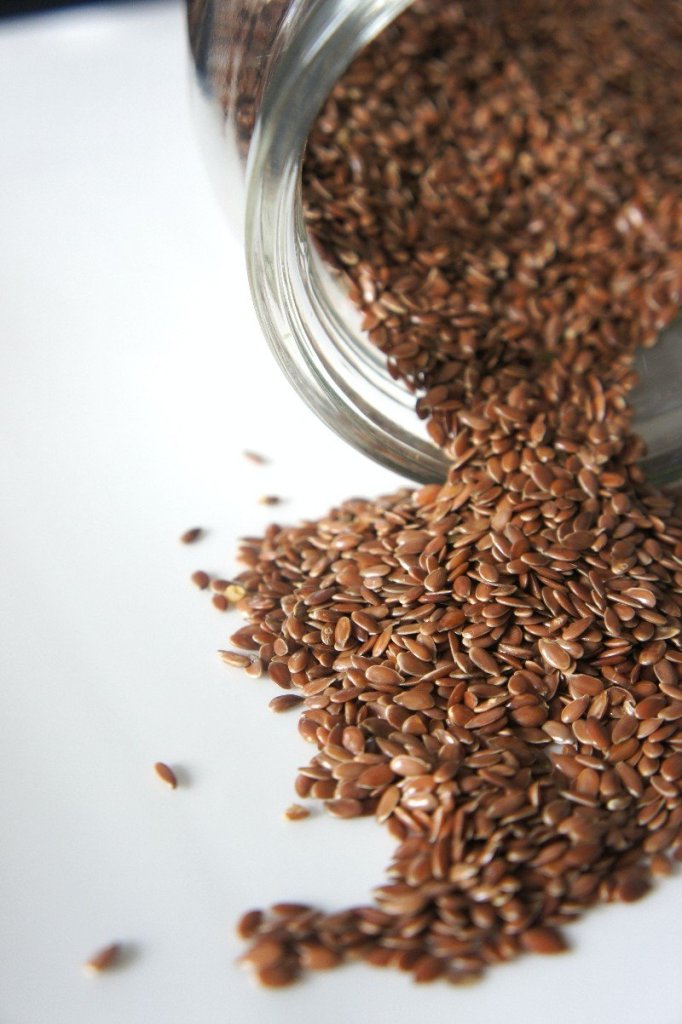
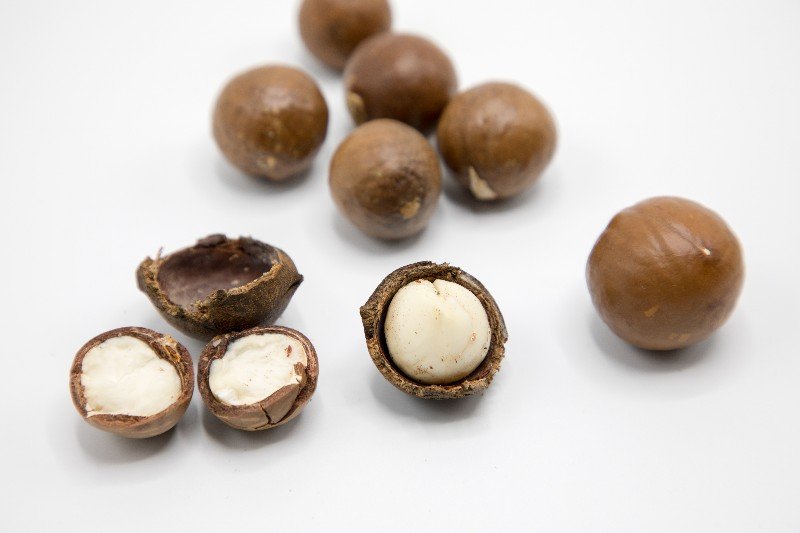
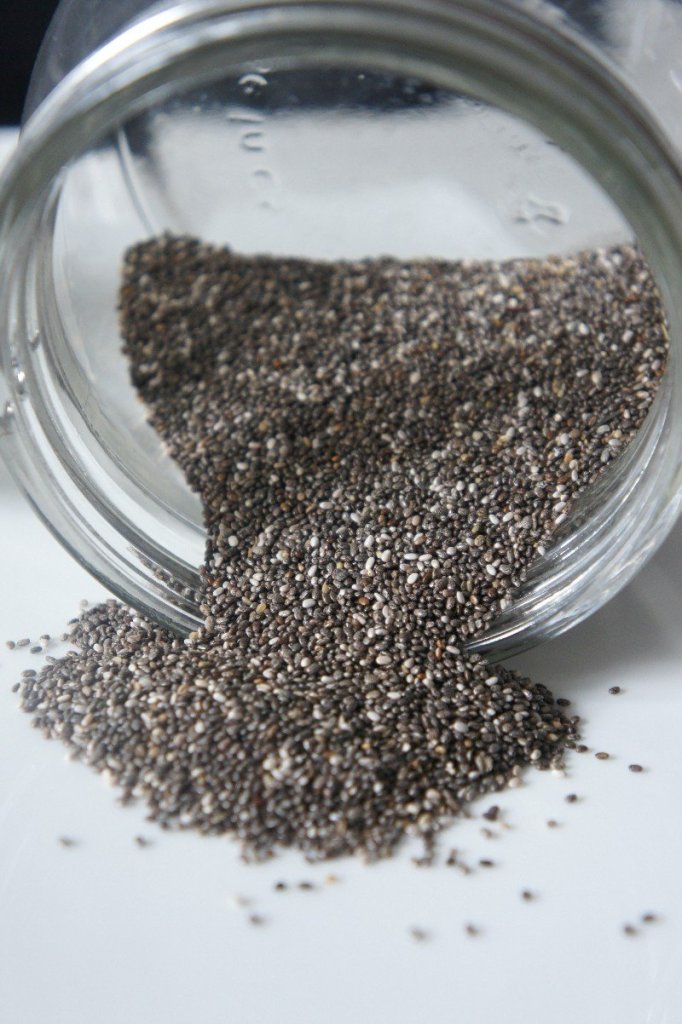
Now that we know what plant-based fatty acids are, let’s take a closer look at the different types. The most well-known ones are omega-3, omega-6, and omega-9 fatty acids. Omega-3 fatty acids are commonly found in flaxseeds, chia seeds, walnuts, and fatty fish like salmon. Omega-6 fatty acids are abundant in foods like sesame oil, sunflower oil, and hemp seeds. Lastly, omega-9 fatty acids are found in olive oil, avocados, and macadamia nuts.
The Health Benefits of Plant-Based Fatty Acids
Powerful Nutritional Profile: Essential Nutrients Found in Plant-Based Fatty Acids
Plant-based fatty acids are not only delicious but also brimming with essential nutrients. They are rich in vitamins, minerals, and antioxidants, which are vital for maintaining optimal health. These nutrients contribute to improved brain function, healthy skin, a strengthened immune system, and more.
Improved Nutrient Absorption: The Role of Plant-Based Fatty Acids in Enhancing Digestion
Not only do plant-based fatty acids provide essential nutrients, but they also help our bodies absorb other nutrients more efficiently. These healthy fats aid in the absorption of fat-soluble vitamins like vitamins A, D, E, and K. So, by incorporating plant-based fatty acids into your diet, you’re not only nourishing your body with valuable nutrients but also ensuring that you get the most out of your meals.
Supercharging Heart Health: Plant-Based Fatty Acids and Cardiovascular Wellness
Lowering Cholesterol Levels: Plant-Based Fatty Acids as Heart-Healthy Alternatives
When it comes to heart health, plant-based fatty acids have proven to be quite the superheroes. They have been shown to help lower LDL (bad) cholesterol levels while increasing HDL (good) cholesterol levels. By replacing saturated fats from animal sources with healthy plant-based fats, you can give your heart a fighting chance against cardiovascular diseases.
Reducing Pressure: The Impact of Plant-Based Fatty Acids on Hypertension
Another fantastic benefit of plant-based fatty acids is their potential to lower blood pressure. High blood pressure is a significant risk factor for heart disease, and by incorporating these healthy fats into your diet, you can help keep your blood pressure in check. So, if you’re looking for a natural way to support your cardiovascular wellness, plant-based fatty acids are definitely worth considering.In conclusion, plant-based fatty acids are gaining traction in the health and wellness world for good reason. They offer a plethora of benefits, from providing essential nutrients and enhancing nutrient absorption to supercharging heart health. So, why not embrace the power of plant-based fats and give your body the nourishment it deserves? Who knew that something as simple as adding avocado to your morning toast could have such a positive impact on your health?

Supporting Brain Function: The Cognitive Benefits of Plant-Based Fatty Acids
Brain Health and Development: How Plant-Based Fatty Acids Contribute
When it comes to keeping our brains sharp and functioning at their best, it turns out that plant-based fatty acids are the unsung heroes. These fatty acids, such as omega-3, omega-6, and omega-9, play a crucial role in brain health and development. They are essential for the formation and maintenance of cell membranes in the brain, which are responsible for proper signaling between brain cells. By incorporating plant-based fatty acids into our diets, we can give our brains the boost they need to stay sharp and focused.
Enhancing Memory and Cognitive Function: The Positive Effects of Plant-Based Fatty Acids
If you’re tired of misplacing your keys or feeling like you’re in a mental fog, plant-based fatty acids might be just what you need. Research has shown that these healthy fats can enhance memory and cognitive function. They help support brain cell communication and promote the growth of new brain cells, making it easier for us to remember things and think clearly. So, next time you’re feeling forgetful, consider adding some plant-based fatty acids to give your brain the extra support it craves.

Promoting Joint Health: Plant-Based Fatty Acids and Inflammation Reduction
Fighting Inflammation Naturally: The Anti-inflammatory Properties of Plant-Based Fatty Acids
Inflammation can be a real pain, especially when it comes to our joints. But fear not, because plant-based fatty acids are here to save the day. These incredible fats have powerful anti-inflammatory properties that can help reduce joint inflammation and alleviate discomfort. By incorporating plant-based fatty acids into our diet, we can help keep those pesky joint aches at bay and promote better overall joint health.
Alleviating Joint Pain: Plant-Based Fatty Acids for Improved Mobility
Say goodbye to those days of feeling stiff and achy. Plant-based fatty acids have been shown to not only reduce inflammation but also alleviate joint pain. By reducing inflammation in the joints, these healthy fats can improve our overall mobility, allowing us to move with ease and comfort. So, if you’re tired of feeling like the Tin Man from “The Wizard of Oz,” consider adding some plant-based fatty acids to your diet and start feeling more like Dorothy skipping down the yellow brick road.
Optimal Nutrition: Incorporating Plant-Based Fatty Acids into Your Diet
Plant-Based Fatty Acid Sources: Foods Rich in Omega-3, Omega-6, and Omega-9
Now that we’ve uncovered the amazing benefits of plant-based fatty acids, you’re probably wondering how to incorporate them into your diet. Luckily, nature has provided us with an abundance of plant-based sources rich in omega-3, omega-6, and omega-9 fatty acids. Some excellent sources include flaxseeds, chia seeds, walnuts, hemp seeds, avocados, and olive oil. By adding these foods to your meals and snacks, you can ensure that you’re getting a healthy dose of these beneficial fats.
Meal Ideas and Recipes: Delicious Ways to Include Plant-Based Fatty Acids in Your Diet
Incorporating plant-based fatty acids into your diet doesn’t have to be boring or complicated. There are plenty of delicious meal ideas and recipes that can help you get your daily dose of these healthy fats. How about a refreshing avocado and quinoa salad with a drizzle of olive oil and a sprinkle of walnuts? Or perhaps a mouthwatering flaxseed-crusted baked tofu? The possibilities are endless, and with a little creativity, you can enjoy both the health benefits and the delicious flavors that plant-based fatty acids have to offer.
8. Conclusion: Embracing the Power of Plant-Based Fatty Acids for Enhanced Health
So, there you have it—plant-based fatty acids are the superheroes we never knew we needed. From supporting brain function to promoting joint health and providing optimal nutrition, these fats offer a myriad of benefits for our overall health and wellbeing. By incorporating plant-based fatty acids into our diets, we can supercharge our health and enjoy the many rewards that come with it. So go ahead, embrace the power of these incredible fats and experience a healthier and happier you. Your brain, joints, and taste buds will thank you!
Embracing the Power of Plant-Based Fatty Acids for Enhanced Health
In conclusion, the power of plant-based fatty acids in promoting enhanced health and well-being cannot be overstated. From supporting cardiovascular wellness and brain function to reducing inflammation and nourishing joints, these healthy fats offer a myriad of benefits. By incorporating plant-based fatty acids into your diet through sources like flaxseeds, chia seeds, avocados, and nuts, you can tap into their transformative potential. Embrace the secret benefits of plant-based fatty acids, and embark on a journey towards improved vitality, longevity, and overall wellness. Supercharge your health today!
FAQ
1. Are plant-based fatty acids suitable for all dietary preferences, including vegan and vegetarian diets?
Yes, plant-based fatty acids are ideal for individuals following vegan, vegetarian, or plant-based diets. These healthy fats can be obtained from various plant-based sources such as flaxseeds, chia seeds, hemp seeds, walnuts, and avocados, making them a perfect addition to plant-centric eating patterns.
2. Can plant-based fatty acids provide enough nutritional benefits without consuming animal products?
Absolutely! Plant-based fatty acids, especially omega-3 fats, are known for their vital role in maintaining optimal health. While animal-based sources like fish are commonly associated with omega-3 fatty acids, plant sources like flaxseeds, chia seeds, and walnuts are excellent alternatives for obtaining these essential nutrients without consuming animal products.
3. How can I incorporate plant-based fatty acids into my daily diet?
Incorporating plant-based fatty acids into your daily diet is simple and versatile. You can add a tablespoon of ground flaxseeds or chia seeds to your morning smoothie or cereal. Avocados can be enjoyed in salads, sandwiches, or as a creamy spread. Nuts like almonds, walnuts, and cashews can be consumed as a snack or added to meals. Experiment with different recipes that include these nutritious ingredients and enjoy the numerous health benefits they offer.
4. Are there any side effects or risks associated with consuming plant-based fatty acids?
Plant-based fatty acids are generally safe and well-tolerated. However, it is important to consume them in moderation as part of a balanced diet. Additionally, individuals with specific medical conditions or those taking certain medications may need to consult with a healthcare professional before making significant dietary changes. It is always recommended to listen to your body and make informed choices based on your unique needs and circumstances.
 Green Earth Essentials