
Introduction to Fermentation: Unleashing the Magic
Fermentation, an ancient and captivating process, has been used for centuries to transform ordinary ingredients into extraordinary flavors and textures. Beyond its culinary appeal, fermentation holds a deeper secret – the remarkable health benefits it offers for our overall well-being. This article delves into the science behind the magical powers of fermentation, exploring how this transformative process works and the incredible impact it has on our gut health, immunity, and mental well-being. From the historical roots of fermentation to the modern understanding of its mechanisms, join us on a journey to uncover the secrets of this age-old tradition and discover how incorporating fermented foods and beverages into our daily lives can promote optimal health in ways we never imagined.
Understanding the Ancient Art of Fermentation, it sounds like something straight out of a magical potion-making class. But in reality, it’s an ancient culinary technique that has been used for centuries to transform ordinary ingredients into extraordinary creations. Whether it’s turning milk into yogurt, cabbage into sauerkraut, or grapes into wine, fermentation is a process that harnesses the power of microorganisms to produce delicious and nutritious foods.
Exploring the Fascinating History of Fermented Foods
Fermented foods have a rich and diverse history that spans across cultures and continents. From the kimchi of Korea to the miso of Japan, from the kefir of the Caucasus Mountains to the pickles of ancient Egypt, fermentation has been a cornerstone of food preservation and flavor enhancement. It’s astonishing to think that our ancestors stumbled upon this transformative process by accident, only to discover its incredible benefits for taste, texture, and health.
The Science of Fermentation: How It Works
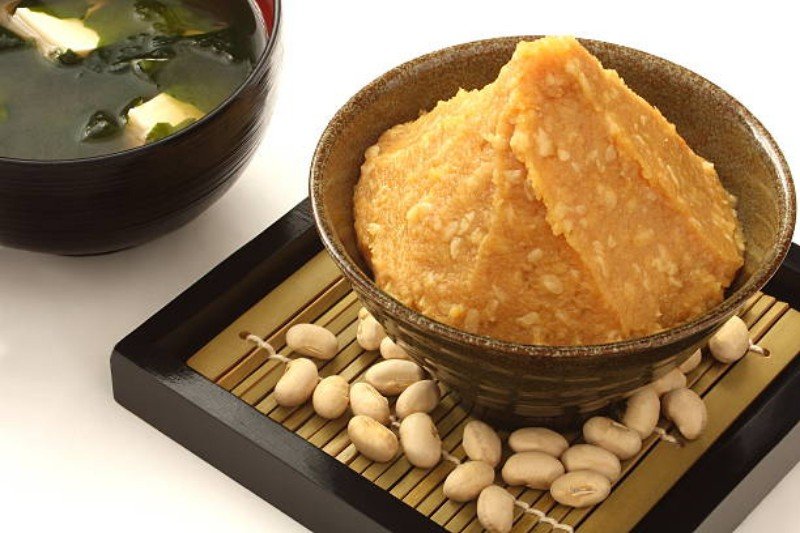
The Role of Microorganisms in the Fermentation Process
Central to fermentation are those tiny, invisible heroes known as microorganisms. Bacteria, yeasts, and molds are the unsung MVPs that kickstart the magic. These microscopic critters consume sugars and convert them into various byproducts such as acids, alcohols, and gases. It’s this microbial alchemy that brings out the incredible flavors and textures that make fermented foods so special.
The Transformation of Sugars into Acids, Alcohols, and Gases
When microorganisms get their hands on sugars, they go to work, breaking them down and producing a whole host of compounds. This process not only adds complexity to the taste but also helps in preserving the food, making it last longer. In some cases, the end result is tangy lactic acid, which gives fermented foods their signature zing. In other cases, it’s alcohol, like in beer or wine. And let’s not forget the gas bubbles that lend a delightful effervescence to beverages like kombucha and sparkling cider.
The Factors Influencing Fermentation: Temperature, Time, and pH
Fermentation is no haphazard event; it requires just the right conditions for those microorganisms to work their magic. Factors such as temperature, time, and pH levels all play a role in determining the outcome of fermentation. Some fermentations thrive in warm environments, while others prefer cooler temperatures. The duration of fermentation can range from a few hours to several months, allowing for a wide range of flavors to develop. And let’s not forget the importance of pH ,the acidity or alkalinity of the environment, which affects the types of microorganisms that flourish and the final flavor profile of the fermented product.
The Health Benefits of Fermented Foods and Beverages

Enhanced Nutrient Content and Bioavailability
Fermented foods are nutritional powerhouses. The process of fermentation can increase the bioavailability and digestibility of essential nutrients, such as vitamins, minerals, and amino acids. This means that your body can absorb and utilize these nutrients more effectively, bolstering your overall health and well-being.
Improved Digestibility and Absorption of Nutrients
If you’ve ever experienced digestive discomfort after a meal, fermented foods may come to your rescue. The beneficial bacteria in fermented foods help break down complex proteins and carbohydrates, making them easier to digest. This can alleviate symptoms like bloating, gas, and indigestion, allowing you to enjoy your food without the usual tummy troubles.
Detoxification and Elimination of Harmful Substances
Your body is constantly exposed to toxins, whether from the environment or the food you consume. Fermented foods contain enzymes and probiotics that support your body’s detoxification processes, helping it eliminate harmful substances more efficiently. By incorporating fermented foods into your diet, you can give your body an extra boost in its natural detoxification efforts.
Gut Health and Fermentation: The Key Connection

The Role of Fermented Foods in Balancing Gut Microbiota
Your gut is home to trillions of microorganisms that make up your gut microbiota, and they play a crucial role in your overall health. Fermented foods introduce beneficial bacteria into your gut, helping to restore and maintain a healthy balance. A diverse and thriving gut microbiota is associated with better digestion, enhanced immune function, and even improved mental well-being.
Improving Digestive Health and Relieving Digestive Disorders
If you suffer from digestive disorders like irritable bowel syndrome (IBS) or inflammatory bowel disease (IBD), incorporating fermented foods into your diet could be a game-changer. The probiotics in fermented foods have been shown to reduce symptoms such as bloating, diarrhea, and abdominal pain, providing much-needed relief for those with digestive issues.
Reducing Inflammation and Enhancing Gut-Brain Axis
Inflammation is a common culprit behind a range of chronic diseases. The beneficial bacteria in fermented foods can help reduce inflammation in the gut and throughout the body, promoting better overall health. Additionally, emerging research suggests a strong connection between the gut and the brain, known as the gut-brain axis. By improving gut health through fermentation, you may also experience benefits such as improved mood, reduced anxiety, and enhanced cognitive function.
So, next time you indulge in a spoonful of tangy sauerkraut or sip on a refreshing glass of kombucha, remember the magical powers of fermentation that are working behind the scenes to boost your overall well-being. Cheers to the ancient art that continues to weave its spell in our modern world!
Boosting Immunity and Supporting Overall Well-being through Fermentation

The Impact of Fermented Foods on the Immune System
Fermented foods are like the superheroes of your diet when it comes to boosting your immune system. They are packed with beneficial bacteria, also known as probiotics, that promote a healthy gut and strengthen your body’s defenses. These friendly bacteria help stimulate the production of antibodies, which play a crucial role in fighting off harmful invaders. So, the next time you feel a cold coming on, reach for some sauerkraut or kimchi to give your immune system a much-needed boost.
Reducing the Risk of Infections and Autoimmune Diseases
In addition to supporting your immune system, fermented foods can also help reduce the risk of infections and autoimmune diseases. The probiotics found in fermented foods help maintain a balanced gut microbiome, which is essential for a healthy immune system. They also help reduce inflammation, which is often the underlying cause of many chronic diseases. So, by incorporating fermented foods into your diet, you’re not only satisfying your taste buds but also taking proactive steps towards a healthier future.
Promoting Mental Health and Emotional Well-being
Believe it or not, your gut health can have a significant impact on your mental health and emotional well-being. The gut is often referred to as the “second brain” because of its influence on neurotransmitters, such as serotonin, which are responsible for regulating mood and emotions. By consuming fermented foods, you’re providing your gut with the beneficial bacteria it needs to maintain a healthy balance. So, next time you’re feeling down, consider adding some yogurt or kefir to your daily routine to give your mood a little pick-me-up.
Exploring the Magical Powers of Probiotics in Fermented Foods

Understanding Probiotics and Their Role in Fermentation
Probiotics are like the VIPs of the fermentation world. They are live bacteria and yeasts that are good for your health, especially your digestive system. During the fermentation process, these beneficial microorganisms break down the sugars and carbohydrates in foods, creating a tangy and delicious transformation. Not only do they make your taste buds dance, but they also work their magic by improving digestion, enhancing nutrient absorption, and promoting a healthy gut.
The Health Benefits of Probiotics: From Digestion to Skin Health
Probiotics offer a wide range of health benefits beyond digestion. They help improve nutrient absorption, making sure your body gets the most out of the foods you eat. They also aid in regulating bowel movements, alleviating uncomfortable digestive issues like bloating and constipation. But that’s not all! Probiotics have even been shown to improve skin health by reducing inflammation and promoting a healthy complexion. So, the next time you’re looking for that inner radiance, don’t just rely on expensive creams—grab some probiotic-rich fermented foods!
Choosing the Right Probiotic-Rich Fermented Foods
When it comes to choosing probiotic-rich fermented foods, the options are endless. Whether you’re a fan of tangy sauerkraut, zesty kimchi, or creamy yogurt, there’s something for everyone. Just make sure to opt for unpasteurized versions, as pasteurization kills the beneficial microorganisms. You can also explore the world of kombucha, kefir, and miso for a refreshing variety of flavors and probiotic goodness. Don’t be afraid to experiment and find the fermented foods that tickle your taste buds and make you feel amazing from the inside out.
Fermentation Techniques and Tips for Home Fermenters
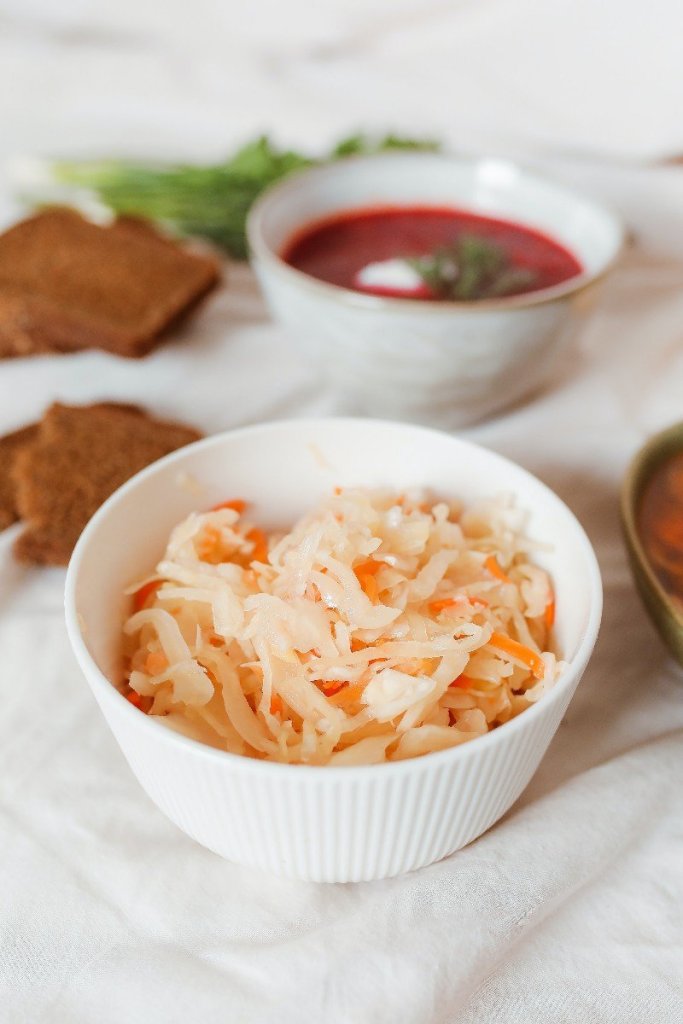
Getting Started: Essential Equipment and Ingredients
Ready to embark on your fermentation journey? Great! You’ll need a few essential tools to set yourself up for success. Grab some glass jars to allow for proper fermentation, as metal or plastic can interfere with the process. Don’t forget about airtight lids or fermentation weights to keep your creations safe from unwanted bacteria. And of course, you’ll need the star ingredients: fresh fruits, vegetables, or whichever base ingredients you choose to ferment. With these simple tools, you’ll be well on your way to becoming a fermentation pro.
Step-by-Step Guide to Fermenting Foods at Home
Fermenting foods at home may sound intimidating, but fear not! It’s a surprisingly straightforward process. First, chop your fruits or vegetables into your desired shape. Then, create a brine using salt and water to encourage fermentation while keeping harmful bacteria at bay. Place your ingredients in the jar, making sure they are fully submerged in the brine. Seal the jar, and let the magic happen! Keep an eye on your ferment and taste it regularly to determine when it reaches the desired level of tanginess. Once it’s to your liking, move it to the fridge to slow down the fermentation process. Voila! You’ve just become a fermentation master.
Troubleshooting Common Fermentation Issues
Sometimes, even the best fermenters run into a few bumps along the way. But fear not! We’re here to help you troubleshoot those common fermentation issues. If your ferment smells off or develops mold, it’s best to discard it and start fresh. Make sure you’re using enough salt in your brine to inhibit the growth of harmful bacteria. If your ferment is taking longer than expected, try adjusting the temperature or adding a little more salt. Don’t be discouraged by a few setbacks, they’re all part of the fermentation learning process. Keep experimenting, and soon you’ll be fermenting like a pro.
Incorporating Fermented Foods into Your Daily Diet for Optimal Health
Ready to take the plunge and reap the benefits of fermented foods? Here are a few tips for incorporating them into your daily diet:
1. Start small: Begin by introducing small amounts of fermented foods into your meals or snacks. This will allow your body to adjust to the beneficial bacteria gradually.
2. Mix and match: Get creative and experiment with different types of fermented foods to keep your taste buds excited. Try adding sauerkraut to your sandwiches or enjoying a bowl of yogurt with fresh fruits.
3. Make it a habit: Consistency is key when it comes to reaping the full benefits of fermented foods. Aim to include them in your diet regularly, whether it’s a spoonful of kimchi with dinner or a glass of kombucha with lunch.
4. Get social: Share your love for fermented foods with friends and family. Organize a tasting party or swap recipes to inspire each other on this delicious and health-boosting journey.
Remember, fermentation is not just a trend, it’s a science-backed way to enhance your overall well-being. So, raise a jar of kombucha and toast to a healthier, happier you!In conclusion, fermentation is far more than just a culinary technique; it is a gateway to unlocking the magical powers of food transformation for our overall well-being. By harnessing the science behind fermentation, we can improve our gut health, boost our immunity, and support our mental and emotional well-being. So, let us embrace the ancient wisdom of fermentation and invite its enchanting effects into our lives. Whether it’s a jar of sauerkraut, a sip of kombucha, or a bite of kimchi, let the magic of fermentation nourish and elevate us towards a healthier and more vibrant existence. Cheers to the power of fermentation and the wonders it brings to our tables and our lives!
FAQ
1. Are fermented foods safe to consume?
Fermented foods are generally safe to consume, as the fermentation process creates an acidic environment that inhibits the growth of harmful bacteria. However, it’s important to follow proper fermentation techniques and hygiene practices to ensure safety. If you have any specific health concerns or medical conditions, it’s advisable to consult with a healthcare professional before incorporating fermented foods into your diet.
2. Can I ferment foods at home?
Absolutely! Home fermentation is a wonderful way to experiment with different flavors and enjoy the benefits of fermented foods. With the right equipment, ingredients, and knowledge, you can easily ferment foods in your own kitchen. Just make sure to follow proper sanitation practices, monitor the fermentation process carefully, and educate yourself on the specific requirements of each food you plan to ferment.
3. How long does it take to ferment foods?
The fermentation time can vary depending on the type of food, desired flavor profile, and environmental factors. Some ferments, like sauerkraut, may take just a few days, while others, like sourdough bread, may require several weeks. It’s important to taste and monitor your ferments regularly to determine when they have reached the desired level of tanginess or fermentation. This will help you develop your personal preference for fermentation duration.
4. Are there any potential side effects of consuming fermented foods?
While fermented foods are generally safe for consumption, some individuals may experience mild digestive discomfort, such as gas or bloating, especially when first introducing fermented foods into their diet. This is often temporary and can be attributed to the introduction of new beneficial bacteria into the gut. If you have any concerns or experience persistent discomfort, it is recommended to consult with a healthcare professional.
 Green Earth Essentials