
“The power of a vegan diet lies not only in its compassion for animals and the planet, but also in its ability to nourish and soothe our bodies, fighting inflammation with every delicious bite.”
Inflammation is the body’s natural response to injury or infection, but chronic inflammation can lead to various health problems, including heart disease, diabetes, and autoimmune disorders.
Many people are turning to a vegan diet as a natural and effective way to combat inflammation and promote overall well-being. By choosing plant-based foods that are rich in antioxidants and anti-inflammatory compounds, individuals can harness the power of nature to heal their bodies. In this blog post, we will explore some of the key vegan foods known for their anti-inflammatory properties and their numerous health benefits.

Turmeric: Powerful anti-inflammatory spice with numerous health benefits
Turmeric, a bright yellow spice commonly used in Indian cuisine, contains an active compound called curcumin. Curcumin is known for its potent anti-inflammatory and antioxidant properties. Studies have shown that curcumin can help reduce inflammation and may be beneficial in managing conditions like arthritis and inflammatory bowel disease (IBD). Additionally, turmeric has been linked to improved brain health, heart health, and enhanced immunity, making it a versatile and valuable addition to a vegan diet.
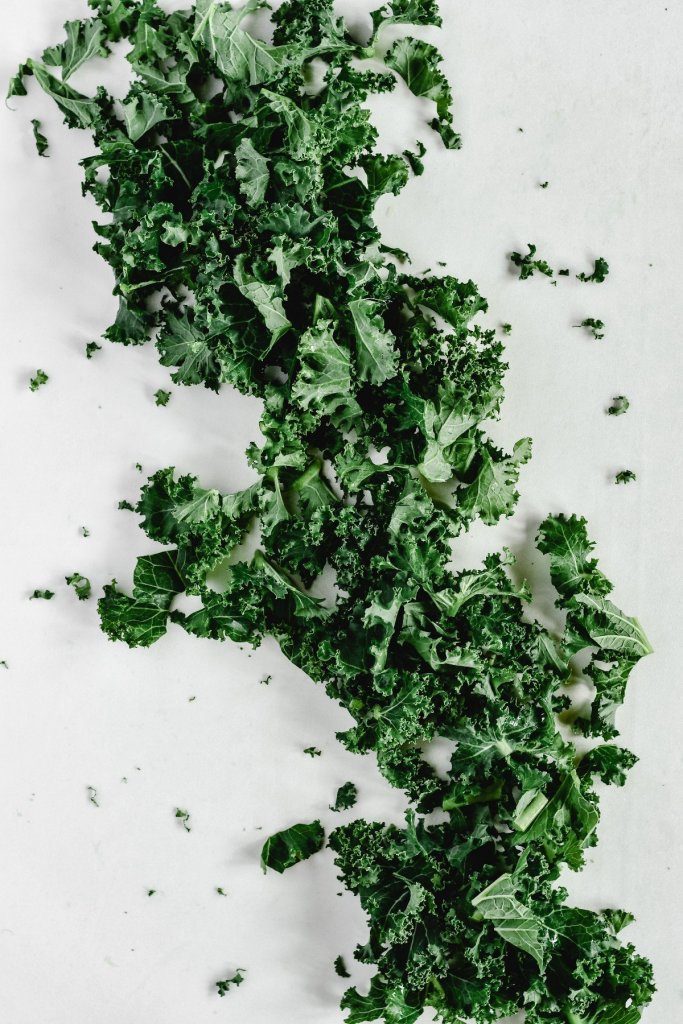
Leafy greens: Kale, spinach, and collard greens are rich in antioxidants
Leafy greens are packed with essential nutrients and antioxidants that play a vital role in reducing inflammation. Kale, spinach, and collard greens are particularly rich in vitamins A, C, and K, as well as folate and iron. These nutrients help to combat oxidative stress and neutralize free radicals in the body, thus preventing inflammation. Incorporating more leafy greens into the diet not only helps with inflammation but also supports healthy bones, skin, and digestion.
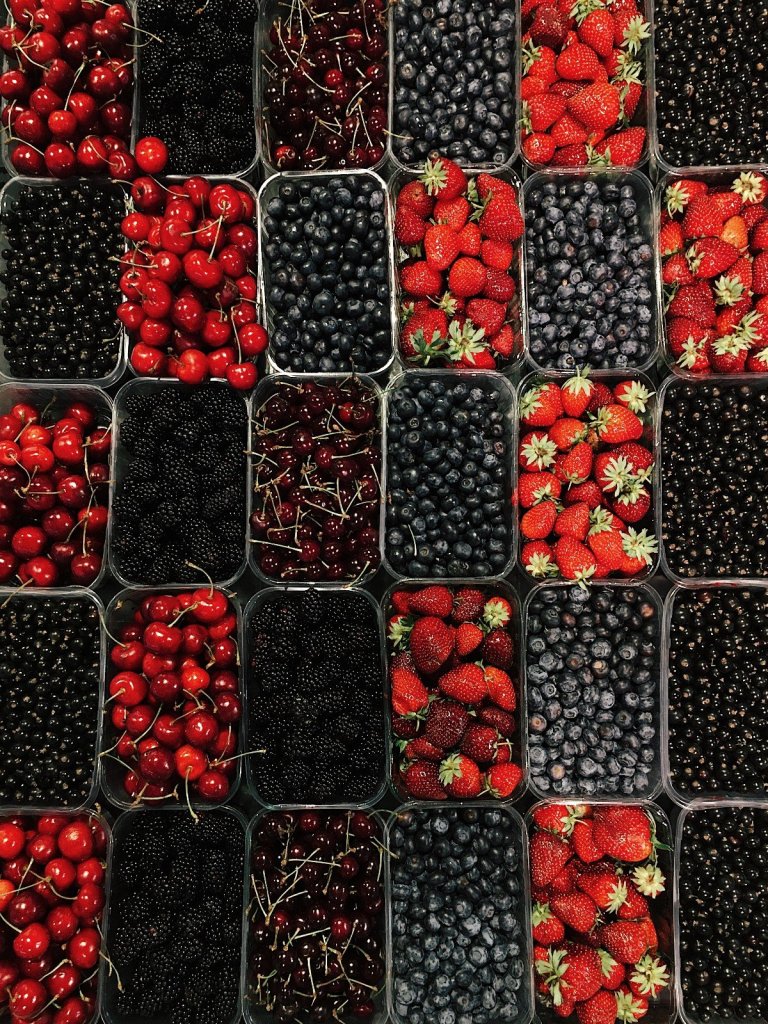
Berries: Blueberries, strawberries, and raspberries have anti-inflammatory properties
Berries are not only delicious but also one of the best sources of antioxidants. Blueberries, strawberries, and raspberries are rich in flavonoids, which have been shown to reduce inflammation and lower the risk of chronic diseases. These colorful fruits are also beneficial for cardiovascular health, cognitive function, and maintaining a healthy weight. Adding a handful of berries to your daily diet can contribute significantly to your overall well-being.
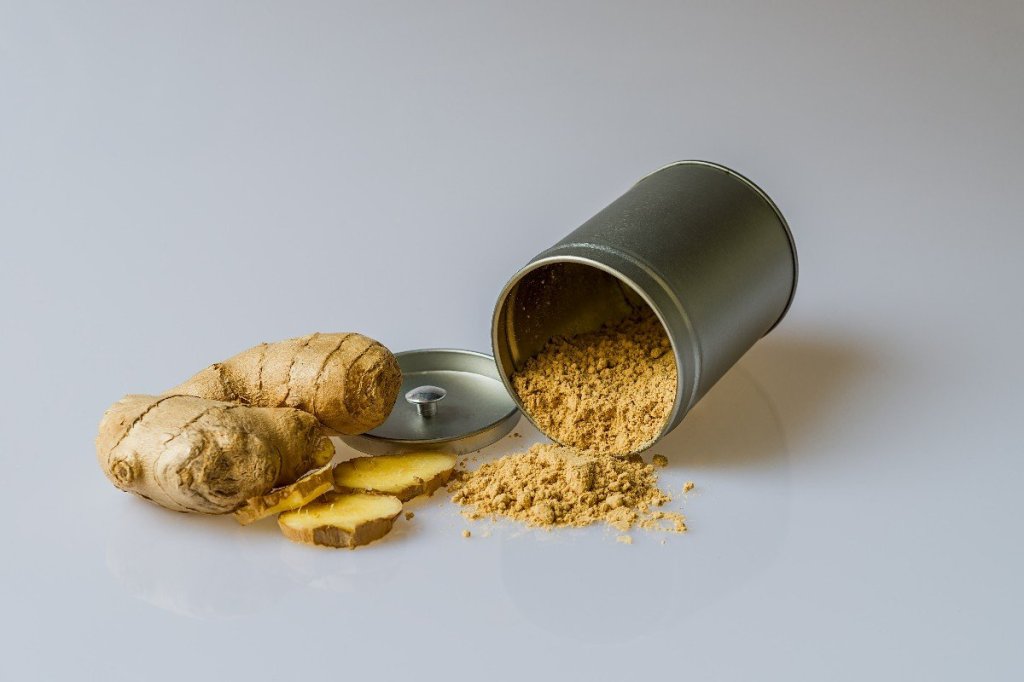
Ginger: Natural remedy that reduces inflammation and aids digestion
Ginger has been used for centuries as a natural remedy for various ailments, including inflammation and digestive issues. It contains bioactive compounds, such as gingerol, that have anti-inflammatory effects and can alleviate muscle pain and joint discomfort. Moreover, ginger aids digestion by promoting the smooth movement of food through the digestive tract, reducing the risk of inflammation in the gut. Including ginger in your diet, whether in teas, smoothies, or as a spice in cooking, can be highly beneficial for your health.
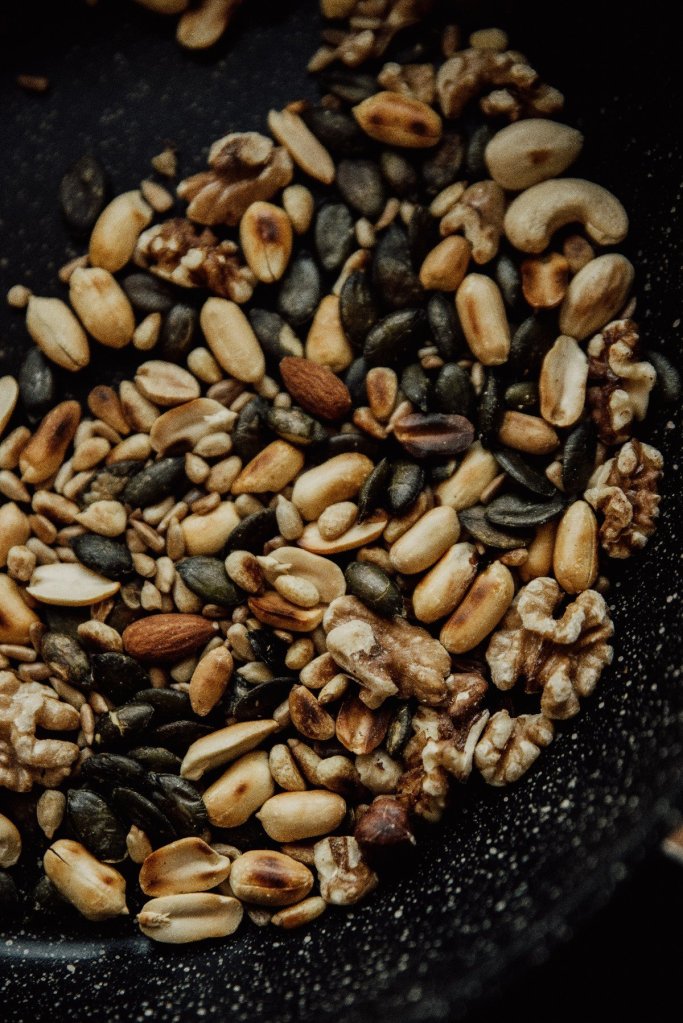
Nuts and seeds: Almonds, walnuts, flaxseeds are packed with healthy fats
Nuts and seeds are excellent sources of healthy fats, including omega-3 fatty acids. Omega-3s are known for their anti-inflammatory properties and are essential for overall health. Almonds, walnuts, and flaxseeds, in particular, are rich in these beneficial fats, which can help reduce inflammation and lower the risk of chronic diseases. Additionally, nuts and seeds provide protein, fiber, vitamins, and minerals, making them a valuable component of a well-rounded vegan diet.
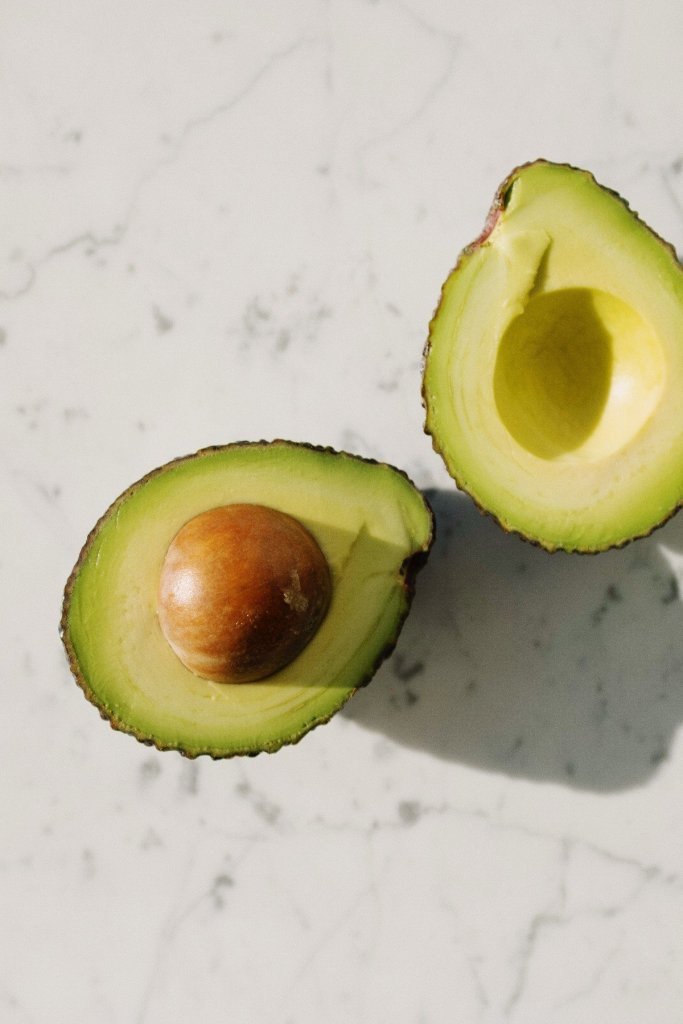
Avocado: Contains monounsaturated fats that help reduce inflammation
Avocado is a unique fruit rich in monounsaturated fats, which have been shown to reduce inflammation and support heart health. Moreover, avocados are packed with potassium, vitamin K, and folate, contributing to bone health and overall vitality. Including avocados in your meals can not only add a creamy texture and delicious flavor but also bring numerous health benefits.
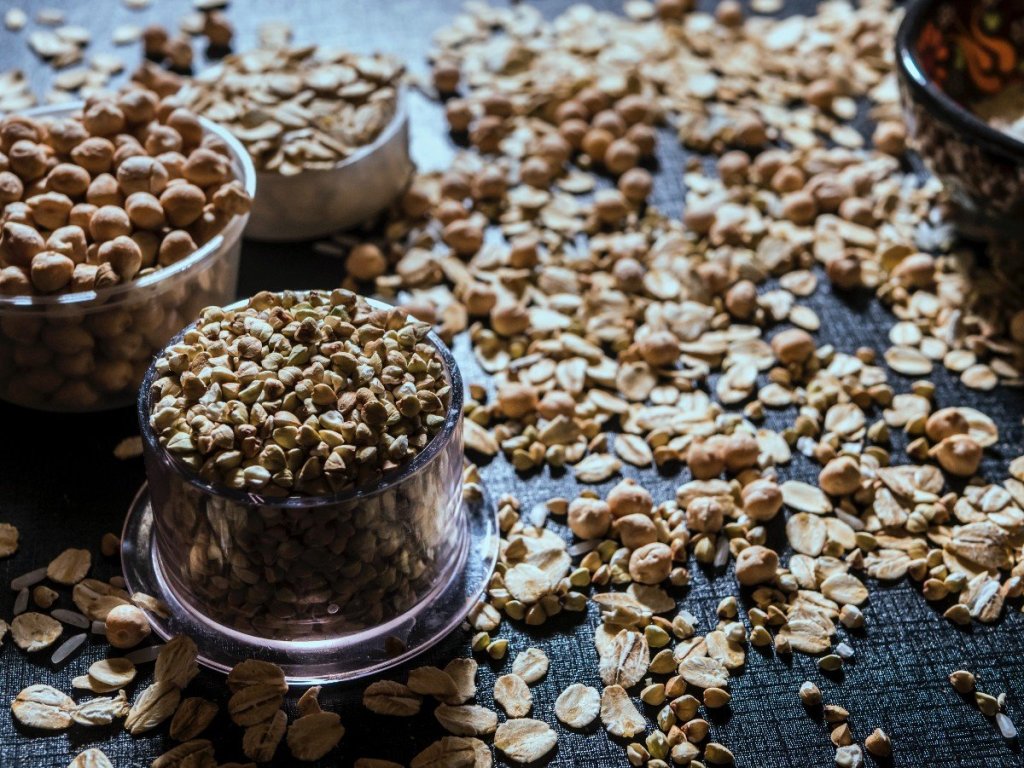
Whole grains: Quinoa, brown rice, and oats provide fiber and nutrients
Whole grains are a staple in a balanced vegan diet and offer a plethora of nutrients, including fiber, vitamins, and minerals. Quinoa, brown rice, and oats are particularly noteworthy for their anti-inflammatory properties. The fiber in these grains helps maintain a healthy gut, which is crucial for reducing inflammation. Furthermore, the vitamins and minerals found in whole grains support various bodily functions, such as bone health and energy production.
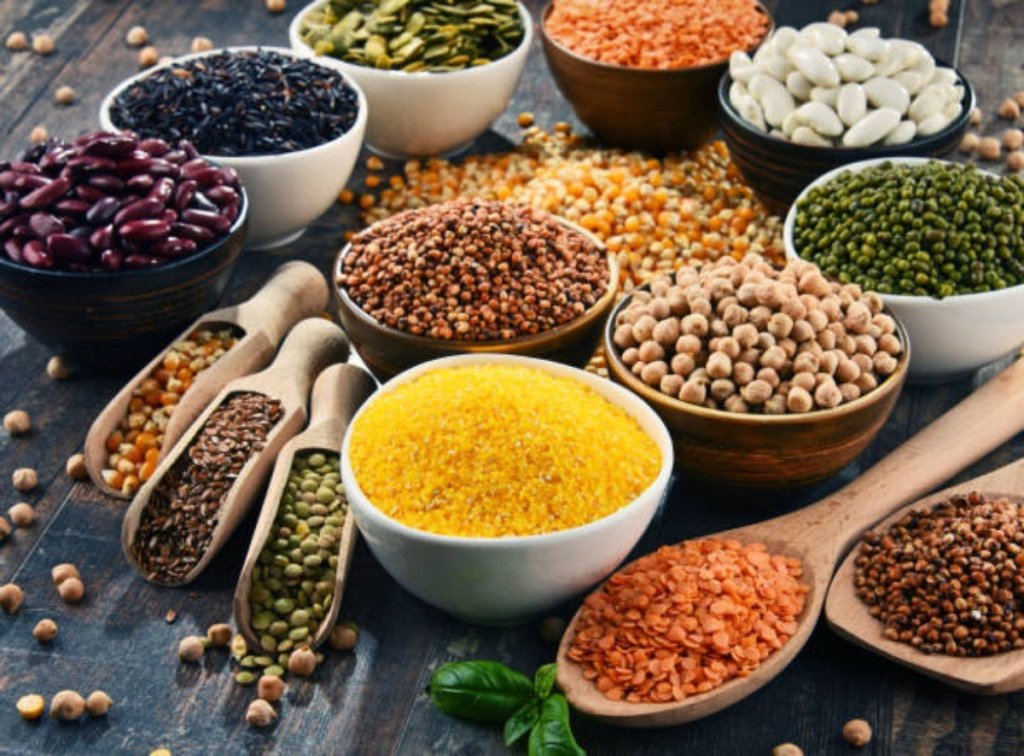
Legumes: Beans, lentils, and chickpeas are high in protein and antioxidants
Legumes, such as beans, lentils, and chickpeas, are excellent sources of plant-based protein, making them essential for vegans. Beyond their protein content, legumes are also rich in antioxidants that combat inflammation and oxidative stress. These versatile foods can be easily incorporated into various dishes, providing a significant nutritional boost and supporting an anti-inflammatory lifestyle.
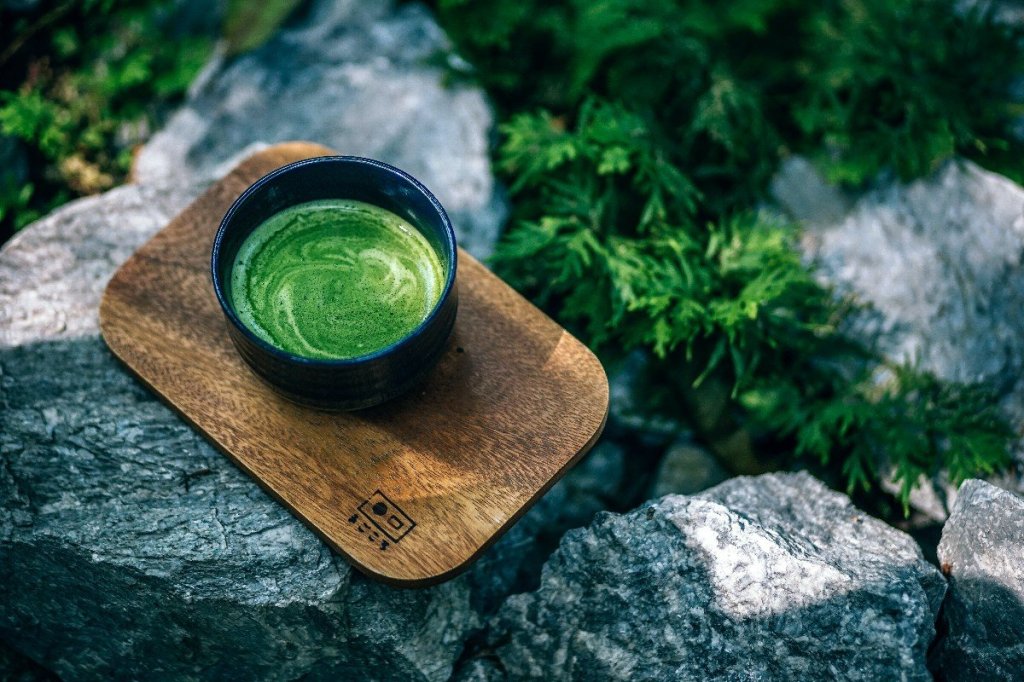
Green tea: Contains polyphenols that fight inflammation and boost immunity
Green tea has been celebrated for its health benefits for centuries. It contains polyphenols, such as epigallocatechin gallate (EGCG), which possess powerful antioxidant and anti-inflammatory properties. Regular consumption of green tea has been associated with a reduced risk of chronic diseases and improved immune function. Substituting sugary or caffeinated beverages with green tea can be a simple yet effective way to promote well-being and combat inflammation.
Incorporating a variety of plant-based, anti-inflammatory foods into your diet can work wonders for your health.
A vegan diet, rich in turmeric, leafy greens, berries, ginger, nuts, seeds, avocado, whole grains, legumes, and green tea, provides the body with essential nutrients and powerful compounds to combat inflammation naturally. By choosing these foods, you are not only improving your overall health but also contributing to a more sustainable and compassionate way of living.
Remember that each person’s dietary needs and preferences are unique, so it’s essential to listen to your body and consult with a healthcare professional or registered dietitian if needed before making significant changes to your diet.
Sources:
Chainani-Wu N. (2003). Safety and anti-inflammatory activity of curcumin: a component of tumeric (Curcuma longa). The Journal of Alternative and Complementary Medicine, 9(1), 161-168.
Carr, A. C., & Maggini, S. (2017). Vitamin C and Immune Function. Nutrients, 9(11), 1211.
Basu, A., & Lyons, T. J. (2012). Strawberries, blueberries, and cranberries in the metabolic syndrome: clinical perspectives. Journal of agricultural and food chemistry, 60(23), 5687-5692.
Mashhadi, N. S., Ghiasvand, R., Askari, G., Hariri, M., Darvishi, L., & Mofid, M. R. (2013). Anti-oxidative and anti-inflammatory effects of ginger in health and physical activity: review of current evidence. International journal of preventive medicine, 4(Suppl 1), S36-S42.
Ros, E. (2010). Health benefits of nut consumption. Nutrients, 2(7), 652-682.
Wien, M., Haddad, E., Oda, K., & Sabaté, J. (2010). A randomized 3×3 crossover study to evaluate the effect of Hass avocado intake on post-ingestive satiety, glucose and insulin levels, and subsequent energy intake in overweight adults. Nutrition journal, 9(1), 1-9.
Vitaglione, P. et al. (2015). Whole-grain wheat consumption reduces inflammation in a randomized controlled trial on overweight and obese subjects with unhealthy dietary and lifestyle behaviors: role of polyphenols bound to cereal dietary fiber. The American journal of clinical nutrition, 101(2), 251-261.
Reynoso-Camacho, R., Ramos-Gómez, M., Ramón-Gallegos, E., Muñoz-Espinosa, L., & Guevara-González, R. G. (2021). Bioactive Compounds and Health Effects of Legume: A Comprehensive Review. Foods, 10(1), 93.
Gómez-Guzmán, M., Jiménez, R., Sánchez, M., Zarzuelo, M. J., Galindo, P., Quintela, A. M., … & Duarte, J. (2012). Epicatechin lowers blood pressure, restores endothelial function, and decreases oxidative stress and endothelin-1 and NADPH oxidase activity in DOCA-salt hypertension. Free Radical Biology and Medicine, 52(1), 70-79.
Mandel, S. A., Avramovich-Tirosh, Y., Reznichenko, L., Zheng, H., Weinreb, O., Amit, T., … & Youdim, M. B. (2005). Multifunctional activities of green tea catechins in neuroprotection: modulation of cell survival genes, iron-dependent oxidative stress and PKC signaling pathway. Neurosignals, 14(1-2), 46-60.
 Green Earth Essentials