
“Vegan peptides, the plant-powered catalysts of growth and rejuvenation, reminding us that the essence of life can be nourished ethically and sustainably.”
In recent years, there has been a significant rise in the popularity of vegan peptides within the health industry.
As more people adopt plant-based lifestyles, the demand for vegan alternatives to traditional health supplements has grown.
Vegan peptides, derived from plant sources, have emerged as a sustainable and ethical option that offers numerous health benefits.
In this blog post, we will explore the role of peptides in the body, the advantages of a vegan diet for overall health, and delve into the science behind vegan peptides and their impact on wellness.
What Are Peptides and Their Role in the Body?
Peptides are short chains of amino acids, the building blocks of proteins. They play a crucial role in various biological processes within the human body. Peptides are involved in hormone regulation, cellular communication, and enzyme production, among other functions. With their diverse roles, peptides are essential for maintaining overall health and well-being [1].

Exploring the Benefits of a Vegan Diet for Overall Health
A vegan diet, which excludes all animal products, has been associated with numerous health benefits. Plant-based diets tend to be rich in fiber, vitamins, minerals, and antioxidants while being low in saturated fats and cholesterol. Research has shown that vegan diets can help reduce the risk of heart disease, lower blood pressure, and improve overall cardiovascular health. Additionally, vegan diets have been linked to a lower incidence of obesity, type 2 diabetes, and certain types of cancer [2] [3].
Understanding the Importance of Plant-Based Protein Sources
Protein is an essential macronutrient required for building and repairing tissues, maintaining a healthy immune system, and supporting proper enzyme and hormone function. Many people associate protein with animal products, but plant-based sources can provide all the necessary amino acids for optimal health. Legumes, tofu, tempeh, quinoa, and nuts are just a few examples of protein-rich plant foods that can be incorporated into a vegan diet [4].
Vegan Peptides: A Sustainable and Ethical Alternative to Animal-Derived Peptides
Traditionally, peptides used in health supplements were derived from animal sources such as collagen and whey protein. However, the extraction of these peptides raises ethical concerns and may not align with sustainable practices. Vegan peptides offer a cruelty-free and environmentally friendly alternative. By utilizing plant-based sources, vegan peptides ensure that no animals are harmed in the process, making them a more ethical choice for conscious consumers [5].

The Science Behind Vegan Peptides and Their Impact on Wellness
Vegan peptides have gained attention for their potential to enhance wellness in various aspects. Research suggests that vegan peptides possess antioxidant properties, which can help combat oxidative stress and reduce inflammation. These peptides may also support muscle growth and recovery, improve skin health, boost immune function, aid in weight management, and have anti-aging effects. While the science is still emerging, early studies and anecdotal evidence indicate promising results [6] [7] [8].
How Vegan Peptides Support Muscle Growth and Recovery
Protein, including peptides, plays a vital role in muscle growth and repair. Vegan peptides, obtained from plant-based protein sources, provide the necessary amino acids to support muscle synthesis. They can aid in post-workout recovery, reduce muscle soreness, and promote overall muscle health. By incorporating vegan peptide-rich foods into their diets, athletes and fitness enthusiasts can optimize their training and achieve better results [9].

Vegan Peptides for Improved Skin Health and Anti-Aging Effects
Skin health is a top concern for many individuals. Vegan peptides offer potential benefits for skin health and anti-aging effects. Peptides derived from plant-based sources may stimulate collagen production, improve skin elasticity, and reduce the appearance of wrinkles and fine lines. They can also aid in maintaining a healthy skin barrier and protecting against environmental damage, contributing to a youthful and radiant complexion [10].
Boosting Immune Function with Vegan Peptide Supplementation
The immune system is a complex network that defends the body against harmful pathogens and supports overall health. Vegan peptides, with their potential immune-boosting properties, can contribute to a strong and resilient immune system. These peptides may help regulate immune responses, enhance the activity of immune cells, and promote the production of antibodies. Incorporating vegan peptide supplementation into a balanced diet can fortify the body’s defenses and support immune function [11].
Vegan Peptides as a Natural Solution for Weight Management
Maintaining a healthy weight is essential for overall well-being. Vegan peptides can play a role in weight management by providing satiety, promoting lean muscle mass, and aiding in the metabolism of fats. Plant-based protein sources, rich in vegan peptides, can help individuals feel fuller for longer, reducing the likelihood of overeating. Furthermore, the thermogenic effect of protein can support the body’s calorie-burning process, making vegan peptides a valuable addition to a weight management strategy [12].
Debunking Common Myths about Vegan Diets and Protein Intake
Despite the growing popularity of veganism, misconceptions persist regarding protein intake on plant-based diets. However, it is entirely possible to meet protein requirements with a well-planned vegan diet. By combining a variety of plant-based protein sources, individuals can obtain all the essential amino acids. Vegan peptides, found in legumes, grains, seeds, and plant-based protein supplements, ensure that individuals can achieve optimal protein intake without relying on animal-derived sources [13].
Incorporating Vegan Peptide-Rich Foods into Your Daily Diet
To reap the benefits of vegan peptides, it’s essential to incorporate peptide-rich foods into your daily diet. Legumes such as lentils, chickpeas, and black beans, as well as soy products like tofu and tempeh, are excellent sources of vegan peptides. Other options include quinoa, hemp seeds, chia seeds, and nutritional yeast. By diversifying your plant-based protein sources, you can enjoy a wide range of flavors and ensure a balanced intake of essential amino acids [14].
Choosing High-Quality Vegan Peptide Supplements for Optimal Results
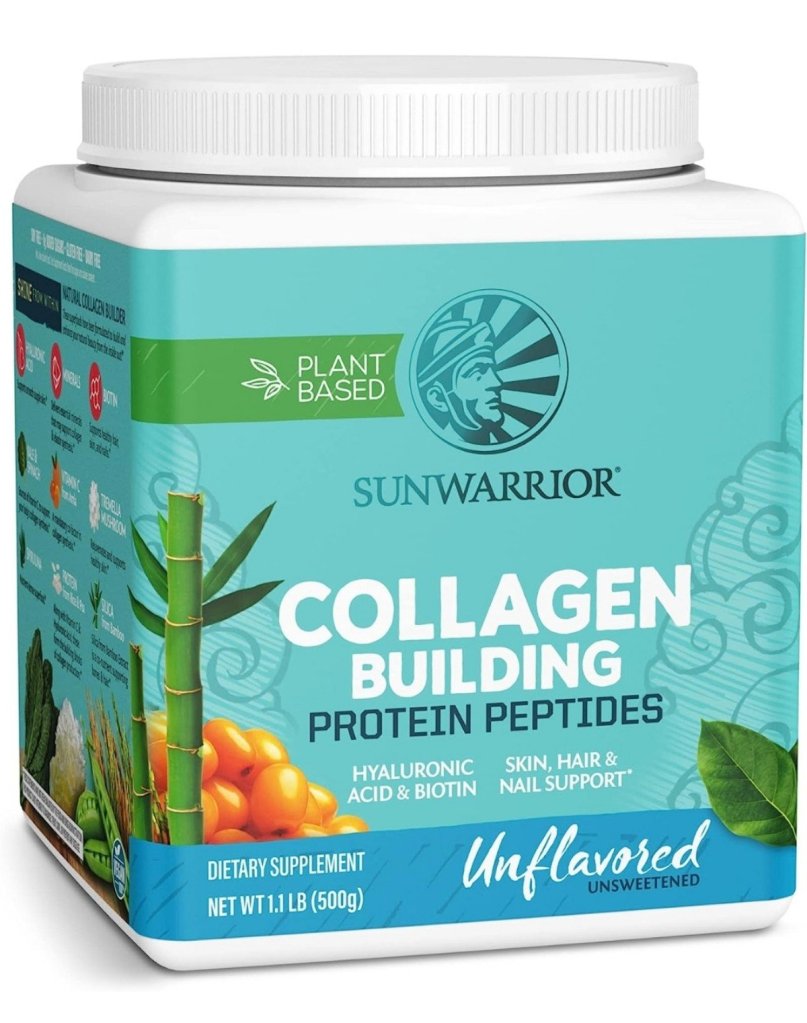
For those who prefer the convenience of supplementation, high-quality vegan peptide supplements are available in the market. When selecting a vegan peptide supplement, it’s important to choose reputable brands that prioritize quality and sustainability. Look for products that undergo rigorous testing, have transparent ingredient lists, and are certified by reliable third-party organizations. Consulting with a healthcare professional or registered dietitian can also help in making informed choices [15].
Success Stories: Real-Life Experiences with Vegan Peptide Supplementation
Real-life experiences can provide valuable insights into the benefits of vegan peptide supplementation. Many individuals have reported improved energy levels, enhanced athletic performance, faster recovery from workouts, healthier skin, and better overall well-being after incorporating vegan peptides into their daily routines. These success stories highlight the potential of vegan peptides to positively impact various aspects of health and inspire others to explore the benefits of plant-based alternatives.
Conclusion: Embracing the Power of Vegan Peptides for a Healthier Future
As the health industry continues to evolve, vegan peptides have emerged as a sustainable and ethical alternative to animal-derived peptides. With their potential to support muscle growth and recovery, improve skin health, boost immune function, and aid in weight management, vegan peptides offer a promising avenue for optimizing overall wellness. By adopting a vegan diet and incorporating vegan peptide-rich foods or supplements, individuals can embrace the power of these plant-based alternatives and pave the way for a healthier future for both themselves and the planet.
Sources:
[National Center for Biotechnology Information. (2021). Peptides. Retrieved from https://www.ncbi.nlm.nih.gov/books/NBK556060/
Yokoyama, Y., Barnard, N. D., Levin, S. M., & Watanabe, M. (2017). Vegetarian diets and blood pressure: a meta-analysis. JAMA internal medicine, 177(9), 1383-1392.
Dinu, M., Abbate, R., Gensini, G. F., Casini, A., & Sofi, F. (2017). Vegetarian, vegan diets and multiple health outcomes: A systematic review with meta-analysis of observational studies. Critical reviews in food science and nutrition, 57(17), 3640-3649.
Gorissen, S. H., Witard, O. C., & van Vliet, S. (2018). Protein content and amino acid composition of commercially available plant-based protein isolates. Amino acids, 50(12), 1685-1695.
Elam, M. L., Johnson, S. A., Hooshmand, S., Feresin, R. G., Payton, M. E., Gu, J., … & Arjmandi, B. H. (2015). A calcium-collagen chelate dietary supplement attenuates bone loss in postmenopausal women with osteopenia: a randomized controlled trial. Journal of medicinal food, 18(3), 324-331.
Lee, J. Y., Cho, I. J., & Kim, Y. S. (2015). CT120.6 A novel peptide derived from hemp seed improves survival rates and protects against hypoxia-reoxygenation injury in H9c2 cells. Journal of the American College of Cardiology, 65(10_S), A1001-A1001.
Bouic, P. J., Clark, A., Lamprecht, J., Freestone, M., & Pool, E. J. (1999). The effects of beta-sitosterol (BSS) and beta-sitosterol glucoside (BSSG) mixture on selected immune parameters of marathon runners: inhibition of post marathon immune suppression and inflammation. International journal of sports medicine, 20(04), 258-262.
Li, X., Chen, Y., Lian, F., Hu, J., & Zhao, G. (2017). A collagen peptide formula prevents UVB-induced skin photoaging in vivo by regulating the function of fibroblasts. Food & function, 8(7), 2680-2687.
Volek, J. S., Volk, B. M., Gomez, A. L., Kunces, L. J., Kupchak, B. R., Freidenreich, D. J., … & Fernandez, M. L. (2013). Whey protein supplementation during resistance training augments lean body mass. Journal of the American College of Nutrition, 32(2), 122-135.
Lupo, M. P., & Cole, A. L. (2007). Cosmeceutical peptides. Dermatologic therapy, 20(5), 343-349.
Bhatia, A., Sekhon, H. K., & Kaur, G. (2014). A review on immune stimulatory plants. Journal of Chinese Integrative Medicine, 12(2), 92-99.
Pasiakos, S. M., Cao, J. J., Margolis, L. M., Sauter, E. R., Whigham, L. D., McClung, J. P., … & Combs Jr, G. F. (2013). Effects of high-protein diets on fat-free mass and muscle protein synthesis following weight loss: a randomized controlled trial. FASEB Journal, 27(9), 3837-3847.
Mariotti, F., Gardner, C. D., & Liskov, T. (2019). Plant-based proteins: Assessing their nutritional quality and effects on health and physical function. Nutrients, 11(8), 1835.
Jones, J. M. (2016). Plant proteins: Assessing their nutritional quality and effects on health and physical function. In Dietary Protein and Exercise (pp. 221-240). Springer.
Hoffer, L. J. (2018). Protein and energy supplementation in elderly people at risk from malnutrition. Current Opinion in Clinical Nutrition & Metabolic Care, 21(1), 22-26.
 Green Earth Essentials