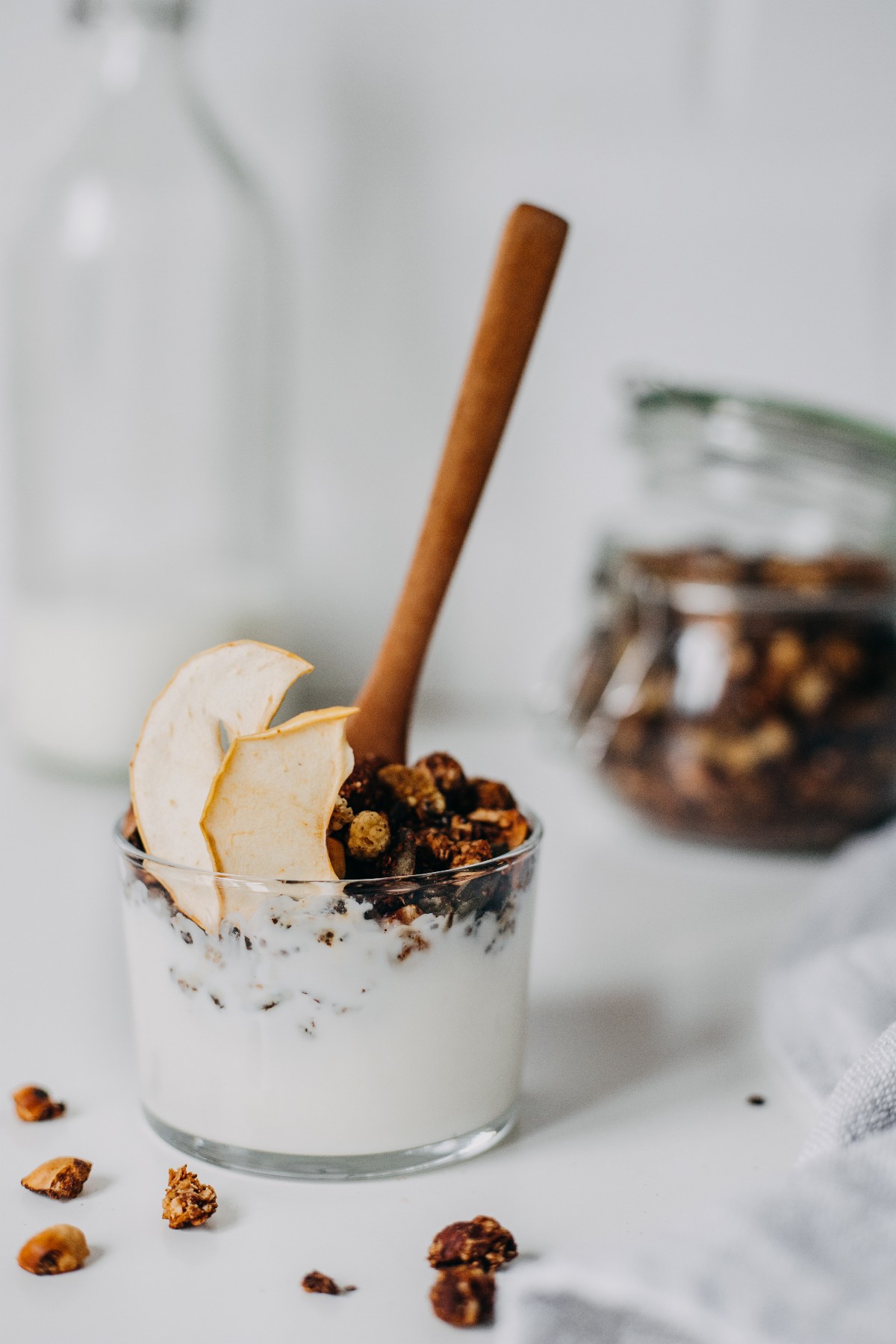
“Probiotics are the superheroes of the gut, working silently to restore balance and protect our health from within.”
Maintaining a healthy gut is essential for overall well-being, and probiotics play a significant role in achieving optimal digestive health.
Probiotics are beneficial bacteria that promote a balanced gut microbiome, supporting digestion, immunity, and mental health. While probiotics are commonly associated with dairy products, following a vegan diet doesn’t mean missing out on these essential microorganisms.
In this article, we will explore the importance of probiotics and provide practical tips on how to incorporate them into a vegan lifestyle.
Probiotics are live microorganisms that, when consumed in adequate amounts, provide numerous health benefits. These beneficial bacteria primarily reside in the gastrointestinal tract and help maintain a healthy balance of microflora. They aid in breaking down food, absorbing nutrients, synthesizing vitamins, and strengthening the immune system.

The Benefits of Probiotics:
- Improved Digestion: Probiotics help alleviate digestive issues such as bloating, gas, and constipation by promoting the breakdown of food and enhancing nutrient absorption.
- Enhanced Immunity: A significant portion of our immune system resides in the gut. Probiotics strengthen the gut barrier and stimulate the production of immune cells, reducing the risk of infections and autoimmune disorders.
- Mental Well-being: Emerging research suggests a strong connection between gut health and mental health. Probiotics may help alleviate symptoms of anxiety, depression, and stress by modulating the gut-brain axis.
- Healthy Weight Management: Certain strains of probiotics have been linked to weight loss and the reduction of body fat. They can help regulate appetite, enhance fat metabolism, and improve insulin sensitivity.
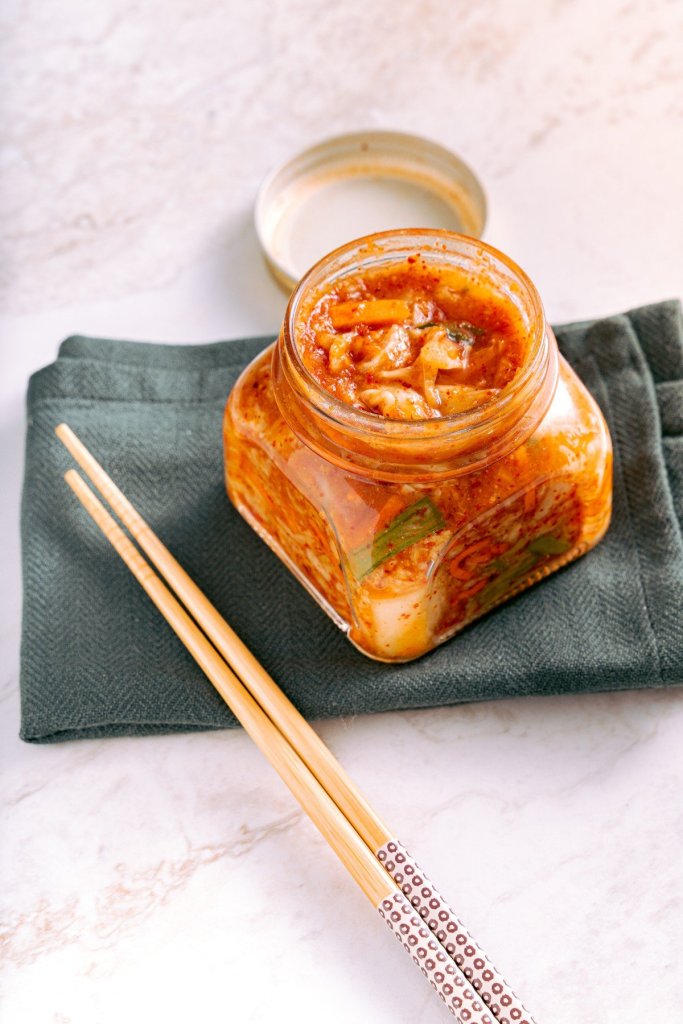
Getting Probiotics on a Vegan Diet:
- Fermented Foods: Incorporating fermented foods into your vegan diet is an excellent way to obtain probiotics naturally. Fermented plant-based options include sauerkraut, kimchi, tempeh, miso, and kombucha. Ensure that these products contain live cultures and are not pasteurized, as pasteurization destroys beneficial bacteria.
- Plant-Based Yogurts: Several brands offer dairy-free yogurts made from soy, almond, coconut, or cashew milk. Look for varieties that contain live and active cultures to obtain the probiotic benefits.
- Probiotic Supplements: If you find it challenging to meet your probiotic needs through food alone, consider incorporating high-quality vegan probiotic supplements into your routine. Look for supplements that contain a diverse range of strains and are free from animal-derived ingredients.
- Prebiotic Foods: While not probiotics themselves, prebiotic foods serve as nourishment for the beneficial bacteria in your gut. Include prebiotic-rich foods such as onions, garlic, leeks, asparagus, bananas, and whole grains in your vegan meals to support probiotic growth.
- Homemade Fermentation: Embrace the art of homemade fermentation by preparing your own vegan-friendly fermented foods. Experiment with recipes for homemade yogurt, kefir, or fermented vegetables to ensure you have full control over the ingredients and fermentation process.
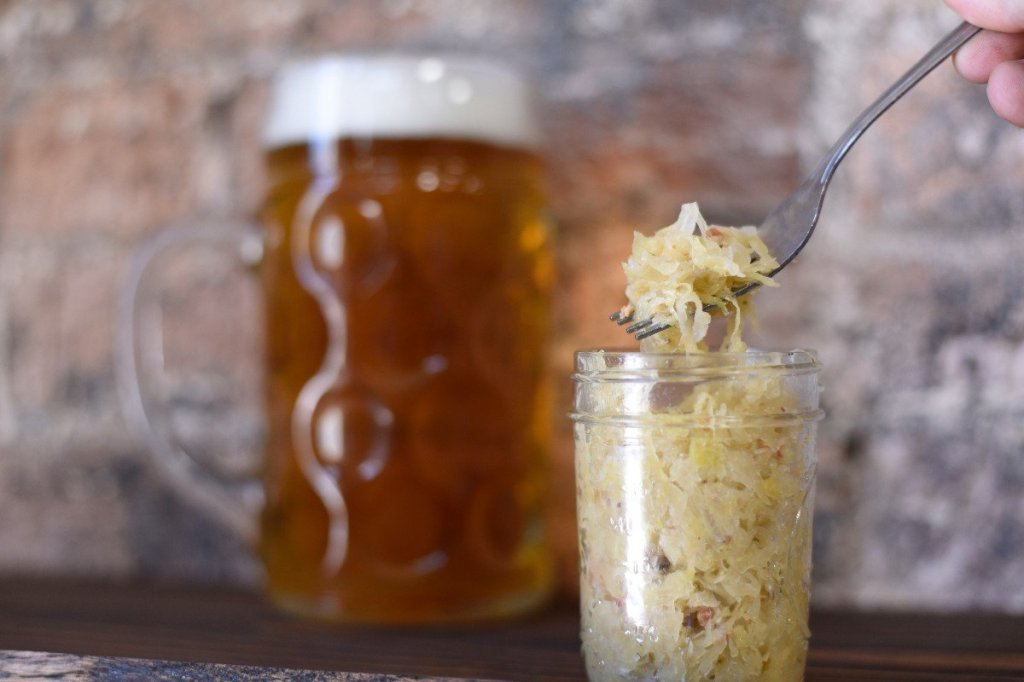
One easy vegan fermentation recipe you can try is making homemade sauerkraut.
Sauerkraut is a traditional fermented cabbage dish that is not only delicious but also packed with beneficial probiotics. Here’s a simple recipe to get you started:
Ingredients:
- 1 small head of cabbage
- 1 tablespoon sea salt
- Optional: additional vegetables for flavor (carrots, onions, etc.)
Instructions:
- Wash the cabbage thoroughly and remove any damaged outer leaves.
- Finely shred or chop the cabbage into thin strips.
- Place the cabbage in a large bowl and sprinkle the sea salt over it.
- Massage the cabbage with your hands for about 5 minutes, or until it starts to release its juices. The salt will help draw out the liquid.
- If you’re adding additional vegetables, shred or chop them and mix them with the cabbage.
- Transfer the cabbage and its juices (including any additional vegetables) to a clean glass jar. Pack the mixture tightly, pressing it down to release any air bubbles.
- Make sure the liquid covers the cabbage entirely. If needed, you can add a bit of water to ensure it’s fully submerged.
- Place a weight or a clean, sterilized stone on top of the cabbage to keep it submerged in the liquid.
- Cover the jar with a clean cloth or a fermentation lid, allowing gases to escape while preventing contaminants from entering.
- Keep the jar at room temperature, away from direct sunlight, for about 1 to 4 weeks, depending on your preferred level of fermentation. Taste it periodically to check the flavor.
- Once it reaches your desired level of tanginess, transfer the sauerkraut to a clean, airtight container and store it in the refrigerator. It will continue to ferment slowly but at a much slower rate.
- Remember, fermentation is a natural process, and it’s normal to see bubbles or notice changes in the texture and smell. However, if you notice any mold or foul odor, it’s best to discard the sauerkraut.
Enjoy your homemade sauerkraut as a tasty addition to sandwiches, salads, or as a side dish to complement your vegan meals!
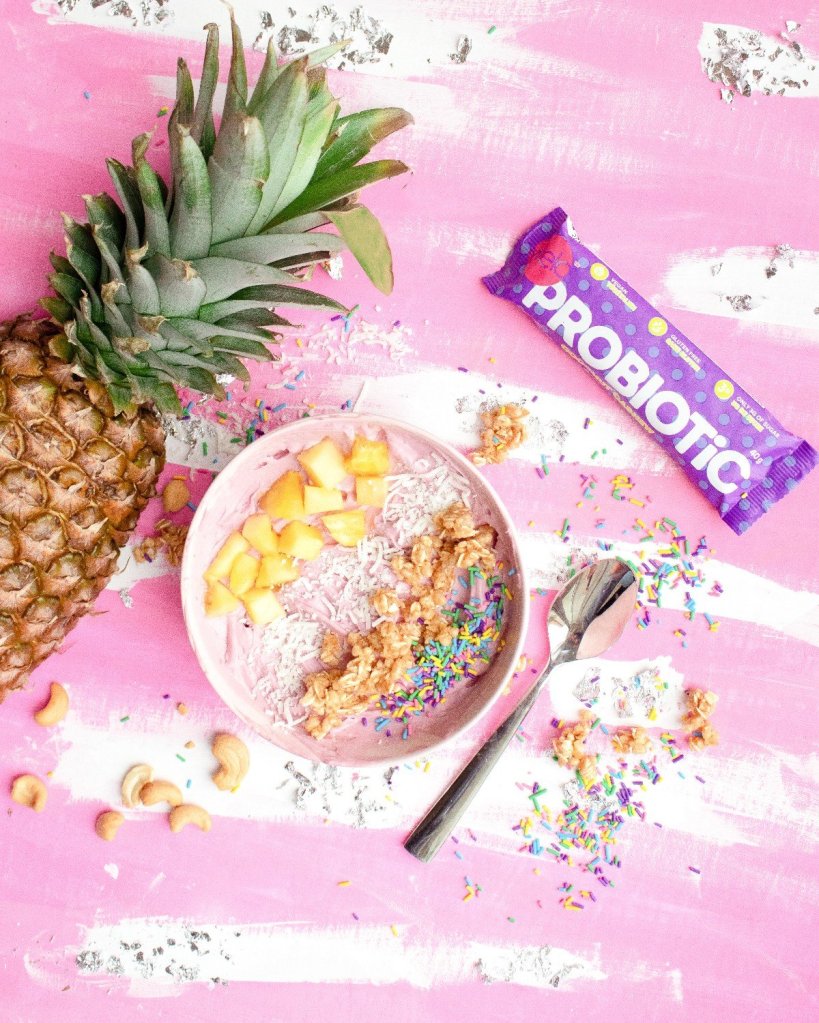
Probiotics are essential for maintaining a healthy gut and overall well-being. As a vegan, you have numerous options to incorporate probiotics into your diet.
By adding fermented foods, plant-based yogurts, and supplements to your routine, you can support the balance of beneficial bacteria in your gut and reap the rewards of improved digestion, enhanced immunity, and better mental health. Embrace the power of probiotics and take charge of your gut health to live a vibrant and thriving vegan lifestyle.
Sources:
Harvard Health Publishing. (2019). The benefits of probiotics: Using good bacteria for better health. Retrieved from https://www.health.harvard.edu/staying-healthy/the-benefits-of-probiotics-using-good-bacteria-for-better-health
Sanlier, N. (2019). The importance of probiotics and prebiotics in the prevention and treatment of diseases. Nutrients, 11(10), 2287. doi:10.3390/nu11102287
Higginbotham, S. (2021). The power of plant-based probiotics. Today’s Dietitian, 23(9), 24. Retrieved from https://www.todaysdietitian.com/newarchives/070121p24.shtml
 Green Earth Essentials