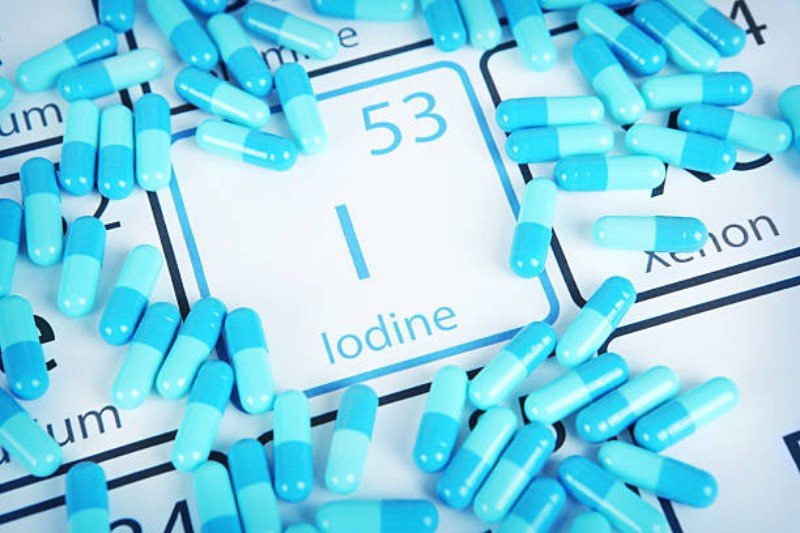
“Like a tiny mineral superhero, iodine silently saves the day, fueling our bodies and minds with the power of the sea.”
Maintaining a well-balanced vegan diet involves careful consideration of essential nutrients to support overall health. One such vital mineral that often requires special attention is iodine.
Although commonly associated with seafood and dairy products, it is crucial for vegans to understand the importance of incorporating sufficient iodine sources into their plant-based diets.
In this article, we will explore the benefits of iodine, the consequences of iodine deficiency, strategies to prevent deficiency, and highlight excellent vegan-friendly sources of iodine.

The Benefits of Iodine:
Iodine is an essential mineral required for the production of thyroid hormones, which regulate various bodily functions, including metabolism, growth, and development. Adequate iodine levels support optimal thyroid function, thereby promoting:
- Thyroid Health: Iodine is an integral component of thyroid hormones, such as thyroxine (T4) and triiodothyronine (T3). These hormones are responsible for maintaining a healthy metabolic rate, promoting energy production, and regulating body temperature.
- Brain Development: Sufficient iodine during pregnancy and early childhood is crucial for proper brain development and cognitive function in infants and children. It plays a significant role in the production of myelin, a substance essential for nerve cell communication.
- Metabolic Efficiency: Adequate iodine levels support efficient metabolism, aiding in weight management and preventing fatigue.
Consequences of Iodine Deficiency:
Insufficient iodine intake can lead to iodine deficiency, which can have serious health implications. Some common consequences of iodine deficiency include:
- Hypothyroidism: A lack of iodine can result in an underactive thyroid, leading to symptoms such as fatigue, weight gain, dry skin, and cognitive impairment.
- Goiter: Iodine deficiency may cause the thyroid gland to enlarge, resulting in a visible swelling in the neck known as a goiter.
- Impaired Cognitive Function: Inadequate iodine intake, particularly during pregnancy and early childhood, can adversely affect brain development, leading to learning disabilities and impaired cognitive function.
- Increased Risk of Miscarriage and Stillbirth: Iodine deficiency in pregnant women has been associated with an increased risk of miscarriage, stillbirth, and other adverse pregnancy outcomes.
Preventing Iodine Deficiency in a Vegan Diet:
As a vegan, it is essential to be proactive in ensuring sufficient iodine intake. Here are some strategies to help prevent iodine deficiency:
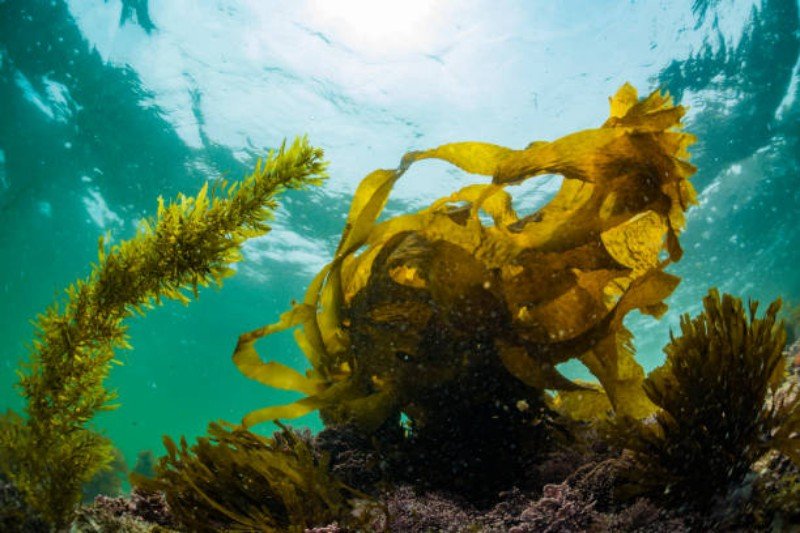
- Sea Vegetables: Incorporate iodine-rich sea vegetables into your diet, such as nori, kombu, wakame, and dulse. These marine plants are excellent sources of iodine.
- Iodized Salt: Opt for iodized salt instead of regular table salt. Iodized salt has been fortified with iodine, making it an easy and convenient way to supplement iodine intake.
- Fortified Foods: Check for plant-based products fortified with iodine, such as plant-based milk, bread, and cereals. These fortified foods can contribute to your iodine intake.
- Supplements: If it’s challenging to meet iodine requirements through diet alone, consult a healthcare professional who can recommend an appropriate iodine supplement.
Finding the Right Balance:
While iodine is crucial for optimal health, it’s equally important to avoid excessive intake. Consuming excessive iodine can lead to iodine toxicity, causing adverse effects on thyroid function. Therefore, it is vital to strike a balance and not exceed the recommended daily intake.
Incorporating adequate iodine into a vegan diet is essential for maintaining optimal health and wellness. By ensuring sufficient iodine intake, vegans can support thyroid function, regulate metabolism, and promote cognitive development.
Neglecting iodine requirements can lead to serious consequences such as hypothyroidism, impaired brain function, and other related health issues. However, with mindful food choices and a proactive approach to meeting iodine needs, vegans can confidently thrive on a plant-based lifestyle.
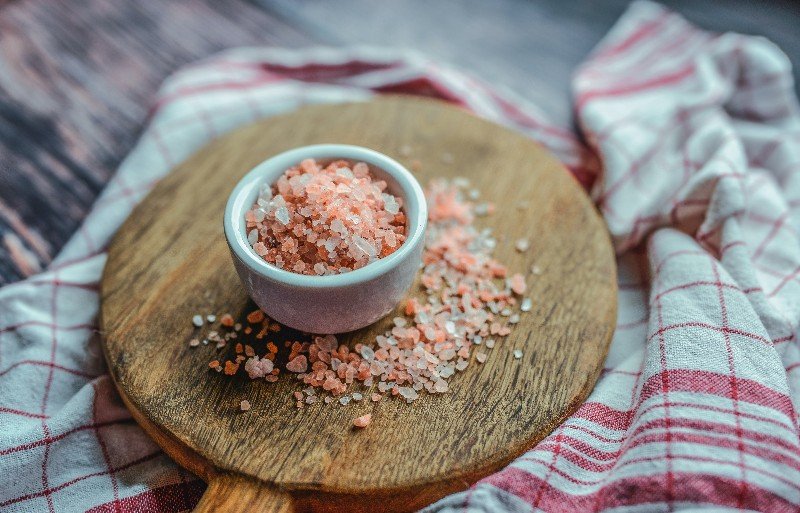
For those following a plant-based diet, it’s essential to include iodine-rich plant sources like sea vegetables, iodized salt, potatoes, cranberries, navy beans, strawberries, and alternative iodine-rich salts such as seaweed salt or Himalayan pink salt. Also, explore fortified foods and consult healthcare professionals when necessary.
Let iodine be your ally in unlocking the potential of a vibrant and nourished vegan journey, where optimal health and wellness are within reach. Embrace the power of iodine and embrace a thriving, iodine-balanced vegan lifestyle.
References:
Food and Nutrition Board, Institute of Medicine. Iodine. Dietary Reference Intakes for Vitamin A, Vitamin K, Arsenic, Boron, Chromium, Copper, Iodine, Iron, Manganese, Molybdenum, Nickel, Silicon, Vanadium, and Zinc. National Academy Press, 2001.
Link: https://www.ncbi.nlm.nih.gov/books/NBK222310/
National Institutes of Health. Iodine. Fact Sheet for Health Professionals. Office of Dietary Supplements. Updated July 9, 2019.
Link: https://ods.od.nih.gov/factsheets/Iodine-HealthProfessional/
World Health Organization. Iodine Deficiency Disorders (IDD). Updated May 2021.
Link: https://www.who.int/news-room/fact-sheets/detail/iodine-deficiency-disorders
Zimmermann MB. The effects of iodine deficiency in pregnancy and infancy. Paediatric and Perinatal Epidemiology. 2012 Jul;26 Suppl 1:108-17.
Link: https://pubmed.ncbi.nlm.nih.gov/22742612/
National Health and Medical Research Council. Nutrient Reference Values for Australia and New Zealand. Iodine. Updated September 2006.
Link: https://www.nrv.gov.au/nutrients/iodine
Please note that while these sources provide valuable information, it’s always recommended to consult with a healthcare professional or registered dietitian for personalized advice regarding iodine intake and supplementation.
 Green Earth Essentials