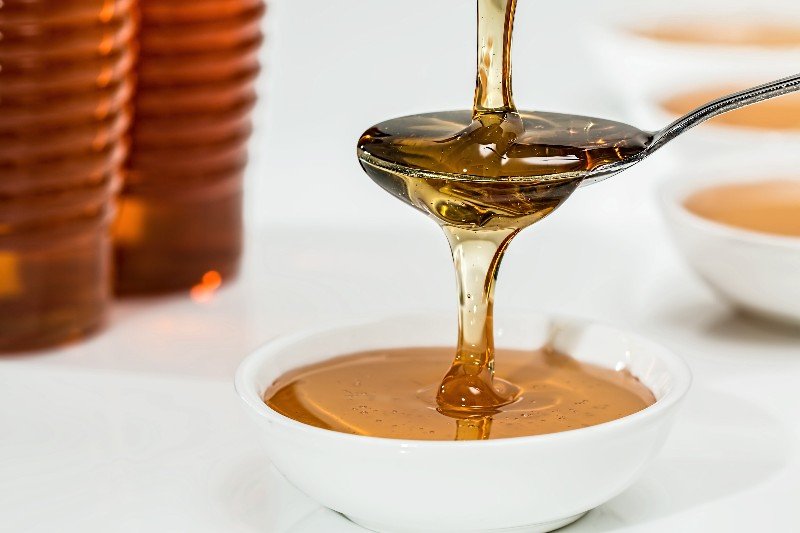
“Maple syrup is the liquid gold that flows from nature’s veins, a testament to the harmonious dance between trees and the skilled hands that turn sap into sweet ambrosia.”
Maple syrup, a sweet and delectable golden elixir derived from the sap of maple trees, has a rich history, cultural significance, and a host of health benefits.
For centuries, indigenous peoples in North America tapped into the natural sweetness of maple trees, and today, it has become a popular natural sweetener with numerous applications in the culinary world.
Join us on a journey as we delve into the fascinating origins, cultural traditions, and the remarkable health benefits of maple syrup. Additionally, we’ll provide you with five easy vegan recipes that highlight the versatility and unique flavor of this delightful syrup.
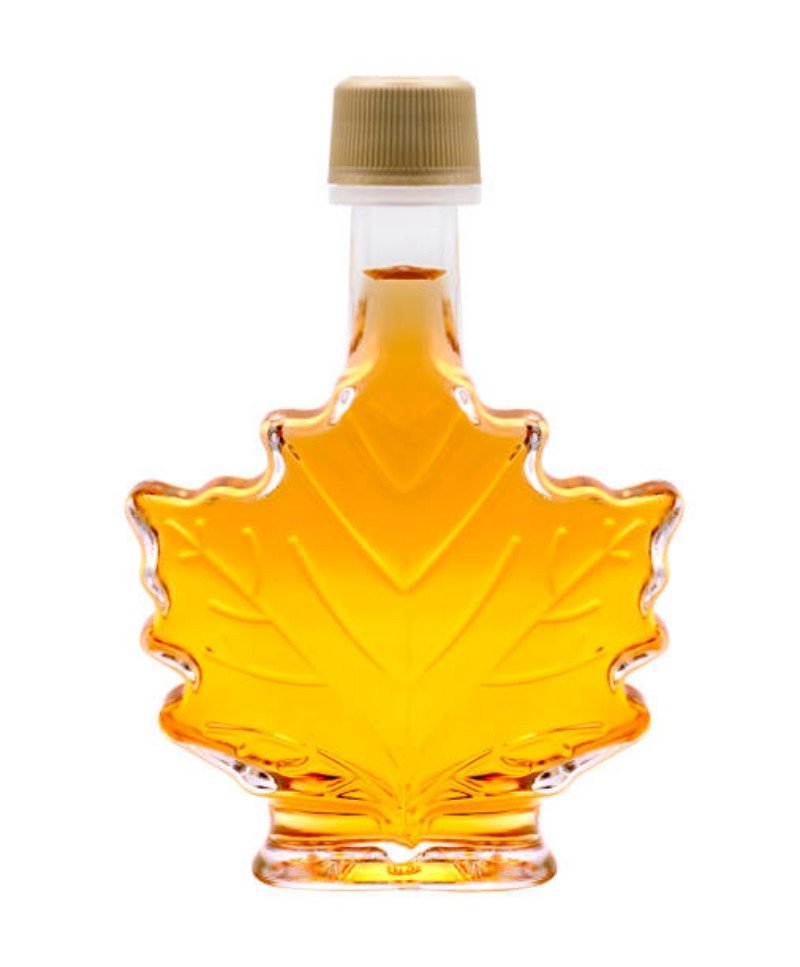
Historical Significance and Cultural Heritage:
Maple syrup holds a significant place in the history and culture of North America.
Native American tribes, particularly those in the northeastern regions, discovered the sweet sap of maple trees and used it as a valuable food source.
They would tap the trees and collect the sap, which they transformed into syrup through evaporation.
This age-old tradition continues to be celebrated in modern times through maple sugaring festivals and events that showcase the art of syrup production.
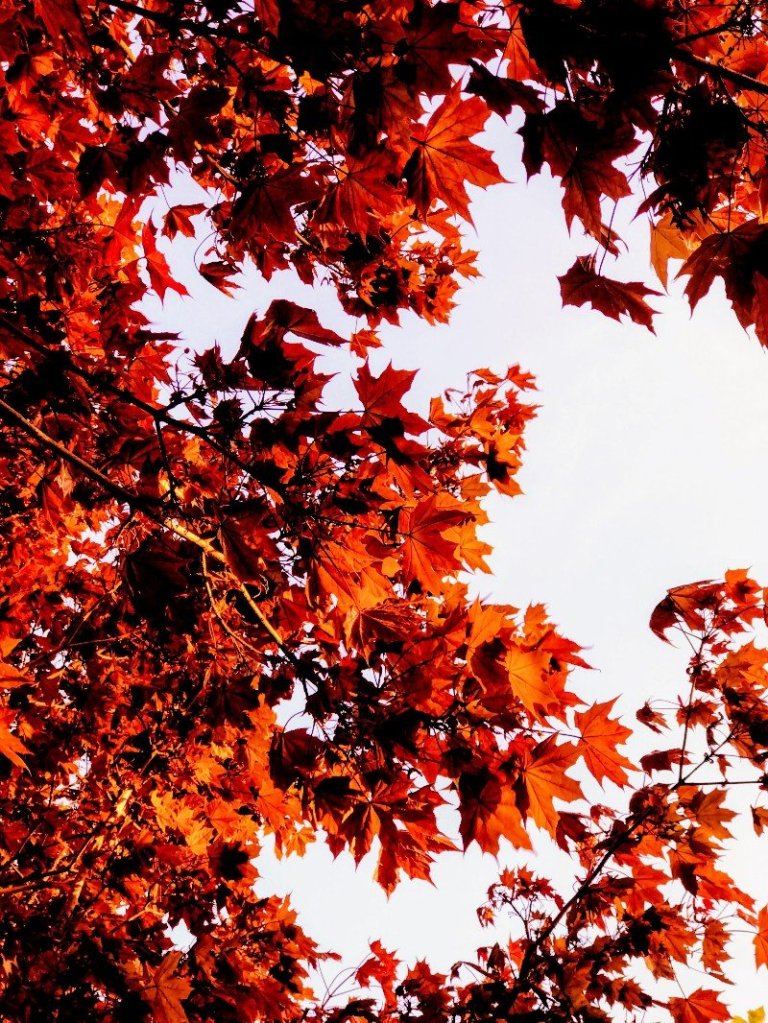
The Process: From Tree to Table:
Maple syrup production involves a meticulous process that begins in late winter or early spring when the sap starts to flow within the trees.
Farmers carefully tap the trees and collect the sap using buckets or a network of tubing systems. The sap is then boiled down to evaporate the water content, resulting in the rich, concentrated syrup we enjoy.
The grading system classifies maple syrup based on color and flavor profiles, offering various options to suit different palates and culinary applications.
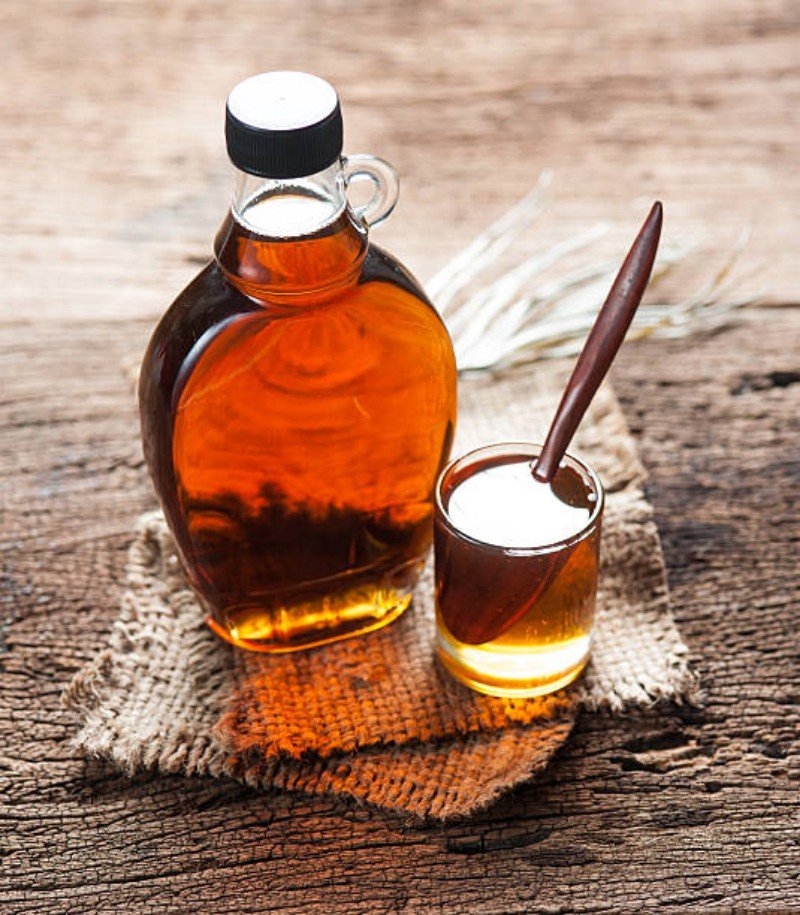
Health Benefits of Maple Syrup:
- Nutrient-Rich Sweetener: Unlike refined sugars, maple syrup retains essential minerals and antioxidants like manganese, zinc, and polyphenols, which contribute to overall health and wellbeing.
- Natural Energy Boost: Maple syrup is a natural source of carbohydrates, making it a valuable energy source for athletes and those needing quick, sustainable energy.
- Antioxidant Properties: The presence of phenolic compounds in maple syrup provides antioxidant benefits, helping to combat oxidative stress and inflammation in the body.
- Potential Anti-Inflammatory Effects: Some studies suggest that maple syrup may possess anti-inflammatory properties, potentially aiding in the management of inflammatory conditions.
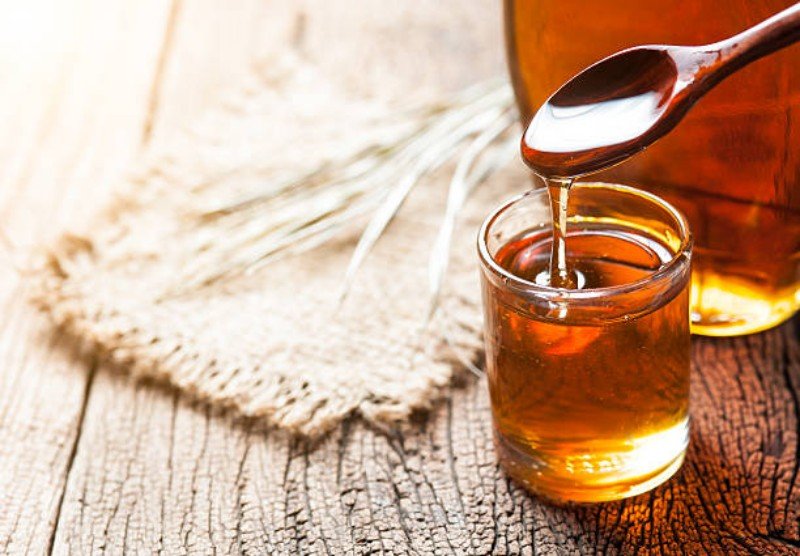
Enjoy these delightful vegan recipes that showcase the versatility and natural sweetness of maple syrup!
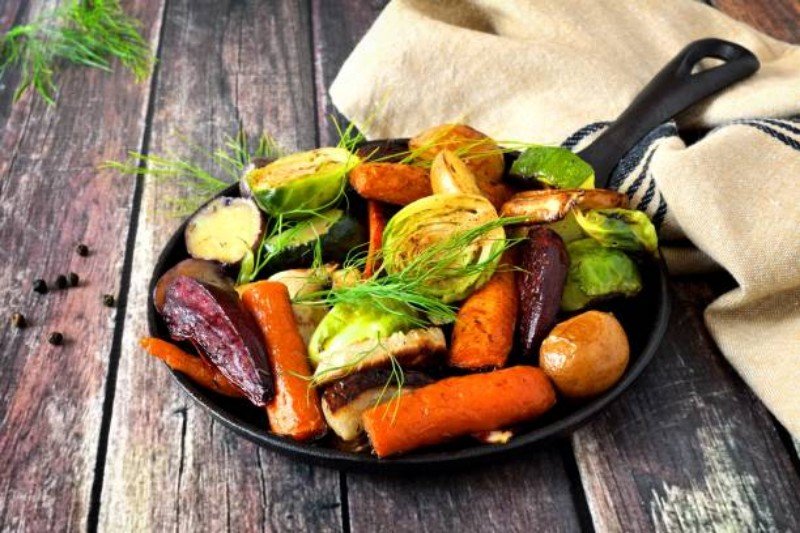
Maple-Glazed Roasted Vegetables:
Ingredients:
- 2 cups mixed vegetables (carrots, Brussels sprouts, sweet potatoes)
- 2 tablespoons olive oil
- 2 tablespoons maple syrup
- Salt and pepper to taste
- Preheat the oven to 400°F (200°C).
Instructions:
- Wash and chop the vegetables into bite-sized pieces.
- In a bowl, toss the vegetables with olive oil, maple syrup, salt, and pepper until well coated.
- Spread the vegetables on a baking sheet and roast for 25-30 minutes or until they are tender and golden brown.
- Remove from the oven and serve as a side dish or add to salads or grain bowls.
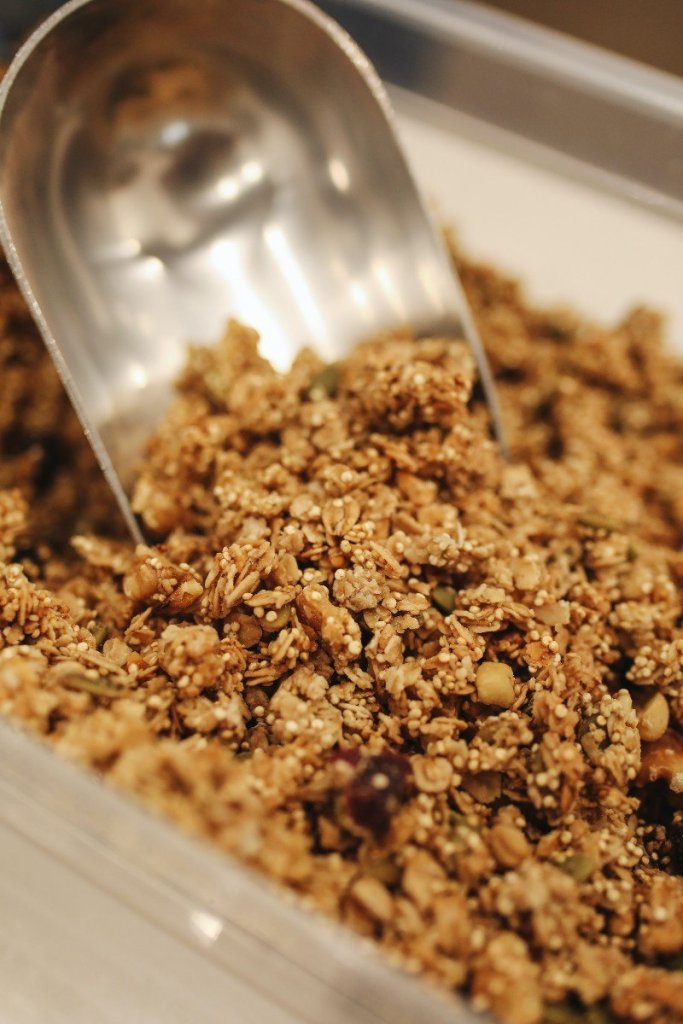
Maple-Walnut Granola:
Ingredients:
- 3 cups rolled oats
- 1 cup walnuts, chopped
- 1/4 cup maple syrup
- 1/4 cup melted coconut oil
- 1 teaspoon vanilla extract
- Pinch of salt
Instructions:
- Preheat the oven to 325°F (160°C).
- In a large bowl, combine the rolled oats and chopped walnuts.
- In a separate bowl, whisk together the maple syrup, melted coconut oil, vanilla extract, and salt.
- Pour the wet mixture over the oats and walnuts, and stir until evenly coated.
- Spread the mixture on a lined baking sheet and bake for 20-25 minutes, stirring halfway through, until golden brown.
- Allow the granola to cool completely before storing in an airtight container.
- Serve with plant-based yogurt, milk, or as a topping for smoothie bowls.
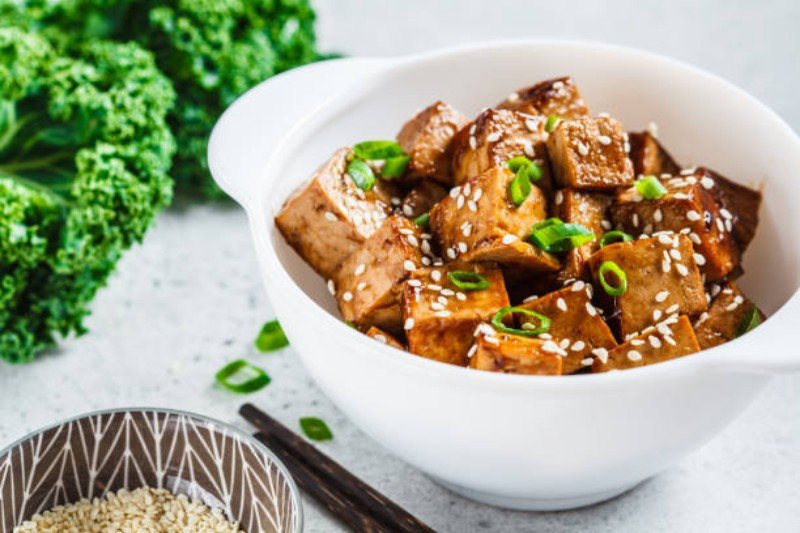
Maple-Glazed Tofu:
Ingredients:
- 1 block firm tofu, drained and pressed
- 2 tablespoons soy sauce or tamari
- 2 tablespoons maple syrup
- 1 tablespoon rice vinegar
- 1 teaspoon sesame oil
- 1/2 teaspoon garlic powder
- Pinch of red pepper flakes (optional)
- Salt and pepper to taste
Instructions:
- Preheat the oven to 400°F (200°C) and line a baking sheet with parchment paper.
- Cut the tofu into cubes or slices, depending on your preference.
- In a bowl, whisk together the soy sauce, maple syrup, rice vinegar, sesame oil, garlic powder, red pepper flakes, salt, and pepper.
- Place the tofu in the bowl and gently toss to coat it with the marinade. Let it marinate for 10-15 minutes.
- Arrange the tofu on the prepared baking sheet and bake for 20-25 minutes, flipping halfway through, until it becomes crispy and caramelized.
- Serve the maple-glazed tofu over rice or noodles, or use it as a protein-packed addition to salads.
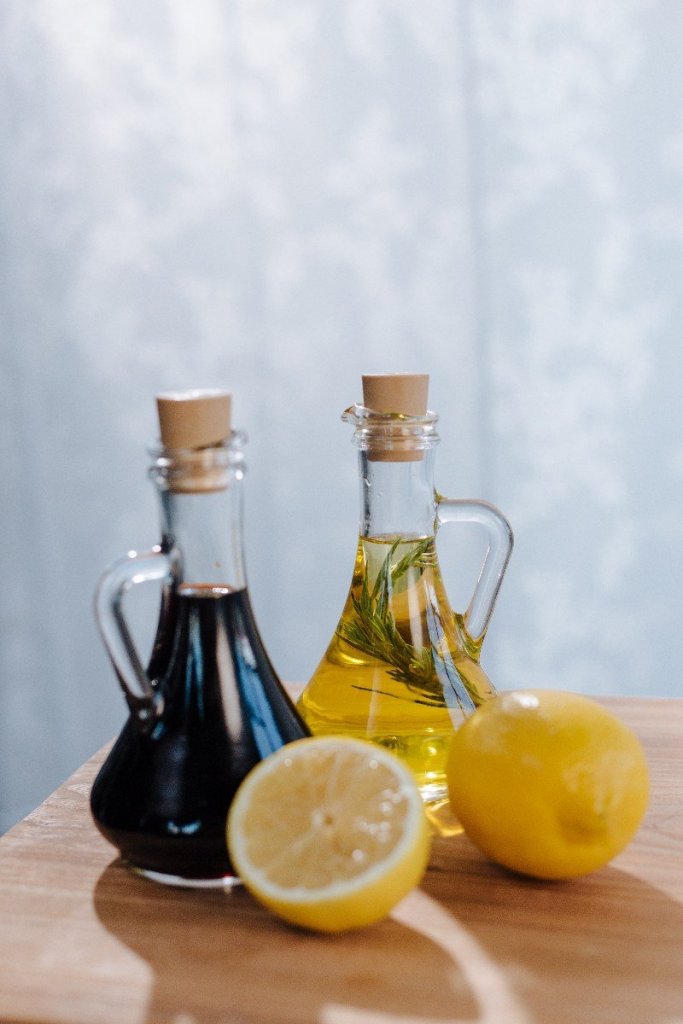
Maple-Balsamic Dressing:
Ingredients:
- 3 tablespoons maple syrup
- 2 tablespoons balsamic vinegar
- 1 tablespoon Dijon mustard
- 2 tablespoons extra-virgin olive oil
- Salt and pepper to taste
Instructions:
- In a small bowl, whisk together the maple syrup, balsamic vinegar, Dijon mustard, olive oil, salt, and pepper until well combined.
- Taste and adjust the seasoning as desired.
- Drizzle the dressing over salads, roasted vegetables, or use it as a marinade for tofu or tempeh.
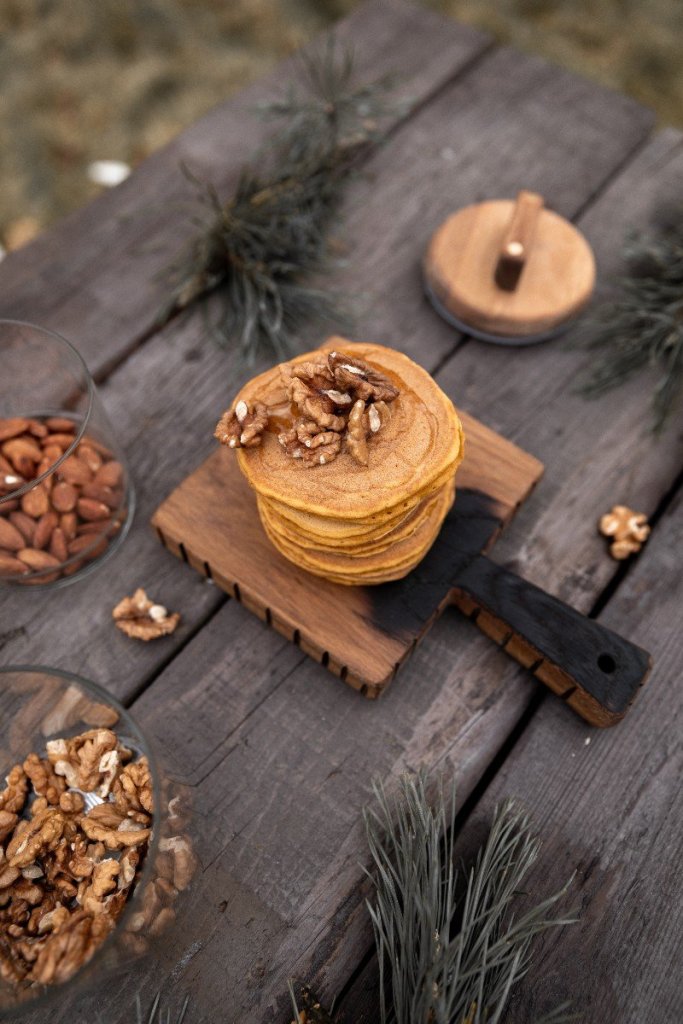
Vegan Maple-Pecan Pancakes:
Ingredients:
- 1 cup all-purpose flour
- 2 tablespoons maple syrup
- 1 tablespoon baking powder
- 1 cup plant-based milk
- 1 tablespoon melted coconut oil
- 1 teaspoon vanilla extract
- 1/4 cup chopped pecans
- Maple syrup for serving
Instructions:
- In a large mixing bowl, whisk together the flour, baking powder, and a pinch of salt.
- In a separate bowl, combine the maple syrup, plant-based milk, melted coconut oil, and vanilla extract.
- Pour the wet ingredients into the dry ingredients and stir until just combined. Be careful not to overmix; a few lumps are okay.
- Gently fold in the chopped pecans.
- Heat a non-stick skillet or griddle over medium heat and lightly grease it with coconut oil or cooking spray.
- Pour 1/4 cup of batter onto the skillet for each pancake.
- Cook for 2-3 minutes on one side until bubbles start to form on the surface, then flip and cook for an additional 1-2 minutes until golden brown.
- Repeat with the remaining batter.
- Serve the pancakes warm with a drizzle of maple syrup and additional pecans for garnish.
Maple syrup is more than just a sweetener; it’s a culinary delight with a deep-rooted history and cultural significance.
From its traditional use by indigenous peoples to its modern-day popularity, maple syrup continues to captivate our taste buds. Incorporating maple syrup into our diets not only adds a touch of sweetness but also brings along numerous health benefits. Whether you’re drizzling it over pancakes, using it as a glaze, or incorporating it into dressings and marinades, maple syrup adds a unique flavor and depth to a wide range of dishes.
As we celebrate the rich history and cultural heritage of maple syrup, it’s important to source it responsibly. Look for labels that indicate it’s made from 100% pure maple syrup, ensuring you’re getting the genuine product without any additives or artificial ingredients.
So, next time you reach for a sweetener, consider the golden elixir of maple syrup and indulge in its natural goodness. From its humble beginnings in ancient traditions to its place in modern culinary delights, maple syrup continues to enchant us with its distinct flavor and health benefits.
Citations:
Food and Agriculture Organization of the United Nations. (2017). The International Year of Soils 2015: Healthy soils for a healthy life. Retrieved from http://www.fao.org/3/a-i4615e.pdf
Markley, K. S., et al. (2017). A comparative analysis of composition and flavor of maple syrups produced in the United States. Journal of Food Science, 82(5), 1154-1166.
Natural Resources Canada. (2019). Maple syrup: History and production. Retrieved from https://www.nrcan.gc.ca/science-data/science-research/research-centres/laurentian-forestry-centre/forest-science/forest-threats-and-stressors/climate-change-and-canadian-forests/maple-syrup-history-and-production/17795
Saucier, L., et al. (2017). Composition and antioxidant activity of water-soluble phenolic compounds from maple products. Food Chemistry, 217, 73-83.
Swanson, K. S., et al. (2018). Serum metabolite profiles and inflammatory markers associated with grade and stage of non-alcoholic fatty liver disease. Frontiers in Molecular Biosciences, 5, 100.
The Federation of Quebec Maple Syrup Producers. (2021). About maple syrup. Retrieved from https://www.siropderable.ca/en/about-maple-syrup/about-maple-syrup/
Hickey, C., & Martin, S. (2019). The Vegan Cookbook: 100 Plant-Based Recipes to Satisfy Every Craving. Appetite by Random House.
Liddon, A. (2014). Oh She Glows Cookbook: Over 100 Vegan Recipes to Glow from the Inside Out. Penguin Canada.
Sweeney, K. (2017). Plant-Based Cookbook: Good for Your Heart, Your Health, and Your Life. DK Publishing.
Note: The above sources provide general information about maple syrup, its production, and potential health benefits. Please consult a qualified healthcare professional or nutritionist for personalized advice regarding your specific health needs or dietary requirements.
 Green Earth Essentials