“Let food be thy medicine, and plants be the foundation of your vitality.”
A common concern for individuals following a vegan lifestyle is ensuring they obtain adequate protein.
While animal products are traditional protein sources, plant-based diets can also provide all the essential amino acids needed for optimal health.
This article will explore various plant-based protein sources and provide valuable tips to help vegans meet their protein requirements.
Recommended Protein Intake for Adults
Meeting your protein needs is crucial for overall health and well-being. The recommended protein intake varies depending on several factors, including age, sex, activity level, and overall health. The average sedentary adult requires about 0.8 grams of protein per kilogram of body weight per day (g/kg/d). However, individuals with higher physical activity levels or specific health conditions may need more protein.

Sedentary Adults:
For sedentary adults, the general recommendation is to consume around 0.8 g/kg/d of protein. To calculate your protein needs, multiply your weight in kilograms by 0.8. For example, a sedentary adult weighing 68 kilograms would require approximately 54 grams of protein per day (68 kg x 0.8 g/kg/d).

Active Individuals:
If you engage in regular physical activity, such as strength training or endurance exercises, your protein requirements may increase. Active individuals typically require 1.2 to 2.0 g/kg/d of protein to support muscle repair and growth. It is best to consult with a registered dietitian or nutritionist to determine the appropriate protein intake for your specific activity level.

Special Populations:
Certain groups of people may have higher protein needs. This includes pregnant and lactating women, older adults, and individuals recovering from injuries or surgeries. Pregnant and lactating women are advised to increase their protein intake to support the growth and development of the fetus or breastfeeding infant. Older adults may also require more protein to counteract age-related muscle loss. Individuals recovering from injuries or surgeries may have increased protein needs for tissue repair and wound healing.
It’s important to note that these are general guidelines, and individual needs may vary. Consulting a healthcare professional or registered dietitian can provide personalized advice based on your specific circumstances.
Remember, the key to meeting your protein needs on a vegan diet is to choose a variety of plant-based protein sources throughout the day and ensure you consume adequate calories to support your overall nutritional requirements.
Legumes and Pulses:
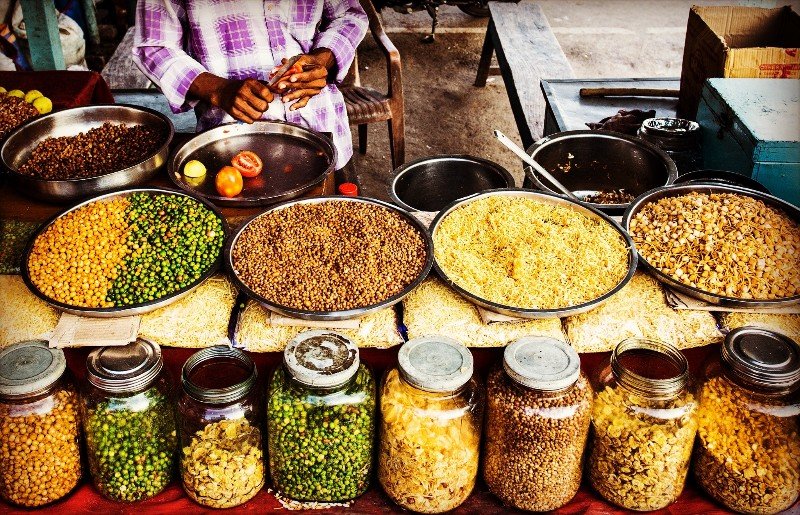
Legumes such as lentils, chickpeas, and beans are excellent sources of plant-based protein. They are not only rich in protein but also packed with fiber, vitamins, and minerals. Including legumes in your diet as staples, or as ingredients in soups, stews, and salads, can significantly boost your protein intake.
Quinoa:
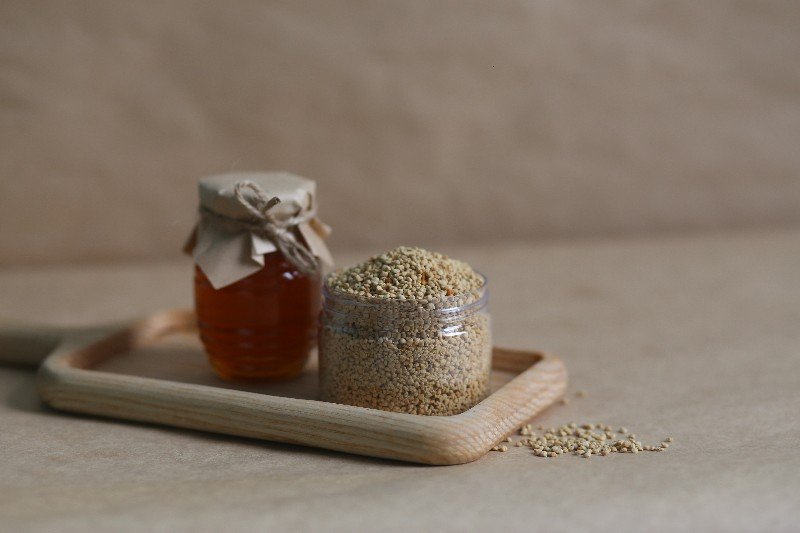
Quinoa is a complete protein source, meaning it contains all nine essential amino acids. This ancient grain is also rich in fiber, iron, and magnesium. Incorporating quinoa into your meals as a side dish or using it as a base for salads or stir-fries is an excellent way to add protein to your vegan diet.
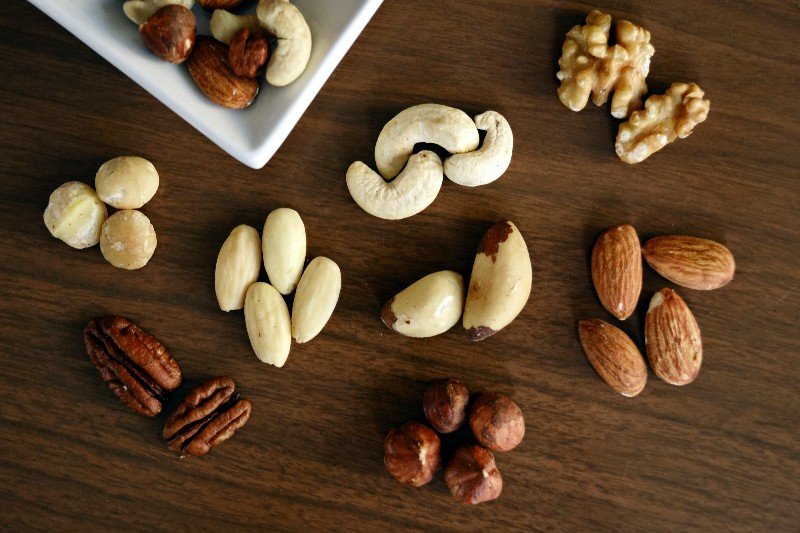
Nuts and Seeds:
Nuts and seeds are versatile and nutritious protein sources. Almonds, walnuts, chia seeds, and flaxseeds are packed with protein, healthy fats, and essential nutrients. Sprinkle them over smoothie bowls, oatmeal, or salads, or enjoy them as a snack for an added protein boost.
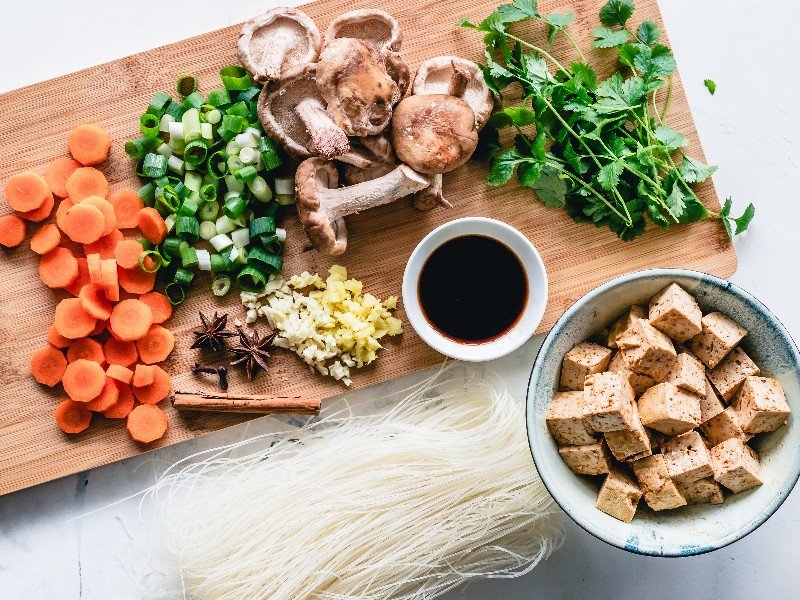
Tofu and Tempeh:
Tofu and tempeh, made from soybeans, are popular plant-based protein options. They are highly versatile and can be used in a variety of dishes, including stir-fries, curries, and sandwiches. Tofu and tempeh also provide other essential nutrients such as calcium, iron, and magnesium.
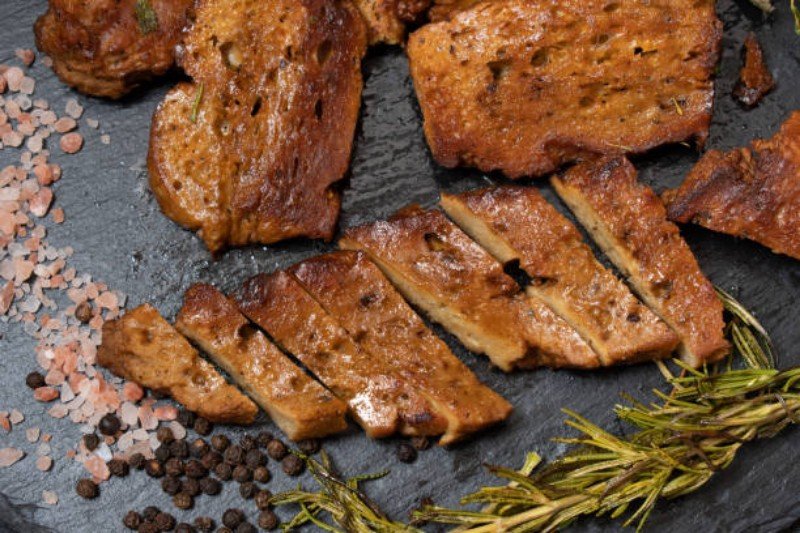
Seitan:
Seitan, also known as wheat gluten, is a protein-dense food commonly used as a meat substitute. It has a chewy texture and absorbs flavors well, making it an excellent ingredient for vegan meat alternatives. Seitan is a concentrated protein source, but it may not be suitable for those with gluten sensitivities or celiac disease.

Plant-Based Protein Powders:
Plant-based protein powders derived from sources like pea, hemp, brown rice, and soy can be convenient options for boosting protein intake. They are often used in smoothies, baked goods, or mixed with plant-based milk as a post-workout recovery drink.
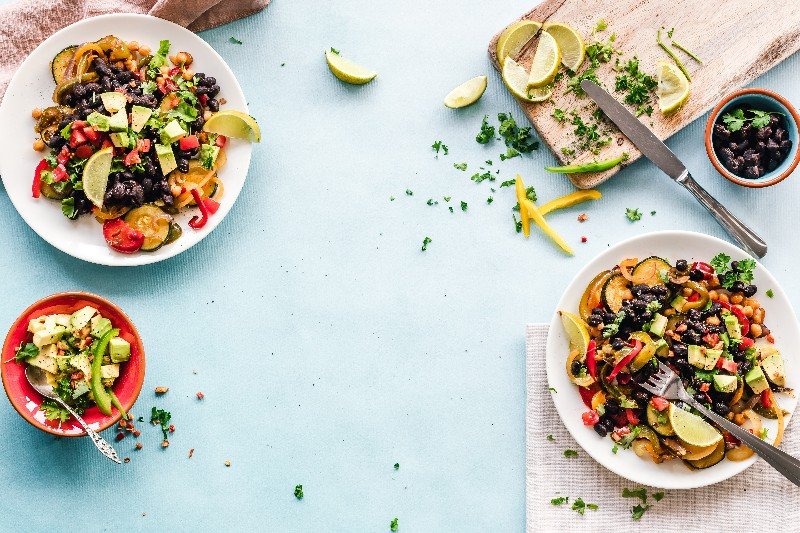
Incorporating Variety:
To ensure you receive all essential amino acids, it is essential to consume a diverse range of plant-based protein sources. Mix and match different food groups to create balanced meals that cover all your nutritional needs.
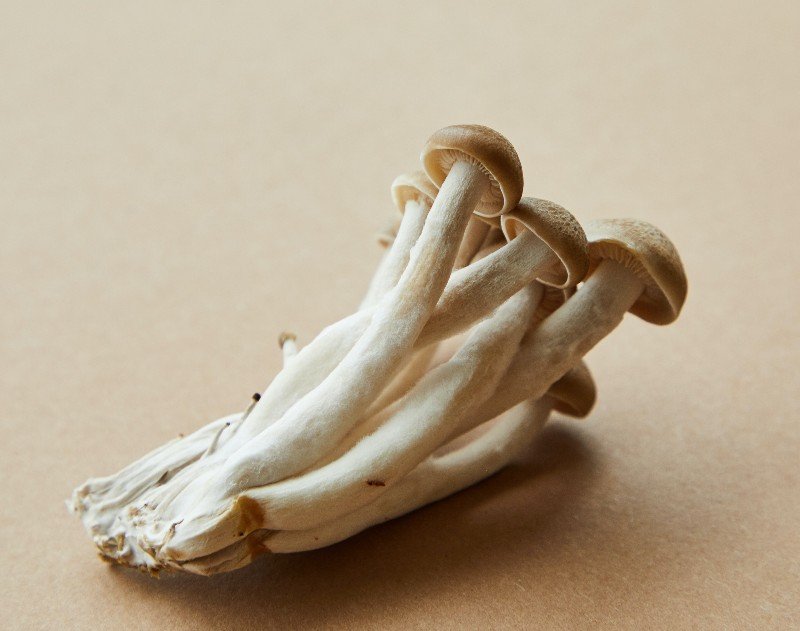
Adopting a vegan lifestyle does not mean compromising protein intake. By incorporating a variety of plant-based protein sources, such as legumes, quinoa, nuts and seeds, tofu and tempeh, seitan, and plant-based protein powders, it is possible to meet and exceed your protein requirements.
Experiment with flavors, textures, and cooking methods to make your vegan protein-rich meals both delicious and nutritious.
Remember to consult with a registered dietitian or nutritionist for personalized guidance regarding your specific dietary needs.
By following these tips and incorporating a wide range of plant-based protein sources, you can thrive on a vegan diet while meeting your protein requirements.
Sources:
Vegan Society: Plant-Based Proteins – https://www.vegansociety.com/resources/nutrition-and-health/nutrients/protein
Mayo Clinic: Vegan Diet – https://www.mayoclinic.org/healthy-lifestyle/nutrition-and-healthy-eating/in-depth/vegetarian-diet/art-20046446
Healthline: 10 Vegan Foods High in Protein – https://www.healthline.com/nutrition/protein-for-vegans-vegetarians
Healthline: Vegan Protein Powders – https://www.healthline.com/nutrition/best-vegan-protein-powder
The Physicians Committee for Responsible Medicine: Protein – https://www.pcrm.org/good-nutrition/nutrition-information/protein
Harvard T.H. Chan School of Public Health: Protein – https://www.hsph.harvard.edu/nutritionsource/what-should-you-eat/protein/
Academy of Nutrition and Dietetics: Position Paper on Vegetarian Diets – https://www.eatright.org/food/nutrition/vegetarian-and-special-diets/position-of-the-academy-of-nutrition-and-dietetics-vegetarian-diets
American Heart Association: Vegetarian, Vegan Diets and Heart Health – https://www.heart.org/en/healthy-living/healthy-eating/eat-smart/nutrition-basics/vegetarian-vegan-diets-and-heart-health
U.S. National Library of Medicine: MedlinePlus – Dietary Proteins – https://medlineplus.gov/dietaryproteins.html
American Dietetic Association; Dietitians of Canada: Position of the American Dietetic Association and Dietitians of Canada: Vegetarian Diets – https://pubmed.ncbi.nlm.nih.gov/19562864/
National Academies of Sciences, Engineering, and Medicine: Dietary Reference Intakes for Energy, Carbohydrate, Fiber, Fat, Fatty Acids, Cholesterol, Protein, and Amino Acids – https://www.nap.edu/read/10490/chapter/1
 Green Earth Essentials