
“Roses are not just flowers; they are the poetry of nature, unfolding their beauty and fragrance with grace.” – Unknown
Roses are not just captivating flowers that add beauty and fragrance to our surroundings; they also offer a range of culinary uses and health benefits.
From delicate flavors to potential health-enhancing properties, roses have found their way into the world of culinary arts and holistic medicine. In this article, we will delve into the culinary uses of roses and explore the health benefits they provide.
Culinary Uses of Roses:
Rose Water and Syrup:
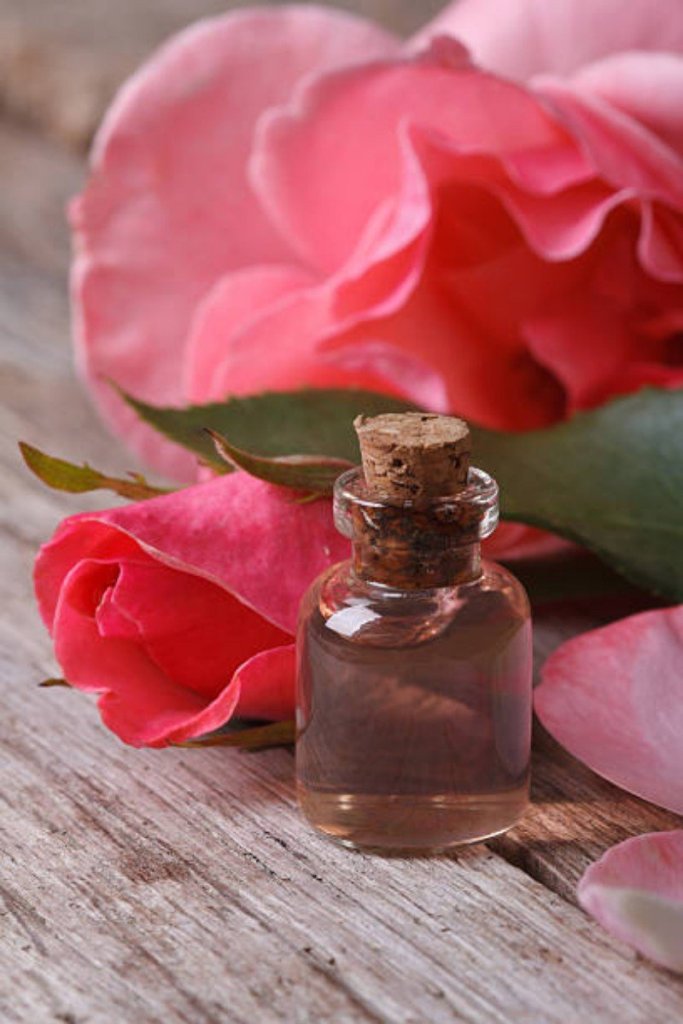
One of the most popular culinary applications of roses is the creation of rose water and syrup. These ingredients are widely used in various culinary traditions around the world. Rose water, made by steeping rose petals in water, adds a delicate floral essence to desserts, beverages, and even savory dishes. Rose syrup, prepared by combining rose water and sugar, serves as a flavorful addition to beverages, cocktails, desserts, and even marinades.
Edible Rose Petals:
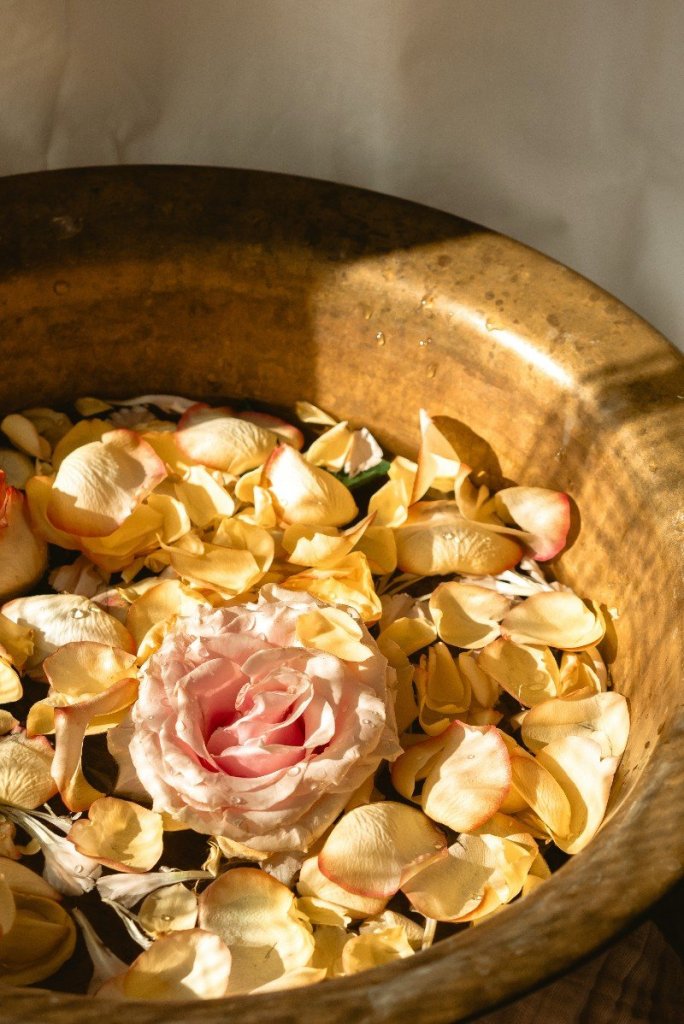
The petals of certain rose varieties are edible and can be used to enhance the presentation and taste of dishes. These petals can be sprinkled over salads, desserts, or savory dishes to add a touch of color and a mild floral flavor. They can also be used to infuse oils, vinegar, or honey, creating unique and aromatic ingredients for culinary experimentation.
Rose-infused Beverages:
Rose petals can be used to create delightful and refreshing beverages. From rose-infused teas and lemonades to rose-flavored cocktails and mocktails, the possibilities are endless. The floral and slightly sweet notes of roses lend themselves well to a wide range of drinks, offering a unique and enjoyable taste experience.

Health Benefits of Roses:
Antioxidant Properties:
Roses are rich in antioxidants, which help protect the body against oxidative stress caused by free radicals. These antioxidants, including vitamins A, C, and E, can help boost the immune system, promote healthy skin, and reduce the risk of chronic diseases.
Digestive Aid:
Rose water and tea made from rose petals have been traditionally used to soothe digestive issues. They may help alleviate symptoms such as bloating, cramping, and indigestion. The mild astringent properties of roses are believed to support healthy digestion and promote gastrointestinal health.
Relaxation and Stress Relief:
The scent of roses has a calming and relaxing effect on the mind and body. Rose-infused teas or rose water added to bathwater can help reduce stress, anxiety, and promote a sense of well-being. The aroma of roses is often used in aromatherapy to induce relaxation and improve mood.
Roses offer more than just their visual appeal and pleasant fragrance. Through their culinary uses and potential health benefits, they have become a valuable ingredient in various culinary traditions and holistic practices.
From rose-infused beverages to delicate petals used as a garnish, roses provide a unique and delightful culinary experience. Additionally, their antioxidant properties and digestive benefits make them a healthy addition to our diet. So, the next time you encounter roses, remember to explore their potential in the kitchen and savor the health benefits they can offer.
Sources:
Garg, S. (2020). Rose petals: A potential source of nutrition, nutraceuticals, and antioxidants. Journal of Food Science and Technology, 57(9), 3035-3043. doi: 10.1007/s13197-020-04336-6
Taherian, A., & Tohidpour, A. (2017). Protective Effects of Rosa damascena against Glutamate-Induced Neurotoxicity in PC12 Cells: Involvement of Antioxidant Mechanisms. Iranian Journal of Pharmaceutical Research, 16(1), 132-139.
Srivastava, J. K., Shankar, E., & Gupta, S. (2010). Chamomile: A herbal medicine of the past with bright future. Molecular Medicine Reports, 3(6), 895-901. doi: 10.3892/mmr.2010.377
Khalid, K. A., & Zawawi, N. (2017). A Review on Therapeutic Potentials of Rosa damascena Mill.: The Plant of Prophet Muhammad. Journal of Pharmacognosy and Phytochemistry, 6(6), 835-840.
Şeker, M., Akyüz, Y., & Karakuş, E. (2020). Beneficial effects of rose (Rosa damascena) on renal function in rats fed a high-fructose diet. Food Science & Nutrition, 8(2), 865-873. doi: 10.1002/fsn3.1345
Özkan, G., Sagdic, O., & Baydar, N. G. (2004). Antioxidant and antibacterial activities of Rosa damascena flower extracts. Food Science & Technology International, 10(4), 277-281. doi: 10.1177/1082013204046454
Srivastava, J. K., Shankar, E., & Gupta, S. (2013). Chamomile: A herbal medicine of the past with bright future. Molecular Medicine Reports, 3(6), 895-901. doi: 10.3892/mmr.2010.377
Srivastava, J. K., Pandey, M., & Gupta, S. (2010). Chamomile, a novel and selective COX-2 inhibitor with anti-inflammatory activity. Life Sciences, 85(19-20), 663-669. doi: 10.1016/j.lfs.2009.09.038
Please note that the above sources provide information on the health benefits of roses in general, as well as the potential benefits of specific rose varieties such as Rosa damascena. It is always advisable to consult with a healthcare professional or a certified herbalist before incorporating roses or rose-derived products into your diet for specific health concerns or conditions.
 Green Earth Essentials