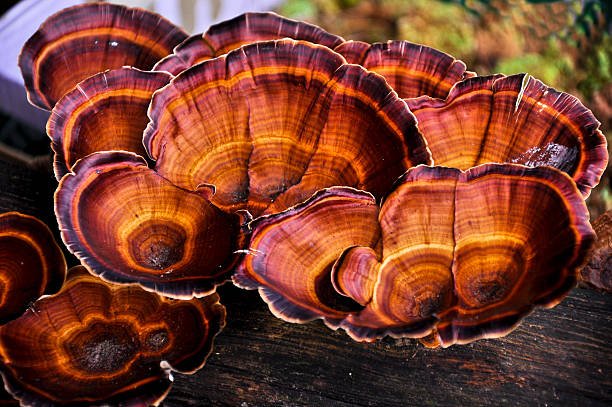
“Functional mushrooms are not just a food, they are a medicine that grows on trees.” – Paul Stamets.
Functional mushrooms are a category of mushrooms that are believed to offer health benefits beyond basic nutrition. They are often called “medicinal mushrooms” or “adaptogenic mushrooms” and have been used in traditional medicine for centuries.
Functional mushrooms contain bioactive compounds such as beta-glucans, polysaccharides, triterpenoids, and other antioxidants that have been shown to have immune-boosting and anti-inflammatory properties. These mushrooms may help support the immune system, improve mental clarity, reduce stress, and promote overall well-being.
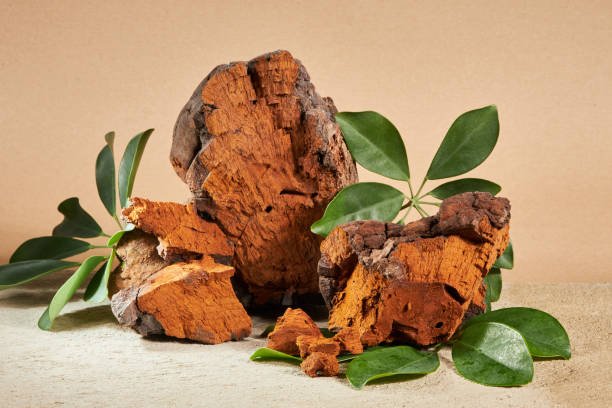
Some examples of functional mushrooms include Reishi, Chaga, Cordyceps, Lion’s Mane, and Turkey Tail. These mushrooms can be consumed in various forms such as teas, tinctures, capsules, and powders. They are becoming increasingly popular in the health and wellness industry and are often used as a natural supplement or alternative to traditional medicine.
There are many different types of functional mushrooms, each with their unique benefits. Here are some of the most commonly used functional mushrooms and their reported health benefits:
- Reishi: Reishi mushrooms are known for their immune-boosting properties and are often used to reduce stress, improve sleep quality, and support overall well-being. They contain beta-glucans, triterpenoids, and polysaccharides, which may help regulate the immune system and reduce inflammation.
- Chaga: Chaga mushrooms are rich in antioxidants and are often used to support immune function, reduce inflammation, and promote healthy digestion. They contain compounds such as beta-glucans, melanin, and polysaccharides, which may help support the immune system and protect against oxidative stress.
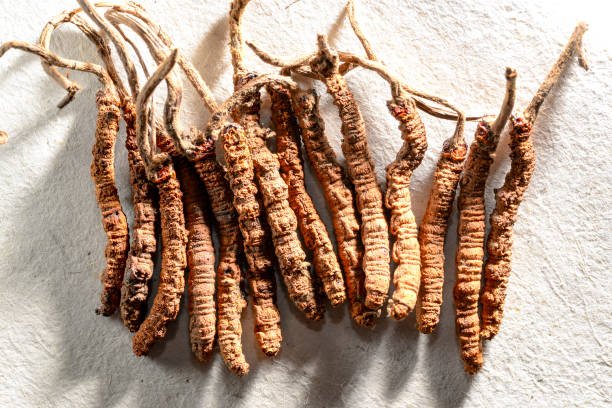
- Cordyceps: Cordyceps mushrooms are often used to improve athletic performance, increase energy levels, and reduce fatigue. They contain compounds such as cordycepin and adenosine, which may help increase oxygen uptake and improve physical endurance.
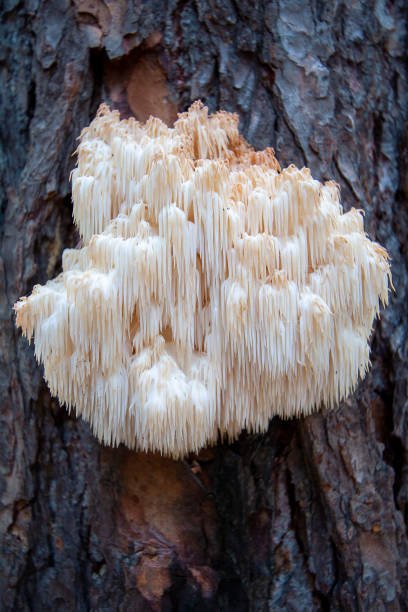
- Lion’s Mane: Lion’s Mane mushrooms are known for their cognitive-boosting properties and are often used to improve memory, focus, and concentration. They contain compounds such as erinacines and hericenones, which may help stimulate the growth of nerve cells and improve brain function.
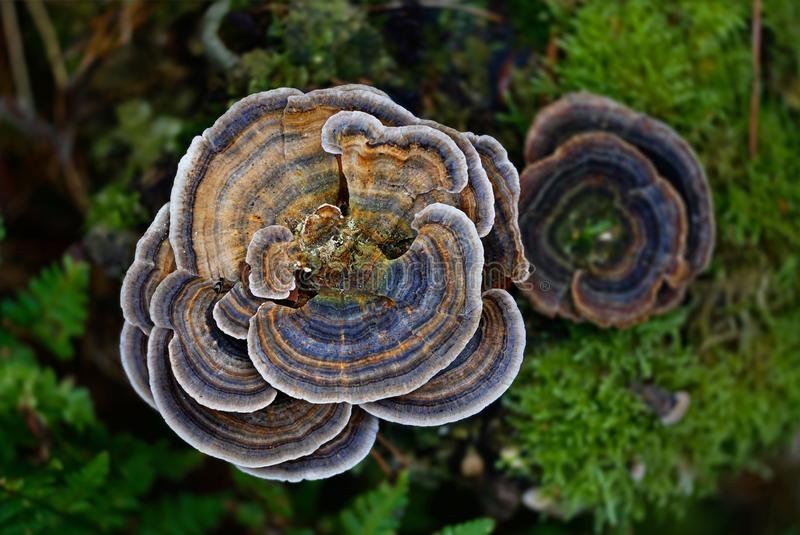
- Turkey Tail: Turkey Tail mushrooms are often used to support immune function and improve gut health. They contain compounds such as polysaccharides and beta-glucans, which may help regulate the immune system and support healthy digestion.
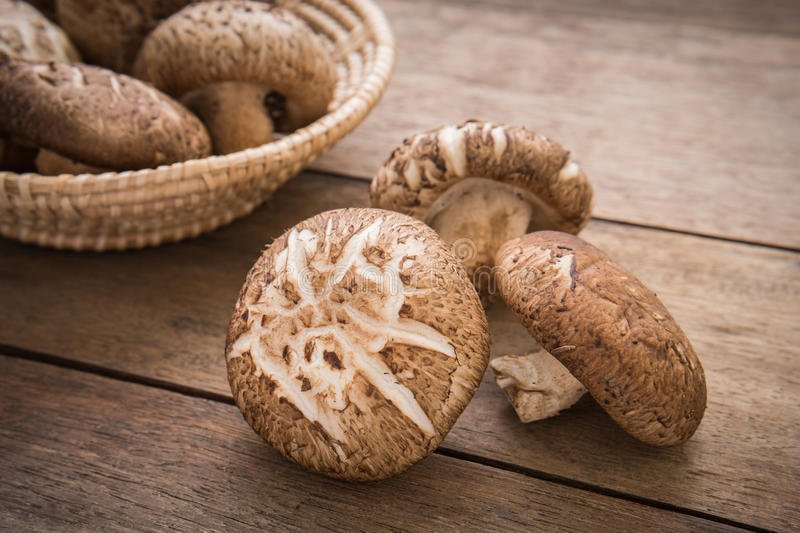
- Shiitake: Shiitake mushrooms are often used to support cardiovascular health and reduce inflammation. They contain compounds such as beta-glucans and ergothioneine, which may help lower cholesterol levels and protect against oxidative stress.
It’s important to note that while functional mushrooms may offer health benefits, they should not be used as a substitute for medical treatment or advice. If you’re considering adding functional mushrooms to your diet, it’s best to speak with a healthcare professional first to ensure they are safe for you to consume.
Functional mushrooms can be consumed in various forms, including teas, tinctures, capsules, and powders. Here are some of the most common ways to consume functional mushrooms:
- Tea: Brewing mushroom tea is one of the most traditional and straightforward ways to consume functional mushrooms. Simply steep dried mushrooms in hot water for 10-15 minutes, strain, and drink. This method is especially useful for more delicate mushrooms like Reishi, which can be tough to eat whole.
- Tinctures: Tinctures are concentrated extracts of functional mushrooms that are usually made by steeping the mushrooms in alcohol or glycerin. They are easy to consume and often have a long shelf life. They can be added to water or other beverages, making them a convenient option for on-the-go consumption.
- Capsules: Mushroom capsules are pre-measured doses of powdered functional mushrooms, making them a convenient option for those who don’t like the taste of mushroom tea or tinctures. They can be easily incorporated into a daily supplement regimen.
- Powders: Mushroom powders are made by grinding dried mushrooms into a fine powder. They can be added to smoothies, soups, or other foods, making them a versatile option for incorporating functional mushrooms into your diet.
It’s important to note that the optimal way to consume functional mushrooms depends on the type of mushroom and the desired health benefits. Some functional mushrooms may be better suited to certain forms of consumption than others.
Additionally, the dosage of functional mushrooms can vary depending on the form of consumption, so it’s important to follow the recommended dosage guidelines on the product label or speak with a healthcare professional before use.
Sources:
Guggenheim, A. G., & Wright, K. M. (2018). “Herbal medicine: Functional mushrooms.” The Journal of Family Practice, 67(4), 241–246. https://www.mdedge.com/familymedicine/article/160221/complementary-alternative-medicine/herbal-medicine-functional-mushrooms
Patel, S. (2017). “Functional Foods from Mushrooms: A Review.” Journal of Food Science and Technology, 54(12), 3753–3768. https://doi.org/10.1007/s13197-017-2916-z
Wasser, S. P. (2017). “Medicinal Mushroom Science: History, Current Status, Future Trends, and Unsolved Problems.” International Journal of Medicinal Mushrooms, 19(7), 1–16. https://doi.org/10.1615/IntJMedMushrooms.v19.i7.10
Wachtel-Galor, S., Yuen, J., Buswell, J. A., & Benzie, I. F. F. (2011). “Chapter 9 – Medicinal mushrooms (III): Mushrooms as neutraceuticals and functional foods.” In S. S. Chang, & P. G. Buswell (Eds.), Mushroom Biology and Biotechnology (pp. 251-267). CRC Press. https://doi.org/10.1201/b11359-11
 Green Earth Essentials