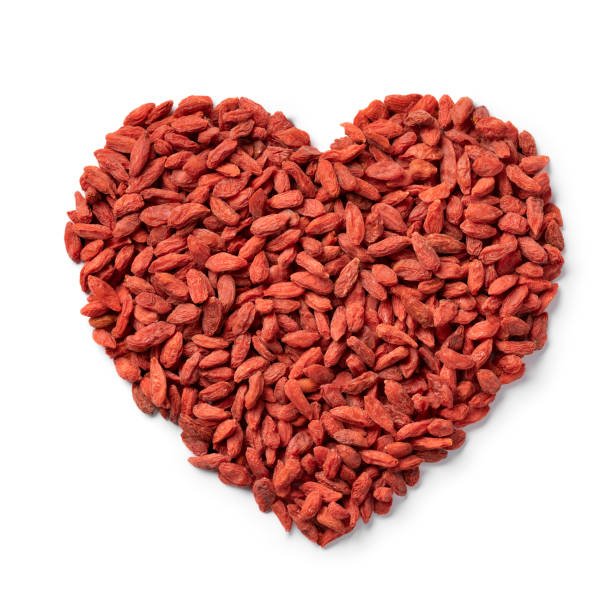
“Goji berries are a nutrient-dense superfood that have been cherished by Chinese herbalists for centuries for their ability to promote vitality, longevity, and overall well-being.” – Dr. Josh Axe
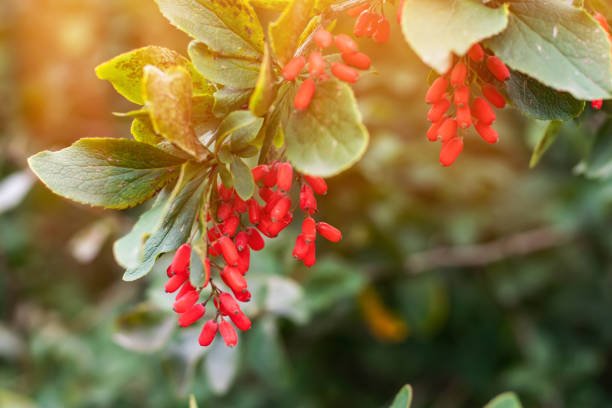
Goji berries, also known as wolfberries, are small, bright red berries that grow on a shrub native to China, Tibet, and Mongolia. They have been used for centuries in traditional Chinese medicine for their numerous health benefits.
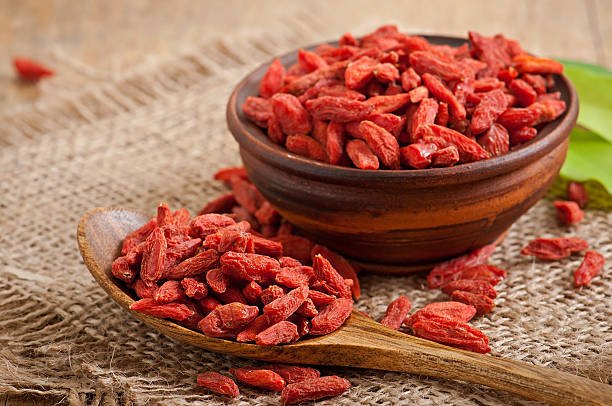
Goji berries are a rich source of vitamins, minerals, and antioxidants. They are often consumed dried or in supplement form and are added to various foods, such as trail mix, granola bars, and smoothies. They have a sweet, slightly sour taste and a chewy texture.
Here are some of the benefits of goji berries for health and nutrition:
Rich in Nutrients: Goji berries are a good source of vitamins A and C, iron, zinc, and fiber. These essential nutrients help boost your immune system, improve your digestion, and support healthy eyesight.
High in Antioxidants: Goji berries contain high levels of antioxidants, which help protect your body from damage caused by free radicals. Free radicals are unstable molecules that can damage your cells and contribute to the development of chronic diseases like cancer, heart disease, and Alzheimer’s.
May Improve Brain Function: Goji berries contain compounds that may help improve brain function and prevent cognitive decline. Studies have shown that consuming goji berries may help improve memory, attention, and mental clarity.
May Boost Energy: Goji berries contain a unique combination of nutrients that can help boost your energy levels and improve your mood. They are rich in complex carbohydrates, which provide a sustained source of energy, and contain amino acids that help improve mental focus and concentration.
May Lower Blood Sugar: Goji berries may help regulate blood sugar levels and improve insulin sensitivity. This can be beneficial for people with diabetes or those at risk of developing the condition.
May Improve Skin Health: Goji berries contain compounds that may help improve skin health and reduce the signs of aging. They are rich in vitamin C, which helps promote collagen production and keep your skin firm and youthful-looking.
May Boost Immunity: Goji berries contain compounds that may help boost your immune system and protect against infections. They have been shown to increase the production of white blood cells, which are essential for fighting off infections and diseases.
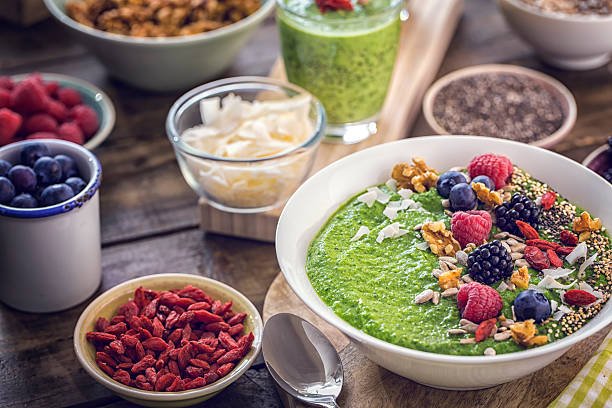
Incorporating goji berries into your diet is easy. You can snack on them raw, add them to smoothies, or use them in recipes like oatmeal, trail mix, and salads. Overall, goji berries are a great addition to any healthy diet and can provide numerous health benefits.
Here are three recipes with goji berries that you can try at home:
Goji Berry and Almond Granola Bars:
Ingredients:
1 cup rolled oats
1/2 cup almond flour
1/4 cup chopped almonds
1/4 cup goji berries
1/4 cup honey
1/4 cup almond butter
1/4 cup coconut oil
1 tsp vanilla extract
Instructions:
Preheat oven to 350°F and line an 8-inch square baking dish with parchment paper.
In a large bowl, combine oats, almond flour, chopped almonds, and goji berries.
In a small saucepan, combine honey, almond butter, coconut oil, and vanilla extract. Heat over low heat until melted and smooth.
Pour the wet ingredients over the dry ingredients and stir until well combined.
Press the mixture into the prepared baking dish and bake for 20-25 minutes, until golden brown.
Allow the bars to cool completely before cutting into squares.

Goji Berry and Quinoa Salad:
Ingredients:
1 cup quinoa
2 cups vegetable broth
1/4 cup goji berries
1/4 cup chopped fresh parsley
1/4 cup chopped fresh mint
1/4 cup chopped fresh cilantro
1/4 cup chopped almonds
1/4 cup olive oil
1/4 cup freshly squeezed lemon juice
Salt and pepper to taste
Instructions:
Rinse the quinoa and drain well.
In a medium saucepan, bring the vegetable broth to a boil. Add the quinoa, reduce heat to low, and simmer for 15-20 minutes, until tender.
In a large bowl, combine the cooked quinoa, goji berries, herbs, and chopped almonds.
In a small bowl, whisk together the olive oil, lemon juice, salt, and pepper.
Pour the dressing over the quinoa mixture and toss to combine.
Serve immediately or chill in the fridge until ready to serve.
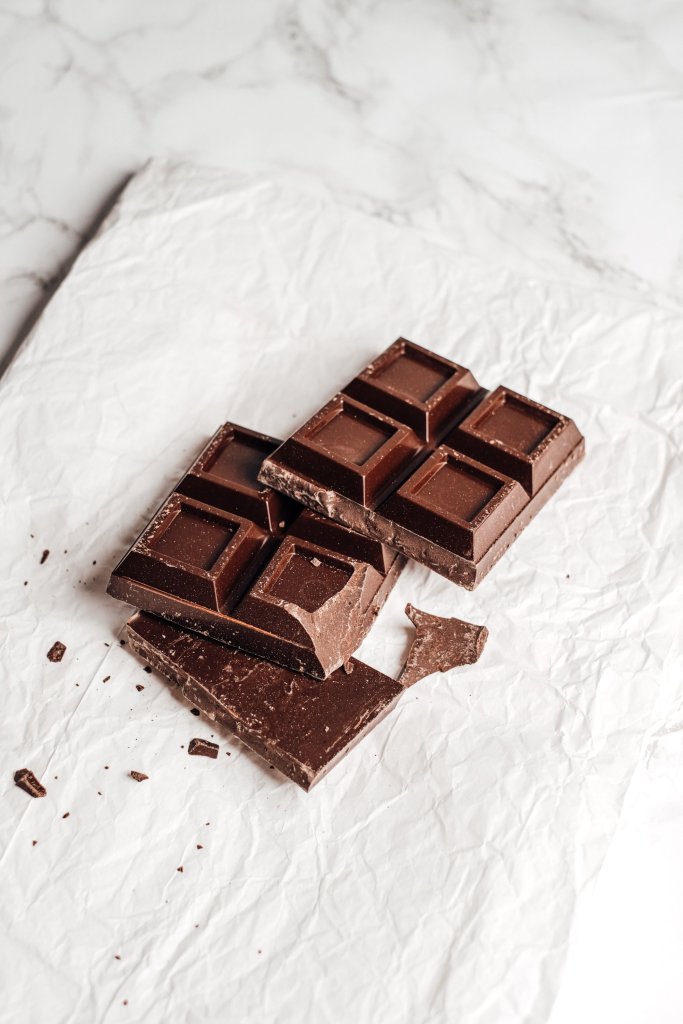
Goji Berry and Dark Chocolate Bark:
Ingredients:
1 cup dark chocolate chips
1/4 cup goji berries
1/4 cup chopped pistachios
1/4 cup unsweetened shredded coconut
Instructions:
Line a baking sheet with parchment paper.
Melt the dark chocolate chips in a double boiler or in the microwave.
Pour the melted chocolate onto the prepared baking sheet and spread it out evenly.
Sprinkle the goji berries, chopped pistachios, and shredded coconut over the chocolate.
Place the baking sheet in the fridge for 30 minutes, until the chocolate is firm.
Break the bark into pieces and serve.
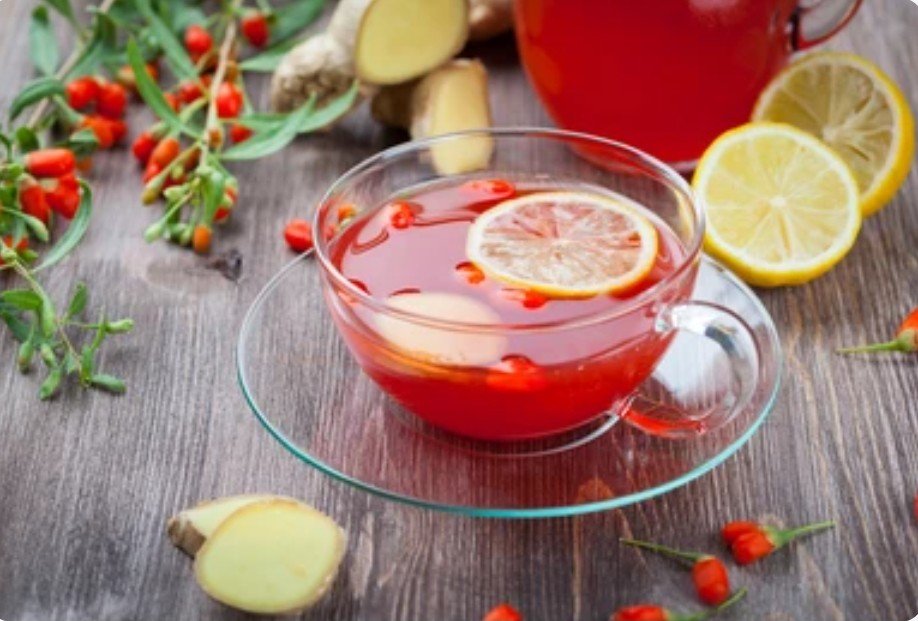
Decocting goji berries is a method of preparing them that involves simmering the berries in water to extract their nutrients and potentially obtain health benefits.
Decoction is a traditional method used in Chinese medicine to prepare herbal remedies, and it is believed to be an effective way to extract the active compounds from the herbs.
Some potential benefits of decocting goji berries include improved vision, immune function, and energy levels, as well as reduced inflammation and stress.
By decocting goji berries with other herbs, such as astragalus or chrysanthemum, you can create a customized herbal remedy to address specific health concerns.
It is important to note that while goji berries are generally considered safe, people taking certain medications or with certain health conditions should consult with a healthcare provider before adding goji berries or any new supplement to their routine.
Here are some potential benefits of decocting goji berries:
Antioxidant and anti-inflammatory properties: Goji berries are rich in antioxidants and have been shown to have anti-inflammatory properties. Decocting goji berries can help to release these antioxidants and potentially reduce inflammation in the body.
Immune system support: Goji berries contain polysaccharides, which are complex sugars that may help to boost the immune system. Decocting goji berries can help to extract these polysaccharides and potentially support immune function.
Eye health: Goji berries are rich in carotenoids, which are plant pigments that can help to protect the eyes from damage caused by free radicals. Decocting goji berries can help to release these carotenoids and potentially support eye health.
Energy and vitality: Goji berries are also believed to have energizing and vitality-enhancing properties. Decocting goji berries may help to release these properties and potentially improve energy levels and overall vitality.
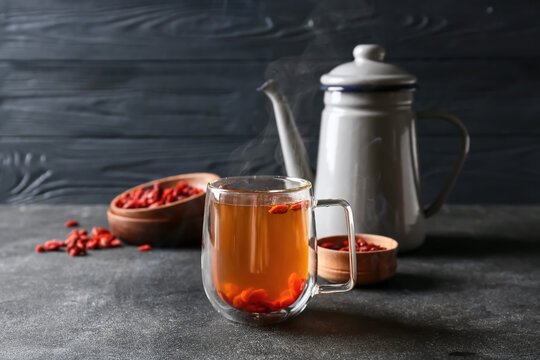
Decocting goji berries is a simple process that involves simmering them in hot water to extract their nutrients and flavor.
Ingredients:
1/4 cup goji berries
2 cups water
Instructions:
Rinse the goji berries in cold water and drain well.
Add the goji berries to a saucepan with 2 cups of water.
Bring the water to a boil over medium-high heat.
Reduce the heat to low and let the goji berries simmer for 20-30 minutes.
Strain the liquid through a fine mesh strainer to remove the goji berries.
Serve the decocted goji berry liquid hot or cold.
There are several other herbs that can be decocted with goji berries to create a flavorful and nutritious drink. Here are a few options:
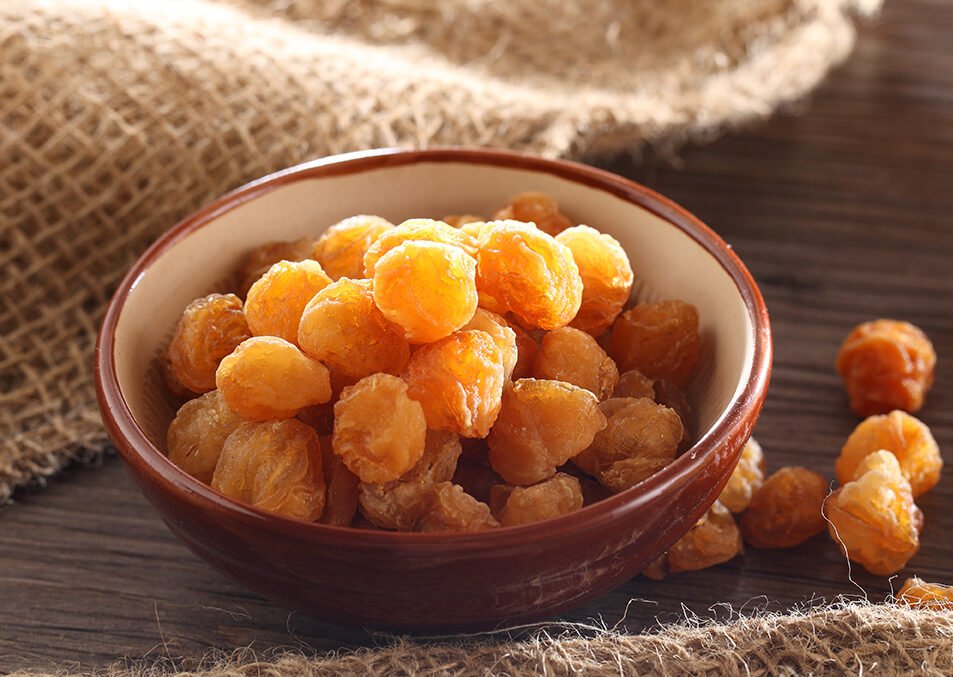
Dried longan: Dried longan is a type of fruit that is often used in traditional Chinese medicine for its calming properties. When decocted with goji berries, it can create a sweet and fragrant drink that may help to relieve stress and promote relaxation.
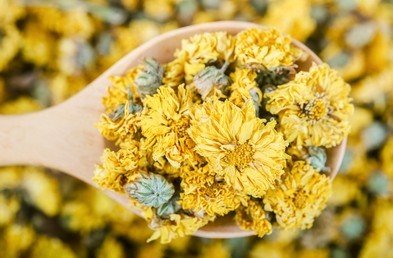
Chrysanthemum: Chrysanthemum is a type of flower that is often used in Chinese cuisine and medicine. When decocted with goji berries, it can create a light and refreshing drink that may help to cool the body and support eye health.
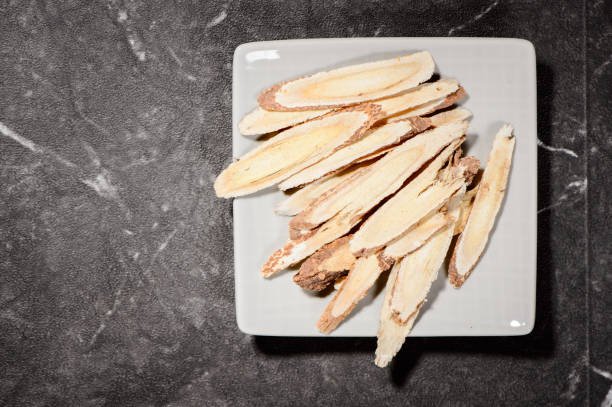
Astragalus root: Astragalus is a type of root that is commonly used in traditional Chinese medicine for its immune-boosting properties. When decocted with goji berries, it can create a rich and earthy drink that may help to support immune function and promote overall health.
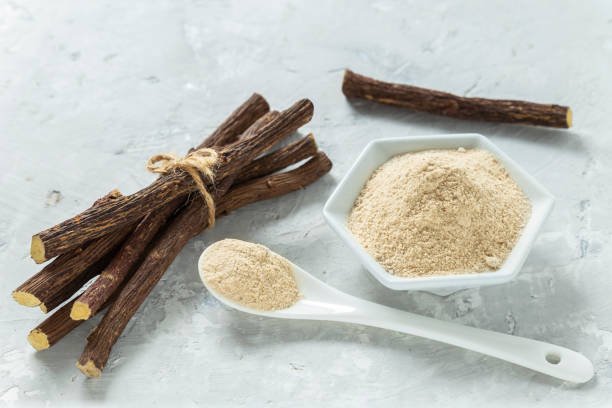
Licorice root: Licorice is a type of root that is often used in herbal medicine for its anti-inflammatory properties. When decocted with goji berries, it can create a sweet and slightly spicy drink that may help to reduce inflammation in the body.
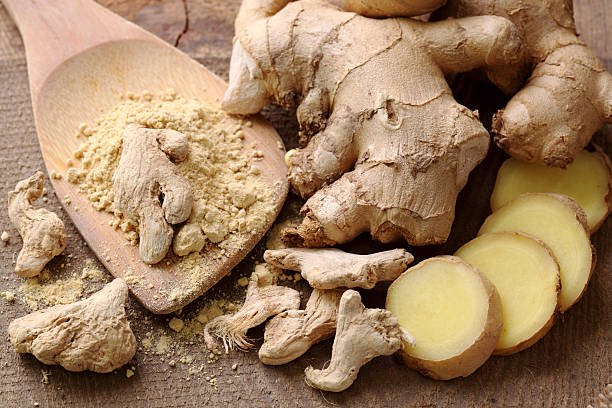
Ginger root: Ginger is a type of root that is commonly used in cooking and herbal medicine. When decocted with goji berries, it can create a warm and spicy drink that may help to soothe the stomach and promote digestive health.
These are just a few examples of herbs that can be decocted with goji berries. Experiment with different combinations to find the flavors and health benefits that work best for you!
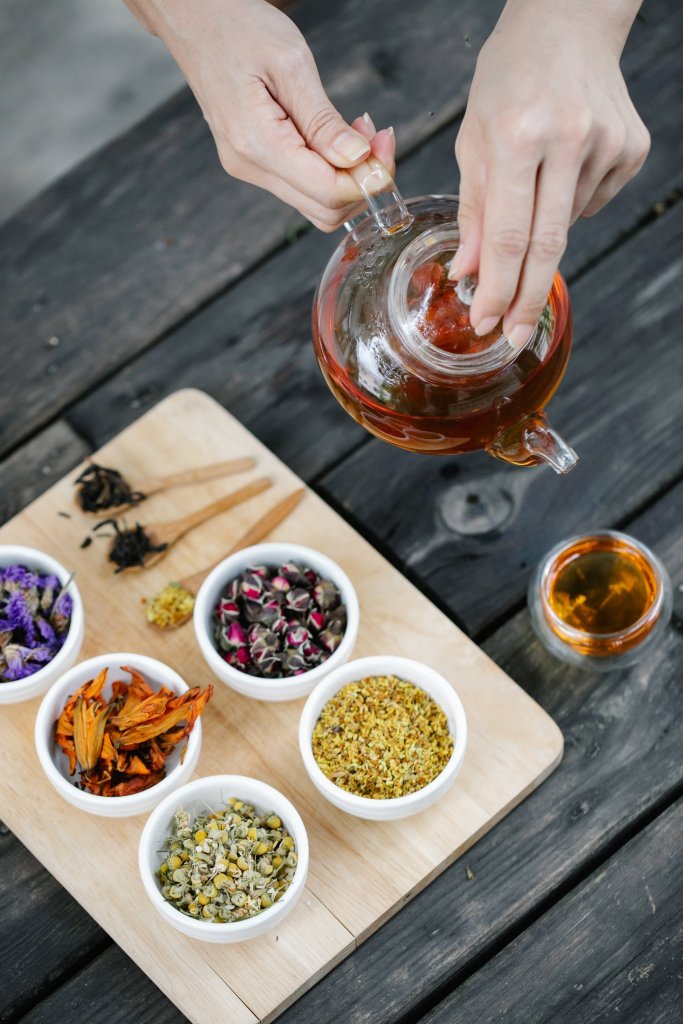
In traditional Chinese medicine (TCM), decoctions are a common way to prepare herbs and other natural ingredients for therapeutic purposes. Preparing traditional Chinese medicine (TCM) decoctions can be a time-consuming process that requires careful attention to detail.
Here are some TCM decoction recipes that include goji berries and their traditional uses:
Gui Pi Tang: Gui Pi Tang is a TCM formula that includes goji berries, longan fruit, astragalus root, and other herbs. It is traditionally used to nourish the blood, tonify the Qi (vital energy), and calm the mind.
Combine 12 grams of goji berries, 10 grams of longan fruit, 12 grams of astragalus root, and other herbs as directed by a TCM practitioner.
Add the herbs to a pot with 1.5 liters of water and bring to a boil.
Reduce heat and simmer for 30-40 minutes.
Strain the decoction and drink warm, 1-2 times per day.
Mai Men Dong Tang is a TCM formula that includes goji berries, ophiopogon root, and other herbs. It is traditionally used to nourish the Yin (fluids) and moisten the lungs, throat, and skin.
Combine 12 grams of goji berries, 10 grams of ophiopogon root, and other herbs as directed by a TCM practitioner.
Add the herbs to a pot with 1.5 liters of water and bring to a boil.
Reduce heat and simmer for 30-40 minutes.
Strain the decoction and drink warm, 1-2 times per day.
Qi Ju Di Huang Wan is a TCM formula that includes goji berries, chrysanthemum flowers, rehmannia root, and other herbs. It is traditionally used to nourish the liver and kidneys, tonify the Yin, and support eye health.
Combine 10 grams of goji berries, 10 grams of chrysanthemum flowers, 15 grams of rehmannia root, and other herbs as directed by a TCM practitioner.
Add the herbs to a pot with 1.5 liters of water and bring to a boil.
Reduce heat and simmer for 30-40 minutes.
Strain the decoction and drink warm, 1-2 times per day.
Ba Wei Di Huang Wan is a TCM formula that includes goji berries, rehmannia root, cornus fruit, and other herbs. It is traditionally used to nourish the kidneys and liver, tonify the Yin and Yang, and promote vitality and longevity.
Combine 12 grams of goji berries, 12 grams of rehmannia root, 12 grams of cornus fruit, and other herbs as directed by a TCM practitioner.
Add the herbs to a pot with 1.5 liters of water and bring to a boil.
Reduce heat and simmer for 30-40 minutes.
Strain the decoction and drink warm, 1-2 times per day.
Si Wu Tang is a TCM formula that includes goji berries, dang gui (angelica root), chuan xiong (ligusticum root), and peony root. It is traditionally used to nourish the blood, regulate menstruation, and support reproductive health.
Combine 12 grams of goji berries, 10 grams of dang gui (angelica root), 10 grams of chuan xiong (ligusticum root), 10 grams of peony root, and other herbs as directed by a TCM practitioner.
Add the herbs to a pot with 1.5 liters of water and bring to a boil.
Reduce heat and simmer for 30-40 minutes.
Strain the decoction and drink warm, 1-2 times per day.
It is important to note that the preparation and dosage of TCM formulas should always be guided by a licensed TCM practitioner, as different individuals may require different formulas or dosages based on their specific health conditions and constitution.
Healthline: https://www.healthline.com/nutrition/goji-berry-benefits
Verywell Health: https://www.verywellhealth.com/goji-berry-what-you-need-to-know-88892
NCBI: https://www.ncbi.nlm.nih.gov/pmc/articles/PMC6332372/
Herbal Academy: https://theherbalacademy.com/decoction-vs-infusion-whats-difference/
Traditional Chinese Medicine World Foundation: https://www.tcmworld.org/what-is-tcm/herbs/goji-berry/
 Green Earth Essentials