“The power of antimicrobial essential oils lies in their ability to combat pathogens while simultaneously supporting the body’s natural healing processes.” – Dr. Eric Zielinski
Essential oils have been used for centuries for their therapeutic benefits. Among them, antimicrobial essential oils are particularly noteworthy for their ability to fight off harmful microorganisms and prevent infections. In this article, we’ll delve into the top ten best antimicrobial essential oils and explore how they can be used to promote health and hygiene in both personal and home settings.
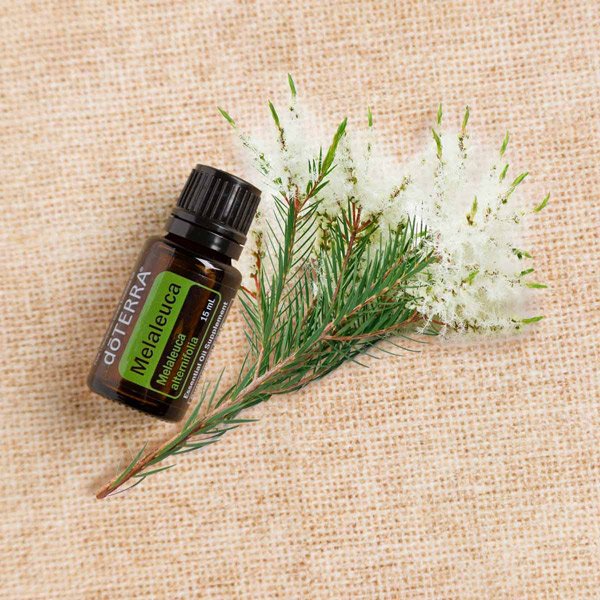
Tea Tree Oil – Tea tree oil is one of the most popular antimicrobial essential oils. It is known for its antiseptic and anti-inflammatory properties. It is commonly used to treat acne, dandruff, and fungal infections.
Tea tree oil is a natural remedy with a range of antimicrobial properties. It has been found to be effective against different types of fungi, including those that cause athlete’s foot, nail fungus, and ringworm.
Tea tree oil also exhibits antibacterial properties against a variety of bacteria, including those that cause acne, staph infections, and Streptococcus pyogenes, the bacteria responsible for strep throat.
In addition, tea tree oil has antiviral properties against certain viruses, including the influenza virus and herpes simplex virus. Moreover, tea tree oil has been found to be effective against protozoa, such as Giardia lamblia, which can cause gastrointestinal infections.
Overall, tea tree oil’s antimicrobial benefits make it a popular ingredient in many personal care products, such as soaps, shampoos, and lotions. However, it is important to note that tea tree oil can be toxic if ingested in large quantities, so it should always be used with caution and under the guidance of a healthcare professional.

Eucalyptus Oil – Eucalyptus oil has powerful antibacterial and antiviral properties. It is commonly used to treat respiratory infections, such as the common cold and flu.
Eucalyptus essential oil has been found to possess significant antimicrobial properties. This oil contains compounds such as eucalyptol, terpenes, and alpha-pinene, which have been shown to inhibit the growth of various bacteria, viruses, and fungi.
Studies have demonstrated the effectiveness of eucalyptus essential oil against a range of microorganisms, including Staphylococcus aureus, Escherichia coli, Candida albicans, and influenza virus.
The oil’s antimicrobial activity is attributed to its ability to disrupt cell membranes and inhibit enzymes required for the survival of these pathogens. Additionally, eucalyptus essential oil has been found to possess anti-inflammatory and antioxidant properties, making it a popular natural remedy for a variety of health issues.
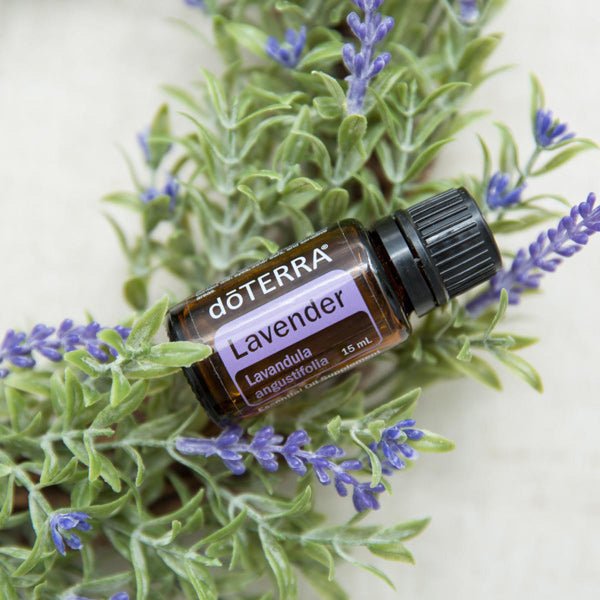
Lavender Oil – Lavender oil is known for its calming properties, but it also has powerful antimicrobial properties. It is commonly used to treat skin infections, such as cuts and scrapes.
Lavender essential oil has been known for its antimicrobial properties, which make it an effective natural remedy for a variety of ailments.
The oil contains compounds such as linalool and linalyl acetate, which have been shown to have potent antimicrobial activity against a range of bacteria and fungi.
This makes it particularly useful for treating skin infections, such as acne, eczema, and psoriasis, as well as respiratory infections like bronchitis and sinusitis.
Additionally, lavender oil has been found to be effective in reducing the growth of foodborne pathogens, making it a potential natural preservative for food products. Its ability to inhibit microbial growth without causing resistance or side effects makes it a promising alternative to conventional antimicrobial agents.
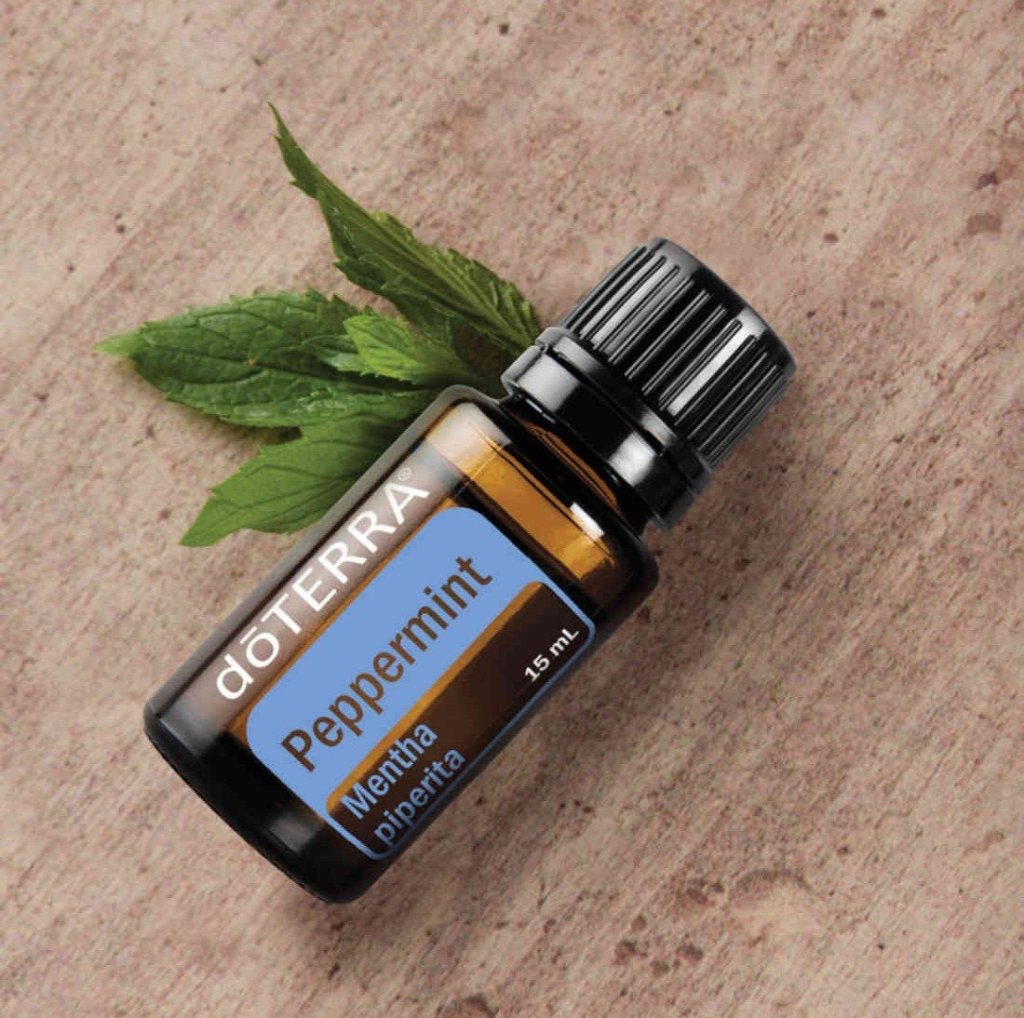
Peppermint Oil – Peppermint oil has powerful antiseptic and antibacterial properties. It is commonly used to treat digestive issues, such as bloating and indigestion.
Peppermint essential oil has long been known for its antimicrobial properties. The oil contains several compounds, including menthol and menthone, that have been shown to have antibacterial, antifungal, and antiviral effects.
Studies have demonstrated that peppermint oil can inhibit the growth of several harmful bacteria, including E. coli, Salmonella, and Staphylococcus aureus, as well as certain types of fungi.
Additionally, peppermint oil has been shown to have antiviral effects against herpes simplex virus and influenza virus. These antimicrobial properties make peppermint oil a valuable natural remedy for various infections and illnesses.
However, it is important to note that essential oils should always be used with caution and under the guidance of a healthcare professional.
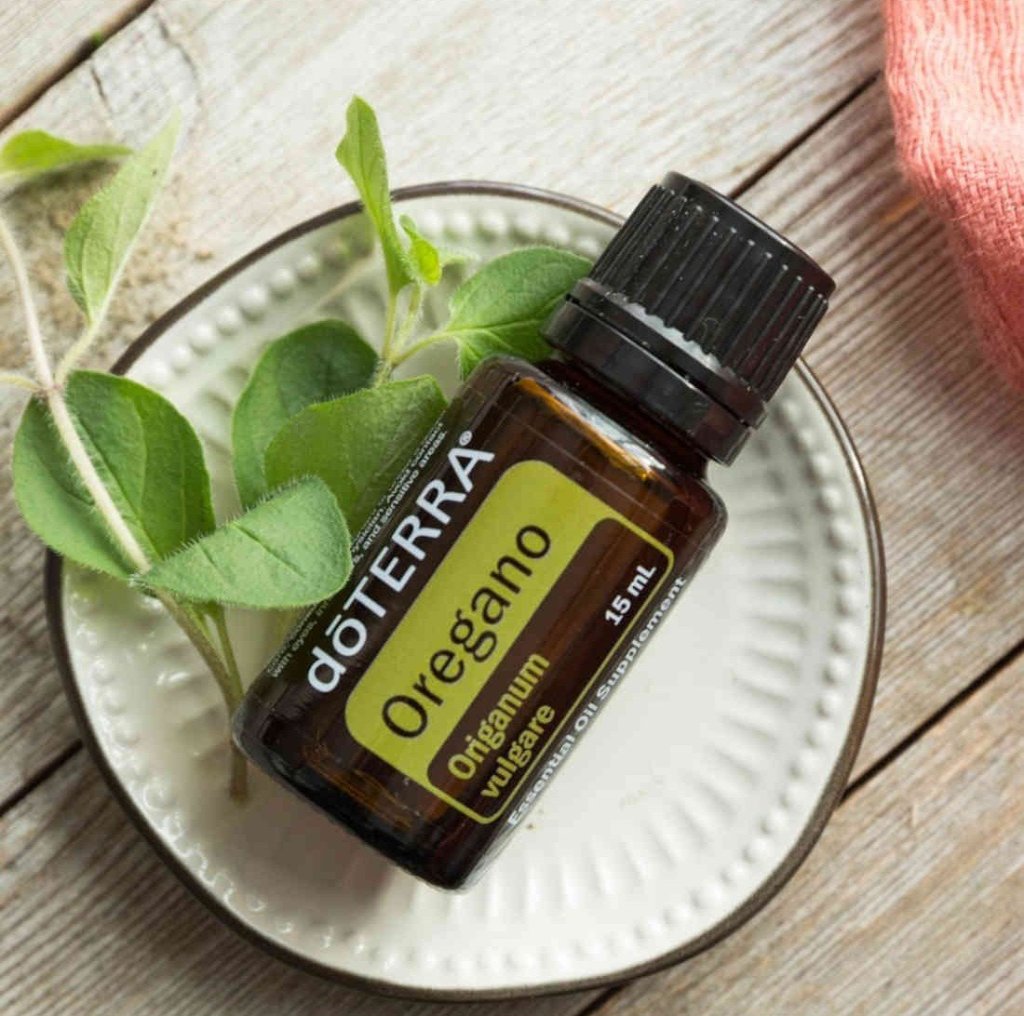
Oregano Oil – Oregano oil is a potent antimicrobial oil. It is commonly used to treat infections, such as urinary tract infections and respiratory infections.
Oregano essential oil is well-known for its antimicrobial benefits due to its high concentration of compounds such as carvacrol and thymol.
These compounds have been shown to have powerful antibacterial, antifungal, and antiviral properties, making oregano oil a popular natural remedy for various infections.
Studies have demonstrated its efficacy against a wide range of microorganisms, including Escherichia coli, Salmonella typhimurium, Candida albicans, and Herpes simplex virus.
Oregano oil can be used topically or internally to help fight infections and boost immunity. However, caution should be taken when using oregano oil as it is highly concentrated and can cause skin irritation or allergic reactions if not properly diluted.
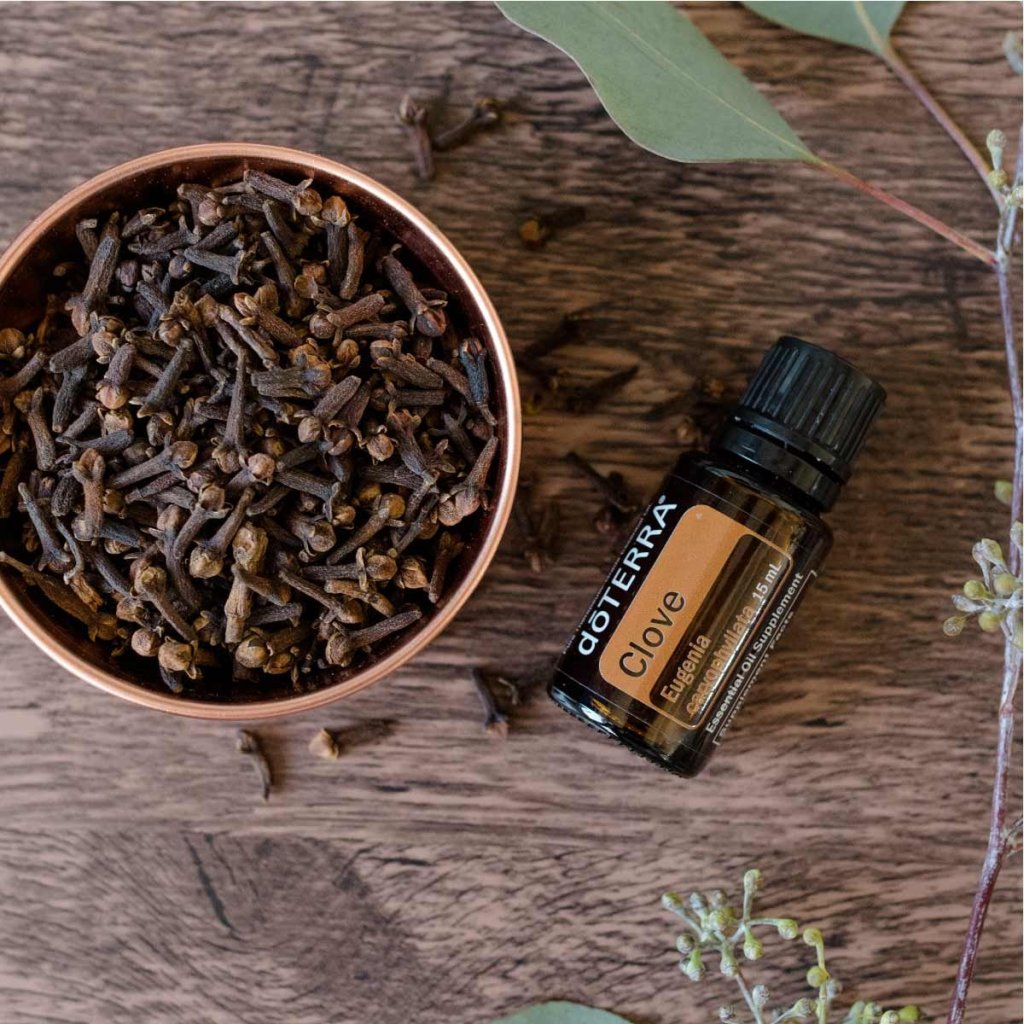
Clove Oil – Clove oil has powerful antiseptic and antibacterial properties. It is commonly used to treat dental issues, such as toothaches and gum infections.
Clove oil has been shown to have antimicrobial properties, meaning that it can effectively kill or inhibit the growth of microorganisms such as bacteria, viruses, and fungi. The active ingredient in clove oil is eugenol, which has been shown to have potent antimicrobial activity.
Studies have demonstrated that clove oil can effectively kill various strains of bacteria, including those that are resistant to antibiotics.
Clove oil has also been found to be effective against certain viruses and fungi. These antimicrobial properties make clove oil a popular natural remedy for a variety of health conditions, including dental infections, skin infections, and respiratory infections.

Thyme Oil – Thyme oil has strong antifungal and antimicrobial properties. It is commonly used to treat respiratory infections and skin infections.
Thyme essential oil is well-known for its antimicrobial properties, making it a popular natural remedy for various infections.
The oil contains potent compounds such as thymol, carvacrol, and terpinene, which have strong antibacterial, antiviral, and antifungal properties.
These compounds are effective against a wide range of microorganisms, including bacteria that cause infections such as staphylococcus aureus, Escherichia coli, and salmonella.
Thyme essential oil can also be effective against candida, a yeast that can cause infections such as thrush. The oil can be applied topically or diffused into the air to help purify the environment and ward off harmful microbes. Overall, thyme essential oil is a valuable tool in the fight against infections and maintaining a healthy environment.
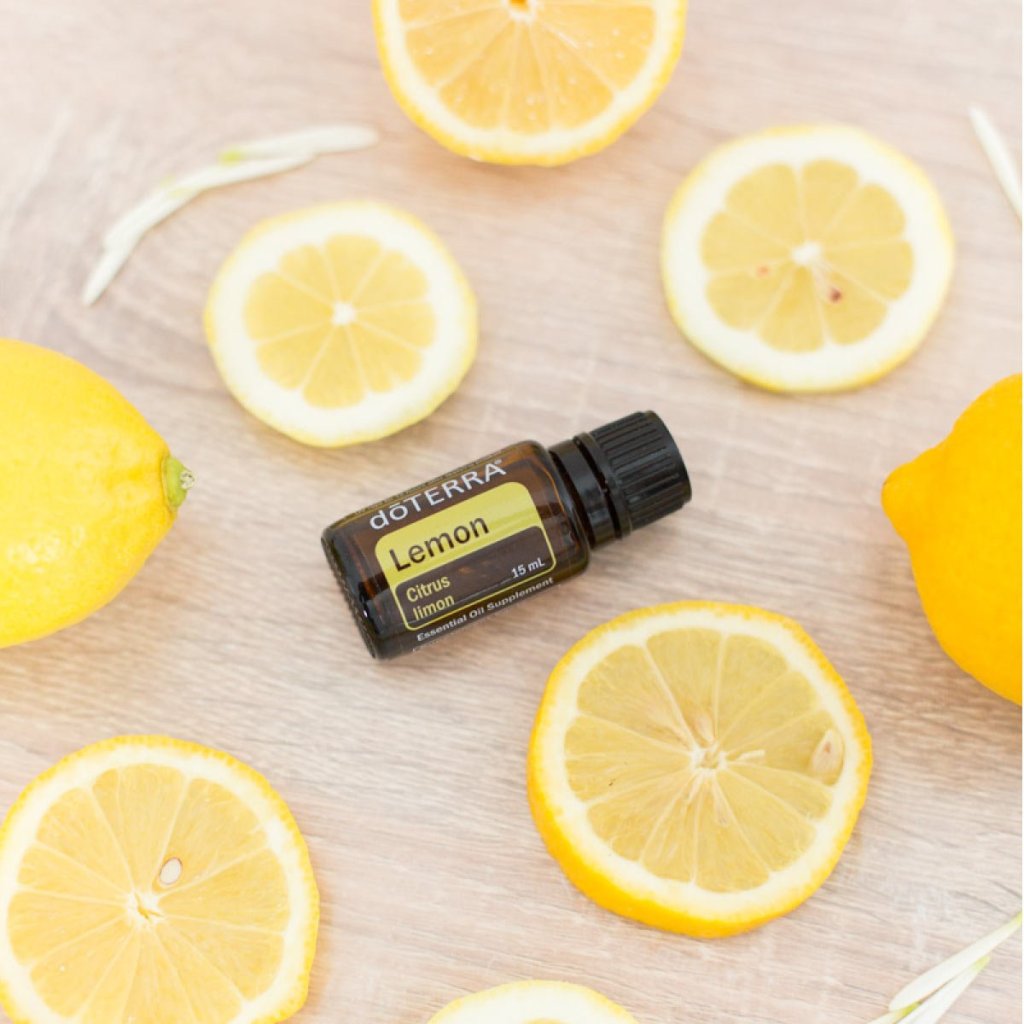
Lemon Oil – Lemon oil has powerful antimicrobial properties. It is commonly used to treat respiratory infections, such as the common cold and flu.
Lemon essential oil is known for its potent antimicrobial properties, which can help to combat a variety of harmful bacteria, viruses, and fungi. This oil is rich in compounds such as limonene, citral, and beta-pinene, which have been shown to possess strong antibacterial and antiviral properties.
Lemon essential oil can be used topically, aromatically, or even ingested in small quantities to help fight off infections and promote overall health and wellness.
Additionally, lemon essential oil is also believed to have antioxidant properties that can help to protect against cellular damage and support immune function, making it a valuable addition to any natural health regimen.
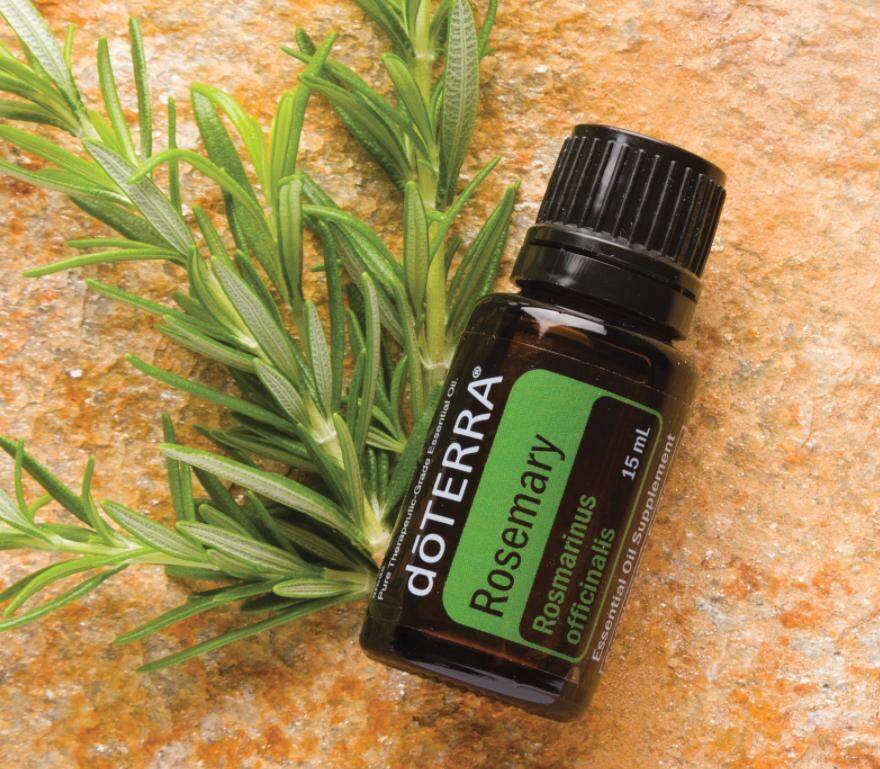
Rosemary Oil – Rosemary oil has powerful antibacterial properties. It is commonly used to treat skin infections, such as acne and eczema.
Rosemary essential oil is a powerful natural antimicrobial agent that can provide numerous health benefits. It contains high levels of terpenes, such as alpha-pinene and camphor, which have been shown to possess potent antimicrobial activity against a wide range of bacteria and fungi.
Studies have shown that rosemary essential oil can inhibit the growth of pathogenic bacteria like Staphylococcus aureus, Escherichia coli, and Salmonella typhimurium, as well as fungal strains such as Candida albicans.
Its antimicrobial properties make it a popular ingredient in natural products such as skin care formulations, household cleaners, and food preservatives. Overall, rosemary essential oil is a safe and effective natural alternative to conventional antimicrobial agents that can help promote good health and wellbeing.
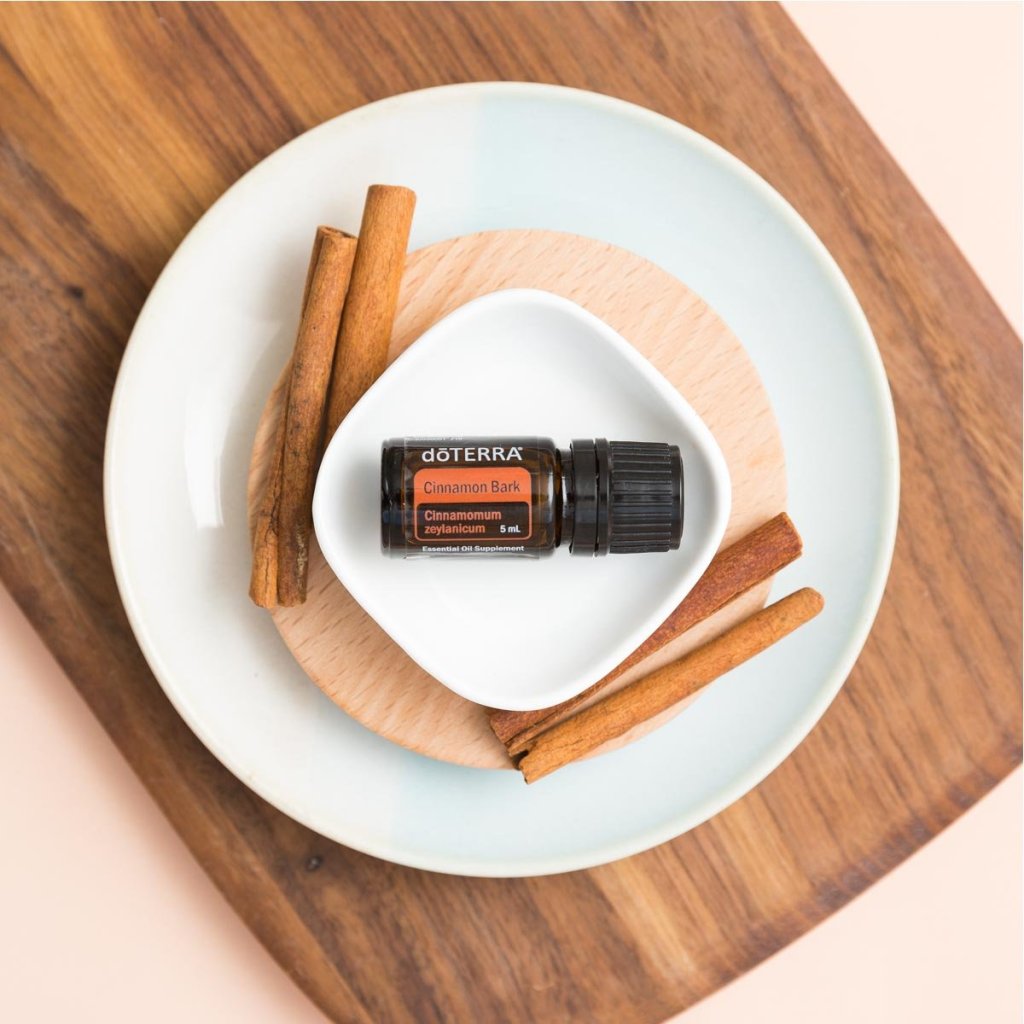
Cinnamon Oil – Cinnamon oil has potent antimicrobial properties. It is commonly used to treat respiratory infections, such as bronchitis and pneumonia.
Cinnamon essential oil is known for its antimicrobial benefits, which have been studied extensively. The oil contains a high concentration of cinnamaldehyde, which has been shown to have antibacterial, antifungal, and antiviral properties.
This means that cinnamon essential oil can be effective in preventing the growth and spread of harmful microorganisms, including those that can cause infections, illnesses, and diseases.
In addition, cinnamon essential oil has been found to be especially effective against certain strains of bacteria and fungi that are resistant to traditional antibiotics and antifungal medications. As a result, cinnamon essential oil is becoming an increasingly popular natural remedy for a range of health issues, including respiratory infections, digestive problems, and skin conditions.
How to use antimicrobial essential oils for health:
Diffuse the oil in your home or workplace to promote good health and to prevent the spread of germs.
Add a few drops of the oil to your bathwater to soothe your skin and to promote relaxation.
Apply the oil topically to your skin to treat various ailments, such as acne, cuts, and scrapes.
How to use antimicrobial essential oils for home:
Add a few drops of the oil to your cleaning solution to disinfect surfaces and to prevent the spread of germs.
Add a few drops of the oil to your laundry detergent to kill bacteria and to freshen your clothes.
Use the oil in a spray bottle to freshen the air in your home and to prevent the spread of germs.
Incorporating antimicrobial essential oils into your daily routine is a natural and effective way to support your overall health and wellbeing. With their powerful antimicrobial properties, these essential oils offer a simple yet effective means of preventing the spread of germs and infections in your personal and home environment.
By using these top ten best antimicrobial essential oils, including tea tree oil, eucalyptus oil, lavender oil, peppermint oil, oregano oil, clove oil, thyme oil, lemon oil, rosemary oil, and cinnamon oil, you can enjoy the benefits of a healthier and more hygienic lifestyle. So why not give them a try and see the difference they can make for you and your loved ones?
Sources:
National Center for Complementary and Integrative Health (NCCIH). (2020). Tea Tree Oil. Retrieved from https://www.nccih.nih.gov/health/tea-tree-oil
Healthline. (2021). Eucalyptus Oil: Benefits, Uses, and Side Effects. Retrieved from https://www.healthline.com/health/eucalyptus-oil
Medical News Today. (2021). Lavender essential oil: 10 health benefits and how to use it. Retrieved from https://www.medicalnewstoday.com/articles/265922
Healthline. (2021). Peppermint Oil: Benefits, Side Effects, Uses, and More. Retrieved from https://www.healthline.com/health/peppermint-oil-benefits
Healthline. (2020). Oregano Oil: Benefits, Uses, and Side Effects. Retrieved from https://www.healthline.com/health/oregano-oil-benefits
Healthline. (2020). Clove Oil: Benefits, Uses, and Side Effects. Retrieved from https://www.healthline.com/health/clove-oil-benefits
Healthline. (2018). Thyme Essential Oil: Benefits, Uses, and Side Effects. Retrieved from https://www.healthline.com/health/thyme-essential-oil
Healthline. (2019). Lemon Essential Oil: Benefits, Uses, and Precautions. Retrieved from https://www.healthline.com/health/lemon-essential-oil
Healthline. (2018). Rosemary Oil: Benefits, Uses, and Precautions. Retrieved from https://www.healthline.com/health/rosemary-oil-benefits
Healthline. (2020). Cinnamon Oil: Benefits, Side Effects, and Precautions. Retrieved from https://www.healthline.com/health/cinnamon-oil-benefits
Photos by: Pexels.com
 Green Earth Essentials