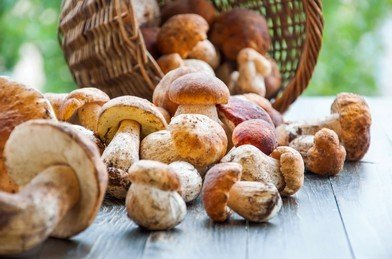
“Mushrooms are a symbol of life; they thrive in the dark and feed on decay, yet they give rise to new beginnings.” – Unknown
Mushrooms have been consumed by humans for thousands of years, both for their culinary appeal and their health benefits. They are a type of fungus that comes in many different shapes, sizes, and flavors. Culinary mushrooms can be found in supermarkets or grown at home, but wild foraged mushrooms are also becoming more popular. In this article, we will explore some of the most common types of culinary mushrooms, including those that are foraged in the wild, and their health benefits.
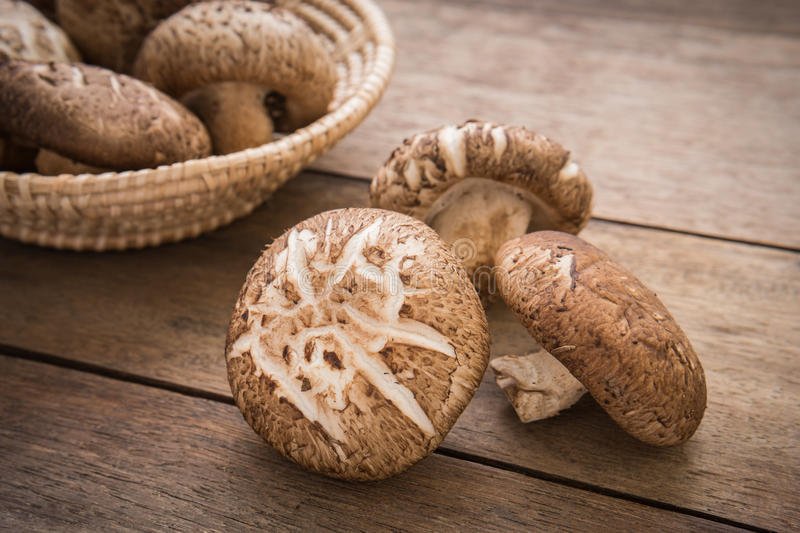
Shiitake Mushrooms
Shiitake mushrooms are native to East Asia and have been used in traditional medicine for centuries. They have a meaty texture and a rich, savory flavor, making them a popular ingredient in many Asian dishes. Shiitake mushrooms are an excellent source of B vitamins, copper, and selenium. They also contain a compound called lentinan, which has been shown to have immune-boosting properties. Studies have shown that shiitake mushrooms may help reduce inflammation, lower cholesterol levels, and improve heart health.
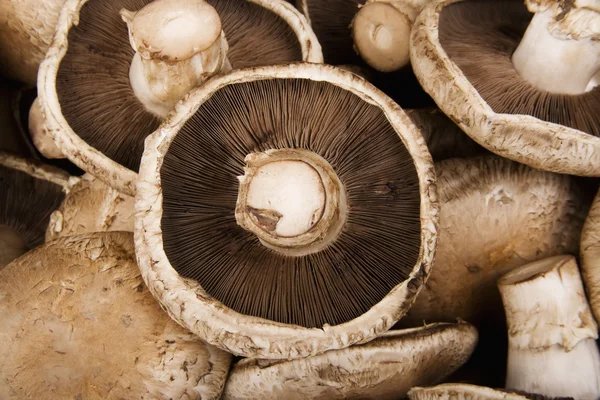
Portobello Mushrooms
Portobello mushrooms are large, meaty mushrooms that are often used as a vegetarian substitute for meat in burgers and other dishes. They have a rich, earthy flavor and a firm texture. Portobello mushrooms are a good source of protein, fiber, and several vitamins and minerals, including potassium, phosphorus, and selenium. They are also low in calories and fat, making them a healthy addition to any meal. Studies have shown that portobello mushrooms may help reduce inflammation and improve gut health.
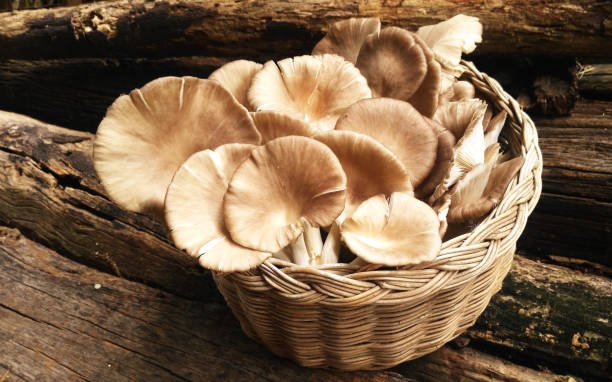
Oyster Mushrooms
Oyster mushrooms have a delicate, mild flavor and a soft texture. They are often used in stir-fries, soups, and stews. Oyster mushrooms are a good source of protein, fiber, and several vitamins and minerals, including potassium, copper, and zinc. They also contain a compound called ergothioneine, which has antioxidant properties. Studies have shown that oyster mushrooms may help improve immune function, lower cholesterol levels, and reduce inflammation.
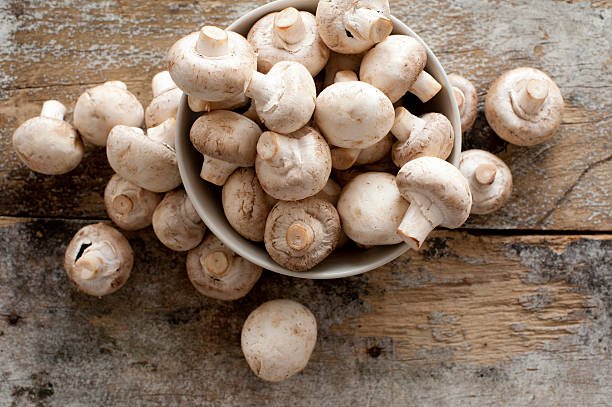
Button Mushrooms
Button mushrooms are the most commonly consumed mushrooms in the United States. They have a mild, slightly sweet flavor and a firm texture. Button mushrooms are a good source of B vitamins, including riboflavin, niacin, and pantothenic acid. They also contain several minerals, including selenium, copper, and potassium. Button mushrooms are low in calories and fat and may help improve gut health and reduce inflammation.
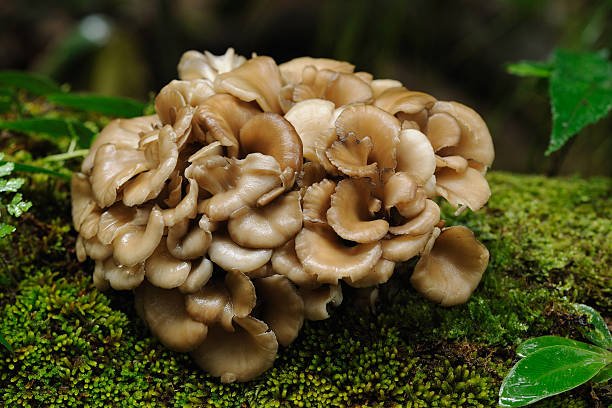
Maitake Mushrooms
Maitake mushrooms, also known as hen-of-the-woods, have a rich, earthy flavor and a meaty texture. They are often used in soups, stews, and stir-fries. Maitake mushrooms are a good source of B vitamins, potassium, and several antioxidants, including beta-glucans and polysaccharides. Studies have shown that maitake mushrooms may help improve immune function, lower blood sugar levels, and reduce inflammation.
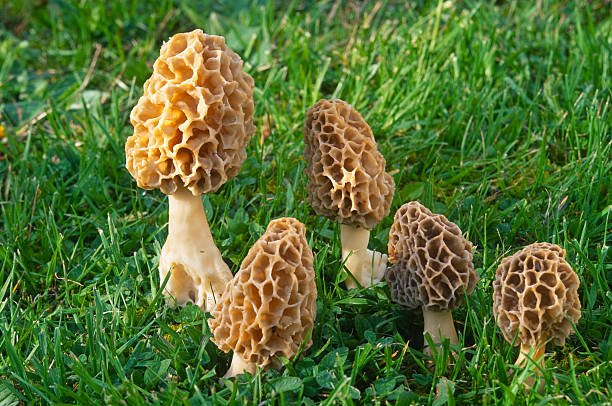
Wild Foraged Mushrooms
Wild foraged mushrooms, such as chanterelles, morels, and porcini, are becoming more popular in the culinary world. These mushrooms are not cultivated and grow naturally in the wild. They have a unique flavor profile and are often more expensive than cultivated mushrooms. Wild foraged mushrooms are a good source of vitamins and minerals, including vitamin D and potassium. They also contain several antioxidants and anti-inflammatory compounds. However, it is important to note that not all wild mushrooms are edible and some can be toxic, so it is important to properly identify them before consuming.
Mushrooms can be a great addition to a plant-based diet because they provide a variety of essential nutrients and can help supplement a diet that may be lacking in certain vitamins and minerals. Here are some ways that mushrooms can help provide essential nutrition for a plant-based diet:
Rich in B vitamins: Mushrooms are a good source of B vitamins, including riboflavin (B2), niacin (B3), pantothenic acid (B5), and folate (B9). B vitamins are important for energy production, nerve function, and the formation of red blood cells.
Good source of protein: While mushrooms are not a complete protein source, they do contain all the essential amino acids in varying amounts. Including mushrooms in a meal can help boost the protein content and make it more balanced.
Source of minerals: Mushrooms contain several important minerals, including potassium, copper, selenium, and phosphorus. These minerals are important for maintaining healthy bones, nerve function, and heart health.
High in antioxidants: Mushrooms are rich in antioxidants, which help protect the body from oxidative stress and reduce the risk of chronic diseases. Some antioxidants found in mushrooms include ergothioneine and glutathione.
Low in calories and fat: Many types of mushrooms are low in calories and fat, making them a great food to include in a plant-based diet. They can help add bulk to meals without adding excess calories or fat.
Overall, mushrooms can be a versatile and nutritious addition to a plant-based diet. They can be used in a variety of dishes, including salads, soups, stir-fries, and pasta dishes. By incorporating mushrooms into meals, plant-based eaters can help supplement their diet with important nutrients and enjoy their many health benefits.
Mushrooms are a versatile and nutritious addition to any meal. Each type of mushroom has its own unique flavor profile and nutritional benefits, so be sure to experiment with different varieties in your cooking.
Shiitake Mushroom and Broccoli Stir-Fry
Ingredients:
1 cup of shiitake mushrooms, sliced
2 cups of broccoli florets
2 cloves of garlic, minced
1 tablespoon of soy sauce
1 tablespoon of cornstarch
1 tablespoon of vegetable oil
Directions:
In a small bowl, whisk together the soy sauce and cornstarch.
Heat the vegetable oil in a wok or large skillet over medium-high heat.
Add the garlic and stir-fry for 30 seconds.
Add the shiitake mushrooms and broccoli and stir-fry for 2-3 minutes until the vegetables are tender.
Add the soy sauce mixture to the wok and stir-fry for another minute or until the sauce thickens.
Serve hot over rice or noodles.
Portobello Mushroom and Roasted Vegetable Sandwich
Ingredients:
2 portobello mushroom caps
1 red bell pepper, sliced
1 zucchini, sliced
1 onion, sliced
4 slices of whole-grain bread
2 tablespoons of hummus
2 tablespoons of balsamic vinegar
1 tablespoon of olive oil
Directions:
Preheat the oven to 400°F.
In a bowl, toss the red bell pepper, zucchini, and onion with the olive oil and balsamic vinegar.
Spread the vegetables in a single layer on a baking sheet and roast for 20-25 minutes or until the vegetables are tender and slightly caramelized.
Meanwhile, grill or sauté the portobello mushroom caps until they are tender and cooked through.
Toast the bread and spread hummus on each slice.
Top two slices of bread with the roasted vegetables and the other two slices with the grilled portobello mushroom caps.
Sandwich the two halves together and serve.
Oyster Mushroom and Tofu Curry
Ingredients:
1 cup of oyster mushrooms, sliced
1 block of tofu, cubed
1 can of coconut milk
2 cloves of garlic, minced
1 onion, chopped
1 tablespoon of curry powder
1 tablespoon of vegetable oil
Directions:
Heat the vegetable oil in a large saucepan over medium-high heat.
Add the garlic and onion and sauté for 2-3 minutes until the onion is translucent.
Add the curry powder and stir-fry for 1 minute until fragrant.
Add the oyster mushrooms and tofu and stir-fry for another 2-3 minutes until the mushrooms are tender.
Pour in the coconut milk and bring the curry to a boil.
Reduce the heat and let the curry simmer for 10-15 minutes until the sauce has thickened and the flavors have melded.
Serve hot over rice.
Button Mushroom and Quinoa Salad
Ingredients:
1 cup of button mushrooms, sliced
1 cup of quinoa, cooked
1 cup of cherry tomatoes, halved
1 avocado, diced
1/4 cup of chopped fresh parsley
2 tablespoons of olive oil
2 tablespoons of lemon juice
Salt and pepper to taste
Directions:
In a large bowl, combine the cooked quinoa, sliced mushrooms, halved cherry tomatoes, and diced avocado.
In a separate bowl, whisk together the olive oil and lemon juice.
Pour the dressing over the salad and toss to combine.
Add salt and pepper to taste.
Garnish the salad with chopped fresh parsley.
Serve chilled or at room temperature.
Wild Mushroom and Spinach Lasagna
Ingredients:
1 pound of lasagna noodles, cooked
2 cups of mixed wild mushrooms, sliced (such as chanterelles, morels, and porcini)
2 cups of spinach leaves
1 onion, chopped
4 cloves of garlic, minced
2 cups of tomato sauce
2 cups of vegan ricotta cheese
2 cups of vegan mozzarella cheese, shredded
2 tablespoons of olive oil
Directions:
Preheat the oven to 375°F.
Heat the olive oil in a large saucepan over medium-high heat.
Add the onion and garlic and sauté for 2-3 minutes until the onion is translucent.
Add the sliced mushrooms and spinach leaves and sauté for another 2-3 minutes until the vegetables are tender.
In a large bowl, mix together the vegan ricotta cheese and half of the shredded vegan mozzarella cheese.
In a 9×13 inch baking dish, spread a layer of tomato sauce on the bottom.
Place a layer of cooked lasagna noodles on top of the tomato sauce.
Spread a layer of the vegan ricotta cheese mixture on top of the noodles.
Add a layer of the mushroom and spinach mixture on top of the cheese.
Repeat layers until all of the ingredients are used up.
Sprinkle the remaining shredded vegan mozzarella cheese on top.
Bake the lasagna in the preheated oven for 30-40 minutes or until the cheese is melted and bubbly.
Let the lasagna cool for a few minutes before slicing and serving.
Sources:
Health Benefits of Shiitake Mushrooms. (n.d.). Retrieved from https://www.webmd.com/diet/health-benefits-shiitake-mushrooms#1
Portobello Mushrooms: Nutrition, Benefits, and How to Cook Them. (2021, February 23). Retrieved from https://www.healthline.com/nutrition/portobello-mushroom
The Benefits of Oyster Mushrooms. (2020, September 30). Retrieved from https://www.verywellfit.com/the-benefits-of-oyster-mushrooms-4581738
Button Mushrooms: Nutrition, Benefits, and How to Cook Them. (2020, August 18). Retrieved from https://www.healthline.com/nutrition/button-mushrooms
Maitake Mushroom: Benefits, Side Effects, and Dosage. (2020, November 6). Retrieved from https://www.healthline.com/nutrition/maitake-mushroom
“Health benefits of mushrooms” by Megan Ware, RDN, LD. Medical News Today. https://www.medicalnewstoday.com/articles/278858
“Mushroom Nutrition Facts and Health Benefits” by Amy Goodson, MS, RD, CSSD, LD. Verywell Fit. https://www.verywellfit.com/mushroom-nutrition-facts-calories-and-health-benefits-4165601
“Mushrooms: The overlooked superfood” by Kathleen M. Zelman, MPH, RD, LD. WebMD. https://www.webmd.com/food-recipes/features/mushrooms-the-overlooked-superfood#1
 Green Earth Essentials