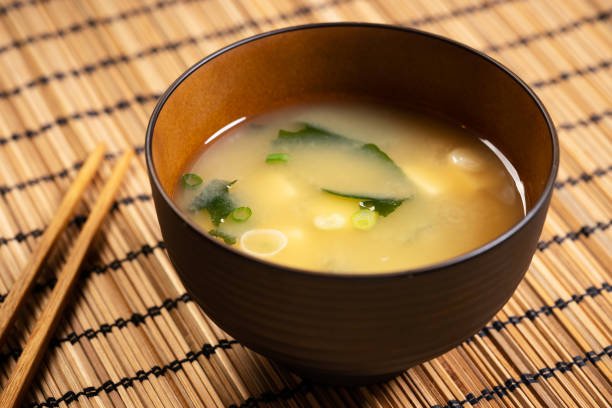
“Of all the broths in the world, miso is the most mysterious and comforting.” – Ruth Reichl, American food writer and journalist.
Miso soup has been a staple in Japanese cuisine for centuries. Its unique umami flavor and soothing warmth have made it a comfort food that is beloved by many. However, miso soup is more than just a tasty dish. It is also incredibly nutritious and offers a range of health benefits. In this blog post, we’ll explore the history and culture of miso soup, as well as the many reasons why you should consider making it a daily habit.
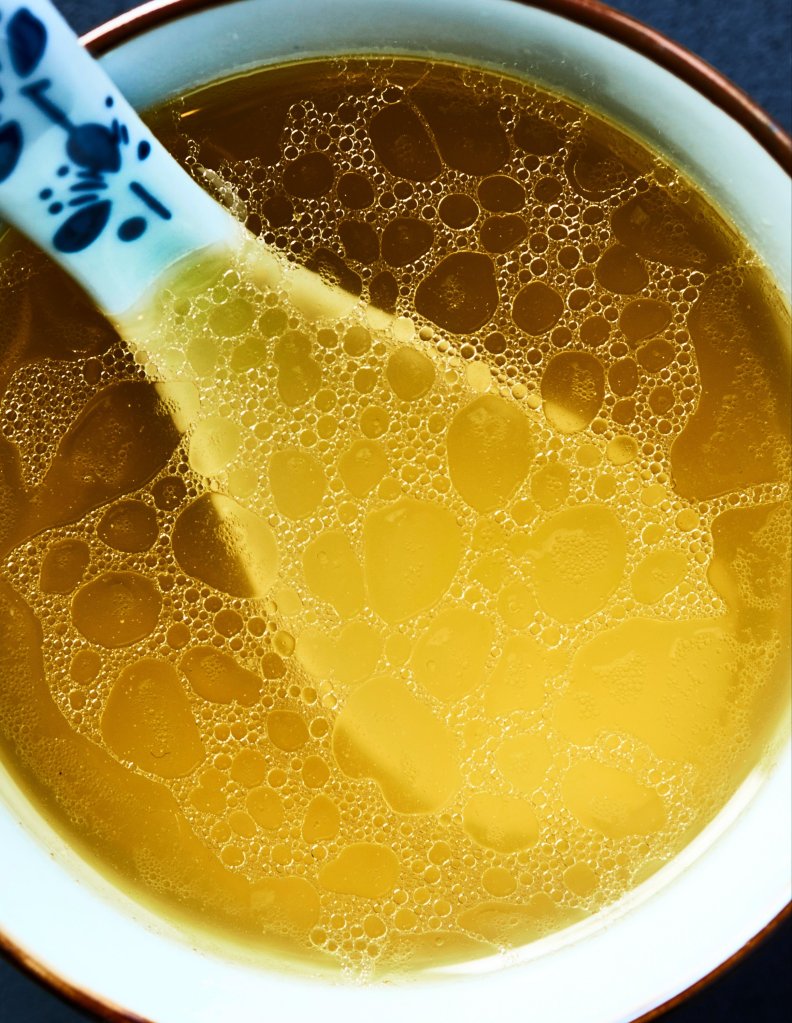
The History and Culture of Miso Soup
Miso soup is a traditional Japanese dish that dates back to the 7th century. It is made by combining miso paste (made from fermented soybeans), dashi broth (made from dried fish and kelp), and various vegetables and seasonings. The dish was initially served in Buddhist temples as a way to promote good health and well-being. Over time, miso soup became a popular dish among the general population, and it is now a staple in Japanese cuisine.
In Japan, miso soup is often served as a breakfast food, and it is considered a healthy way to start the day. The soup is also commonly consumed as a part of lunch and dinner meals. In recent years, miso soup has gained popularity around the world, and it is now widely available in many countries.
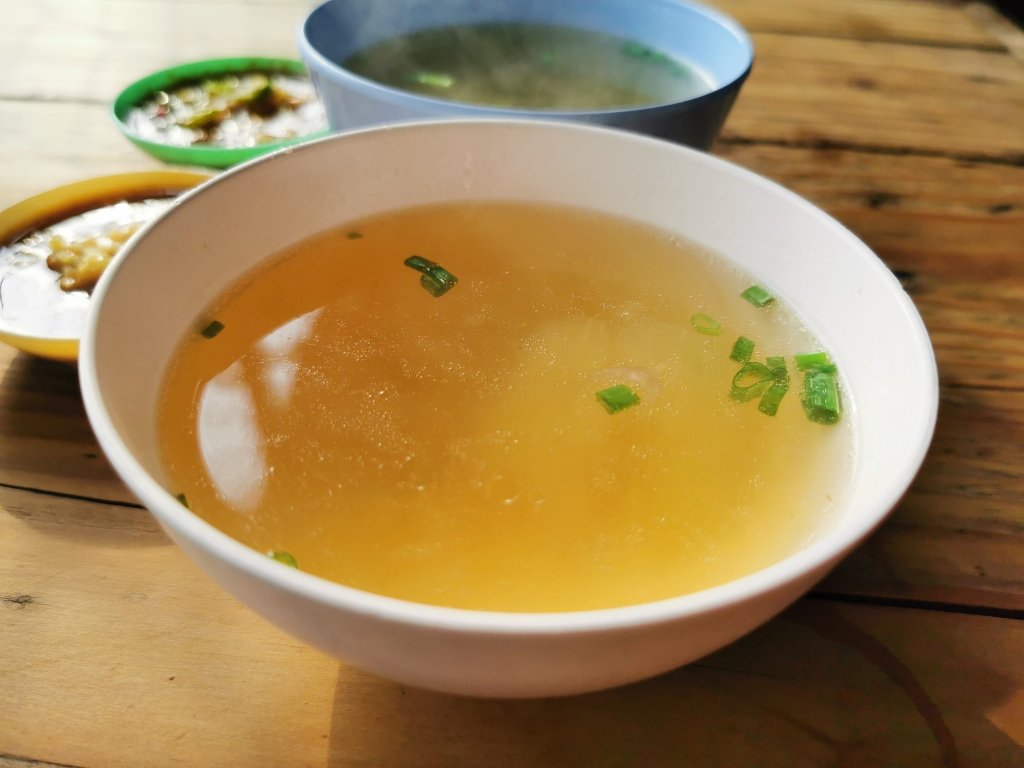
The Health Benefits of Miso Soup
Miso soup is not only delicious, but it also offers a range of health benefits. Here are just a few of the many reasons why you should consider drinking miso soup daily:
Improves Digestion: Miso soup contains enzymes that help to break down and digest food more efficiently. This can help to reduce bloating and other digestive issues.
Boosts Immune System: Miso soup is rich in probiotics, which are beneficial bacteria that help to support a healthy immune system. Probiotics also help to maintain a healthy balance of gut bacteria, which is essential for overall health.
Lowers Blood Pressure: Studies have shown that the probiotics in miso soup can help to lower blood pressure, which is beneficial for those with hypertension.
Reduces Risk of Cancer: Miso contains antioxidants that help to protect the body against free radicals, which can cause cellular damage and increase the risk of cancer.
Promotes Weight Loss: Miso soup is low in calories and high in protein, making it a great food for weight loss. The protein in miso also helps to keep you feeling full for longer, which can prevent overeating.

Why You Should Drink Miso Soup Daily
In addition to its many health benefits, there are plenty of other reasons why you should consider making miso soup a daily habit. Here are just a few:
It’s Easy to Make: Miso soup is a quick and easy dish to prepare. Simply combine miso paste, dashi broth, and your choice of vegetables and seasonings, and you’ll have a delicious and nutritious meal in minutes.
It’s Versatile: Miso soup is a versatile dish that can be customized to suit your tastes. You can add your favorite vegetables, such as mushrooms, tofu, or seaweed, to create a variety of different flavors.
It’s Affordable: Miso soup is an affordable dish that can be made with simple ingredients that are easy to find at your local grocery store.
It’s Delicious: Last but certainly not least, miso soup is delicious! Its unique umami flavor is both comforting and satisfying, making it a perfect choice for any meal.
Miso soup is a nutritious and versatile dish that offers a range of health benefits. With its easy preparation, affordability, and delicious taste, miso soup is a great choice for anyone looking to add more healthy and satisfying meals to their daily routine. So why not give it a try and see how it can improve your overall well-being?
To try miso for yourself, here are 5 easy recipes to give you some ideas on how to incorporate miso into your daily meals.
Miso Ramen with Shiitake Mushrooms and Bok Choy
Ingredients:
6 cups vegetable broth
4 cloves garlic, minced
1 tablespoon grated ginger
2 tablespoons white miso paste
2 tablespoons soy sauce
8 ounces shiitake mushrooms, sliced
4 ounces ramen noodles
4 baby bok choy, chopped
4 green onions, sliced
2 tablespoons sesame oil
Sesame seeds, for garnish
Instructions:
In a large pot, bring the vegetable broth, garlic, ginger, miso paste, and soy sauce to a simmer.
Add the shiitake mushrooms and ramen noodles and cook for 5 minutes.
Add the chopped bok choy and green onions and cook for an additional 2 minutes.
Remove from heat and stir in sesame oil.
Serve hot with sesame seeds for garnish.
Miso Glazed Eggplant
Ingredients:
2 large eggplants, sliced into rounds
2 tablespoons white miso paste
2 tablespoons maple syrup
2 tablespoons soy sauce
1 tablespoon sesame oil
1 tablespoon rice vinegar
1 tablespoon grated ginger
Sesame seeds, for garnish
Instructions:
Preheat the oven to 400°F.
In a small bowl, whisk together the miso paste, maple syrup, soy sauce, sesame oil, rice vinegar, and grated ginger.
Brush the miso glaze over the eggplant rounds and place them on a baking sheet.
Bake for 20-25 minutes or until the eggplant is tender and the glaze is caramelized.
Garnish with sesame seeds and serve.
Miso Soup with Tofu and Wakame
Ingredients:
6 cups vegetable broth
4 tablespoons white miso paste
4 ounces firm tofu, cubed
2 ounces wakame seaweed
1 tablespoon soy sauce
1 tablespoon rice vinegar
1 tablespoon grated ginger
Green onions, sliced, for garnish
Instructions:
In a large pot, bring the vegetable broth to a simmer.
Whisk in the miso paste, soy sauce, rice vinegar, and grated ginger until smooth.
Add the cubed tofu and wakame seaweed and cook for 2-3 minutes or until the seaweed is tender.
Remove from heat and garnish with sliced green onions.
Serve hot.
Miso-Glazed Roasted Vegetables
Ingredients:
1 head cauliflower, chopped into florets
2 cups Brussels sprouts, halved
2 tablespoons white miso paste
2 tablespoons maple syrup
1 tablespoon soy sauce
1 tablespoon rice vinegar
1 tablespoon grated ginger
1 tablespoon sesame oil
Sesame seeds, for garnish
Instructions:
Preheat the oven to 400°F.
In a small bowl, whisk together the miso paste, maple syrup, soy sauce, rice vinegar, grated ginger, and sesame oil.
Toss the cauliflower and Brussels sprouts in the miso glaze until evenly coated.
Spread the vegetables out on a baking sheet and roast for 25-30 minutes, or until tender and caramelized.
Garnish with sesame seeds and serve.
Miso-Ginger Noodle Bowl
Ingredients:
8 ounces soba noodles
1 tablespoon vegetable oil
2 cloves garlic, minced
1 tablespoon grated ginger
1 red bell pepper, sliced
1 cup snow peas
2 tablespoons white miso paste
2 tablespoons soy sauce
2 tablespoons rice vinegar
1 tablespoon maple syrup
1 tablespoon sesame oil
1 tablespoon sriracha (optional)
Green onions, sliced, for garnish
Sesame seeds, for garnish
Instructions:
Cook the soba noodles according to package instructions, then drain and set aside.
In a large skillet, heat the vegetable oil over medium heat.
Add the minced garlic and grated ginger and sauté for 1-2 minutes until fragrant.
Add the sliced red bell pepper and snow peas and sauté for 3-4 minutes until tender-crisp.
In a small bowl, whisk together the miso paste, soy sauce, rice vinegar, maple syrup, sesame oil, and sriracha (if using).
Add the cooked soba noodles to the skillet and pour the miso-ginger sauce over top. Toss everything together until well combined.
Garnish with sliced green onions and sesame seeds, and serve hot.
Sources:
“Miso Soup: Nutrition, Benefits and How to Make It.” Healthline, Healthline Media, 2018, http://www.healthline.com/nutrition/miso-soup.
“The History of Miso Soup.” Japan Talk, Japan Talk, 2019, http://www.japan-talk.com/jt/new/history-of-miso-soup.
“Miso Soup.” Just One Cookbook, Just One Cookbook, 2021, http://www.justonecookbook.com/miso-soup.
“Probiotic Misozuke Pickles.” Fermenters Kitchen, Fermenters Kitchen, 2015, fermenterskitchen.com/probiotic-misozuke-pickles.
“Miso and Blood Pressure: Insights into the Effects of Miso Ingestion on Blood Pressure in Humans.” Journal of Traditional and Complementary Medicine, Elsevier, 2015, http://www.ncbi.nlm.nih.gov/pmc/articles/PMC4865112/.
 Green Earth Essentials