“Sun salutations are a complete meditative exercise, wherein the practitioner combines deep breathing with flowing movements, creating a sense of harmony and balance between the mind, body, and soul.” – Shiva Rea
Yoga is an ancient practice that originated in India and has become increasingly popular in the Western world. One of the most common sequences of yoga postures is the Sun Salutation Series A, also known as Surya Namaskar A. It is a great way to start your day, warm up your body, and build strength and flexibility. In this blog article, we will discuss the steps of the Sun Salutation Series A and provide tips for beginners.
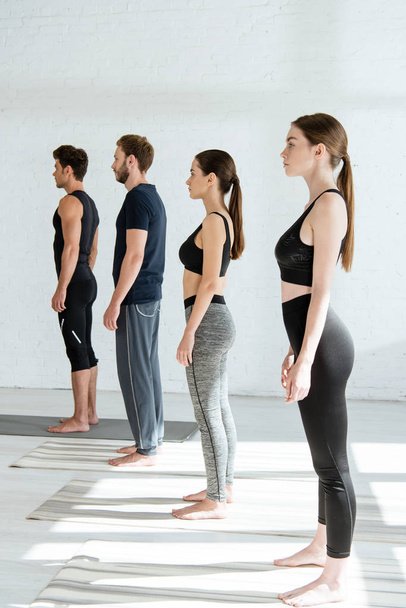
Step 1: Mountain Pose (Tadasana)
Begin standing at the front of your mat with your feet hip-width apart, arms at your sides, and palms facing forward. Engage your core, lengthen your spine, and relax your shoulders. Take a deep breath in and out, and feel grounded in your feet.
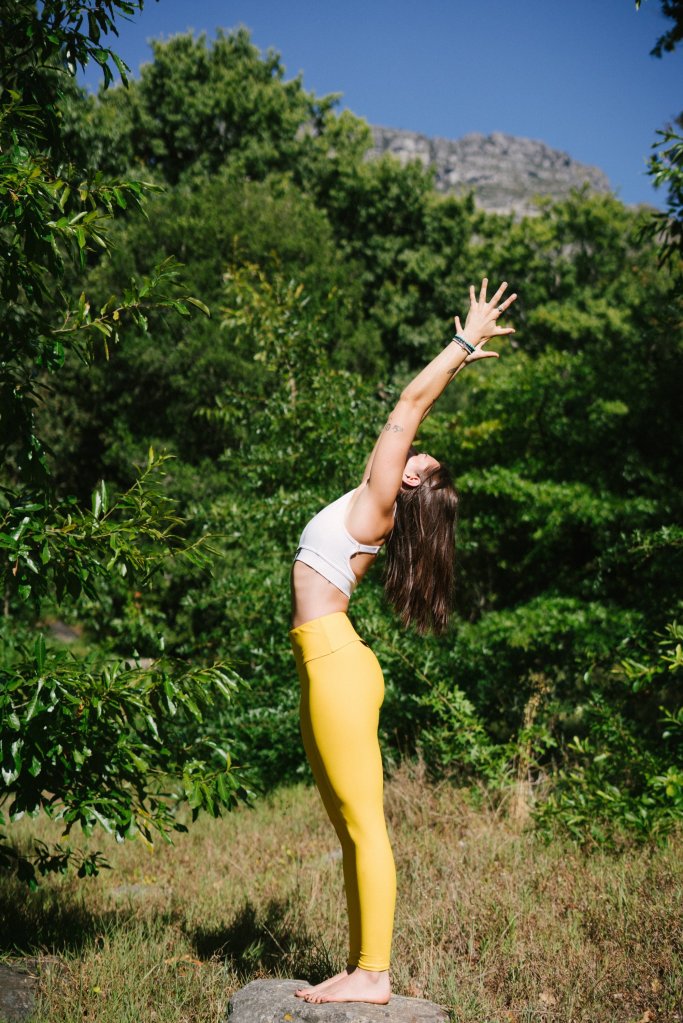
Step 2: Upward Salute (Urdhva Hastasana)
On your next inhale, reach your arms up towards the sky, bringing your palms together overhead. Gently arch your back, lifting your gaze towards your hands. Keep your shoulders relaxed and your core engaged.
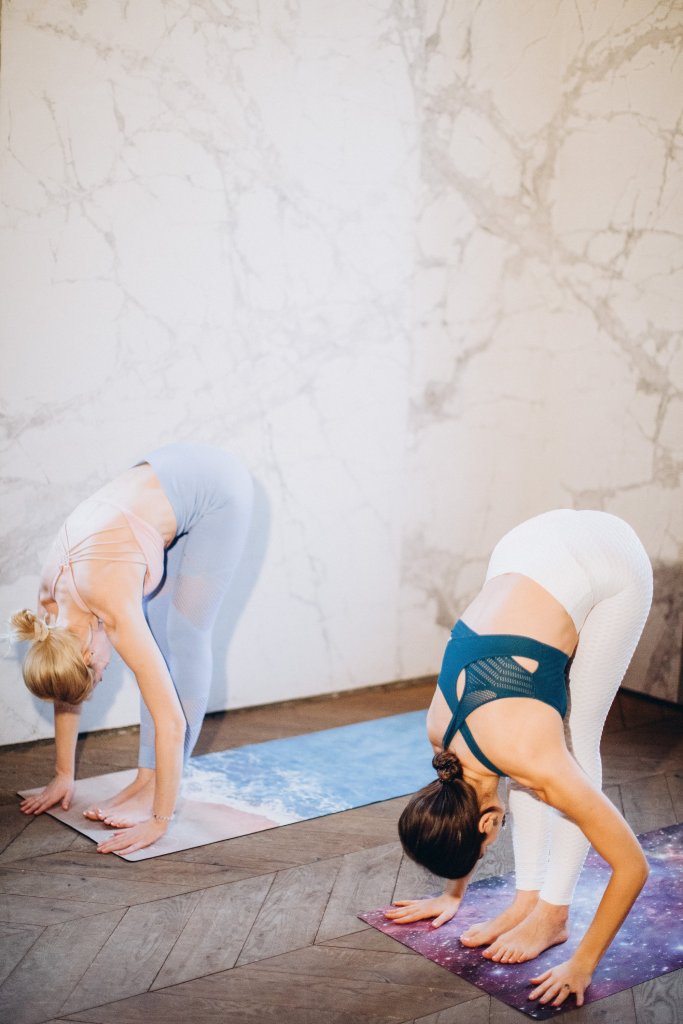
Step 3: Forward Fold (Uttanasana)
On your exhale, hinge at your hips and fold forward, bringing your hands to the mat beside your feet. If you can’t reach the mat, you can bend your knees or use blocks to support your hands. Relax your head and neck, and breathe deeply.
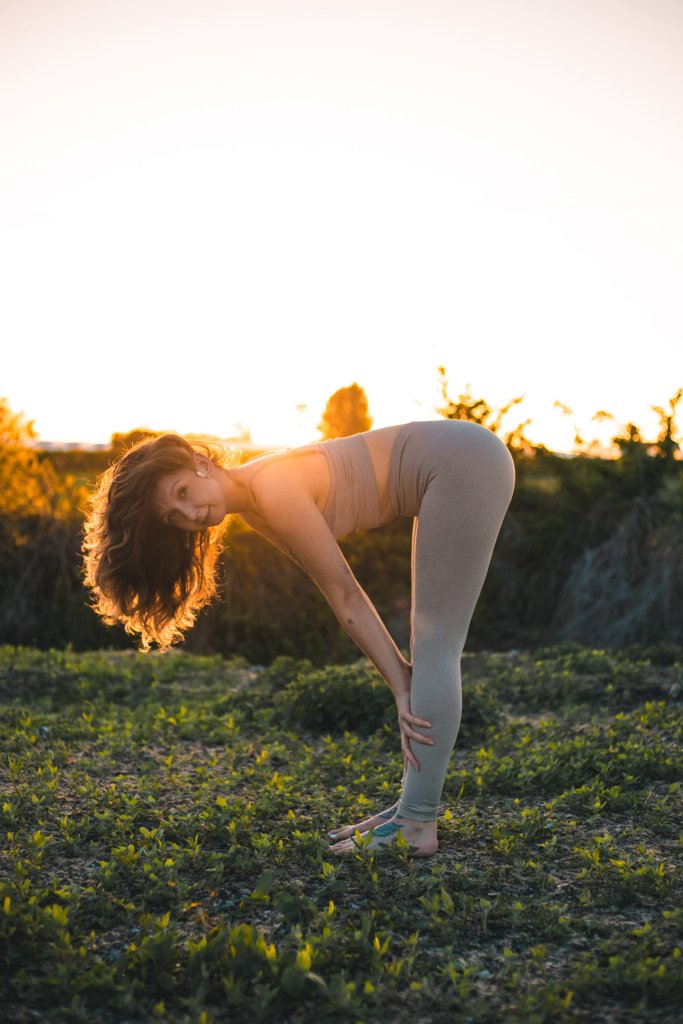
Step 4: Half Forward Fold (Ardha Uttanasana)
On your inhale, lift your upper body halfway up, bringing your hands to your shins or thighs. Keep your back flat and your gaze forward. This pose stretches the hamstrings and lengthens the spine.
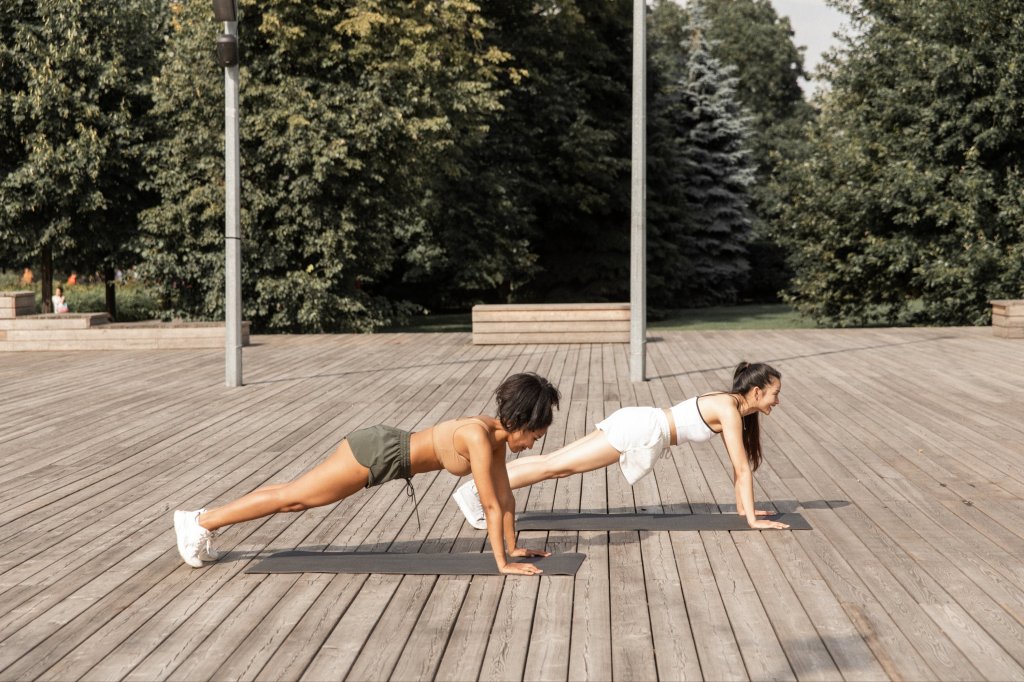
Step 5: Plank Pose
From Half Forward Fold, exhale and step or jump back into Plank Pose, or Chaturanga Dandasana, which is a low push-up position. Keep your arms straight, your core engaged, and your shoulders directly above your wrists.
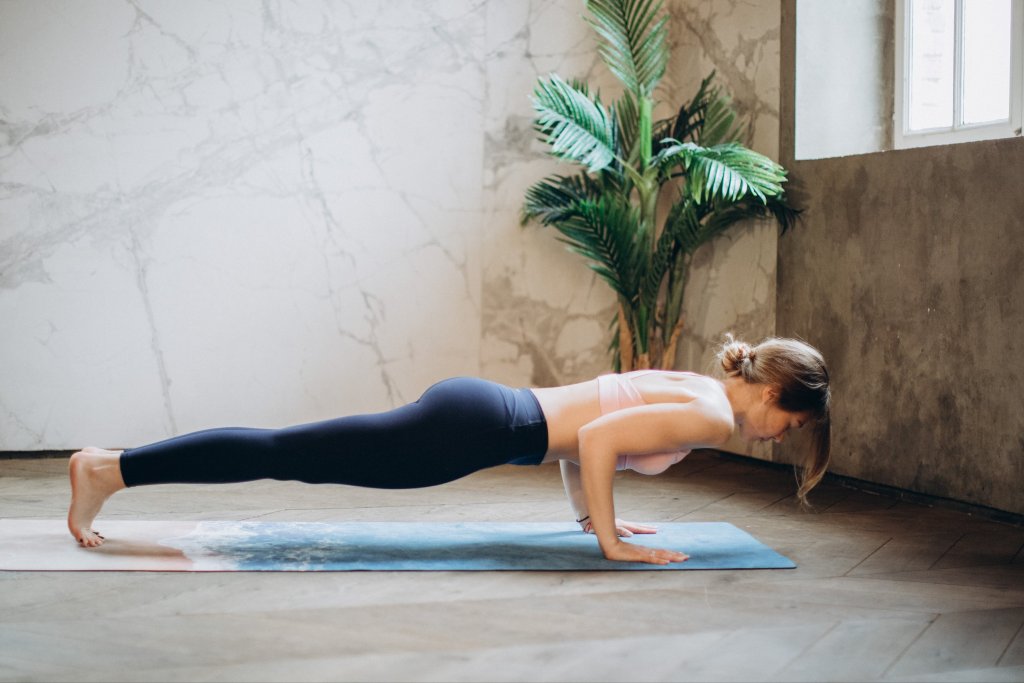
Step 6: Four-Limbed Staff Pose (Chaturanga Dandasana)
From Plank Pose, lower your body down to the ground, keeping your elbows close to your sides. Your body should be parallel to the ground. This pose builds strength in the arms, shoulders, and core.
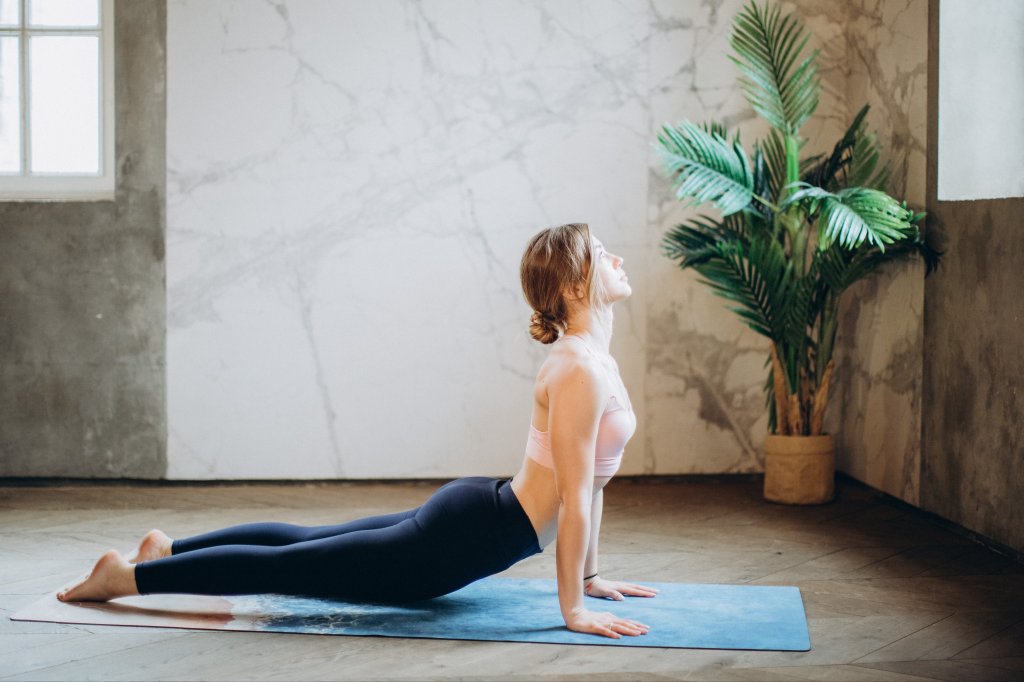
Step 7: Upward-Facing Dog Pose (Urdhva Mukha Svanasana)
From Four-Limbed Staff Pose, inhale and press your hands into the mat to lift your chest up, keeping your legs and hips on the ground. Straighten your arms and lift your gaze upward. This pose strengthens the back, arms, and chest.
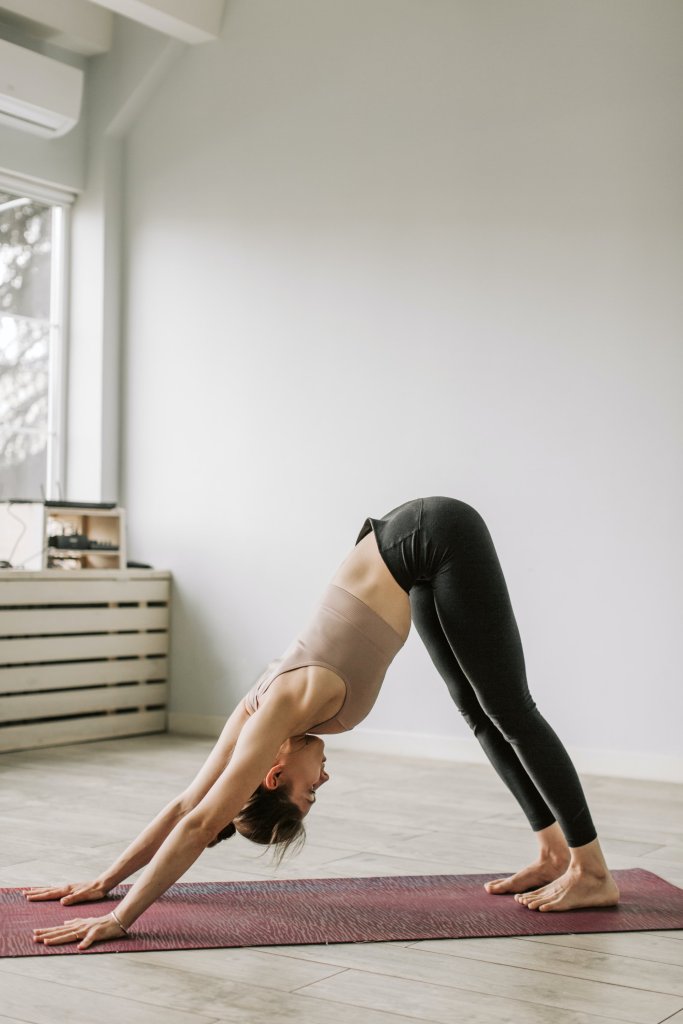
Step 8: Downward-Facing Dog Pose (Adho Mukha Svanasana)
From Upward-Facing Dog, exhale and lift your hips up and back into Downward-Facing Dog. Your body should form an inverted “V” shape. Press your hands and feet into the ground and lengthen your spine. This pose stretches the hamstrings, calves, and spine.
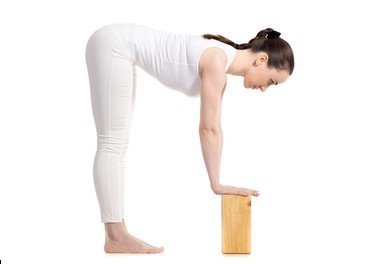
Step 9: Half Forward Fold (Ardha Uttanasana)
On your inhale, step or jump your feet to the front of the mat, coming back into Half Forward Fold.
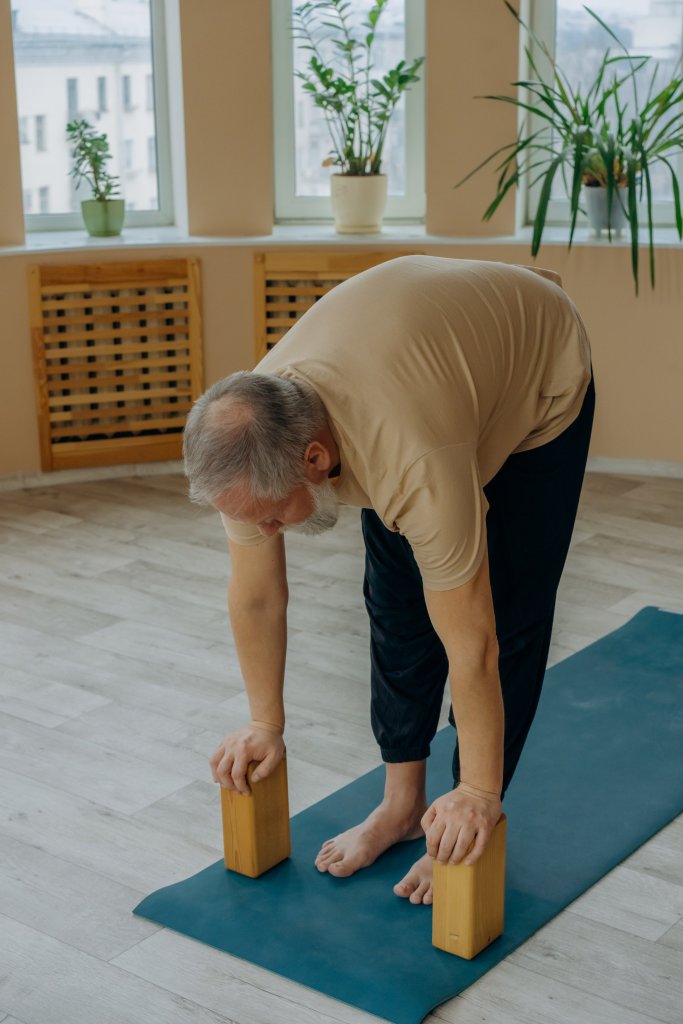
Step 10: Forward Fold (Uttanasana)
On your exhale, fold forward again, releasing any tension in your neck and shoulders.
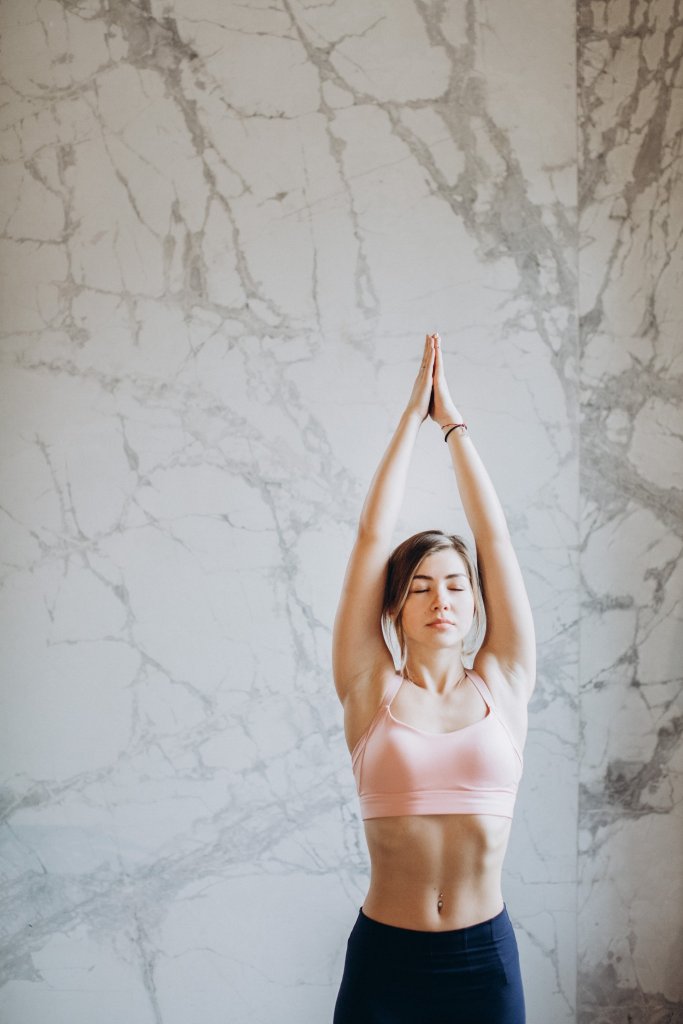
Step 11: Upward Salute (Urdhva Hastasana)
On your inhale, come all the way up to standing, reaching your arms up overhead.
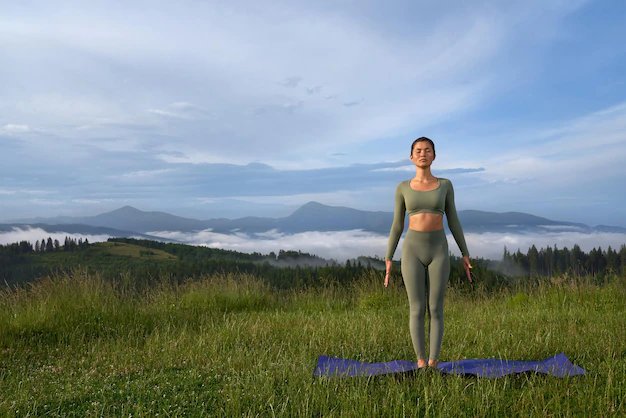
Step 12: Mountain Pose (Tadasana)
On your exhale, lower your arms back down to your sides and return to Mountain Pose.
Tips for beginners:
Take your time and move slowly through each pose, focusing on your breath and body alignment.
If you are new to yoga, start with a few rounds of Sun Salutation A and gradually increase as your body becomes more familiar with the sequence.
Remember to keep your movements smooth and controlled. Avoid sudden jerky movements or rushing through the poses.
Listen to your body and modify the poses as needed. If you have any injuries or health conditions, consult with your doctor or a qualified yoga instructor before practicing.
Practice on an empty stomach or at least a few hours after a meal.
Use props such as blocks or straps to make the poses more accessible and comfortable.
Don’t force yourself into any pose that doesn’t feel right.
Honor your body and work at your own pace.
Sun Salutation A is a great way to start your day, energize your body, and calm your mind. It is a complete practice that combines movement, breath, and meditation.
By incorporating this sequence into your yoga practice, you can improve your flexibility, strength, and overall well-being. Remember to practice with awareness, patience, and respect for your body. Enjoy the journey!
Photos by: Pexels.com
 Green Earth Essentials