“Let food be thy medicine and medicine be thy food.” – Hippocrates
Eating a balanced diet rich in whole foods and natural sources of vitamins and minerals is essential for maintaining good health and wellness. Whole foods are foods that are minimally processed or not processed at all and are rich in nutrients, fiber, and other health-promoting compounds. Natural sources of vitamins and minerals are found in whole foods, such as fruits, vegetables, whole grains, nuts, seeds, and legumes, rather than in synthetic supplements.
A balanced diet provides the body with the nutrients it needs to function properly, maintain a healthy weight, and reduce the risk of chronic diseases such as heart disease, diabetes, and cancer. It also helps to promote healthy digestion, energy levels, and a strong immune system.
Whole foods are nutrient-dense, meaning they contain high levels of essential vitamins and minerals. In contrast, processed foods are often high in calories, unhealthy fats, and sugar, and low in nutrients. Research has shown that a diet high in processed foods is associated with an increased risk of chronic diseases, including heart disease, diabetes, and cancer.
Natural sources of vitamins and minerals are found in whole foods, such as fruits, vegetables, whole grains, nuts, seeds, and legumes. Eating a variety of these whole foods ensures that you are getting a broad range of nutrients, including vitamins A, C, D, E, and K, as well as minerals such as calcium, iron, and magnesium.
Here are some examples of natural sources of vitamins and minerals:
Vitamin A: sweet potatoes, carrots, spinach, kale, and cantaloupe
Vitamin C: oranges, strawberries, kiwi, broccoli, and bell peppers
Vitamin D: sunlight, fatty fish such as salmon and tuna, and fortified foods such as milk and cereal
Vitamin E: almonds, spinach, sweet potatoes, and avocados
Vitamin K: spinach, kale, broccoli, and Brussels sprouts
Calcium: dairy products such as milk, cheese, and yogurt, as well as fortified plant-based milks, tofu, and leafy greens such as kale and collard greens
Iron: red meat, poultry, fish, beans, lentils, and fortified breakfast cereals
Magnesium: spinach, almonds, cashews, black beans, and avocado
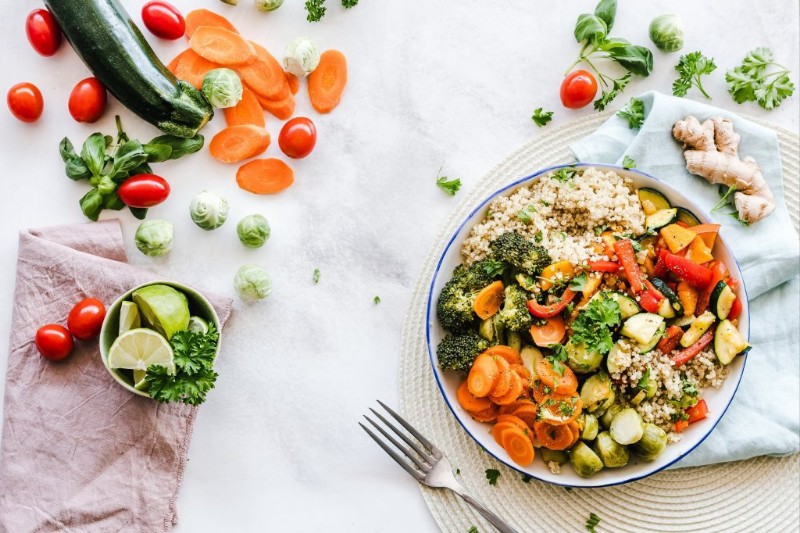
Incorporating whole foods and natural sources of vitamins and minerals into your diet can be simple and delicious. Try to eat a variety of colorful fruits and vegetables every day, choose whole grains such as brown rice and quinoa over refined grains, and snack on nuts and seeds for a healthy dose of healthy fats and protein.
Sources:
Harvard Health Publishing. (2019). The benefits of whole foods. https://www.health.harvard.edu/staying-healthy/the-benefits-of-whole-foods
Harvard Health Publishing. (2019). Processed foods: What’s OK, what to avoid. https://www.health.harvard.edu/staying-healthy/processed-foods-whats-ok-what-to-avoid
MedlinePlus. (2022). Vitamins. https://medlineplus.gov/vitamins.html
MedlinePlus. (2022). Minerals. https://medlineplus.gov/minerals.html
Photo by: Pexels.com
 Green Earth Essentials